
Aluminium foil is a staple in kitchens worldwide, a true workhorse that simplifies countless cooking and food storage tasks. This thin, shiny sheet of metal, often simply called “kitchen foil” or “tin foil,” is incredibly versatile. From cooking delicious meals to keeping leftovers fresh, its uses in the kitchen are extensive. Let’s dive deeper into what makes this material so indispensable and explore its many applications.


Classification & Alloy: Understanding Your Kitchen Foil
While most of us grab a roll of aluminium foil without much thought, understanding its basic properties, including its classification and alloy, can help appreciate its effectiveness.
What is Aluminium Foil?
Aluminium foil is a very thin sheet of aluminium metal, typically less than 0.2 mm thick. Its key characteristics include being lightweight, waterproof, non-toxic, and resistant to corrosion. Its reflective surface is excellent for managing heat, making it perfect for various kitchen applications.
Classification of Aluminium Foil
In a typical home kitchen, you’ll mainly encounter a few types of aluminium foil, though the differences might be subtle.
- Standard Household Foil: This is the most common type, versatile enough for everyday aluminium foil uses in kitchen. It’s suitable for wrapping, covering, and light cooking tasks.
- Heavy-Duty Aluminium Foil: Thicker and stronger than standard foil, heavy-duty foil is ideal for more demanding cooking tasks like roasting large cuts of meat, grilling, or lining pans for very sticky foods. Its extra strength prevents tearing under higher stress or heat.
- Non-Stick Aluminium Foil: Some varieties come with a non-stick coating on one side. This is particularly useful for baking sticky foods like cheesy dishes or delicate pastries, ensuring easy release and less cleanup.
Each of these aluminium foil classifications serves a slightly different purpose, expanding the range of its uses in the kitchen.
The Alloy Behind Your Kitchen Foil
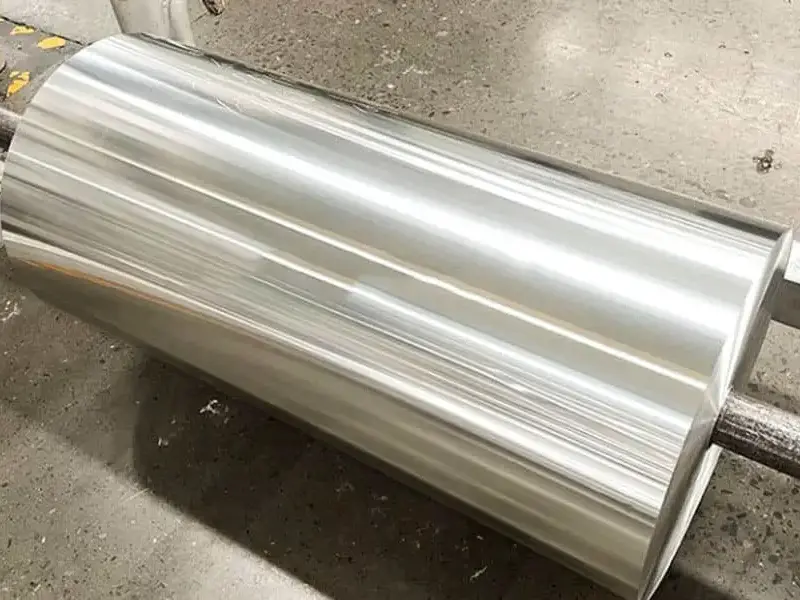
The aluminium used for foil is not 100% pure but rather an alloy, meaning it’s a mix of aluminium with small amounts of other elements. These elements enhance specific properties like strength and flexibility, making the foil more practical for its many kitchen uses.
Common aluminium alloys used for foil production typically belong to the 1xxx or 8xxx series. For example, alloys like 1235 and 8011 are frequently used. These alloys are chosen because they are:
- Ductile: They can be stretched and rolled into very thin sheets without breaking.
- Food-Safe: The alloying elements are non-toxic and do not react with food under normal cooking and storage conditions.
- Heat-Resistant: They can withstand the temperatures encountered in ovens and on grills.
This specific alloy composition ensures that your aluminium foil is safe and effective for all its kitchen uses.
Top Aluminium Foil Uses in Kitchen
The versatility of aluminium foil is truly remarkable. Here are some of the most common and clever uses in the kitchen:
Cooking & Baking
Aluminium foil is a fantastic tool for heat management in cooking.
- Roasting Meats and Vegetables:
- Wrap meats like chicken, turkey, or roasts in foil to keep them moist and tender while cooking.
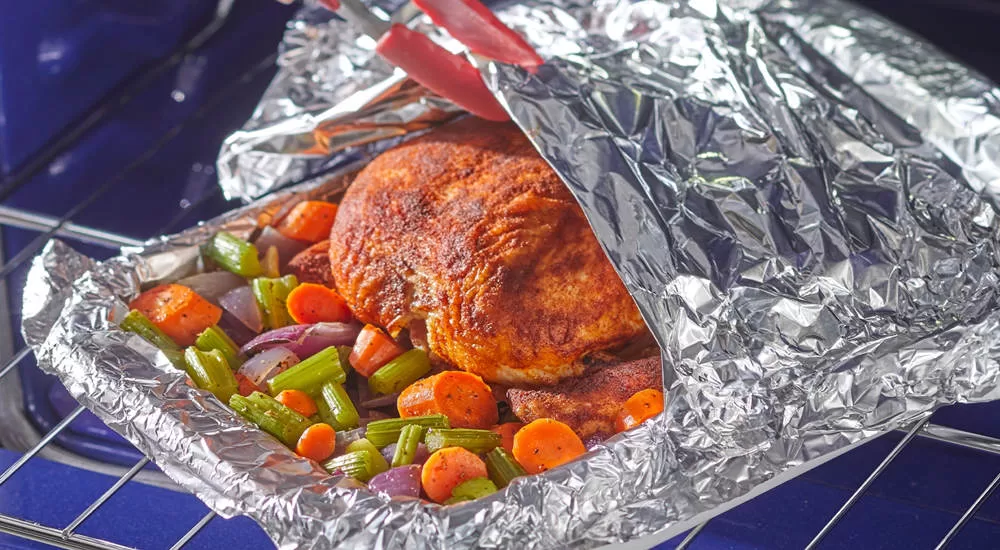
- Create foil packets with vegetables and herbs for easy, flavorful side dishes on the grill or in the oven.
- Baking:
- Line baking sheets and pans to prevent food from sticking and make cleanup a breeze.
- Cover pies or casseroles to prevent the crusts or tops from browning too quickly.
- Form makeshift baking molds for small items or individual portions.
- Grilling:
- Use heavy-duty aluminium foil to grill delicate foods like fish or sliced vegetables that might fall through grill grates.
- Create foil pouches for steaming foods on the grill, infusing them with smoky flavor.
- Keeping Food Warm:
- After cooking, wrap food loosely in foil to retain heat until serving time. This is a common kitchen use for roasted chicken or baked potatoes.
Food Storage
Aluminium foil is excellent for preserving food, thanks to its ability to create a barrier against air and moisture.
- Wrapping Leftovers:
- Tightly wrap cooked leftovers to keep them fresh in the refrigerator. The foil helps prevent drying out and keeps odors contained.
- Freezing Food:
- Wrap food tightly in aluminium foil before freezing to prevent freezer burn, which can affect taste and texture. This is a key kitchen use for preserving meat or bread.
- Packing Lunches:
- Wrap sandwiches, fruits, or snacks for school or work lunches, keeping them fresh until mealtime.
Kitchen Cleanup & Maintenance
Beyond cooking and storage, aluminium foil has some surprising uses in the kitchen for cleaning.
- Lining Ovens and Trays:
- Place a sheet of foil on the bottom rack of your oven to catch drips and spills, making oven cleaning much easier.
- Line broiler pans or toaster oven trays for quick cleanup after cooking.
- Cleaning Grill Grates:
- Crumple a ball of aluminium foil and use it with tongs to scrub stubborn grime off warm grill grates.
- Sharpening Scissors:
- Fold a sheet of foil several times and cut through it multiple times with dull scissors to help sharpen the blades.
- Makeshift Scrubber:
- For tough, stuck-on food on pots and pans (excluding non-stick surfaces), a crumpled ball of foil can act as an abrasive scrubber.
Other Clever Kitchen Uses
The ingenuity of aluminium foil uses in kitchen extends even further!
- Protecting Pie Crusts:
- Form a ring of foil around the edge of a pie crust to prevent it from over-browning while the filling cooks.
- Making a Funnel:
- Roll a piece of foil into a cone shape to create a temporary funnel for pouring liquids or small dry goods.
- Polishing Silver:
- Line a bowl with foil, add hot water, baking soda, and salt, then immerse tarnished silver items. The foil helps remove tarnish through a chemical reaction.
- Keeping Bananas Fresh:
- Wrap the stem end of a bunch of bananas tightly with foil to slow down the ripening process.
Benefits of Using Aluminium Foil in the Kitchen
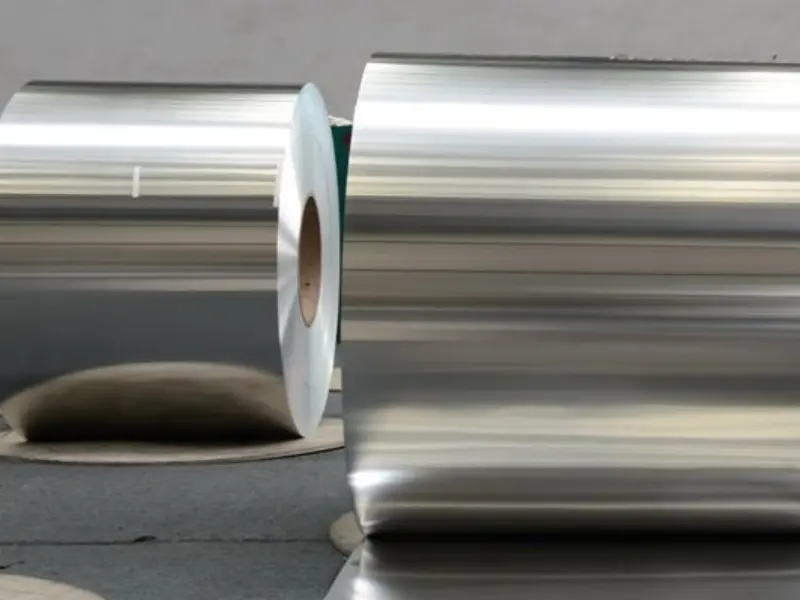
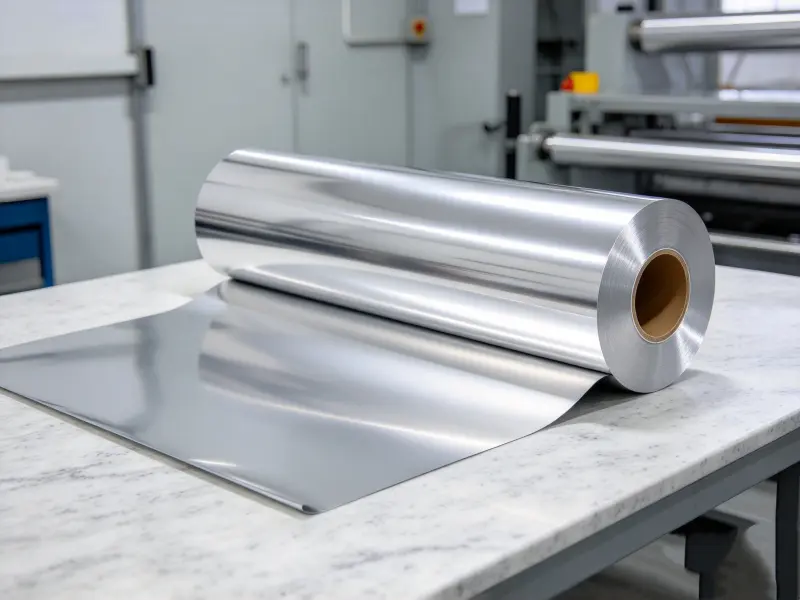
The widespread adoption of aluminium foil is due to its numerous advantages for kitchen uses:
- Excellent Heat Conductor and Barrier: It conducts heat well for cooking but also acts as an effective barrier to retain heat, keeping food warm.
- Moisture Retention: Foil helps lock in moisture, preventing food from drying out during cooking or storage.
- Food Safety and Hygiene: It’s a non-toxic material that provides a hygienic barrier for food, protecting it from external contaminants.
- Versatility: As demonstrated, its uses in the kitchen span cooking, baking, storage, and even cleaning.
- Cost-Effective: It’s a relatively inexpensive material, offering great value for its many applications.
- Recyclable: In many areas, clean aluminium foil can be recycled, making it a more environmentally friendly option compared to some other kitchen wraps.
Aluminium Foil Uses in Kitchen
Aluminium foil is a common material in home kitchens, restaurants, bakeries, catering businesses, and food processing facilities. It is lightweight, flexible, and easy to cut. It can help cover food, wrap ingredients, line baking trays, and protect food during storage and cooking.
However, not all aluminium foil is the same. Household aluminium foil, heavy-duty foil, baking foil, and commercial catering foil have different thicknesses and uses.
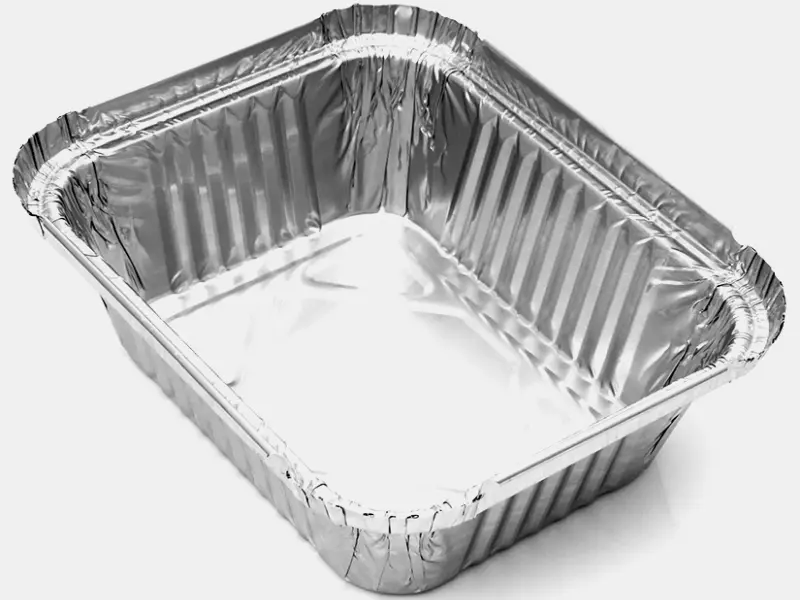
For buyers, choosing the right aluminium foil means looking at more than the roll price. Thickness, width, length, alloy, temper, surface quality, and packaging all affect product performance. Food-contact suitability is also important when selecting foil for kitchens and commercial food businesses.
What Is Aluminium Foil Used for in the Kitchen?
Aluminium foil is a thin sheet of aluminium supplied in rolls or pre-cut sheets. Its flexibility allows it to wrap around food and cover containers of different shapes.
In the kitchen, aluminium foil has applications for food preparation, cooking, baking, short-term storage, and food service. The best type depends on the food, cooking method, and required level of protection.
Common Kitchen Applications at a Glance
| Kitchen application | Recommended foil type | Main purpose |
|---|---|---|
| Wrapping sandwiches | Standard household foil | Keeps food covered |
| Roasting meat | Heavy-duty aluminium foil | Helps cover large portions |
| Baking potatoes | Standard or heavy-duty foil | Wraps food during cooking |
| Covering baking trays | Oven-use foil | Helps reduce food residue |
| Wrapping vegetables | Standard or heavy-duty foil | Holds food together during cooking |
| Covering dishes | Wide aluminium foil | Covers larger containers |
| Freezer storage | Suitable food-grade foil | Helps protect wrapped food |
| Catering and restaurants | Commercial aluminium foil | Supports high-volume food preparation |
| Wrapping leftovers | Household aluminium foil | Covers food for storage |
| Preparing foil packets | Heavy-duty foil | Creates sealed cooking packets |
Aluminium foil can be used in many kitchen tasks, but it is not suitable for every situation. Acidic or highly salty foods can react with aluminium under certain conditions. Always follow the food manufacturer’s instructions and the recommendations for the intended cooking method.
Different Types of Aluminium Foil for Kitchen Use
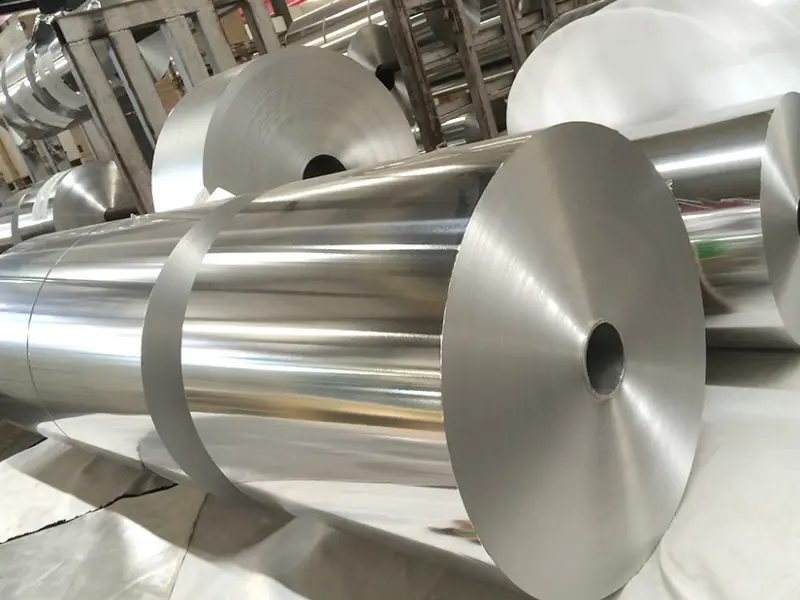
Kitchen aluminium foil is available in several product types. The differences usually relate to thickness, roll size, strength, and intended application.
Standard Household Aluminium Foil
Standard household foil has designed for everyday food preparation. It is commonly used in homes, small cafés, and food service businesses.
It can wrap sandwiches, cover bowls, protect leftovers, and cover dishes before refrigeration. Its flexibility makes it easy to fold around food.
This type is a practical choice for general kitchen use when very high tear resistance is not required.
Heavy-Duty Aluminium Foil
Heavy-duty aluminium foil is thicker than many standard household products. It has often selected for larger portions, roasting, grilling applications where foil use is appropriate, and cooking packets.
Its additional thickness can help reduce tearing during handling. It may also be more convenient when wrapping foods with irregular shapes or sharp edges.
However, heavy-duty foil is not completely puncture-proof. Bones, sharp utensils, and rough handling can still damage it.
Extra Heavy-Duty Aluminium Foil
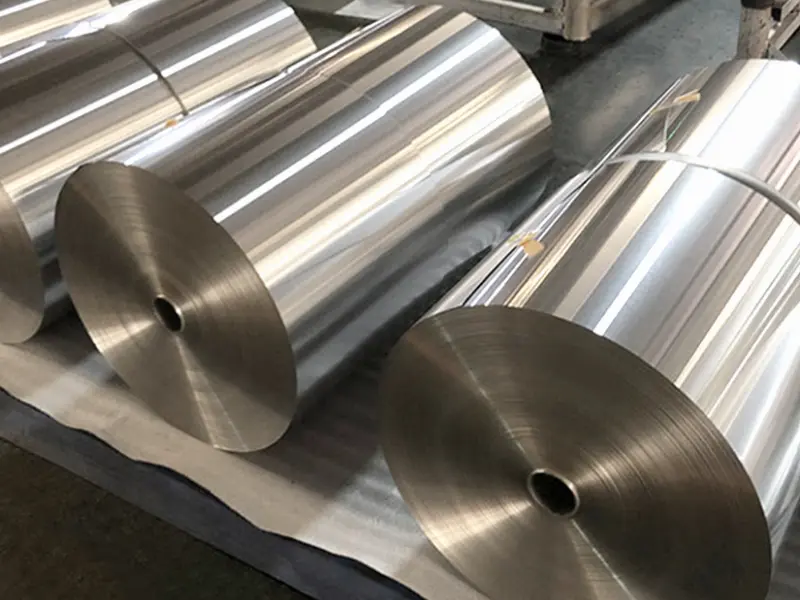
Extra heavy-duty foil has designed for applications that need additional material strength. It has applications in commercial kitchens, catering operations, and food preparation facilities.
Typical uses include:
- Wrapping large portions of meat.
- Covering large roasting pans.
- Preparing food packets.
- Covering containers during transport.
- Handling demanding food preparation tasks.
The term “extra heavy-duty” is not a universal thickness standard. Buyers should check the actual thickness in microns or millimeters instead of relying only on the product name.
Aluminium Foil for Baking
Baking foil has uses to cover baking dishes, wrap selected ingredients, and help manage food preparation. It is available in different thicknesses and roll widths.
For baking, the correct choice depends on the temperature, food type, and recipe. Some ovens and baking accessories require specific instructions.
Do not assume that aluminium foil is suitable for every oven, microwave, or appliance. Check the appliance manual before use.
Wide Aluminium Foil Rolls
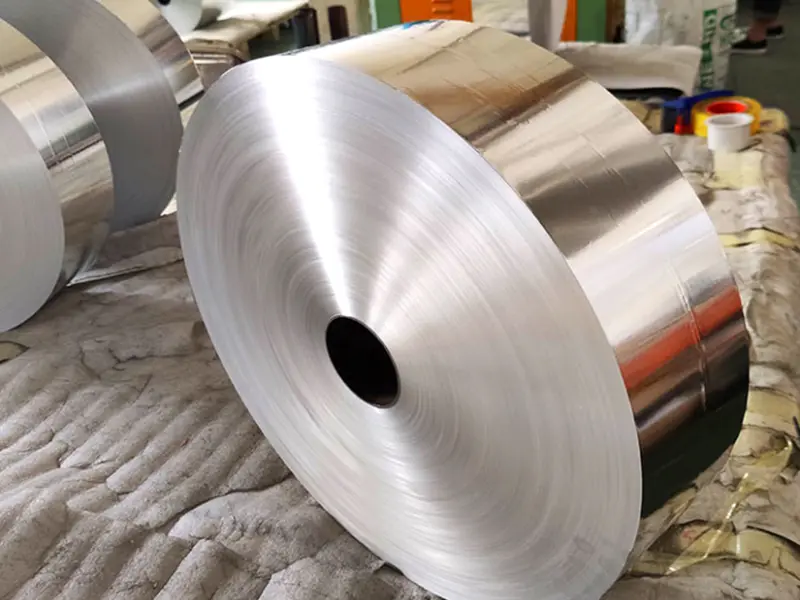
Wide foil rolls are useful for large dishes and commercial cooking equipment. They can cover wider trays with fewer overlapping sections.
Restaurants, hotels, and catering companies may prefer wide rolls because they reduce the need to join multiple pieces of foil.
When buying wide rolls, check the usable width, total length, core dimensions, and compatibility with the dispenser.
Pre-Cut Aluminium Foil Sheets
Pre-cut foil sheets have supplied in individual pieces instead of continuous rolls. They are convenient for sandwich shops, bakeries, takeaway businesses, and food counters.
Common uses include:
- Wrapping sandwiches and burgers.
- Preparing individual food portions.
- Separating food items during preparation.
- Wrapping baked products.
- Supporting fast service during busy periods.
Pre-cut sheets can reduce cutting time, although the required sheet size should match the food portion.
Embossed Aluminium Foil

Embossed foil has a textured surface created during manufacturing. Depending on the product design, embossing may change its appearance and handling characteristics.
Embossed aluminium foil has offered for selected household or food-service applications. Buyers should confirm that the product is suitable for the intended food-contact use.
Smooth foil has often sufficient for general wrapping, so embossed foil should be selected when its specific characteristics provide a practical benefit.
Aluminium Foil Thickness and Specifications
Thickness is one of the most important factors when selecting kitchen aluminium foil. A thicker product generally offers greater resistance to tearing, but it also uses more aluminium and may cost more per unit of roll length.
The following values are illustrative purchasing ranges. Actual thickness categories vary by manufacturer and market.
Aluminium Foil Thickness Comparison
| Approximate thickness | Equivalent thickness | Possible kitchen uses |
|---|---|---|
| 8 microns | 0.008 mm | Light wrapping and simple covering |
| 9 microns | 0.009 mm | General household tasks |
| 10 microns | 0.010 mm | Everyday food wrapping |
| 12 microns | 0.012 mm | General cooking and covering |
| 15 microns | 0.015 mm | More demanding household applications |
| 16 microns | 0.016 mm | Food preparation and wrapping |
| 18 microns | 0.018 mm | Heavy-duty household applications, depending on product design |
| 20 microns | 0.020 mm | Selected commercial kitchen uses |
| 25 microns | 0.025 mm | Applications requiring additional material strength |
These values are not fixed definitions for standard, heavy-duty, or extra heavy-duty foil. Compare the actual specification, product construction, and performance requirements before ordering.
How to Choose the Right Thickness
Thin foil can be suitable for covering food containers and wrapping lightweight items. It is generally easier to fold and can provide good value for high-volume everyday use.
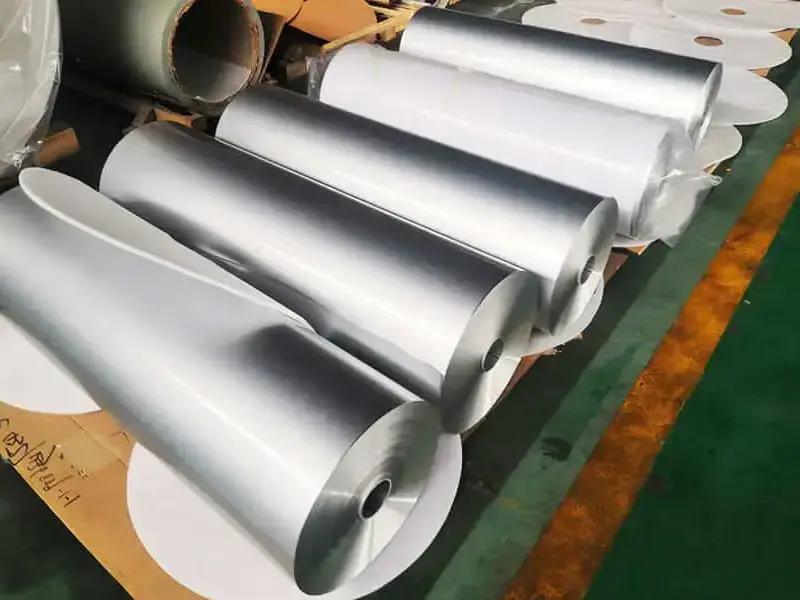
Medium-thickness foil offers a balance between flexibility and handling strength. It can be suitable for a range of household cooking and food preparation tasks.
Thicker foil is useful when the foil needs to withstand more handling or wrap larger portions. It has preferred for selected commercial kitchen applications.
The right thickness depends on the intended use rather than the thickness number alone. A buyer should test the foil with the actual food, container, and preparation method.
Roll Width and Length
Kitchen aluminium foil has supplied in different widths and roll lengths. Common product formats include compact household rolls, standard retail rolls, wide catering rolls, and bulk rolls.
| Product format | Typical purpose | Important purchasing detail |
|---|---|---|
| Narrow household roll | Small food portions | Easy storage |
| Standard household roll | Daily cooking and wrapping | Balance of size and convenience |
| Wide roll | Large dishes and trays | Tray coverage |
| Long commercial roll | Restaurants and catering | Lower frequency of roll changes |
| Pre-cut sheets | Fast food service | Consistent sheet dimensions |
| Custom roll | Specific equipment or market | Required width and length |
Roll dimensions have confirmed with the supplier. Some products are sold by net weight, while others are sold by roll length or retail pack.
Aluminium Foil Alloy and Temper: What Buyers Should Know
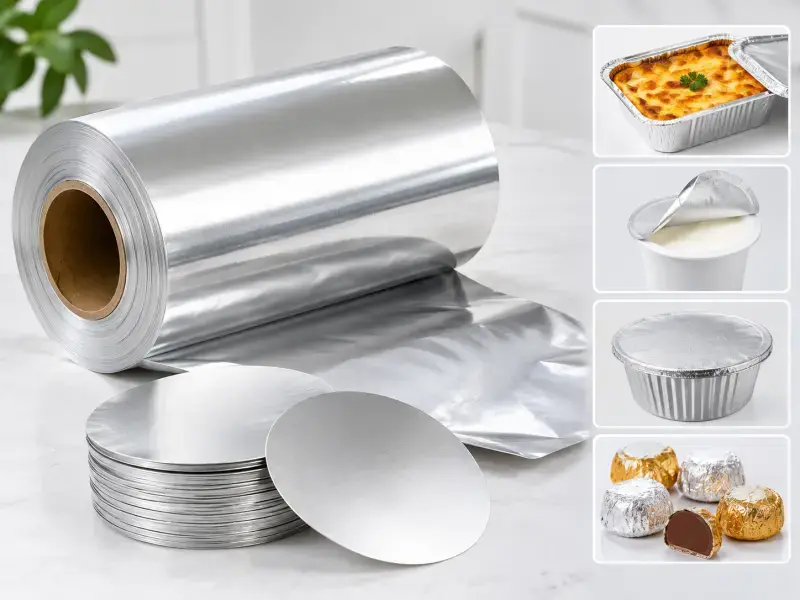
Aluminium foil properties depend on the alloy, rolling process, final thickness, and temper. These factors affect flexibility, strength, surface quality, and suitability for converting into rolls.
Common Aluminium Foil Alloys
Several aluminium alloys may be used in foil production. Availability depends on the manufacturer and the product specification.
| Alloy | General characteristics | Potential relevance to foil products |
|---|---|---|
| 1050 | High aluminium content and good formability | Selected foil and thin-sheet applications |
| 1060 | High aluminium content and good corrosion resistance in suitable conditions | Certain foil products |
| 1100 | Commercially pure aluminium with good formability | Some foil and packaging applications |
| 1200 | High aluminium content | Selected foil products |
| 8011 | Commonly used in packaging foil | Household and food packaging foil applications |
| 8079 | Used in selected thin-foil and flexible packaging products | Product-specific packaging applications |
Not every alloy is available for every kitchen foil product. Alloy selection depends on the target thickness, mechanical requirements, manufacturing process, and food-contact requirements.
For household aluminium foil, buyers should not assume that a higher alloy number means better quality. The finished product specification and its intended use are more important than the alloy number alone.
What Does Aluminium Foil Temper Mean?
Temper describes the condition of aluminium after processing, including rolling and any applicable heat treatment. It influences the material’s mechanical properties.
| Temper or condition | General meaning | Purchasing consideration |
|---|---|---|
| O | Annealed condition | Generally soft and highly formable |
| H18 | Hard condition produced through strain hardening | Different stiffness and handling characteristics |
| Other H tempers | Different levels of strain hardening | Confirm the exact properties with the manufacturer |
Thin aluminium foil has supplied in different conditions depending on its final application. Some foil products may use a specific temper or a product-specific designation.
For kitchen foil, buyers should request the manufacturer’s technical specification rather than choosing a temper based on the label alone. The required softness, folding performance, tensile properties, and converting requirements should guide the selection.
Single-Zero and Double-Zero Aluminium Foil
In some markets, aluminium foil is classified by its thickness using the terms “single zero” and “double zero.” These terms are not applied identically by every supplier or market.
For this reason, purchasing documents should state the actual thickness in microns or millimeters. This reduces confusion when comparing quotations from different manufacturers.
Aluminium Foil Uses in Different Kitchen Tasks
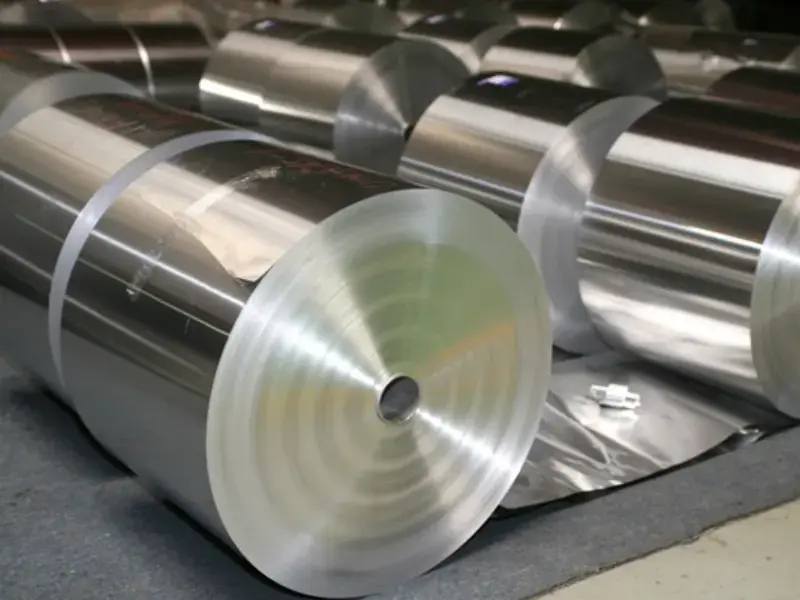
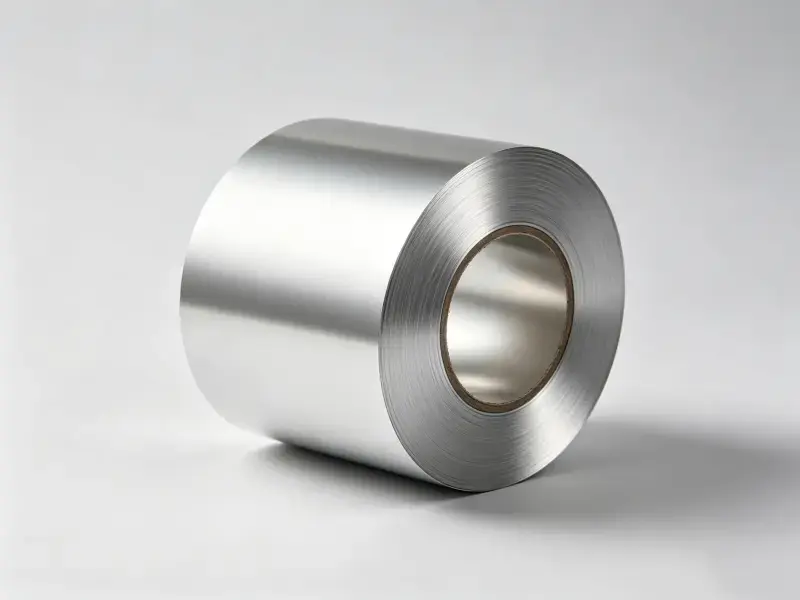
The right foil product depends on what you are preparing. A foil roll used for covering a bowl may not be the best option for wrapping a large roast.
Wrapping Sandwiches and Snacks
Standard household foil has uses to wrap sandwiches, rolls, and selected snacks. It folds around food and provides a convenient covering for transport.
For takeaway businesses, pre-cut foil sheets can make packaging faster. Sheet size should match the product so that the wrapper is not unnecessarily large.
Roasting Meat and Poultry

Heavy-duty foil has uses to cover roasting dishes or wrap selected foods during preparation. It can help retain moisture in some cooking methods and limit splashes.
Cooking results depend on the recipe, temperature, and time. Foil does not automatically make food cook faster or guarantee that it remains moist.
When preparing poultry or meat, follow safe cooking temperatures and handling practices.
Baking Potatoes and Vegetables
Aluminium foil can be used to wrap selected vegetables or potatoes when a recipe calls for it. Heavy-duty foil may be easier to handle for large or irregularly shaped ingredients.
For vegetables with acidic ingredients, sauces, or high salt content, consider whether direct contact with aluminium is appropriate. A suitable dish or alternative food-contact material may be preferable.
Covering Baking Dishes
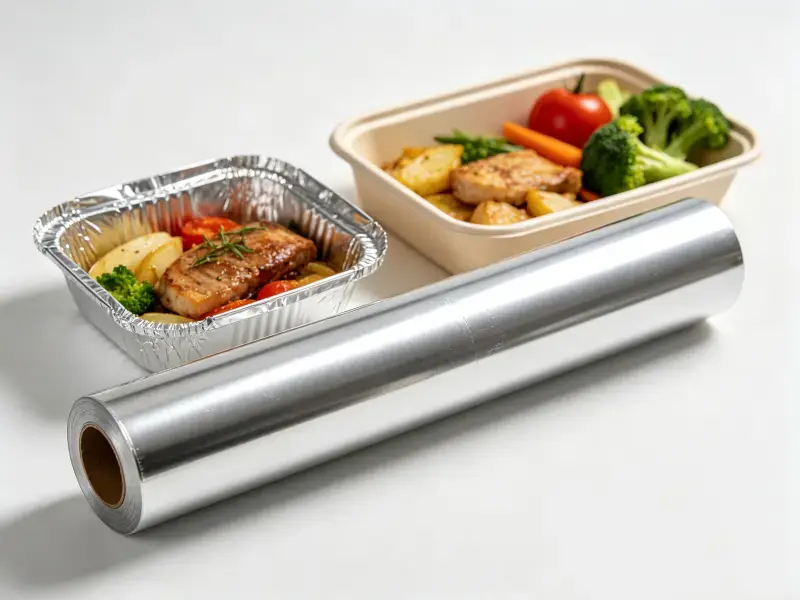
A sheet of foil can cover a baking dish when a recipe requires covered cooking. Wide rolls are helpful for large trays.
The foil should not touch heating elements or interfere with oven ventilation. Follow the oven manufacturer’s instructions and the recipe’s guidance.
Storing Leftovers
Foil can cover suitable containers or wrap selected foods for short-term storage. It can help reduce direct exposure to air, but it is not a complete substitute for proper food storage.
For refrigeration, place food in the refrigerator promptly and use clean, food-safe containers. Ensure that the covering is secure and that the food is stored at a safe temperature.
Freezing Food
Aluminium foil has uses to wrap certain foods intended for freezing. A close-fitting wrap can help protect the food from exposure to air.
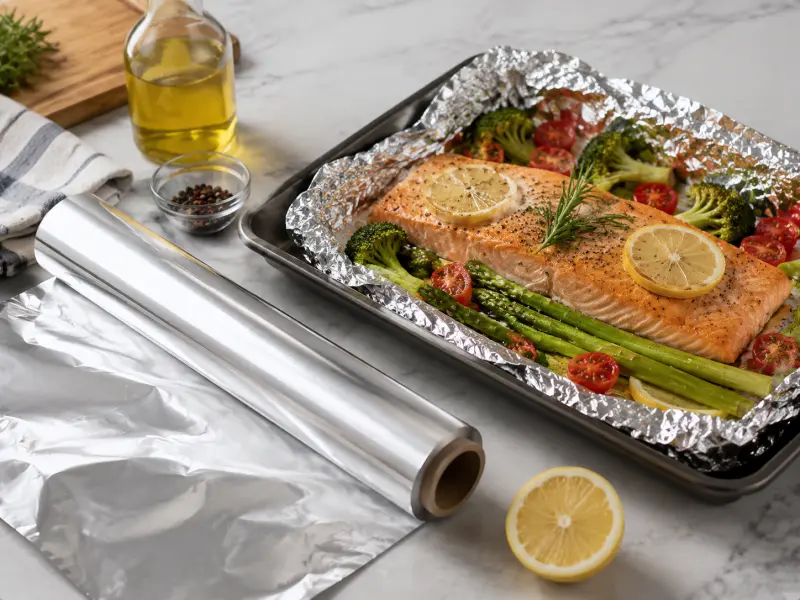
For longer storage, use a wrapping method designed for freezer conditions and check that the package is well sealed. Some foods may benefit from an additional freezer-safe outer bag or container.
Preparing Foil Packets
Foil packets have applications for selected recipes involving vegetables, fish, meat, and other ingredients. The foil is folded around the food to create a packet.
Heavy-duty foil may be easier to fold and handle, but the appropriate thickness depends on the ingredients and cooking method. Leave enough space for the packet to be handled safely, and follow recipe instructions.
Food Service and Catering
Commercial kitchens often use large foil rolls or pre-cut sheets to handle repeated food preparation tasks.
Typical applications include:
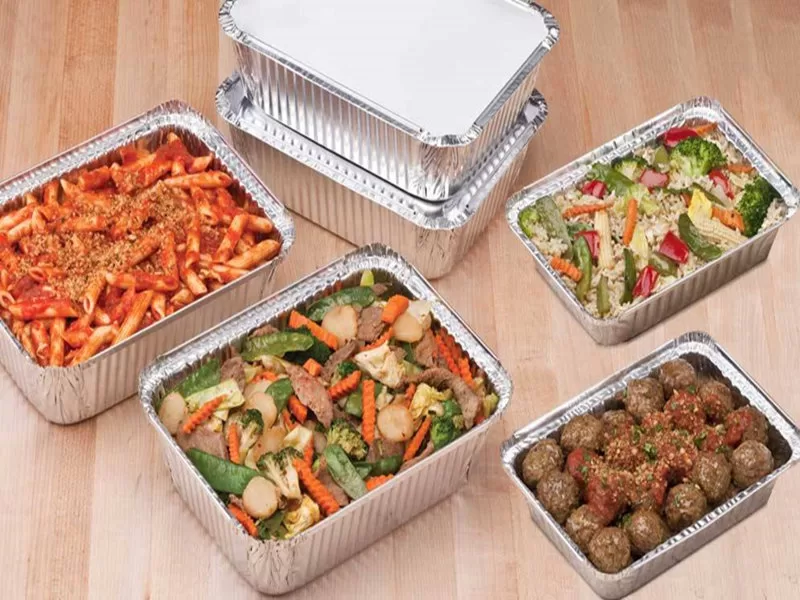
- Covering food trays.
- Wrapping individual servings.
- Preparing food for transport.
- Covering selected baking dishes.
- Separating portions during preparation.
- Supporting takeaway and catering operations.
For bulk purchasing, consider roll length, width, carton quantity, dispenser compatibility, and storage space.
Aluminium Foil vs. Parchment Paper vs. Plastic Wrap

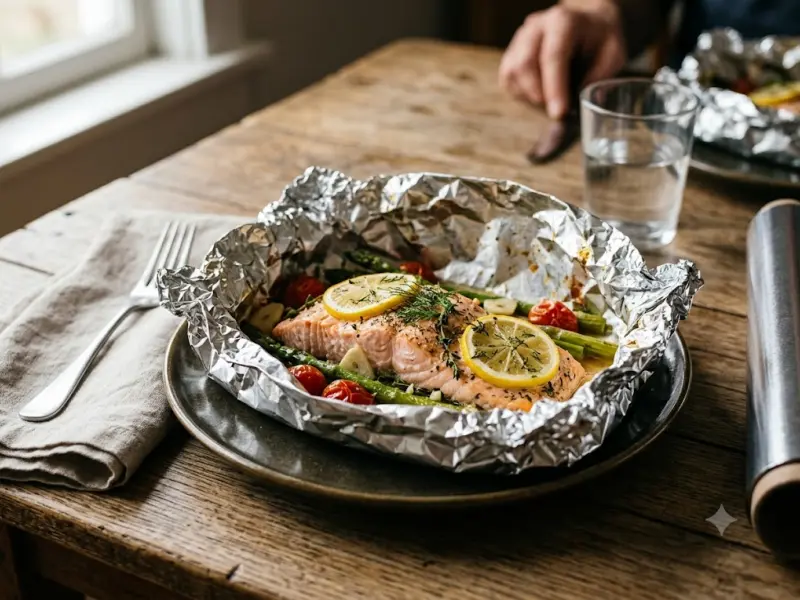
These materials are not interchangeable in every kitchen task. Each has different properties and limitations.
| Feature | Aluminium foil | Parchment paper | Plastic wrap |
|---|---|---|---|
| Blocks light | Yes | Depends on the product | Usually no |
| Flexible wrapping | Yes | Yes, with limitations | Yes |
| Suitable for oven use | Only when the appliance and recipe allow it | Many products are designed for baking within stated limits | Generally not for conventional oven use |
| Covers containers | Yes | Possible, but less conformable in some cases | Yes |
| Helps protect food from air | When wrapped closely | Depends on how it is used | When sealed closely |
| Metal contact | Yes | No | No |
| Typical uses | Wrapping, covering, selected cooking tasks | Baking and lining trays | Covering and storing suitable foods |
The best material depends on the task. Parchment paper is often convenient for lining baking trays, while plastic wrap is commonly used to cover suitable containers. Aluminium foil is useful when a flexible, light-blocking metal covering is needed.
Always check product instructions before using any material in an oven, microwave, or other appliance.
Aluminium Foil vs. Different Types of Kitchen Foil
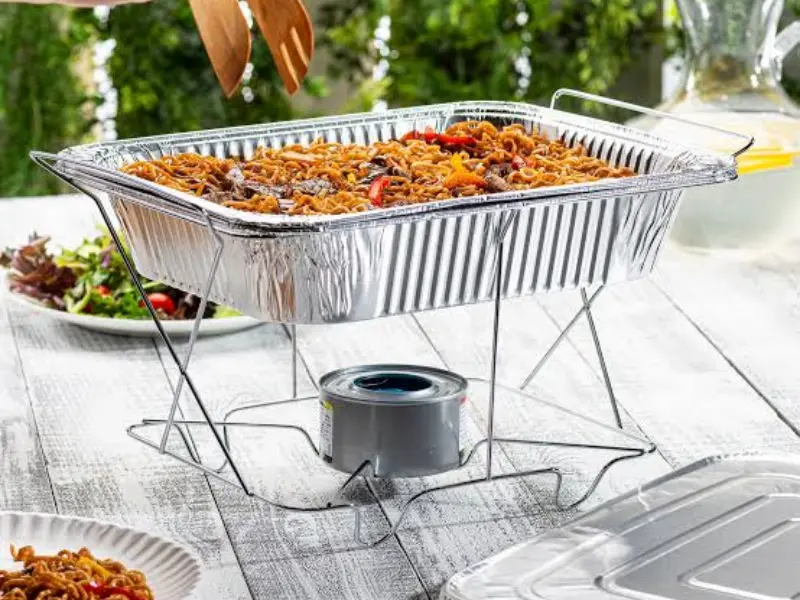
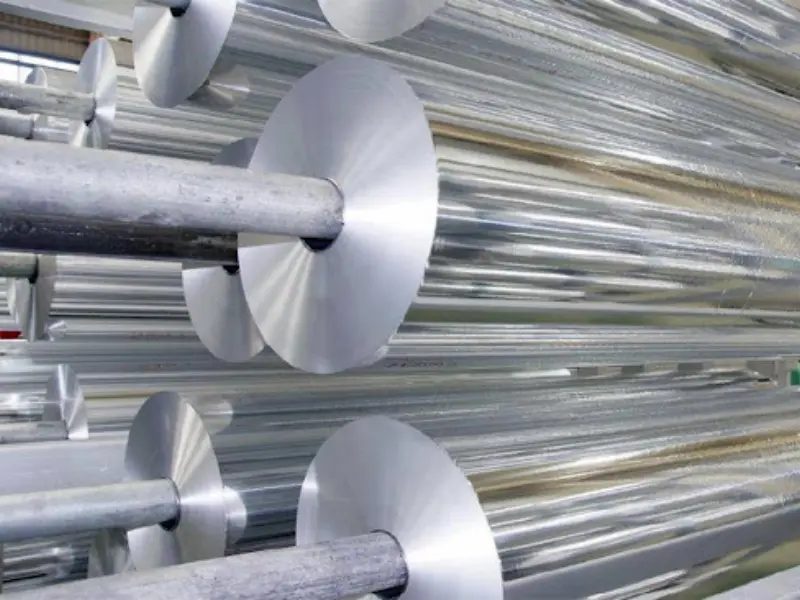
The following comparison helps buyers match foil specifications to everyday needs.
| Product type | Flexibility | Handling strength | Best suited for |
|---|---|---|---|
| Standard household foil | High | Depends on thickness | Everyday wrapping and covering |
| Heavy-duty foil | Good | Generally higher than thinner alternatives | Large portions and demanding handling |
| Extra heavy-duty foil | Depends on specification | Designed for greater strength | Selected commercial kitchen tasks |
| Wide catering foil | Depends on thickness | Depends on specification | Large trays and bulk food preparation |
| Pre-cut foil sheets | Depends on sheet thickness | Depends on specification | Fast and consistent food service |
| Custom aluminium foil | Depends on design | Specified by buyer requirements | Special packaging or equipment needs |
For a fair comparison, evaluate thickness, roll length, roll width, net weight, and product performance. A longer roll is not necessarily better value if the foil is too thin for the intended use.
Is Aluminium Foil Safe for Kitchen Use?
Aluminium foil has applications for food wrapping and preparation. However, its suitability depends on the food, temperature, contact time, and product specifications.
Foods That Need Extra Attention
Acidic and highly salty foods may increase the transfer of aluminium into food under certain conditions. Examples include foods containing large amounts of lemon juice, vinegar, tomato, or salt.
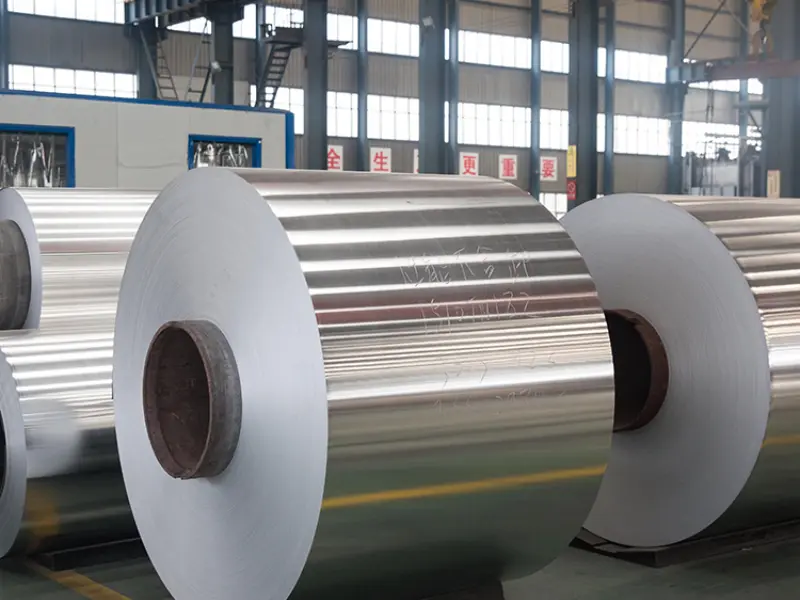
For these foods, consider using a suitable glass, ceramic, or other food-safe container instead of direct contact with aluminium foil, especially during prolonged cooking or storage.
Can Aluminium Foil Be Used in a Microwave?
Metal can cause arcing or damage under unsuitable conditions. Always consult the microwave manual rather than relying on general assumptions.
Can Aluminium Foil Be Reused?
Clean foil that has not contacted unsafe food or become damaged may sometimes be reused for a suitable non-critical task. However, foil with food residue, grease, tears, or contamination should not be reused for direct food contact.
Commercial kitchens should follow their food safety procedures and local requirements.
How to Choose Aluminium Foil for Your Kitchen or Business
Choosing the right foil starts with the application. Household buyers and commercial purchasers may have different requirements.
Select Thickness Based on Use
For lightweight wrapping and simple covering, a thinner foil may be sufficient. For larger portions, repeated handling, or demanding food preparation, a thicker product may be more practical.
Do not choose foil based only on terms such as “premium” or “heavy-duty.” Ask for the actual thickness and test the product with your intended application.
Check the Width and Length
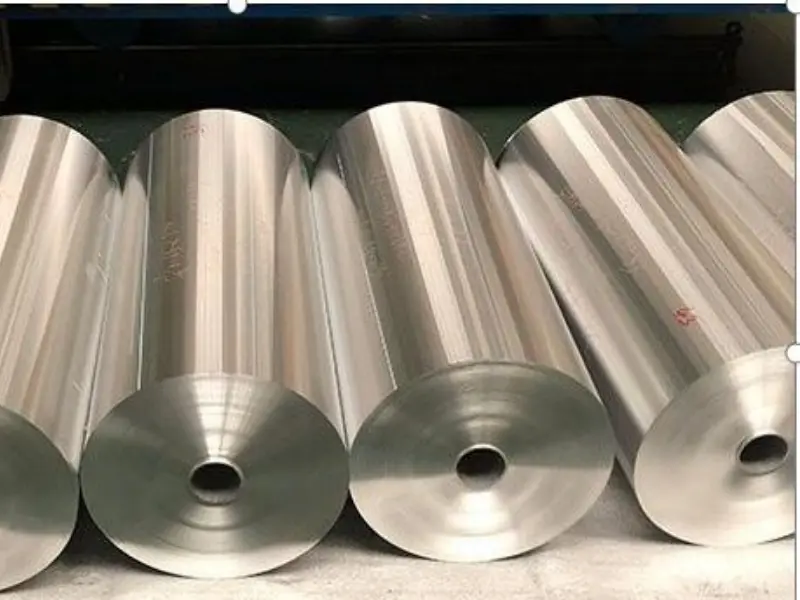
A roll that is too narrow may require multiple pieces to cover a tray. A roll that is too wide may be difficult to handle in a small kitchen.
Restaurants and catering companies should compare roll dimensions with their trays, dispensers, and preparation tables.
Confirm Food-Contact Suitability
Ask the supplier for documentation that supports the intended food-contact application and the destination market’s requirements.
Do not assume that every aluminium foil product is suitable for every food type, temperature, or cooking process.
Compare the Total Cost
The price of kitchen aluminium foil depends on several factors:
- Alloy and material specification.
- Thickness and roll dimensions.
- Total aluminium weight.
- Surface quality and manufacturing consistency.
- Packaging and carton quantity.
- Order volume.
- Shipping method and destination.
- Applicable food-contact documentation.
For commercial buyers, comparing the price per roll alone may be misleading. It is useful to calculate the cost per meter or per kilogram, while also checking the usable length and thickness.
Ask About Custom Packaging
Retail brands, wholesalers, and distributors may need customized cartons, labels, roll lengths, or private-label packaging.
Before placing an order, confirm the minimum order quantity, sample availability, production lead time, printing requirements, and packaging specifications.
Manufacturing and Quality Control of Kitchen Aluminium Foil
Aluminium foil production generally involves several processing stages. The exact route depends on the manufacturer’s equipment and product design.
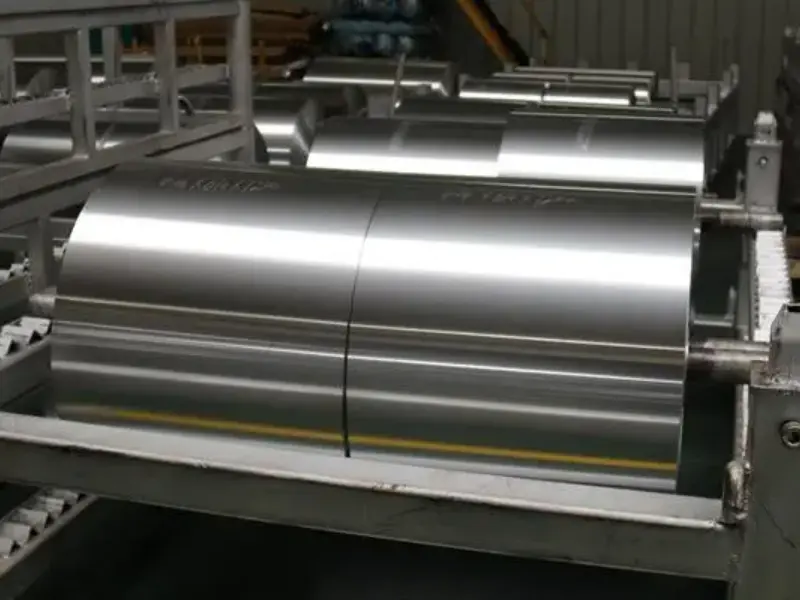
A simplified production flow is:
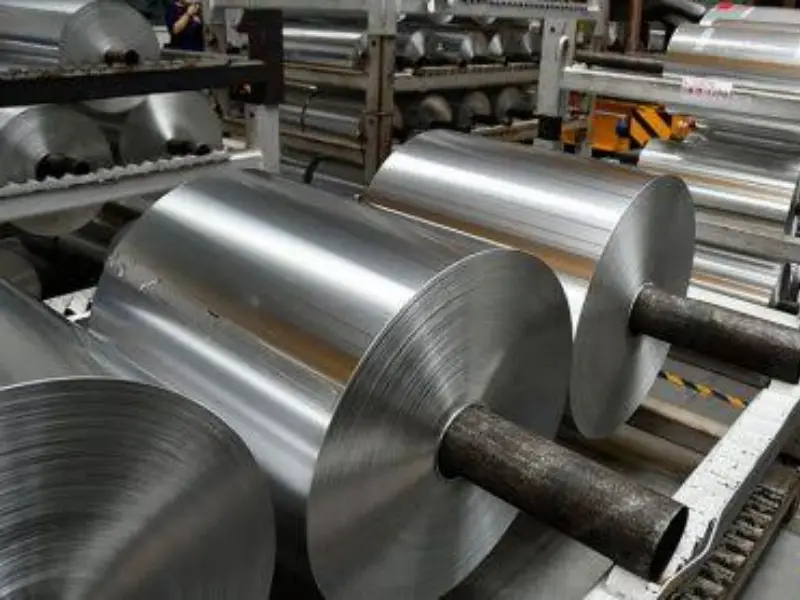
Aluminium material → Rolling → Thickness control → Slitting → Rewinding → Inspection → Packaging
Thickness and Dimensional Inspection
Consistent thickness helps maintain predictable handling performance. Manufacturers may inspect thickness, width, roll length, and other dimensions according to their quality procedures.
Buyers who need repeat orders should agree on acceptable tolerances before production.
Surface Quality
The finished foil should meet the agreed requirements for cleanliness, surface appearance, and defects. The acceptance criteria may vary depending on whether the product is intended for household retail or commercial food service.
Packaging and Storage
Aluminium foil rolls have protected from dust, moisture, deformation, and damage during transportation. Packaging should also prevent unnecessary damage to the roll edges and core.
Store foil in a clean, dry place and keep it protected until use.
Frequently Asked Questions About Aluminium Foil Uses in the Kitchen
What is aluminium foil mainly used for in the kitchen?
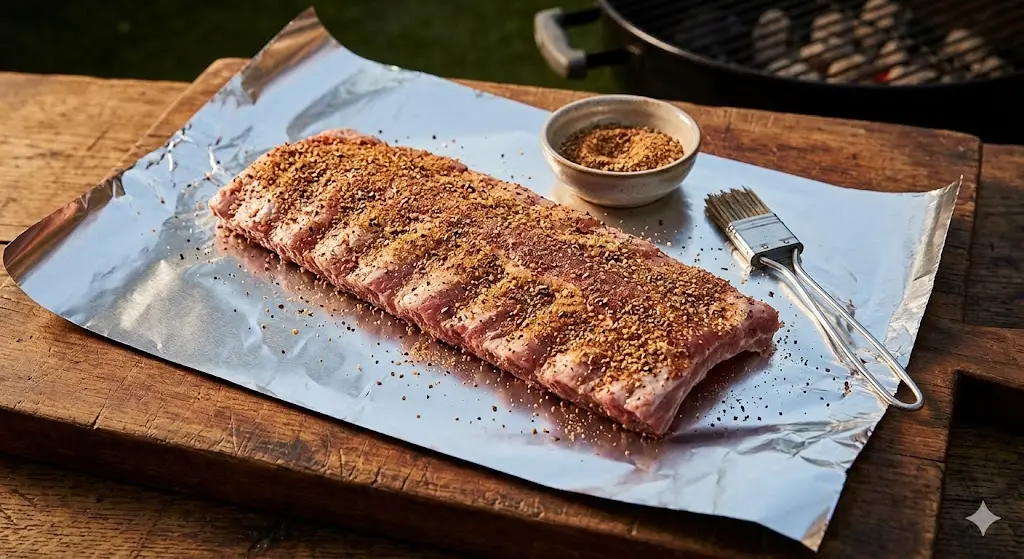
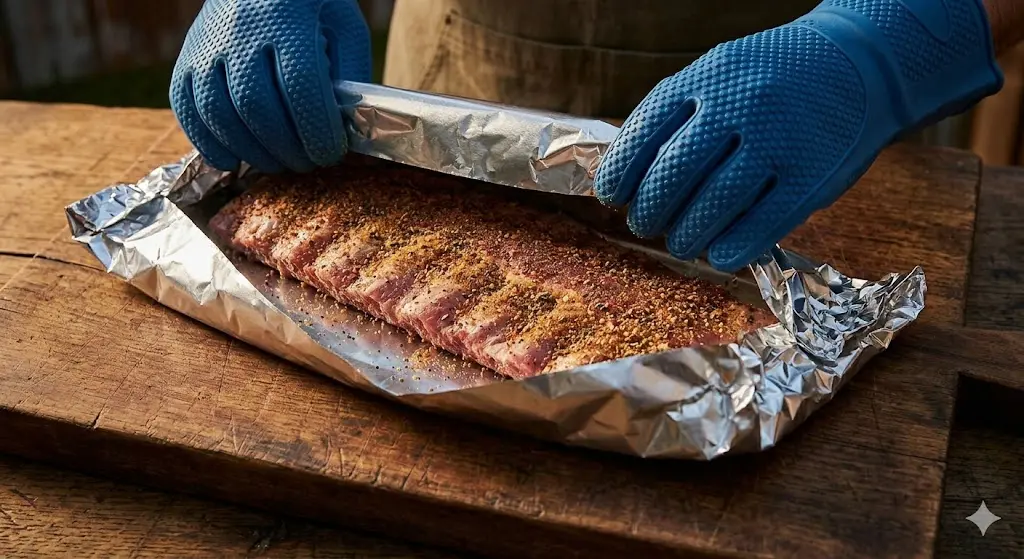
Aluminium foil has applications for wrapping food, covering containers, preparing selected cooking packets, covering baking dishes, and storing suitable foods.
Which aluminium foil is best for everyday cooking?
Standard household foil is suitable for many everyday tasks. Heavy-duty foil may be more practical for larger portions or applications that require additional handling strength.
What thickness is best for kitchen aluminium foil?
There is no single best thickness for every task. Thinner foil can suit light wrapping, while thicker foil may be better for demanding applications. Check the actual thickness and test it with your intended use.
What is the difference between standard and heavy-duty aluminium foil?
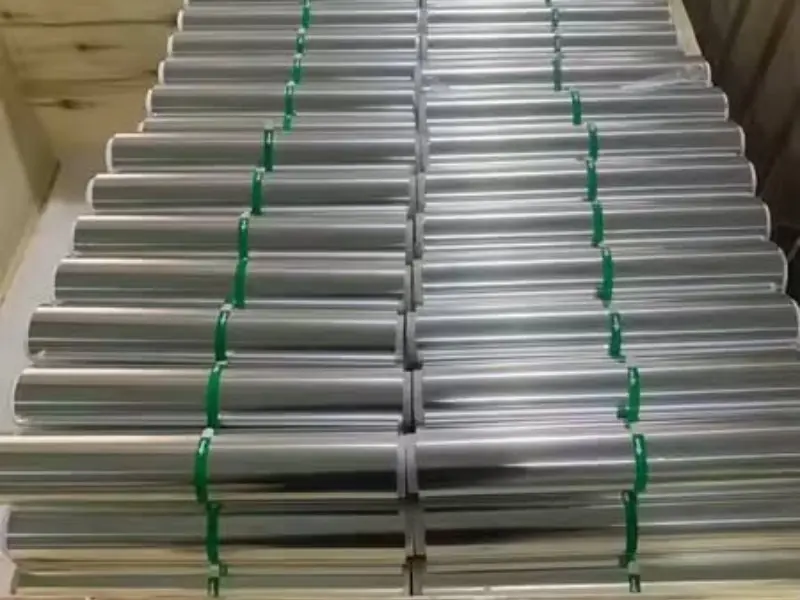
Heavy-duty foil is generally thicker than standard household foil. It has designed to provide additional handling strength, although exact thickness ranges vary by manufacturer.
Can aluminium foil be used to cover food in the refrigerator?
Yes, foil can cover suitable containers or wrap certain foods for refrigeration. Food must still be stored promptly at a safe temperature, and foil should not be treated as a substitute for proper food storage practices.
Can aluminium foil touch acidic foods?
Acidic or highly salty foods may react with aluminium under certain conditions. For prolonged contact or cooking, a suitable non-metallic food container may be preferable.
Can aluminium foil be used in an air fryer?
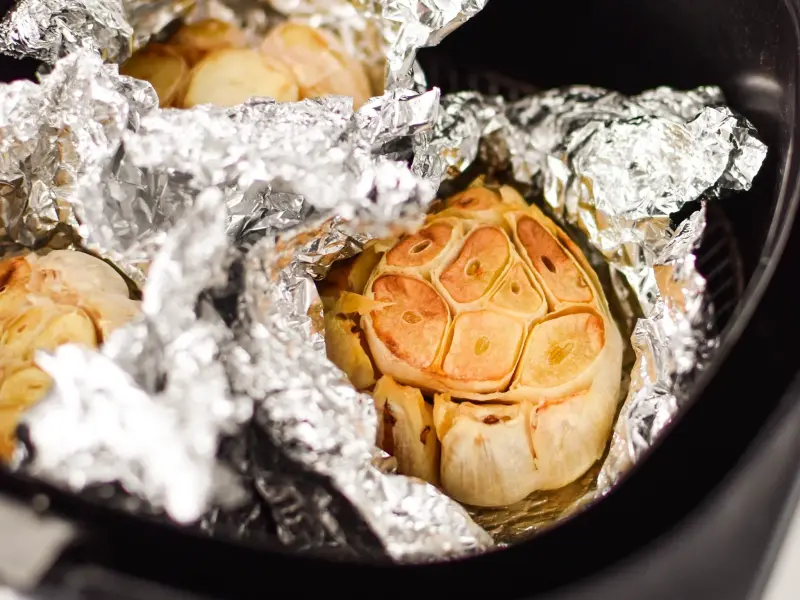
It depends on the air fryer model and its instructions. If foil has permitted, it must not block airflow or contact heating elements. Follow the manufacturer’s guidance for safe placement and use.
What aluminium foil alloy is commonly used for household foil?
Alloy 8011 has commonly associated with packaging foil applications. Other alloys may be used depending on the product design and manufacturer. Confirm the actual alloy in the technical specification.
What is the difference between aluminium foil and aluminium sheet?
Aluminium foil is much thinner and is mainly used for wrapping and packaging. Aluminium sheet is thicker and has generally used for products that need greater rigidity, such as panels, housings, and fabricated components.
Is thicker aluminium foil always better?
No. Thicker foil may provide greater handling strength, but it also uses more material and may cost more. The best choice depends on the application, required flexibility, and overall cost.
Can kitchen aluminium foil be recycled?
Clean aluminium foil may be recyclable where local recycling facilities accept it. Food-contaminated foil may need to be cleaned or may not be accepted. Check local recycling rules before disposal.
What should commercial buyers ask an aluminium foil supplier?
Buyers should confirm the alloy, thickness, width, length, temper or condition where applicable, food-contact suitability, packaging, minimum order quantity, lead time, and delivery terms.
Choose the Right Aluminium Foil for Better Kitchen Performance
Aluminium foil has many uses in the kitchen, from wrapping sandwiches to covering roasting dishes and supporting commercial food preparation. Standard household foil, heavy-duty foil, wide catering rolls, and pre-cut sheets each serve different needs.
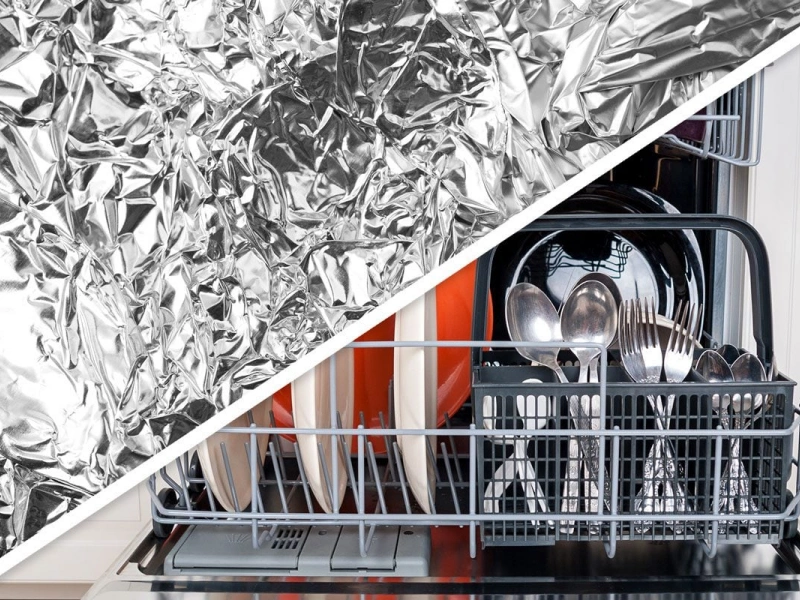
The best product depends on thickness, roll dimensions, handling requirements, food-contact suitability, and cost. For commercial purchases, clear specifications and sample testing can help reduce product differences between orders.
Whether you are buying foil for household use, a restaurant, a bakery, or a distribution business, compare the actual product specifications rather than relying only on product names. A suitable foil can make daily food preparation more convenient and help maintain consistent results.
Error: Contact form not found.