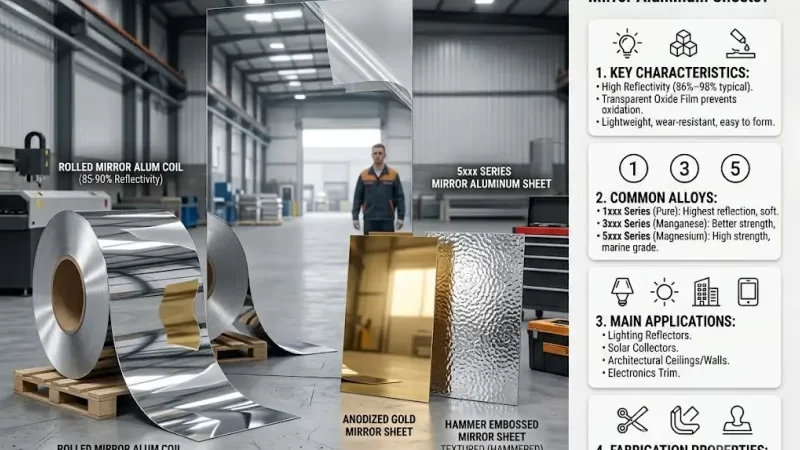
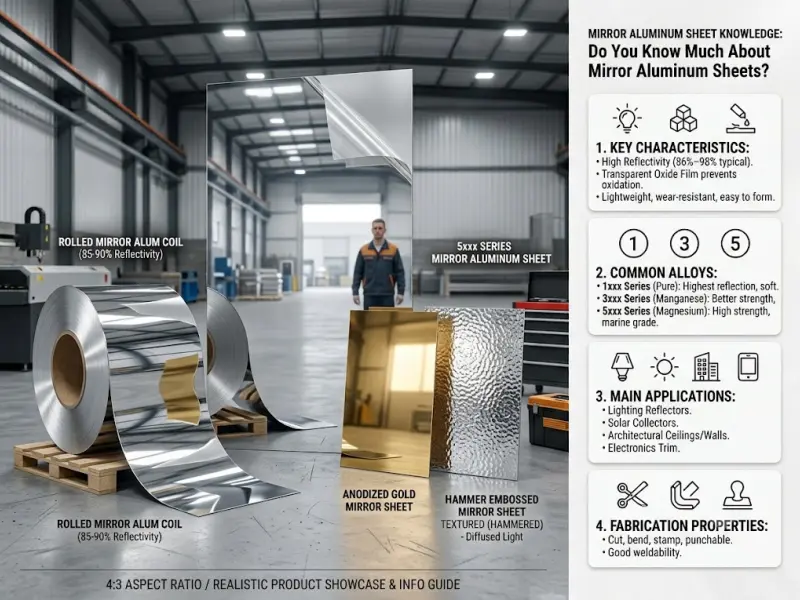
Do You Know Much About Mirror Aluminum Sheets?
The mirror aluminum plate is made of high-quality aluminum alloy panel as the base material, and then formed by numerical control bending and other technologies.
Its surface is an aluminum-magnesium alloy plate treated with a special coating or coated with polyester or fluorocarbon. Common surface treatments include matte, brushed, and frosted.

Scope of application
Indoor and outdoor wall decoration, large-scale building curtain wall on the facade of the lobby, column decoration and various profiling lines used in outdoor decoration projects, etc. The mirror aluminum veneer is mainly used in the decoration of the interior and exterior walls of buildings, as an important supporting material for exterior wall insulation and anti-leakage.
It has the characteristics of light weight, high strength, waterproof and fire prevention. At present, more and more high-rise buildings and families are beginning to use this new type of building material exterior wall hanging sheet system!
Advantage
1. Very light weight made of high-strength aluminum alloy.
2. The installation and construction are convenient and fast. The pre-installed dry construction method is adopted.
3. Long service life. It can be used for more than 50 years under normal conditions.
4. Environmental protection. This product does not contain any harmful substances to the human body.
5. Various shapes. The sheet can be processed into various complex shapes.
6. Rich colors and gorgeous colors.
7. Strong weather resistance can resist strong ultraviolet radiation.
8. Strong plasticity can realize very complex shapes.
9. Economical and practical, the price is moderate.
10. Low maintenance cost and simple maintenance. Product specifications and sizes can be customized according to user needs.
What Makes an Aluminum Sheet “Mirror”?
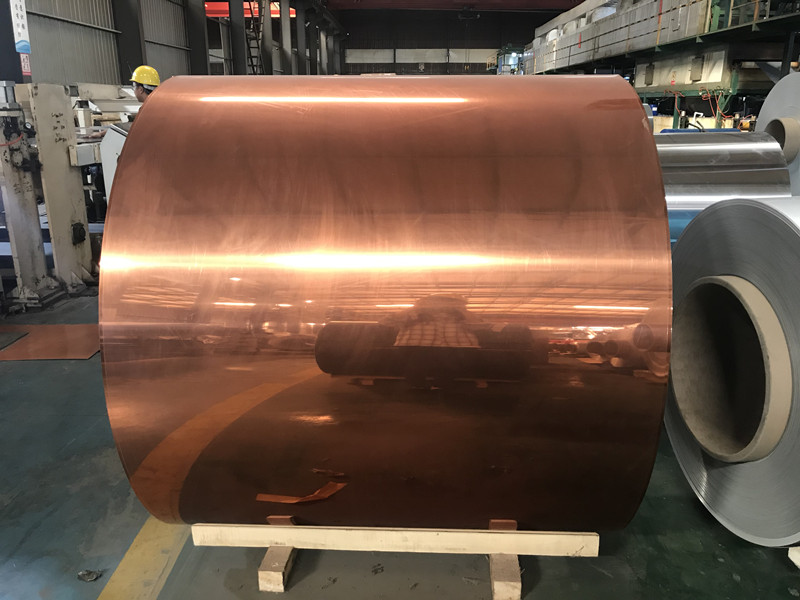
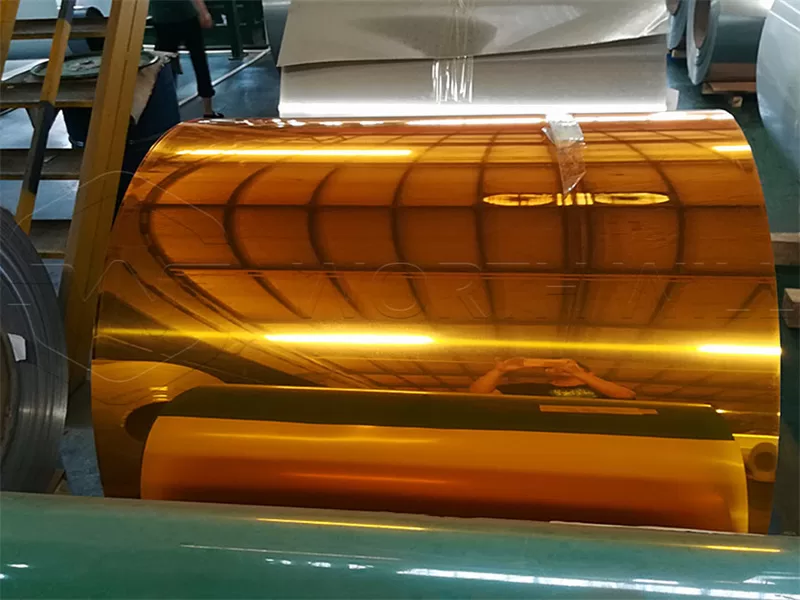
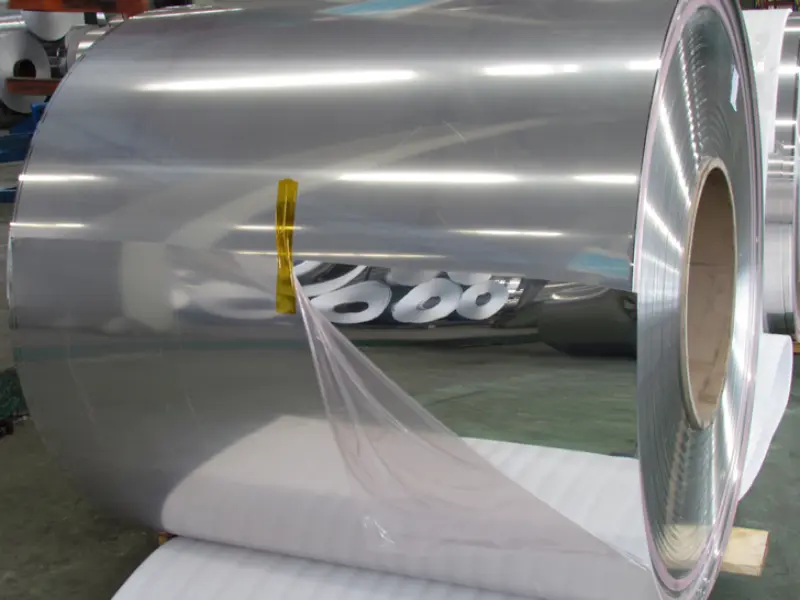
A mirror aluminum sheet is a flat metal panel with a surface so smooth and bright that it reflects light like a glass mirror.
The finish comes from a mix of mechanical polishing, chemical brightening, and sometimes anodizing. The result is a reflective surface that can show a clear image without the weight or fragility of glass.
These sheets are popular in industries where reflection matters but weight and cost must stay low. Aluminum is about one-third the weight of steel and much lighter than glass. A mirror aluminum sheet gives you shine without the risk of shattering.
The base metal is usually pure aluminum or a low-alloy grade. High purity helps the surface reach maximum reflectivity. Alloys with too many hard elements can create spots or streaks that break the mirror effect.
How Mirror Finish Is Created
The journey from raw metal to mirror surface takes several steps. Each step removes imperfections and raises the gloss level.
Mechanical Polishing
The sheet starts with grinding and buffing. Abrasive belts remove mill marks and scratches. Finer grits smooth the surface until it looks satin. This step alone does not create a mirror. It prepares the base.
Chemical Brightening
The sheet dips into a chemical bath. This bath dissolves tiny peaks on the surface and leaves a micro-smooth layer. The process is sometimes called “bright dipping.” It raises the reflectivity from a dull shine to a bright glow.
Anodizing for Protection
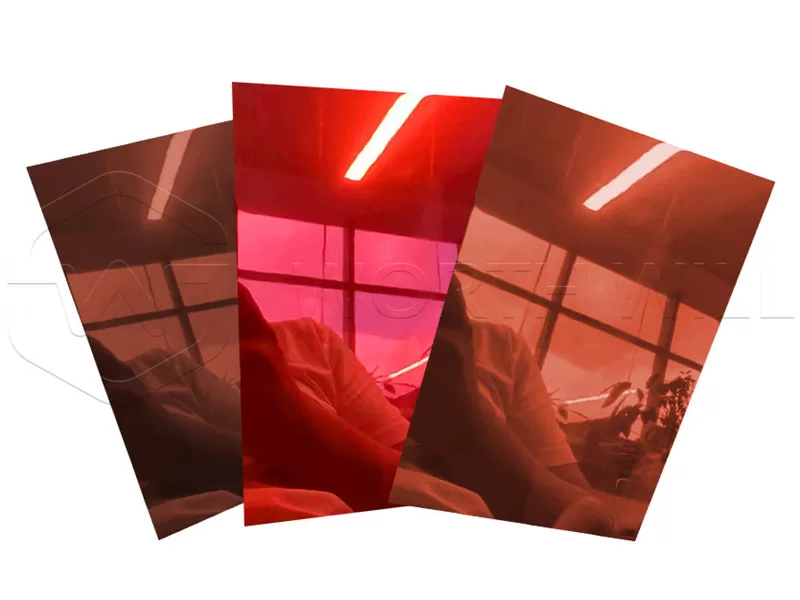
Some mirror sheets go through anodizing after brightening. Anodizing builds a hard oxide layer on top. This layer protects the mirror from scratches and oxidation. Clear anodizing keeps the mirror look. Color anodizing adds tint while keeping some reflectivity.
Super Mirror Polish
The highest grade uses extra-fine buffing compounds and longer chemical treatment. The surface reflectivity can reach 90% or higher. This is called “super mirror” or “optical grade” finish.
| Process Step | Purpose | Result |
|---|---|---|
| Grinding | Remove deep marks | Smooth base |
| Buffing | Remove fine scratches | Satin sheen |
| Chemical brightening | Dissolve micro-peaks | High gloss |
| Anodizing | Add protective layer | Durable mirror |
| Super polish | Maximize reflectivity | Near-glass reflection |
Alloy Types Behind the Shine
———————————————–+
| MIRROR ALUMINUM SHEETS |
| |
| +—————————+ +—————————+ |
| | | | | |
| | Polished Reflection | | Industrial Processing | |
| | (High-Gloss Finish) | | (Anodized / Protected) | |
| | | | | |
| +—————————+ +—————————+ |
| |
| Key Specifications: |
| • Reflectivity: 86% – 95%+ • Thickness: 0.3mm – 3.0mm |
| • Alloy: 1060 / 3003 / 5052 • Application: Lighting & Decor |
+——————————————————————-+
Not every aluminum alloy can become a mirror. High purity is the key. Here are the most common grades used for mirror aluminum sheets.
1050 Mirror Aluminum
This alloy is almost pure aluminum. It contains at least 99.5% aluminum.
| Property | Value |
|---|---|
| Purity | ≥99.5% Al |
| Reflectivity potential | Very high |
| Formability | Excellent |
| Cost | Low |
| Best use | Lighting reflectors, decorative panels |
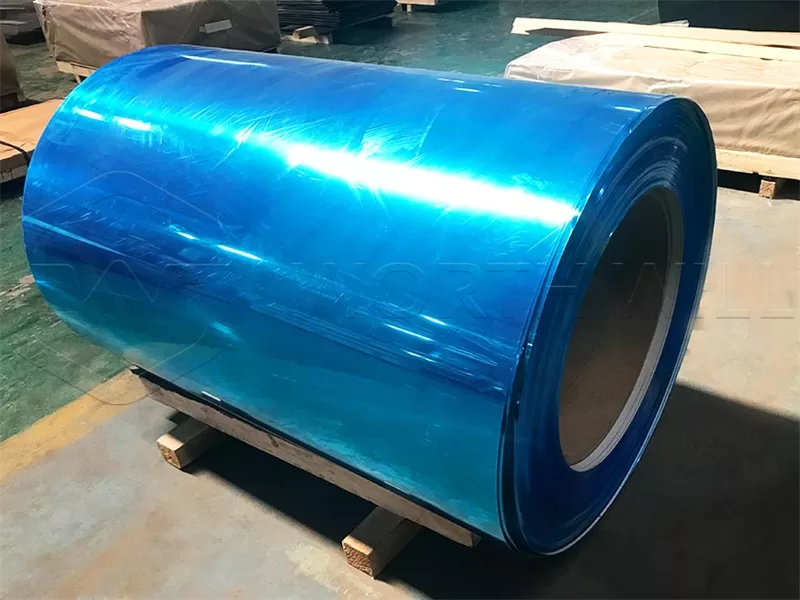
The 1050 grade is soft. It takes polish well because there are few hard particles to drag across the surface. It is the most common choice for standard mirror sheets.
1060 Mirror Aluminum
With 99.6% purity, this grade is even cleaner than 1050.
| Property | Value |
|---|---|
| Purity | ≥99.6% Al |
| Reflectivity potential | Excellent |
| Surface uniformity | Very good |
| Cost | Low to medium |
| Best use | High-end reflectors, nameplates |
1060 is often used when the mirror must look perfect across a large area. The extra purity reduces the chance of streaks.
1070 Mirror Aluminum
This grade reaches 99.7% purity. It is a step above 1060.
| Property | Value |
|---|---|
| Purity | ≥99.7% Al |
| Electrical conductivity | Excellent |
| Reflectivity | Excellent |
| Best use | LED reflectors, solar panels, electrical components |
1070 is popular in lighting and energy industries. The high purity improves both reflection and electrical flow.
1080 Mirror Aluminum
At 99.8% purity, this is one of the highest grades used for mirror sheets.
| Property | Value |
|---|---|
| Purity | ≥99.8% Al |
| Reflectivity | Near maximum |
| Cost | Medium |
| Best use | Optical instruments, precision reflectors |
1080 is reserved for jobs where every fraction of reflectivity counts. It is less common in general construction.
3003 Mirror Aluminum
This alloy adds manganese. It trades some reflectivity for strength.
| Property | Value |
|---|---|
| Manganese | 1.0–1.5% |
| Strength | Higher than 1xxx series |
| Reflectivity | Good, slightly lower than pure grades |
| Best use | Exterior panels, signs, structural reflectors |
3003 mirror sheets resist dents and weather better than pure grades. They are a smart pick when the panel must handle wind, rain, or handling stress.
5005 Mirror Aluminum
This alloy contains magnesium. It offers a balance of shine and strength.
| Property | Value |
|---|---|
| Magnesium | 0.8–1.1% |
| Anodizing response | Excellent |
| Reflectivity | Good |
| Best use | Anodized mirror panels, architectural trim |
5005 is often chosen when the mirror finish will be anodized. The alloy takes color anodizing very evenly.
5657 Mirror Aluminum
This is a specialty grade with magnesium and manganese. It is made specifically for bright finishes.
| Property | Value |
|---|---|
| Magnesium | 0.6–1.0% |
| Brightening response | Excellent |
| Post-anodize clarity | Very high |
| Best use | Automotive trim, premium appliances |
5657 costs more than standard grades. The mirror finish on this alloy is clearer and more stable over time.
Temper States and What They Mean
The temper tells you how hard the sheet is. This affects how easy it is to bend, cut, or form the mirror panel.
| Temper | Description | Feel | Best For |
|---|---|---|---|
| O | Fully annealed, soft | Very pliable | Deep drawing, complex curves |
| H14 | Half-hard | Some stiffness | General panels, flat trim |
| H16 | Three-quarter hard | Fairly stiff | Rigid panels, frames |
| H18 | Full hard | Very stiff | Flat sheets, no forming |
| H24 | Half-hard, stabilized | Balanced | Less warp, better flatness |
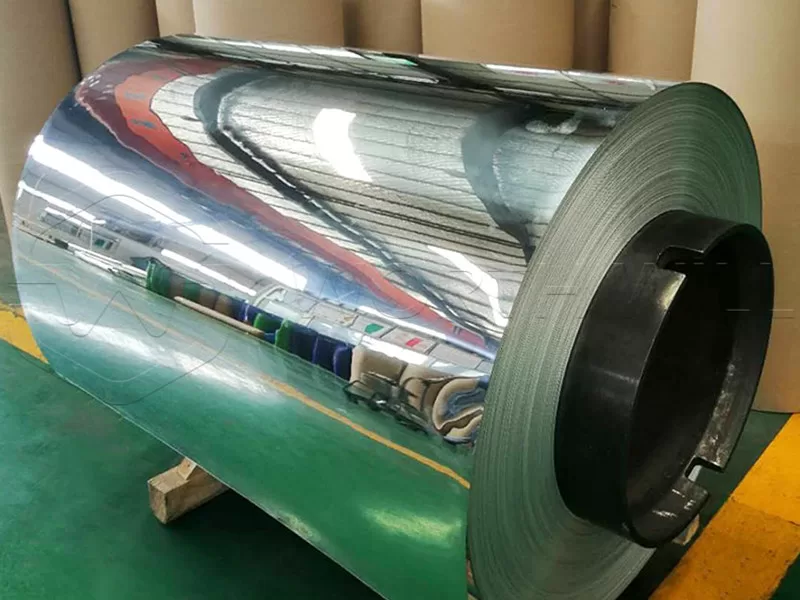
Most mirror aluminum sheets are sold in H14 or H24. These tempers hold a flat surface without being too brittle. O temper is used when the sheet must be stamped into a curved shape, like a lamp reflector.
Thickness Options and Real-World Use
Thickness changes how the sheet behaves, how much it weighs, and how it mounts.
Ultra-Thin Mirror Sheets
These are feather-light and flexible.
| Thickness | Weight feel | Typical use | Handling note |
|---|---|---|---|
| 0.2 mm | Very flimsy | Labels, thin reflectors, craft | Wrinkles easily |
| 0.3 mm | Light | Small appliance trim, signage | Use backing when cutting |
| 0.4 mm | Light | Interior panels, decorative strips | Handle with gloves |
Ultra-thin sheets are often laminated to a plastic or wood backing. This gives them rigidity without adding much weight.
Standard Mirror Sheets
This range covers most commercial jobs.
| Thickness | Weight feel | Typical use | Handling note |
|---|---|---|---|
| 0.5 mm | Standard | Lighting reflectors, ceiling tiles | Easy to cut with shear |
| 0.6 mm | Standard | Wall panels, elevator trim | Good balance of weight and strength |
| 0.8 mm | Solid | Cabinet doors, appliance fronts | Resists minor dents |
| 1.0 mm | Solid | Architectural panels, signage | Flat, stable surface |
Standard thickness is the sweet spot for most buyers. It offers enough rigidity for flat panels and is still easy to work with hand tools.
Heavy Mirror Sheets
These are thick enough to hold their own weight over large spans.
| Thickness | Weight feel | Typical use | Handling note |
|---|---|---|---|
| 1.5 mm | Heavy | Large wall panels, column wraps | Needs power shear or saw |
| 2.0 mm | Heavy | Structural trim, machine guards | Pre-drill for fastening |
| 3.0 mm | Very heavy | Heavy-duty reflectors, industrial use | Requires professional install |
Thicker sheets are less likely to warp under temperature changes. They are common in outdoor architectural projects.
Surface Grades: Not All Mirrors Are Equal
Mirror aluminum sheets come in different gloss levels. The grade name tells you how clear the reflection is.
Standard Mirror
This is the entry-level reflective finish.
| Feature | Detail |
|---|---|
| Reflectivity | ~80–85% |
| Image clarity | Slight haze |
| Cost | Lowest |
| Best for | General decoration, packaging, low-cost reflectors |
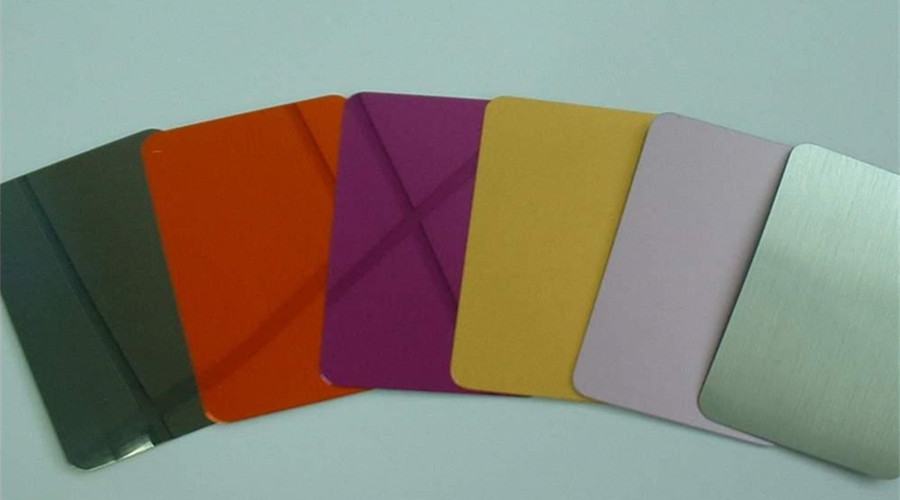
Standard mirror looks shiny but does not show a perfect image. It works well when you need brightness more than clarity.
High Mirror
A step up in polish and clarity.
| Feature | Detail |
|---|---|
| Reflectivity | ~85–90% |
| Image clarity | Good, minor distortion |
| Cost | Medium |
| Best for | Interior design, signage, appliance trim |
High mirror sheets show a recognizable reflection. They are the most common grade for architectural and decorative work.
Super Mirror
The top grade for aluminum reflection.
| Feature | Detail |
|---|---|
| Reflectivity | ~90–95% |
| Image clarity | Very clear, near-glass |
| Cost | Highest |
| Best for | Optical devices, premium lighting, luxury interiors |
Super mirror aluminum is used where glass is too heavy or too fragile. It is also easier to shape than glass, making it ideal for curved reflectors.
Anodized Mirror
This grade has a clear anodized layer on top of the mirror.
| Feature | Detail |
|---|---|
| Reflectivity | ~80–90% (slight loss from anodize) |
| Scratch resistance | Excellent |
| Weather resistance | Excellent |
| Best for | Exterior panels, high-traffic areas, kitchens |
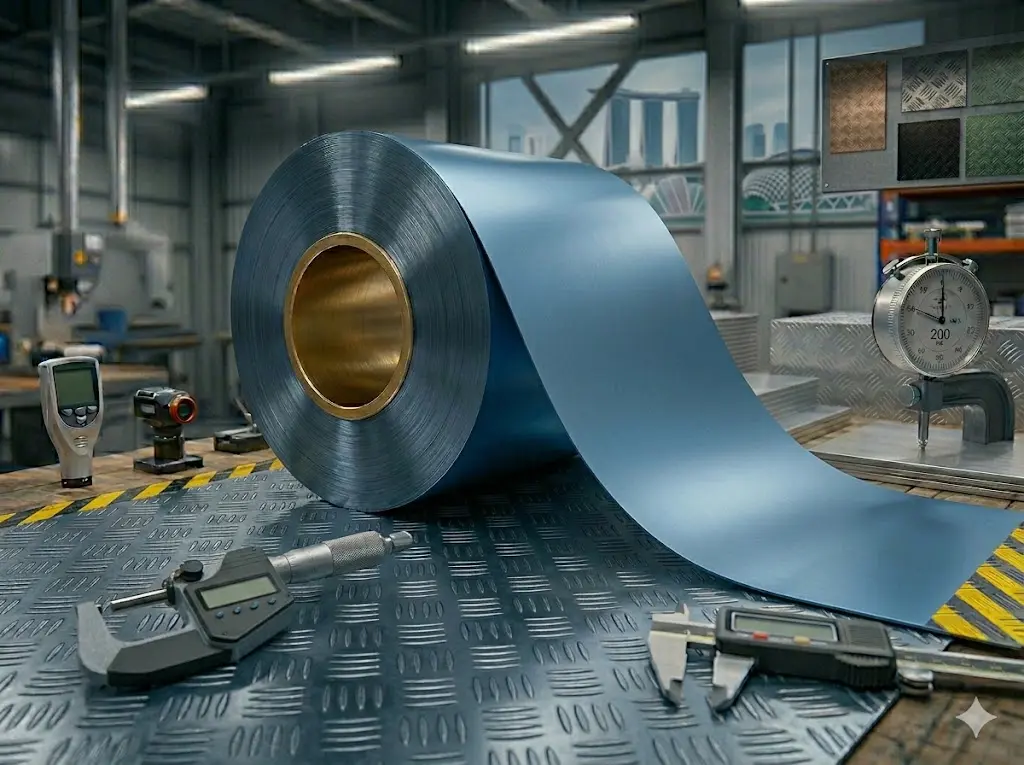
The anodized layer dulls the reflection by a small amount. The trade-off is huge in durability. Anodized mirror sheets do not fingerprint easily and resist cleaning chemicals.
Alloy Comparison at a Glance
Picking the right alloy can be confusing. This table breaks down the key differences.
| Feature | 1050 | 1060 | 3003 | 5005 | 5657 |
|---|---|---|---|---|---|
| Purity | High | Very high | Medium | Medium | Medium |
| Reflectivity | Very high | Excellent | Good | Good | Excellent |
| Strength | Low | Low | Medium | Medium | Medium |
| Formability | Excellent | Excellent | Good | Good | Good |
| Anodizing response | Fair | Fair | Fair | Excellent | Excellent |
| Cost | $ | $$ | $$ | $$$ | $$$$ |
| Best product | Standard reflectors | Precision reflectors | Exterior panels | Colored trim | Automotive trim |
Quick guide:
- Budget reflectors and light panels → 1050
- Maximum reflection on large sheets → 1060 or 1080
- Outdoor signs and structural panels → 3003
- Anodized colored mirrors → 5005
- Premium automotive or appliance trim → 5657
Mirror aluminum sheets appear in many industries. Their light weight and high shine make them a practical choice.
Applications Where Mirror Sheets Shine
Lighting and Reflectors
The most common use is bouncing light.
- Parabolic reflectors for LED lamps
- Troffer ceilings in offices
- Streetlight housings
- Studio light panels
- Flashlight reflectors
Aluminum mirror sheets spread light evenly. They do not shatter if the fixture falls.
Architecture and Interior Design
Designers use mirror sheets to enlarge spaces and add light.
- Elevator cab walls and ceilings
- Column wraps in lobbies
- Ceiling tiles in retail stores
- Back-splashes in modern kitchens
- Decorative wall panels in hotels
The light weight of aluminum makes installation easier than glass on large vertical surfaces.
Automotive and Transportation
Mirror trim adds a premium look without the mass of chrome.
- Interior dash trim
- Door handle accents
- Grille surrounds
- Trim on trucks and buses
- Mirror-finish wheel covers
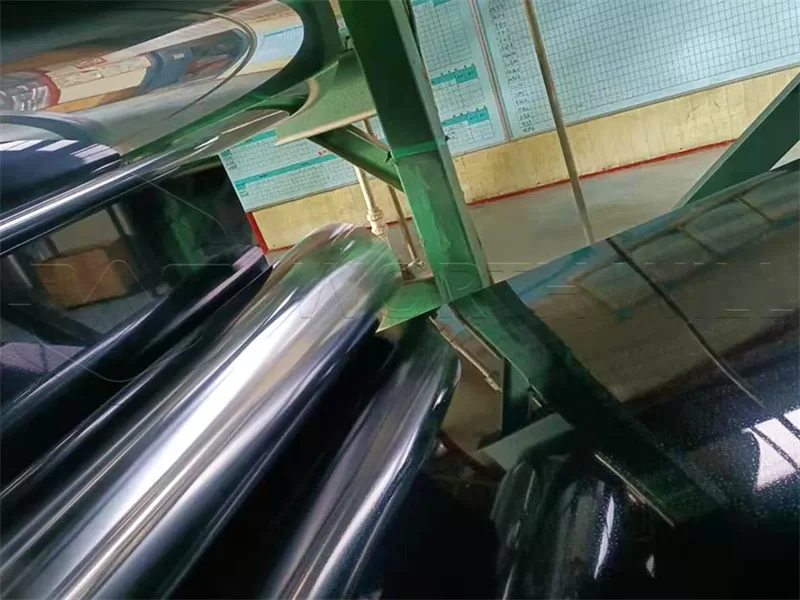
Automotive grades like 5657 hold up to temperature cycles and road vibration.
Appliances and Consumer Goods
Manufacturers use mirror sheets for a clean, modern look.
- Refrigerator doors
- Microwave fronts
- Oven control panels
- Washing machine lids
- Range hoods
Anodized mirror aluminum resists the grease and moisture common in kitchens.
Solar Energy
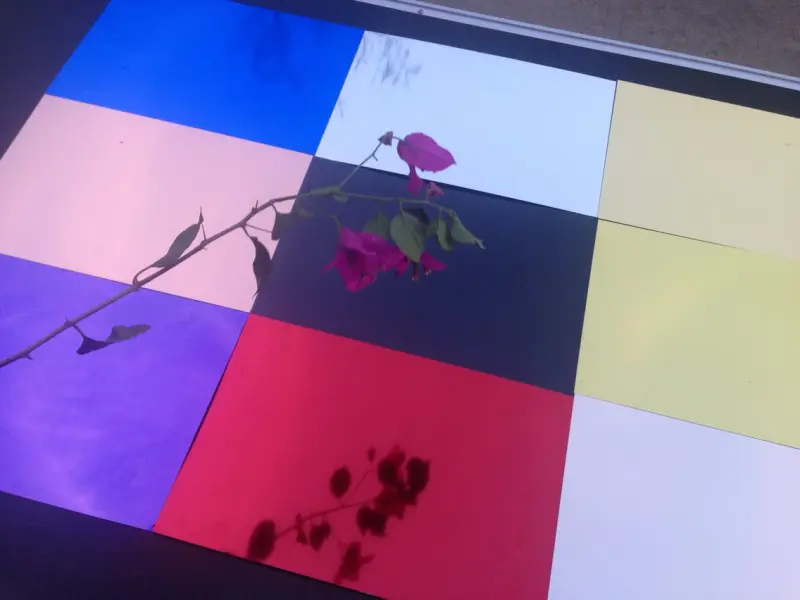
Reflective aluminum helps concentrate sunlight.
- Concentrated solar power (CSP) reflectors
- Solar cooker panels
- Photovoltaic module backsheets
- Solar thermal collectors
High-purity grades like 1070 and 1080 are preferred here. Every extra point of reflectivity means more energy captured.
Signage and Display
Mirror sheets grab attention in retail and commercial spaces.
- Storefront lettering
- Exhibition booth panels
- Point-of-sale displays
- Trophy and award bases
- Decorative signage
The reflective surface changes appearance as the viewer moves. This dynamic effect draws the eye better than flat paint.
How to Pick the Right Mirror Sheet for Your Job
Ask yourself these questions before ordering.
Is the panel indoors or outdoors?
→ Indoors: 1050 or 1060 in any grade. Outdoors: 3003 or anodized 5005.
Do you need a perfect reflection or just shine?
→ Perfect image: Super mirror grade, 1060 or higher. Just shine: Standard mirror, 1050.
Will the panel be formed or curved?
→ Use O temper. Avoid H18, which cracks when bent.
Is the panel in a high-touch area?
→ Choose anodized mirror. It hides fingerprints and resists scratches.
What thickness fits your frame or structure?
→ Light trim: 0.5 mm. Wall panels: 0.8–1.0 mm. Large architectural sheets: 1.5–2.0 mm.
Does the mirror need to match a specific color?
→ Use 5005 or 5657 with color anodizing. Pure grades like 1050 do not anodize evenly in colors.
Handling and Cleaning Tips
Mirror aluminum is beautiful but can scratch. Handle it with care.
- Wear cotton gloves: Fingerprints contain oil and acid. They etch into unprotected mirror surfaces over time.
- Cut with a shear or fine-tooth saw: Rough blades leave chips that ruin the edge reflection.
- Store vertically: Laying sheets flat can trap dust that scratches the surface when you slide them.
- Clean with mild soap and water: Harsh chemicals can cloud the mirror. Use a soft microfiber cloth.
- Avoid abrasive pads: Scrubbing removes the mirror layer. Even anodized mirrors can lose gloss with abrasion.
- Peel protective film just before install: Most mirror sheets ship with a plastic film. Leave it on until the last moment.
Mirror vs. Brushed vs. Matte: A Quick Face-Off
Mirror aluminum is not the only finish available. Compare it to the alternatives before you buy.
| Property | Mirror | Brushed | Matte |
|---|---|---|---|
| Reflectivity | Very high | Medium | Low |
| Image clarity | Clear reflection | Diffuse, no image | None |
| Fingerprint visibility | High (without anodize) | Medium | Low |
| Scratch visibility | High | Low | Very low |
| Cost | Higher | Medium | Low |
| Maintenance | Needs care | Easy | Very easy |
| Best for | Decoration, reflection | Industrial look, hiding marks | Functional panels |
Mirror is the right choice when reflection is the goal. If you want a metallic look without the maintenance, brushed aluminum is a safer pick. Matte is best when the panel must stay clean-looking with zero effort.
Frequently Asked Questions
What is a mirror aluminum sheet made of?
It is made from high-purity aluminum alloy. Grades like 1050, 1060, and 1070 are most common. The surface is polished and sometimes anodized to create a reflective finish.
Can a mirror aluminum sheet replace glass?
In many cases, yes. It is lighter, does not shatter, and is easier to cut and shape. However, the reflection is slightly less perfect than glass. For optical instruments, glass still wins. For decoration, signage, and lighting, mirror aluminum is often the better choice.
Which alloy gives the best mirror finish?
1060, 1070, and 1080 give the best results because of their high purity. 5657 is the best choice among structural alloys. It is specifically formulated to take a bright finish.
Does mirror aluminum scratch easily?
Unprotected mirror aluminum scratches more easily than brushed or matte aluminum. Anodized mirror sheets are much tougher. The hard oxide layer resists most minor scrapes and fingerprints.
What thickness should I choose for a wall panel?
0.8 mm to 1.0 mm is standard for interior wall panels. For large exterior panels, go up to 1.5 mm or 2.0 mm to prevent warping from wind and temperature.
Can I bend a mirror aluminum sheet?
Yes, if it is in O temper or H14. H18 is too stiff and will crack. Always bend with the grain of the metal, not against it. Use a bending brake with smooth jaws to avoid marring the mirror surface.
Is mirror aluminum expensive?
It costs more than standard mill finish aluminum. The extra price covers the polishing and brightening steps. However, it is still cheaper than glass mirror of the same size and much cheaper than polished stainless steel.
How do I remove scratches from a mirror aluminum sheet?
Light scratches on unanodized mirror can sometimes be buffed out with fine polishing compound. Deep scratches usually cannot be fully removed without re-polishing the whole sheet. Anodized mirrors cannot be buffed; the anodized layer must be stripped and reapplied.
Can mirror aluminum be used in kitchens?
Yes. Anodized mirror aluminum is ideal for kitchens. It resists moisture, grease, and most cleaning products. Unprotected mirror aluminum can stain if exposed to strong acids or alkalis for long periods.
What is the difference between mirror and super mirror aluminum?
Super mirror goes through extra polishing steps. It reaches 90–95% reflectivity. Standard mirror is around 80–85%. Super mirror shows a clearer, sharper image. It is also more expensive.