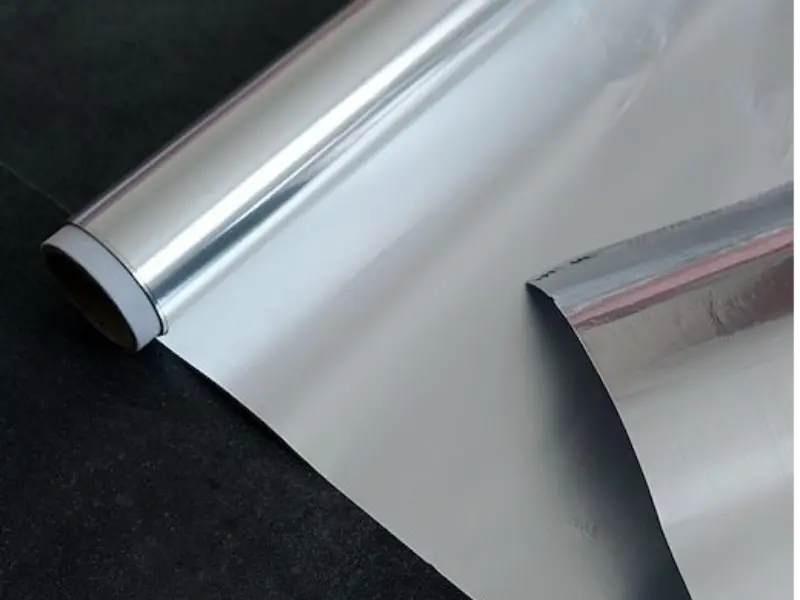
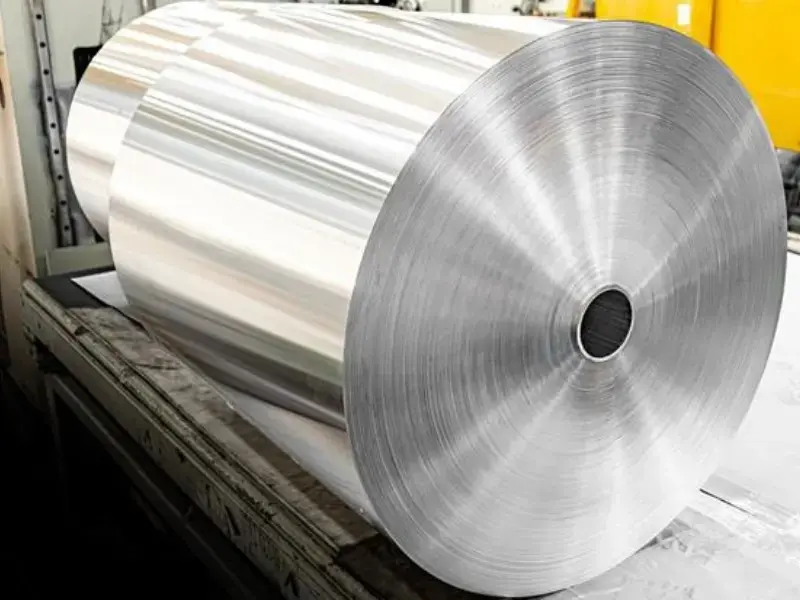
Laminated aluminium foil is widely used in packaging, insulation, construction, and industrial products. It combines a thin aluminum foil layer with other materials, such as plastic film, paper, or woven fabric. Each layer provides a different function.
Aluminum foil offers a strong barrier against light, moisture, oxygen, and many external contaminants. Plastic films can improve sealing and flexibility.
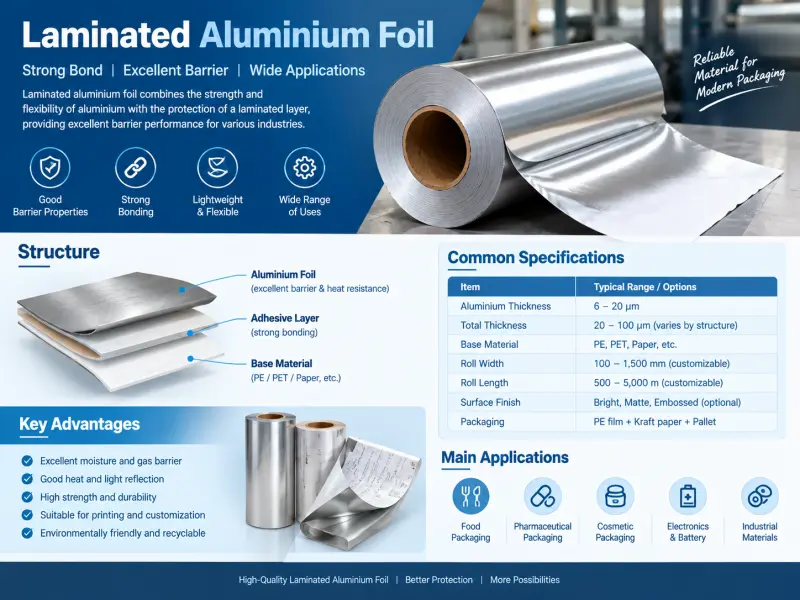
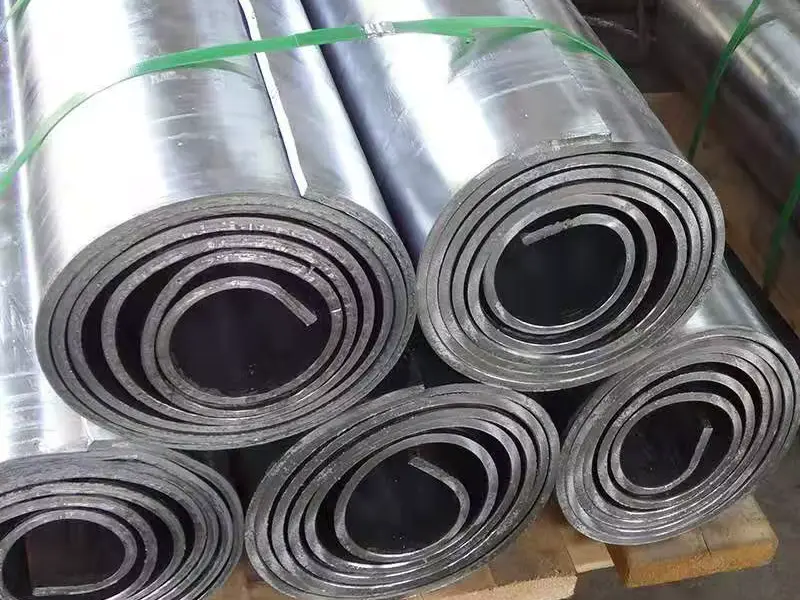
Paper adds stiffness and printability. Woven fabric can improve strength for some industrial applications.
The right laminated aluminium foil depends on the product, packaging method, storage conditions, and required barrier performance. Buyers should consider foil thickness, alloy, temper, laminate structure, adhesive type, and roll dimensions before placing an order.
What Is Laminated Aluminium Foil?
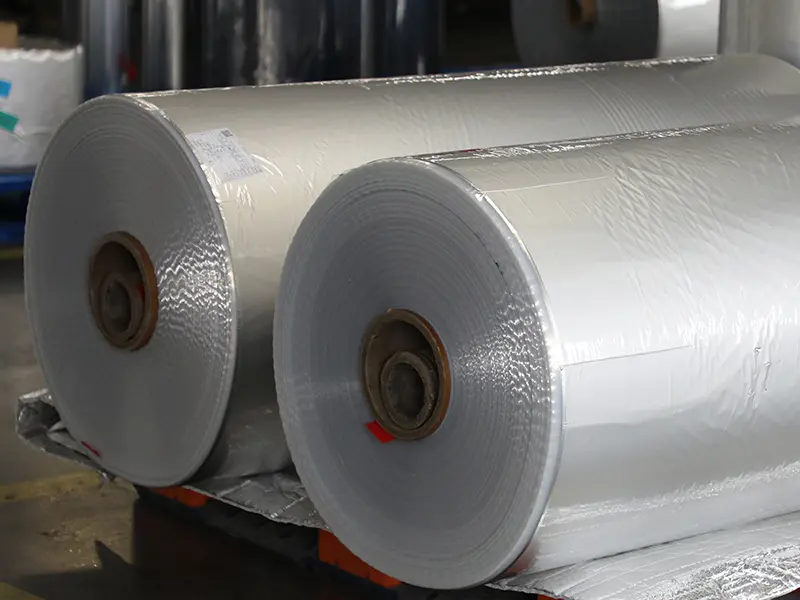
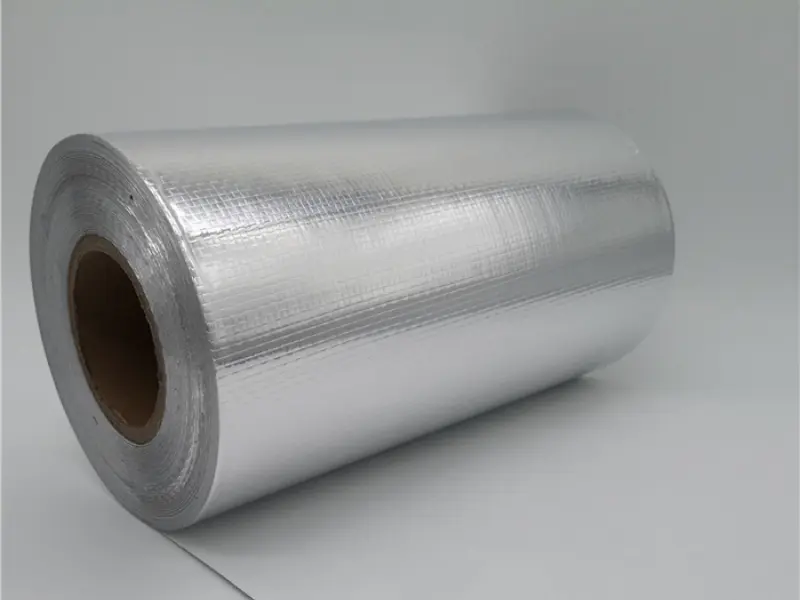
Laminated aluminium foil is a composite material made by bonding aluminum foil to one or more other layers. The bonding method may use adhesive, extrusion coating, heat, or another suitable process.
The finished material can be supplied in rolls, sheets, pouches, or converted packaging products. Different structures serve different purposes.
For example, a food pouch may use PET, aluminum foil, and PE. The PET layer can provide printability and strength. The foil provides a barrier. The PE layer supports heat sealing when the structure is designed for that purpose.
How Does Laminated Aluminium Foil Work?
Each layer has a specific role.
- Aluminum foil: Provides a barrier against light, moisture, and gas transmission when the foil layer remains intact.
- PET film: Provides strength, dimensional stability, and a surface suitable for printing.
- PE film: Often provides heat sealing and moisture resistance.
- Paper: Adds stiffness and supports printing.
- Nylon film (PA): Can improve puncture resistance and toughness in suitable structures.
- Woven fabric: Adds mechanical strength for selected industrial products.
The final performance depends on the complete laminate, not just the aluminum foil. Pinholes, folds, weak seals, damaged edges, or unsuitable adhesives can reduce barrier performance.
Main Types of Laminated Aluminium Foil
Laminated aluminium foil comes in several structures. The best choice depends on whether the material has applications for flexible packaging, building insulation, cable protection, or another purpose.
PET Laminated Aluminium Foil
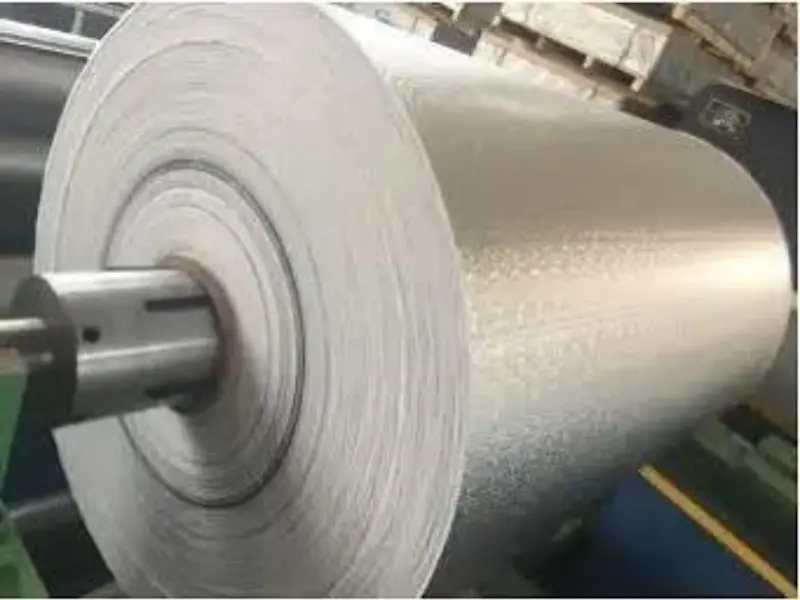
For PET laminated aluminum foil has applications in packaging and industrial applications. PET offers good dimensional stability and a useful surface for printing.
Typical applications include:
- Flexible food packaging
- Pharmaceutical and personal care packaging, where the structure is qualified
- Decorative packaging
- Insulation facings
- Industrial barrier films
A common flexible packaging structure is PET/Aluminum Foil/PE. The exact layer thickness and adhesive system depend on the product and filling process.
PE Laminated Aluminium Foil
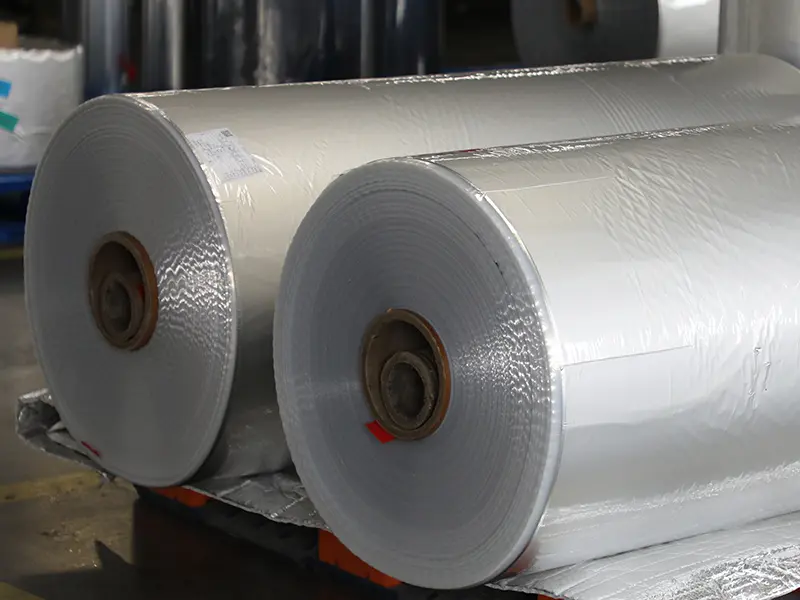
PE laminated aluminum foil combines aluminum foil with polyethylene film. For PE can provide a heat-sealable layer and help protect the foil surface.
Common uses include:
- Food packaging pouches
- Moisture-resistant packaging
- Selected pharmaceutical packaging structures
- Industrial liners
- Protective packaging
PE laminated foil should not automatically be considered suitable for direct food contact. The complete structure, adhesive, ink, and intended conditions must meet the applicable requirements.
Paper Laminated Aluminium Foil
Paper laminated aluminum foil combines the barrier properties of aluminum with the stiffness and printability of paper.
It is used for:
- Butter and margarine wrapping
- Chocolate and confectionery packaging
- Dairy product lids
- Tea and coffee packaging
- Decorative wrapping
- Selected insulation products
Paper grades, foil thickness, and coating systems vary by use. Packaging that contacts food requires suitable materials and compliance documentation.
Woven Fabric Laminated Aluminium Foil
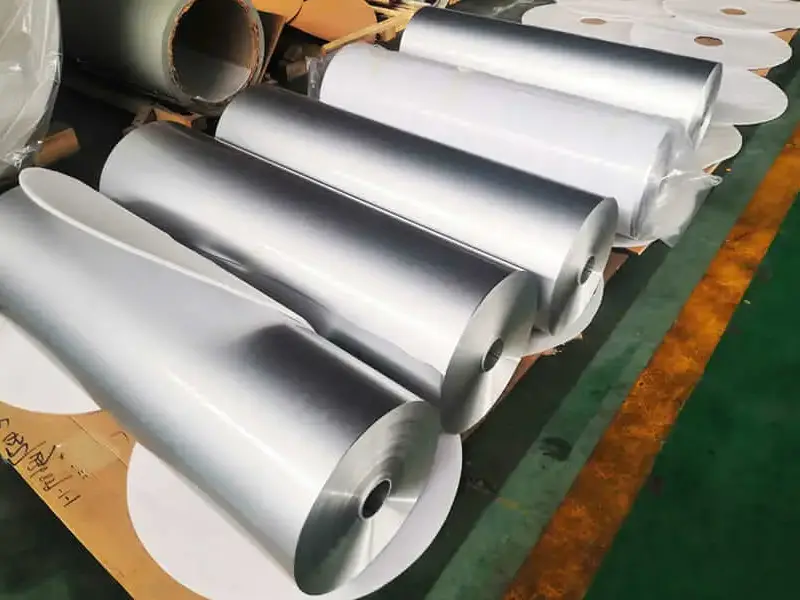
Woven fabric laminated aluminum foil has designed for selected industrial and insulation applications. The fabric layer can improve handling strength, while the aluminum layer reflects radiant heat and acts as a barrier.
Typical applications include:
- Building insulation facings
- Duct insulation
- Pipe insulation
- Industrial thermal insulation
- Protective barrier covers
Reflective performance depends on the foil surface and the installation. A reflective facing does not provide the same thermal performance in every construction. Air gaps, insulation thickness, moisture, and installation quality also matter.
Foam Laminated Aluminium Foil
Aluminum foil has laminated to polyethylene foam, polyethylene bubble material, or other insulation layers.
Applications include:
- Roof and attic insulation systems
- HVAC insulation
- Pipe insulation
- Vehicle insulation products
- Protective packaging
- Thermal barrier assemblies
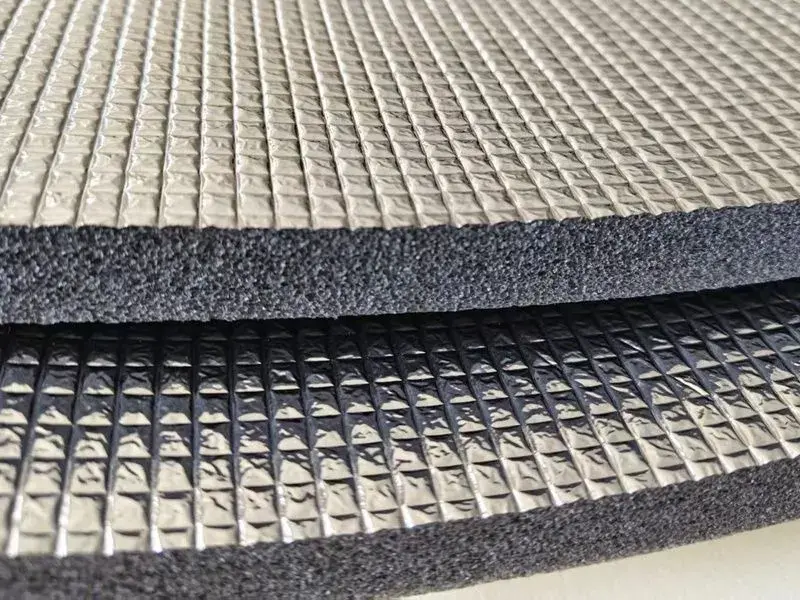
The aluminum foil facing can help reduce radiant heat transfer when installed correctly. The foam or bubble layer provides much of the product’s thickness and may contribute to thermal resistance.
Check fire performance, temperature limits, and building code requirements before choosing a product for construction.
Laminated Aluminium Foil Specifications
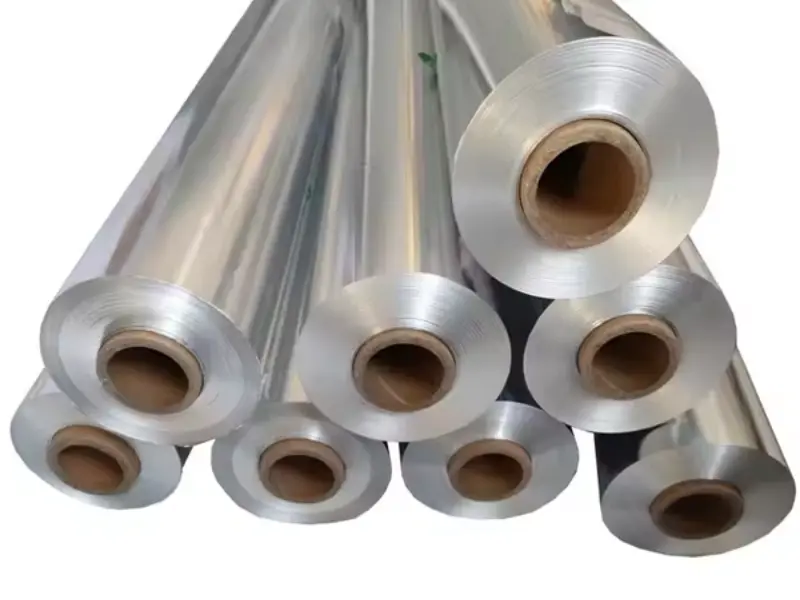
There is no single specification for every laminated aluminum foil product. Foil thickness, alloy, temper, laminate structure, and roll dimensions should be selected for the intended use.
The ranges below are examples for product planning. They are not universal manufacturing limits.
Aluminum Foil Thickness and Alloy
| Parameter | Common options or reference range |
|---|---|
| Aluminum alloy | 8011, 1235, 8079, or other suitable grades |
| Foil temper | O and selected H tempers, depending on the grade and process |
| Foil thickness | Approximately 6–50 μm for many flexible laminate structures |
| Wider industrial foil range | Thicker foil may be available for specific applications |
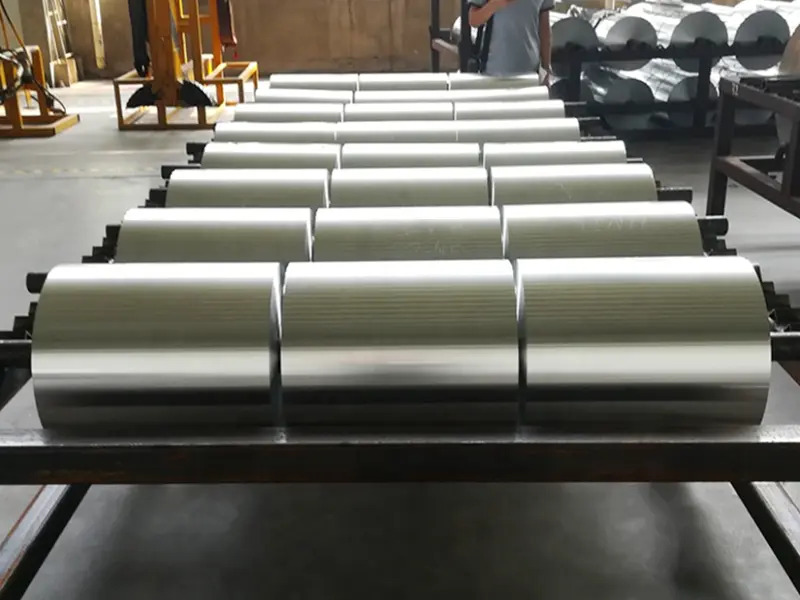
| Roll width | Commonly 100–1600 mm, subject to product and equipment |
| Core inner diameter | Often 76 mm or 152 mm; confirm before ordering |
| Surface | Plain, bright, matte, or treated for bonding |
| Supply form | Jumbo rolls, slit rolls, sheets, or converted products |
Not every alloy or temper is suitable for every thickness. Very thin foil may require specific handling and converting controls. Ask the manufacturer to confirm the available combinations.
Example Laminated Aluminium Foil Products
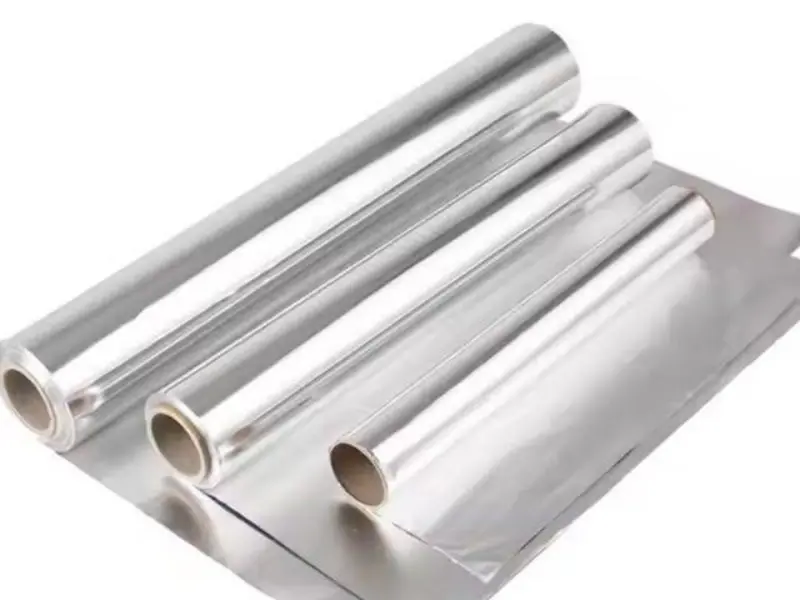
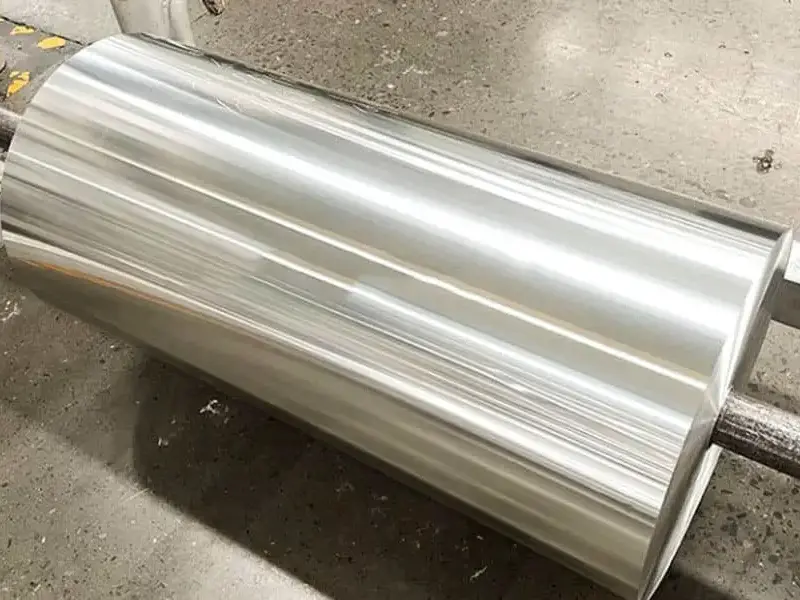
| Product type | Example structure | Typical use |
|---|---|---|
| Flexible packaging foil | PET/Al/PE | Food and consumer packaging |
| High-barrier pouch laminate | PET/Al/PA/PE | Selected dry food and specialty products |
| Paper-backed foil | Paper/Aluminum Foil | Confectionery and dairy packaging |
| Insulation facing | Al/PE film or Al/woven fabric | Building and HVAC insulation |
| Foam-faced foil | Al/foam | Insulation systems |
| Cable wrapping laminate | Al/polymer film | Selected cable and industrial applications |
| Decorative laminate | Printed film/Al/film | Gift and specialty packaging |
| Industrial protective laminate | Al/polymer/fabric | Selected barrier covers and protective products |
Layer order is important. For example, the heat-sealing layer in a pouch normally faces the product side. A manufacturer should confirm the final structure based on the packaging design.
Which Aluminum Alloy Is Used for Laminated Aluminium Foil?
The aluminum foil grade affects formability, pinhole control, strength, and suitability for converting. The correct choice depends on foil thickness and the required performance.
8011 Aluminium Foil
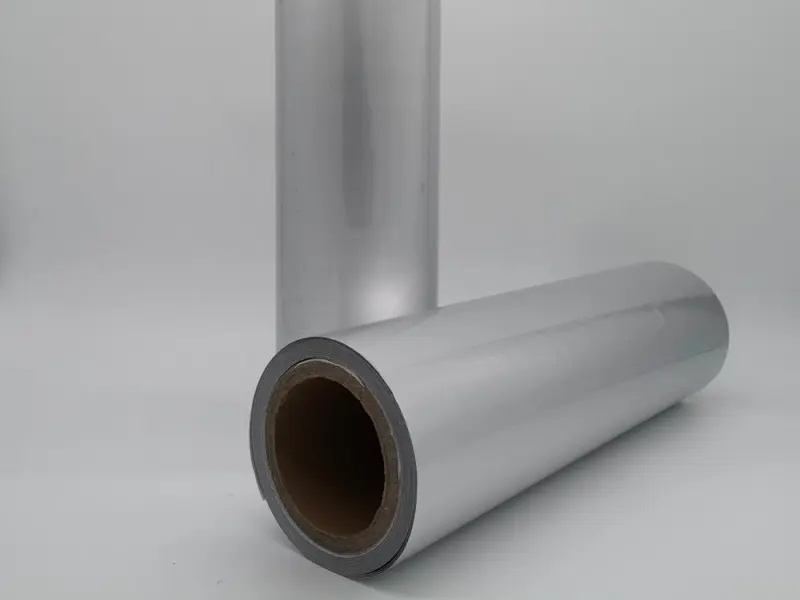
8011 aluminum foil has widely used in packaging and household foil products. It has considered for selected laminated packaging structures.
Typical applications include:
- Flexible packaging laminates
- Pharmaceutical packaging structures, subject to qualification
- Household foil laminates
- Industrial barrier products
- Selected container and lid materials
The temper depends on the rolling process and final application. Soft O temper has applications in many flexible foil applications, while other tempers have selected when the product needs different mechanical properties.
1235 Aluminium Foil
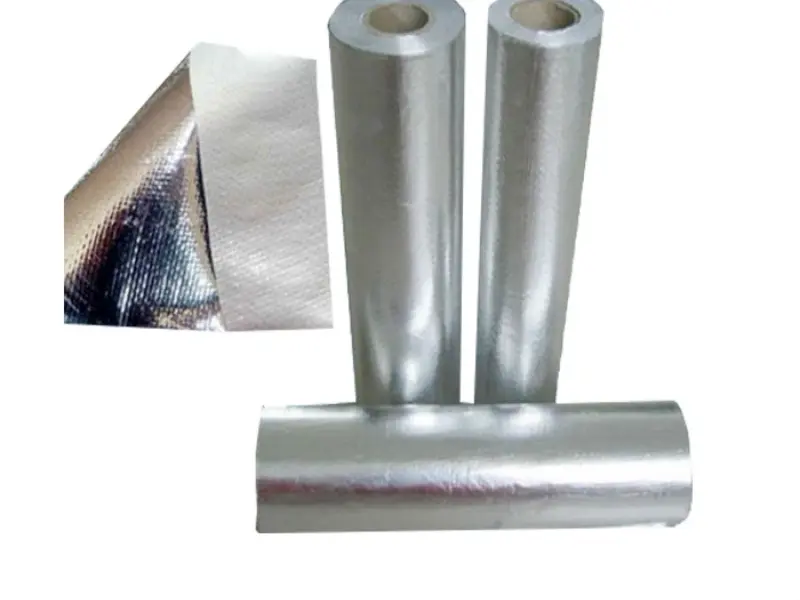
1235 aluminum foil has high aluminum content and is used in several flexible packaging and industrial foil applications.
Possible uses include:
- Flexible packaging laminates
- Insulation facings
- Cable and industrial laminates
- Decorative foil products
- General barrier packaging
The choice between 1235 and 8011 should be based on the required foil properties, converting process, and supplier capability rather than alloy number alone.
8079 Aluminium Foil
8079 aluminum foil has applications in selected thin-foil applications where barrier performance and converting quality are important.
Potential applications include:
- Flexible packaging
- Pharmaceutical packaging materials
- Specialty high-barrier laminates
- Thin foil products requiring suitable pinhole control
The final performance depends on thickness, rolling quality, and laminate design. The grade has confirmed against the customer’s technical requirements.
How to Choose Between 8011, 1235, and 8079
| Selection point | 8011 | 1235 | 8079 |
|---|---|---|---|
| Flexible packaging | Common option | Common option | Used in selected structures |
| Industrial laminates | Suitable for many products | Suitable for many products | Depends on the application |
| Thin foil | Grade and thickness dependent | Grade and thickness dependent | Often considered for thin-foil applications |
| Formability | Depends on temper and thickness | Depends on temper and thickness | Depends on temper and thickness |
| Final selection | Confirm process requirements | Confirm process requirements | Confirm process requirements |
These grades are not interchangeable in every specification. Ask for technical data and, where necessary, samples before making a production decision.
Applications of Laminated Aluminium Foil
Laminated aluminium foil serves many markets because different materials have combined to meet specific requirements.
Food and Beverage Packaging
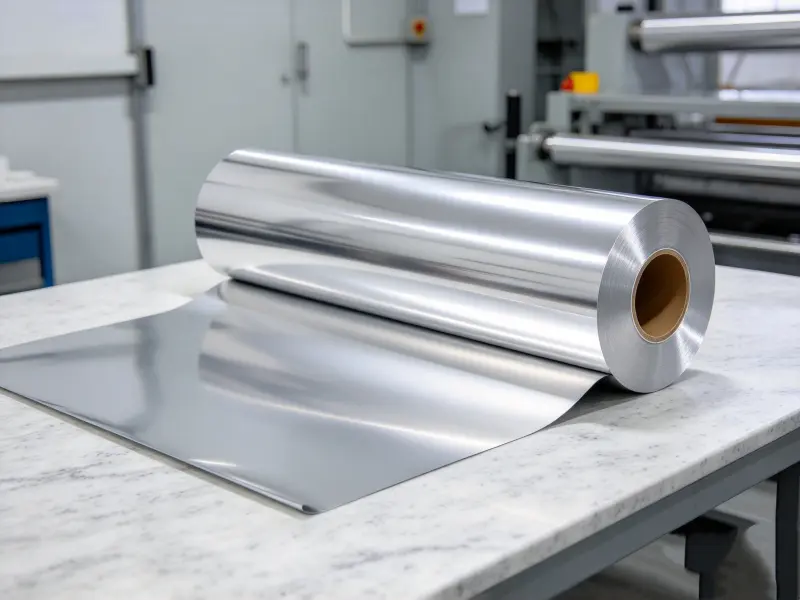
Aluminum foil laminates help protect products from light, moisture, and oxygen. They can also support printing, heat sealing, and package shaping.
Common applications include:
- Coffee and tea pouches
- Snack and confectionery wrappers
- Dry food packaging
- Seasoning and powder sachets
- Butter and dairy wrapping
- Retort or heat-processed packaging, when the complete structure is designed and qualified for it
Food packaging has selected according to the product, storage temperature, shelf-life target, and filling method. A structure suitable for dry snacks may not be suitable for liquid, acidic, oily, or retort products.
Pharmaceutical and Healthcare Packaging
Laminated foil has applications in selected pharmaceutical packaging structures. The correct materials help protect products during storage and handling.
Applications include:
- Sachets for powders and granules
- Medical device packaging
- Selected unit-dose packaging
- Pharmaceutical barrier pouches
- Packaging for moisture-sensitive products

Blister packaging requires special care. Some blister packs use aluminum foil as a lidding layer rather than a conventional flexible aluminum laminate. Cold-form blister structures and heat-seal lidding materials have different requirements.
Always follow the pharmaceutical packaging specification and relevant regulatory requirements.
Building and HVAC Insulation
Laminated aluminum foil has uses as a facing or barrier layer in many insulation systems.
Applications include:
- Roof insulation
- Wall insulation
- Attic insulation
- HVAC duct insulation
- Pipe insulation
- Industrial insulation panels
- Selected vapor-control systems
The foil facing alone does not determine the insulation value. The complete system, including insulation material, air gaps, seams, and installation, affects performance.
For building projects, verify fire classification, vapor-control requirements, and local code compliance.
Cable and Electrical Applications
Aluminum foil laminates have applications in some cable constructions and electrical products. The foil may provide shielding or a barrier function when combined with the right conductive layer and cable design.
Potential applications include:
- Selected communication cables
- Signal cable shielding
- Industrial cable wraps
- Moisture barrier layers
- Protective laminates for electrical products

A foil-polymer laminate is not automatically an electrical shield. Shielding performance depends on conductivity, continuity, overlap, grounding, cable construction, and the required frequency range. Confirm the design with the cable manufacturer.
Industrial and Protective Packaging
Laminated foil can help protect products from environmental exposure during storage and transportation.
Common uses include:
- Industrial component packaging
- Moisture-sensitive material wrapping
- Protective liners
- Selected chemical product packaging, subject to compatibility testing
- Barrier covers
- Export packaging
For heavy or sharp products, the laminate may need a thicker polymer layer, reinforced fabric, or additional puncture resistance.
Laminated Aluminium Foil vs. Plain Aluminium Foil
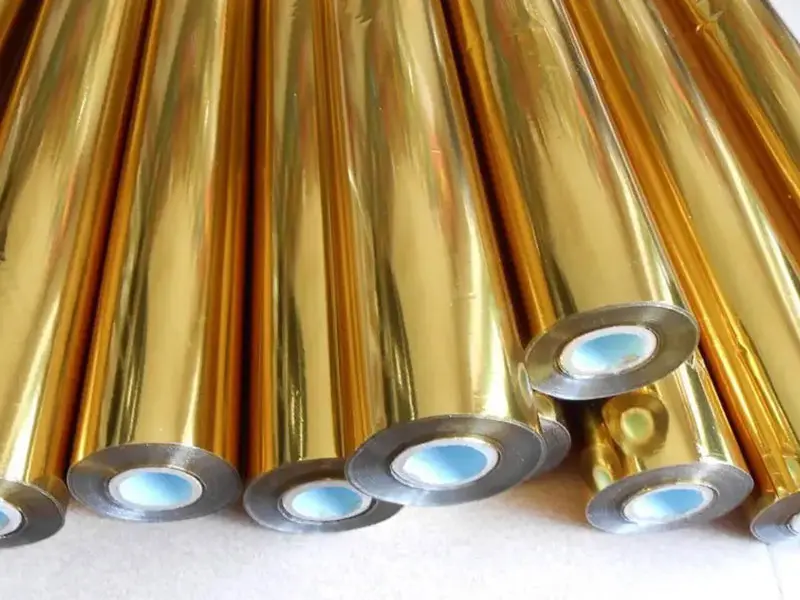
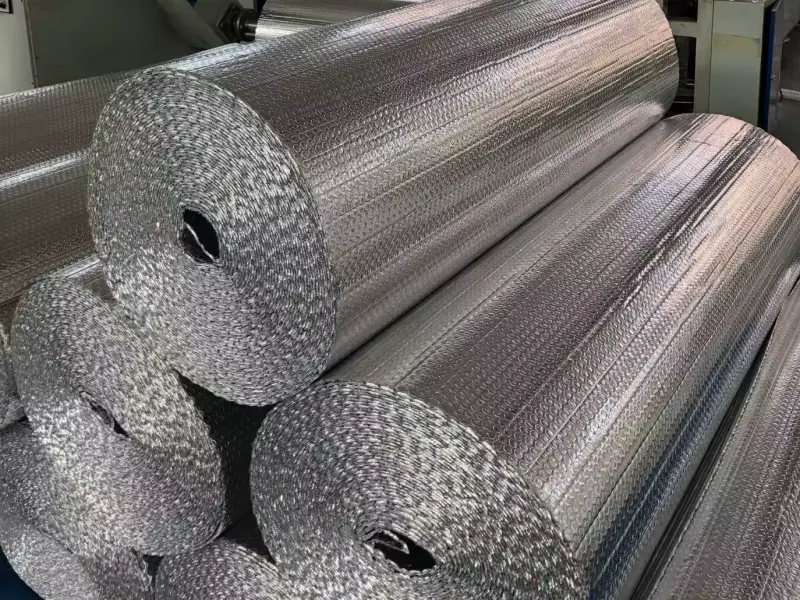
Plain aluminum foil and laminated aluminum foil serve different purposes. A laminate combines aluminum with other materials to add functions that plain foil may not provide on its own.
| Feature | Plain aluminum foil | Laminated aluminum foil |
|---|---|---|
| Structure | Aluminum only | Aluminum plus polymer, paper, fabric, or other layers |
| Barrier performance | Good when the foil remains intact | Depends on foil and the full laminate |
| Heat sealing | Usually requires a suitable coating or additional layer | Can include a heat-sealable polymer |
| Printability | Depends on surface treatment | Can use a printable outer film or paper |
| Puncture resistance | Depends on foil thickness and handling | Can be improved with suitable supporting layers |
| Flexibility | Depends on thickness and temper | Depends on all layers and bonding |
| Recycling | Material-specific recycling considerations | More complex when layers are difficult to separate |
| Typical use | Household foil and industrial foil | Flexible packaging and composite insulation |
A laminate is not always better than plain foil. It is useful when the application needs a combination of barrier performance, sealing, printability, or mechanical support.
Laminated Aluminium Foil vs. Metallized Film
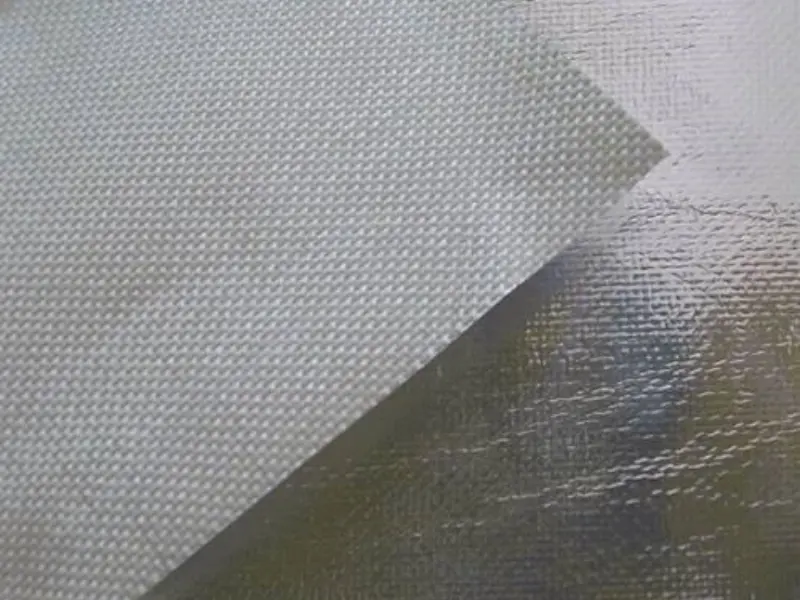
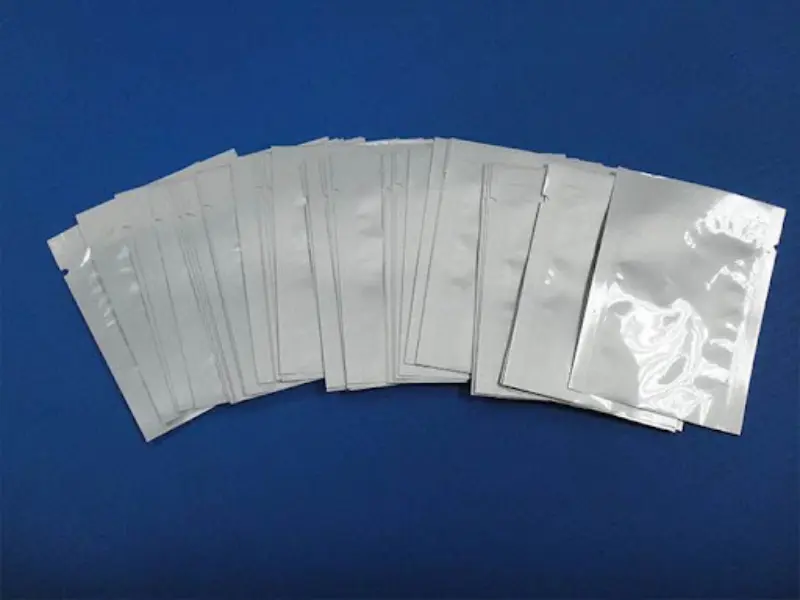
Metallized film and aluminum foil laminate are often confused. They are different materials.
Metallized film usually has a very thin metal coating deposited on a plastic film. A foil laminate contains a distinct aluminum foil layer bonded to other materials.
| Comparison point | Foil laminate | Metallized film |
|---|---|---|
| Aluminum layer | Separate foil layer | Very thin deposited metal coating |
| Barrier performance | Can provide a strong barrier when the foil is intact | Depends on film, coating quality, and structure |
| Flexibility | Depends on the laminate | Often highly flexible |
| Fold resistance | Depends on construction | Metal coating can be affected by flexing |
| Common applications | High-barrier packaging and insulation | Snack packaging and decorative films |
| Cost | Depends on foil gauge and structure | Often selected for cost-sensitive structures |
Neither option is automatically right for every package. Compare actual barrier data, seal performance, shelf-life requirements, and total packaging cost.
How to Select the Right Laminated Aluminium Foil
Before ordering, define the purpose of the product and the performance required.
Choose the Laminate Structure First
Start with the end use. A dry food pouch, a medical package, and an insulation facing need different material structures.
Ask the supplier to explain the function of each layer and identify which layer provides sealing, barrier performance, printability, or strength.
Select Foil Thickness
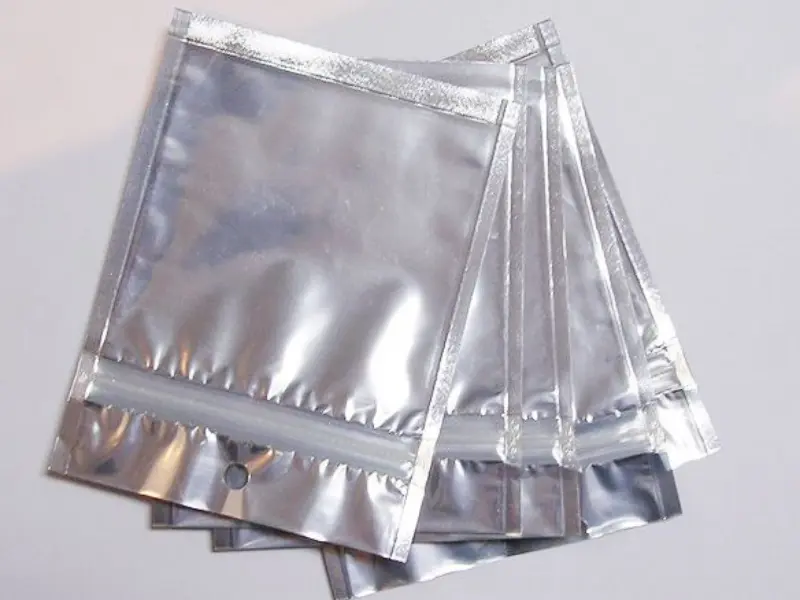
Foil thickness affects flexibility, material use, and resistance to handling damage. Thicker foil is not always the best solution. A thinner foil in a well-designed laminate may meet the requirement, while a demanding application may need a thicker or reinforced structure.
Specify the foil thickness separately from the total laminate thickness.
Confirm the Adhesive and Bonding Process
The adhesive or bonding method affects laminate strength and product suitability. Consider the filling temperature, storage conditions, and any chemical contact.
For food and pharmaceutical packaging, request the appropriate compliance documentation and confirmation that the structure is suitable for the intended conditions.
Check Roll Dimensions and Converting Requirements
For production orders, confirm:
- Roll width and outer diameter
- Core inner diameter
- Winding direction
- Splice requirements
- Roll weight limits
- Slitting tolerances
- Surface and edge quality
- Packaging and transport protection
These details can affect machine performance and material waste.
What Affects Laminated Aluminium Foil Prices?
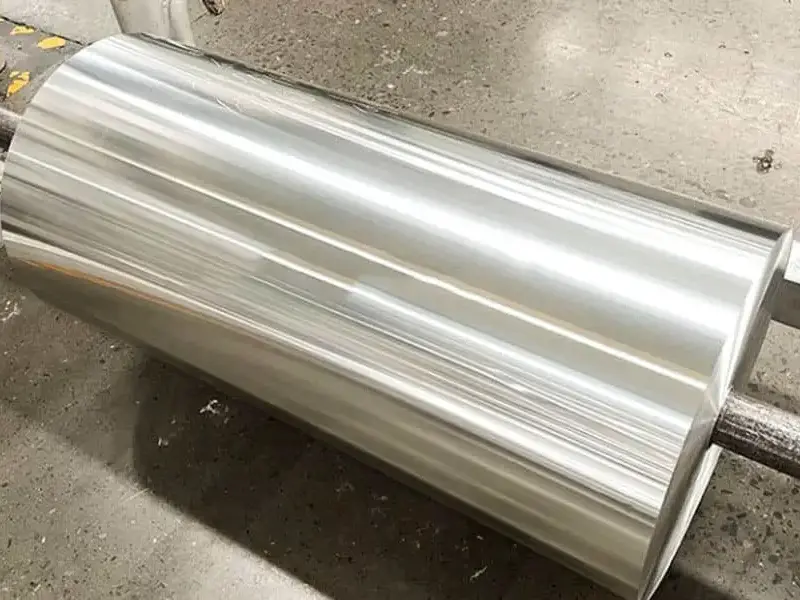
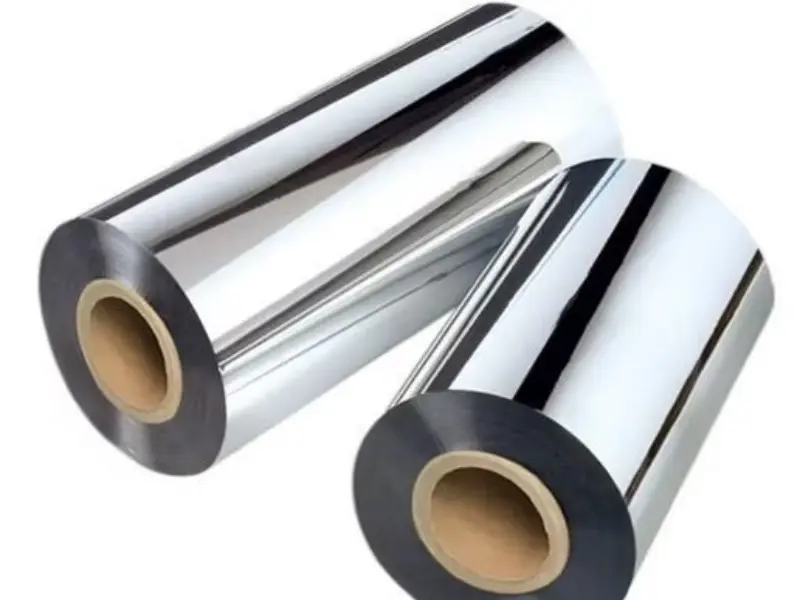
The price depends on the full laminate, not only the aluminum content.
| Cost factor | Why it matters |
|---|---|
| Foil alloy and thickness | Affects raw material cost and processing |
| Total laminate thickness | Includes aluminum and all other layers |
| Polymer or paper grade | Different materials have different costs |
| Adhesive system | Depends on bonding and performance requirements |
| Printing and coating | Adds material and processing steps |
| Roll width and length | Affects slitting, winding, and production efficiency |
| Order quantity | Influences setup cost and unit price |
| Testing and certification | May require additional inspection or documentation |
| Packaging and shipping | Depends on weight, dimensions, destination, and protection needs |
How to Request a Quotation
Provide the following information for a more accurate quote:
- Intended application
- Required laminate structure
- Aluminum alloy, if specified
- Foil thickness and total laminate thickness
- Roll width and core size
- Surface finish or printing requirements
- Required barrier or sealing performance
- Order quantity
- Delivery location
- Compliance and inspection requirements
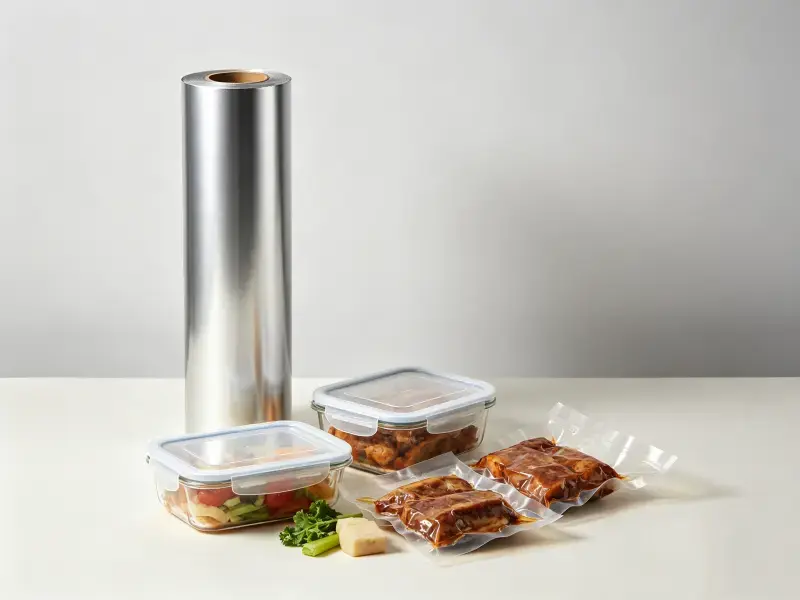
If you do not know the exact structure, describe the end product and operating conditions. A qualified supplier can help you compare suitable options.
Storage and Handling of Laminated Aluminium Foil
Proper storage helps protect the laminate before converting or use.
- Keep rolls in clean, dry storage.
- Avoid condensation and sudden temperature changes.
- Protect roll edges from impact.
- Prevent dust, oil, and other contamination.
- Use suitable packaging during transportation.
- Follow the supplier’s storage conditions for adhesives and polymers.
- Inspect the material before production.
For packaging materials, confirm shelf life and storage requirements with the manufacturer. Adhesive systems and polymer layers may have specific temperature or humidity limits.
Frequently Asked Questions About Laminated Aluminium Foil
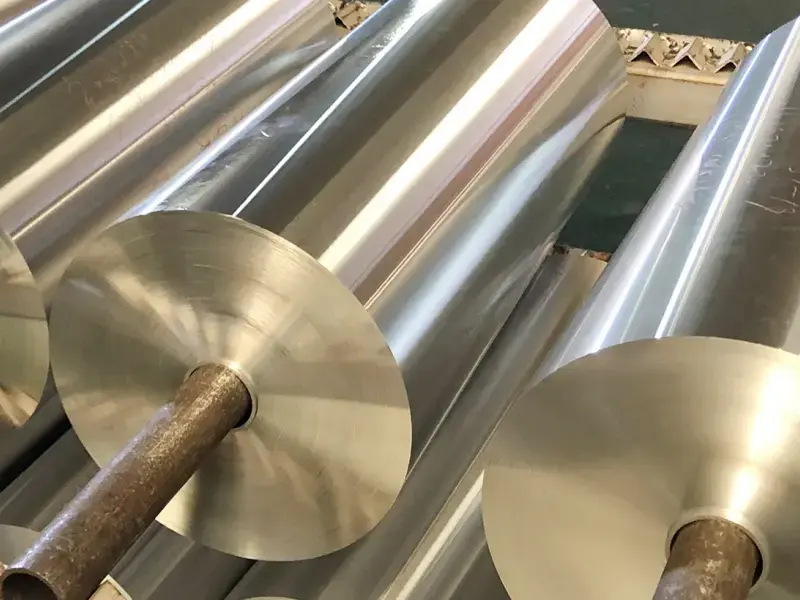
What is laminated aluminium foil used for?
Laminated aluminium foil has applications in flexible packaging, food wrapping, selected pharmaceutical packaging, building insulation, HVAC systems, cable constructions, and industrial barrier products. The exact use depends on the laminate structure.
What materials can be laminated with aluminum foil?
Aluminum foil has laminated with PET, PE, nylon, paper, woven fabric, foam, and other suitable materials. The best combination depends on sealing, barrier, strength, temperature, and regulatory requirements.
Which alloy is best for laminated aluminium foil?
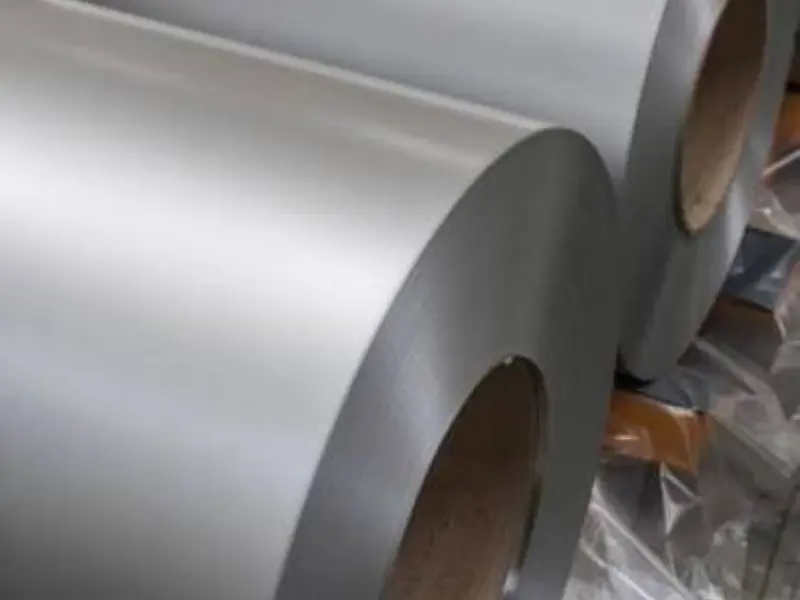
8011, 1235, and 8079 are common options for different foil applications. The best grade depends on thickness, converting requirements, barrier needs, and the manufacturer’s process capability. No single alloy is best for every laminate.
What thickness is available for laminated aluminium foil?
Many flexible packaging laminates use aluminum foil in the approximate range of 6–50 μm. Other applications may use different thicknesses. Always distinguish the aluminum foil thickness from the total laminate thickness.
Is laminated aluminium foil waterproof?
An intact foil layer provides a strong moisture barrier, but the finished laminate can still fail at seams, seals, pinholes, or damaged areas. Waterproof performance depends on the entire structure and how the package is made.
Can laminated aluminium foil be used for food packaging?
Yes, when the complete laminate has designed for the intended food-contact conditions and meets applicable regulations. The foil, polymer layers, adhesives, printing inks, and manufacturing process must all be suitable.
Can laminated aluminium foil withstand high temperatures?
Temperature resistance depends on the polymer layers, adhesive, sealant, and bonding process.
A laminate designed for room-temperature dry food may not be suitable for hot filling, boiling, or retort processing. Confirm the maximum use temperature and processing conditions.
Is laminated aluminium foil recyclable?
Recycling depends on the local waste system and the laminate structure. Composite materials can be harder to separate than single-material packaging. Ask the supplier about available recyclable structures and check local recycling rules.
What is the difference between aluminum foil and metallized film?
Aluminum foil is a distinct metal layer. Metallized film has a very thin metal coating deposited on a plastic film. They can differ in barrier performance, durability, and cost, so they have selected according to actual packaging requirements.
Can laminated aluminium foil be printed?
Yes. Printing has applied to a suitable film, paper layer, or treated surface. The print location and ink system has selected according to the converting process and final use.
What is the difference between foil thickness and laminate thickness?
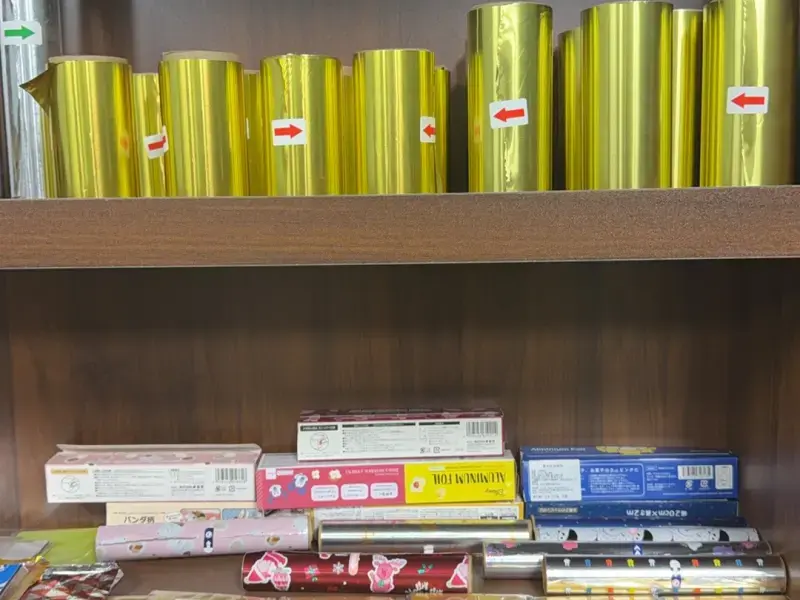
Foil thickness measures only the aluminum layer. Laminate thickness includes the aluminum foil, polymer films, paper, adhesive, and any other layers. Both values should be clearly specified in a purchase order.
How should laminated aluminium foil be stored?
Keep it dry, clean, and protected from physical damage. Follow the supplier’s recommendations for temperature, humidity, shelf life, and roll handling.
What information is needed to order laminated aluminium foil?
Specify the application, layer structure, foil thickness, total thickness, alloy if required, roll width, core size, quantity, printing needs, sealing requirements, and applicable compliance standards. Providing a sample or drawing can help clarify the requirements.
Choose Laminated Aluminium Foil for Your Application
The right laminated aluminium foil combines the properties of aluminum with the functions of other materials. It can support barrier packaging, heat sealing, printing, insulation, and selected industrial uses.
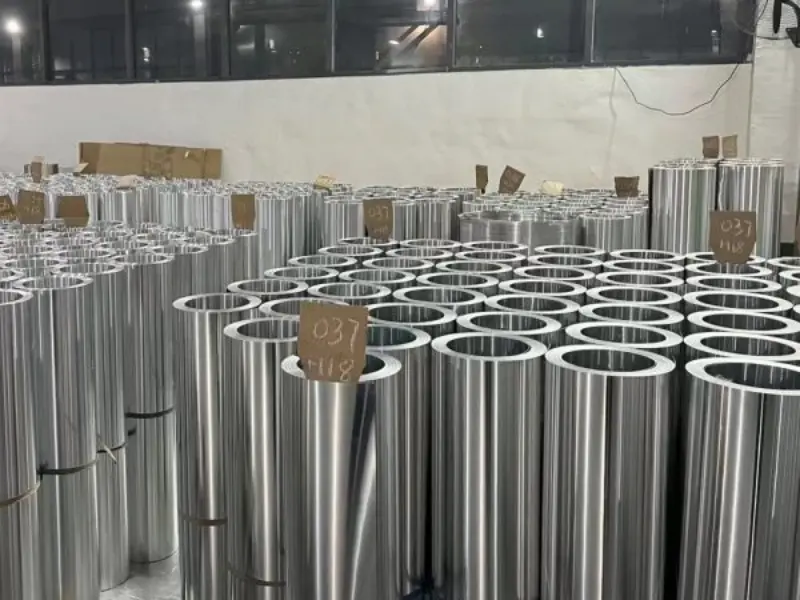
Before choosing a product, confirm the application, foil grade, thickness, laminate structure, roll dimensions, and required performance. For food or pharmaceutical packaging, also verify the applicable compliance documents and processing conditions.
A well-defined specification helps reduce production problems and makes it easier to compare suppliers on quality, performance, and total cost.
Error: Contact form not found.