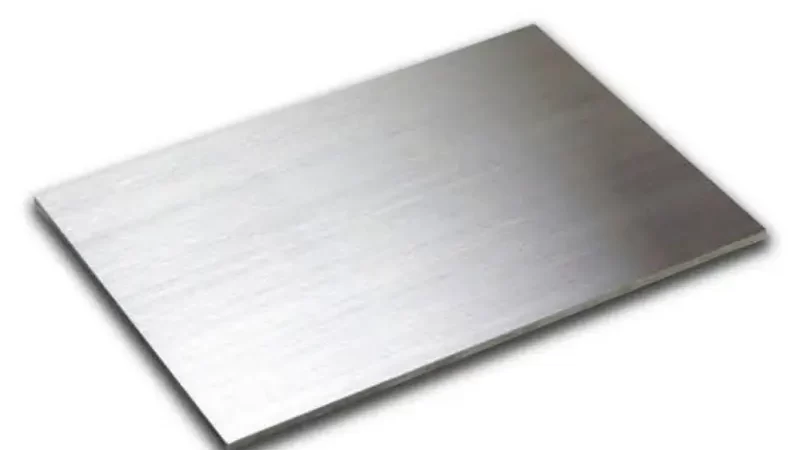
A 1 2 inch aluminum plate usually refers to a 1/2 inch thick aluminum plate, which is equal to 0.5 inches or 12.7 mm. This thickness is widely used in industrial manufacturing, machining, equipment parts, transportation, and construction.
A 1/2 inch aluminum plate provides a useful balance of strength, weight, and machinability. Aluminum is much lighter than steel, which makes it attractive for projects that need a thick metal plate without excessive weight.
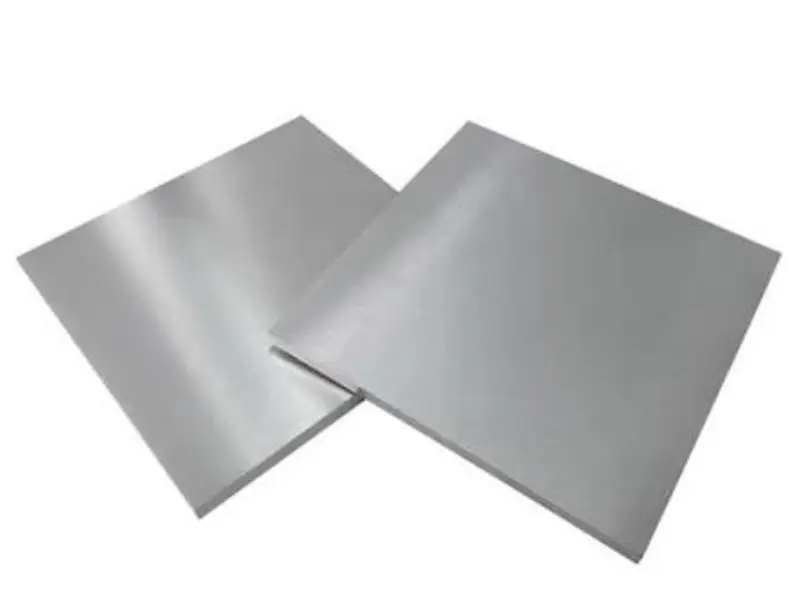
The best aluminum plate depends on the application. Some projects need high strength. Others require good corrosion resistance, easy machining, or good weldability.
Common alloy choices include 5052, 5083, and 6061. Each alloy has different properties, so it is important to select the right material before ordering.
As an aluminum plate manufacturer and supplier, we can evaluate different alloys, sizes, tempers, and cutting requirements for industrial and wholesale orders.
1/2 Inch Aluminum Plate Specifications
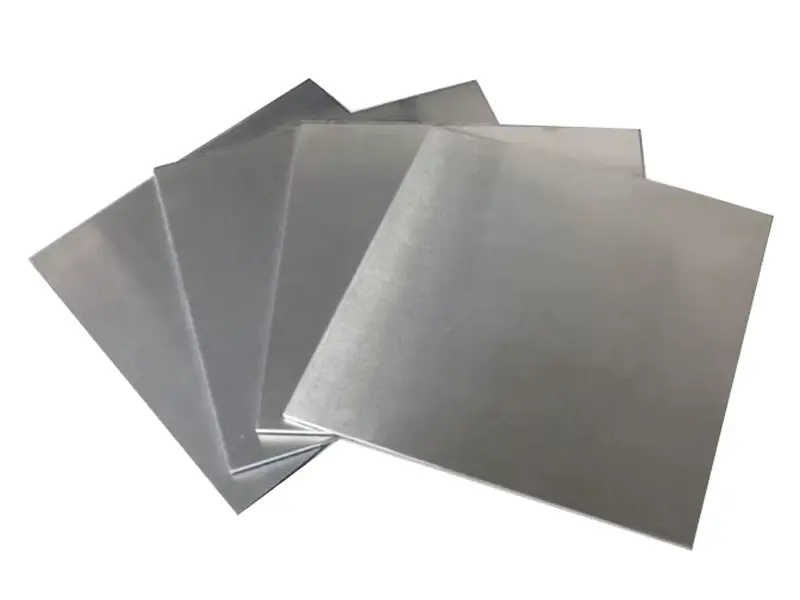
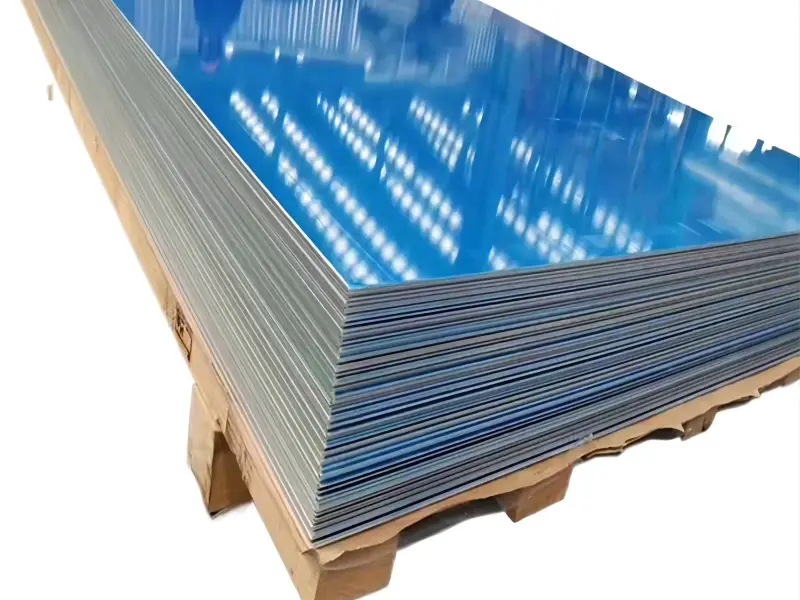
A 1/2 inch aluminum plate has a nominal thickness of 12.7 mm. The available width and length depend on the alloy, production method, stock size, and cutting requirements.
| Specification | Typical options |
|---|---|
| Product | 1/2 inch aluminum plate |
| Nominal thickness | 0.5 inch |
| Metric thickness | 12.7 mm |
| Common alloys | 5052, 5083, 6061 |
| Other possible alloys | 3003, 2024, 7075, subject to application |
| Common tempers | O, H32, H116, H321, T6, depending on alloy |
| Surface | Mill finish, machined, or other specified finish |
| Plate form | Flat plate or cut-to-size plate |
| Processing | Saw cutting, CNC machining, drilling, milling |
| Applications | Machinery, marine equipment, transport, tooling, and fabrication |
These specifications are general references. Not every alloy and temper is available in every plate size or thickness. Confirm the exact product and applicable material standard before ordering.
Is 1/2 Inch the Same as 12.7 mm?
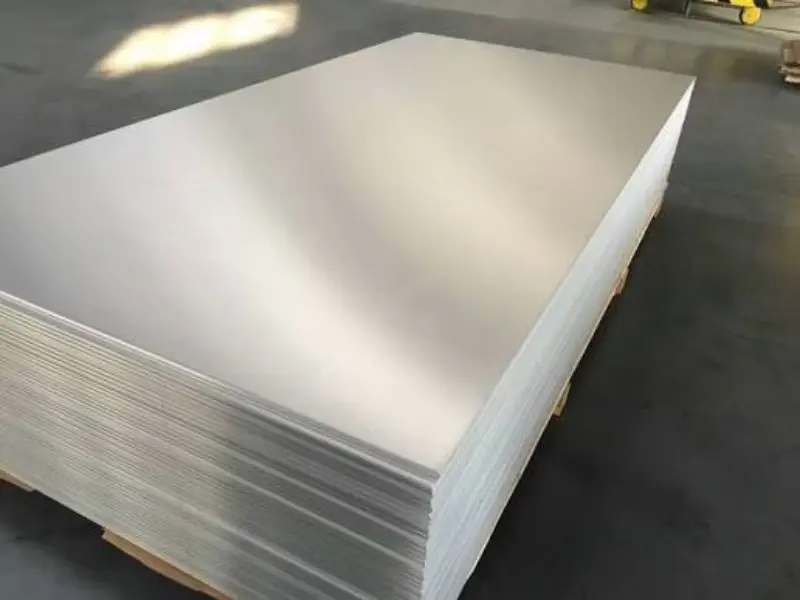
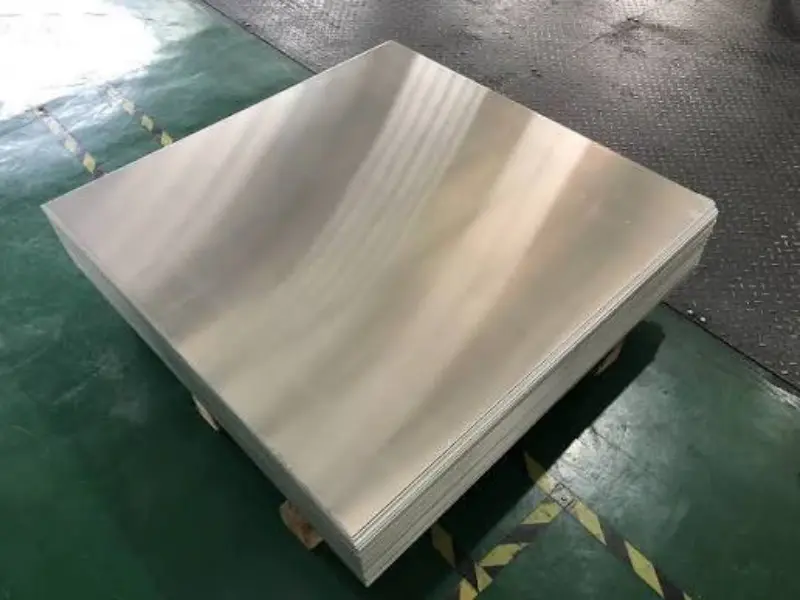
Yes. One-half inch equals 12.7 mm.
| Inch thickness | Metric equivalent |
|---|---|
| 1/4 inch | 6.35 mm |
| 3/8 inch | 9.525 mm |
| 1/2 inch | 12.7 mm |
| 5/8 inch | 15.875 mm |
| 3/4 inch | 19.05 mm |
| 1 inch | 25.4 mm |
When purchasing aluminum plate, check whether the supplier lists nominal thickness, actual thickness, or a permitted thickness tolerance. This is especially important for precision machining.
Common Types of 1/2 Inch Aluminum Plate
Different aluminum alloys offer different combinations of strength, corrosion resistance, and fabrication performance. The following options are worth considering.
6061-T6 Aluminum Plate
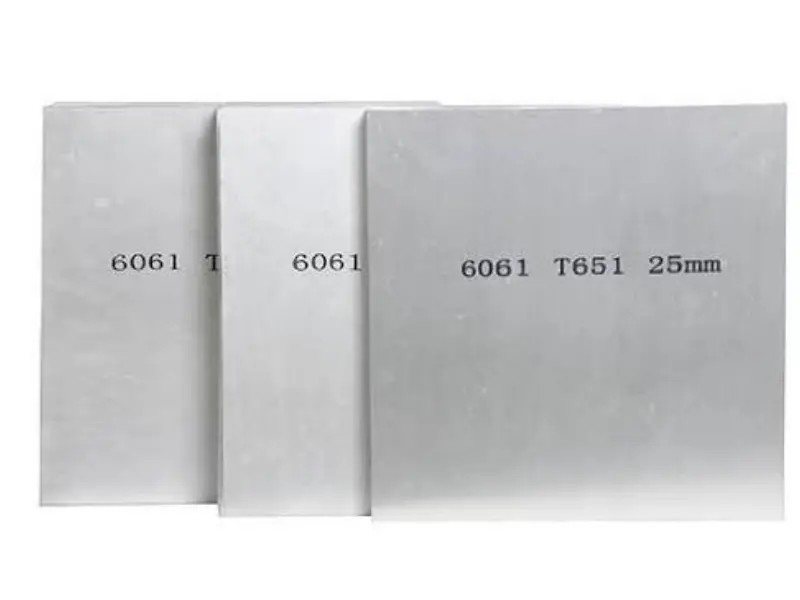
6061-T6 is a widely used aluminum alloy for structural parts and machining applications. It offers good strength, good machinability, and useful corrosion resistance.
A 1/2 inch 6061-T6 aluminum plate is commonly used for:
- CNC-machined components.
- Machine bases and brackets.
- Equipment mounting plates.
- Tooling fixtures.
- Automotive and transportation parts.
- General structural components.
- Custom industrial parts.
6061-T6 is often a good starting point when strength and machining are important. However, welding can reduce the strength of the heat-affected area, so the design and welding procedure should be reviewed.
5052-H32 Aluminum Plate
5052-H32 is known for good corrosion resistance and good formability. It is commonly used in sheet and plate applications where exposure to moisture or marine environments is a concern.
Potential applications include:
- Marine equipment components.
- Equipment covers and enclosures.
- Fabricated panels.
- Industrial housings.
- Transportation components.
- Parts exposed to humid environments.
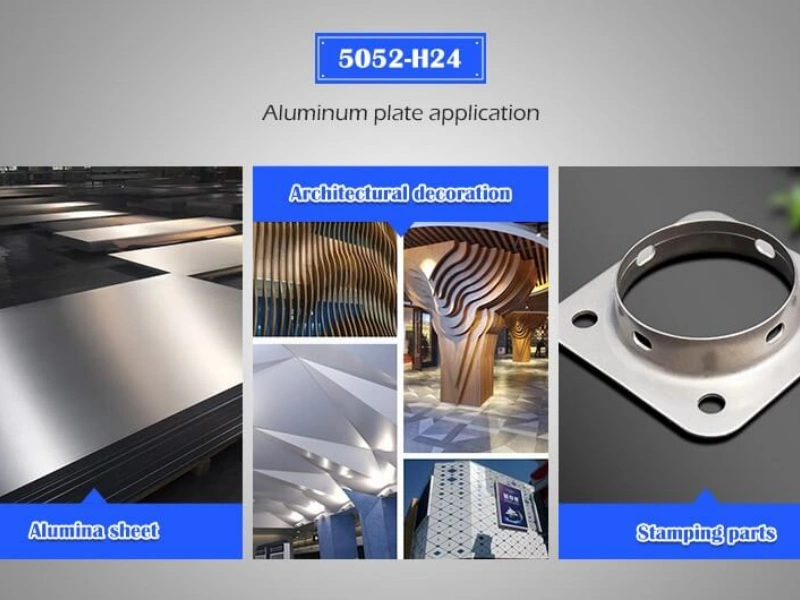
Compared with 6061-T6, 5052-H32 generally offers better formability but lower strength. It may be a suitable choice when corrosion resistance and fabrication are more important than high machining strength.
5083 Aluminum Plate
5083 aluminum is commonly selected for marine and other demanding corrosion-resistant applications. It offers high strength for a non-heat-treatable aluminum alloy and good resistance to seawater corrosion.
A 1/2 inch 5083 aluminum plate may be used for:
- Marine equipment.
- Shipbuilding components.
- Offshore equipment.
- Industrial tanks and fabricated structures.
- Transportation equipment.
- Heavy-duty welded assemblies.
The exact temper matters. Marine-grade 5083 products may be supplied in different tempers, including H116 and H321, depending on product requirements and applicable standards.
3003 Aluminum Plate
3003 aluminum offers good corrosion resistance and formability. It is generally selected for applications that do not require the higher strength of 6061 or 5083.
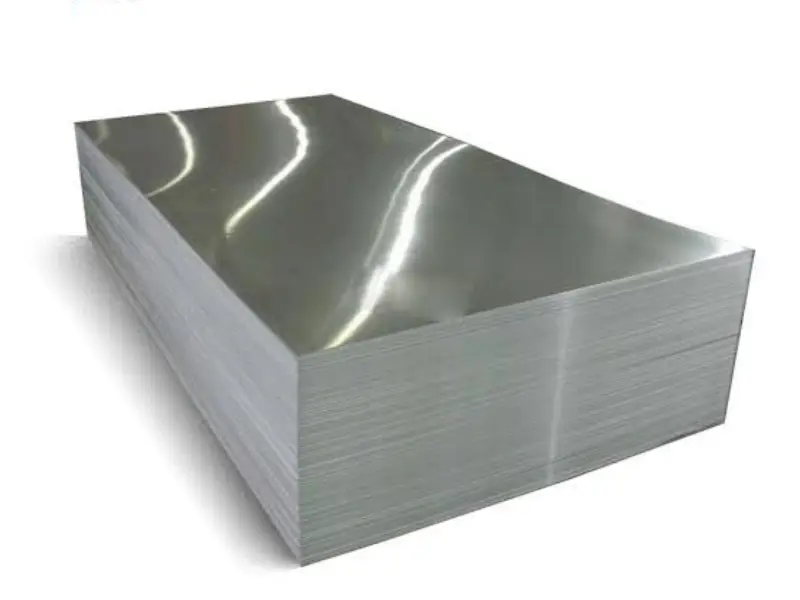
Possible uses include:
- General fabricated components.
- Equipment panels.
- Industrial covers.
- Decorative parts.
- Low-stress structural details.
For a 1/2 inch thick plate, confirm that the chosen alloy and available product form are suitable for the intended use.
7075 Aluminum Plate
7075 aluminum is a high-strength alloy used in specialized applications. It can provide much higher strength than common general-purpose alloys, but it is not the best choice for every project.
Potential applications include:
- Precision-machined parts.
- High-strength tooling components.
- Aerospace-related components.
- Specialized mechanical parts.
7075-T6 and other tempers have different properties. The alloy is generally less suitable for conventional welding and may require careful consideration of corrosion protection and service conditions.
2024 Aluminum Plate
2024 is another high-strength aluminum alloy used in selected aerospace and mechanical applications. It is often chosen for strength and fatigue performance rather than general corrosion resistance.
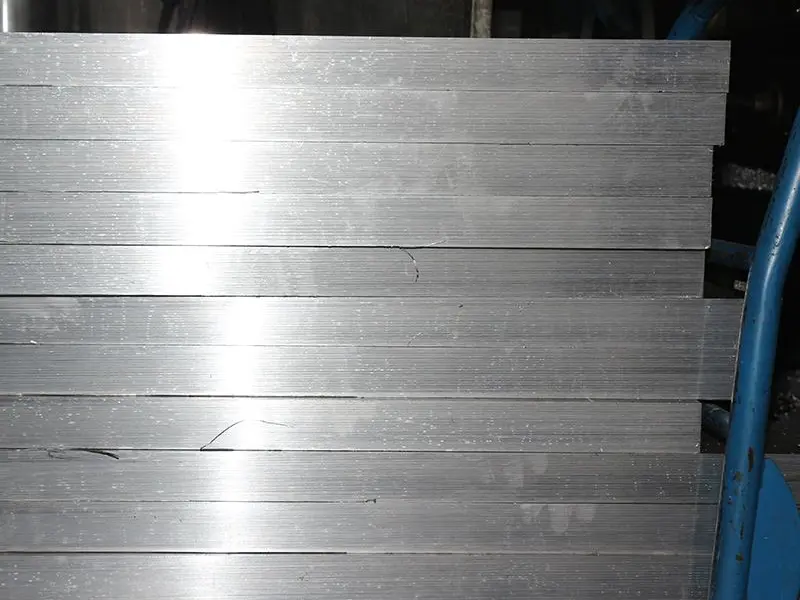
Applications may include:
- Precision-machined components.
- Aerospace-related parts.
- Specialized structural components.
- Mechanical parts with defined strength requirements.
For outdoor or corrosive environments, the protection system and material specification need careful review.
Compare 5052, 5083, and 6061 Aluminum Plate
These three alloys are common choices for thick aluminum plate, but they serve different purposes.
| Property | 5052-H32 | 5083 | 6061-T6 |
|---|---|---|---|
| Main advantage | Corrosion resistance and formability | Marine corrosion resistance and strength | Strength and machinability |
| Heat-treatable | No | No | Yes |
| Machinability | Fair to good, depending on operation | Depends on operation | Generally good |
| Formability | Good | Moderate, depending on temper and thickness | More limited in T6 temper |
| Welding | Generally suitable with proper procedures | Commonly used in welded marine structures | Possible, but strength can decrease near welds |
| Typical uses | Fabricated panels and equipment parts | Marine and heavy-duty structures | Machined parts and fixtures |
These are general comparisons. Actual performance depends on the product form, temper, thickness, manufacturing history, and design.
Which Alloy Is Best for CNC Machining?
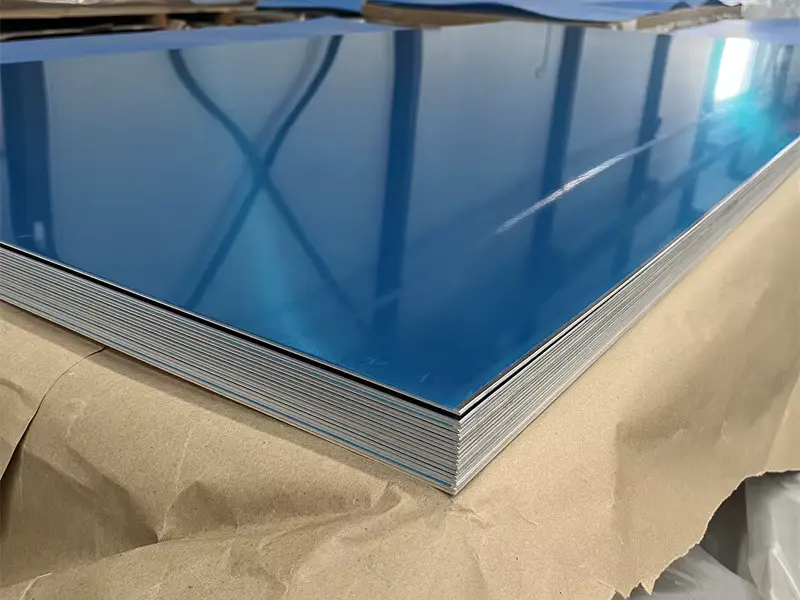
For many general CNC machining jobs, 6061-T6 is a practical starting point. It offers a useful balance of strength, machinability, and availability.
For parts exposed to seawater, 5083 may be more suitable. For fabricated parts that need good corrosion resistance and forming performance, 5052 may be worth considering.
The best option depends on the finished part, not only the nominal plate thickness.
Weight of a 1/2 Inch Aluminum Plate
Weight is an important factor when planning material purchases, transportation, and installation. Aluminum is much lighter than steel, but a 1/2 inch plate can still be heavy when the plate is large.
For a quick estimate, use an aluminum density of approximately 2,700 kg/m³, or 0.0975 lb/in³.
Estimated weight formula:
Weight = Length × Width × Thickness × Density
All dimensions must use consistent units.
Weight by Common Plate Size
The following table shows approximate theoretical weights for a 1/2 inch thick aluminum plate. It assumes a thickness of exactly 0.5 inch and a density of 0.0975 lb/in³.
| Plate size | Approximate weight |
|---|---|
| 6 × 6 × 1/2 inch | 1.76 lb |
| 12 × 12 × 1/2 inch | 7.02 lb |
| 12 × 24 × 1/2 inch | 14.04 lb |
| 24 × 24 × 1/2 inch | 28.08 lb |
| 24 × 48 × 1/2 inch | 56.16 lb |
| 36 × 48 × 1/2 inch | 84.24 lb |
| 48 × 48 × 1/2 inch | 112.32 lb |
| 48 × 96 × 1/2 inch | 224.64 lb |
Actual shipping weight may differ because of thickness tolerances, alloy density, protective packaging, and cutting allowances.
How Much Does a 4 × 8 Sheet of 1/2 Inch Aluminum Weigh?
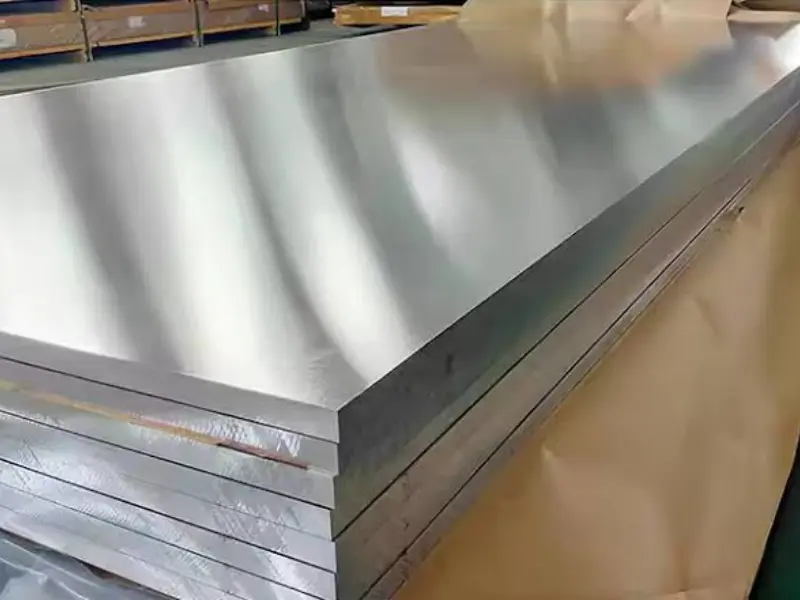
A 4 × 8 foot plate measures 48 × 96 inches. At a nominal thickness of 1/2 inch, its theoretical weight is approximately 224.6 lb, or 101.9 kg.
This estimate is useful for preliminary planning. Always confirm the supplier’s actual dimensions and weight before arranging lifting equipment or freight.
Common Sizes of 1/2 Inch Aluminum Plate
Standard stock sizes vary by manufacturer and alloy. Some suppliers offer full plates, while others provide cut pieces.
| Width | Length | Possible use |
|---|---|---|
| 12 inches | 12 inches | Small machined parts |
| 12 inches | 24 inches | Brackets and equipment components |
| 24 inches | 24 inches | Fixtures and tooling |
| 24 inches | 48 inches | Machine parts and fabricated components |
| 36 inches | 48 inches | Industrial plates |
| 48 inches | 48 inches | Larger components |
| 48 inches | 96 inches | General fabrication and machining |
Custom widths and lengths may be available through saw cutting or CNC cutting. The maximum size depends on the supplier’s stock and equipment.
Cut-to-Size 1/2 Inch Aluminum Plate
Buying cut-to-size aluminum plate can reduce material waste and shorten preparation time. It is useful when the final component has a defined rectangular or square shape.
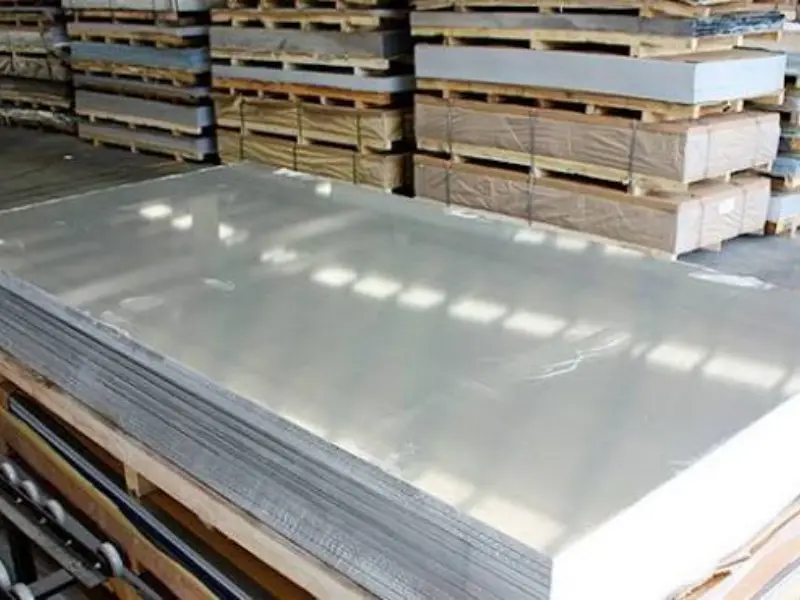
When requesting a quote, provide:
- Required alloy and temper.
- Nominal thickness.
- Finished width and length.
- Dimensional tolerances.
- Quantity.
- Required surface condition.
- Any machining or drilling requirements.
For precision parts, specify whether the dimensions refer to the raw plate or the finished machined component.
Applications of 1/2 Inch Aluminum Plate
A half-inch aluminum plate can be used in many industries. The suitable alloy depends on the loads, operating environment, and manufacturing process.
CNC Machining and Manufacturing
6061-T6 is commonly used for machined parts because it offers good machinability and useful mechanical strength.
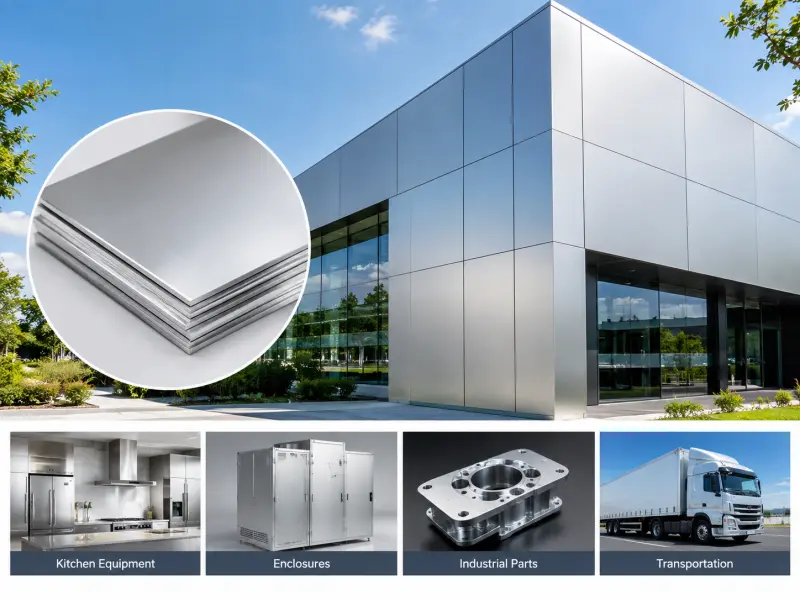
Applications include:
- Machine mounting plates.
- CNC fixtures.
- Custom brackets.
- Tooling bases.
- Equipment supports.
- Precision-machined blocks.
- Assembly components.
For tight tolerances, confirm flatness, thickness tolerance, and machining allowance before production.
Marine and Boat Building
Marine applications may require strong corrosion resistance and reliable fabrication performance.
Potential uses include:
- Marine equipment plates.
- Boat components.
- Fabricated brackets.
- Structural details.
- Equipment mounting parts.
- Welded marine assemblies.
5083 is a common candidate for marine plate applications. The exact alloy and temper should match the design specification and applicable marine requirements.
Industrial Equipment
Industrial machinery often uses thick aluminum plate for mounting, support, and custom-fabricated components.
Applications include:
- Equipment bases.
- Machine guards and supports.
- Assembly fixtures.
- Industrial platforms and components.
- Mounting plates.
- Custom machinery parts.
The required strength and stiffness depend on the load and the dimensions of the finished component.
Transportation and Automotive
Aluminum can reduce component weight compared with steel. Half-inch plate may be suitable for specific machined or fabricated parts.

Possible applications include:
- Vehicle equipment brackets.
- Transport machinery components.
- Mounting structures.
- Custom chassis-related parts.
- Equipment supports.
The final design must account for fatigue, vibration, impact loads, and applicable safety requirements.
Construction and Structural Fabrication
A 1/2 inch aluminum plate can be used in selected building and fabrication projects.
- Base plates for equipment.
- Custom brackets.
- Connection components.
- Fabricated supports.
- Architectural details.
- Industrial building components.
Do not assume that a thick aluminum plate is automatically suitable for a load-bearing structural application. The alloy, temper, connection design, and applicable building standards must be checked.
Tooling and Fixtures
Thick aluminum plate is used to make jigs, fixtures, and machine tooling components.
- CNC fixture plates.
- Assembly jigs.
- Positioning blocks.
- Mounting bases.
- Inspection fixtures.
- Custom production tooling.
6061-T6 is often considered for these applications because of its machinability and strength. Flatness and dimensional stability may also be important.
1/2 Inch Aluminum Plate vs. 1/4 Inch Aluminum Plate
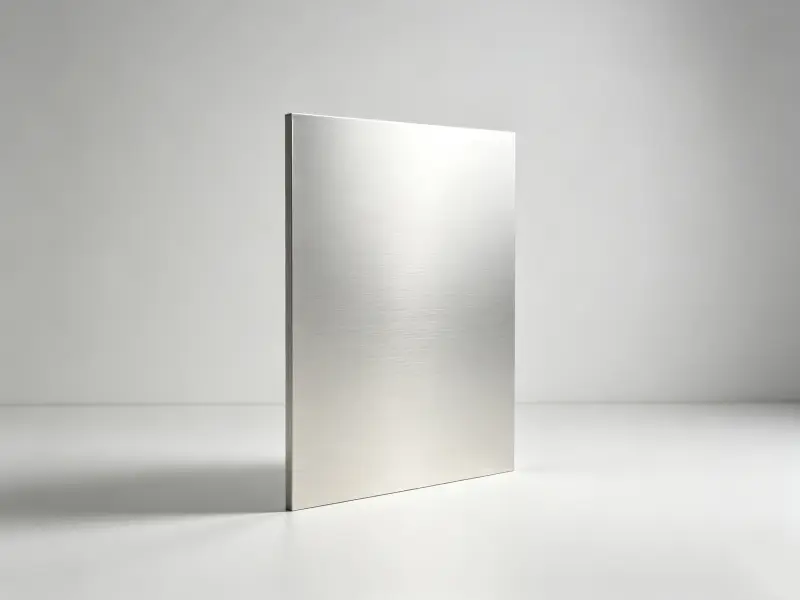
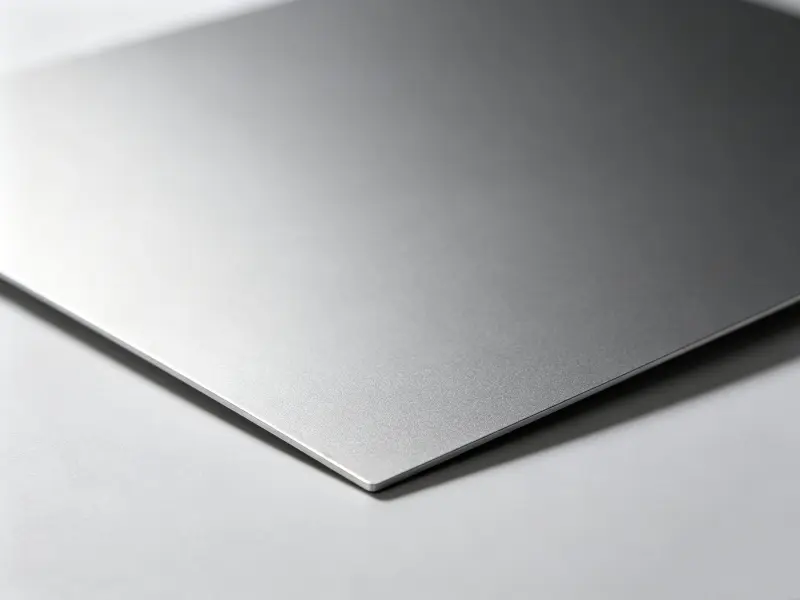
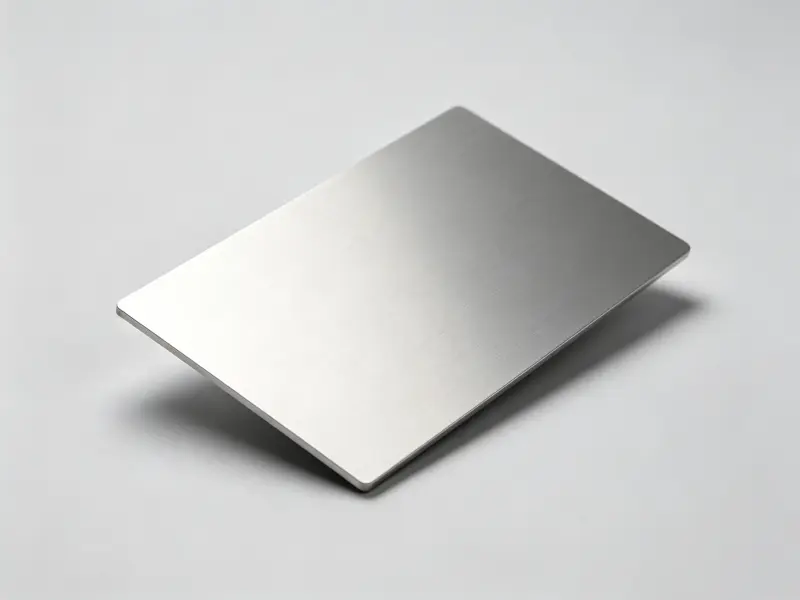
The main difference is thickness. A 1/2 inch plate is twice as thick as a 1/4 inch plate of the same length and width. It also weighs approximately twice as much when the material density is the same.
| Feature | 1/4 inch plate | 1/2 inch plate |
|---|---|---|
| Thickness | 6.35 mm | 12.7 mm |
| Relative weight | Lower | Approximately twice as high |
| Material cost | Usually lower for the same area and alloy | Usually higher for the same area and alloy |
| Machining allowance | Less material available | More material available |
| Potential stiffness | Lower in comparable geometry | Higher in comparable geometry |
| Typical uses | Lighter parts and panels | Thicker machined parts and fixtures |
A thicker plate is not always necessary. The correct thickness depends on the load, span, geometry, and design requirements.
1/2 Inch Aluminum Plate vs. 1/2 Inch Steel Plate
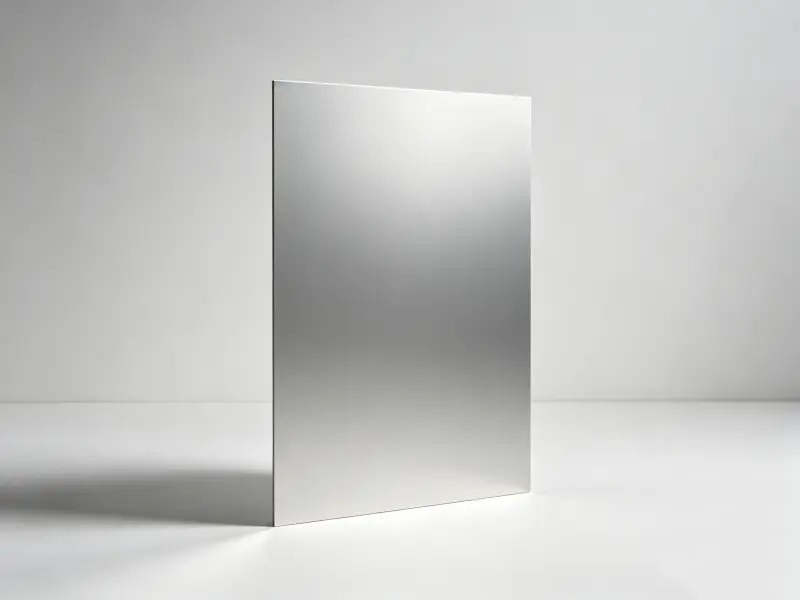


Aluminum and steel have different properties. The best choice depends on whether weight, strength, cost, corrosion resistance, or fabrication is the main priority.
| Feature | Aluminum plate | Steel plate |
|---|---|---|
| Density | About 2.7 g/cm³ | About 7.85 g/cm³ for common steels |
| Weight at equal dimensions | Much lighter | Much heavier |
| Corrosion behavior | Depends on alloy and environment | Depends on steel type and protection |
| Stiffness | Lower elastic modulus | Higher elastic modulus |
| Machining | Depends on alloy and operation | Depends on grade and operation |
| Common benefit | Lower weight and useful corrosion resistance | High stiffness and strength options |
For the same size and thickness, aluminum weighs roughly one-third as much as common steel. However, aluminum is also less stiff. The design must account for both weight and mechanical performance.


What Affects the Price of 1/2 Inch Aluminum Plate?


The price of 1/2 inch aluminum plate varies with alloy, dimensions, quantity, and processing requirements.
| Price factor | Why it matters |
|---|---|
| Alloy | Different alloys have different material and production costs |
| Temper | The required mechanical condition affects product availability |
| Plate size | Larger pieces use more material |
| Thickness tolerance | Tighter tolerances may require additional control |
| Surface condition | Special finishes can add processing costs |
| Cutting | Custom cutting may involve setup and machining costs |
| Quantity | Larger orders may improve production efficiency |
| Freight | Weight, dimensions, destination, and packaging affect shipping |
For an accurate quote, specify the alloy, temper, dimensions, quantity, and delivery location. If the plate requires machining or special inspection, include those details as well.
How to Choose the Right 1/2 Inch Aluminum Plate


Before placing an order, review the following points.
Identify the Final Application
Decide whether the plate will be used for CNC machining, marine fabrication, tooling, construction, or general industrial manufacturing.
Select the Alloy
Choose the alloy based on strength, corrosion resistance, machinability, and fabrication requirements.
- Choose 6061-T6 as a starting point for many machined components.
- Consider 5052 for fabricated parts that need good corrosion resistance and formability.
- Consider 5083 for suitable marine and corrosion-resistant applications.
- Evaluate 7075 or 2024 only when their specialized mechanical properties are needed.
Confirm the Plate Dimensions
Specify the thickness, width, length, and tolerances. If you need cut pieces, provide a cutting list.
Check the Surface and Flatness
For machined parts, surface condition and flatness may affect processing time and final accuracy. State any special requirements before ordering.
Confirm the Material Standard
If your project requires ASTM or another material standard, identify the exact specification. Do not assume that every aluminum plate meets every standard.
Why Buy 1/2 Inch Aluminum Plate from a Manufacturer?
Buying directly from an aluminum manufacturer may help simplify communication about material specifications, production options, and bulk orders.

A supplier may be able to offer:
- Multiple aluminum alloys and tempers.
- Different plate sizes.
- Cut-to-size services.
- Technical data and material documentation, as agreed.
- Bulk order quotations.
- Export packaging and shipping coordination.
Available options depend on the product range and current production capacity. Confirm the details for your required alloy and dimensions before placing an order.
Frequently Asked Questions About 1/2 Inch Aluminum Plate
What is the metric size of a 1/2 inch aluminum plate?
A 1/2 inch aluminum plate has a nominal thickness of 12.7 mm. The actual supplied thickness is subject to the product specification and applicable tolerance.
What is the best alloy for 1/2 inch aluminum plate?
There is no single best alloy for every application. 6061-T6 is common for machining, 5052 is useful for many corrosion-resistant fabricated parts, and 5083 is widely used in marine applications. Select the alloy based on the final component’s requirements.
How much does a 1/2 inch aluminum plate weigh?
Weight depends on the plate’s length, width, thickness, and alloy. A 12 × 12 inch plate weighs approximately 7.02 lb at a nominal thickness of 1/2 inch. A 4 × 8 foot plate weighs approximately 224.6 lb under the same assumptions.
Is 6061-T6 available in 1/2 inch aluminum plate?
6061-T6 is a common aluminum plate option. Availability depends on the required width, length, product standard, and supplier stock.
Can 1/2 inch aluminum plate be welded?

Some aluminum alloys can be welded using suitable procedures. However, welding may reduce the strength of heat-treatable alloys such as 6061-T6 near the weld. The alloy, joint design, filler material, and service conditions should be evaluated before welding.
Is 1/2 inch aluminum plate suitable for marine use?
It can be suitable for selected marine applications. Alloy 5083 is often considered for marine plate because of its corrosion resistance. The correct alloy and temper must meet the project’s requirements.
Can I order a custom size?
Many suppliers can provide cut-to-size plate, subject to stock availability and processing capacity. Provide the required dimensions, quantity, tolerances, and alloy when requesting a quote.
Is aluminum plate stronger than steel plate?
The answer depends on the specific alloy and steel grade. Aluminum is much lighter, but it has a lower elastic modulus than steel. Compare the mechanical properties and design requirements rather than choosing based on thickness alone.
What is the difference between aluminum sheet and aluminum plate?
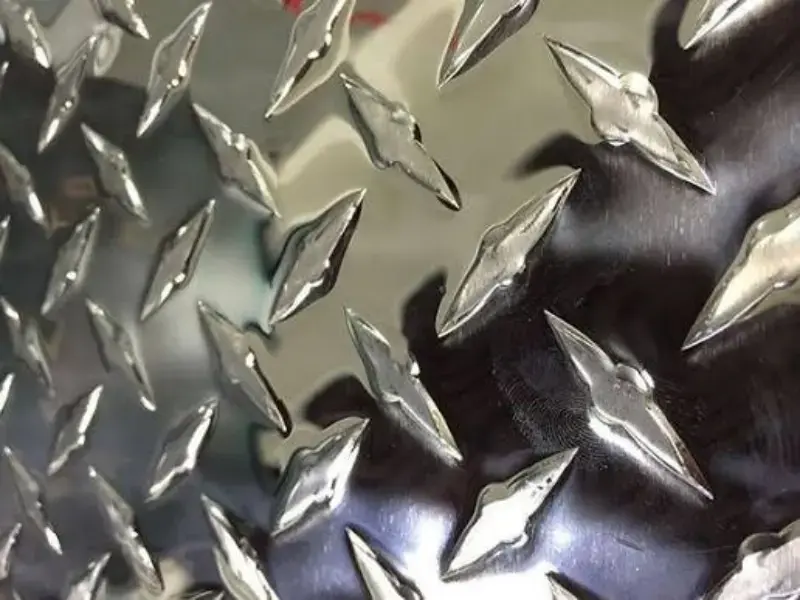
The distinction depends on the applicable product standard and industry practice. Plate generally refers to thicker material, while sheet is usually thinner. For purchasing, specify the exact thickness in inches or millimeters to avoid confusion.
How can I get a price for 1/2 inch aluminum plate?
Provide the alloy, temper, thickness, width, length, quantity, cutting requirements, and delivery destination. These details help the supplier prepare a more accurate quotation.
Request a Quote for 1/2 Inch Aluminum Plate
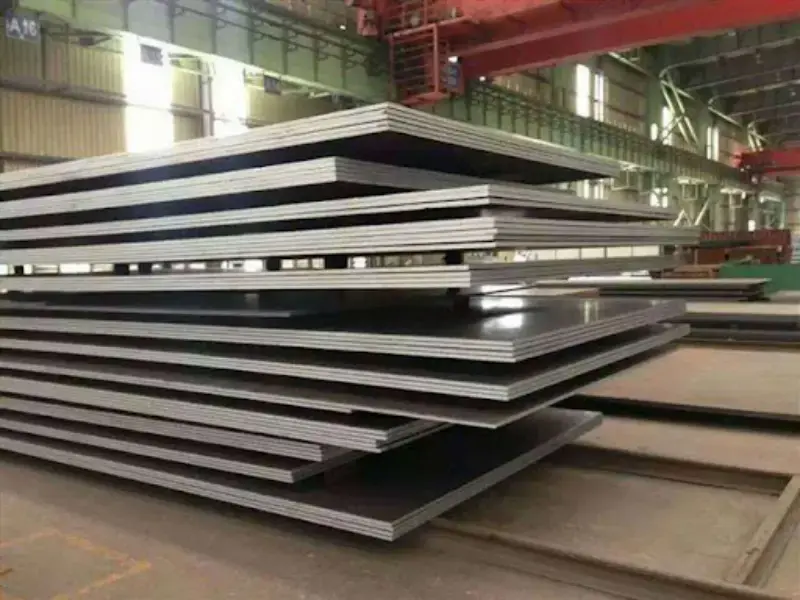
Looking for 1/2 inch aluminum plate for machining, tooling, marine equipment, or industrial fabrication?
Share your required alloy, temper, plate dimensions, quantity, and destination. We can review the specifications and discuss suitable product options for your project.
To request a quote, include:
- Alloy: 5052, 5083, 6061, or another specified grade.
- Temper: such as H32 or T6, where applicable.
- Thickness: 1/2 inch (12.7 mm).
- Width and length.
- Quantity and cutting requirements.
- Required material standard and documentation.
- Delivery destination.
Error: Contact form not found.