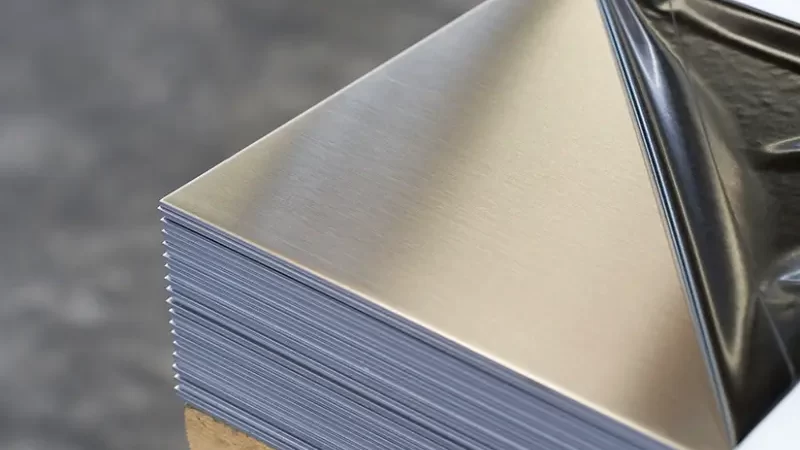
10 gauge aluminum sheet is a medium-thick aluminum sheet used in construction, transportation, machinery, fabrication, equipment, and many industrial projects.
For aluminum, 10 gauge is commonly about 0.102 inch thick, or approximately 2.59 mm. The exact gauge-to-thickness conversion can vary slightly between gauge standards, so the actual thickness should always be confirmed before ordering.
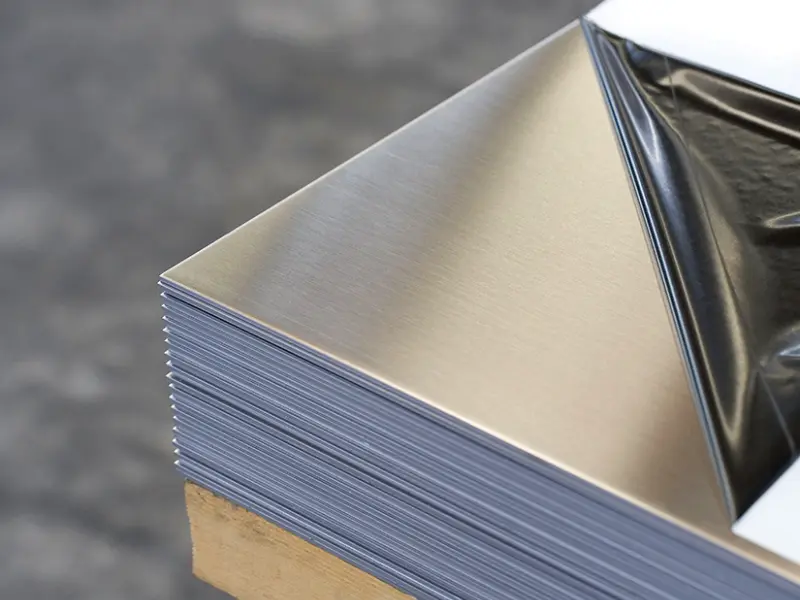
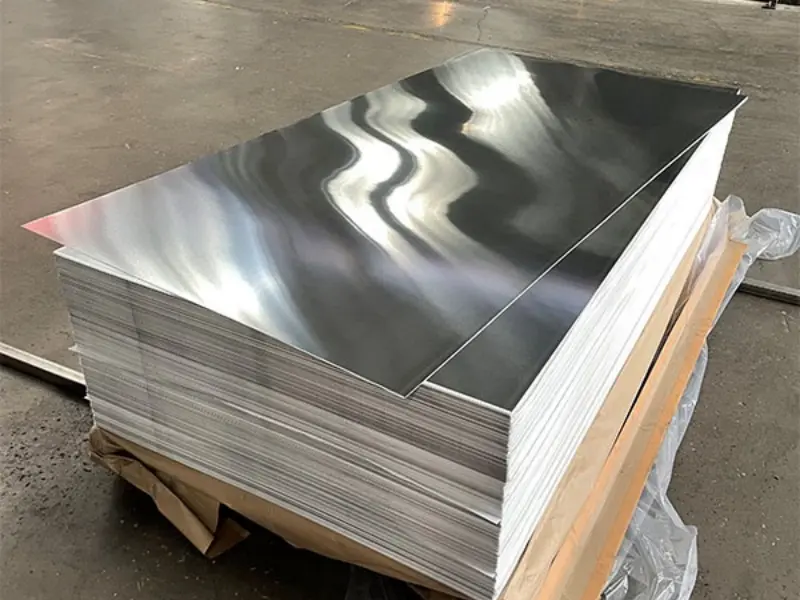
This thickness offers a useful balance between strength, weight, formability, and cost. It is thicker than many general-purpose aluminum sheets but still much lighter than steel of a similar size.
10 gauge aluminum sheet can be supplied in different alloys, tempers, sizes, and surface finishes. Common choices include 3003, 5052, 6061, 5083, 1100, and other grades depending on the application.
What Is 10 Gauge Aluminum Sheet?
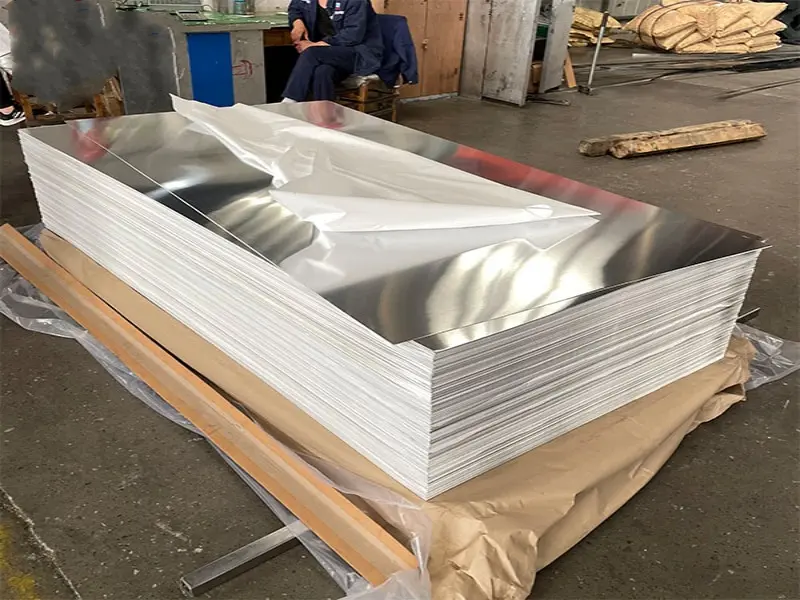
10 gauge aluminum sheet refers to aluminum sheet with a nominal thickness of about 0.102 inch or 2.59 mm.
Gauge is an older sizing method. Aluminum does not use exactly the same gauge conversion as steel. Therefore, buyers should not assume that 10 gauge aluminum has the same thickness as 10 gauge steel.
For purchasing and production, it is better to state both the gauge and the actual thickness.
| Specification | Typical Value |
|---|---|
| Gauge | 10 gauge |
| Nominal thickness | 0.102 in |
| Metric thickness | About 2.59 mm |
| Thickness in inches | About 0.102 in |
| Material | Aluminum |
| Common alloys | 3003, 5052, 6061, 5083 |
| Common tempers | O, H14, H24, H32, T6 |
| Surface | Mill, anodized, painted, coated |
| Form | Flat sheet |
| Processing | Cutting, bending, punching, drilling |
For a production order, the required thickness should be confirmed in millimeters or inches.
10 Gauge Aluminum Sheet Thickness
The thickness is one of the most important specifications when buying aluminum sheet.
A standard reference for 10 gauge aluminum is approximately 2.59 mm.
Small differences may occur between gauge charts and manufacturing standards. For this reason, a purchase specification such as 2.59 mm aluminum sheet can be clearer than using gauge alone.
10 Gauge Aluminum in Inches
10 gauge aluminum sheet is commonly listed as approximately:
0.102 inch
This makes it suitable for projects that need a relatively rigid sheet without the weight of a very thick aluminum plate.
10 Gauge Aluminum in Millimeters
The common metric equivalent is:
2.59 mm
For some commercial orders, the requested thickness may be specified as 2.5 mm, 2.6 mm, or another nearby value according to the required standard and tolerance.
10 Gauge Aluminum Sheet Specifications
A complete product specification includes more than thickness.
| Item | Common Options |
|---|---|
| Thickness | 2.59 mm nominal |
| Width | 500–2500 mm |
| Length | 1000–6000 mm |
| Alloy | 3003 / 5052 / 6061 / 5083 |
| Temper | O / H14 / H24 / H32 / T6 |
| Surface | Mill / anodized / painted |
| Edge | Mill edge / cut edge |
| Shape | Flat sheet / cut-to-size |
| Processing | Cutting / bending / punching |
| Packing | Wooden pallet / export package |
Custom width and length can be supplied for project orders.
Popular Aluminum Alloys for 10 Gauge Sheet
Not every aluminum alloy performs the same way.
The right alloy depends on strength, corrosion resistance, forming, welding, machining, and the final application.
3003 Aluminum Sheet
3003 is a popular general-purpose aluminum alloy.
It provides a good balance of strength and formability. It is also easy to fabricate.
Typical applications include:
- Equipment panels
- Building components
- Truck bodies
- Machine covers
- Storage equipment
- General fabrication
- Decorative panels
10 gauge 3003 aluminum sheet is a practical choice when the project needs more strength than pure aluminum but does not require the higher strength of 5052 or 6061.
5052 Aluminum Sheet
5052 is widely used where corrosion resistance and strength are important.
It performs well in outdoor and marine-related environments.
Common applications include:
- Truck and trailer components
- Marine equipment
- Fuel tanks
- Industrial equipment
- Enclosures
- Architectural components
- Machine parts
10 gauge 5052 aluminum sheet is especially useful when a thicker sheet is needed for structural or fabricated components.
6061 Aluminum Sheet
6061 is known for its relatively high strength and good machinability.
It is often selected for structural and engineering applications.
Typical uses include:
- Machinery
- Frames
- Equipment components
- Transportation parts
- Industrial structures
- Custom fabricated parts
6061-T6 is stronger than many common non-heat-treatable aluminum grades, but it is generally less formable than 3003 or 5052.
5083 Aluminum Sheet
5083 offers high strength and excellent corrosion resistance.
It is commonly associated with marine and heavy-duty applications.
Typical uses include:
- Shipbuilding
- Marine structures
- Pressure-related equipment
- Heavy transportation equipment
- Industrial structures
When the project requires strong aluminum with good resistance to harsh environments, 5083 can be considered.
1100 Aluminum Sheet
1100 has high aluminum content and excellent formability.
It is softer than 3003, 5052, and 6061.
- General fabrication
- Decorative panels
- Chemical equipment
- Heat-related components
- Formed parts
It is a better choice when easy forming is more important than high strength.
10 Gauge Aluminum Sheet Alloy Comparison

Different alloys can make the same thickness behave very differently.
| Alloy | Strength | Formability | Corrosion Resistance | Typical Use |
|---|---|---|---|---|
| 1100 | Low | Excellent | Good | General fabrication |
| 3003 | Medium | Very good | Good | Equipment and building |
| 5052 | Medium-high | Good | Excellent | Outdoor and marine |
| 6061 | High | Moderate | Good | Structural and machinery |
| 5083 | High | Good | Excellent | Marine and heavy duty |
Which Alloy Should You Choose?
A simple selection guide is:
→ 1100 for high formability
→ 3003 for general fabrication
→ 5052 for outdoor and corrosion resistance
→ 6061 for higher strength and machining
→ 5083 for marine and heavy-duty applications
The best choice should also consider temper and fabrication method.
10 Gauge Aluminum Sheet Temper Options
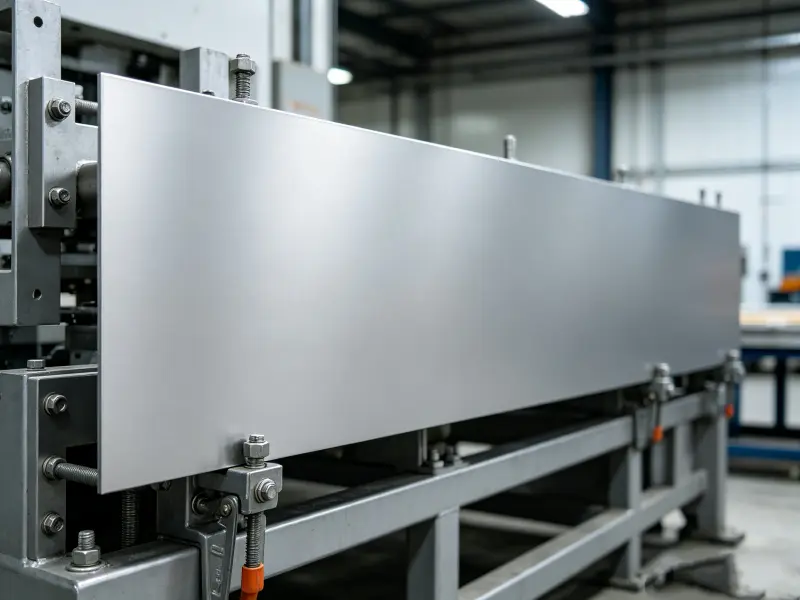
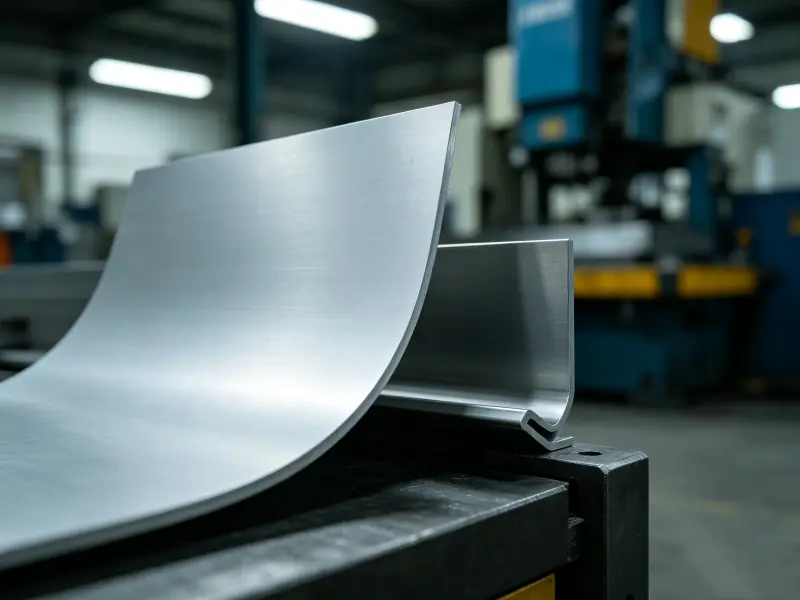
Temper describes the condition of aluminum after processing.
Different tempers can change strength and formability.
| Temper | General Character | Typical Application |
|---|---|---|
| O | Soft | Deep forming |
| H12 | Quarter hard | Forming and fabrication |
| H14 | Half hard | General fabrication |
| H16 | Three-quarter hard | Stronger sheet |
| H18 | Full hard | Rigid components |
| H24 | Strain hardened and partially annealed | General applications |
| H32 | Stabilized half hard | 5052 applications |
| T6 | Heat treated | High-strength 6061 |
The available temper depends on the aluminum alloy.
For example, 6061 is commonly supplied in T6 for higher strength, while 3003 and 5052 are often available in H tempers.
10 Gauge Aluminum Sheet vs 8 Gauge
A thicker sheet is not always better.
| Feature | 10 Gauge | 8 Gauge |
|---|---|---|
| Approx. thickness | 2.59 mm | About 3.26 mm |
| Weight | Lower | Higher |
| Rigidity | Good | Higher |
| Forming | Easier | More difficult |
| Material cost | Lower | Higher |
| Heavy-duty use | Good | Better |
10 gauge is often a good middle option when the project needs more rigidity than thin sheet but does not require a very thick material.
10 Gauge vs 12 Gauge Aluminum Sheet
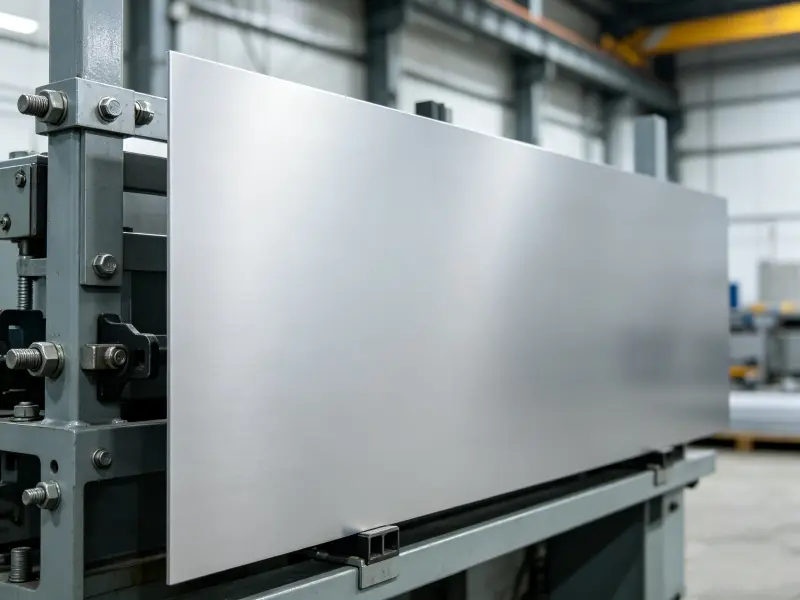
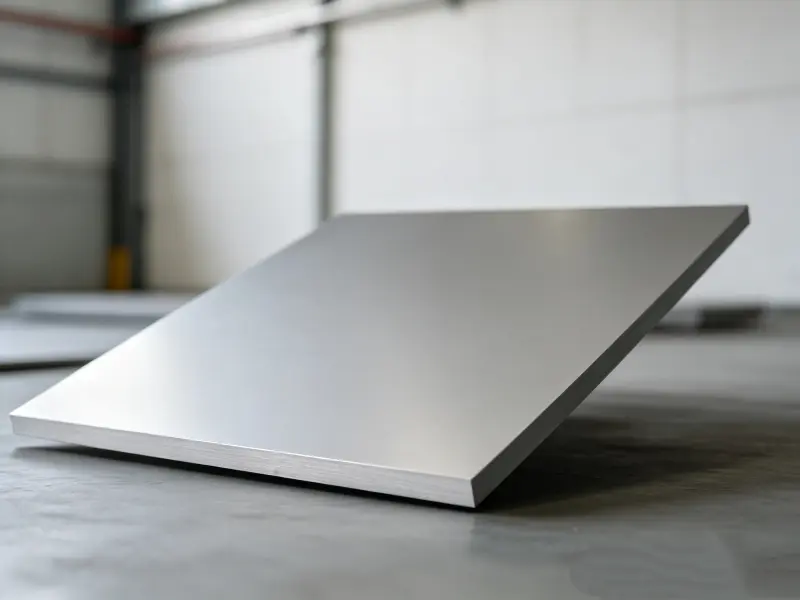
12 gauge aluminum is thinner than 10 gauge.
| Feature | 10 Gauge | 12 Gauge |
|---|---|---|
| Thickness | About 2.59 mm | About 2.05 mm |
| Weight | Higher | Lower |
| Rigidity | Higher | Lower |
| Fabrication | Good | Easier |
| Typical use | Equipment and structural panels | General panels and enclosures |
If weight is a major concern, 12 gauge may be more suitable.
If additional rigidity is needed, 10 gauge can provide a better balance.
10 Gauge vs 1/8 Inch Aluminum Sheet
This is a common comparison because 1/8 inch aluminum is widely sold.
| Material | Approx. Thickness |
|---|---|
| 10 gauge aluminum | 0.102 in |
| 2.5 mm aluminum | 0.098 in |
| 1/8 inch aluminum | 0.125 in |
| 3 mm aluminum | 0.118 in |
A 1/8 inch sheet is thicker than standard 10 gauge aluminum.
When a drawing specifies 0.125 inch, it is better to order according to the stated inch or metric thickness rather than simply asking for 10 gauge.
10 Gauge Aluminum Sheet Weight
Weight depends on alloy, sheet dimensions, and actual thickness.
Because aluminum density is much lower than steel, a 10 gauge aluminum sheet can provide good rigidity while keeping the overall weight relatively low.
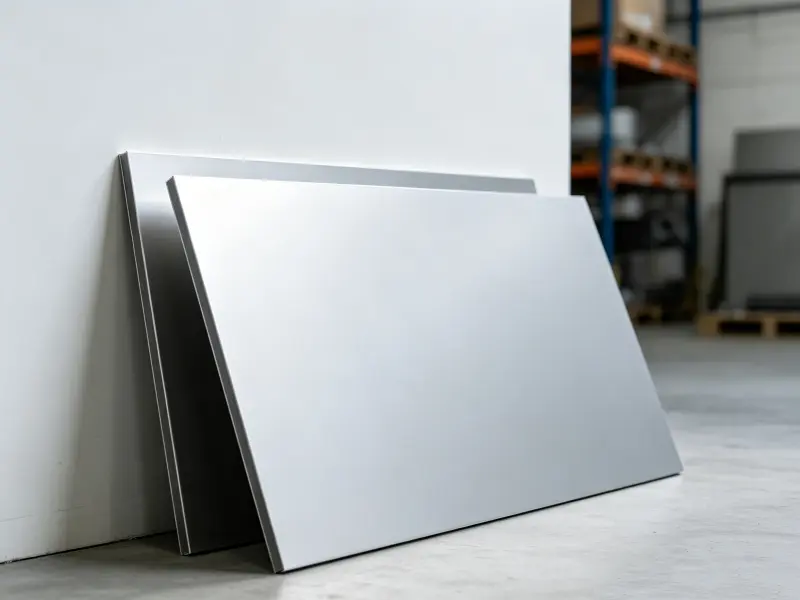
For example, the theoretical weight can be estimated from:
Weight = Length × Width × Thickness × Density
Aluminum density is commonly around 2.7 g/cm³, although the exact value varies by alloy.
For accurate commercial calculations, the supplier should calculate the weight using the actual alloy, thickness, dimensions, and tolerance.
10 Gauge Aluminum Sheet Applications
The 2.59 mm thickness is useful across many industries.
Construction
10 gauge aluminum sheet can be used for building and architectural components.
Applications include:
- Wall panels
- Roofing components
- Facade parts
- Flashing
- Interior panels
- Ceiling components
- Decorative panels
- Equipment covers
- Building trim
For exterior construction, alloy and surface finish should be selected according to weather conditions.
Transportation
Aluminum helps reduce vehicle weight while maintaining useful strength.
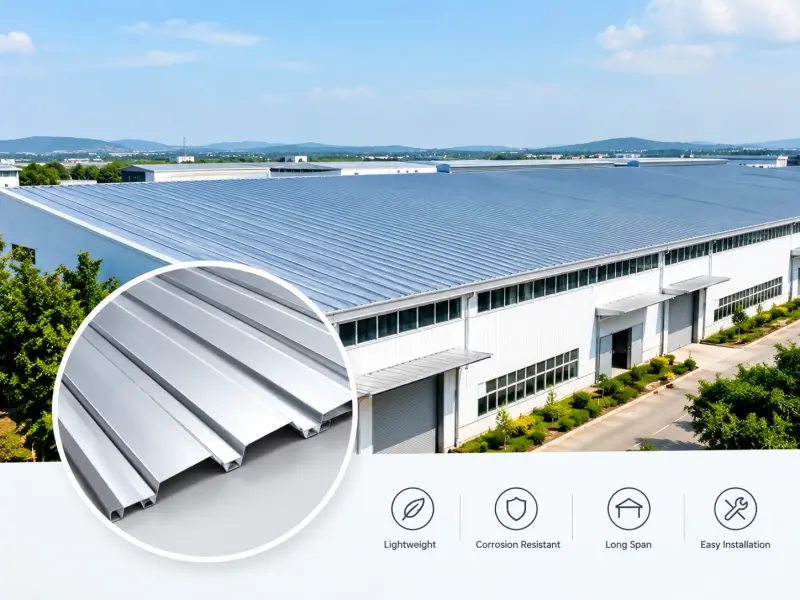
Typical applications include:
- Truck bodies
- Trailer panels
- Vehicle floors
- Vehicle covers
- Transport equipment
- Bus components
- Railway components
- Custom vehicle parts
5052 and 6061 are often considered when strength and fabrication requirements are important.
Marine Applications
Aluminum has applications in marine environments because of its corrosion resistance and low weight.
Potential applications include:
- Boat components
- Marine panels
- Deck components
- Storage boxes
- Marine equipment
- Shipbuilding parts
For demanding marine applications, 5052 and 5083 are common alloy choices.
Industrial Equipment
10 gauge aluminum can provide a useful balance of rigidity and weight for equipment fabrication.
Applications include:
- Machine covers
- Equipment housings
- Industrial cabinets
- Protective panels
- Conveyor components
- Work platforms
- Equipment frames
- Manufacturing equipment
Electrical and Electronic Equipment
Aluminum sheet can also be used for equipment enclosures and panels.
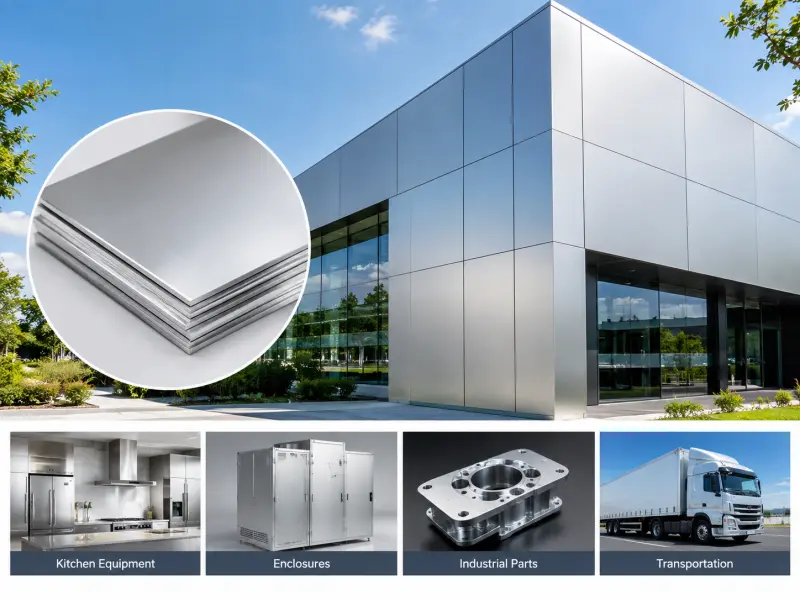
Typical applications include:
- Electrical cabinets
- Control boxes
- Equipment housings
- Instrument panels
- Protective covers
- Cooling-related components
The alloy and finish have selected according to the electrical and mechanical design.
Agricultural Equipment
The material can be used for:
- Farm equipment panels
- Trailer parts
- Storage boxes
- Machinery covers
- Protective panels
- Agricultural equipment components
Custom Fabrication
Fabricators may use 10 gauge aluminum for many custom projects.
It can be:
- Cut
- Bent
- Drilled
- Punched
- Machined
- Welded
- Formed
The correct process depends on the alloy and temper.
10 Gauge Aluminum Sheet for Fabrication
One advantage of aluminum is its flexibility in fabrication.

Cutting
The sheet can be cut by:
Saw cutting
Shearing
Laser cutting
Waterjet cutting
CNC cutting
Bending
Bending is possible, but the minimum bend radius depends on the alloy and temper.
Softer tempers generally provide better forming performance.
Drilling
Aluminum is relatively easy to drill and machine with suitable tools and cutting conditions.
Welding
Many aluminum alloys can be welded.
5052 and 5083 have applications for fabricated and welded structures. 6061 has welded, but welding can affect the strength in the heat-affected zone.
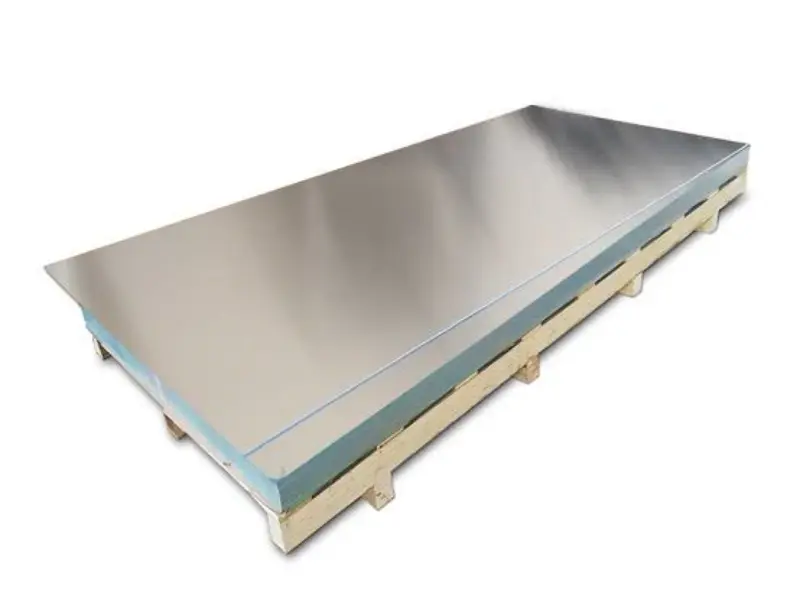
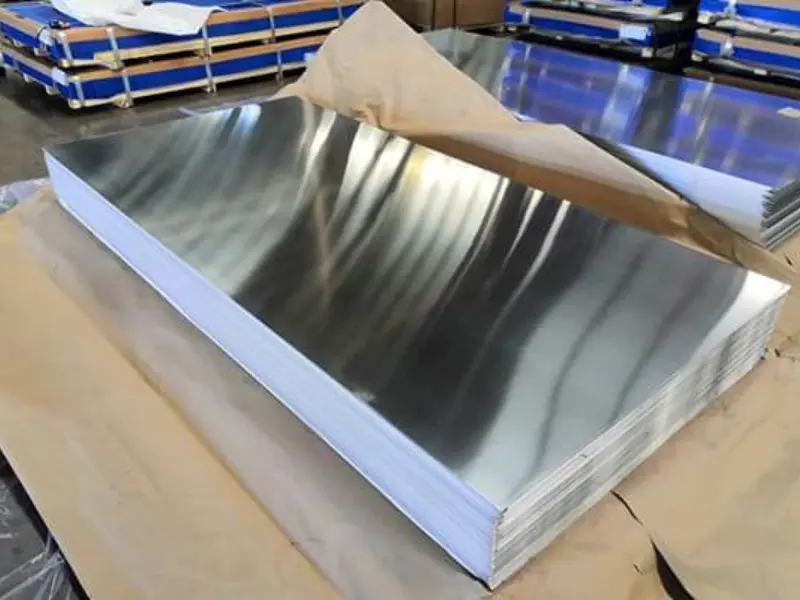
Mill Finish 10 Gauge Aluminum Sheet
Mill finish is the natural surface produced during aluminum processing.
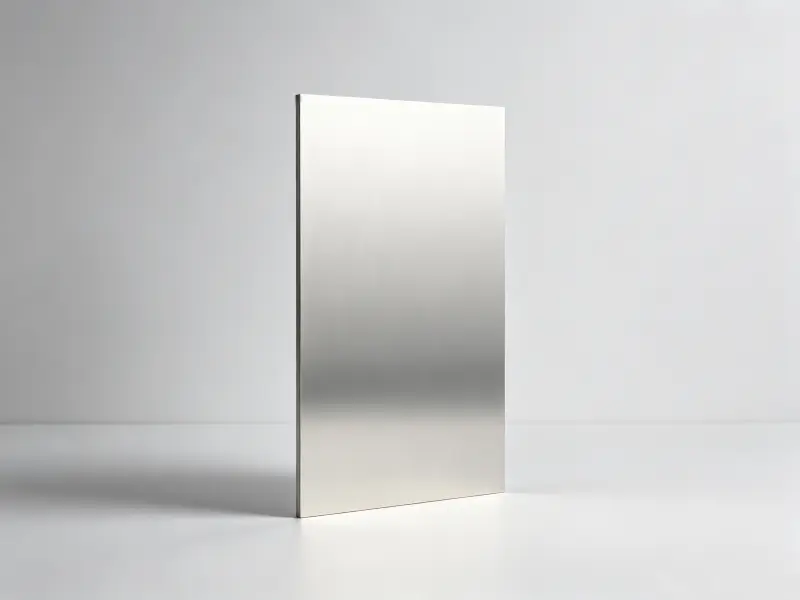
It is a practical option when the sheet will be:
- Fabricated
- Painted later
- Covered
- Used inside equipment
- Used where appearance is not the main concern
Mill finish has uses for industrial and wholesale applications.
Anodized 10 Gauge Aluminum Sheet
Anodizing creates a protective oxide layer on the aluminum surface.
It can provide:
- Better surface protection
- Decorative appearance
- Good color options
- Improved surface durability
Common anodized colors include silver, bronze, champagne, and black.
Painted and Coated Aluminum Sheet
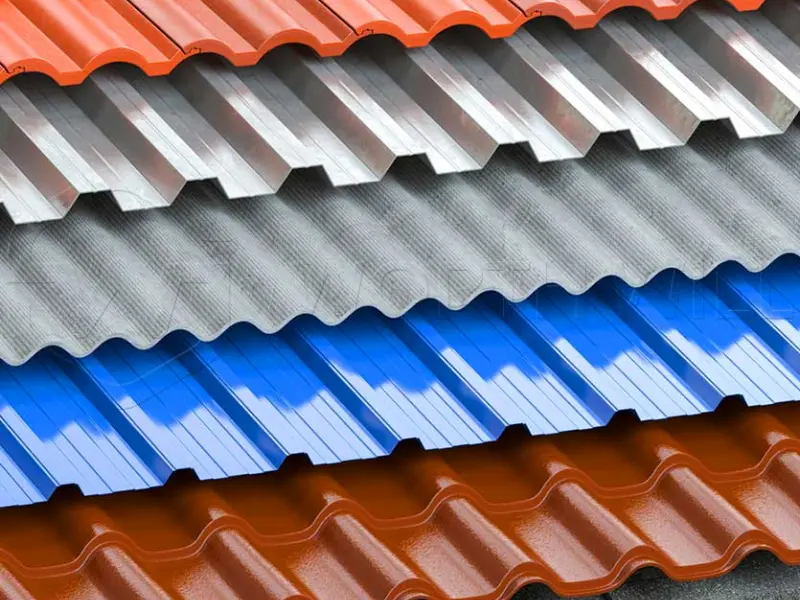
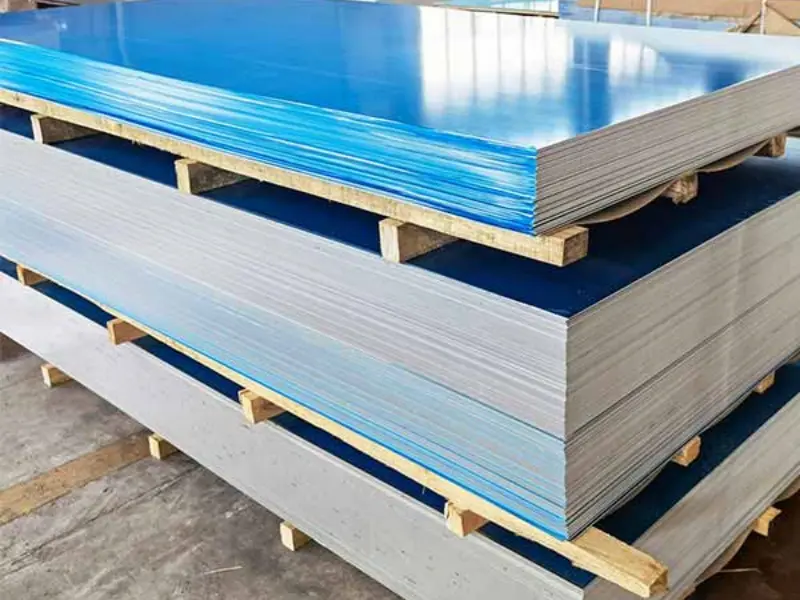
Painted aluminum can provide both appearance and additional surface protection.
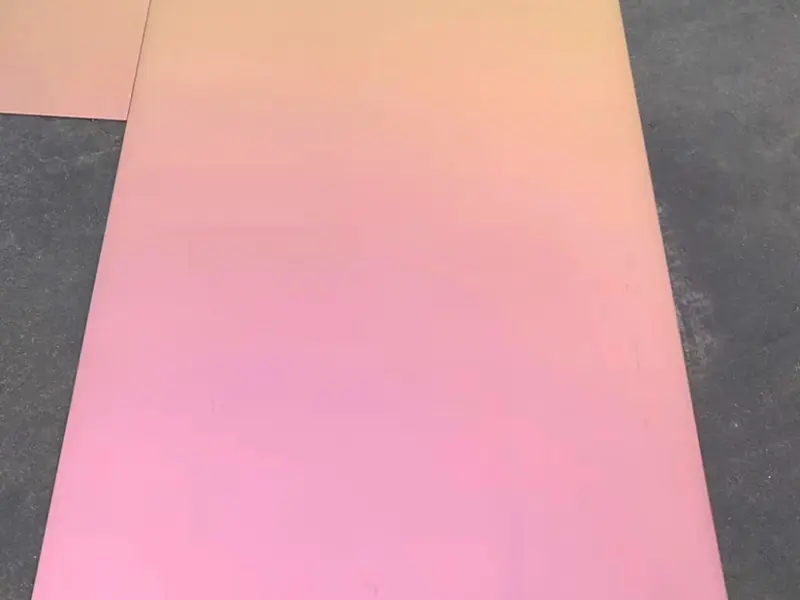
Common options include:
- PE coating
- PVDF coating
- Powder coating
For demanding outdoor architectural projects, PVDF has considered because of its weather resistance.
For general decorative applications, powder coating can provide many color choices.
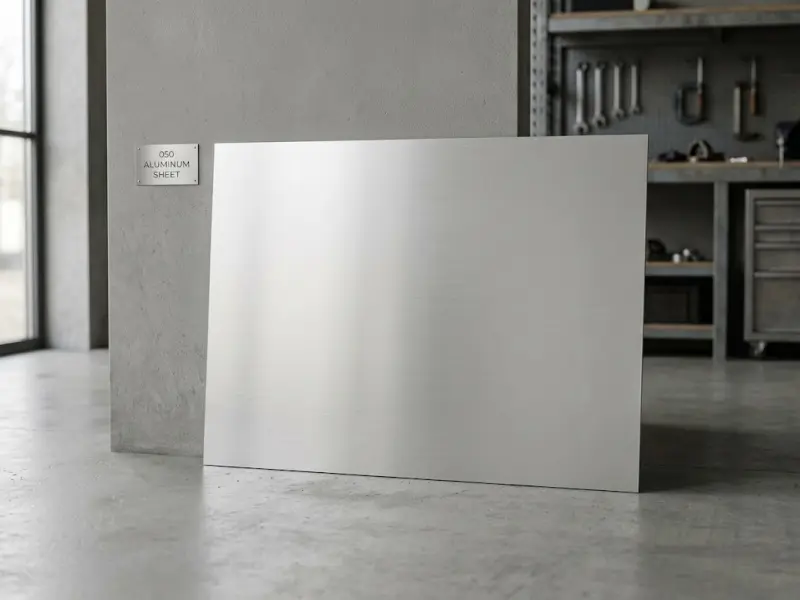
10 Gauge Aluminum Sheet Size Options
Sheet dimensions can be customized.
| Width | Length | Typical Use |
|---|---|---|
| 1000 mm | 2000 mm | General fabrication |
| 1220 mm | 2440 mm | Standard building projects |
| 1250 mm | 2500 mm | Industrial use |
| 1500 mm | 3000 mm | Large panels |
| 1500 mm | 6000 mm | Large fabrication |
| Custom | Custom | Project orders |
Large sheets can reduce the number of joints.
Smaller sheets may be easier to handle and transport.
Flat Sheet or Cut-to-Size Aluminum?
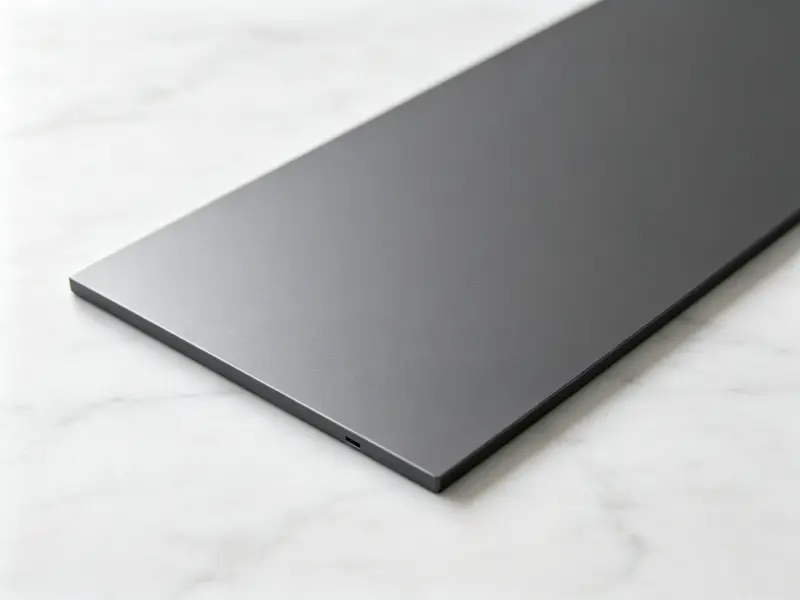
Customers do not always need full-size sheets.
Full Sheet
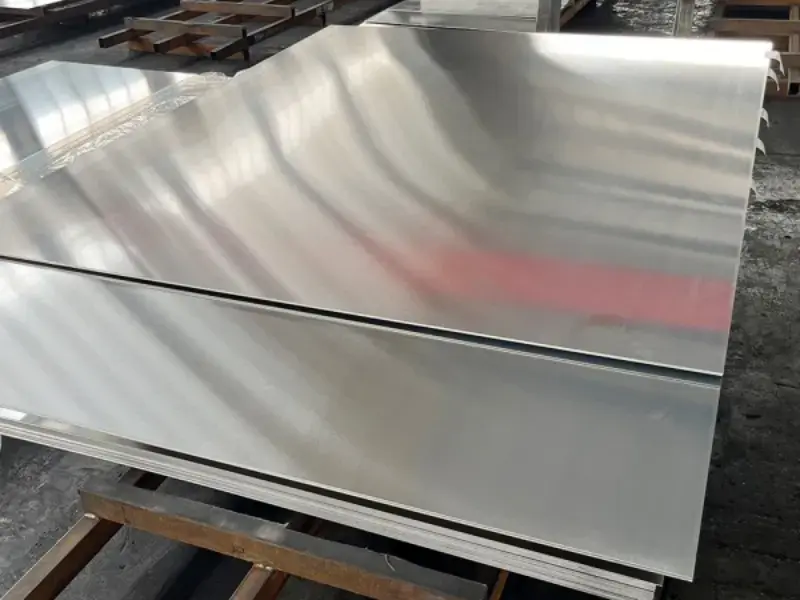
Full sheets are useful for fabricators with their own cutting equipment.
Benefits include:
- More size flexibility
- Better control of cutting
- Suitable for large production
- Easy stock management
Cut-to-Size Sheet
Cut-to-size material is useful when the final dimensions are already known.
Benefits include:
- Less processing after delivery
- Lower material waste
- Easier installation
- Faster fabrication
For large projects, cut-to-size service can help simplify production.
10 Gauge Aluminum Sheet for Wholesale Buyers
Wholesale customers often need stable dimensions and consistent quality.
Important points include:
→ Alloy and temper must remain consistent
→ Thickness tolerance should meet the agreed standard
→ Sheet dimensions should be accurate
→ Surface quality should be checked
→ Packing should protect edges and surfaces
→ Quantity should match the purchase order
→ Inspection documents can be provided when required
For repeated orders, the same specification has maintained to make future production easier.
How to Order 10 Gauge Aluminum Sheet
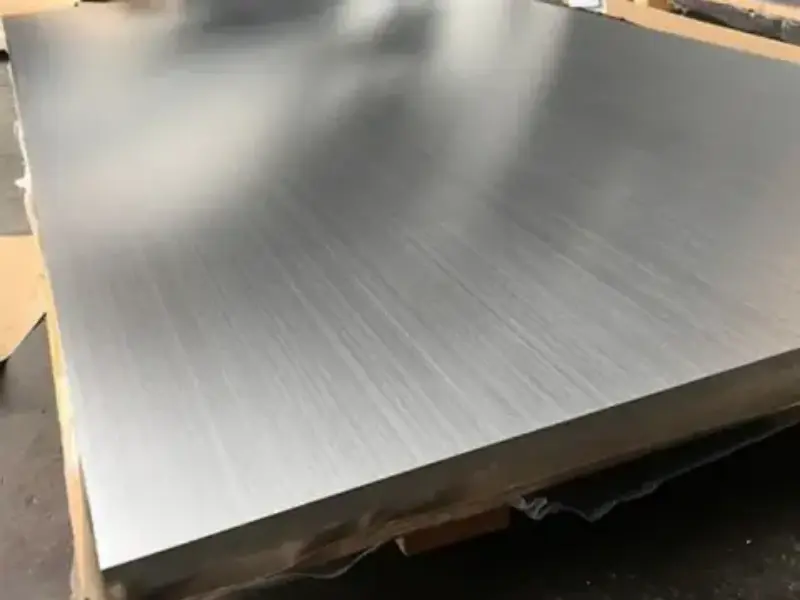
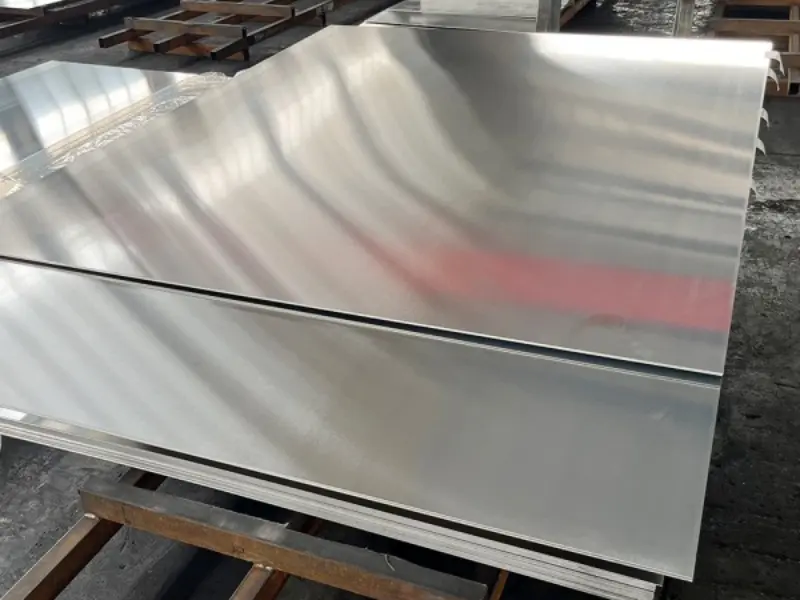
A clear purchase specification helps avoid misunderstandings.
Customers can provide:
| Requirement | Example |
|---|---|
| Product | Aluminum sheet |
| Gauge | 10 gauge |
| Thickness | 2.59 mm |
| Alloy | 5052 |
| Temper | H32 |
| Size | 1220 × 2440 mm |
| Surface | Mill finish |
| Edge | Cut edge |
| Quantity | 5 MT |
| Application | Equipment fabrication |
For a custom project, drawings or cutting lists can also be provided.
Choosing 10 Gauge Aluminum Sheet by Application
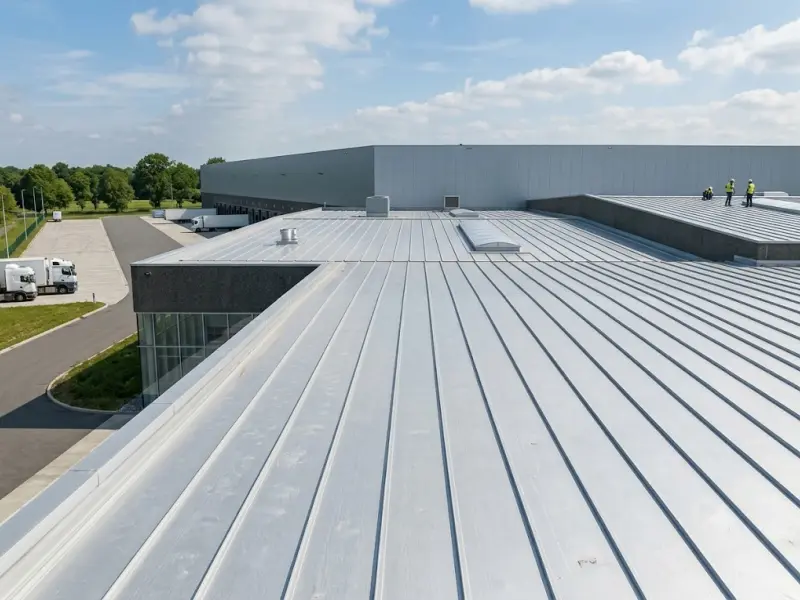
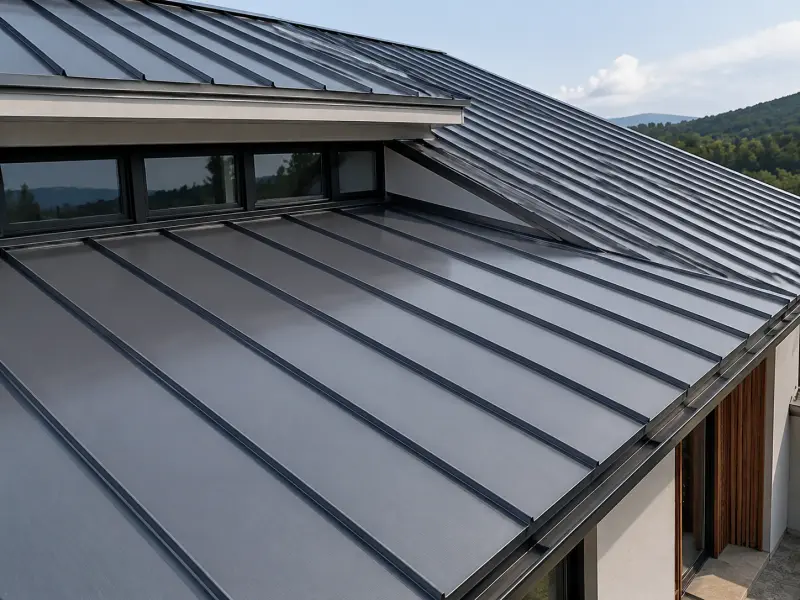
Different applications need different material combinations.
For construction
Recommended direction:
→ 3003 or 5052
→ 10 gauge
→ H14, H24, or H32 where applicable
→ Mill, painted, anodized, or PVDF finish
For marine use
Recommended direction:
→ 5052 or 5083
→ 10 gauge or project-specific thickness
→ Suitable marine-grade finish
→ Weldable condition when required
For machinery
Recommended direction:
→ 5052 or 6061
→ 10 gauge
→ H32 or T6 depending on alloy
→ Cut, drilled, or CNC machined
For general fabrication
Recommended direction:
→ 3003
→ O, H14, or H24
→ Mill finish
→ Custom cut size
Common Questions About 10 Gauge Aluminum Sheet
How thick is 10 gauge aluminum sheet?
10 gauge aluminum sheet is commonly about 0.102 inch or 2.59 mm thick. The exact value has confirmed according to the applicable aluminum gauge chart or purchasing standard.
Is 10 gauge aluminum the same as 1/8 inch?
No. Standard 10 gauge aluminum is about 0.102 inch, while 1/8 inch is 0.125 inch. Therefore, 1/8 inch aluminum is thicker.
Is 10 gauge aluminum strong?
Yes. A 2.59 mm aluminum sheet can provide good rigidity, but the actual strength depends heavily on the alloy and temper.
For example, 6061-T6 is much stronger than soft 1100 aluminum.
What is the best alloy for 10 gauge aluminum?
There is no single best alloy.
3003 is a good general-purpose option. 5052 is useful for outdoor and corrosion-resistant applications. 6061 is suitable for higher-strength engineering work.
5083 has commonly selected for demanding marine applications.
Can 10 gauge aluminum be welded?
Yes. Many aluminum alloys can be welded. However, welding performance and the effect on strength depend on the alloy and temper.
Can 10 gauge aluminum be bent?
Yes, but the bending ability depends on alloy, temper, bend radius, and tooling.
Softer aluminum conditions generally provide better formability.
Is 10 gauge aluminum suitable for outdoor use?
Yes. Aluminum naturally provides good corrosion resistance. For long-term exterior applications, 5052 or other suitable alloys combined with anodizing, powder coating, or PVDF may be considered.
Can 10 gauge aluminum be laser cut?
Yes. Aluminum sheet can be laser cut with suitable equipment and process settings.
What is the difference between 3003 and 5052 aluminum?
3003 offers good formability and has uses for general fabrication.
5052 provides higher strength and very good corrosion resistance, making it useful for outdoor, marine, and industrial applications.
What is the difference between 5052 and 6061 aluminum?
5052 is generally easier to form and has excellent corrosion resistance. 6061 offers higher strength and good machinability but is less suitable for complex forming.
Can 10 gauge aluminum sheet be customized?
Yes. Width, length, alloy, temper, surface finish, cutting, drilling, punching, and other processing can be customized according to the project.
Is 10 gauge aluminum sheet heavier than 12 gauge?
Yes. Since 10 gauge aluminum is thicker, a sheet of the same alloy and dimensions will weigh more than 12 gauge aluminum.
Is 10 gauge aluminum thicker than 14 gauge?
Yes. 10 gauge is significantly thicker than 14 gauge. A thicker sheet generally provides greater rigidity but also increases weight and material cost.
Should I specify gauge or millimeters when ordering?
It is better to provide both when possible.
For example:
10 gauge aluminum sheet, approximately 2.59 mm thick.
This reduces confusion between different gauge systems.
Final Buying Guide
10 gauge aluminum sheet is a useful option when a project needs a combination of moderate thickness, low weight, corrosion resistance, and good fabrication performance.
The nominal thickness is approximately 2.59 mm or 0.102 inch.
The alloy should then have selected according to the application.
3003 → general fabrication and building components
5052 → outdoor, marine, equipment, and stronger fabricated parts
6061 → machinery, frames, and higher-strength applications
5083 → marine and heavy-duty applications
The temper is also important. A softer temper can make forming easier, while a harder or heat-treated condition can provide higher strength.
Before placing an order, it is useful to confirm:
→ Actual thickness
→ Alloy
→ Temper
→ Sheet width
→ Sheet length
→ Surface finish
→ Tolerance
→ Quantity
→ Processing requirements
→ Packaging requirements
A clear specification makes it easier to compare suppliers and receive an accurate quotation.
Error: Contact form not found.