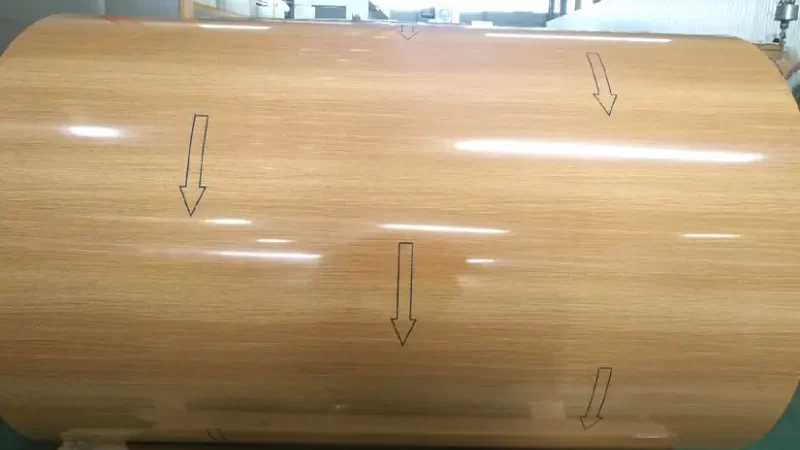
Wood Grain Aluminum Sheet and Panel Manufacturer is a metal product with a natural wood appearance. It combines the look of wood with the strength of aluminum.
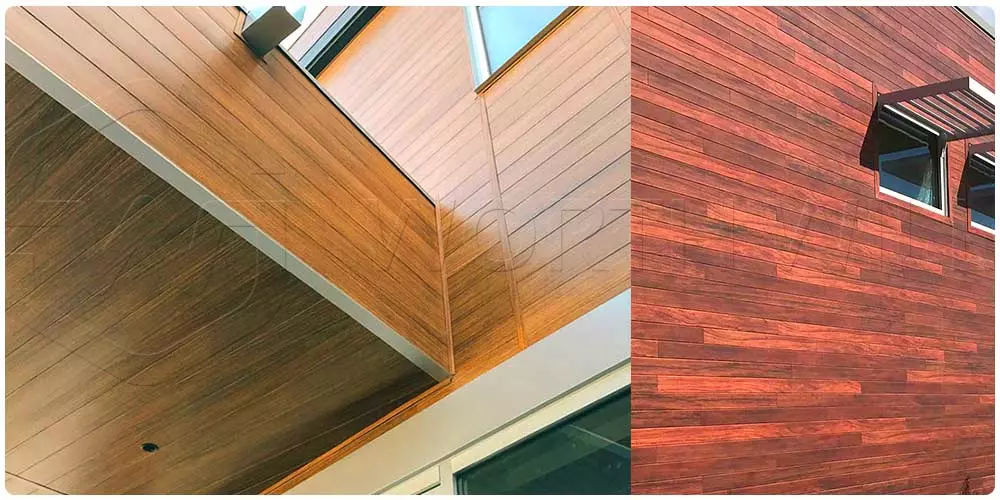
It is used for exterior walls, interior decoration, ceilings, doors, signs, screens, and many other projects.
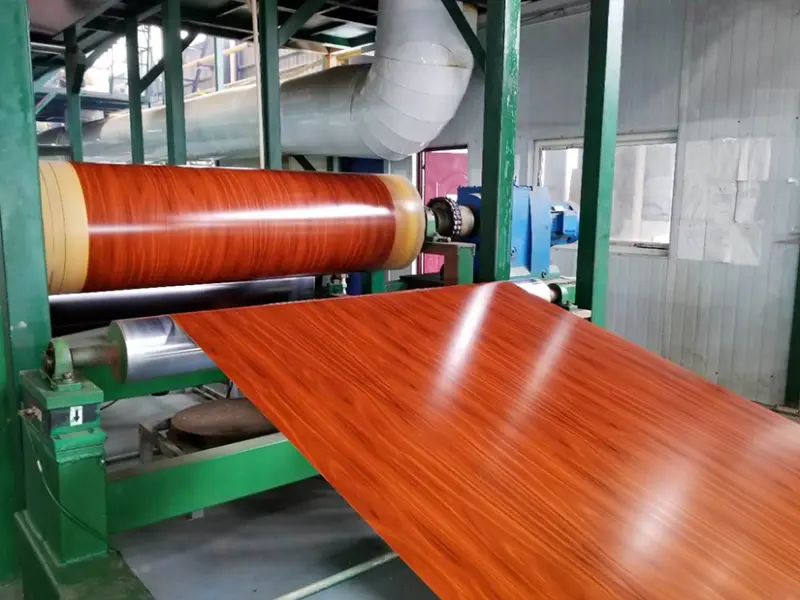
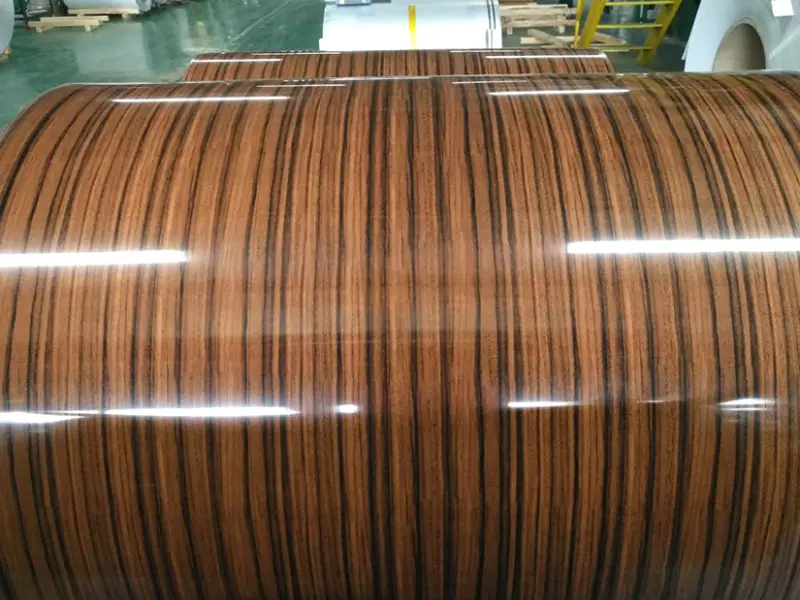
A reliable wood grain aluminum sheet and panel manufacturer can provide different alloys, tempers, thicknesses, colors, sizes, and coating systems.
This makes it easier to match the material with different building designs and project needs.
Wood grain aluminum can also be supplied as flat sheets, coils, panels, strips, perforated sheets, embossed sheets, and custom shapes. For wholesalers and contractors, factory-direct production can also support custom sizes and large-volume orders.
What Is Wood Grain Aluminum Sheet?
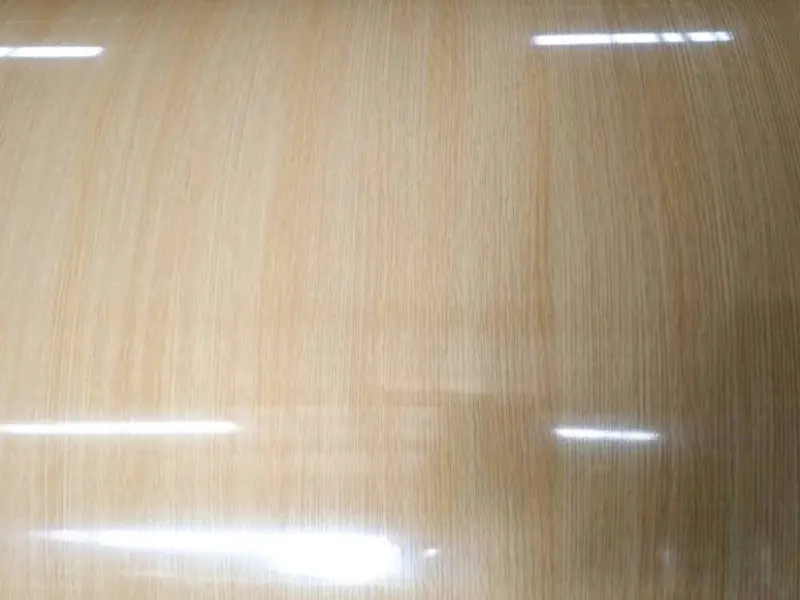
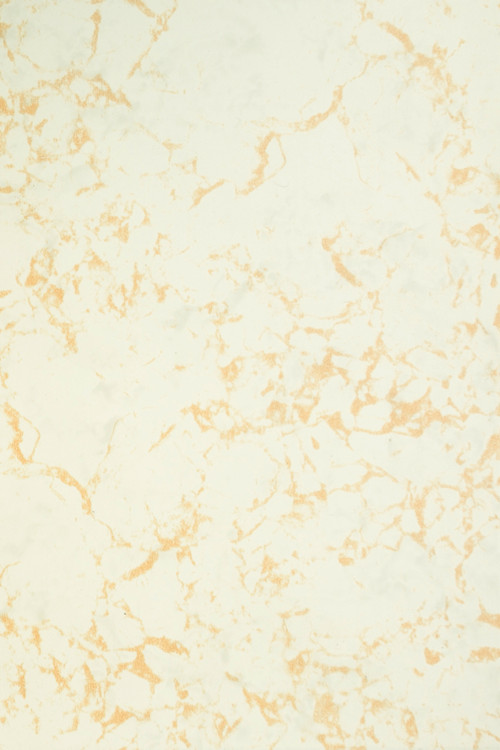
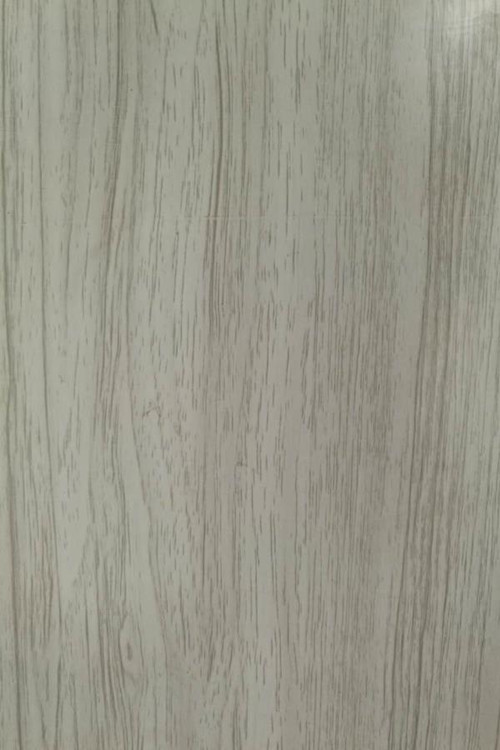
Wood grain aluminum sheet is aluminum sheet with a wood-look decorative finish. The grain pattern can look like oak, walnut, teak, cedar, pine, or other natural wood.
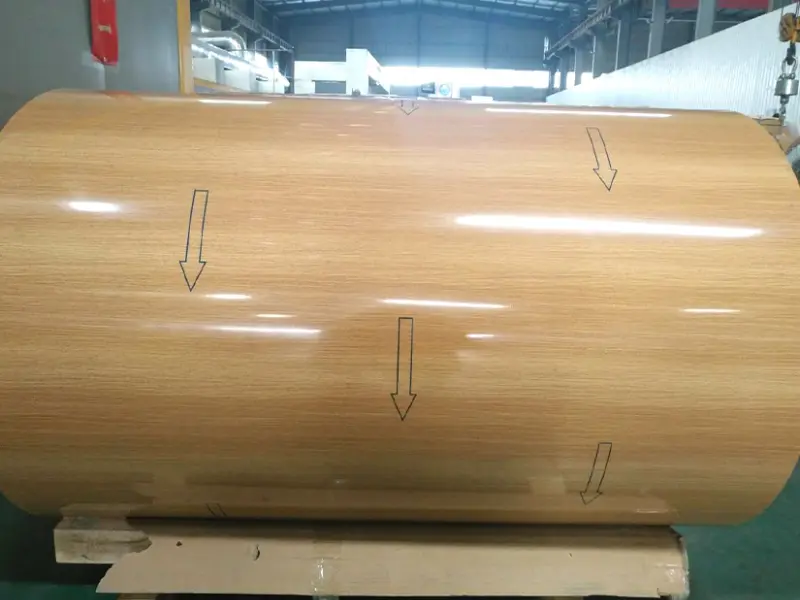
The aluminum base provides a stable metal structure. The surface gives the product a warm and decorative appearance.
Compared with real wood, aluminum does not rot or absorb water. It is also lighter than many traditional building materials.
The product is suitable for both indoor and outdoor use when the correct alloy and coating system are selected.
Main Features
- Natural wood-look appearance
- Lightweight aluminum base
- Good corrosion resistance
- Good weather resistance
- Easy cutting and fabrication
- Many wood colors and grain patterns
- Custom thickness and size
- Suitable for flat and curved applications
- Available in sheet, coil, panel, and strip forms
- Suitable for wholesale and project orders
Wood Grain Aluminum Sheet and Panel Product Types
A professional manufacturer can supply more than one standard sheet. Different product structures are useful for different applications.
Flat Wood Grain Aluminum Sheet
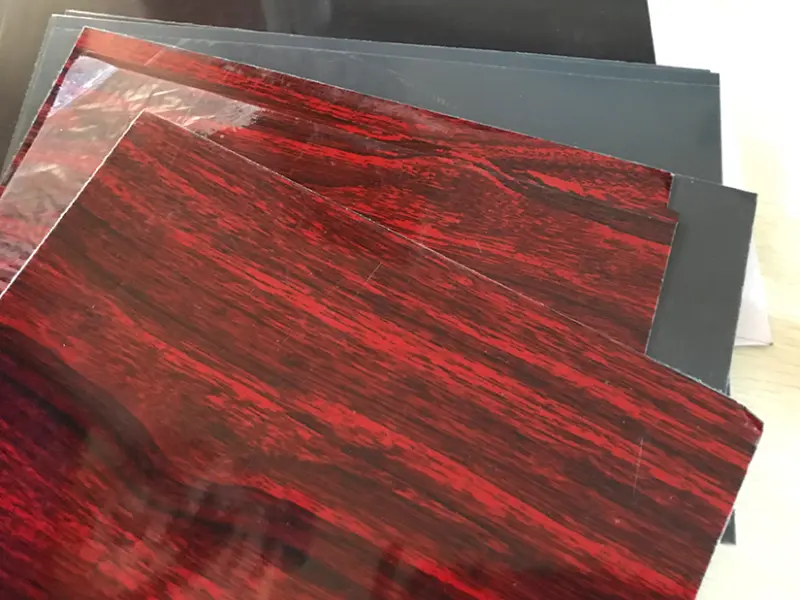
This is the most common type.
It has a flat aluminum surface with a wood-look coating or finish. It can be cut, bent, punched, or fabricated according to project requirements.
Common applications include:
- Wall cladding
- Interior wall panels
- Ceiling panels
- Door decoration
- Signage
- Furniture panels
- Decorative screens
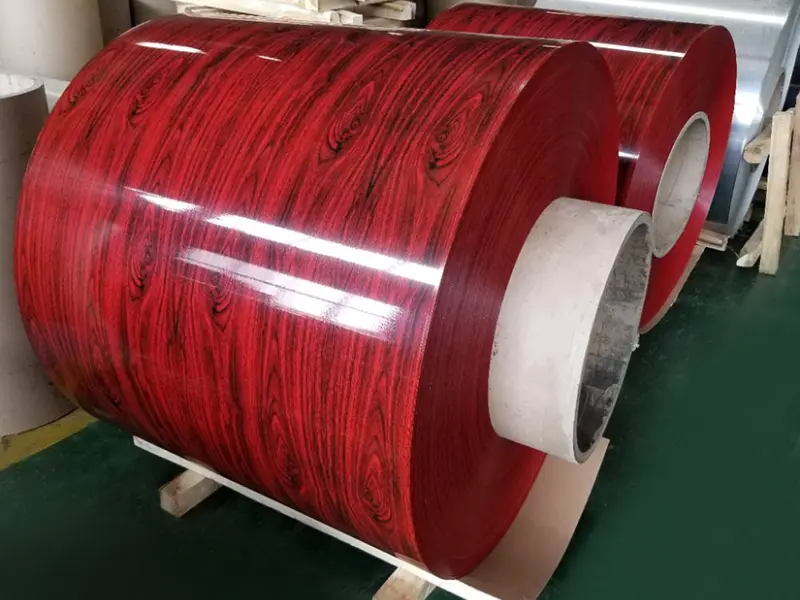
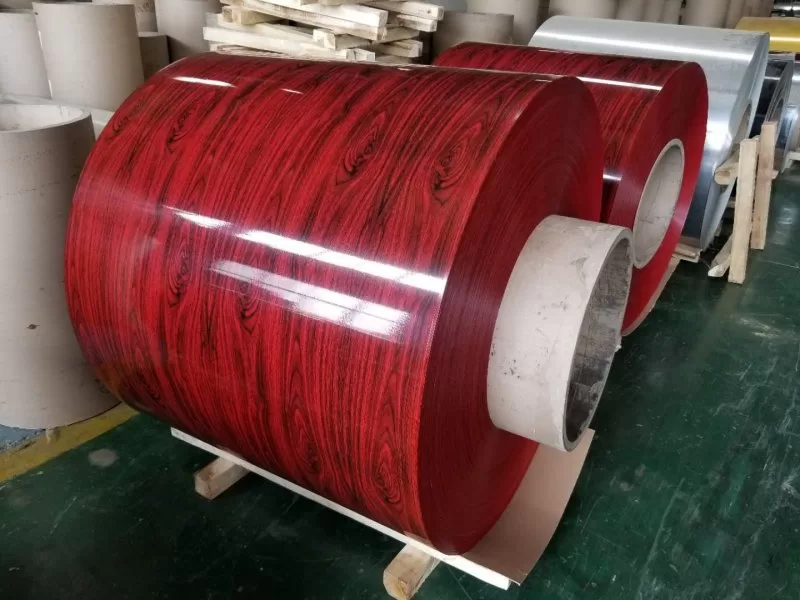
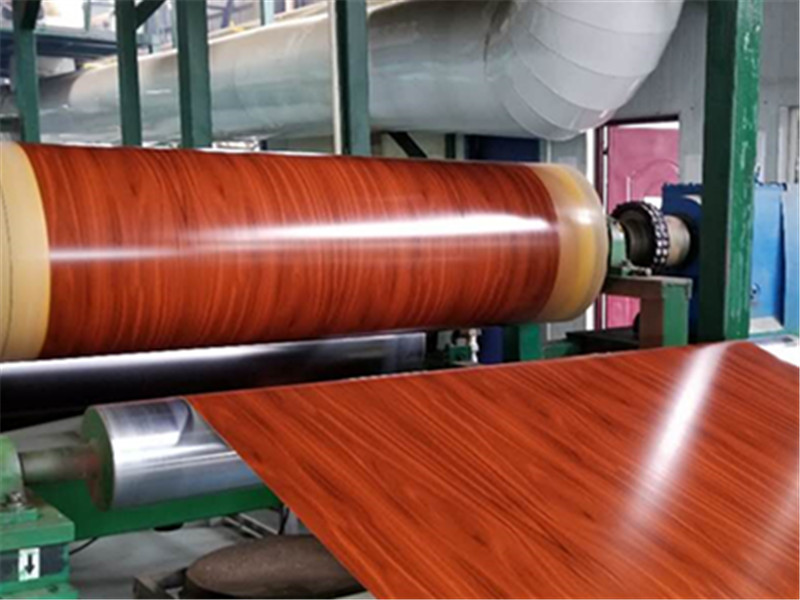
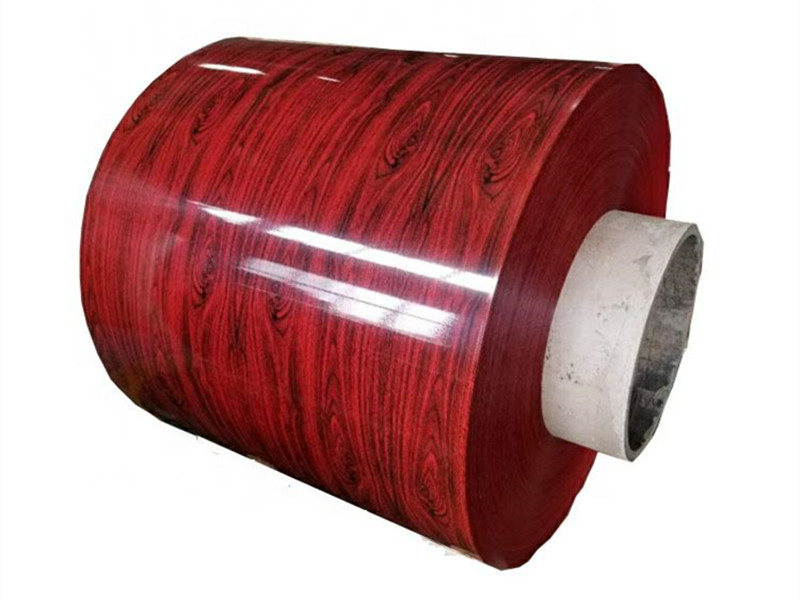
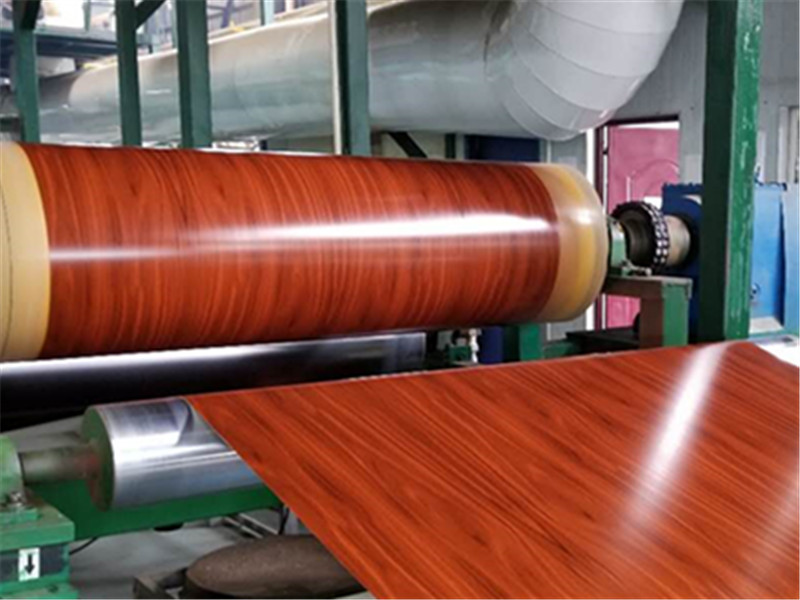
Wood Grain Aluminum Coil
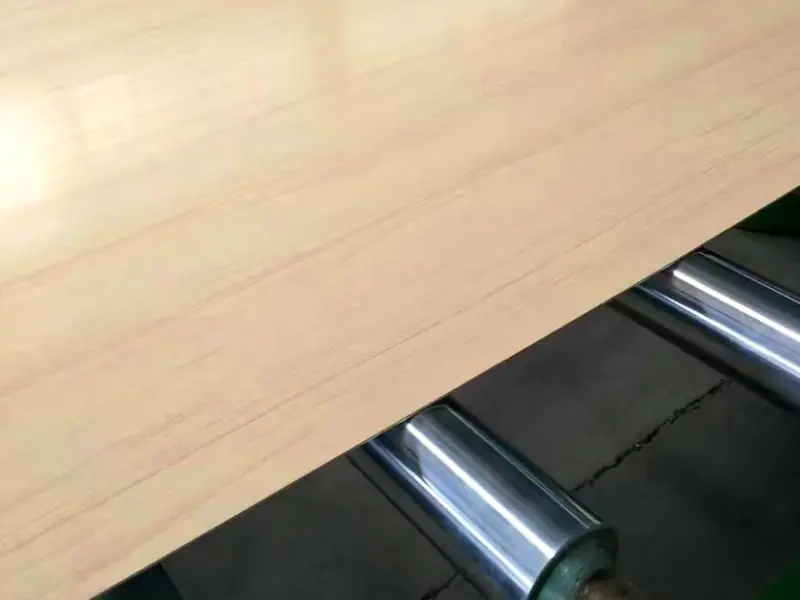
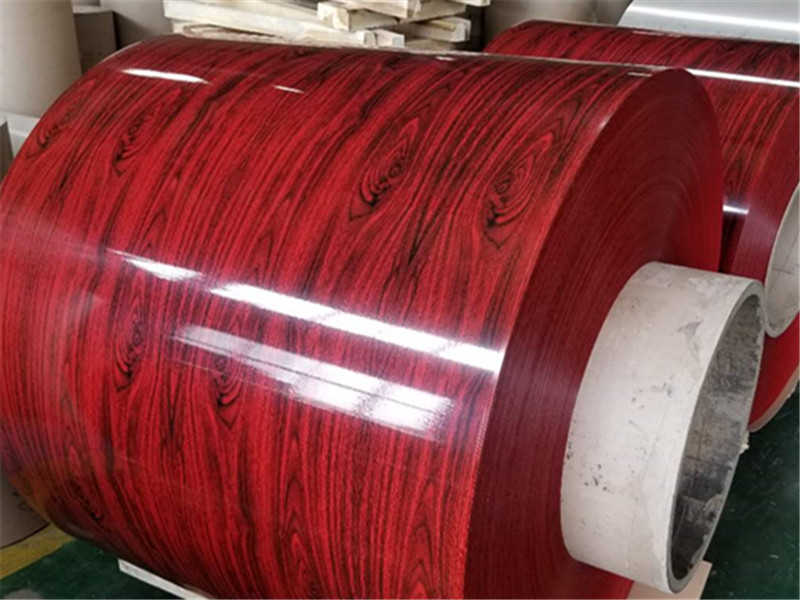
Wood grain aluminum coil is supplied in roll form.
It is useful for projects that require continuous production. The coil can be slit, cut, roll formed, or processed into different profiles.
Typical applications include:
- Aluminum siding
- Roofing components
- Gutters
- Decorative strips
- Wall systems
- Window and door components
Wood Grain Aluminum Panel
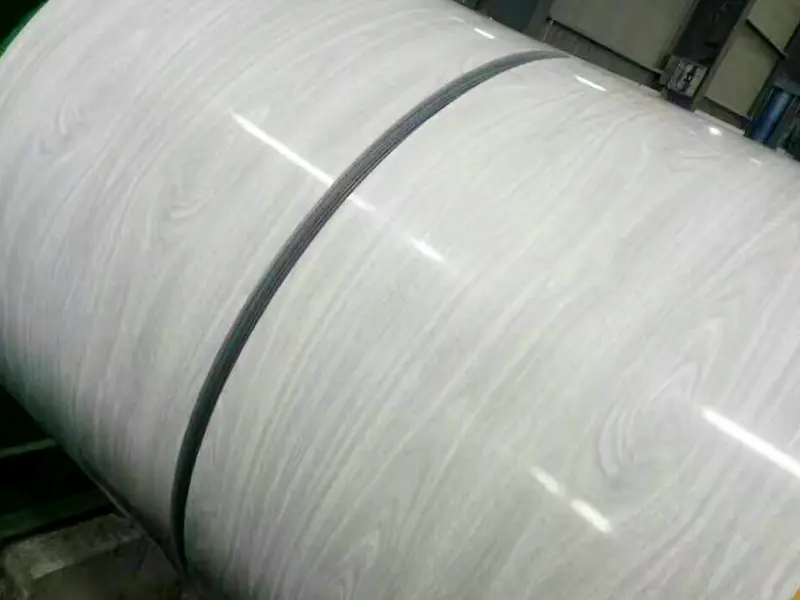
Wood grain aluminum panels are cut into finished panel sizes.
They can be used as individual decorative panels. Different shapes and dimensions can also be produced for architectural projects.
Wood Grain Aluminum Strip
Narrow strips are useful for smaller decorative parts.
Typical widths can range from about 10 mm to 300 mm, depending on the application.
They are commonly used for:
- Edge decoration
- Ceiling systems
- Trim
- Louvers
- Interior profiles
- Decorative frames
Perforated Wood Grain Aluminum Sheet
Perforated sheets combine wood appearance with ventilation and light transmission.
The hole shape, hole diameter, pitch, and open area can be customized.
They are often used for:
- Sun screens
- Privacy screens
- Facade decoration
- Ventilation panels
- Ceiling systems
- Interior partitions
Wood Grain Aluminum Expanded Sheet
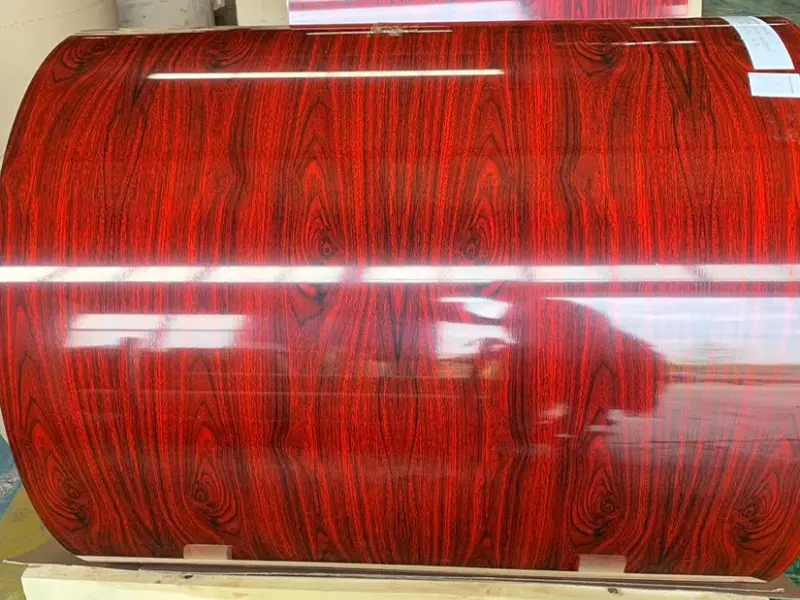
Expanded aluminum has a mesh-like structure.
It can provide airflow and a decorative effect at the same time. Wood grain finishing gives the metal a warmer appearance.
Wood Grain Aluminum Embossed Sheet
Embossed patterns can add texture to the surface.
This type can be useful when a project needs both visual depth and a wood-style appearance.
Common Specifications of Wood Grain Aluminum
The right specification depends on the application.
| Item | Common Range |
|---|---|
| Alloy | 1050 / 1060 / 1100 / 3003 / 3105 / 5052 |
| Temper | O / H12 / H14 / H16 / H18 / H24 / H26 |
| Thickness | 0.30–3.00 mm |
| Width | 500–1600 mm |
| Length | Custom |
| Surface | Wood grain |
| Finish | Smooth / textured |
| Color | Custom |
| Form | Sheet / coil / strip / panel |
| Protection | PE protective film |
Custom specifications can be produced according to drawings and project requirements.
Aluminum Alloy Options for Wood Grain Products
Alloy selection affects formability, strength, corrosion resistance, and processing.
1050 Wood Grain Aluminum Sheet and Panel Manufacturer
1050 is a commercially pure aluminum alloy.
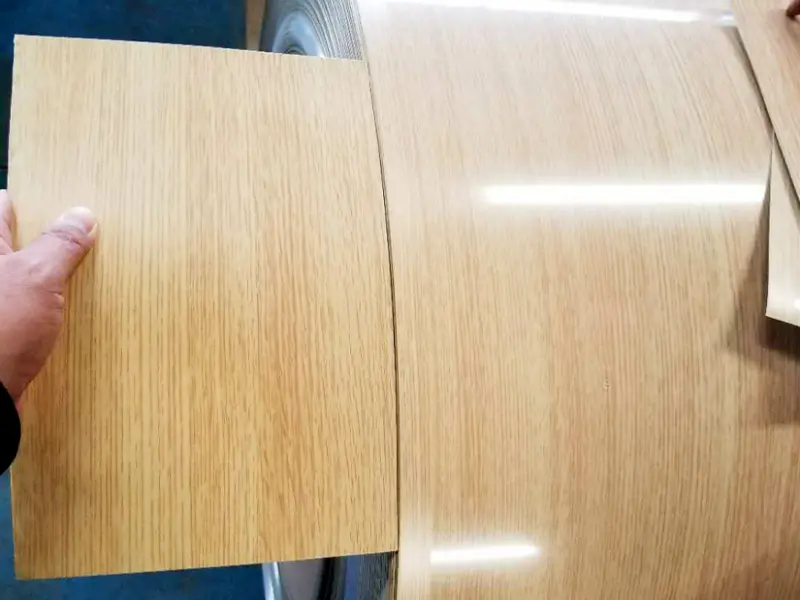
It has good formability and good corrosion resistance. It is suitable for simple decorative applications.
Typical choice:
→ Simple decorative panels
→ Interior decoration
→ Light-duty cladding
→ Easy bending applications
1060 Wood Grain Aluminum Sheet and Panel Manufacturer
1060 offers high aluminum content and good forming performance.
It is often used when easy processing is more important than high structural strength.
1100 Wood Grain Aluminum Sheet and Panel Manufacturer
1100 is another common commercial aluminum alloy.
It provides good corrosion resistance and good formability.
It can be considered for:
- Decorative sheets
- Interior panels
- Ceiling products
- Lightweight cladding
3003 Wood Grain Aluminum Sheet and Panel Manufacturer
3003 contains manganese and generally provides higher strength than the 1xxx series.
It is a useful option for building and exterior applications.
Typical direction:
→ Exterior panels
→ Siding
→ Roofing components
→ Decorative wall systems
→ Formed profiles
3105 Wood Grain Aluminum Sheet and Panel Manufacturer
3105 is widely used for coated aluminum products.
It provides a useful balance between strength, formability, and corrosion resistance.
It is often selected for:
- Roofing
- Siding
- Wall panels
- Decorative building products
- Color-coated aluminum products
5052 Wood Grain Aluminum Sheet and Panel Manufacturer
5052 provides higher strength and strong corrosion resistance.
It is especially useful when the project needs better mechanical performance.
Common applications include:
- Exterior architectural panels
- Decorative screens
- Equipment covers
- Marine-related environments
- Stronger formed parts
Alloy Comparison for Different Projects
| Alloy | Formability | Strength | Common Use |
|---|---|---|---|
| 1050 | Excellent | Low | Interior decoration |
| 1060 | Excellent | Low | Decorative panels |
| 1100 | Excellent | Low-Medium | General panels |
| 3003 | Very Good | Medium | Exterior panels |
| 3105 | Very Good | Medium | Roofing and siding |
| 5052 | Good | Higher | Exterior and stronger parts |
A simple rule is:
Easy forming → 1050 / 1060 / 1100 Wood Grain Aluminum Sheet and Panel Manufacturer
General building use → 3003 / 3105 Wood Grain Aluminum Sheet and Panel Manufacturer
Higher strength requirement → 5052 Wood Grain Aluminum Sheet and Panel Manufacturer
Temper Options
The temper determines the mechanical condition of the aluminum.
| Temper | General Character | Typical Application |
|---|---|---|
| O | Soft | Deep forming |
| H12 | Soft-medium | Forming |
| H14 | Medium | General panels |
| H16 | Medium-hard | Formed products |
| H18 | Hard | Flat decorative sheets |
| H24 | Partially annealed | Building products |
| H26 | Harder condition | Stronger panels |
For highly formed parts, a softer temper can be easier to process.
For flat panels and products that need more rigidity, a harder temper may be considered.
Thickness Selection: 0.5 mm, 1.0 mm, 1.5 mm or 2.0 mm?
Thickness is one of the most important buying decisions.
0.5–0.8 mm
This range is useful for lightweight decorative applications.
→ Interior decoration
→ Ceiling systems
→ Decorative strips
→ Lightweight panels
1.0 mm
1 mm is a practical choice for many general applications.
It offers a balance between weight, rigidity, and processing.
1.5 mm
1.5 mm provides more rigidity.
It can be useful for:
- Exterior wall panels
- Decorative screens
- Larger panels
- Stronger cladding components
2.0–3.0 mm
Thicker material is useful when higher rigidity is required.
It is often selected for larger architectural panels, stronger structures, and special fabricated parts.
| Thickness | Main Advantage | Typical Direction |
|---|---|---|
| 0.5 mm | Lightweight | Interior |
| 0.8 mm | Light but stronger | Decoration |
| 1.0 mm | Balanced | General building |
| 1.5 mm | Better rigidity | Exterior |
| 2.0 mm | Stronger | Large panels |
| 3.0 mm | High rigidity | Heavy-duty panels |
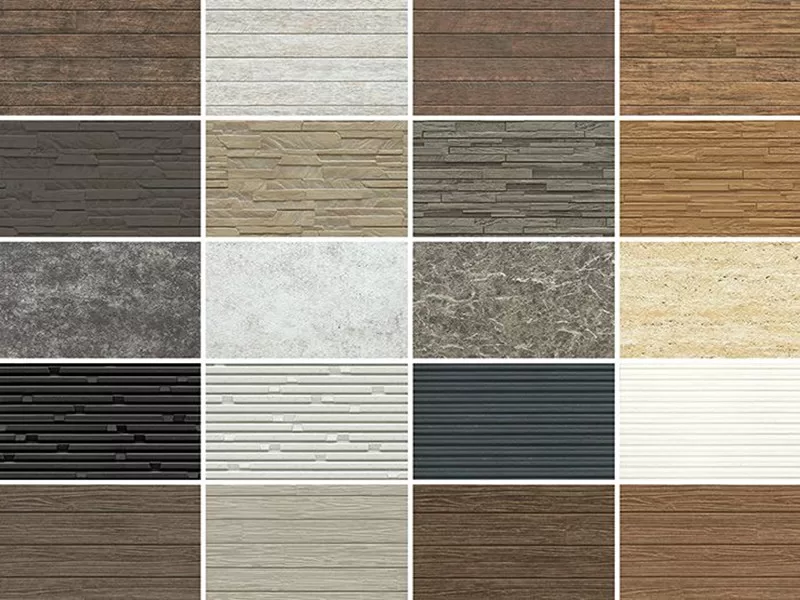
Wood Grain Colors and Design Options
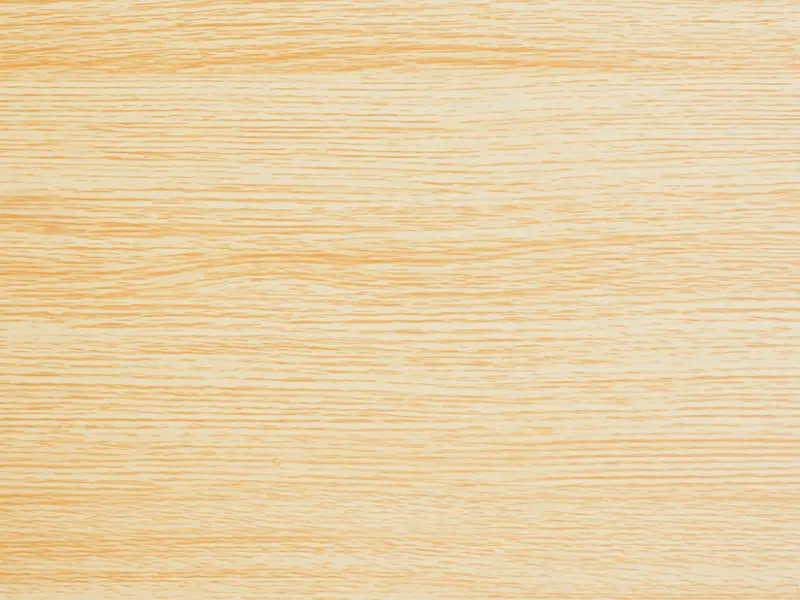
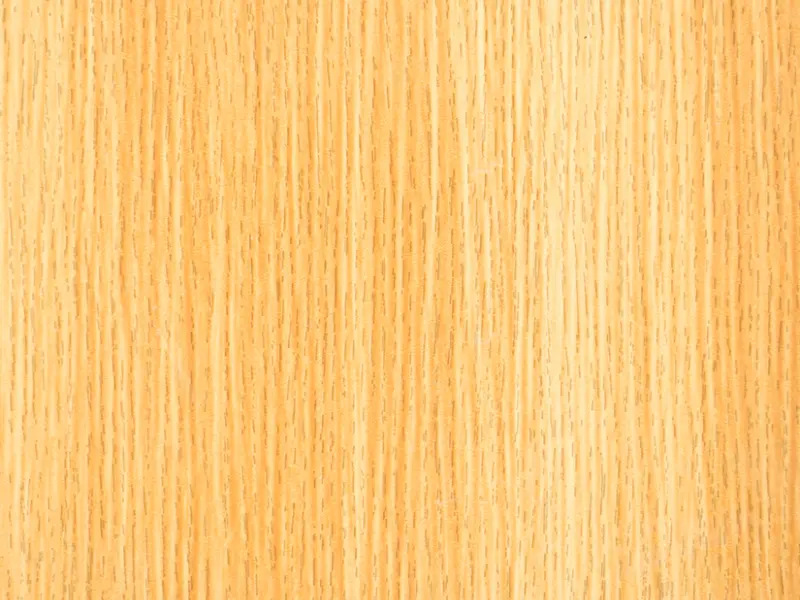
Wood appearance is not limited to one brown color.
A manufacturer can provide different patterns for different design styles.
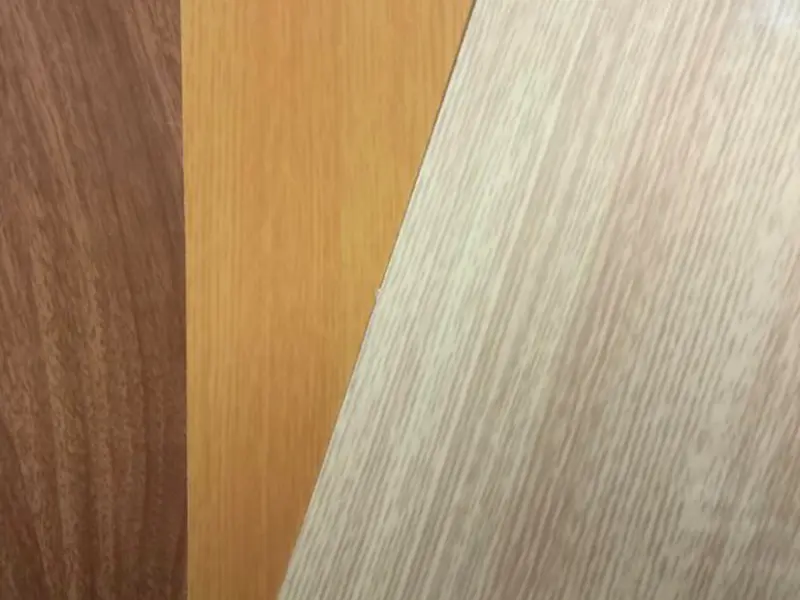
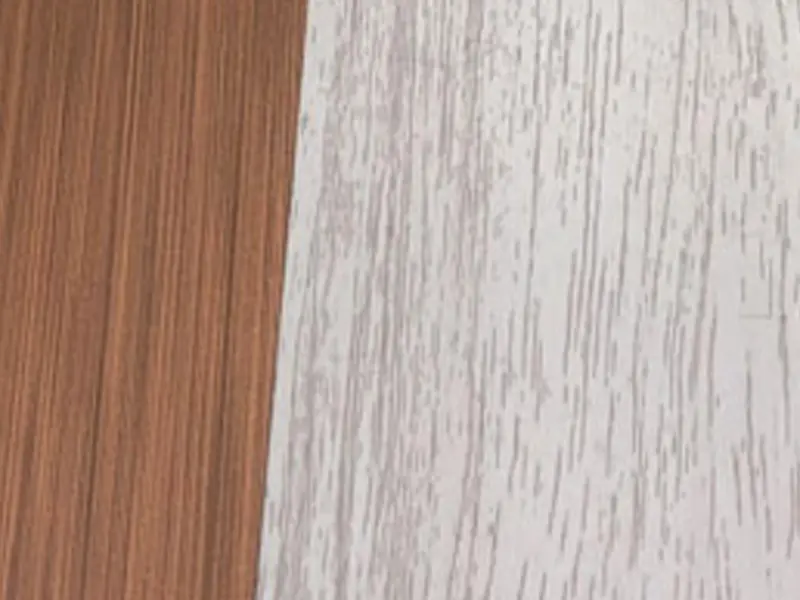
Light Wood Colors
Examples include:
- Light oak
- Natural oak
- Maple
- Pine
- Ash
- Light cedar
These colors work well in modern interiors.
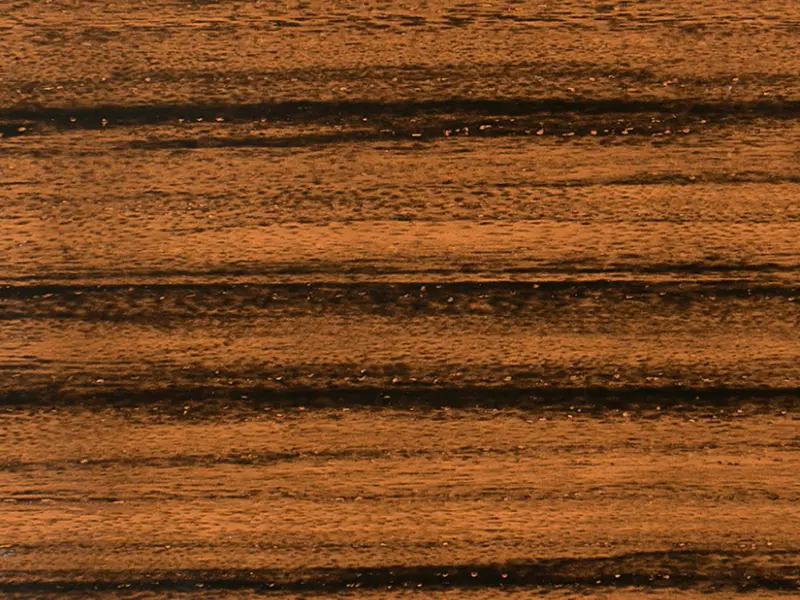
Medium Wood Colors
Common choices include:
- Walnut
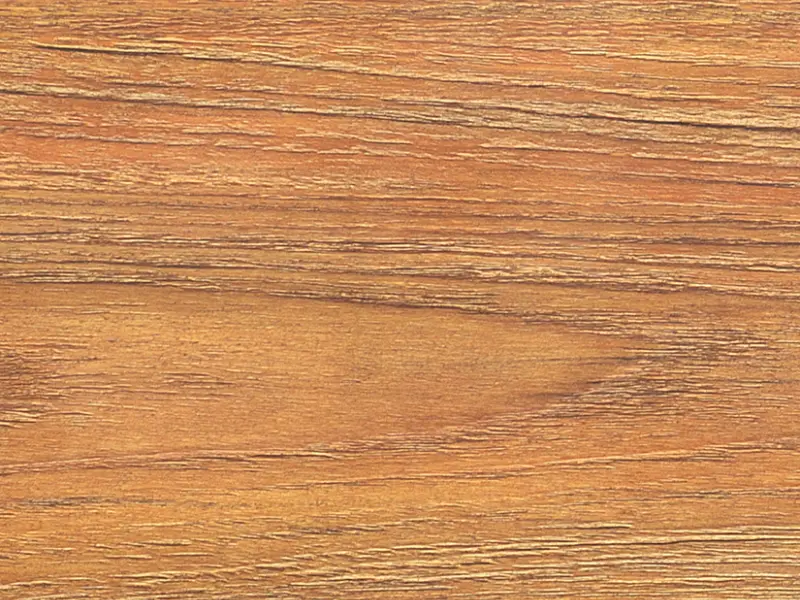
- Teak
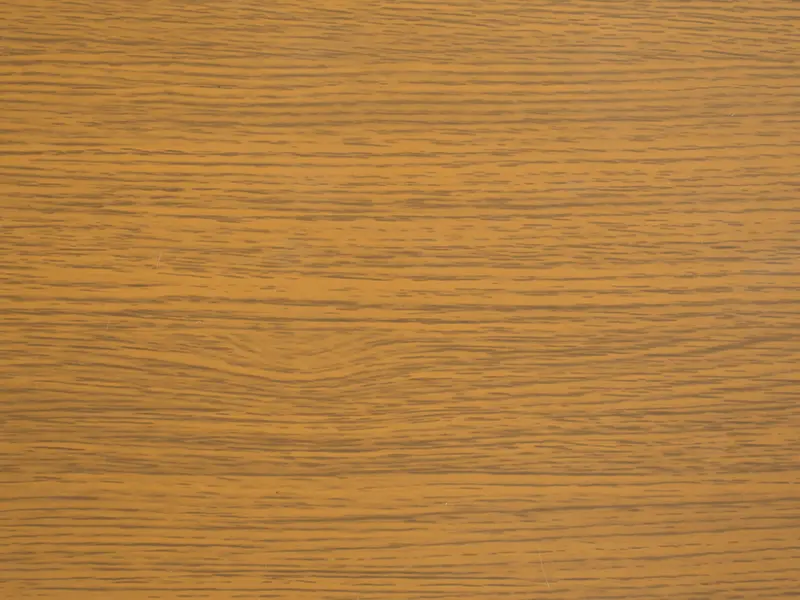
- Golden oak
- Natural wood
- Medium cedar
They can create a warm architectural appearance.
Dark Wood Colors
Dark designs include:
- Dark walnut
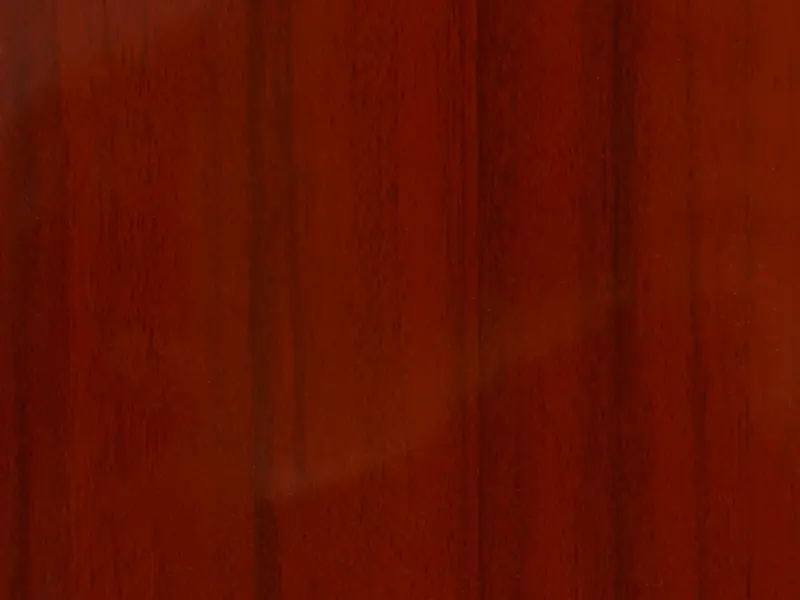
- Mahogany
- Dark oak
- Wenge
- Dark teak
These are often used for premium-looking facades and interior decoration.
Smooth Wood Grain vs Textured Wood Grain
| Feature | Smooth | Textured |
|---|---|---|
| Surface feel | Flat | Slight texture |
| Appearance | Clean | More natural |
| Cleaning | Easy | Moderate |
| Design | Modern | Wood-like |
| Typical use | Interior/exterior | Decorative facade |
The best choice depends on the desired appearance and cleaning requirements.
Wood Grain Aluminum vs Real Wood
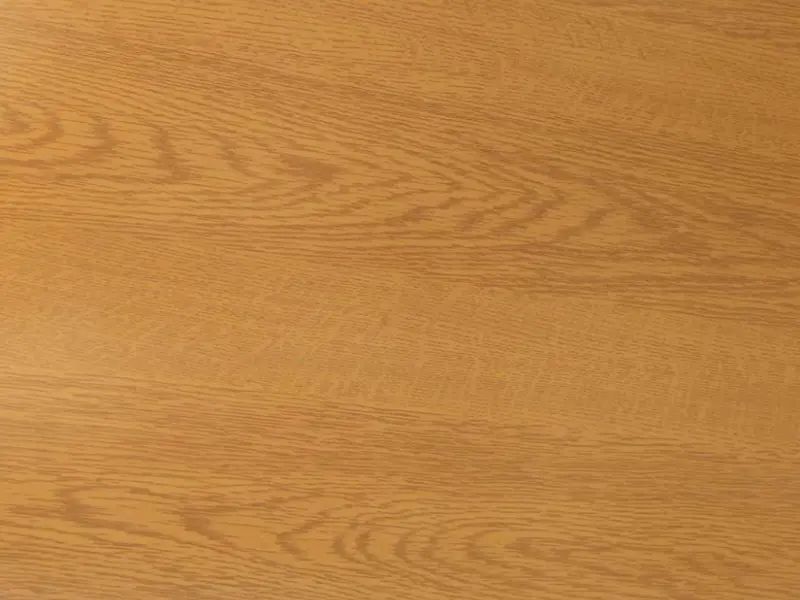
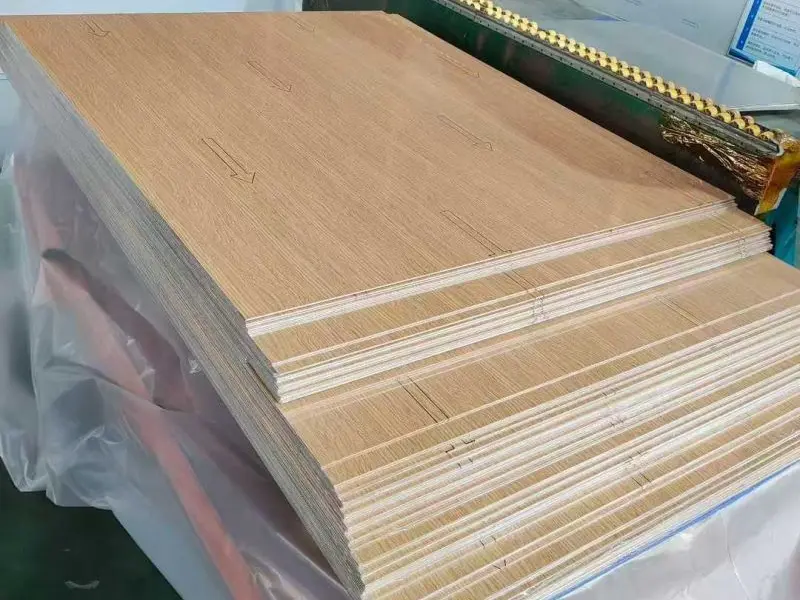
Wood grain aluminum is not a direct replacement for every type of real wood. It offers a different material solution.
| Feature | Wood Grain Aluminum | Real Wood |
|---|---|---|
| Weight | Low | Higher |
| Water resistance | Good | Depends on wood |
| Rot resistance | Excellent | Requires protection |
| Maintenance | Low | Often higher |
| Appearance | Wood-like | Natural wood |
| Fire behavior | Metal base | Depends on wood |
| Size stability | Good | Can move with moisture |
| Custom colors | Many | More limited |
For exterior projects, aluminum can reduce concerns related to moisture, insects, and wood decay.
Wood Grain Aluminum vs Wood-Look PVC
| Feature | Aluminum | PVC |
|---|---|---|
| Strength | Higher | Lower |
| Weight | Low | Low |
| Heat resistance | Good | Depends on grade |
| Surface options | Many | Many |
| Recyclability | High | Depends on product |
| Fabrication | Easy | Easy |
| Exterior use | Very common | Application dependent |
The project environment should be considered before selecting the material.
Wood Grain Aluminum vs ACP
Wood grain aluminum and aluminum composite panels are different products.
A solid aluminum sheet has an aluminum body through the full thickness.
ACP has aluminum skins with a core between them.
| Item | Solid Aluminum Sheet | ACP |
|---|---|---|
| Structure | Solid aluminum | Composite |
| Thickness | Flexible range | Panel structure |
| Fabrication | Cutting/bending | Panel fabrication |
| Weight | Depends on thickness | Often lightweight |
| Applications | Many | Cladding and signage |
The choice depends on the required structure, thickness, weight, and fabrication method.
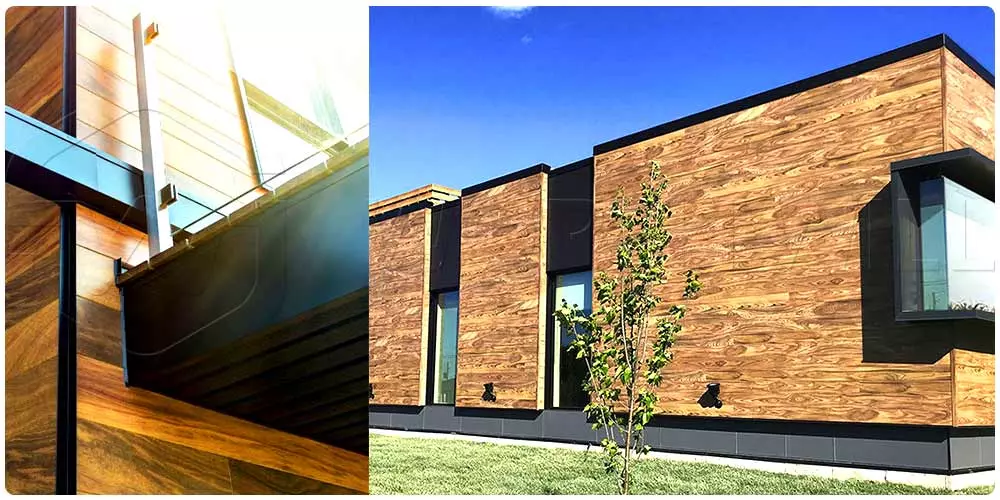
Where Is Wood Grain Aluminum Used?
Wood-look aluminum is mainly selected for projects that need a warm design with the practical features of metal.
Exterior Building Applications
- Building facades
- Curtain wall decoration
- Exterior wall cladding
- Aluminum siding
- Balcony panels
- Eaves
- Canopies
- Roofing decoration
Interior Applications
Retail stores
Interior wall panels
Feature walls
Ceilings
Partitions
Reception areas
Decorative columns
Hotel interiors
Restaurant interiors
Residential Applications
- Villa facades
- Garage doors
- Entry doors
- Balcony decoration
- Fences
- Privacy screens
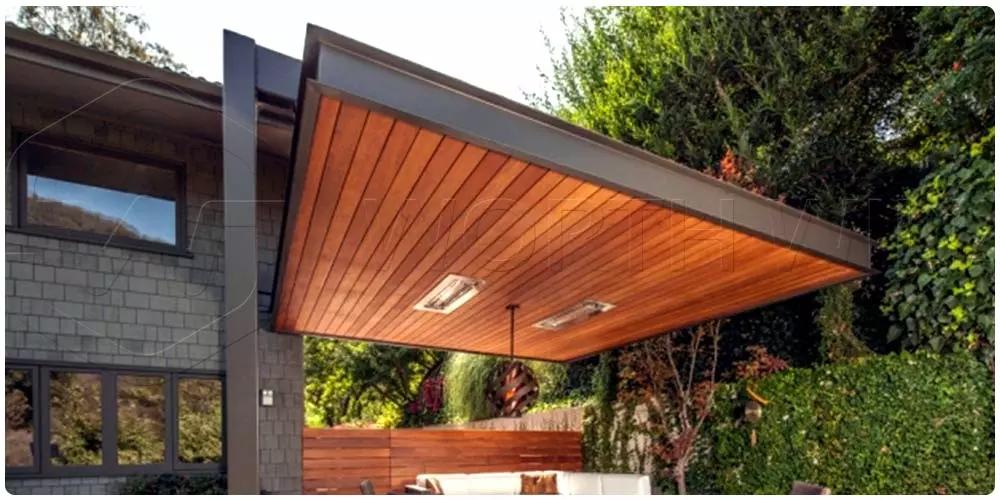
- Outdoor ceilings
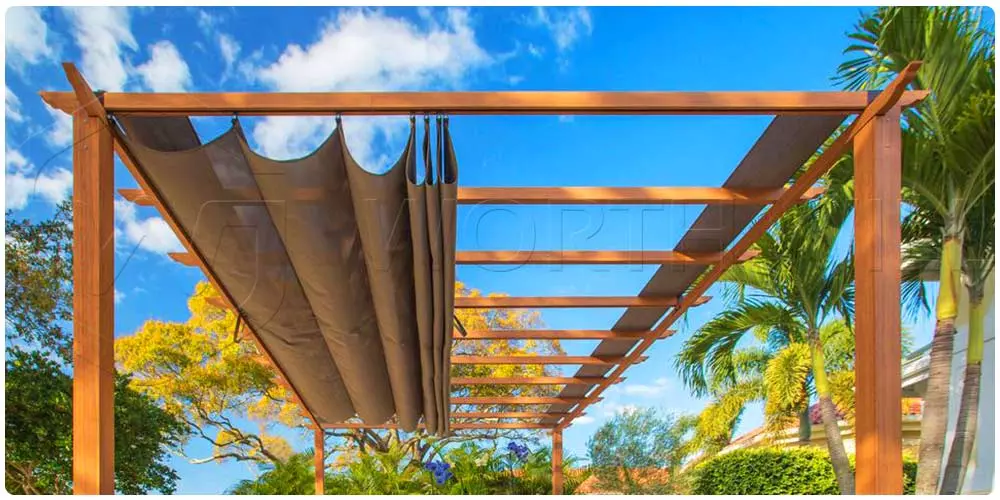
- Garden structures
Commercial Applications
- Shopping centers
- Hotels
- Restaurants
- Office buildings
- Exhibition halls
- Retail stores
- Showrooms
- Public buildings
Transportation and Special Applications
Custom fabricated panels
RV decoration
Trailer components
Bus interiors
Marine decoration
Equipment covers
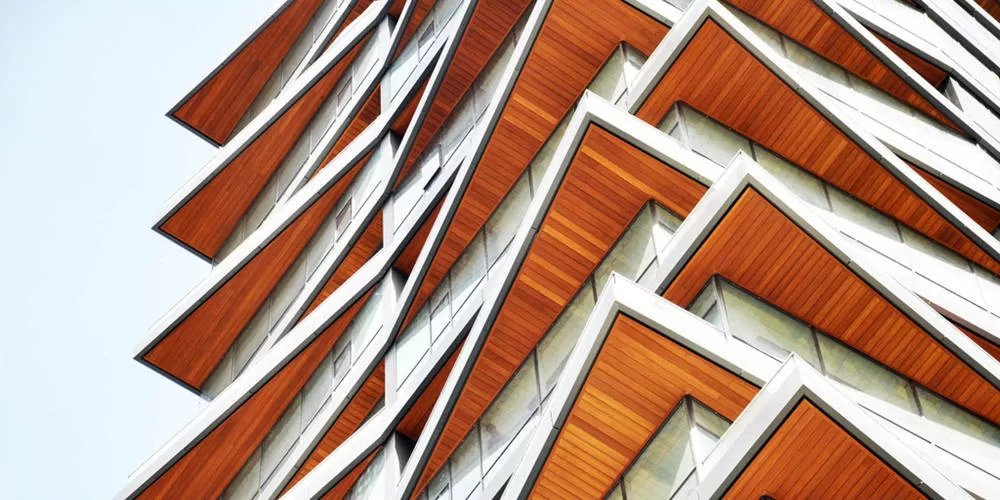
Wood Grain Aluminum for Facade Projects
Facade projects often require a combination of appearance and durability.
The material can be supplied in different thicknesses and panel sizes.
For larger facades, the selection should consider:
- Wind load
- Panel size
- Support spacing
- Thickness
- Alloy
- Temper
- Coating system
- Installation method
By smaller decorative areas, thinner sheets may be enough.
For larger panels, a thicker sheet or reinforced structure may be needed.
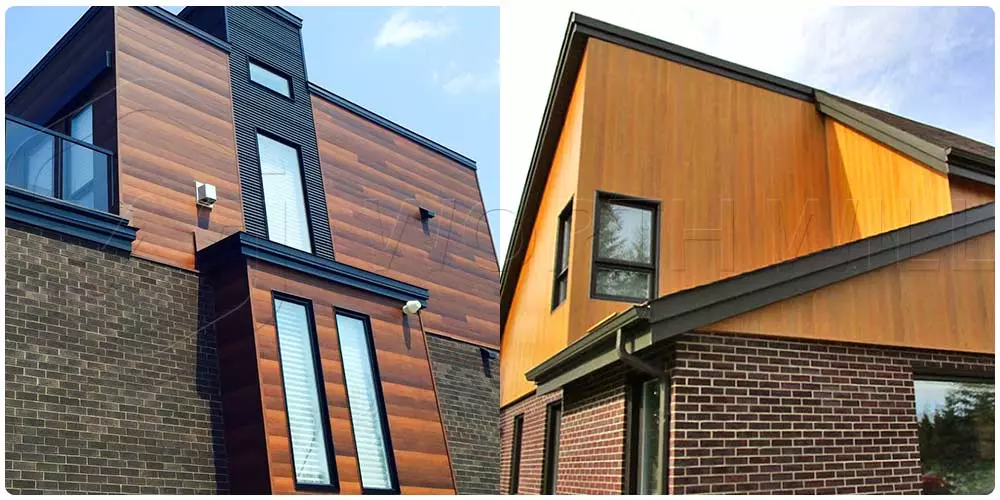
Wood Grain Aluminum for Siding
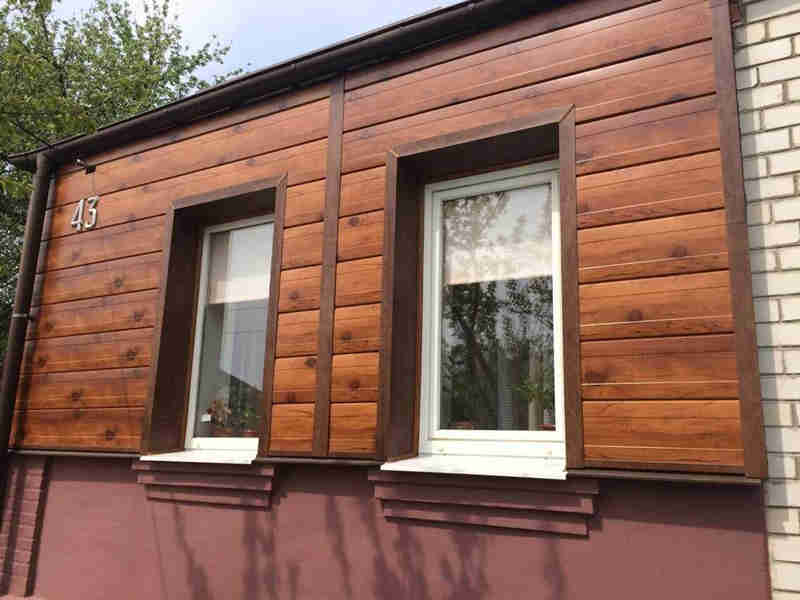
Wood-look aluminum siding gives buildings a wood-style appearance without using solid wood siding.
It can be supplied as:
- Flat siding
- Ribbed siding
- Roll-formed siding
- Interlocking siding
- Narrow strips
- Custom profiles
For siding projects, coating quality and weather resistance are especially important.
Wood Grain Aluminum for Decorative Screens
Perforated and solid sheets can both be used as screens.
The design can control:
- Privacy
- Sunlight
- Airflow
- Visual effect
A wood grain finish can make a metal screen look softer and more natural.
Wood Grain Aluminum for Interior Design
Interior designers often use wood-look aluminum when they want a warm appearance with easy maintenance.
Typical applications include:
- Feature walls
- Decorative ceilings
- Room dividers
- Cabinet panels
- Reception walls
- Hotel decoration
- Restaurant walls
- Retail displays
How to Select the Right Product
A simple selection path can save time.
Application → Alloy → Temper → Thickness → Surface → Size → Quantity
For example:
Interior wall → 1100 → H14 → 1.0 mm → walnut → custom size
Another example:
Exterior facade → 3003/3105 → H24 → 1.5 mm → teak → custom panel
For a stronger screen:
Exterior screen → 5052 → H32/H34 → 2.0 mm → dark wood grain → perforated
Manufacturing Process
A professional wood grain aluminum sheet and panel manufacturer normally controls several stages.
Aluminum Preparation
The base aluminum sheet or coil is inspected before coating.
Thickness, width, surface condition, and alloy should match the order.
Surface Treatment
The aluminum surface is cleaned and prepared.
Good surface preparation helps improve coating adhesion.
Primer and Coating
The coating system depends on the final application.
PE coatings can be used for many general applications.
PVDF systems are often considered for demanding exterior architectural projects.
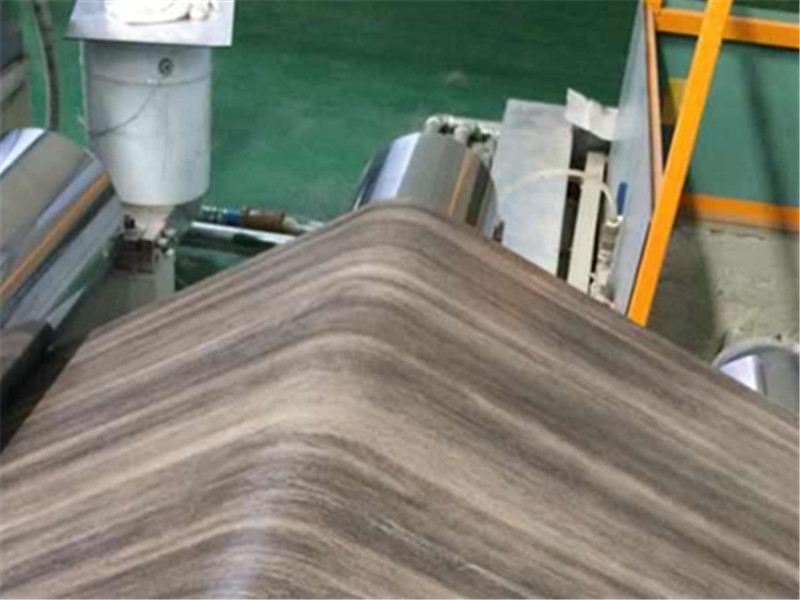
Wood Grain Finishing
The wood pattern is applied to the prepared aluminum surface.
The grain direction and color should remain consistent within the same production batch.
Cutting and Slitting
The finished material can be supplied as sheets, coils, or strips.
Custom cutting and slitting can be arranged according to project drawings.
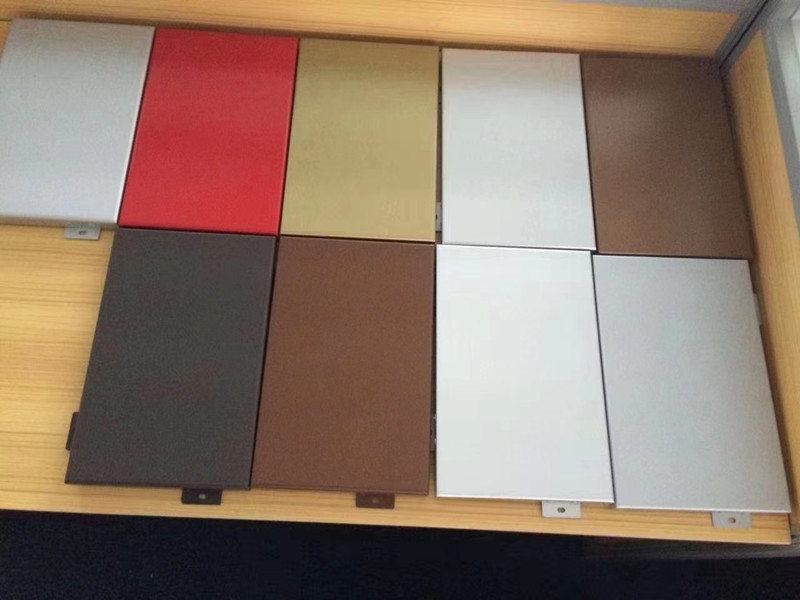
PE vs PVDF Wood Grain Aluminum
| Coating | Cost Level | Typical Use | Weather Performance |
|---|---|---|---|
| PE | Lower | General decoration | Good |
| Polyester | Medium | Building products | Good |
| PVDF | Higher | Exterior architecture | Very Good |
The final coating should be selected according to exposure, service life, appearance, and budget.
What Should Buyers Check?
When buying wood grain aluminum, surface appearance is important. But it is not the only factor.
Check these items:
- Alloy
- Temper
- Thickness
- Width
- Length
- Flatness
- Coating type
- Wood grain pattern
- Color consistency
- Coating adhesion
- Protective film
- Packing
- Quantity
- Production lead time
For large projects, it is useful to approve a sample before mass production.
Quality Control for Wood Grain Aluminum
A factory can check the product at different production stages.
Aluminum Inspection
Check:
Temper
Thickness
Width
Flatness
Surface
Alloy
Coating Inspection
Check:
- Color
- Gloss
- Coating thickness
- Adhesion
- Surface defects
- Pattern consistency
Finished Product Inspection
Check:
- Cutting accuracy
- Edge quality
- Panel size
- Protective film
- Packaging condition
A sample approval process can help reduce color differences between production batches.
Custom Wood Grain Aluminum Products
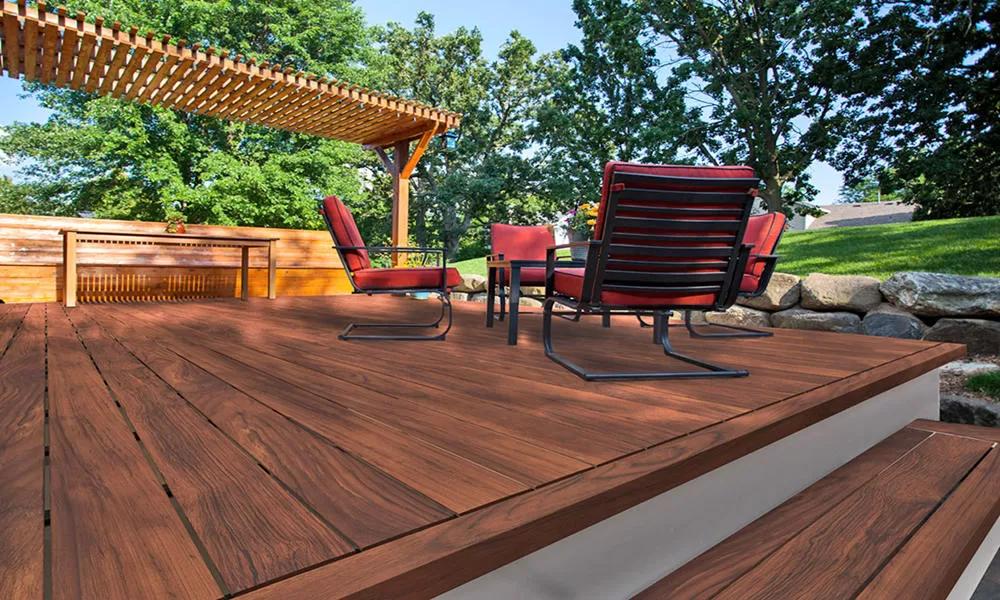
Projects often need non-standard products.
A manufacturer can provide customized options such as:
| Custom Item | Available Options |
|---|---|
| Thickness | 0.30–3.00 mm |
| Width | Custom |
| Length | Custom |
| Alloy | 1050 / 1060 / 1100 / 3003 / 3105 / 5052 |
| Temper | O / H12 / H14 / H16 / H18 / H24 / H26 |
| Color | Custom |
| Grain | Oak / Walnut / Teak / Cedar / Others |
| Shape | Rectangle / Round / Custom |
| Holes | Custom |
| Protection | PE film |
Custom drawings can be used for special panels and fabricated products.
Factors That Affect Wood Grain Aluminum Price
The price is not based on thickness alone.
Important factors include:
- Aluminum alloy
- Temper
- Thickness
- Width
- Order quantity
- Coating system
- Wood pattern
- Surface treatment
- Custom cutting
- Perforation
- Packaging
- Shipping destination
A larger wholesale order may have different production economics from a small custom order.
For project orders, it is better to compare the full specification rather than only the price per kilogram.
Wholesale Wood Grain Aluminum Sheet Buying Guide
For distributors, importers, and contractors, the buying process can be simple.
Step 1 → Confirm application
Facade, siding, interior, screen, ceiling, or another use.
Step 2 → Select alloy
1050/1060/1100 for easy forming.
3003/3105 for many building applications.
5052 for higher-strength requirements.
Step 3 → Confirm thickness
Choose according to panel size and structural requirements.
Step 4 → Select coating
PE, polyester, PVDF, or another specified system.
Step 5 → Confirm wood pattern
Ask for a physical sample when color is important.
Step 6 → Confirm dimensions
Sheet size, coil width, strip width, or custom panel size.
Step 7 → Approve sample
Check color, grain, gloss, thickness, and surface.
Step 8 → Start bulk production
Keep the approved sample for future batch comparison.
Common Buying Mistakes
Choosing Only by Price
A low price may come from a thinner sheet, lower coating specification, or different alloy.
Compare the complete specification.
Ignoring Panel Size
Large panels can require higher rigidity.
Thickness and support design should be considered together.
Not Checking the Wood Pattern
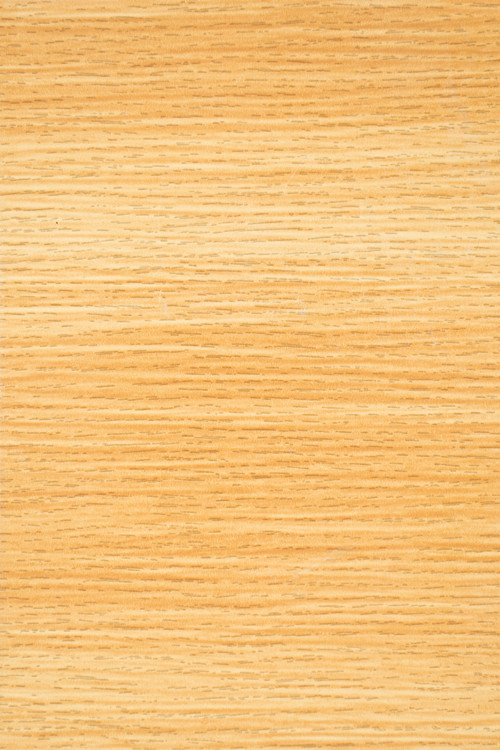
Wood patterns can look different on a screen and in real life.
A physical sample is useful for important projects.
Mixing Production Batches
Different production batches may have slight color differences.
For one project, it is better to order enough material from the same production batch when possible.
Why Work With a Manufacturer?
Buying directly from a manufacturer can make communication easier.
Customers can discuss:
- Alloy
- Thickness
- Temper
- Coating
- Wood pattern
- Panel size
- Slitting
- Perforation
- Packaging
- Production schedule
For large projects, direct communication also makes technical changes easier to manage.
Quick Product Selection Table
| Project | Suggested Product |
|---|---|
| Interior wall | 1050/1100, 0.8–1.2 mm |
| Ceiling | 1050/1100, 0.6–1.0 mm |
| Exterior facade | 3003/3105, 1.0–2.0 mm |
| Siding | 3003/3105, 0.6–1.2 mm |
| Decorative screen | 3003/5052, 1.0–2.0 mm |
| Heavy decorative panel | 5052, 1.5–3.0 mm |
| Narrow trim | 1050/1100/3003 |
| Roll-formed profile | 3003/3105 |
These are general starting points. Final specifications should be confirmed according to the actual structure and installation method.
Frequently Asked Questions
What is wood grain aluminum sheet?
It is an aluminum sheet with a decorative wood-look surface. It provides a wood-style appearance while keeping the basic advantages of aluminum.
Is wood grain aluminum suitable for outdoor use?
Yes. It has uses outdoors when the alloy, coating system, thickness, and installation method are suitable for the environment.
Which alloy is commonly used for wood grain aluminum?
1050, 1060, 1100, 3003, 3105, and 5052 can all be considered. The best selection depends on forming, strength, and application requirements.
What thickness should I choose?
For light interior decoration, around 0.5–1.0 mm may be suitable. Exterior panels often use thicker material.
Large or heavy panels may require 1.5–3.0 mm or a reinforced structure.
Can I order a custom wood grain color?
Yes. Custom colors and wood patterns can be discussed. A physical sample is recommended before mass production.
Can wood grain aluminum be supplied in coil form?
Yes. Wood grain aluminum has produced as coil for slitting, roll forming, siding, roofing, and other continuous processes.
Can the sheet be perforated?
Yes. Perforated wood grain aluminum can be produced with different hole shapes, diameters, pitches, and open areas.
Is wood grain aluminum better than real wood?
They have different properties. Aluminum offers low maintenance, moisture resistance, and stable dimensions.
Real wood provides a natural material appearance and different tactile properties. The choice depends on the project.
Can wood grain aluminum be bent?
Yes. The ability to bend depends on alloy, temper, thickness, coating, and bending radius. Softer tempers are generally easier to form.
Can protective film be added?
Yes. PE protective film has added to help protect the finished surface during transportation, cutting, and installation.
Final Selection Guide
If you need a lightweight decorative product:
→ 1050 / 1060 / 1100 → 0.5–1.0 mm → wood grain finish
If you need a building product with a good balance:
→ 3003 / 3105 → 0.8–1.5 mm → PE or PVDF
If you need a stronger architectural panel:
→ 5052 → 1.5–3.0 mm → PVDF or specified architectural coating
If you need continuous production:
→ Wood grain aluminum coil → custom width → slitting or roll forming
If you need a decorative screen:
→ 3003 / 5052 → perforated sheet → custom pattern → wood grain finish
Error: Contact form not found.