
Discover the Best Aluminum Sheet Metal Roll for Your Projects
Are you looking for a reliable material for your next project? An aluminum sheet metal roll is a great choice.
It is strong, light, and easy to shape. Many industries use it every day. In this guide, you will learn about types, sizes, comparisons, and applications. Let us help you find the right product.

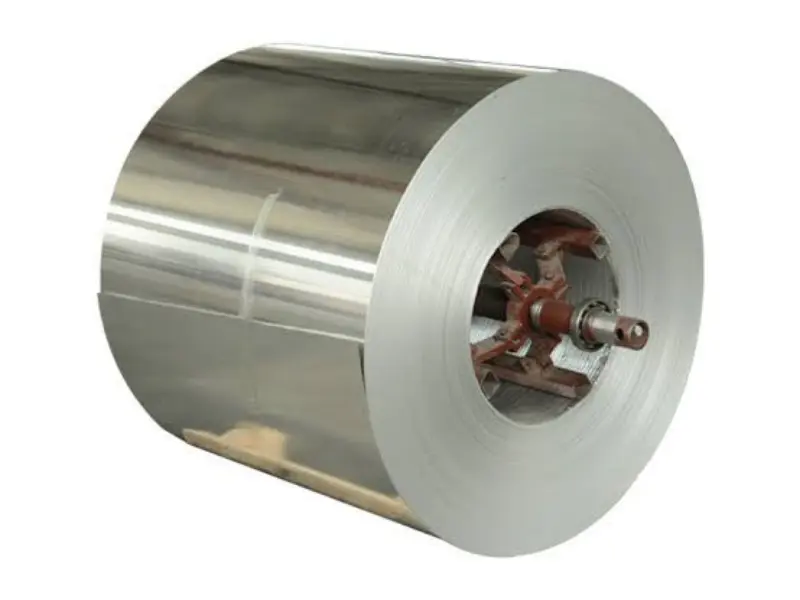
Aluminum Sheet Metal Rolls For Sale
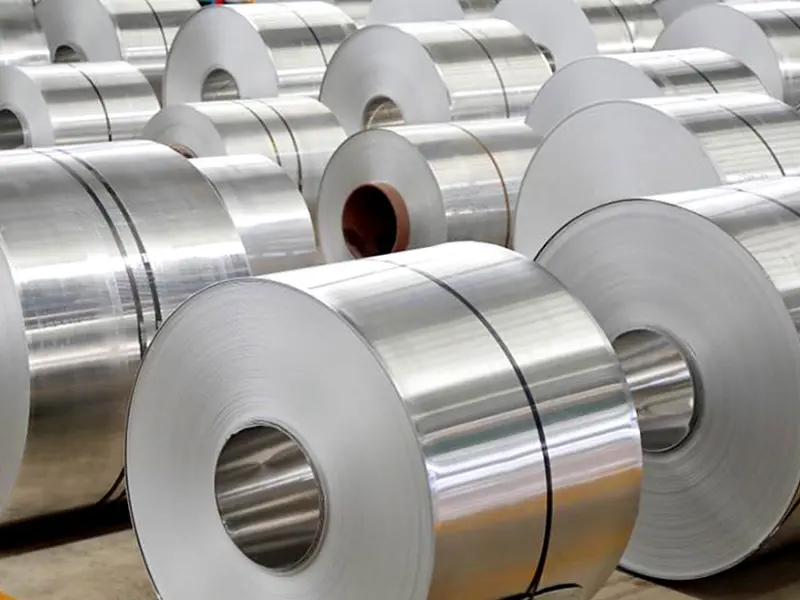
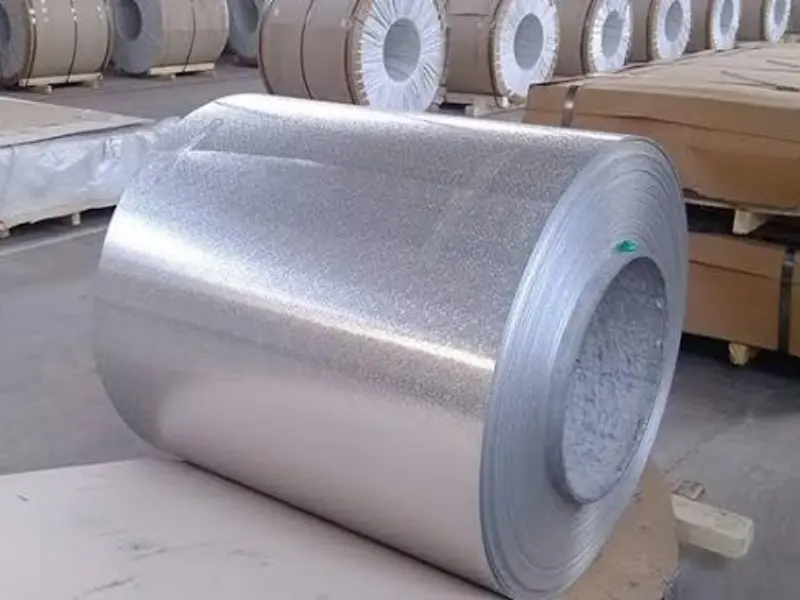
An aluminum sheet metal roll is a long, thin sheet of metal wound into a coil. Workers can unroll it to any length they need. This makes waste very small. People love to use it because it does not rust easily and lasts a long time.
What Makes Aluminum Rolls Popular
- Light weight
- High strength-to-weight ratio
- Excellent corrosion resistance
- Easy to cut and bend
- Beautiful metallic finish
Main Types of Aluminum Sheet Metal Rolls
There are many kinds of aluminum sheet metal rolls on the market. Manufacturers make them with different alloys and tempers to fit various needs.
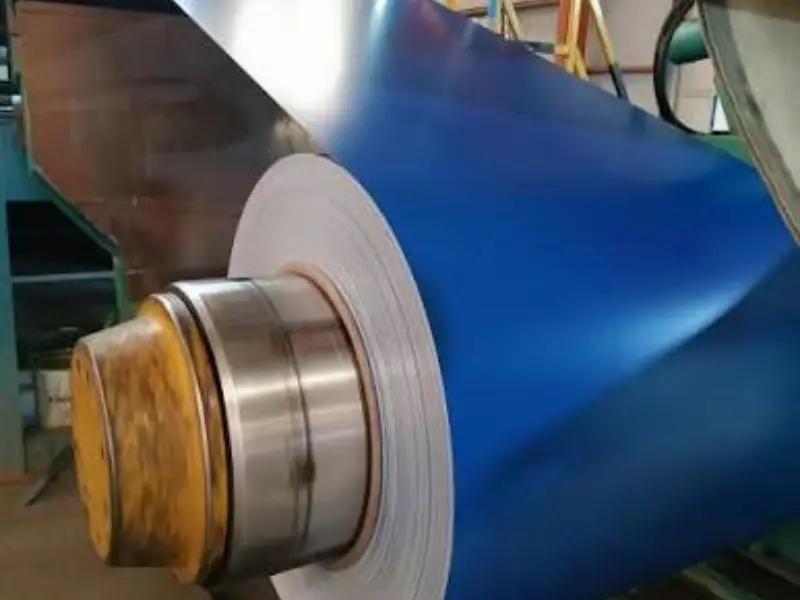
Popular Alloy Series Explained
6000 Series: Aluminum-magnesium-silicon alloy. Heat-treatable and strong.
1000 Series: Pure aluminum. Great corrosion resistance and high electrical conductivity.
3000 Series: Aluminum-manganese alloy. Very common, strong, and easy to form.
5000 Series: Aluminum-magnesium alloy. High strength and very good for marine environments.
Common Tempers and Their Meanings
- O Temper: Fully annealed. Soft and very easy to bend.
- H14 Temper: Strain hardened. Stronger, medium formability.
- H24 Temper: Strain hardened and partially annealed. Balanced strength and flexibility.
Product Specifications and Digital Types
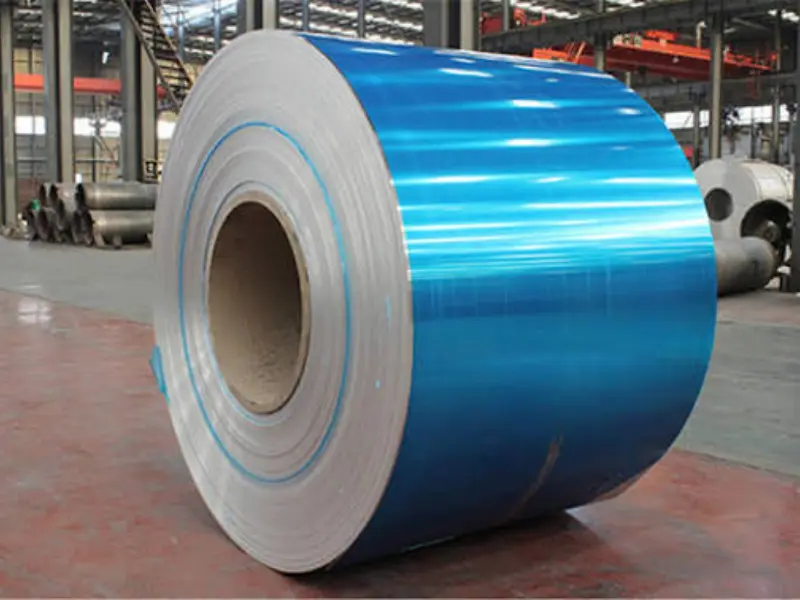
Choosing the correct size is very important. Below are standard digital types and dimensions of our aluminum sheet metal roll products.
Standard Thickness and Width Options
| Type Code | Alloy Grade | Temper | Thickness (mm) | Width (mm) | Roll Weight (kg) |
|---|---|---|---|---|---|
| AR-1050-01 | 1050 | O | 0.3 | 1000 | 150 |
| AR-1050-02 | 1050 | H14 | 0.5 | 1200 | 250 |
| AR-3003-01 | 3003 | H24 | 0.8 | 1000 | 300 |
| AR-3003-02 | 3003 | H14 | 1.0 | 1250 | 500 |
| AR-5052-01 | 5052 | H32 | 1.2 | 1500 | 600 |
| AR-6061-01 | 6061 | T6 | 1.5 | 1000 | 400 |
Heavy Duty Specifications
| Type Code | Alloy Grade | Temper | Thickness (mm) | Width (mm) | Roll Weight (kg) |
|---|---|---|---|---|---|
| AR-3003-HD | 3003 | H14 | 2.0 | 1200 | 800 |
| AR-5052-HD | 5052 | H34 | 2.5 | 1500 | 1000 |
| AR-6061-HD | 6061 | T6 | 3.0 | 1250 | 1200 |
Detailed Material Comparisons
Comparing different materials helps you make smart buying decisions. Let us look at how different alloys and thicknesses stack up against each other.
Alloy Comparison Matrix
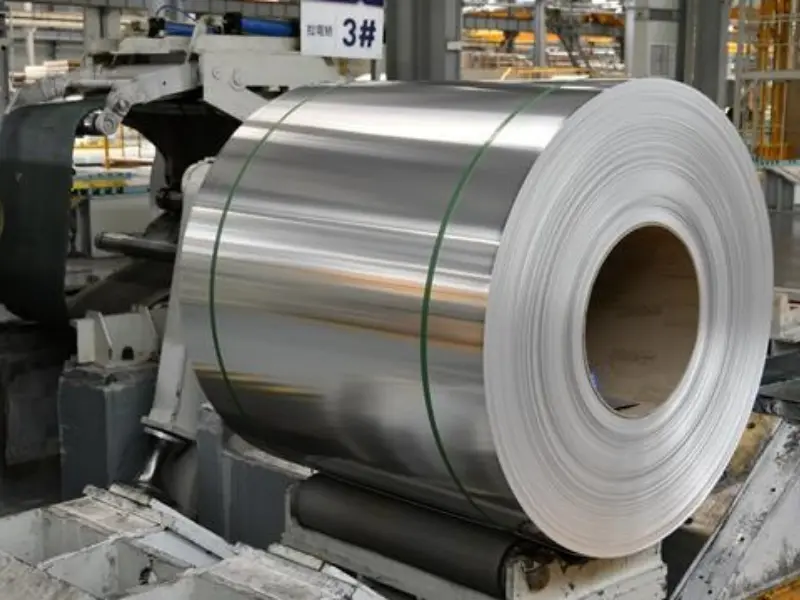
| Alloy | Strength | Formability | Corrosion Resistance | Best Use Case |
|---|---|---|---|---|
| 1050 | Low | High | Excellent | Chemical tanks, electrical work |
| 3003 | Medium | High | Good | General sheet metal work, roofing |
| 5052 | High | Medium | Excellent | Marine parts, fuel tanks |
| 6061 | Very High | Low | Good | Structural components, frames |
Thickness Comparison Guide
| Thickness Range | Flexibility | Cutting Ease | Primary Application |
|---|---|---|---|
| 0.2mm−0.5mm | Very High | Very Easy | Insulation jacketing, labels |
| 0.6mm−1.2mm | Medium | Easy | Ductwork, roofing panels |
| 1.5mm−3.0mm | Low | Moderate | Automotive bodies, heavy panels |
Where to Use Aluminum Sheet Metal Rolls
An aluminum sheet metal roll has endless uses across modern industries. Here are the main application areas.
Construction and Architecture
Window frames and building trims
Roof flashing and standing seam roofs
Wall cladding and decorative panels
Gutter systems and downspouts
HVAC and Ductwork
- Heating and ventilation ducts
- Air conditioner insulation covers
- Exhaust pipe wrapping
- Thermal barrier shields
Transportation and Automotive
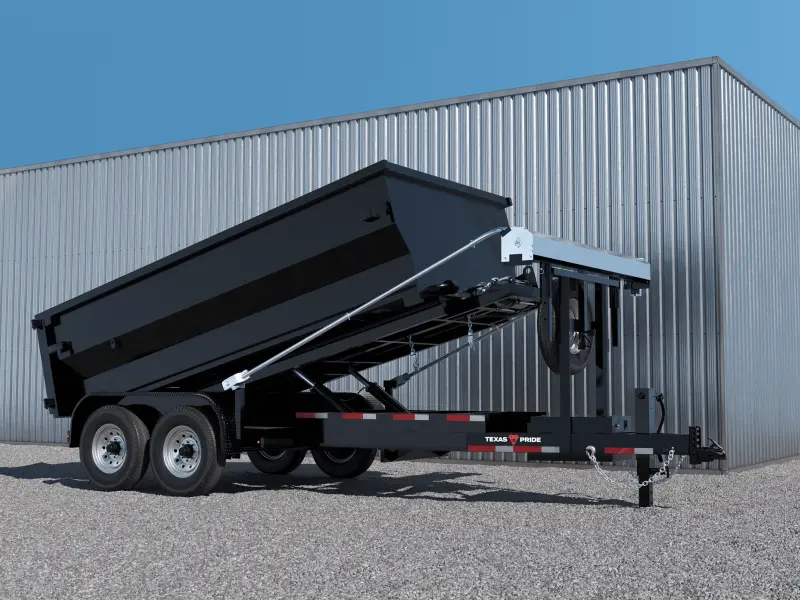
- Truck trailer side panels
- Boat hulls and marine decks
- Bus and train interior walls
- Automotive heat shields
Industrial and Manufacturing
Signage and nameplates
Chemical storage tank linings
Electrical transformer windings
Electronic enclosures
Why Buy Our Aluminum Sheet Metal Rolls
Quality matters when you work on big projects. Our products meet strict international standards.
Key Benefits for Buyers
- Consistent Quality: Smooth surface without scratches or defects.
- Custom Sizes: We can cut rolls to your exact width and length.
- Fast Delivery: Strong supply chain ensures on-time shipping.
- Competitive Pricing: Factory direct prices save you money.
Sheet Metal Roll or Flat Sheet? Choose by Production Method
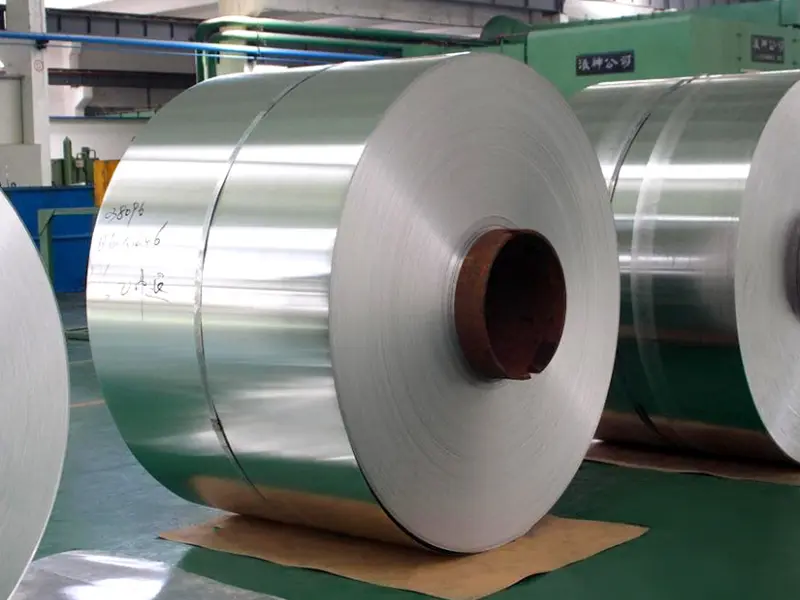
For many projects, the choice between a roll and a flat aluminium sheet depends on how the material will be processed.
A roll is useful when the customer needs continuous material. A flat sheet is more convenient for individual panels or fixed-size parts.
| Point | Aluminum Sheet Metal Roll | Flat Aluminum Sheet |
|---|---|---|
| Material form | Coil / roll | Individual sheets |
| Continuous processing | Excellent | Limited |
| Slitting | Easy | Not normally required |
| Long parts | Very suitable | More material waste |
| Custom width | Available | Available |
| Storage | Compact for large quantities | Requires more stacking space |
| Typical purchase | Industrial production | Fabrication and construction |
Continuous production → Aluminum roll
Individual panels → Flat sheet
Choosing the correct form can reduce cutting work and material waste.
Why Buy Aluminum in Roll Form?
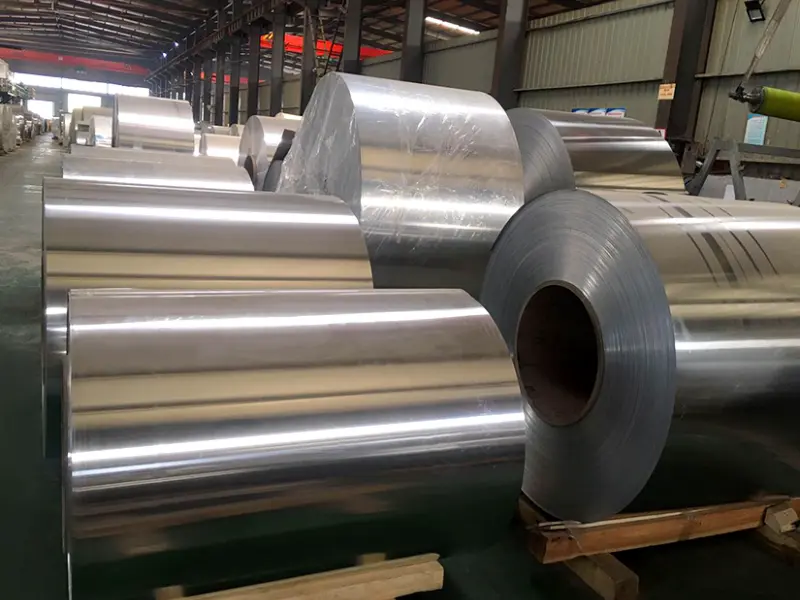
Roll-form aluminium can be a practical choice for customers with high-volume production.
The material can be fed directly into processing equipment. This is useful for slitting, roll forming, stamping, bending, coating, and other continuous operations.
Main advantages of roll supply
→ Continuous material length
→ Flexible width options
→ Less manual sheet handling
→ Suitable for automatic production
→ Efficient for large orders
→ Easier to slit into smaller widths
→ Can reduce repeated cutting work
For manufacturers, the biggest advantage is often production efficiency rather than the material itself.
Width Selection Can Affect Material Waste
Width is an important part of an aluminium roll specification.
Suppose a customer needs several narrow strips from one roll. A suitable master width can allow the factory to arrange several strips side by side.
Master Roll
↓
Slitting
↓
Multiple Narrow Coils
↓
Production Line
A good slitting plan can reduce leftover material.
| Requirement | Recommended consideration |
|---|---|
| One wide panel | Wider coil |
| Several narrow strips | Master coil for slitting |
| Roll forming | Match machine width |
| Gutter production | Select suitable coil width |
| Flashing | Narrow or medium width |
| Insulation jacketing | Width based on pipe size |
| Custom fabrication | Discuss cutting pattern first |
This is an area where buyers can save money without changing the aluminium alloy.
How Thickness Changes Roll Weight
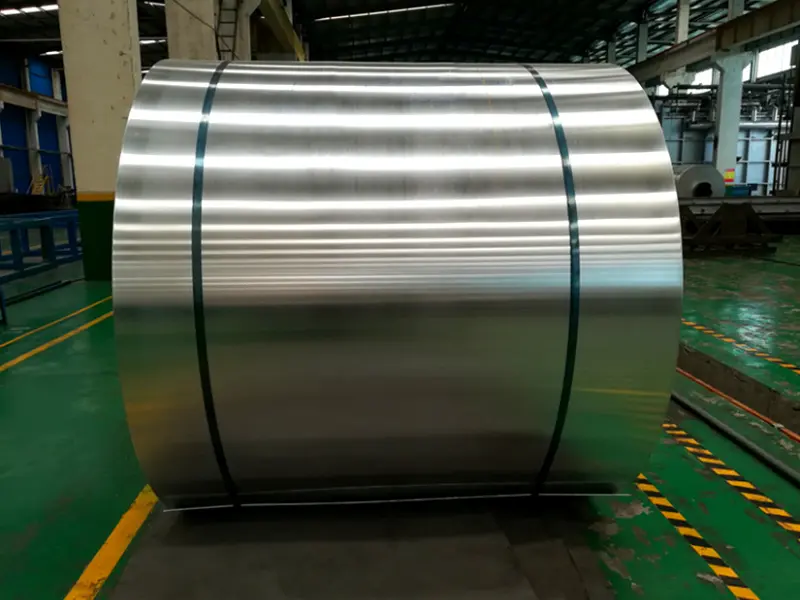
Thickness has a direct effect on the weight of the roll.
When the alloy, width, and length remain unchanged:
Thicker material → Higher weight
For example, a 1.0 mm coil contains approximately twice as much aluminium as a 0.5 mm coil of the same width and length.
| Thickness | Material use | General cost direction |
|---|---|---|
| 0.30 mm | Low | Lower |
| 0.50 mm | Moderate | Moderate |
| 0.80 mm | Moderate | Moderate |
| 1.00 mm | Higher | Higher |
| 1.50 mm | High | Higher |
| 2.00 mm | Very high | Higher |
The exact price still depends on alloy, market conditions, surface, order quantity, and processing.
How to Estimate the Weight of an Aluminum Roll
A
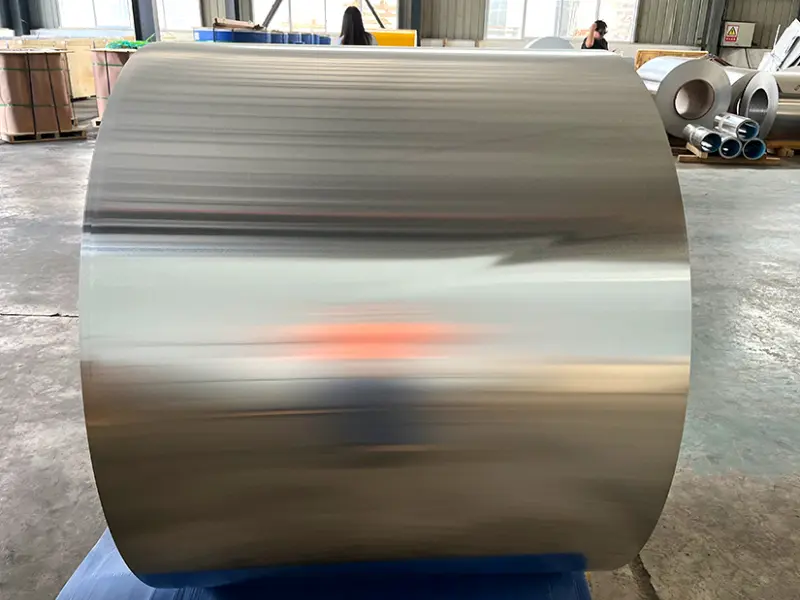
simple calculation can help buyers understand the approximate weight.
Weight ≈ Length × Width × Thickness × Aluminium Density
The density of aluminium is approximately 2.70 g/cm³.
For example, if you know:
- Coil length
- Coil width
- Coil thickness
- Alloy density
you can estimate the material weight before requesting a quotation.
The factory can provide the actual calculated weight based on production tolerances and the finished coil dimensions.
Common Aluminum Alloys for Roll Supply
Different alloys are suitable for different production needs.
| Alloy | General characteristic | Typical direction |
|---|---|---|
| 1050 | High purity, easy forming | General fabrication |
| 1060 | High purity, good conductivity | Electrical and industrial |
| 1100 | Good formability | General products |
| 3003 | Higher strength than 1xxx | Industrial and formed parts |
| 3105 | Good formability | Roofing and building products |
| 5052 | Strong and corrosion resistant | Transportation and industrial |
| 5754 | Good corrosion resistance | Automotive and industrial |
| 6061 | High strength | Engineering applications |
There is no single “best” alloy for an aluminium metal roll.
The right alloy depends on the forming process, strength requirement, corrosion conditions, and final product.
Soft vs Hard Aluminum Coil
Temper is another factor that should be included in a purchase order.
| Temper | General behavior | Suitable direction |
|---|---|---|
| O | Soft and flexible | Deep forming |
| H12 | Relatively soft | Forming |
| H14 | Medium hardness | General fabrication |
| H16 | Harder | Formed products |
| H18 | Hard | Higher strength requirements |
| H24 | Partially hardened | General industrial use |
| T6 | Heat treated | Engineering alloys |
A soft temper is often easier to bend.
A harder temper may provide better rigidity and strength.
The correct choice should be based on the customer’s forming equipment and finished product.
Mill Finish, Painted, and Decorative Rolls
Aluminium rolls are available with different surface conditions.
Mill Finish Roll
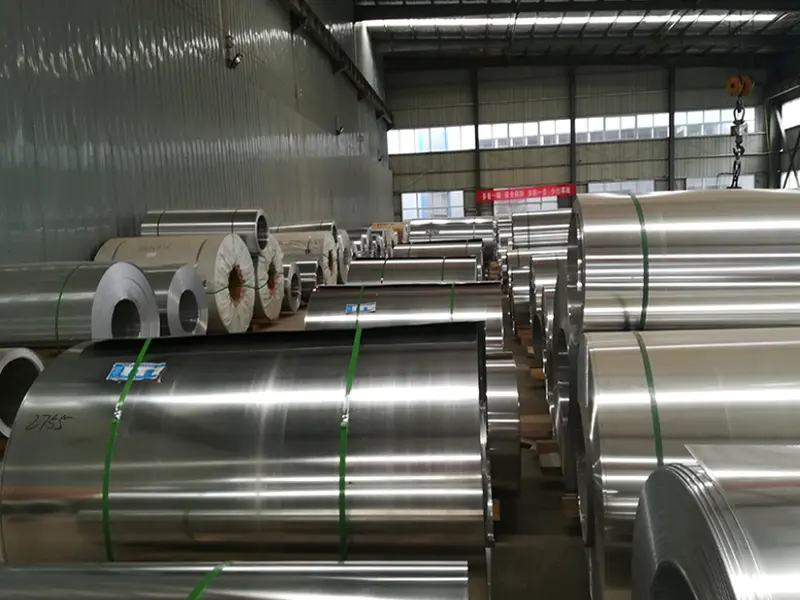
Mill finish is the standard surface produced during rolling.
It is often selected when the material will receive further processing.
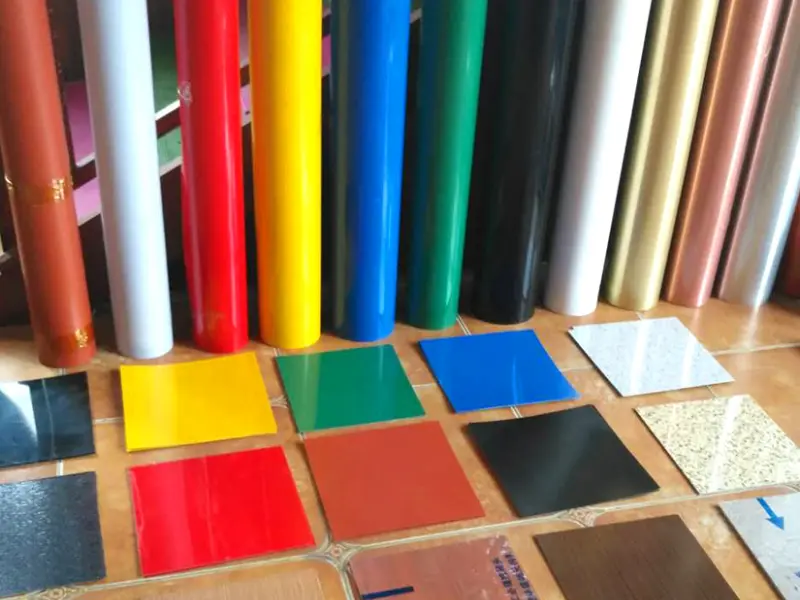
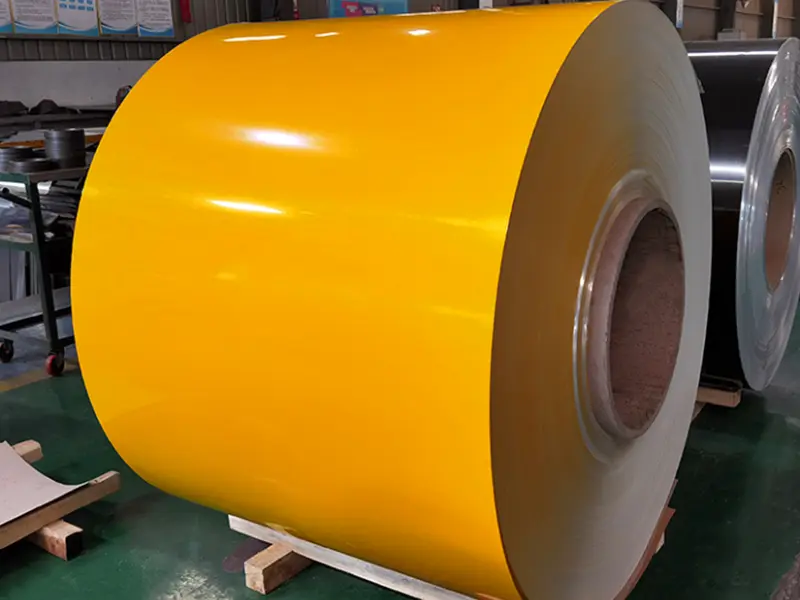
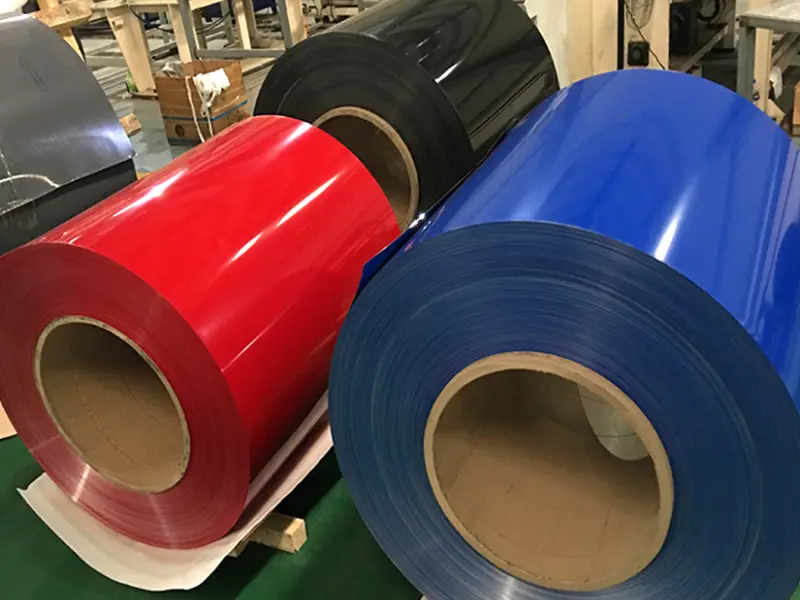
Painted Aluminum Roll
Pre-painted material can provide a finished color surface before fabrication.
It is commonly used for building products, gutters, roofing components, and trim.
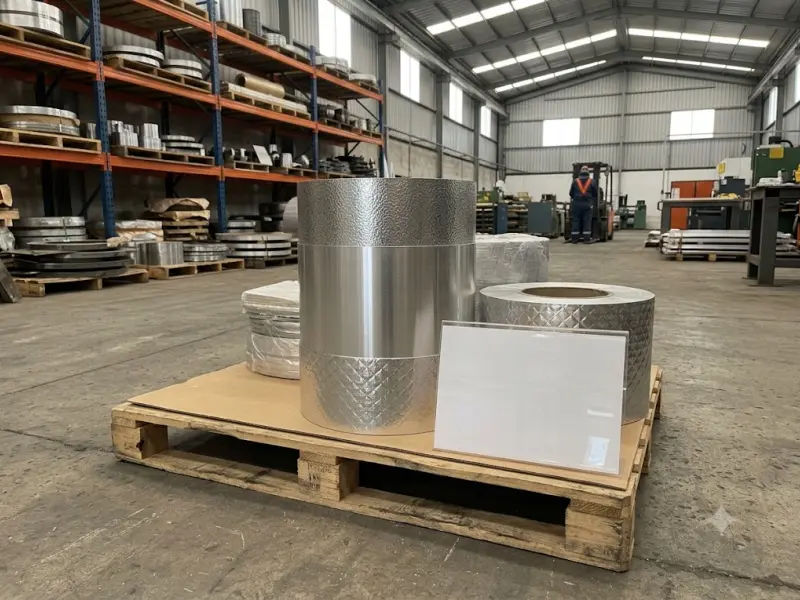
Embossed Aluminum Roll
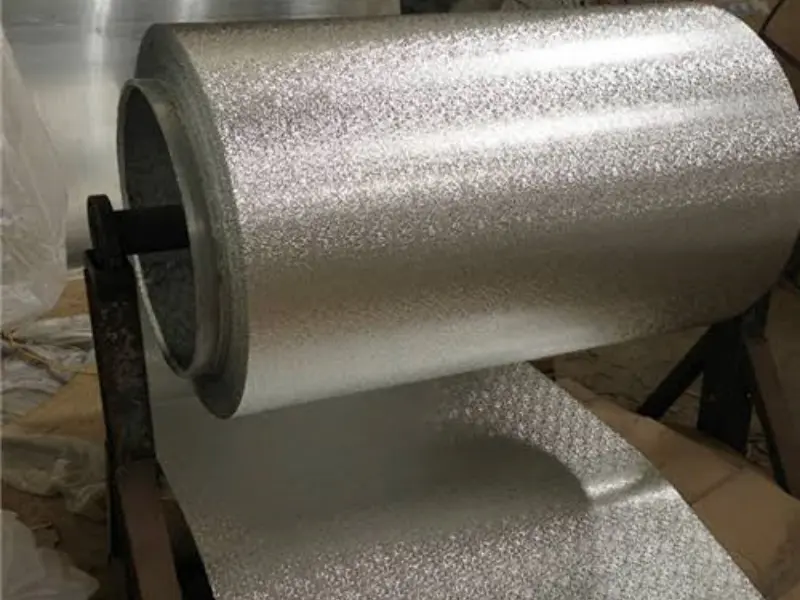
Embossed rolls have a raised pattern on the surface.
Stucco and other patterns can add texture while also providing a decorative appearance.
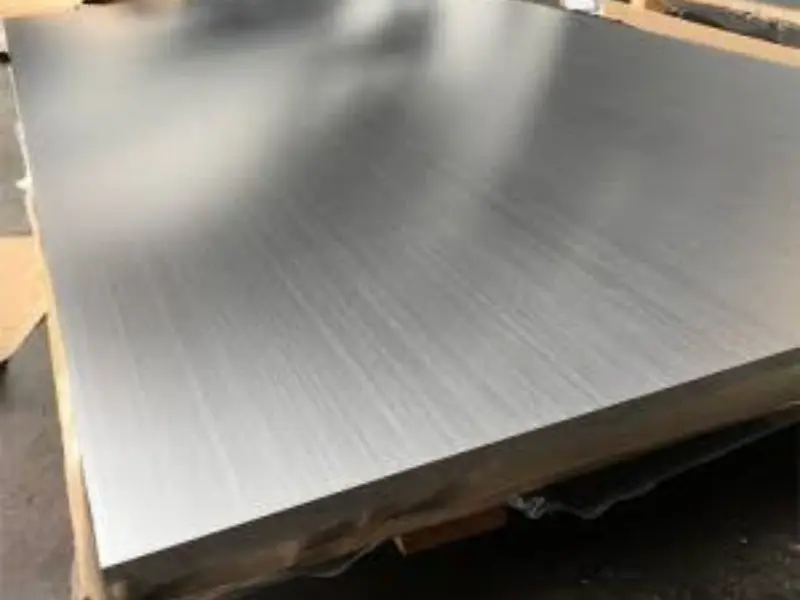
Brushed Aluminum Roll
Brushed material has a directional surface pattern.
It is more common for decorative and architectural products.
| Surface | Main reason to choose |
|---|---|
| Mill finish | Cost and further processing |
| Painted | Color and surface protection |
| Embossed | Texture and appearance |
| Brushed | Decorative appearance |
| Anodized | Surface durability and appearance |
Which Aluminum Roll Is Better for Bending?
Bending performance depends on several factors.
Alloy + Temper + Thickness + Bend Radius
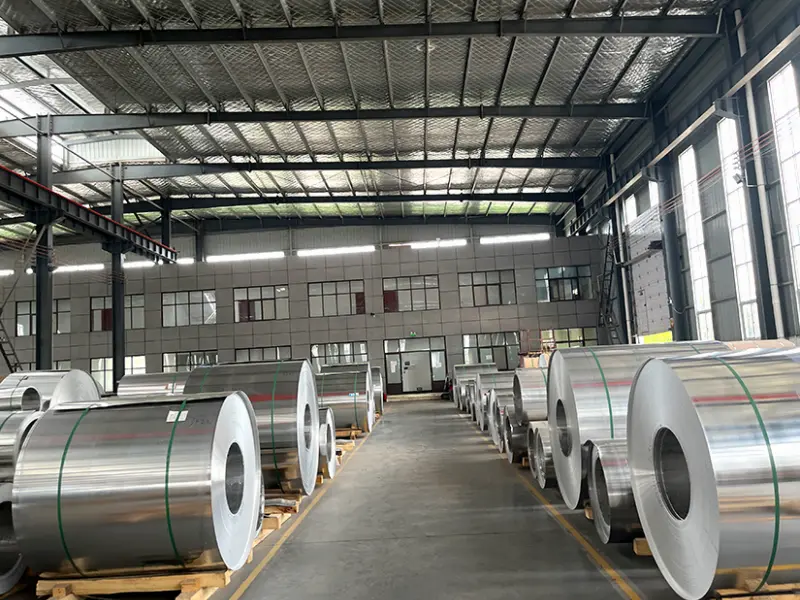
A soft alloy in O temper is normally easier to form than a hard temper.
However, very thin material may also require careful handling because it can deform during processing.
Before mass production, buyers should confirm the minimum bend radius with the supplier or test the material on the actual machine.
Aluminum Roll for Roll Forming
Roll forming is a continuous process.
The aluminium coil enters a series of forming rollers and gradually becomes the required profile.
Aluminum Coil
→ Entry Guide
→ Roll Forming
Profile Shape
→ Cutting
→ Finished Product
This process is commonly used for long products where consistent shape is important.
Suitable material selection can help reduce cracking, surface marks, and dimensional problems during forming.
Aluminum Roll for Slitting
Slitting is one of the most common processes for aluminium coils.
A wide master roll can be divided into several narrower rolls.
| Master Width | Finished Width | Processing |
|---|---|---|
| Wide | Narrow | Slitting |
| Wide | Medium | Slitting |
| Custom | Custom | Precision slitting |
Slitting allows one production batch to serve different product sizes.
For regular buyers, this can be more efficient than ordering many small-width coils separately.
Aluminum Sheet Roll for Insulation Jacketing
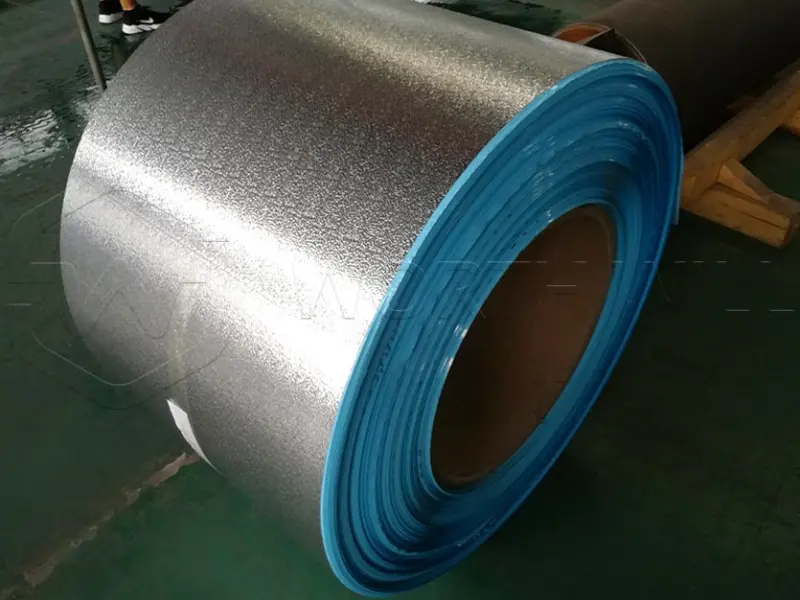
Aluminium roll is widely used for insulation jacketing because the material can be supplied in long continuous lengths.
Common options include:
- Plain aluminium
- Stucco embossed aluminium
- Polysurlyn laminated aluminium
- Painted aluminium
- Moisture-barrier jacketing
For insulation work, the choice depends on pipe diameter, insulation thickness, outdoor exposure, and required surface protection.
Aluminum Roll for Gutter Manufacturing
Gutter manufacturers often need continuous coil material.
A typical process is:
Aluminum Coil
↓
Feeding
↓
Roll Forming
↓
Gutter Profile
↓
Cutting
↓
Finished Gutter
Pre-painted aluminium coil can be useful when the final gutter needs a consistent color.
The coil width and thickness should match the gutter-forming machine.
Aluminum Roll for Flashing
Aluminium flashing roll can be used around roofs, walls, windows, and other building areas.
It can be supplied in different widths and thicknesses.
The material should be easy to bend without cracking.
For outdoor use, corrosion resistance and surface protection are also important.
How to Reduce Aluminum Roll Waste
Material waste can increase the real purchasing cost.
A simple approach is:
Correct width
For Correct thickness
Correct coil length
Efficient slitting plan
=
Lower material waste
For example, if a production line repeatedly uses a 300 mm strip, it may be better to purchase a master coil width that can produce several 300 mm strips with minimal leftover material.
Small Roll or Jumbo Roll?
The best roll size depends on the customer’s equipment.
| Roll type | Suitable buyer |
|---|---|
| Small coil | Small fabrication shop |
| Medium coil | General manufacturer |
| Jumbo coil | High-volume factory |
| Custom coil | Special production line |
A jumbo roll can reduce the number of coil changes.
However, the customer’s machine must be able to handle its weight and outer diameter.
What Should Be Checked Before Ordering?
Instead of asking only for “aluminum sheet metal roll price,” send a complete specification.
Material Information
| Item | Example |
|---|---|
| Alloy | 1050 / 3003 / 5052 |
| Temper | O / H14 / H24 |
| Thickness | 0.5–2.0 mm |
| Width | Custom |
| Length | Custom |
| Surface | Mill / painted / embossed |
| Coil ID | Custom |
| Coil OD | Custom |
| Weight | Custom |
| Quantity | Custom |
This allows the supplier to calculate a more accurate quotation.
Five Points That Can Change the Final Price
The quotation is usually affected by more than the aluminium market.
① Raw aluminium cost
The base metal price changes with market conditions.
② Alloy
Special alloys may have a different material cost.
③ Thickness
More material means more weight.
④ Surface treatment
Painting, embossing, coating, and other processing add cost.
⑤ Order quantity
Larger orders can improve production efficiency.
This is why two coils with the same width may have very different prices.
What Makes a Good Aluminum Coil?
For industrial buyers, quality should be considered from several angles.
| Quality point | What to look for |
|---|---|
| Thickness | Stable thickness |
| Width | Accurate width |
| Flatness | Suitable for processing |
| Surface | Clean and free from major defects |
| Edge | Smooth and consistent |
| Coil winding | Tight and even |
| Core | Correct diameter |
| Packaging | Suitable for transportation |
A good roll should not only look good. It should also run smoothly on the customer’s equipment.
Aluminum Roll Purchasing: A Simple Decision Path
You can make the selection process easier with this structure:
What will the material become?
↓
How will it be processed?
↓
What strength is required?
↓
What thickness is suitable?
↓
Which alloy and temper fit the process?
↓
What width reduces waste?
↓
Does the surface need coating or embossing?
↓
What coil weight can the machine handle?
This approach is more useful than choosing a product based only on price.
Factory Customization Options
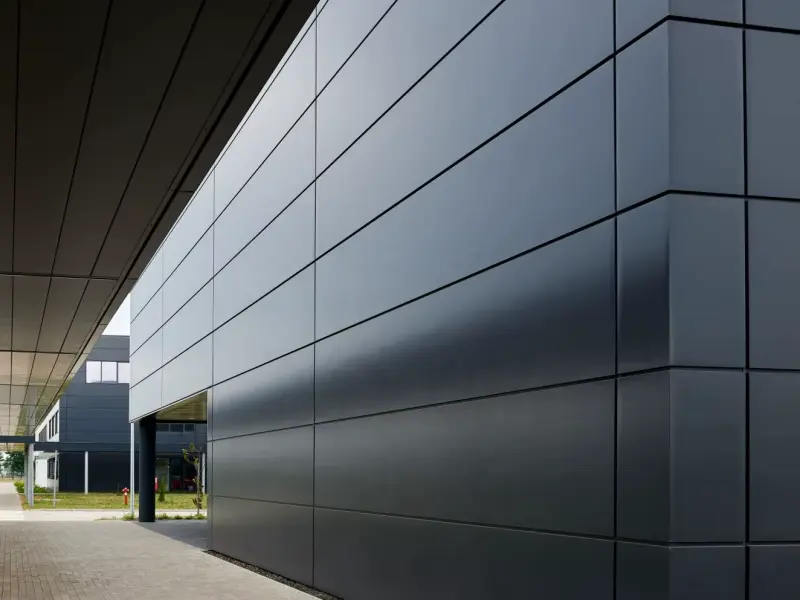
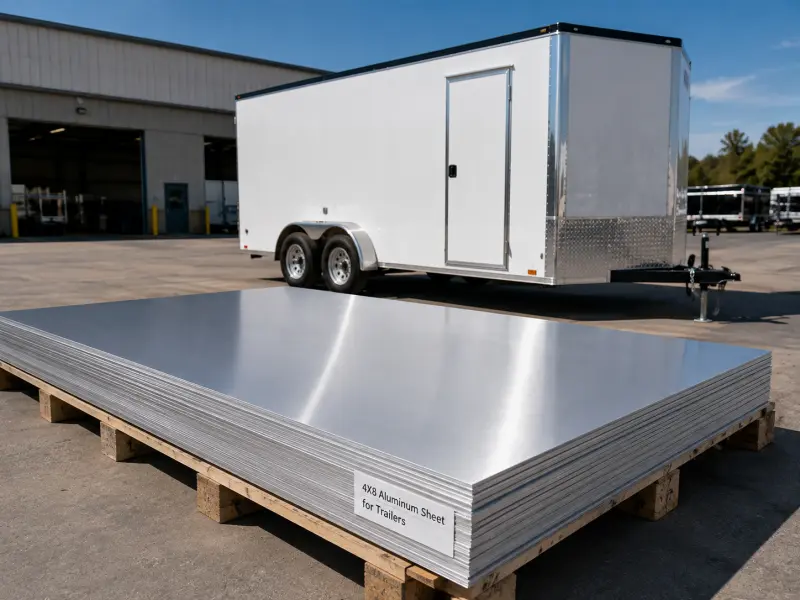
A manufacturer can often provide more than standard aluminium coils.
Possible options include:
- Custom alloy
- Custom temper
- Custom thickness
- Custom width
- Custom coil length
- Custom inner diameter
- Custom outer diameter
- Slitting
- Embossing
- Painting
- Protective film
- Custom packaging
For regular projects, customized coil specifications can improve production efficiency and reduce material waste.
Why Direct Factory Supply Can Be Useful
When buying directly from a manufacturer, customers can discuss the material and processing requirements before production.
This can be useful for:
Product development
→ Sample production
→ Specification confirmation
Bulk production
Quality inspection
→ Export packaging
→ Shipment
For repeat orders, keeping the same specifications can also make future purchasing easier.
A Practical Comparison Before You Buy
Instead of comparing only the unit price, compare the complete package.
| Item | Option A | Option B |
|---|---|---|
| Alloy | 1050 | 3003 |
| Temper | H14 | H14 |
| Thickness | 0.8 mm | 0.8 mm |
| Width | 1000 mm | 1000 mm |
| Surface | Mill | Painted |
| Coil weight | 1.5 tons | 1.5 tons |
| Processing | None | Slitting |
| Packaging | Export | Export |
| Application | General | Outdoor |
This gives the buyer a clearer understanding of the actual value.
A Better Way to Request Aluminum Sheet Metal Roll Prices
A simple inquiry can include:
Alloy: 3003
Temper: H14
Thickness: 1.0 mm
Width: 1000 mm
Surface: Mill finish
Coil weight: 1–2 MT
Quantity: 10 MT
Application: Roll forming
Destination: USA
This type of inquiry is much easier for a factory to quote accurately.
Content Idea: “From Coil to Finished Product”
You can also add a visual-style section to the page. This is useful for making the product page look less like a standard SEO article.
RAW MATERIAL
Aluminium coil
↓
ROLLING
Controlled thickness
↓
SURFACE PROCESSING
Mill / painted / embossed
↓
SLITTING
Custom width
↓
QUALITY CHECK
Thickness / width / surface
↓
PACKAGING
Export protection
↓
CUSTOMER
Ready for fabrication
This section naturally explains the manufacturing process without creating another generic “production process” paragraph.
Content Idea: Choose Your Coil in 30 Seconds
| If you need… | Consider… |
|---|---|
| Easy bending | O or softer temper |
| General fabrication | 1050 / 1100 / 3003 |
| Higher strength | 5052 / suitable 6xxx alloy |
| Roofing | 3003 / 3105 / coated options |
| Gutter | Painted 3005 / 3105-type options |
| Insulation | Plain or embossed jacketing |
| Decorative finish | Brushed / mirror / painted |
| Continuous production | Roll supply |
| Narrow strips | Slit coil |
| Large production volume | Jumbo coil |
This kind of “quick selection” section is very suitable for product pages because visitors can quickly find the direction they need.
Final Buying Tip
The best aluminum sheet metal roll is not necessarily the cheapest coil.
A better choice should balance:
Price
+
Alloy
+
Temper
+
Thickness
+
Width
+
Surface
+
Processing
+
Production efficiency
For manufacturers, the right coil specification can reduce waste, improve machine performance, and make the finished product more consistent.
Frequently Asked Questions
What is the minimum order quantity for custom aluminum rolls?
Most standard sizes have low minimum order limits. For special alloy grades or unique widths, please contact our sales team to discuss your project needs.
Can an aluminum sheet metal roll be painted or coated?
Yes. Aluminum takes paint, powder coating, and anodizing very well. Many customers choose pre-painted coils for architectural and roofing projects to save time.
How do I store aluminum rolls to prevent damage?
Keep rolls in a dry, indoor area. Protect them from moisture and rain. Use wooden pallets to keep them off the floor and avoid stacking heavy items directly on top.
Which alloy is best for outdoor coastal environments?
Alloy 5052 is the top choice for coastal areas. It contains magnesium, which gives it superior resistance to salt water and harsh weather corrosion.