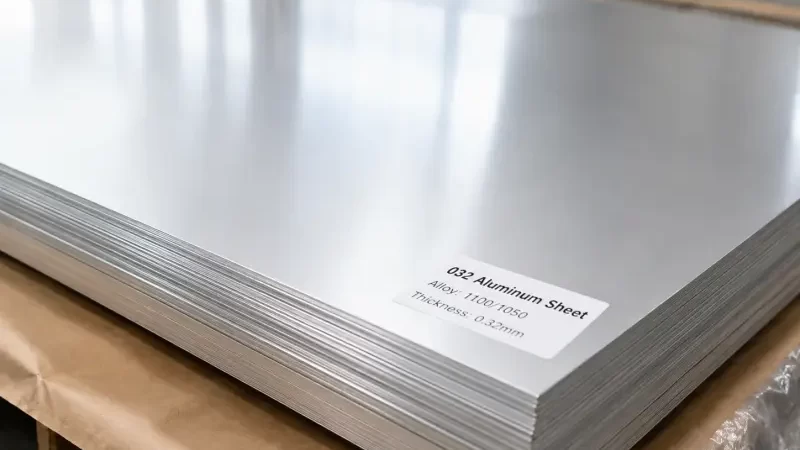
What Does 032 Mean on an Aluminum Sheet?
When you see 032 on a spec sheet, it means 0.032 inches thick.
That equals 0.813 millimeters. In the aluminum trade, this is one of the most ordered light-gauge sheet sizes.
It is thick enough to hold its shape but thin enough to bend by hand or with simple brake tools. Contractors, sign makers, and metal fabricators all keep this size in stock because it handles so many jobs without waste.
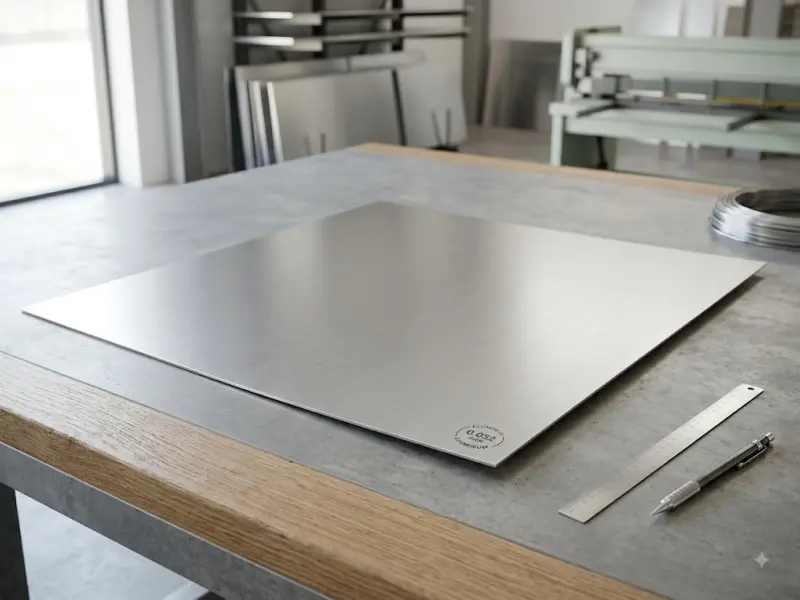
Thickness in Context: How 032 Stacks Up
Aluminum sheet thickness is usually written as a decimal in inches. Some buyers use gauge numbers, but decimals are clearer. Here is where 032 sits in the common lineup.
| Thickness (inches) | Thickness (mm) | Common Name | Feel | Best Use |
|---|---|---|---|---|
| 0.020 | 0.51 | Very light | Floppy, easy to wrinkle | Sign faces, decorative trim |
| 0.024 | 0.61 | Light | Flexible, needs backing | Soffit, light flashing |
| 0.032 | 0.81 | Light-medium | Stiff but workable | Fascia, gutters, small panels |
| 0.040 | 1.02 | Medium | Rigid, good span strength | Roofing, wall panels |
| 0.050 | 1.27 | Medium-heavy | Very rigid | Structural trim, heavy panels |
| 0.063 | 1.60 | Heavy | Hard to bend by hand | Load-bearing panels, thick guards |
The 032 aluminum sheet hits a sweet spot. It is 33% thicker than 024. That extra metal stops oil-canning on flat panels. Yet it is still 20% thinner than 040, so it costs less and forms more easily.
Alloy Breakdown: Picking the Right Metal Recipe
Not every 032 sheet uses the same alloy. The metal mix changes strength, corrosion resistance, and how the sheet behaves on a brake.
3003: The All-Rounder
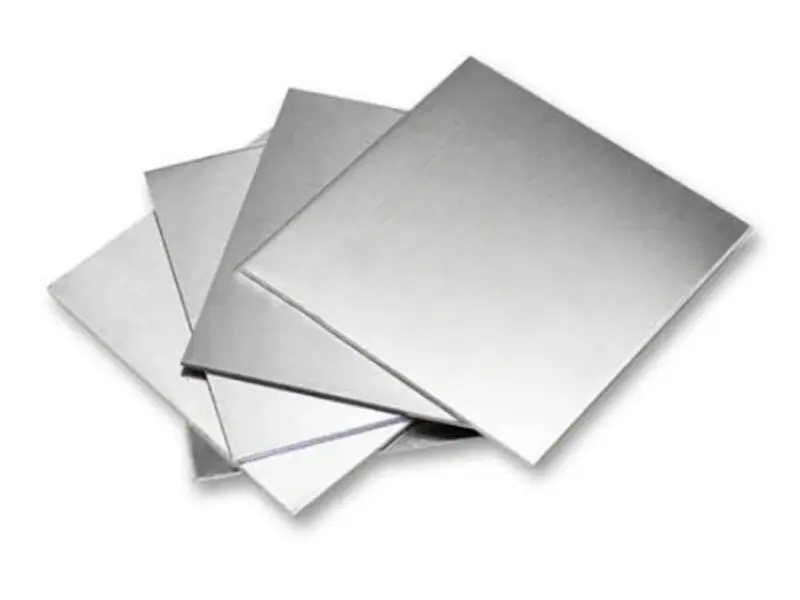
3003 is the most common alloy for 032 aluminum sheet. It contains manganese. That gives it better strength than pure aluminum without making it hard to bend. It resists corrosion in normal air and water. Roofers, gutter installers, and HVAC shops order 3003 H14 as their default.
5052: Coastal and Marine Grade
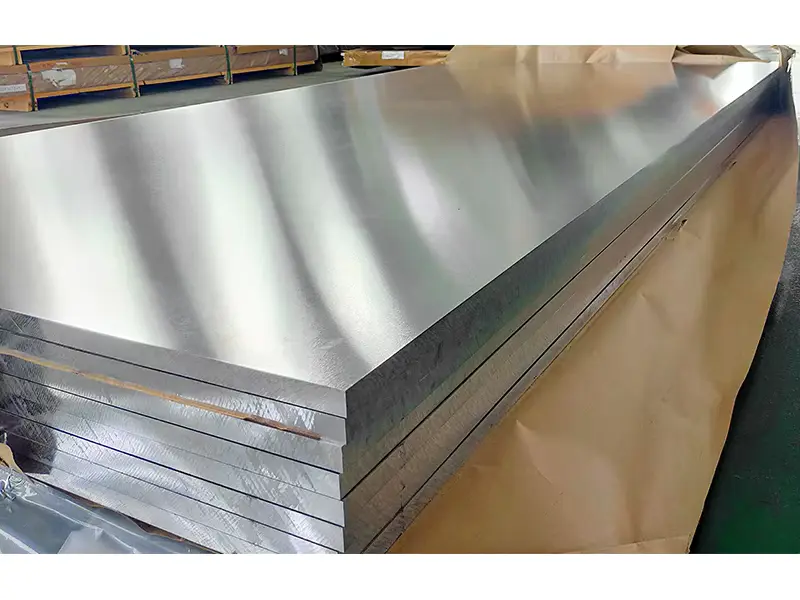
5052 adds magnesium. It is stronger than 3003 and handles salt air far better. If your 032 sheet will live near the ocean or face harsh chemicals, 5052 is worth the extra cost. It is slightly harder to form, so you need a better brake and a larger bend radius.
6061: Structural Strength
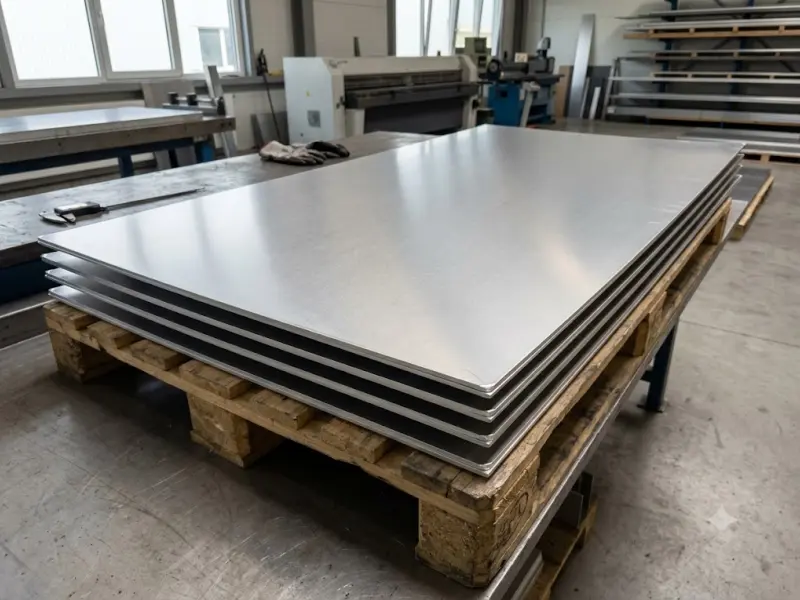
6061 is a heat-treatable alloy with magnesium and silicon. It is much stronger than 3003 or 5052. In 032 thickness, it is not common for general sheet metal work because it is stiffer and more prone to cracking on tight bends. It shows up in brackets, small structural clips, and machine parts where strength matters more than formability.
3105: The Paint-Friendly Option
3105 is close to 3003 but formulated to hold paint better. Many painted 032 aluminum sheets use 3105 as the base. It forms well and takes PVDF or polyester coatings without peeling. If you need a colored finish, ask for 3105 first.
| Alloy | Main Alloying Element | Strength | Formability | Corrosion Resistance | Best 032 Use |
|---|---|---|---|---|---|
| 3003 | Manganese | Medium | Excellent | Very good | General fabrication, roofing, gutters |
| 5052 | Magnesium | High | Good | Excellent | Marine, coastal, chemical exposure |
| 6061 | Mg + Si | Very high | Fair | Good | Structural brackets, clips, parts |
| 3105 | Manganese | Medium | Very good | Very good | Painted panels, colored trim |
Temper States: How Hard Is Your Sheet?
Temper tells you how the metal was treated after rolling. This changes hardness and bendability.
| Temper | Hardness | Bend Radius (approx.) | Best For |
|---|---|---|---|
| O (Annealed) | Very soft | 0T | Deep drawing, complex shapes |
| H12 | Quarter hard | 0T to 1T | Light forming, easy bends |
| H14 | Half hard | 1T to 2T | Fascia, gutters, standard panels |
| H16 | Three-quarter hard | 2T to 3T | Flat panels, more stiffness |
| H18 | Fully hard | 3T+ | Rigid parts, minimal forming |
| H24 | Half hard, stress-relieved | 1T to 2T | Roofing, long panels, less springback |
Most 032 aluminum sheet ships in H14 temper. It is stiff enough to stay flat on a wall but soft enough to bend into a gutter profile without cracking. H24 is also popular for roofing because it holds its shape after bending and has less springback.
032 vs Other Gauges: A Job-Side Comparison
Contractors often debate whether to step up or down from 032. Here is how the choice plays out in real work.
| Factor | 024 Sheet | 032 Sheet | 040 Sheet |
|---|---|---|---|
| Weight per 100 sq ft | ~37 lbs | ~50 lbs | ~62 lbs |
| Wind resistance | Low | Moderate | Good |
| Oil canning risk | High | Low | Very low |
| Ease of hand bending | Very easy | Easy | Moderate |
| Cost per sq ft | Lowest | Low | Medium |
| Typical use | Soffit, light flashing | Fascia, gutters, signs | Roofing, wall panels |
If you are wrapping fascia or building small boxes, 032 gives you a cleaner look than 024. If you are spanning open rafters with no backing, 040 is safer. For most trim and detail work, 032 is the happy medium.
Manufacturers offer 032 aluminum sheet in many forms. Each one suits a different end use.
Product Types: More Than Just Plain Metal
Mill Finish
This is bare aluminum with no coating. It has a dull silver look. Mill finish 032 sheet is the cheapest option. It works for hidden parts, backing plates, and paint-ready panels. Left outdoors, it will oxidize slightly but not rust.
Painted and Color-Coated
Factories apply PE or PVDF paint to the sheet before it reaches you. Common colors include white, bronze, charcoal, and custom RAL matches. Painted 032 aluminum sheet saves you field painting time. It is popular for fascia, soffit, and decorative wall panels.
Anodized
Anodizing grows a hard oxide layer on the surface. This layer resists scratches and corrosion. Clear anodized 032 sheet keeps the metallic look. Colored anodized versions add bronze or black tones. Architects specify anodized finishes for high-end trim.
Perforated
The sheet gets punched with round, square, or slotted holes. Perforated 032 aluminum sheet works for screens, vents, and decorative panels. The holes reduce weight and allow airflow while the 032 thickness keeps the panel rigid.
Expanded Metal
A knife cuts and stretches the sheet into a diamond mesh. Expanded 032 sheet is used for guards, grilles, and walkway surfaces. It is lighter than perforated sheet but still strong because no material is removed.
Stucco Embossed
The surface is rolled with a pattern that looks like orange peel. Stucco embossed 032 sheet hides scratches and adds stiffness. It is often used for insulation jacketing and decorative wall coverings.
Diamond Plate
Raised diamond patterns are pressed into the sheet. Diamond plate 032 is rare because the pattern needs thicker metal to form cleanly. It is available in short runs for specialty flooring and step treads.
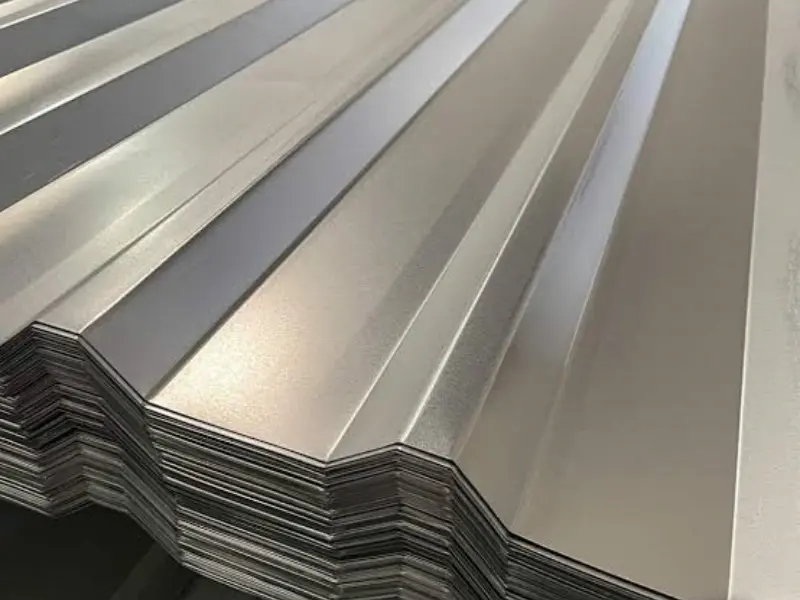
Weight Data: What Will It Cost to Ship?
Aluminum is light, but weight still matters for freight and handling. Here is how 032 sheet weighs out.
| Alloy | Approx. Weight per sq ft | Weight per 4×8 sheet | Weight per 4×10 sheet |
|---|---|---|---|
| 3003 H14 | 0.456 lbs | 14.6 lbs | 18.2 lbs |
| 5052 H32 | 0.456 lbs | 14.6 lbs | 18.2 lbs |
| 6061 T6 | 0.456 lbs | 14.6 lbs | 18.2 lbs |
Note that density varies slightly by alloy, but at 032 thickness the difference is small. A full pallet of 50 sheets at 4 by 10 feet weighs roughly 900 to 950 pounds. That is light enough for a standard truck but heavy enough to stay put in wind.
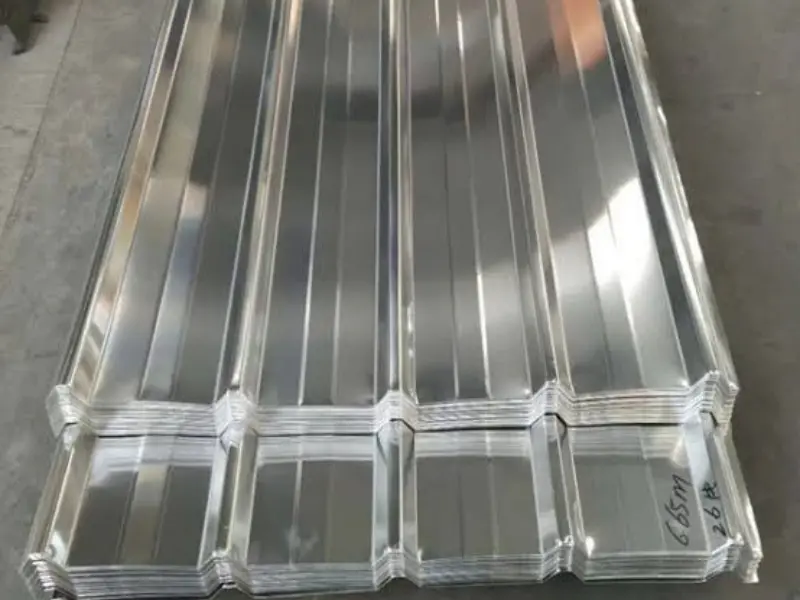
Standard Sizes You Can Actually Buy
032 aluminum sheet is stocked in standard dimensions. Custom cutting is widely available.
| Width (inches) | Length (inches) | Common Name | Typical Use |
|---|---|---|---|
| 36 | 96 | 3 x 8 ft | Small panels, backsplashes |
| 48 | 96 | 4 x 8 ft | Standard sheet, general fab |
| 48 | 120 | 4 x 10 ft | Long fascia, gutter coil source |
| 48 | 144 | 4 x 12 ft | Roofing, long trim runs |
| 60 | 120 | 5 x 10 ft | Wide panels, commercial work |
The 48 by 120 inch size is the most popular for 032 aluminum sheet. It feeds brake machines and roll formers with minimal waste.
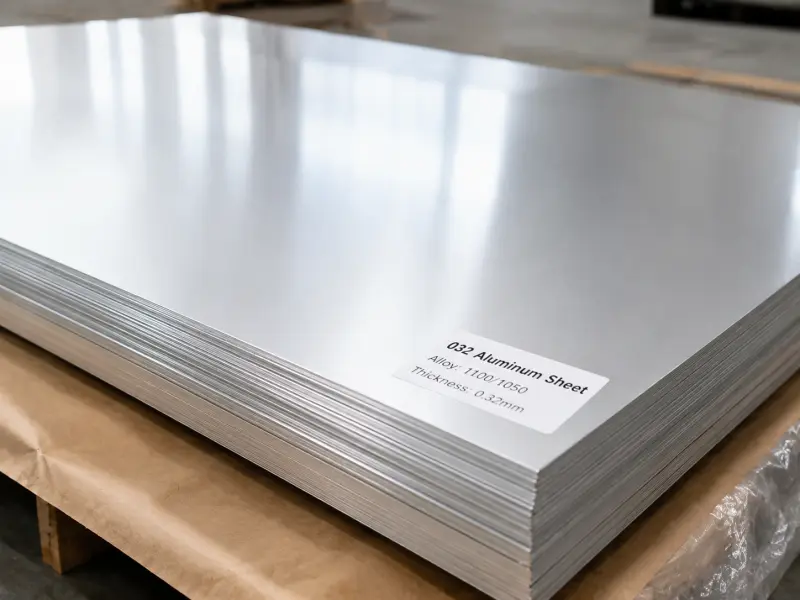
Cost Factors: What Drives the Price of 032 Sheet
Not all 032 aluminum sheet costs the same. Several variables move the price.
| Factor | Low Cost Option | High Cost Option | Price Impact |
|---|---|---|---|
| Alloy | 3003 | 5052, 6061 | 10–30% more for higher alloys |
| Temper | H14 | H18, special rolled | Minimal for standard tempers |
| Finish | Mill finish | Anodized, PVDF painted | 20–50% more for premium finishes |
| Size | 4×8 standard | 4×12 or custom cut | Custom sizes add cutting fees |
| Quantity | Full pallet | One or two sheets | Small orders pay premium per lb |
| Certification | Commercial grade | ASTM B209, AMS 4006 | Certified material costs slightly more |
If you need 032 sheet for a visible architectural job, invest in painted or anodized finish. If it will be hidden inside a wall, mill finish 3003 H14 saves money without hurting performance.
Applications: Where 032 Sheet Shows Up
This thickness is everywhere in construction and fabrication. Here is where you will find it:
- Fascia wrap – covers exposed rafter tails and sub fascia boards
- Gutter fabrication – formed into K-style or box gutters on site
- Soffit panels – vented or solid panels under eaves
- Flashing – roof penetrations, wall transitions, step flashing
- Sign blanks – routed and painted for commercial signage
- HVAC duct wrap – custom fittings and plenums
- Appliance panels – decorative covers for washers and dryers
- Food truck bodies – lightweight wall and ceiling panels
- Trailer siding – enclosed cargo trailers and utility bodies
- Electrical enclosures – custom boxes and junction covers
- Automotive patch panels – floor pans and inner fender repairs
- Art and sculpture – foldable metal for indoor and outdoor pieces
- Kick plates – door protection in commercial buildings
- Backsplashes – kitchen and lab walls behind sinks
Bending and Forming: What Works at 032
This thickness forms well on standard equipment. Here are practical tips.
Painted sheets need a slightly larger radius than mill finish. The paint can craze if the bend is too sharp.
Use a brake with a 1 to 2 inch jaw width. Narrower jaws can mark the metal.
Set the bend radius to at least 1T for 3003 H14. That means about 0.032 inches inside radius.
For 5052, increase the radius to 2T to avoid cracking on the outer edge.
Pre-drill holes for screws at least 1 inch from any bend. The metal can tear if the hole is too close.
When hand bending, score the back side lightly with a blunt tool to create a crisp line.
032 Aluminum Sheet for Roofing: Is It Thick Enough?
For roofing, 032 is on the light side but still usable. It works best for standing seam panels on solid decking or purlins spaced no more than 16 inches apart. On wide open purlins at 24 inches, 032 can show oil canning. Most residential metal roofing uses 032 or 040. If you live in a high-wind zone, step up to 040 or 050. For porch roofs and small sheds, 032 is fine and saves weight.
Welding and Joining 032 Sheet
This thickness welds easily with TIG or MIG. Use 4043 filler rod for 3003 base metal. Use 5356 filler for 5052. Keep heat low and move fast. 032 sheet burns through quickly if you linger. For mechanical joints, pop rivets and sheet metal screws work well. Seal joints with polyurethane caulk or butyl tape for water tightness.
Storage and Handling Tips
Aluminum does not rust, but it can scratch and stain. Store 032 sheets flat on a dry floor or rack. Do not lean them against a wall at an angle. They can bow and take a set.
Keep mill finish sheets away from wet concrete. The alkaline moisture can etch the surface. Wear gloves when handling painted or anodized sheets. Finger oils can leave marks that are hard to clean before installation.
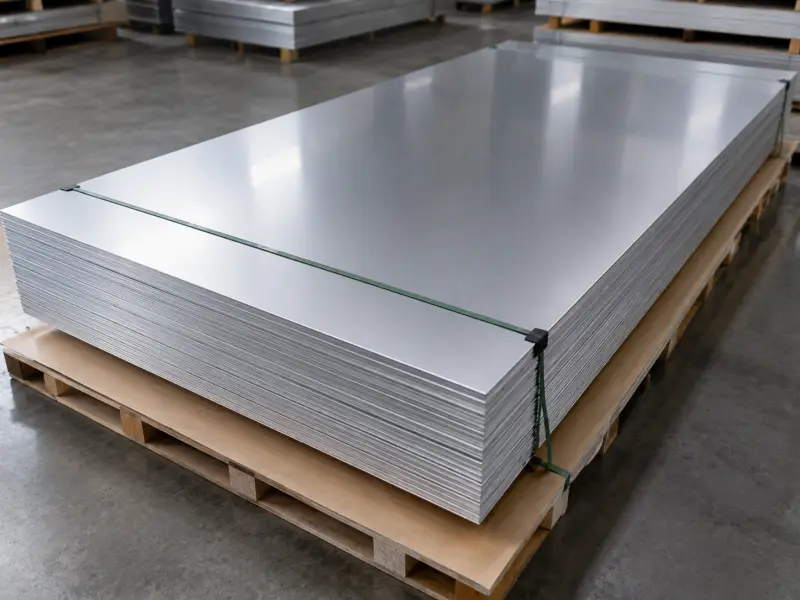
What Does 032 Aluminum Sheet Mean?
The term 032 aluminum sheet usually refers to aluminum sheet with a thickness of 0.032 inch. It is a thin aluminum sheet that offers a useful balance between weight, strength, flexibility, and cost.
For buyers, it is important to confirm the actual thickness before ordering. Different suppliers may describe the same material as 0.032 inch, 0.8 mm, or a similar metric thickness.
| Description | Approximate value |
|---|---|
| Inch thickness | 0.032 in |
| Metric thickness | About 0.81 mm |
| Thickness category | Thin aluminum sheet |
| Weight | Relatively light |
| Fabrication | Easy to cut and form |
| Supply form | Sheet or cut-to-size |
The final tolerance should be confirmed with the supplier, especially when the material is used for precision fabrication.
032 Aluminum Sheet in Inch and Metric Sizes
International buyers often use different measurement systems. A clear conversion helps avoid ordering mistakes.
| Inch size | Approximate metric size |
|---|---|
| 0.025 in | 0.64 mm |
| 0.032 in | 0.81 mm |
| 0.040 in | 1.02 mm |
| 0.050 in | 1.27 mm |
| 0.063 in | 1.60 mm |
| 0.080 in | 2.03 mm |
| 0.100 in | 2.54 mm |
For international orders, both inch and metric dimensions can be listed on the quotation and packing documents.
032 Aluminum Sheet vs 0.040 Aluminum Sheet
A small difference in thickness can affect fabrication and material weight.
| Feature | 0.032 Aluminum Sheet | 0.040 Aluminum Sheet |
|---|---|---|
| Thickness | Thinner | Thicker |
| Weight | Lower | Higher |
| Flexibility | Higher | Lower |
| Rigidity | Lower | Higher |
| Cutting | Easy | Easy |
| Forming | Easier | Moderate |
| Material cost | Usually lower | Usually higher |
The 0.032 inch option is useful when low weight and easy fabrication are important. The 0.040 inch option can be better when additional rigidity is needed.
032 Aluminum Sheet vs 0.063 Aluminum Sheet
For a more noticeable thickness difference, buyers can compare 0.032 inch and 0.063 inch sheets.
0.032 inch → lightweight and easier to form
0.063 inch → thicker and more rigid
The right choice depends on the finished product. A thin panel does not always need a thick aluminum sheet. Using a thicker material can add unnecessary weight and cost if the application does not require it.
How Alloy Changes the Performance of 032 Aluminum Sheet
Thickness is only one part of aluminum sheet selection. The alloy also affects performance.
| Alloy | Main characteristic | Typical direction |
|---|---|---|
| 1050 | High purity and good formability | General fabrication |
| 1060 | Good corrosion resistance | General sheet products |
| 1100 | Good formability | Industrial and fabrication work |
| 3003 | Better strength than 1xxx series | General industrial use |
| 5052 | Higher strength and good corrosion resistance | Outdoor and marine-related use |
| 6061 | High strength | Structural and machined parts |
For many general sheet applications, 3003 is a practical choice. When higher strength is needed, 5052 may be considered.
Temper Selection for 032 Aluminum Sheet
The temper describes the condition of the aluminum after processing.
Common options include:
| Temper | General characteristic |
|---|---|
| O | Soft and highly formable |
| H12 | Partially hardened |
| H14 | Medium hardness |
| H16 | Higher hardness |
| H18 | Hard condition |
| H32 | Stabilized and moderately hard |
A softer temper is useful for bending and forming. A harder temper can provide better strength and stiffness.
The best temper should be selected according to the forming process rather than simply choosing the hardest material.
Can 032 Aluminum Sheet Be Bent?
Yes. Many 0.032 inch aluminum sheets can be bent, but the result depends strongly on the alloy and temper.
For example, a soft aluminum sheet is generally easier to form than a hard-temper sheet.
Before production, buyers should consider:
→ Bend angle
→ Bend radius
→ Alloy
→ Temper
→ Forming equipment
→ Grain direction
For repeated bending or deep forming, it is better to confirm the required bend radius with the manufacturer.
Cutting 032 Aluminum Sheet
Because 0.032 inch aluminum is relatively thin, it can be processed using different cutting methods.
Common methods include:
- Guillotine cutting
- Shearing
- Laser cutting
- CNC cutting
- Waterjet cutting
- Punching
The best process depends on the quantity, shape, tolerance, and edge requirements.
For simple rectangular pieces, shearing can be efficient. For complex shapes, CNC or laser cutting may be more suitable.
Surface Options for 032 Aluminum Sheet
A plain mill finish is only one option.
Depending on the project, buyers can request:
Mill Finish
A standard aluminum surface for fabrication and industrial use.
Bright Finish
A cleaner and more reflective metallic appearance.
Brushed Finish
Fine linear marks create a decorative surface.
Anodized Finish
Provides a protective oxide layer and can improve surface appearance.
Painted Finish
Useful when color and additional surface protection are required.
Embossed Finish
A textured surface can provide a different appearance and surface structure.
032 Aluminum Sheet for Custom Fabrication
One advantage of thin aluminum sheet is its suitability for custom fabrication.
It can be processed into:
- Covers
- Panels
- Trim parts
- Decorative components
- Enclosures
- Signs
- Equipment parts
- HVAC components
- Interior panels
The final design should determine the alloy and temper. A material that works well for a flat panel may not be the best choice for deep forming.
Flat Sheet or Cut-to-Size 032 Aluminum?
Buyers can usually choose between standard sheets and custom-cut pieces.
| Option | Best for | Main advantage |
|---|---|---|
| Standard sheet | General fabrication | Flexible for different projects |
| Cut-to-size | Fixed dimensions | Less cutting waste |
| CNC-cut sheet | Complex shapes | Precise shapes |
| Slit sheet | Narrow components | Suitable for repeated parts |
For high-volume production, cut-to-size material can reduce labor and material waste.
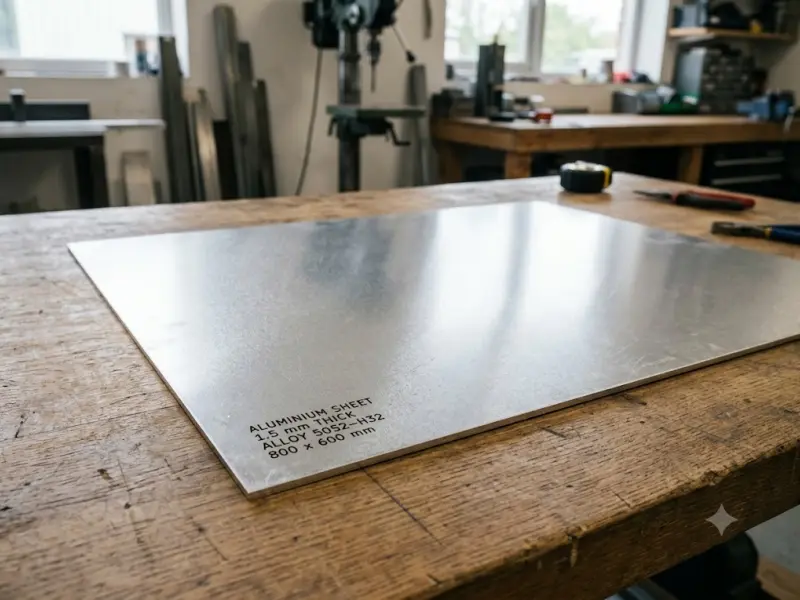
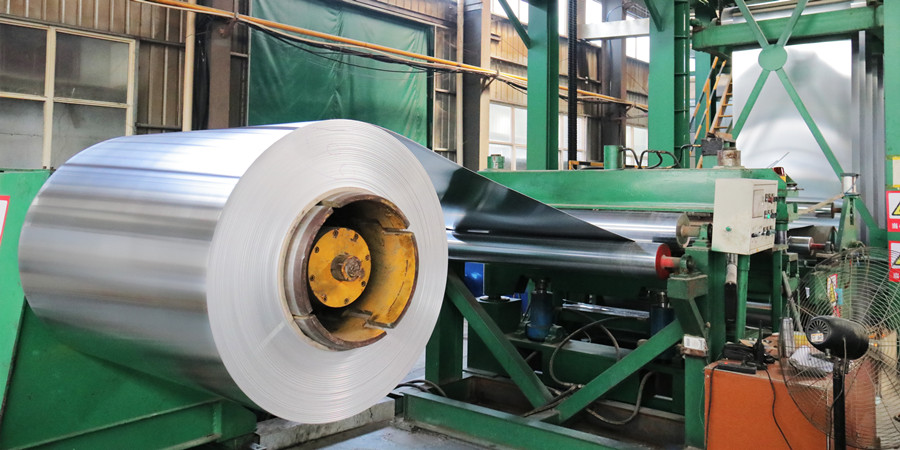
The price of 032 aluminum sheet is not determined only by thickness.
Several factors affect the final quotation:
Alloy + temper + thickness + width + length + surface + quantity + processing + packaging
For example, a standard mill finish sheet may have a lower cost than an anodized or painted sheet.
Custom cutting can also increase the price, but it may reduce waste and labor on the buyer’s side.
This is why the lowest price per kilogram is not always the lowest total project cost.
How Sheet Size Affects the Total Cost
Standard Sheet vs Custom Sheet
A standard sheet is suitable when the customer has its own cutting equipment.
A custom sheet can be more efficient when the customer needs finished dimensions.
Standard sheet
→ Lower processing requirements
→ Flexible for different projects
→ Suitable for stock keeping
→ Good for distributors and fabricators
Custom sheet
→ Less cutting work
→ Lower material waste
→ Faster production
→ Suitable for repeated dimensions
For large orders, custom dimensions can be discussed directly with the manufacturer.
What Influences the Quality of 032 Aluminum Sheet?
Good aluminum sheet should have consistent thickness and a clean surface.
Important quality points include:
| Quality point | What buyers should check |
|---|---|
| Thickness | Actual thickness and tolerance |
| Width | Width tolerance |
| Length | Length tolerance |
| Flatness | Surface should remain stable |
| Surface | No serious scratches or dents |
| Edge | Clean and suitable for processing |
| Alloy | Confirmed by material certificate |
| Temper | Matches the purchase order |
For industrial buyers, consistent quality between batches is especially important.
Packaging of 032 Aluminum Sheet
Thin aluminum sheet can be damaged if it is not packed correctly.
A typical export package may include:
→ Protective film
→ Kraft paper
The → Moisture-resistant material
The → Corner protection
→ Wooden pallet
→ Strong outer packaging
For long-distance shipping, the package should protect the sheets from moisture, impact, bending, and surface scratches.
What Information Should You Send for a Quotation?
A clear inquiry helps the manufacturer provide a more accurate quotation.
You can provide:
| Required information | Example |
|---|---|
| Product | 032 Aluminum Sheet |
| Thickness | 0.032 inch |
| Alloy | 3003 |
| Temper | H14 |
| Width | 48 inch |
| Length | 96 inch |
| Surface | Mill finish |
| Quantity | 5 tons |
| Cutting | Standard sheet |
| Packaging | Export packing |
If the alloy or temper is not fixed, you can describe the application and forming requirements. The supplier can then suggest a suitable option.
Choosing 032 Aluminum Sheet for Different Projects
A simple decision path can make purchasing easier:
Need easy forming?
→ Consider a softer temper.
Need more strength?
→ Consider 3003 or 5052.
Need a decorative surface?
→ Consider anodized, brushed, painted, or embossed aluminum.
Need low weight?
→ 0.032 inch can be a useful option.
Need more rigidity?
→ Compare 0.040, 0.050, or 0.063 inch.
Need fixed dimensions?
→ Ask for cut-to-size production.
This approach is more useful than selecting a sheet only by thickness.
032 Aluminum Sheet for Different Manufacturing Processes
The same thickness can be used in different production processes, but the material condition may need to change.
| Process | Important material factor |
|---|---|
| Bending | Temper and bend radius |
| Stamping | Formability |
| Punching | Hardness and tooling |
| Laser cutting | Thickness and surface |
| CNC machining | Alloy and hardness |
| Rolling | Formability |
| Welding | Alloy and temper |
| Anodizing | Surface quality |
This is especially important for manufacturers buying aluminum sheet for repeated production.
Why Buy 032 Aluminum Sheet Directly From a Manufacturer?
Buying directly from a manufacturer can provide more flexibility in specifications.
Customers may be able to request:
- Different aluminum alloys
- Different tempers
- Custom thicknesses
- Custom widths
- Custom lengths
- Surface finishes
- Protective film
- Cut-to-size sheets
- Export packaging
- Material certificates
For larger orders, direct factory supply can also make it easier to maintain consistent specifications across multiple shipments.
A Practical 032 Aluminum Sheet Buying Checklist
Before placing an order, check these points:
Thickness: 0.032 inch
Alloy confirmed
Temper confirmed
Sheet dimensions confirmed
Surface finish confirmed
Quantity confirmed
Tolerance confirmed
Packaging confirmed
Delivery time confirmed
Required certificates confirmed
This simple checklist can prevent many common ordering problems.
Factory Supply for 032 Aluminum Sheet
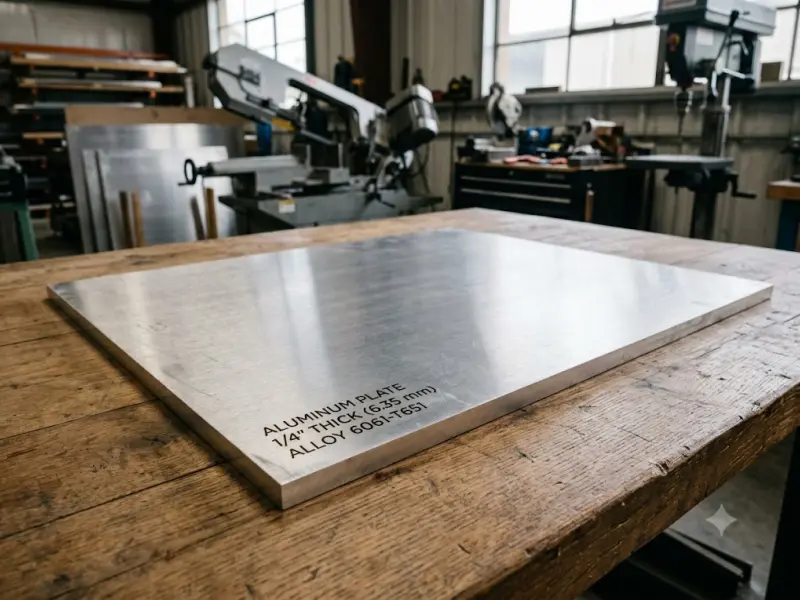
Our aluminum product range covers different alloys, tempers, thicknesses, and surface finishes.
We can supply aluminum sheets for general fabrication, industrial production, construction, decoration, transportation, HVAC, signage, and custom manufacturing.
For 032 aluminum sheet, customers can discuss the required alloy, temper, dimensions, surface finish, quantity, and packaging before production.
If a standard 0.032 inch sheet does not fit your project, custom sizes and other thickness options can also be considered.
Frequently Asked Questions
Is 032 aluminum sheet the same as 20 gauge?
No. In aluminum, gauge numbers are confusing. A 20 gauge aluminum sheet is roughly 0.032 inches, but gauge charts vary by metal type. It is safer to order by decimal thickness. When you ask for 032, you get exactly 0.032 inches.
Can I bend 032 aluminum by hand?
Yes, if the piece is narrow. A 6-inch strip of 3003 H14 can be bent over the edge of a workbench. For wider panels or tighter bends, use a sheet metal brake. 5052 will need more force or a longer lever.
What is the best alloy for gutters?
3003 H14 is the standard. It forms easily into gutter profiles and resists corrosion from rainwater. If you live near the ocean, 5052 H32 lasts longer but costs more.
How do I stop 032 sheet from oil canning?
Oil canning is the wavy look on flat metal. Use 032 on a solid backing like plywood or oriented strand board. If you must span open framing, add stiffening ribs or switch to 040. Also, avoid over-tightening screws. That pinches the metal and creates waves.
Can 032 aluminum be used for food contact?
Bare 3003 and 5052 are both food safe. However, the mill finish surface can react with acidic foods. For food prep surfaces, use anodized or plastic-laminated sheet. Many commercial kitchens use 032 aluminum for backsplash and wall panels.
What primer should I use if I paint mill finish 032 myself?
Use an etching primer designed for aluminum. Standard rust-inhibiting primers for steel will not bond well. Clean the surface with denatured alcohol first. Lightly scuff with fine sandpaper to give the primer a mechanical bite.
Is there a difference between 032 plate and 032 sheet?
Technically, plate starts at 0.250 inches thick. Anything thinner is sheet. So 032 is always sheet, never plate. Some suppliers use the terms loosely, but the industry definition is clear.
How does 032 compare to 24 gauge steel?
24 gauge steel is about 0.0239 inches thick. 032 aluminum is 0.032 inches thick. The aluminum sheet is thicker and lighter. A 4 by 8 sheet of 032 aluminum weighs roughly 14.6 pounds. The same size in 24 gauge steel weighs about 20 pounds but is thinner and stronger.
Can I get 032 aluminum with a peel-and-stick backing?
Yes. Some suppliers offer adhesive-backed 032 sheet for trim work and nameplates. The backing is usually a high-bond acrylic foam tape. This saves time on small jobs but adds cost.
What is the largest sheet size available in 032?
Most mills stock up to 60 by 144 inches. Wider or longer sizes are possible by special order but may require minimum tonnage. For most shops, 48 by 120 inches is the practical limit for easy handling.