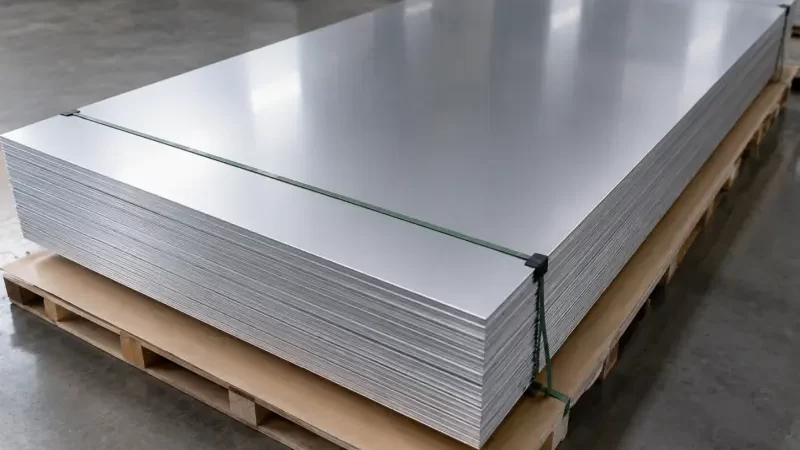
What Is a 4×8 Aluminum Panel?
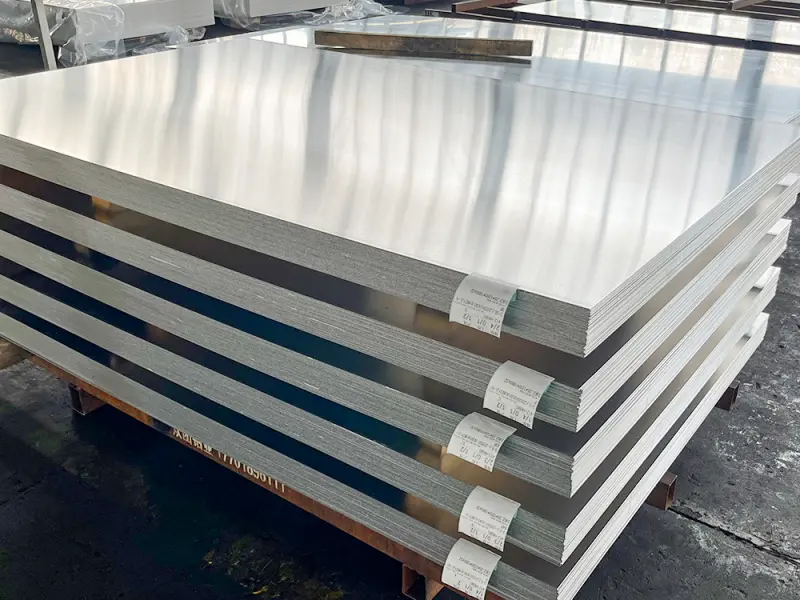
A Aluminum Panels 4×8 is a flat sheet of aluminum that measures four feet wide and eight feet long. In metric terms, that is 1219 mm by 2438 mm.
This size is one of the most common stock dimensions in the metal industry. You will find it in warehouses, fabrication shops, and construction sites across the world.
The panel can be thin like foil or thick like plate.
It can be smooth, textured, or perforated. The alloy and temper change how it behaves under load, in weather, or during welding. That is why buyers need to look past the simple “4×8” label and check what is inside the metal.
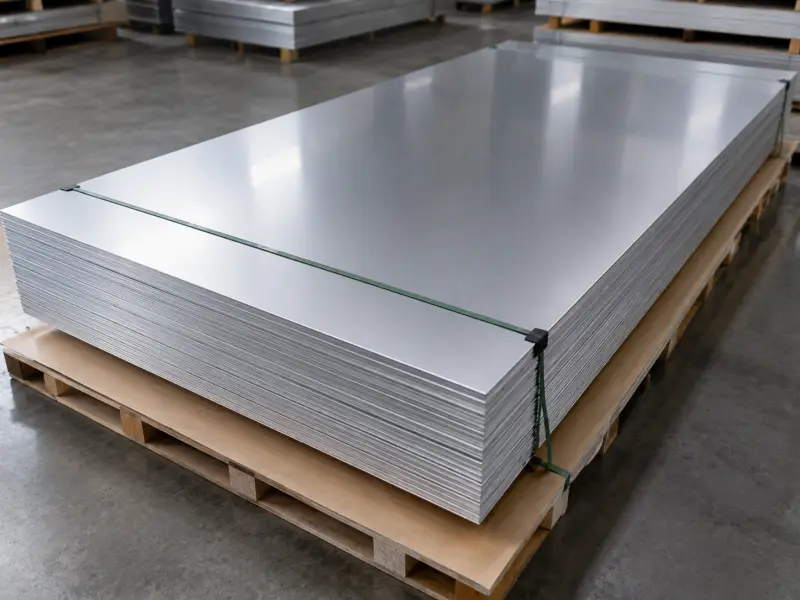
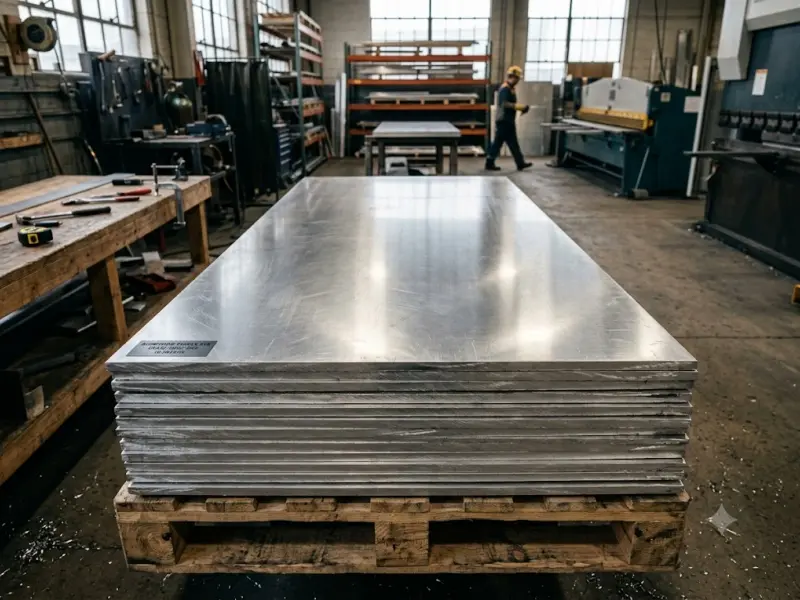
Why the 4×8 Size Stays Popular
Builders and manufacturers like this size because it fits standard trucks, pallets, and cutting tables. A full sheet covers 32 square feet. That is enough area for wall sections, trailer sides, or large signs without too many seams.
| Feature | Benefit |
|---|---|
| 4 ft width | Fits through standard doorways and on common racks |
| 8 ft length | Matches stud spacing and framing modules |
| 32 sq ft coverage | Fewer joints in roofing and cladding |
| Easy to cut | Splits into smaller blanks with minimal waste |
Because the size is so common, suppliers keep it in stock. That means shorter lead times and lower prices for buyers who do not need custom dimensions.
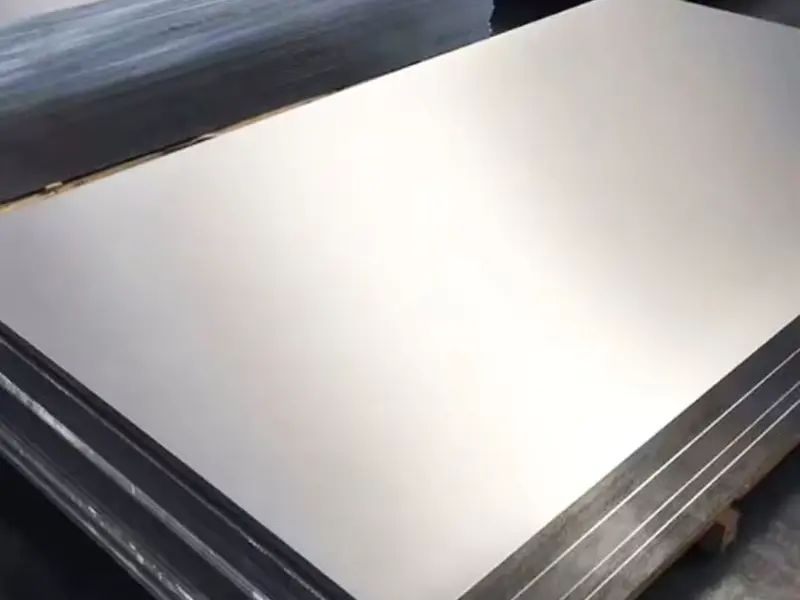
Alloy Families for 4×8 Panels
Not all aluminum is the same. The alloy number tells you what other metals are mixed with the aluminum. Here are the main groups you will see when shopping for aluminum panels 4×8.
1000 Series: Pure Aluminum
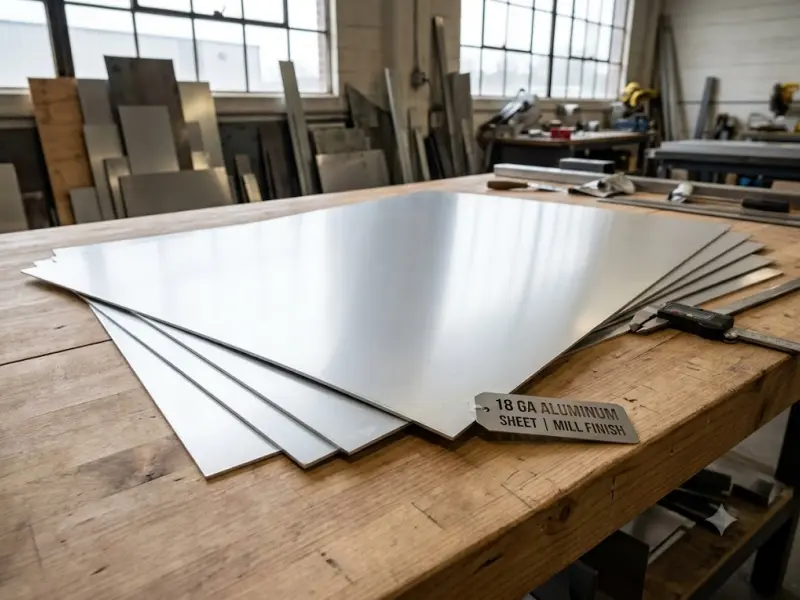
These sheets are almost pure aluminum. They bend easily and resist corrosion in normal air. People use them for chemical tanks, reflective panels, and decorative work. The most common grade is 1060.
| Property | Value |
|---|---|
| Aluminum content | 99.6% or higher |
| Strength | Low |
| Formability | Excellent |
| Typical temper | H14 |
3000 Series: Manganese Alloys
3003 is the workhorse of this group. It is about 10% stronger than pure aluminum. It also handles moisture well. You will see it in roofing, cooking equipment, and fuel tanks.
| Property | Value |
|---|---|
| Key element | Manganese |
| Strength | Moderate |
| Corrosion resistance | Good |
| Common tempers | H14, H22, O |
5000 Series: Magnesium Alloys
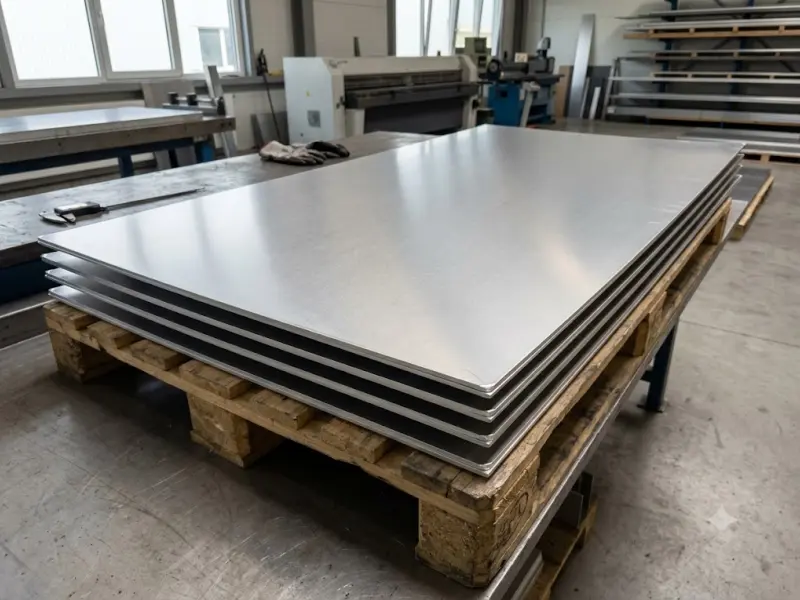
5052 and 5083 belong here. These alloys resist saltwater. That makes them the first choice for boats, marine docks, and coastal construction. They also weld nicely.
| Property | Value |
|---|---|
| Key element | Magnesium |
| Strength | Medium to high |
| Saltwater resistance | Excellent |
| Common tempers | H32, H112, O |
6000 Series: Magnesium-Silicon Alloys
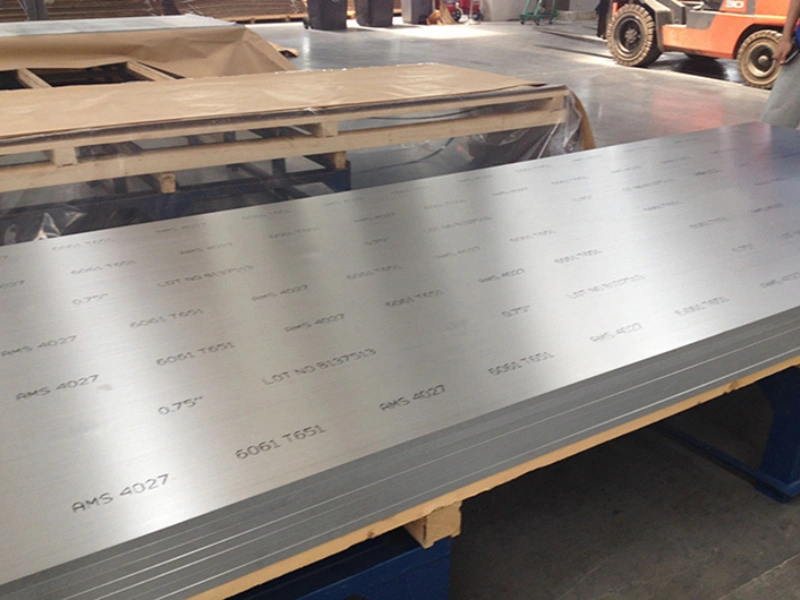
6061 is the star of this family. It has good strength and machines like a dream. You can anodize it for color and extra protection. It is popular for structural parts, frames, and tooling plates.
| Property | Value |
|---|---|
| Key elements | Magnesium + Silicon |
| Strength | Medium to high |
| Machinability | Excellent |
| Common tempers | T6, T651 |
7000 Series: Zinc Alloys
7075 is the strongest common aluminum alloy. Aircraft builders and military suppliers use it where every pound matters. It costs more and is harder to form, but the strength is unmatched.
| Property | Value |
|---|---|
| Key element | Zinc |
| Strength | Very high |
| Formability | Limited |
| Common temper | T6, T651 |
Temper Codes: What the Letters and Numbers Mean
The temper tells you how the metal was treated after rolling. This changes hardness, strength, and how easy it is to bend.
| Temper | Meaning | Typical Use |
|---|---|---|
| O | Soft, annealed | Deep drawing, spinning |
| H12 | Quarter hard | General forming |
| H14 | Half hard | Panels, signs, roofing |
| H22 | Quarter hard, strain-hardened and annealed | Better formability than H14 |
| H32 | Quarter hard, stabilized | Marine sheet, fuel tanks |
| T4 | Solution heat-treated, naturally aged | Parts that need forming after heat treat |
| T6 | Solution heat-treated, artificially aged | Structural frames, machined parts |
| T651 | T6 plus stress relieved by stretching | Precision tooling plate |
If you need to bend the sheet, avoid T6. It is strong but cracks easily in tight bends. H14 or O temper is safer for folding and brake work.
Thickness Choices for 4×8 Aluminum Sheets
Thickness is usually called out in gauge, inches, or millimeters. Here is a quick map between the three.
| Gauge | Inch | mm | Common Use |
|---|---|---|---|
| 22 ga | 0.025 | 0.64 | Ductwork, light covers |
| 20 ga | 0.032 | 0.81 | Sign blanks, trim |
| 18 ga | 0.040 | 1.02 | Wall panels, backsplashes |
| 16 ga | 0.051 | 1.29 | Trailer skin, cabinets |
| 14 ga | 0.064 | 1.63 | Truck beds, ramps |
| 1/8″ | 0.125 | 3.18 | Structural brackets, flooring |
| 3/16″ | 0.188 | 4.76 | Heavy-duty platforms |
| 1/4″ | 0.250 | 6.35 | Tooling plate, machine bases |
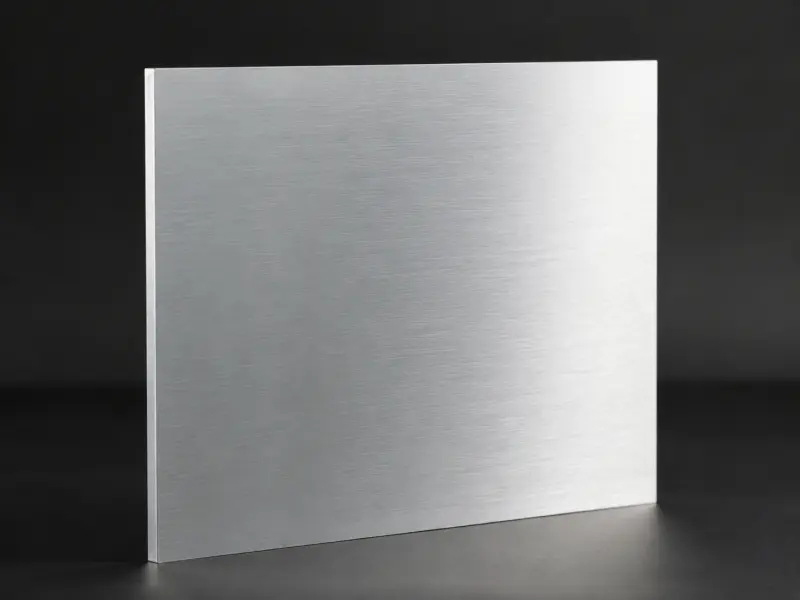
Thicker sheets cost more per unit and weigh more. But they also carry heavier loads and resist dents. Pick the thinnest sheet that still meets your strength needs to save money and weight.
Surface Finishes You Can Buy
The look and feel of a 4×8 aluminum panel change based on surface treatment. Each finish has a job to do.
| Finish | Description | Best For |
|---|---|---|
| Mill finish | Raw, unpolished metal | Hidden parts, further processing |
| Anodized | Electrochemical coating | Architecture, outdoor signs |
| Brushed | Linear scratch pattern | Elevators, furniture, appliances |
| Mirror polish | Highly reflective | Decorative walls, reflectors |
| Diamond plate | Raised diamond pattern | Floors, ramps, toolboxes |
| Stucco embossed | Bumpy texture | Roofing, insulation jackets |
| Perforated | Holes in patterns | Screens, vents, facades |
| Painted / PVDF | Color-coated curtain wall panels | Building exteriors, branding |
Anodized aluminum panels 4×8 last longer outside. The anodizing layer is part of the metal, not just paint on top. That means it will not peel or chip like a coated surface might.
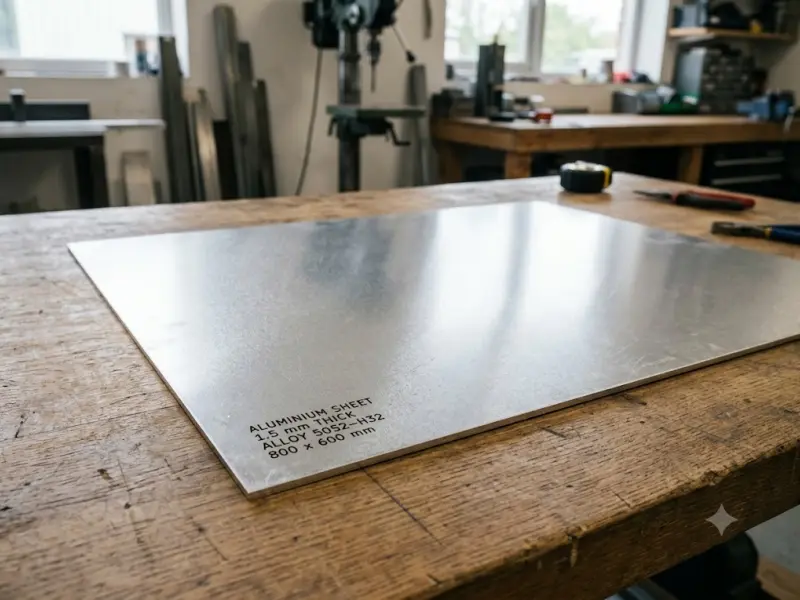
Types of 4×8 Aluminum Panels
Suppliers do not just sell flat sheets. Here are the main product types you can order in the 4×8 size.
Flat Sheet
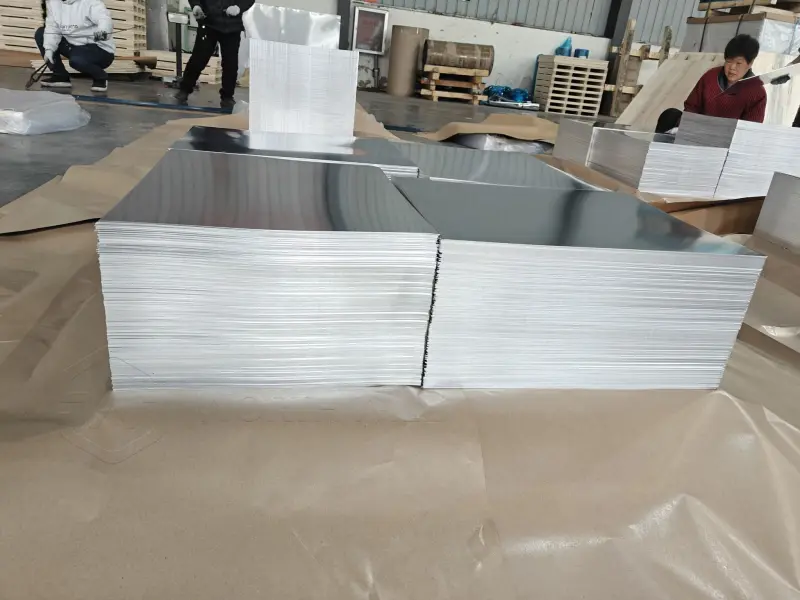
This is the basic panel. Smooth on both sides. Ready to cut, drill, weld, or bend. Available in almost every alloy and temper.
Tread Plate / Checker Plate
One side has a raised pattern. The pattern gives grip. Workers use it for stairs, walkways, and trailer floors. The most common pattern is five-bar. Diamond and three-bar patterns are also easy to find.
Perforated Sheet
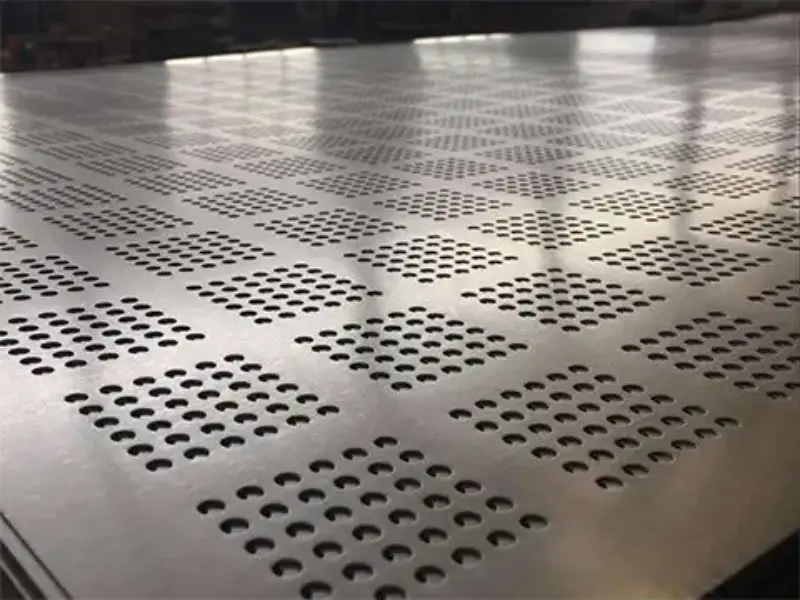
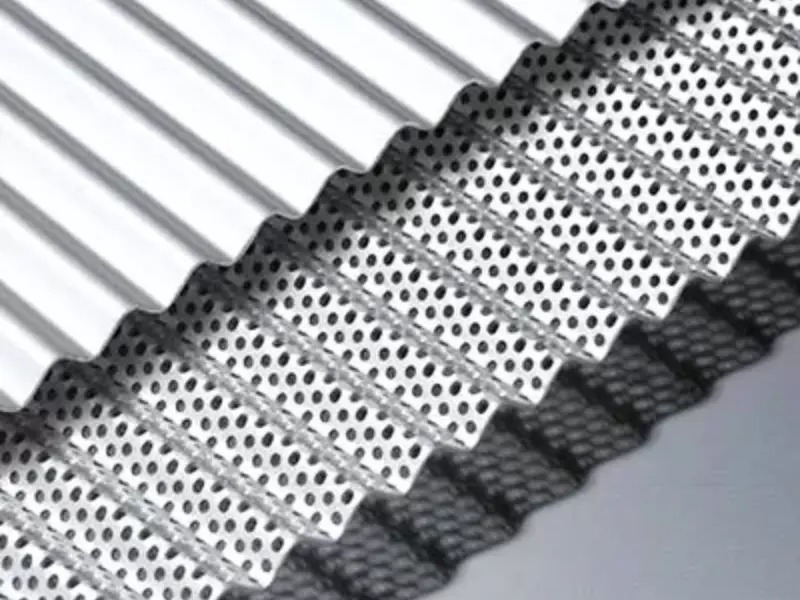
Holes are punched or laser-cut through the sheet. Round holes are standard, but square, slot, and hex patterns exist. The open area lets air, light, and sound pass through. Architects like perforated 4×8 aluminum panels for modern building skins.
Expanded Metal
The sheet is slit and stretched into a mesh. No material is removed, so there is no waste. It is lighter than solid sheet but still strong. Used for guards, grilles, and filters.
Honeycomb Panel
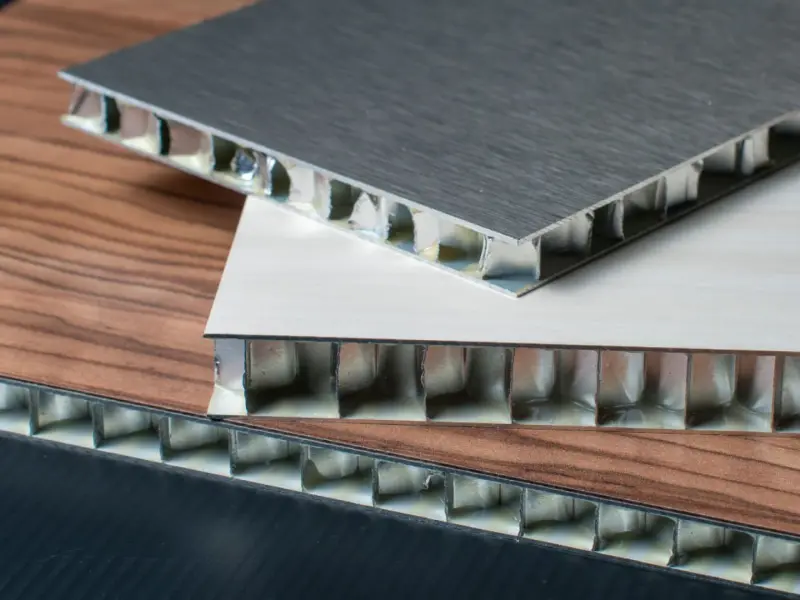
Two thin aluminum skins sandwich an aluminum honeycomb core. The result is extremely stiff and very light. These panels are common in aerospace, rail cars, and high-end furniture.
Composite Panel (ACM)
A thin aluminum skin on both sides of a plastic core. It is rigid, flat, and easy to print on. Sign makers and building cladding contractors use ACM panels every day.
Alloy Comparison: Picking the Right Metal
Here is a side-by-side look at the most common alloys for 4×8 aluminum panels.
| Alloy | Strength | Corrosion | Weld | Form | Machin | Typical Cost |
|---|---|---|---|---|---|---|
| 1060 | Low | Good | Good | Excellent | Poor | Low |
| 3003 H14 | Moderate | Good | Good | Good | Fair | Low |
| 5052 H32 | Moderate | Excellent | Excellent | Good | Fair | Medium |
| 5083 H116 | High | Excellent | Excellent | Fair | Fair | Medium-High |
| 6061 T6 | High | Good | Good | Fair | Excellent | Medium |
| 7075 T6 | Very High | Fair | Poor | Poor | Good | High |
If your project lives near the ocean, 5052 or 5083 is the safer bet. If you need to machine complex parts from a solid sheet, 6061 T6 is hard to beat. For simple panels where cost matters most, 3003 H14 gets the job done.
Thickness vs. Weight: What to Expect
Aluminum weighs about one-third as much as steel. But weight still matters for shipping and handling. Here is how much a 4×8 sheet weighs at common thicknesses. The numbers below are for 5052 alloy. Other alloys will vary slightly.
| Thickness | Weight per Sheet (approx.) |
|---|---|
| 0.032″ (20 ga) | ~11 lbs |
| 0.040″ (18 ga) | ~14 lbs |
| 0.063″ (14 ga) | ~22 lbs |
| 0.090″ | ~31 lbs |
| 0.125″ (1/8″) | ~44 lbs |
| 0.188″ (3/16″) | ~66 lbs |
| 0.250″ (1/4″) | ~88 lbs |
A single worker can carry a thin sheet alone. A thick plate needs two people or a forklift. Plan your handling before the truck arrives.
Aluminum vs. Steel: A Quick Look
Some buyers wonder if they should use steel instead. Here is how the two metals compare for a 4×8 panel.
| Factor | Aluminum 4×8 | Steel 4×8 |
|---|---|---|
| Weight | Light | Heavy |
| Rust | Does not rust | Rusts without coating |
| Strength per pound | Very high | High |
| Cost per pound | Higher | Lower |
| Ease of cutting | Easy with carbide tools | Harder on blades |
| Welding | Needs argon, clean prep | More forgiving |
| Finish options | Anodize, paint, polish | Paint, galvanize, powder coat |
For outdoor signs, trailers, and marine work, aluminum wins because of weight and corrosion resistance. For heavy machinery bases where every dollar counts, steel may still make sense.
Where Industries Use 4×8 Aluminum Panels
These panels show up in more places than most people realize.
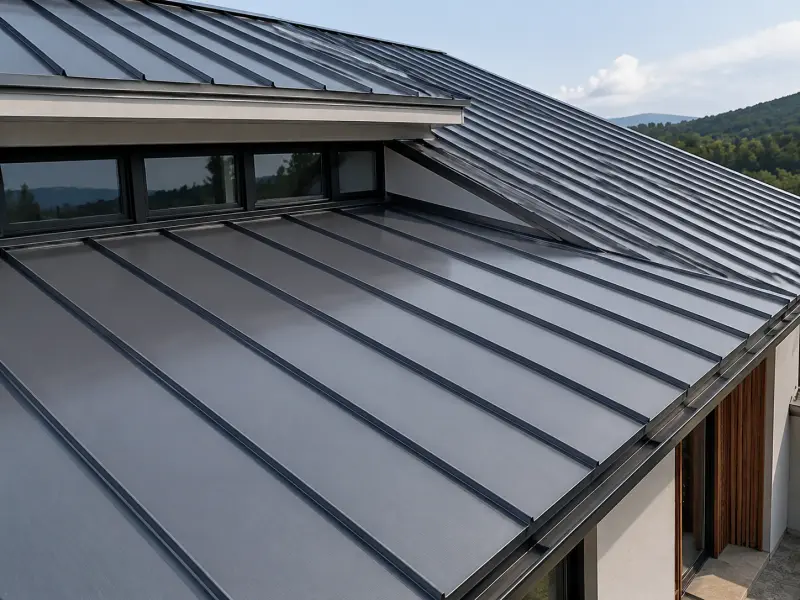
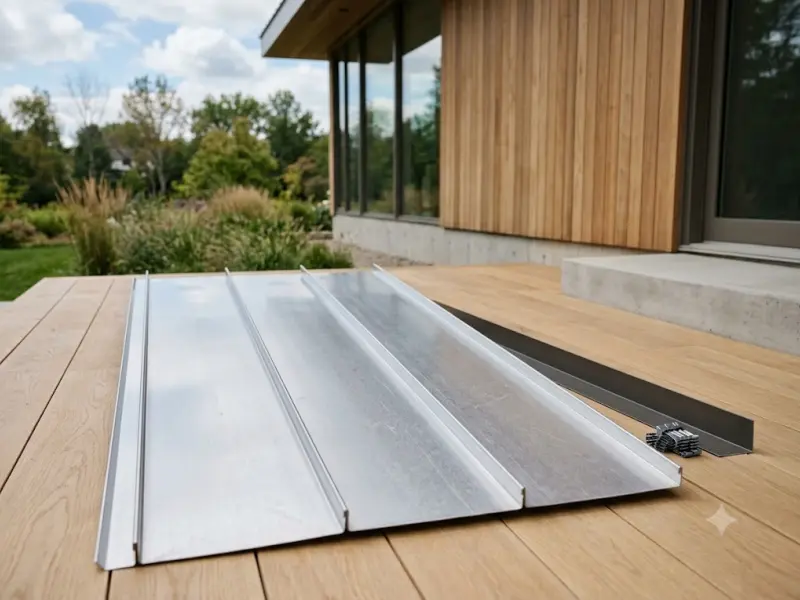
- Construction: Wall cladding, roofing, soffits, fascia, and flashing
- Transportation: Trailer sides, truck beds, RV panels, and bus skins
- Marine: Boat decks, hull plating, docks, and gangways
- Automotive: Body panels, interior trim, and heat shields
- Signage: Billboards, storefront letters, and display boards
- Food Service: Backsplashes, countertops, and equipment enclosures
- Industrial: Machine guards, electrical panels, and conveyor covers
- Aerospace: Interior partitions, flooring, and cargo liners
- Energy: Solar panel frames and wind turbine components
- Furniture: Tables, cabinets, and decorative wall art
The 4×8 size is large enough to cover big areas but small enough to move without special permits. That balance keeps demand high across all these fields.
Storing and Handling Tips
Aluminum is soft compared to steel. It scratches and dents if you are not careful.
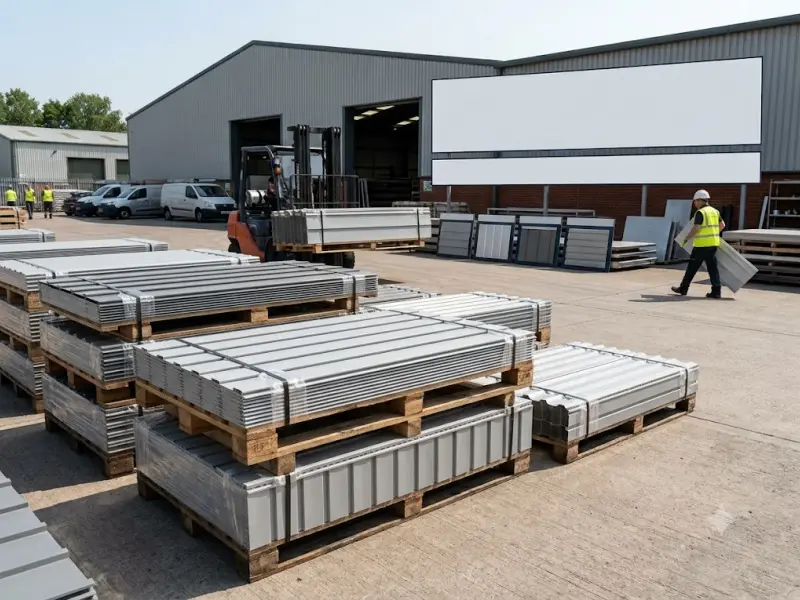
- Store sheets flat on a level rack. Do not lean them against a wall for long periods. They can warp.
- Keep different alloys separate. Mixed scrap loses value.
- Use clean gloves. Finger oils can leave marks on mirror and brushed finishes.
- Cover the stack if it sits outside. Even aluminum can stain in polluted or salty air.
- Lift thick plates with spreader bars. Single-point lifting can bend the sheet.
Cutting and Fabrication Basics
You can cut a 4×8 aluminum panel with common shop tools.
| Method | Best For | Notes |
|---|---|---|
| Shear | Thin sheets, straight cuts | Fast, clean edge |
| Circular saw with carbide blade | Thicker sheets, straight cuts | Use wax lubricant to prevent chip welding |
| Band saw | Curves, thick plate | Slow but accurate |
| Water jet | Intricate shapes, no heat | No distortion, higher cost |
| Laser | Precision parts, thin to medium | Fast, narrow kerf |
| Plasma | Thick plate, rough cuts | Fast, leaves a heat-affected zone |
For drilling, use sharp bits and a backing board to prevent burrs on the exit side. When bending, use apress brake with the right die radius. Too tight a bend will crack the metal, especially in T6 temper.
How to Order the Right Panel
Before you call a supplier, gather a few details. This saves time and gets you a faster quote.
| Question | Why It Matters |
|---|---|
| What alloy do you need? | Determines strength, corrosion resistance, and price |
| What temper? | Controls hardness and formability |
| What thickness? | Affects weight, load capacity, and cost |
| What finish? | Changes appearance and outdoor life |
| How many sheets? | Bulk orders often get better per-sheet pricing |
| Do you need cutting? | Some suppliers cut to size before shipping |
If you are not sure about the alloy, describe your application. A good supplier will match you with the right grade.
Welding 4×8 Aluminum Panels
Aluminum welding is different from steel. The oxide layer melts at a higher temperature than the base metal. You must clean the joint with a stainless brush before striking an arc.
| Process | Best For | Filler Alloy |
|---|---|---|
| MIG (GMAW) | Long seams, production work | 4043 or 5356 |
| TIG (GTAW) | Precision, thin sheet, repairs | 4043 or 5356 |
| Friction stir | Large panels, no filler | None |
Preheat thick sections to reduce cracking. Keep travel speed steady. If the puddle looks dirty or sooty, stop and clean again.
FAQ
What does 4×8 mean on an aluminum panel?
It means the sheet is four feet wide and eight feet long. That equals 1219 mm by 2438 mm. It is a standard stock size.
How thick is a 4×8 aluminum sheet?
Thickness ranges from about 0.016 inch up to several inches. Common stock thicknesses are 0.032″, 0.040″, 0.063″, 0.090″, 0.125″, and 0.250″. You can order custom thicknesses from mills.
What is the cheapest 4×8 aluminum sheet?
3003 H14 mill finish is usually the least expensive option for general use. It offers a good mix of strength and formability at a low price.
Is 5052 or 6061 better for outdoor use?
5052 is better near saltwater or in humid climates because it resists corrosion. 6061 T6 is stronger and machines better, but it needs protection in harsh environments.
Can I bend a 4×8 aluminum panel?
Yes, if you pick the right temper. O temper bends the easiest. H14 and H32 handle moderate bends. T6 temper is brittle and may crack in tight bends.
How much does a 4×8 sheet of aluminum cost?
Prices change daily with metal markets. Thin 3003 sheets might cost a few dollars per square foot. Thick 6061 or 7075 plates can cost much more. Always request a current quote.
Will aluminum rust?
No. Aluminum does not rust like iron. It forms a thin oxide layer that protects the metal underneath. In salty or acidic air, it can pit, so choose marine-grade alloys for those areas.
Can I paint a 4×8 aluminum panel?
Yes. Clean it first, apply an etching primer, then use a quality topcoat. For outdoor building panels, PVDF coil coating lasts the longest.
What is the difference between sheet and plate?
Sheet is thin, usually under 0.25 inch thick. Plate is 0.25 inch and thicker. The terms are not strict, but suppliers use them to separate product lines.
Is a 4×8 aluminum panel recyclable?
Yes. Aluminum recycles forever without losing quality. Scrap dealers pay for clean aluminum scrap, so off-cuts have value.