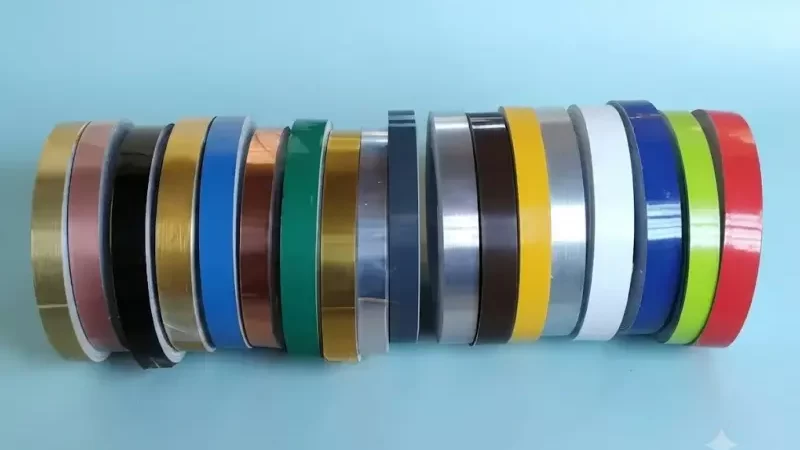
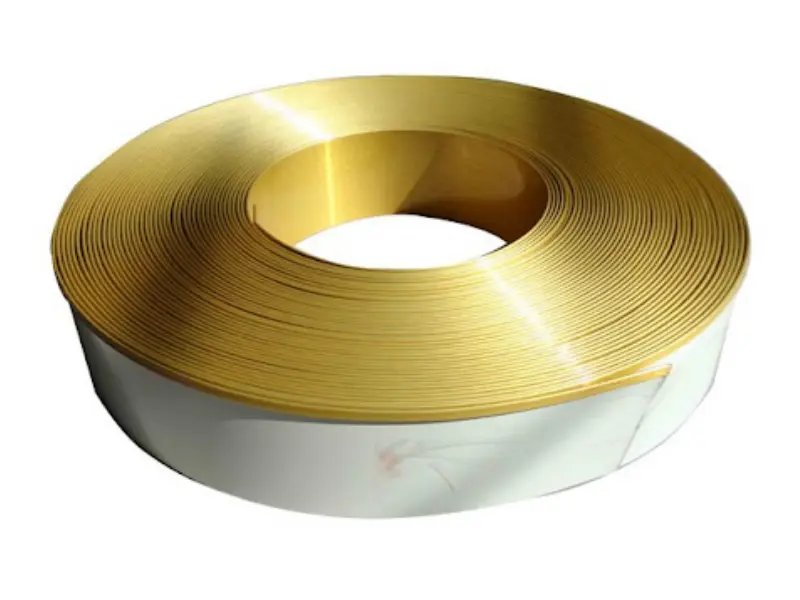
Aluminium 0.6 letter coils are the backbone of modern channel letter signage. These narrow-width aluminum strips come in coil form and feed directly into letter bending machines. The 0.6 mm thickness hits the sweet spot for most 3D sign projects. It offers enough rigidity for outdoor durability while staying flexible enough for tight bends and curves.
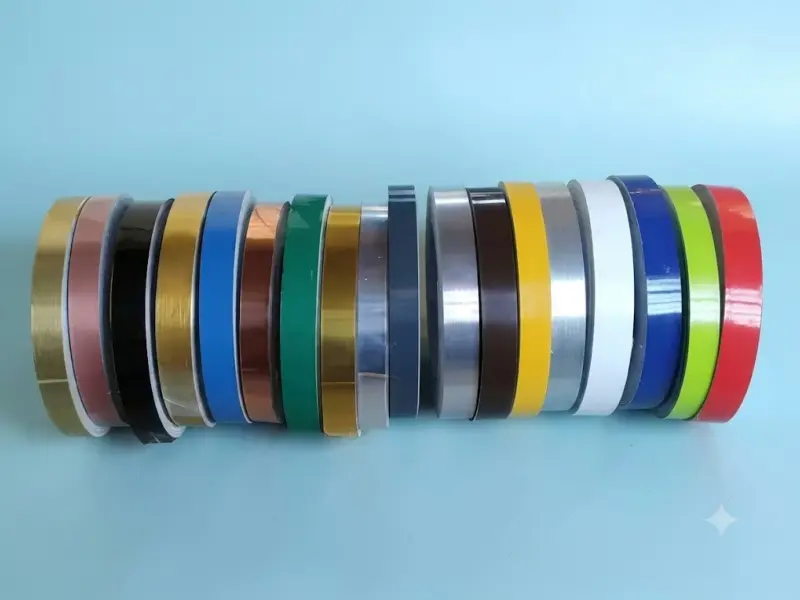
Whether you run a sign shop, manage a fabrication workshop, or source materials for large signage projects, understanding the alloy options, temper states, and coating systems matters. You will find comparison tables, product type breakdowns, and practical tips for choosing the right coil.
Aluminum Strip
Why 0.6 mm Thickness Is the Industry Standard
The 0.6 mm thickness sits in the middle of the common range. It is thick enough for outdoor signs that face wind and rain. It is thin enough to bend around tight corners without cracking. Most channel letter bending machines are calibrated for this thickness.
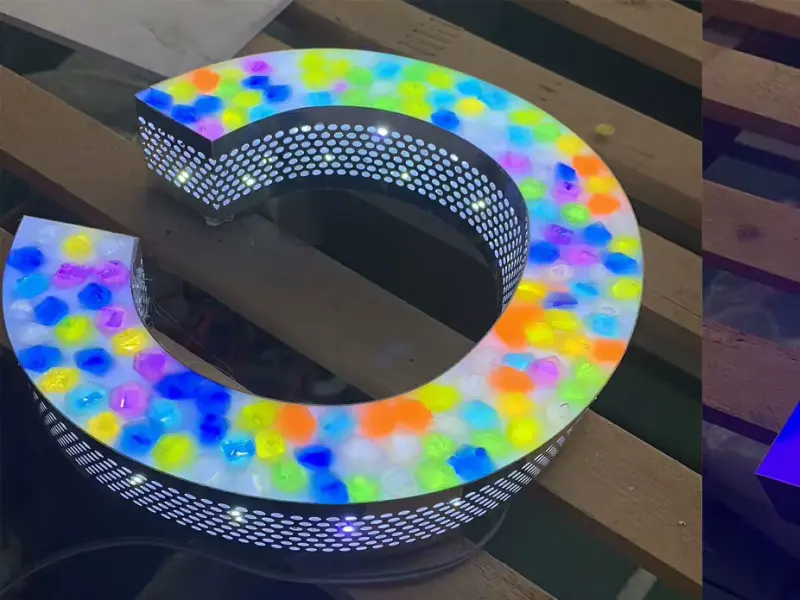
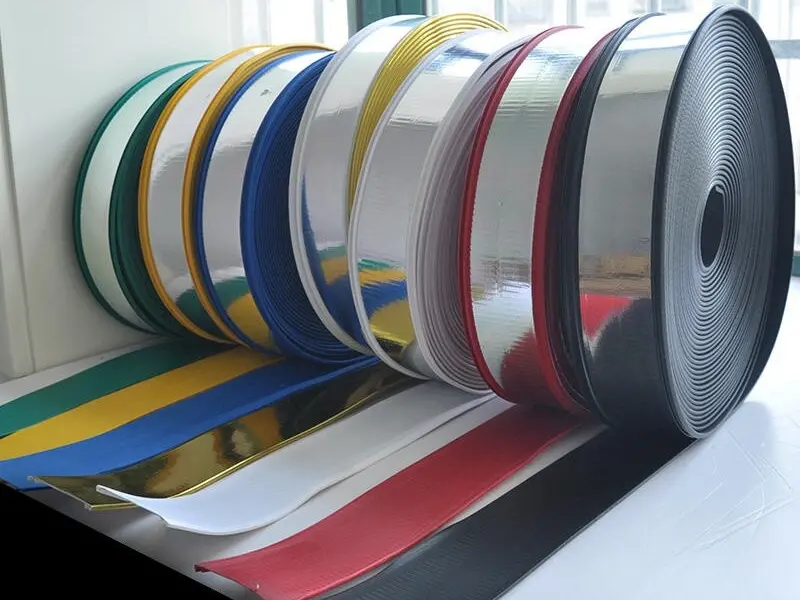
Sign makers often keep 0.6 mm coil in stock as their go-to material. When a job calls for larger letters or deeper returns, they may step up to 0.8 mm or 1.0 mm. For small indoor signs or trimless letters, 0.5 mm might be enough.
Thickness Comparison for Channel Letter Projects
| Thickness | Best For | Letter Depth Range | Typical Use |
|---|---|---|---|
| 0.5 mm | Small indoor signs, trimless letters | 30 – 60 mm | Reception signs, retail interiors |
| 0.6 mm | Standard outdoor channel letters | 50 – 100 mm | Storefront signs, LED letters |
| 0.8 mm | Large letters, deep returns | 80 – 150 mm | Building signs, pylons |
| 1.0 mm | Extra-large or structural letters | 120 – 200 mm | Monument signs, high-wind areas |
Alloy Types for Letter Coils
The alloy determines how the coil behaves during bending, welding, and outdoor exposure. Different alloys suit different climates, letter sizes, and budgets.
1050 and 1060 Pure Aluminum
These are 1xxx series alloys with 99.5% or higher aluminum content. They are the softest and most ductile options. The high purity means excellent formability. You can bend these alloys into tight radii without cracks.
1050 and 1060 work best for small, detailed letters and indoor signs. They are also the most affordable alloys. The trade-off is lower strength. In high-wind areas or for large letters, pure aluminum may flex too much.
1050/1060 Temper Options
| Temper | Tensile Strength (MPa) | Elongation (%) | Best Use |
|---|---|---|---|
| 1050-O | 60 – 95 | 25 – 35 | Hand-bent letters, prototypes |
| 1050-H14 | 85 – 120 | 15 – 22 | Small machine-bent letters |
| 1060-O | 55 – 90 | 28 – 38 | Intricate shapes, mini letters |
| 1060-H24 | 90 – 125 | 12 – 18 | Standard channel letters |
3003 Aluminum-Manganese Alloy
3003 is the workhorse alloy for letter coils. The 1.0% to 1.5% manganese content boosts strength by about 30% compared to pure aluminum. It still bends well but holds shape better after forming.
This alloy resists corrosion in humid and coastal environments. It is the top choice for outdoor storefront signs and medium-sized LED channel letters. Most sign shops stock 3003-H24 as their default material.
3003 Temper Options
| Temper | Tensile Strength (MPa) | Elongation (%) | Best Use |
|---|---|---|---|
| 3003-O | 95 – 135 | 20 – 30 | Deep-drawn shapes, complex curves |
| 3003-H14 | 140 – 180 | 10 – 16 | Medium-duty outdoor signs |
| 3003-H24 | 145 – 185 | 6 – 10 | Standard channel letters, LED signs |
| 3003-H26 | 170 – 210 | 4 – 8 | Large letters, structural returns |
3105 and 3004 Alloys Aluminium 0.6 letter coils
3105 is similar to 3003 but with slightly different manganese content. It offers comparable strength and formability. Some manufacturers prefer 3105 for its better paint adhesion. 3004 adds magnesium for extra strength. It is used when letters need to span long distances without internal bracing.
5052 Aluminum-Magnesium Alloy
5052 contains about 2.5% magnesium. This gives it the highest strength among common letter coil alloys. It is the go-to choice for coastal areas, high-humidity regions, and large building signs.
The trade-off is reduced formability. Bending 5052 requires more force and larger bend radii. For most sign shops, 5052-H32 at 0.6 mm works well for letters over 1 meter tall.
5052 Temper Options
| Temper | Tensile Strength (MPa) | Elongation (%) | Best Use |
|---|---|---|---|
| 5052-O | 170 – 215 | 18 – 25 | Formed structural parts |
| 5052-H22 | 210 – 260 | 8 – 14 | Medium structural letters |
| 5052-H32 | 230 – 280 | 6 – 10 | Large outdoor signs, coastal use |
| 5052-H34 | 260 – 300 | 4 – 6 | Heavy-duty industrial signage |
5005 and Other Alloys Aluminium 0.6 letter coils
5005 is a middle-ground alloy. It costs less than 5052 but offers more strength than 3003. It works well for mid-size signs in moderate climates. Some suppliers also offer 1100 or 1070 for specialty applications where extreme ductility is needed.
Alloy Comparison: Which One Fits Your Project
Picking the right alloy depends on letter size, location, budget, and bending equipment. Here is a direct comparison at the 0.6 mm thickness.
| Property | 1060-H24 | 3003-H24 | 5052-H32 |
|---|---|---|---|
| Tensile Strength | 90 – 125 MPa | 145 – 185 MPa | 230 – 280 MPa |
| Yield Strength | 55 – 75 MPa | 115 – 150 MPa | 195 – 240 MPa |
| Elongation | 12 – 18% | 6 – 10% | 6 – 10% |
| Min Bend Radius | 0.5 x thickness | 1.0 x thickness | 1.5 x thickness |
| Corrosion Resistance | Good | Very Good | Excellent |
| Relative Cost | Lowest | Low-Medium | Medium-High |
| Best For | Small letters, indoor signs | Standard outdoor channel letters | Large signs, coastal, harsh weather |
When to Choose 1060
Use 1060 for small retail signs, indoor lobby letters, and projects where cost is the main driver. The alloy forms easily around tight corners. It is perfect for trimless letters and mini channel letters under 300 mm tall.
When to Choose 3003
3003-H24 is the default choice for most sign shops. It handles outdoor exposure, accepts paint well, and runs smoothly through bending machines. If you stock only one alloy, make it 3003-H24 at 0.6 mm.
When to Choose 5052 Aluminium 0.6 letter coils
Pick 5052 for projects in coastal cities, tropical climates, or high-wind zones. It also suits large letters over 1 meter where structural integrity matters. The higher strength reduces the need for internal framing.
Width Options and Letter Depth
The coil width determines how deep the letter returns can be. Wider coils make deeper letters. Most suppliers slit coils to standard widths or custom sizes.
| Coil Width | Letter Depth | Typical Application |
|---|---|---|
| 30 mm | 25 – 30 mm | Mini letters, thin profiles |
| 50 mm | 45 – 50 mm | Small storefront signs |
| 60 mm | 55 – 60 mm | Standard LED channel letters |
| 80 mm | 75 – 80 mm | Medium-depth outdoor signs |
| 88 mm | 83 – 88 mm | Popular standard size |
| 100 mm | 95 – 100 mm | Deep returns, large letters |
| 108 mm | 103 – 108 mm | Large building-mounted signs |
| 120 mm+ | 115 mm+ | Monument signs, pylons |
Surface Finishes and Coatings
The surface finish affects appearance, durability, and how the coil handles during fabrication. Most letter coils come pre-coated from the factory.
PE Polyester Coating
PE coating is the most common and affordable option. It provides good color retention and UV resistance for indoor and mild outdoor use. The warranty typically covers 5 to 10 years. PE works well for standard storefront signs in urban environments.
PVDF Fluorocarbon Coating
PVDF offers superior weather resistance. It resists chalking, fading, and chemical exposure. The warranty extends to 15 or 20 years. PVDF is the right choice for high-end projects, coastal signs, and buildings where long-term appearance matters.
Aluminium 0.6 letter coils Product Types and Formats
Letter coils come in several formats. Each serves a different fabrication method and sign style.
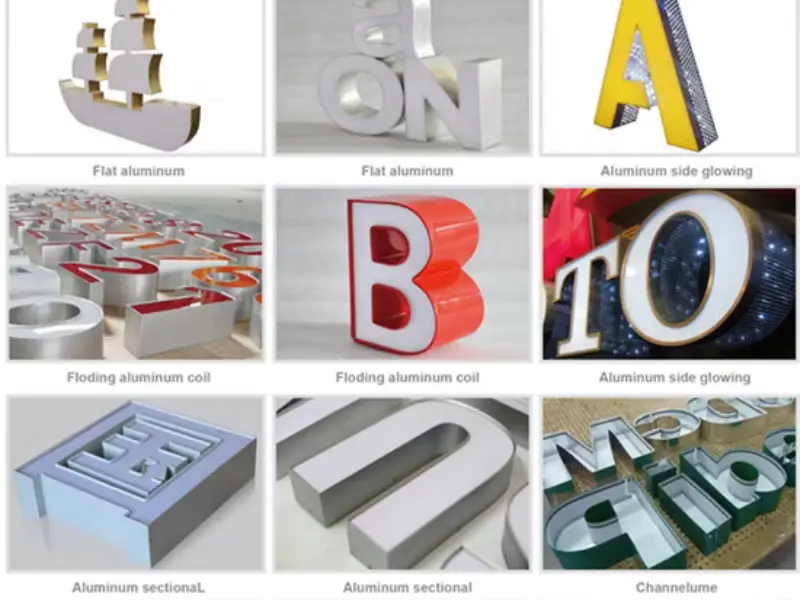
Flat Edge Coil
This is the basic format. The coil has a straight edge on both sides. Sign makers fold or crimp the edges during assembly. Flat edge coil is the most versatile and works with all bending machines. It is also the cheapest format.
Folded Edge Coil
The edges come pre-folded at the factory. This saves time during fabrication. The folded edge also adds rigidity to the letter returns. It reduces the risk of sharp edges cutting installers or damaging acrylic faces.
Trim Cap Coil
Trim cap coil includes a built-in plastic or foam insert. This insert snaps over the edge of the acrylic face during assembly. It creates a clean, finished look without separate trim pieces. Trim cap is popular for fast production and consistent quality.
Channelume Coil
Channelume is a branded system that combines aluminum coil with a plastic cap. The cap snaps into place and holds the LED strip. It is designed for fast, tool-free assembly. Channelume coils come in specific widths and colors to match the system.
Perforated Coil
Some coils come with pre-punched holes. These holes allow LED modules to snap into place. They also improve airflow inside the letter. Perforated coil speeds up wiring and reduces labor costs.
Other Finish Options
| Finish Type | Description | Best For |
|---|---|---|
| Brushed Silver | Linear satin texture | Modern retail, tech brands |
| Brushed Gold | Warm metallic satin | Luxury stores, hotels |
| Mirror Polish | High-gloss reflective | High-end signage, displays |
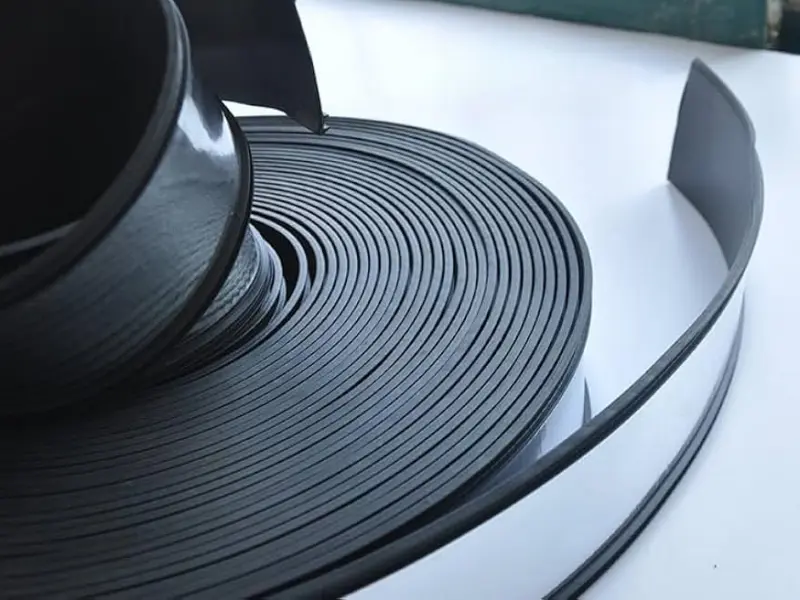
| Matte Black | Non-reflective flat finish | Contemporary designs |
| Anodized | Electrochemical oxide layer | Industrial, long-life projects |
| Mill Finish | Raw aluminum, uncoated | Painting on-site, prototypes |
Applications Across the Signage Industry
Aluminium 0.6 letter coils serve a wide range of sign types. Each application has its own requirements for alloy, finish, and width.
Storefront Channel Letters
These are the most common application. Individual letters mount on a building facade. Each letter has LED modules inside and an acrylic face on the front. 3003-H24 coil at 0.6 mm with PE coating is the standard choice. Widths of 60 mm to 88 mm cover most letter depths.
Backlit and Reverse Channel Letters
These letters have open faces or translucent backs. Light glows from behind the letter, creating a halo effect. The coil must be precise and clean because the returns are visible. 3003 or 5052 with brushed or matte finishes work best.
Trimless Letters
Trimless letters have no visible border around the acrylic face. The coil is bent and the face is glued directly to the returns. This style needs clean edges and tight tolerances. 1060 or 3003-O temper is preferred for the extra formability.
Light Boxes and Cabinet Signs
Coil is used for the trim and edges of light box signs. The material frames the acrylic or polycarbonate face. Wider coils up to 150 mm are common for deep cabinets. 3003-H24 handles the longer spans without sagging.
Monument and Pylon Signs
These large structures need strong, weather-resistant materials. 5052-H32 at 0.8 mm or 1.0 mm is common. The coil forms the shell and trim of the sign. PVDF coating ensures the color lasts for years in direct sun.
Indoor Wayfinding and Directory Signs
Hospitals, malls, and office buildings use smaller channel letters for wayfinding. 1060 or 3003 at 0.5 mm to 0.6 mm is enough. The finish can be brushed aluminum or custom colors to match interior design.
Neon and LED Sign Housings
Some signs use exposed neon tubes or LED strips. The coil forms the backing or raceway that holds the lighting. 3003-H24 at 0.6 mm provides the right balance of strength and workability.
Technical Specifications at a Glance
When ordering aluminium 0.6 letter coils, confirm these specs with your supplier.
| Parameter | Standard Range | Notes |
|---|---|---|
| Thickness | 0.5 – 1.0 mm (0.6 mm most common) | Tolerance ±0.02 mm |
| Width | 30 – 500 mm | Custom slitting available |
| Core Diameter | 150 mm / 400 mm / 500 mm | Matches bending machine specs |
| Coil Length | 50 – 600 meters per roll | Depends on width and alloy |
| Alloy | 1050, 1060, 1100, 3003, 3004, 3105, 5005, 5052 | Other alloys on request |
| Temper | O, H14, H22, H24, H26, H32, H34 | Based on forming needs |
| Tensile Strength | 60 – 300 MPa | Varies by alloy and temper |
| Elongation | 4% – 38% | Higher in soft tempers |
| Coating | PE, PVDF, Anodized, Mill Finish | Front and back options |
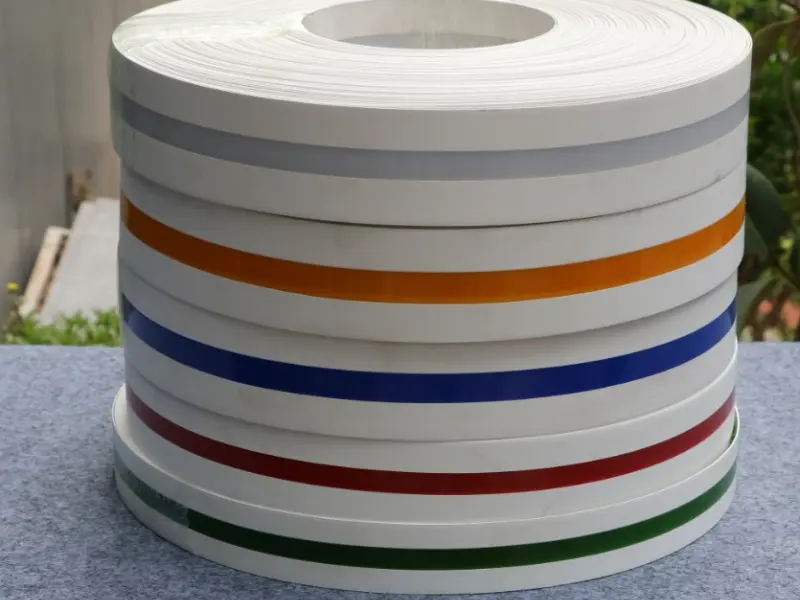
| Color | White, Black, Red, Blue, Gold, Silver, Custom RAL | Match brand colors |
Quality Standards and Certifications
Reputable suppliers test their letter coils against international standards. Common certifications include:
- ASTM B209 – Standard for aluminum sheet and coil
- ISO 9001 – Quality management systems
- SGS Testing – Third-party verification of properties
- RoHS – Restriction of hazardous substances in coatings
- REACH – EU chemical registration compliance
Always request a mill test certificate with each batch. This document confirms alloy composition, mechanical properties, and coating thickness.
What Are Aluminium Letter Coils
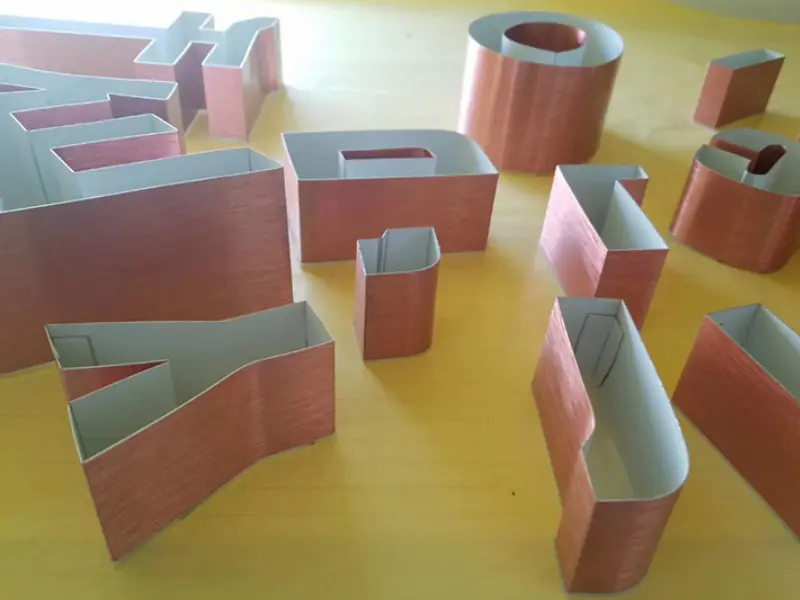
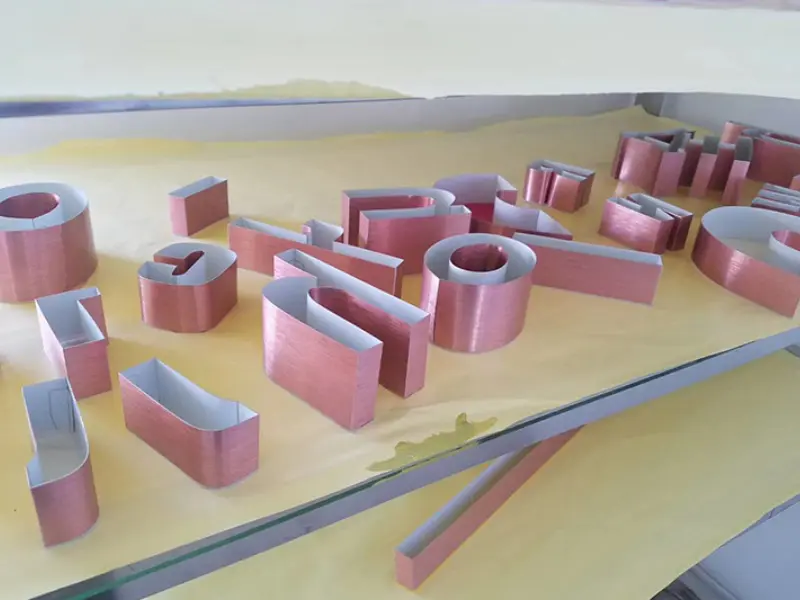
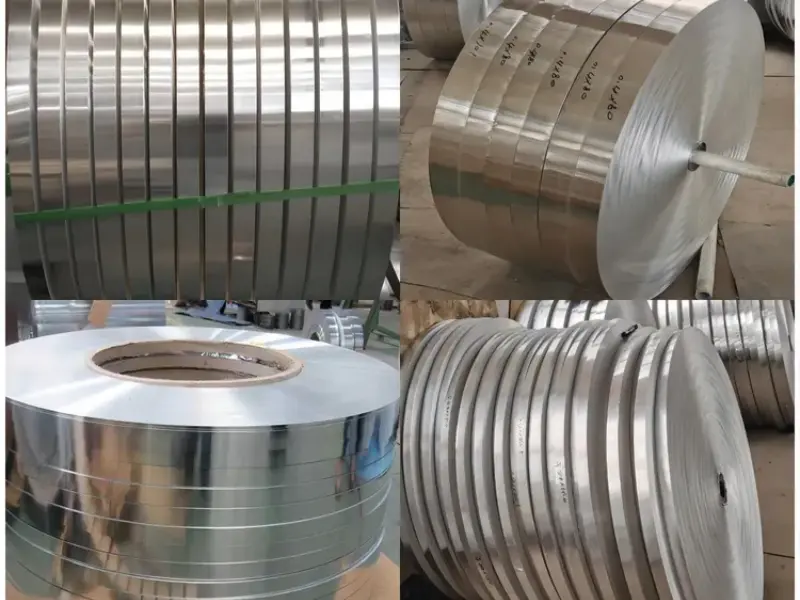
Letter coils are continuous strips of aluminum alloy wound onto a core. Sign makers feed these coils through automated or manual bending equipment to form the returns of channel letters. The returns are the side walls that give each letter its three-dimensional shape. Once formed, the letters get fitted with LED modules, acrylic faces, and backing plates.
The 0.6 mm thickness is one of the most requested sizes in the signage industry. It works for small shop signs as well as large building-mounted displays. The material is light, corrosion-resistant, and accepts paint or coating without issues.
How Letter Coils Differ from Standard Aluminum Coil
Standard aluminum coil comes in wide sheets for roofing, cladding, or general fabrication. Letter coils are slit to narrow widths, usually between 30 mm and 500 mm. They are also pre-finished with color coatings that match brand requirements. The edges are clean-cut to prevent snagging in bending machines.
Another key difference is the temper. Letter coils use tempers that balance formability and spring-back. Too soft and the letter loses shape. Too hard and the coil cracks during bending.
How to Choose the Right Coil for Your Sign Project
Follow these steps to narrow down your options.
Step One: Measure Your Letter Size
Small letters under 300 mm tall need less structural strength. 1060 or 3003 at 0.5 mm to 0.6 mm works fine. Large letters over 1 meter need 5052 or thicker material to prevent flexing.
Step Two: Check the Installation Location
Indoor signs face no weather. PE coating or even mill finish is enough. Outdoor signs in mild climates can use PE. Coastal or tropical locations need PVDF or anodized finishes on 5052 alloy.
Step Three: Match Your Bending Machine
Not all coils run on all machines. Check the maximum coil width and thickness your bender accepts. Also confirm the core diameter fits your decoiler. Some machines need 150 mm cores. Others handle 400 mm or 500 mm.
Step Four: Set Your Budget
1060 is the cheapest alloy. 3003 adds a small premium. 5052 costs more but lasts longer in harsh conditions. PVDF coating costs more than PE but extends warranty. Balance upfront cost against project lifespan.
Step Five: Confirm Color and Finish
Standard colors like white, black, and silver are usually in stock. Custom RAL colors need longer lead times and minimum order quantities. Brushed and mirror finishes also take longer to produce.
Packaging and Logistics
Letter coils ship on wooden pallets with edge protectors. The outer layer has a protective film to prevent scratches. Moisture barriers protect the coating during ocean freight.
Standard coil weights range from 1 ton to 3 tons. Smaller shops can order slit-to-width strips in 50-meter or 100-meter rolls. Lead times vary from 7 days for stock items to 25 days for custom colors.
Environmental Benefits of Aluminum Letter Coils
Aluminum is 100% recyclable. Scrap from fabrication can be melted and reused. Recycling uses only 5% of the energy needed for primary production. Many sign shops collect off-cuts and send them back to suppliers.
Coated coils with long warranties also reduce maintenance and replacement. A PVDF-coated sign that lasts 20 years needs fewer resources than a painted sign that fades in 5 years.
Frequently Asked Questions
What does 0.6 mm mean in letter coil specs
0.6 mm refers to the thickness of the aluminum strip. It equals about 24 gauge in the US system. This thickness is the most popular choice for standard channel letters because it balances strength and bendability.
Can I use 0.6 mm coil for large outdoor signs
Yes, for letters up to about 1 meter tall in normal wind conditions. For larger letters or high-wind zones, switch to 0.8 mm or 1.0 mm. You can also use 5052 alloy instead of 3003 for extra strength.
What is the difference between H14 and H24 temper
H14 is strain-hardened and partially annealed. It is softer than H24 and bends more easily. H24 is fully work-hardened. It holds shape better but needs more bending force. Most sign shops prefer H24 for its stability.
How do I prevent coating from cracking during bending
Choose a coil with a flexible coating system. Quality PE and PVDF coatings are formulated to bend without cracking. Avoid bending below the minimum radius for your alloy. Preheating the coil slightly can also help on tight curves.
What width coil do I need for a 80 mm deep letter
Order 88 mm width coil. The extra 8 mm accounts for the top and bottom flanges that fold over during assembly. Always add 6 to 10 mm to your target letter depth when selecting coil width.
Is 1060 strong enough for outdoor use
1060 works for small outdoor signs in sheltered locations. For exposed building facades or large letters, 3003 or 5052 is safer. The extra strength prevents denting and warping over time.
Can I weld letter coil after bending
Yes, aluminum letter coils can be TIG or MIG welded. 3003 and 5052 weld well with proper filler rod. 1060 is also weldable but softer. Clean the coating off the weld area first to avoid contamination.
What is the MOQ for custom color coils
Standard colors often have no minimum. Custom RAL colors typically need 1 to 3 tons per color. Some suppliers offer small batch custom coating for an extra fee. Check with your vendor before quoting the job.
How long does the color coating last
PE coatings last 5 to 10 years outdoors. PVDF coatings last 15 to 20 years. Actual life depends on sun exposure, pollution, and maintenance. Coastal salt air shortens coating life by 20 to 30 percent.
Can I get coil with holes pre-punched
Yes, many suppliers offer perforated or pre-punched coil. The holes are spaced for standard LED modules. This saves drilling time during assembly. Specify hole diameter and spacing when ordering.
What is the difference between CC and DC material
CC means continuous cast. DC means direct chill cast. DC material has finer grain structure and better formability. It is preferred for deep bends and complex shapes. CC material costs less and works fine for simple letters.
Should I choose flat edge or folded edge coil
Flat edge is cheaper and more flexible. You can fold it any way you want. Folded edge saves labor and gives a cleaner look. If you produce high volumes, folded edge pays for itself in time savings.
Aluminium 0.6 Letter Coils | Coatings for Signage
Aluminium 0.6 letter coils are the foundation of quality channel letter signage. The 0.6 mm thickness works for most standard projects. Alloy choice shapes performance: 1060 for economy and detail, 3003 for all-around outdoor use, and 5052 for strength and harsh climates.
Surface finish and coating type determine how long your signs stay beautiful. PE coating handles most jobs. PVDF coating protects premium installations for decades. Width selection depends on letter depth. Always add a small margin for flanges.
For sign shops and fabricators, stocking 3003-H24 at 0.6 mm in common widths and colors covers the majority of daily work. Keep 5052 on hand for coastal or large-scale projects. With the right coil, your signs will look sharp and last for years.