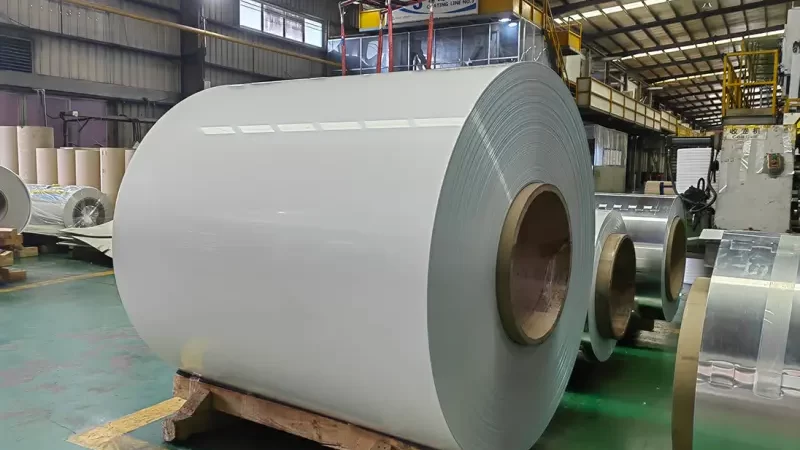
Are you looking to buy aluminum coil for your next project or ongoing manufacturing needs?
Finding the right aluminum coil for sale can significantly impact the success and efficiency of your operations. Aluminum coil stock is a versatile and essential material across numerous industries, prized for its lightweight nature, excellent corrosion resistance, and adaptability.
Types of Aluminum Coil for Sale: Choosing the Right Alloy
When you decide to buy aluminum coil, one of the most critical decisions is selecting the correct alloy. Different aluminum alloys offer distinct properties, making them suitable for specific applications.
Knowing these differences will help you find the best aluminum coil for sale that fits your requirements.
Common Aluminum Alloys You Can Buy
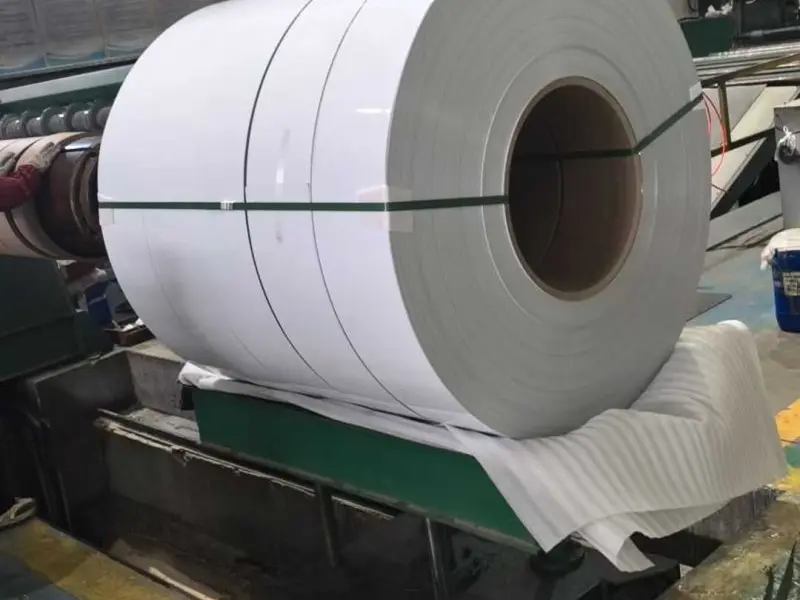
| Alloy Series | Key Characteristics & When to Buy | Typical Applications |
|---|---|---|
| 1xxx (Pure) | Excellent corrosion resistance, high ductility, best for conductivity. Buy for electrical or chemical uses. | Electrical, chemical tanks, food packaging |
| 3xxx (Manganese) | Good formability, moderate strength, excellent corrosion. Ideal for general fabrication and heat exchange. | Cookware, HVAC, roofing, general sheet metal |
| 5xxx (Magnesium) | High strength, superb marine corrosion resistance, good weldability. Choose for demanding structural or marine environments. | Marine, pressure vessels, vehicle bodies, industrial |
| 6xxx (Magnesium & Silicon) | Good formability, high strength after heat treatment, excellent corrosion. Perfect for architectural and automotive. | Architectural, automotive components, structural framing |
When you purchase aluminum coil, always specify the alloy series to ensure the material performs as expected in your application.
Key Specifications When You Buy Aluminum Coil
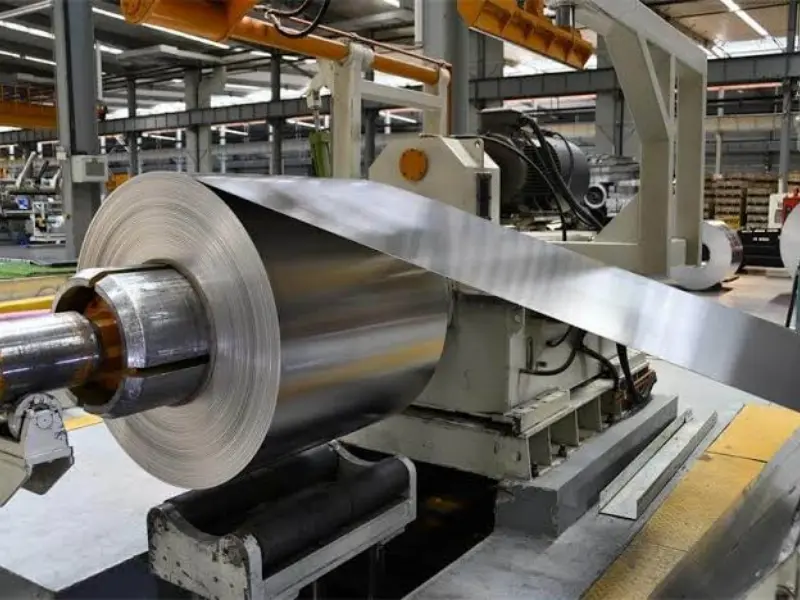
To ensure you get the exact material you need, understanding and specifying the following details is crucial. Your aluminum coil supplier will need this information to provide an accurate quote for aluminum coil for sale.
Essential Specifications to Consider
| Specification | Description & Why It Matters | Typical Range (When you buy) |
|---|---|---|
| Thickness (Gauge) | The precise measurement of the material’s sheet thickness. Critical for product fit and structural integrity. | 0.2 mm to 6.0 mm (or custom) |
| Width | The measurement across the coil. Affects how much material you get per roll and processing efficiency. | 600 mm to 2500 mm (or custom) |
| Temper | Defines the material’s hardness and strength (e.g., H14 for formability, T6 for high strength). Crucial for forming and final product performance. | H12, H14, H18, T4, T6 (and others) |
| Surface Finish | How the surface looks and feels (e.g., mill finish, painted, stucco embossed). Important for aesthetics and protective qualities. | Mill finish, bright, painted, stucco, anodized |
| Coil ID/OD | Inner and Outer Diameter of the coil. Important for handling and compatibility with your machinery. | Standard IDs: 300mm, 500mm, 600mm |
When you buy aluminum coil, providing these specifications upfront to your aluminum coil supplier will streamline the purchasing process.
Applications: Where Quality Aluminum Coil Makes a Difference
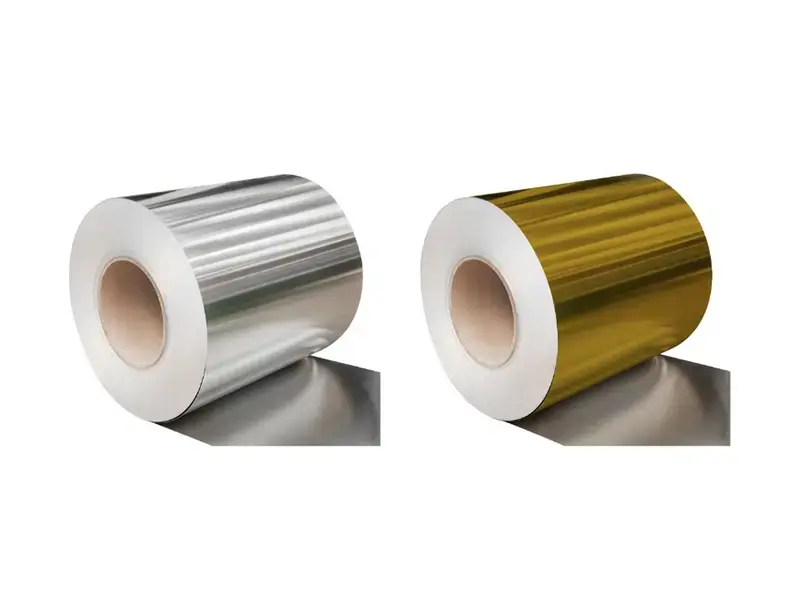
The demand for aluminum coil for sale is driven by its diverse applications across various sectors. Here’s a look at some key industries that regularly purchase aluminum coil:
Building & Construction:
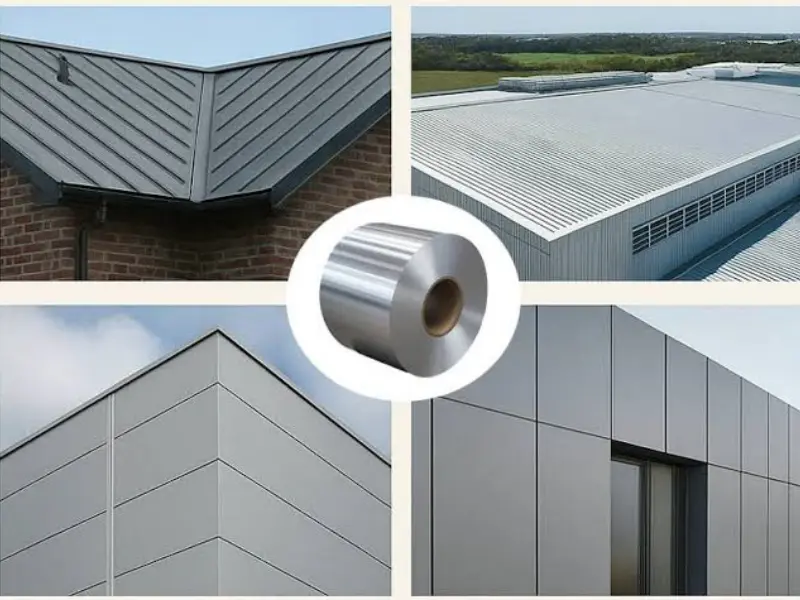
Roofing, siding, and architectural panels
Window and door frames
Gutter systems and downspouts
Decorative elements and cladding
Automotive & Transportation:
Vehicle body panels and structural parts
Heat exchangers and radiators
Truck trailers and specialized transport equipment
Packaging Industry:
Beverage cans and food containers
Aluminum foil for various packaging needs
Pharmaceutical and cosmetic packaging
- HVAC (Heating, Ventilation, Air Conditioning):
- Ductwork and ventilation systems
- Air conditioner fins and coils
- Refrigeration components
- Consumer Goods:
- Cookware and kitchen appliances
- Electronic device casings
- Furniture and home décor
- Electrical Applications:
- Cable shielding and components
- Transformer windings
- Busbars
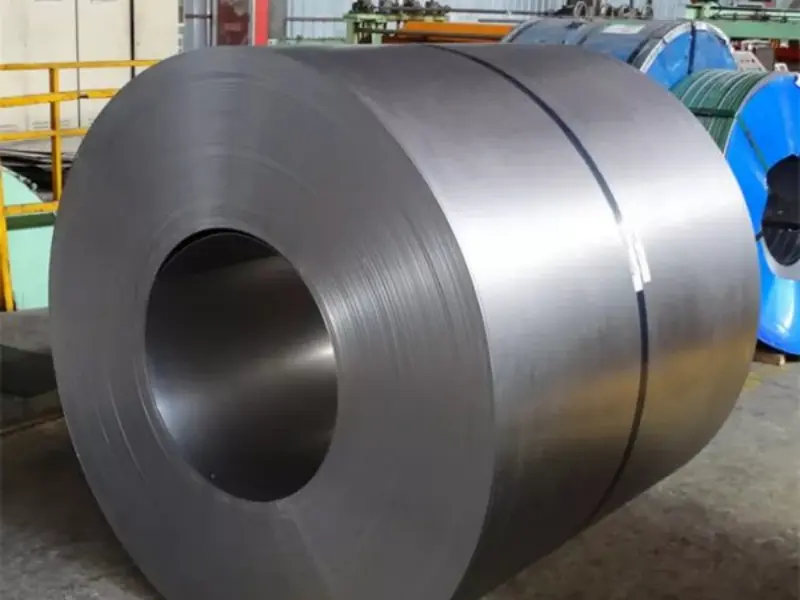
For each of these applications, the specific type of aluminum coil required will vary, emphasizing the need for careful selection when you buy aluminum coil.
Why Invest in Aluminum Coil? The Advantages for Buyers
Before you buy aluminum coil, it’s helpful to remember the core benefits that make this material a top choice:
- Lightweight Efficiency: Reduces transportation costs and improves fuel efficiency in end products.
- Superior Corrosion Resistance: Extends product lifespan, especially in harsh environments.
- High Strength-to-Weight Ratio: Offers durability without added bulk.
- Exceptional Formability: Easy to cut, bend, and shape, making manufacturing more flexible.
- Sustainable Choice: 100% recyclable, aligning with environmental goals.
- Versatility: Suitable for a vast range of applications.
These advantages highlight why smart businesses consistently choose to purchase aluminum coil for their diverse manufacturing needs.
How to Choose the Right Aluminum Coil Supplier
When you’re ready to buy aluminum coil, selecting a reliable aluminum coil supplier is just as important as choosing the right material. A good supplier can provide not only quality products but also valuable support and service.
Look for a supplier who offers:
Quality Assurance: Certifications and adherence to international standards (e.g., ISO, ASTM). This ensures the aluminum coil for sale meets specified properties.
Extensive Inventory & Customization: A wide range of alloys, thicknesses, and widths, plus the ability to fulfill custom orders.
Competitive Pricing & Value: Transparent pricing that offers good value without compromising quality.
Reliable Delivery & Logistics: Efficient shipping and handling to ensure your aluminum coil arrives on time and in perfect condition.
Technical Support & Expertise: Knowledgeable staff who can advise on alloy selection, temper, and applications.
Excellent Customer Service: Responsive and helpful communication throughout the purchasing process.
A reputable aluminum coil supplier will be a partner in your success, not just a vendor.
Ready to Buy Aluminum Coil? Key Questions to Ask
When contacting an aluminum coil supplier, be prepared with specific questions to ensure you get exactly what you need:
- What alloys are available in my required thickness and width?
- Can you provide material test certificates for your aluminum coil for sale?
- What are your standard lead times for my order quantity?
- Do you offer cutting or slitting services for specific widths?
- What are your payment terms and shipping options?
- Can you provide samples or references from other customers?
- What kind of packaging do you use to protect the aluminum coil during transit?
Asking these questions will help you confidently purchase aluminum coil that meets your project’s demands.
Your Smart Choice to Buy Aluminum Coil
In conclusion, when you seek to buy aluminum coil, you’re investing in a material known for its versatility, performance, and sustainability. By carefully considering the alloy type, specifications, and choosing a reputable aluminum coil supplier, you can secure the ideal material for your manufacturing needs.
Don’t settle for less when it comes to critical raw materials. Partner with a supplier who understands your requirements and provides high-quality aluminum coil for sale. Make your next purchase a smart one – choose quality, choose reliability, choose the right aluminum coil.
What to Check Before You Buy Aluminum Coil
Buying aluminum coil is not only about finding the lowest price.
The material must match the production process and final application.
Before placing an order, check these points:
Alloy → Temper → Thickness → Width → Surface → Coil ID → Coil Weight → Quantity → Packaging
A clear specification helps avoid delays and incorrect material.
A Quick Aluminum Coil Buying Guide
| Buyer Need | What to Confirm |
|---|---|
| General fabrication | Alloy and temper |
| Roll forming | Thickness and width |
| Roofing | Alloy, coating and finish |
| Gutter production | Width, thickness and coating |
| Insulation jacketing | Alloy, embossing and backing |
| Automotive parts | Strength and formability |
| Food packaging | Alloy and surface condition |
| Decorative products | Surface finish and color |
| High-volume production | Coil weight and consistency |
The best coil is the one that fits the production process.
Start With the Final Product
A useful way to select the material is to start with the finished product.
What are you making?
↓
How will the material be processed?
↓
What alloy is suitable?
↓
What temper is needed?
↓
What thickness and width are required?
↓
What surface finish is needed?
This approach is usually more reliable than choosing a coil only from a price list.
Stock Aluminum Coil vs. Custom Aluminum Coil
Buyers usually have two options.
| Option | Best For | Main Advantage |
|---|---|---|
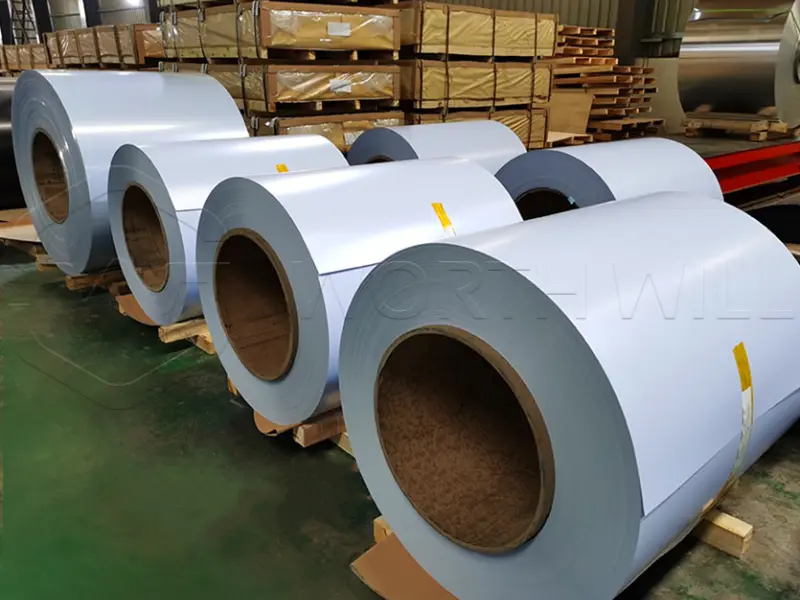
| Stock coil | Regular sizes | Faster availability |
| Custom coil | Special requirements | Better fit |
| Slit coil | Narrow products | Less cutting work |
| Cut-to-length | Sheet production | Ready-to-use pieces |
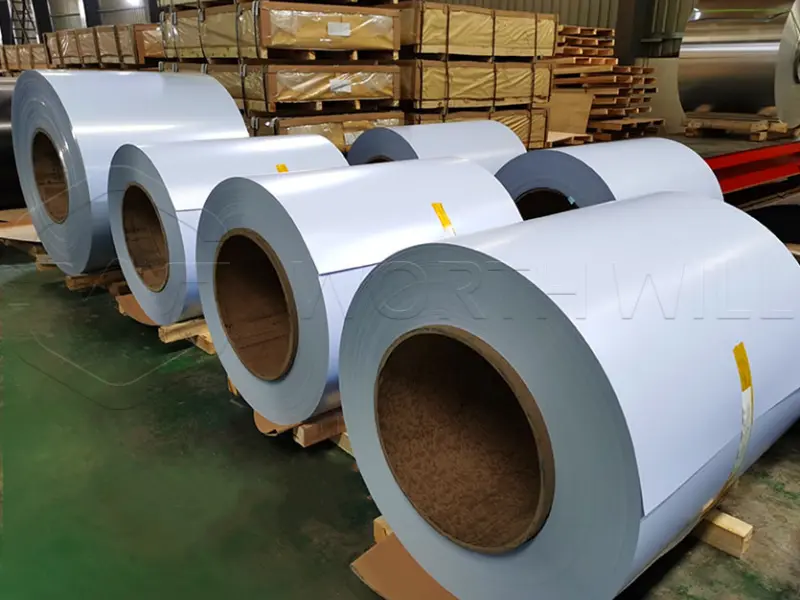
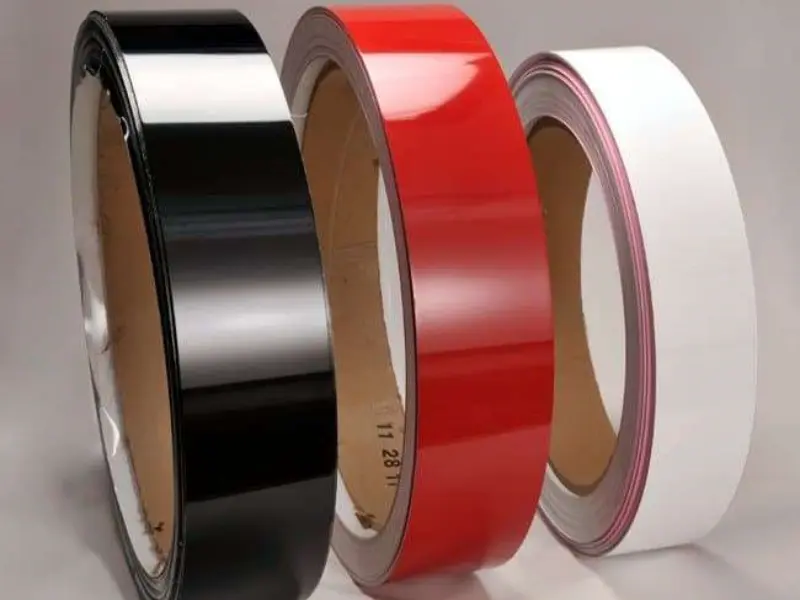
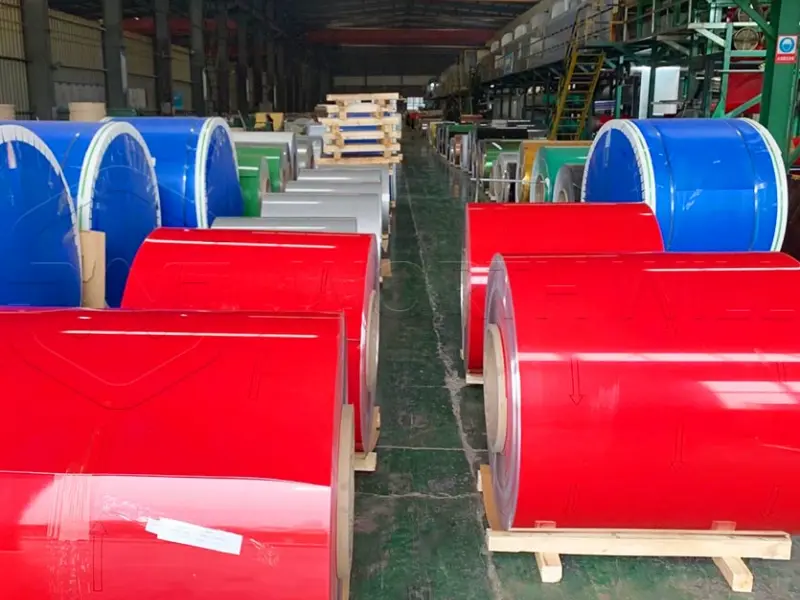
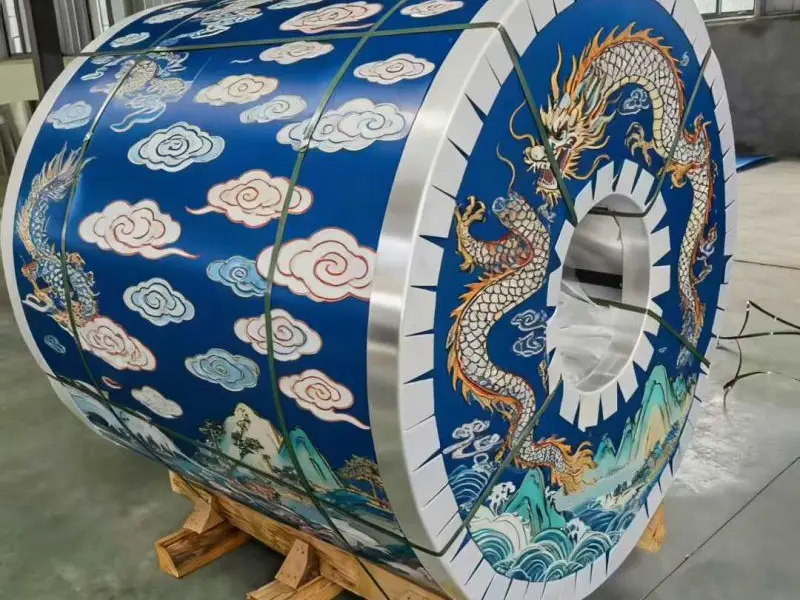
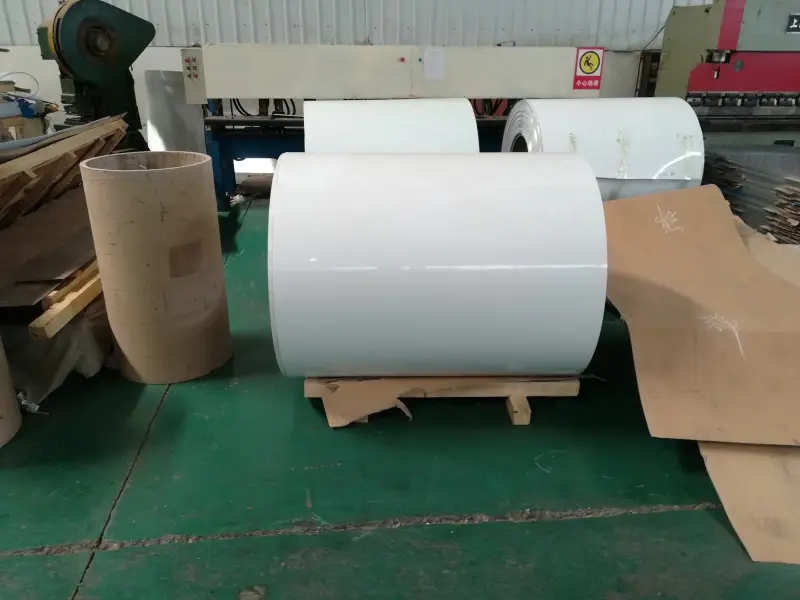
| Coated coil | Color products | Finished surface |
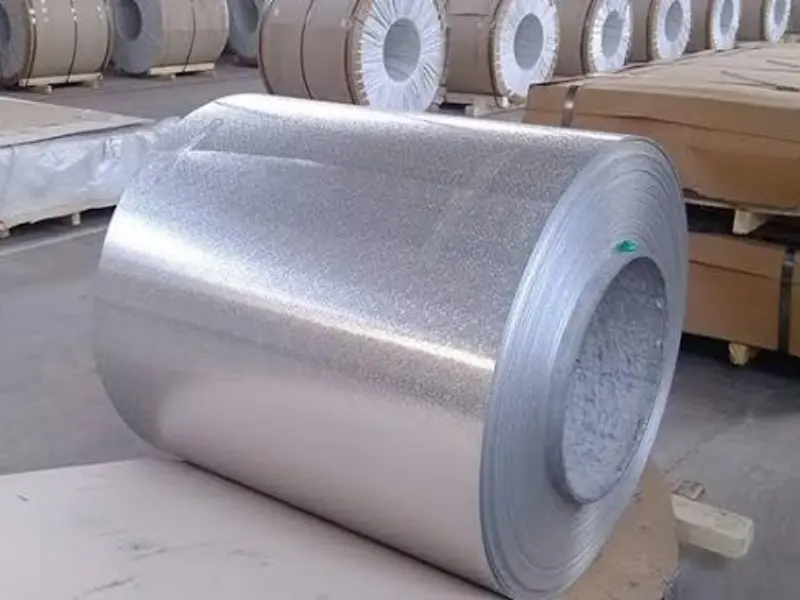
| Embossed coil | Textured products | Special surface |
For repeat production, custom specifications can help reduce processing work.
How Coil Width Affects Material Cost
Width is often overlooked during purchasing.
A coil that is too wide may create more trimming waste.
A coil that is too narrow may not cover the required production width.
A simple relationship is:
Correct Width
Less trimming
Better material utilization
→ Less scrap
→ Better production efficiency
For large orders, even a small reduction in scrap can make a noticeable difference.
Coil Weight: What Should Buyers Consider?
Coil weight should match the customer’s equipment and production line.
A heavier coil may reduce the number of coil changes.
However, the handling equipment must be able to load and unwind it safely.
| Item | Why It Matters |
|---|---|
| Net coil weight | Transportation and handling |
| Gross weight | Shipping calculation |
| Coil ID | Unwinding equipment |
| Coil OD | Storage and machine limits |
| Width | Production line |
| Packaging | Protection during shipping |
Always confirm these details before ordering large coils.
How to Choose the Right Coil Inner Diameter
The inner diameter is not just a packaging detail.
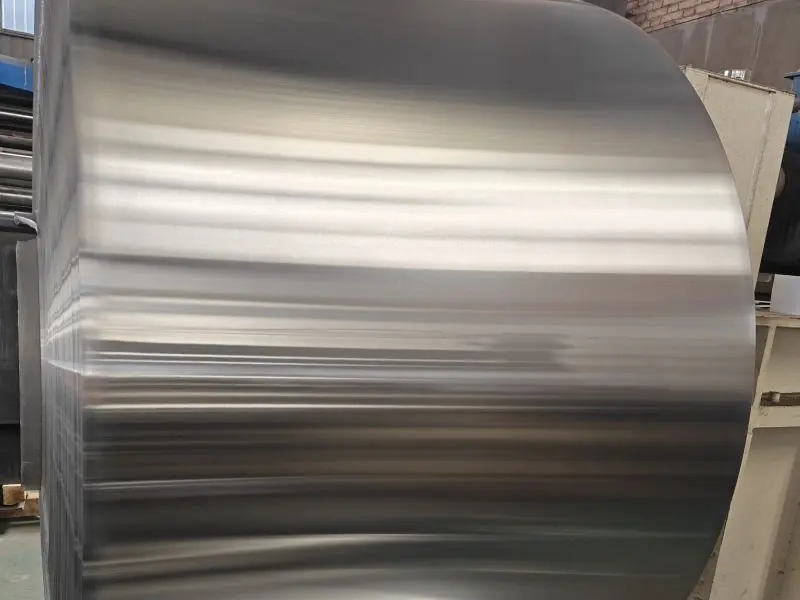
It must fit the customer’s decoiler or processing machine.
Common options may include:
- 152 mm
- 200 mm
- 300 mm
- 508 mm
- Custom ID
The correct value depends on the production equipment.
For an existing production line, buyers should provide the machine requirements before ordering.
Aluminum Coil for High-Volume Production
Large manufacturers usually need more than a competitive unit price.
They also need stable production.
Important factors include:
Stable thickness
↓
Stable width
↓
Consistent alloy
↓
Consistent temper
↓
Stable surface quality
↓
Repeatable coil weight
↓
Reliable delivery
For long-term supply, consistency can be more valuable than a small difference in the first quotation.
How to Compare Aluminum Coil Suppliers
A simple supplier comparison can help buyers make a better decision.
| Factor | Supplier A | Supplier B | Supplier C |
|---|---|---|---|
| Alloy | ✓ | ✓ | ✓ |
| Temper | ✓ | ✓ | ✓ |
| Thickness tolerance | Check | Check | Check |
| Width tolerance | Check | Check | Check |
| Surface quality | Check | Check | Check |
| Coil weight | Check | Check | Check |
| Packaging | Check | Check | Check |
| Sample | Yes/No | Yes/No | Yes/No |
| Lead time | — | — | — |
| Price | — | — | — |
Do not compare prices until the specifications are equivalent.
The Lowest Aluminum Coil Price Is Not Always the Lowest Cost
A lower quotation may look attractive.
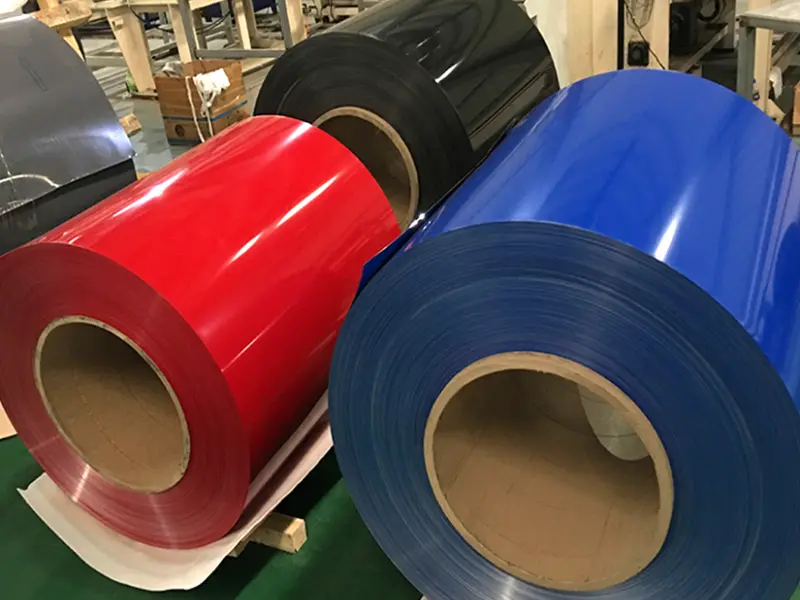
But the actual cost can include more than the material price.
Purchase price
Freight
Import cost
Cutting
Scrap
Processing loss
Quality problems
=
Actual material cost
This is why experienced buyers compare the total cost of using the material.
How Aluminum Coil Price Is Usually Evaluated
Several factors can affect the final quotation.
| Factor | Possible Effect |
|---|---|
| Aluminum alloy | Material value |
| Thickness | Material consumption |
| Width | Processing requirement |
| Surface treatment | Added processing |
| Coating | Paint and production cost |
| Embossing | Additional processing |
| Coil weight | Production and logistics |
| Quantity | Order economics |
| Packaging | Export requirements |
| Delivery term | Shipping cost |
Prices can change with aluminum market conditions and order specifications.
For this reason, a current quotation should be requested for the exact product.
MOQ Matters When You Buy Aluminum Coil
Minimum order quantity can vary by product.
A standard mill-finish coil may have a different MOQ from a custom-colored or embossed coil.
| Order Type | Typical Consideration |
|---|---|
| Standard coil | Easier to combine with production |
| Custom width | May require a larger order |
| Coated coil | Color and coating requirements |
| Embossed coil | Production setup |
| Slit coil | Slitting arrangement |
| Special alloy | Production planning |
If your required quantity is small, ask whether several specifications can be combined into one production order.
Sample Order vs. Bulk Order
For a new supplier, starting with a sample can reduce risk.
Sample Stage
Specification
→
Sample
→
Customer testing
→
Approval
Bulk Stage
Approved specification
→
Mass production
→
Inspection
→
Packing
→
Shipment
This is especially useful for coated, embossed, anodized, or customized aluminum coil.
What Should Be Included in an Aluminum Coil RFQ?
A complete inquiry makes the quotation process faster.
| Specification | Example |
|---|---|
| Product | Aluminum Coil |
| Alloy | 3003 |
| Temper | H14 |
| Thickness | 1.0 mm |
| Width | 1000 mm |
| Surface | Mill finish |
| Coil ID | 508 mm |
| Coil weight | 2–3 tons |
| Quantity | 20 tons |
| Application | Roll forming |
| Destination | Port or city |
| Packaging | Export packing |
If the product will be used on a specific machine, include the machine requirements as well.
A Better Way to Request a Quote
Instead of sending:
“Please quote aluminum coil.”
Send:
3003 H14 Aluminum Coil / 1.0 × 1000 mm / Mill Finish / 508 mm ID / 2–3 MT per Coil / 20 MT Total
This gives the supplier a much clearer starting point.
It can also reduce back-and-forth communication.
When Should You Buy Coil Instead of Sheet?
This is a good comparison section for the page.
| Requirement | Coil | Sheet |
|---|---|---|
| Continuous production | ✓ | — |
| Roll forming | ✓ | — |
| Automatic feeding | ✓ | Depends |
| Individual pieces | — | ✓ |
| Easy manual handling | — | ✓ |
| High-volume production | ✓ | Depends |
| Custom cutting | ✓ | ✓ |
If the production line continuously feeds aluminum, coil is usually more convenient.
Slit Coil Can Reduce Extra Processing
Not every factory needs a full-width master coil.
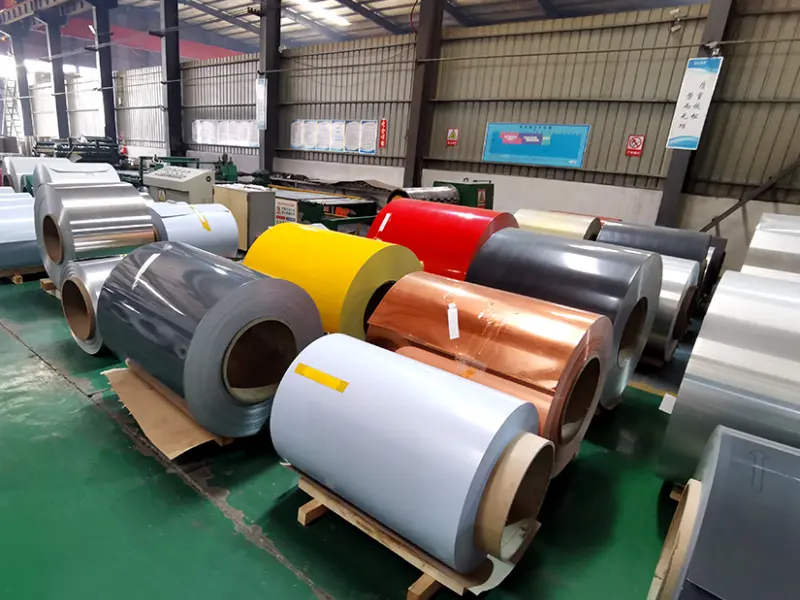
A wide coil can be slit into narrower coils.
Master Coil
↓
Slitting
↓
Narrow Coils
↓
Production Line
This can be useful for:
- Gutter production
- Trim coil
- Channel letters
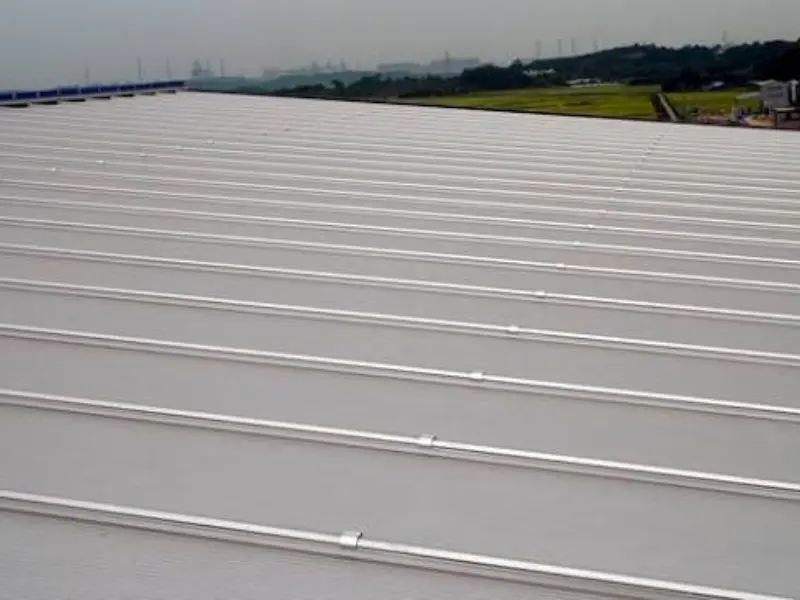
- Roofing components
- Insulation jacketing
- Small formed parts
The slit width and tolerance should be agreed before production.
Coated Aluminum Coil Buying Checklist
For painted or coated products, add more information to the RFQ.
| Item | What to Specify |
|---|---|
| Alloy | 3003 / 3105 / 5052 etc. |
| Temper | H14 / H24 etc. |
| Thickness | Exact requirement |
| Width | Exact requirement |
| Coating type | PE / PVDF etc. |
| Color | RAL or color sample |
| Coating thickness | Project requirement |
| Gloss | If important |
| Back coating | Required or not |
| Protective film | Yes / No |
This is particularly useful for roofing, cladding, gutter and architectural products.
Buying Aluminum Coil for Gutter Production
Gutter manufacturers usually need material that can run smoothly through forming equipment.
Important points include:
→ Width consistency
→ Thickness consistency
→ Suitable temper
→ Coating quality
→ Surface protection
→ Coil weight
→ Slitting accuracy
A suitable coil can reduce interruptions during roll forming.
Buying Aluminum Coil for Insulation Jacketing
For insulation projects, the specification may include more than the aluminum itself.
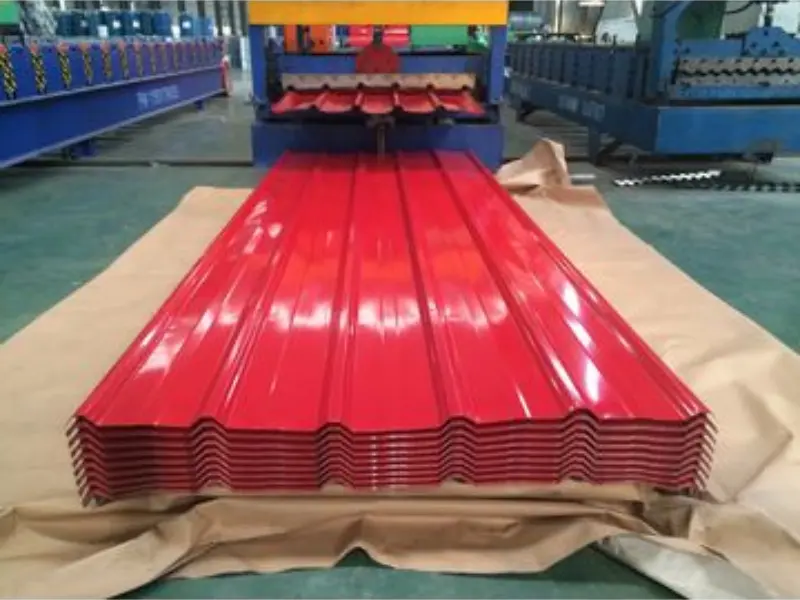
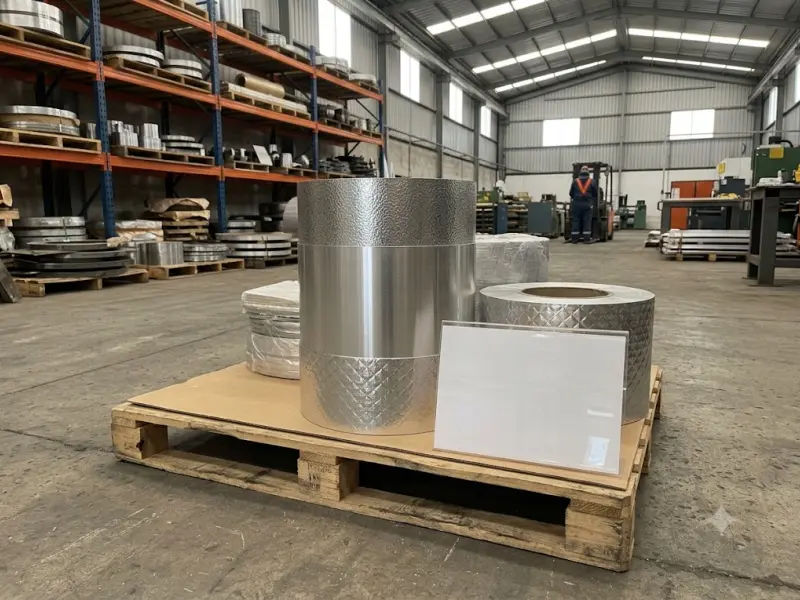
Possible requirements include:
Stucco embossing
Alloy
Temper
Thickness
Width
Polysurlyn moisture barrier
Coil weight
This should be clearly stated when requesting a quotation.
How to Check an Aluminum Coil Sample
Before bulk production, buyers can inspect several areas.
Dimensional check
Check:
- Thickness
- Width
- Coil ID
- Coil OD
- Coil weight
Surface check
Look for:
- Scratches
- Stains
- Oxidation
- Color differences
- Coating defects
- Embossing variation
Processing test
If possible, run the sample through the customer’s actual production process.
This gives a better result than visual inspection alone.
What Does “Consistent Coil Quality” Mean?

For a long production order, consistency means the material should remain within the agreed specification throughout the order.
For example:
Coil 1
→ Correct
Coil 2
→ Correct
Coil 3
→ Correct
Coil 4
→ Correct
The goal is not only to produce one good coil.
The goal is to maintain the same standard across the complete order.
Aluminum Coil Packaging for Export
Good packaging protects the product during transportation and storage.
A typical export package may include:
→ Waterproof paper
→ Protective film if required
→ Steel or aluminum edge protection
→ Steel straps
→ Wooden supports or pallets where appropriate
→ Clear product marking
Packaging should be selected according to coil weight, destination, transport method, and customer requirements.
What Information Should Be on the Coil Label?
Clear marking makes warehouse management easier.
A coil label may include:
| Information | Example |
|---|---|
| Alloy | 3003 |
| Temper | H14 |
| Thickness | 1.0 mm |
| Width | 1000 mm |
| Net weight | 2,500 kg |
| Gross weight | 2,550 kg |
| Coil number | XXXXX |
| Order number | XXXXX |
| Production date | XXXXX |
Exact labeling requirements can be agreed before shipment.
Common Mistakes When Buying Aluminum Coil
Mistake 1: Looking at price first
Always confirm the full specification first.
Mistake 2: Forgetting the temper
Two coils with the same alloy can behave differently.
Mistake 3: Ignoring coil dimensions
The coil may not fit the customer’s equipment.
Mistake 4: Not confirming surface requirements
This can be a problem for decorative or coated products.
Mistake 5: Ordering without a production test
A sample test can reduce risk.
Mistake 6: Comparing different specifications
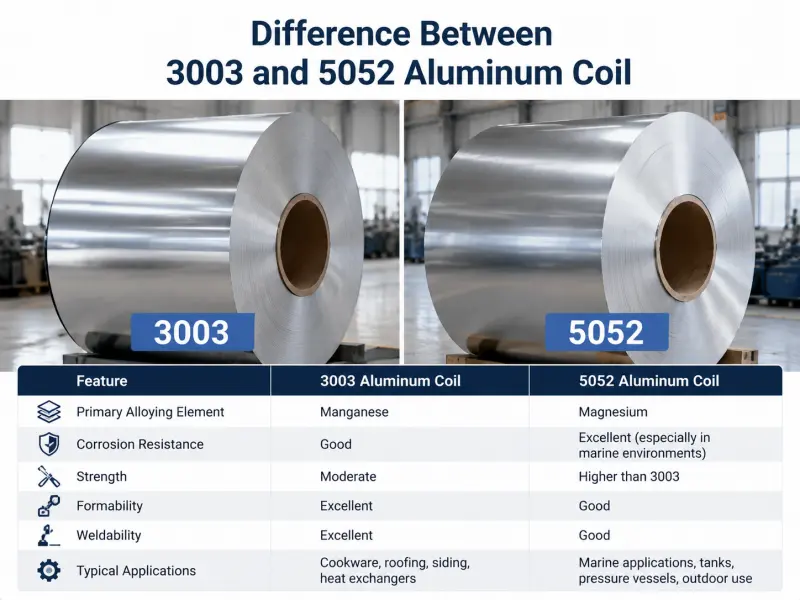
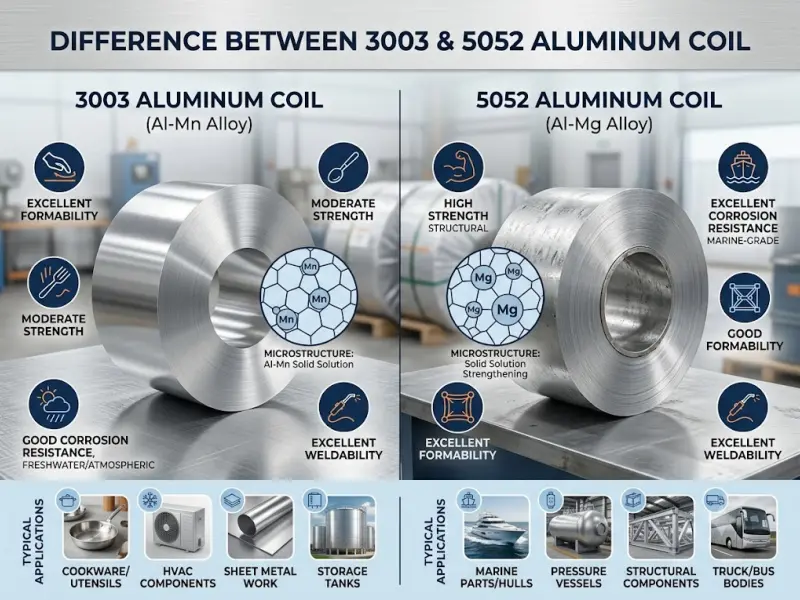
A 3003 coil and a 5052 coil should not be compared only by price per kilogram.
A Simple Aluminum Coil Buying Path
Tell us what you are making
↓
Choose alloy and temper
↓
Confirm thickness and width
↓
Select surface finish
↓
Confirm coil ID and weight
Choose packaging
↓
Request a quotation
Test sample if needed
↓
Approve production
↓
Ship the order
Custom Aluminum Coil for OEM Production
Custom orders can be useful when standard sizes do not fit the production line.
Possible customization includes:
- Alloy
- Temper
- Thickness
- Width
- Slit width
- Coil ID
- Coil weight
- Surface finish
- Coating
- Color
- Embossing
- Packaging
The more detailed the production requirement, the easier it is to develop a suitable coil specification.
For Repeat Buyers: Build a Fixed Specification
If you purchase aluminum coil regularly, it can be useful to create a fixed purchasing specification.
For example:
3003 H14 / 1.0 mm / 1000 mm / Mill Finish / 508 mm ID / 2–3 MT per Coil
The same specification can then be used for future orders.
This makes communication easier and helps reduce specification errors.
What Makes a Good Aluminum Coil Supplier?
For B2B buyers, a supplier should provide more than a price.
Look for:
✓ Stable production
✓ Clear specifications
Consistent quality
✓ Flexible customization
✓ Reliable packaging
Sample support
✓ Technical communication
✓ Stable delivery
Export experience
✓ Clear quotation
A supplier that understands the customer’s production process can often provide more useful support than a supplier that only sells standard sizes.
Recommended Related Pages for Internal Linking
| Related Content | Search Intent |
|---|---|
| Aluminum Coil Price | Price |
| Aluminum Coil Sizes | Size |
| Aluminum Coil Weight Chart | Weight |
| Aluminum Coil Manufacturer | Supplier |
| Aluminum Coil Supplier China | Supplier |
| Aluminum Coil for Roofing | Application |
| Aluminum Coil for Gutter | Application |
| Coated Aluminum Coil | Surface |
| Stucco Embossed Aluminum Coil | Embossed product |
| Aluminum Slit Coil | Processing |
| Aluminum Coil for Insulation | Application |
| 3003 Aluminum Coil | Alloy |
| 3105 Aluminum Coil | Alloy |
| 5052 Aluminum Coil | Alloy |