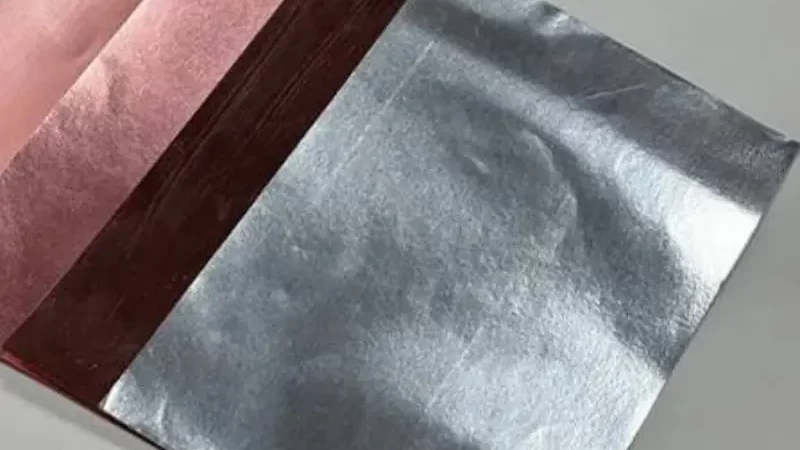
Household foil and industrial aluminium foil are both made from aluminum. However, they are designed for different jobs. Household foil has mainly used for cooking, food storage, and daily kitchen tasks. Industrial aluminium foil has used in packaging, insulation, electronics, automotive parts, building materials, and many other products.
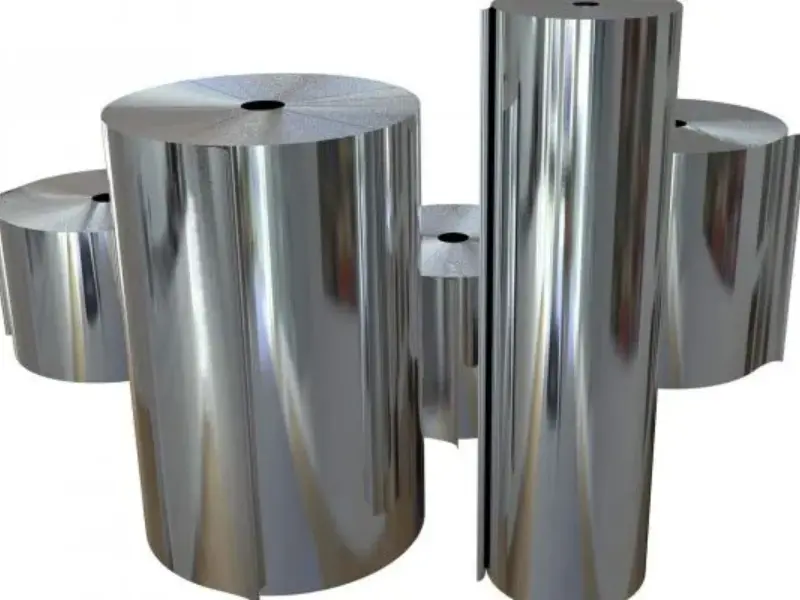
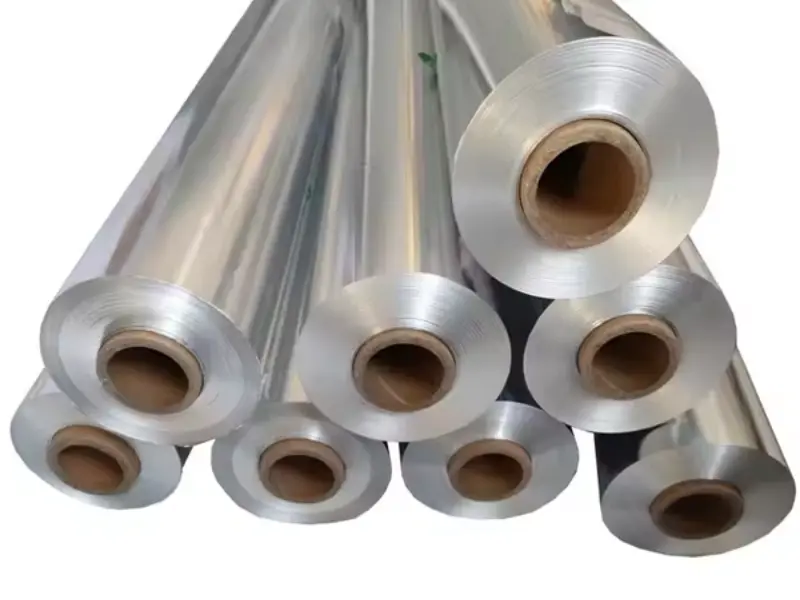
The main differences are thickness, width, temper, surface requirements, performance, and processing methods. Household foil is usually thin and flexible. Industrial foil has supplied in a wide range of thicknesses and widths to meet specific production needs.
For buyers, choosing the right aluminium foil means understanding the final application. A food packaging company may need excellent sealing performance. An insulation manufacturer may require a foil surface with suitable barrier properties. An electronics producer may need precise thickness control and a clean surface.
What Is Household Aluminium Foil?
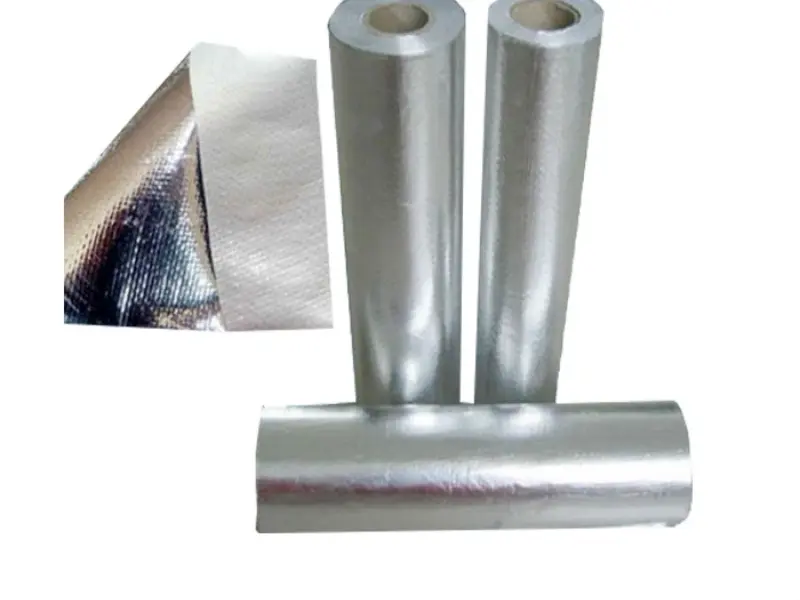
Household aluminium foil is a thin aluminum product designed for everyday use. It has commonly supplied in rolls for kitchens, restaurants, catering businesses, and food service operations.
It can wrap food, cover containers, line selected cooking surfaces, and help protect food from air, moisture, and odors. Its performance depends on the foil thickness, the condition of the foil, and how it is used.
Household foil is generally easy to fold and cut. It can fit around food and containers without requiring special equipment.
Common Features of Household Foil
- Thin and flexible material.
- Easy to cut, fold, and wrap.
- Available in different roll widths and lengths.
- Suitable for many food-contact applications when manufactured for that purpose.
- Available in standard, heavy-duty, and catering formats.
- Can be supplied in retail boxes or bulk rolls.
Household foil is not designed to meet every industrial requirement. A production line may need a wider roll, tighter thickness tolerances, a specified alloy, or a surface that works with coating, lamination, or converting equipment.
What Is Industrial Aluminium Foil?
Industrial aluminium foil is foil manufactured for commercial production and technical applications. It has applications directly or processed into another product.
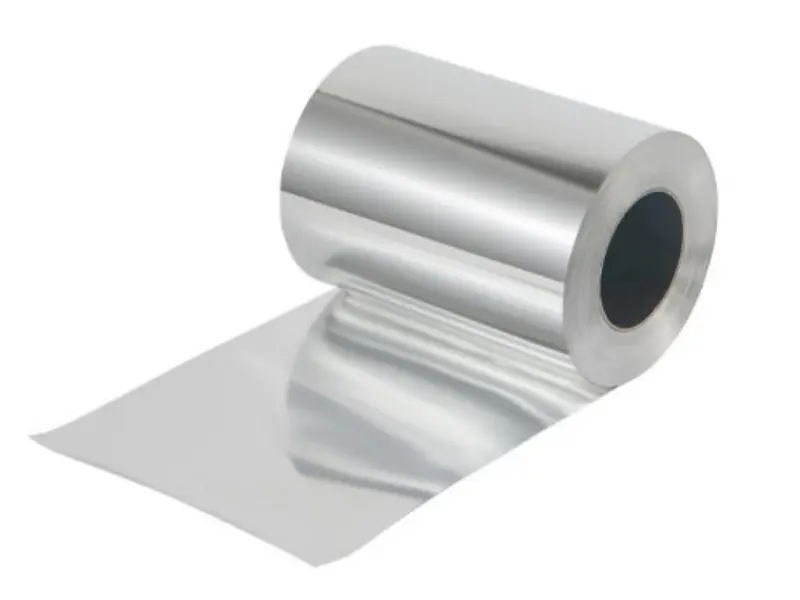
Unlike household foil, industrial foil has often ordered according to detailed technical specifications. Buyers may define the alloy, temper, thickness, width, roll diameter, surface condition, and mechanical properties.
Industrial aluminium foil has applications in many sectors, including packaging, construction, electrical equipment, automotive manufacturing, and heat management.
Main Features of Industrial Aluminium Foil
- Multiple thickness and width options.
- Specifications designed for particular production processes.
- Available in different alloy and temper combinations.
- Suitable for laminating, coating, embossing, slitting, and other converting operations.
- Supplied in master coils, jumbo rolls, or slit rolls.
- Can be produced to agreed dimensional and surface requirements.
Industrial foil is not one single product grade. Foil for flexible packaging may have different requirements from foil used in insulation, capacitors, or automotive components.
Household Foil vs. Industrial Aluminium Foil: Key Differences
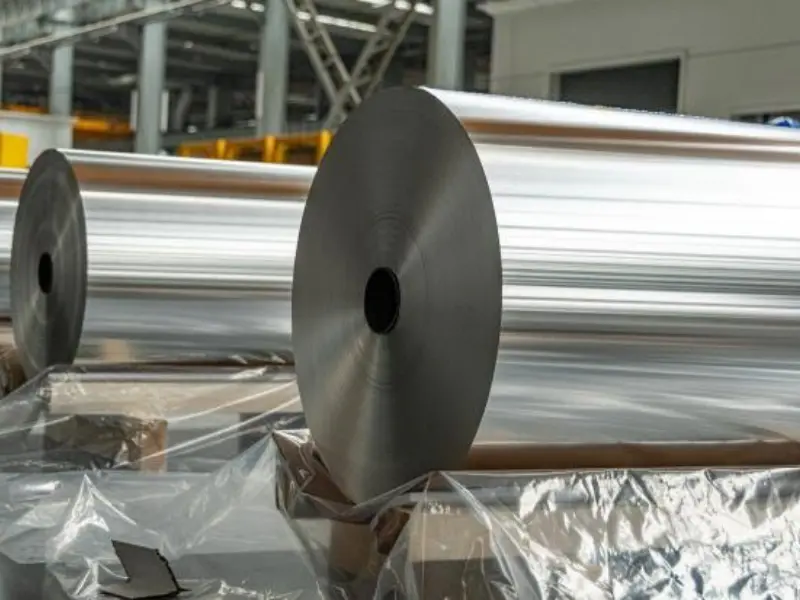
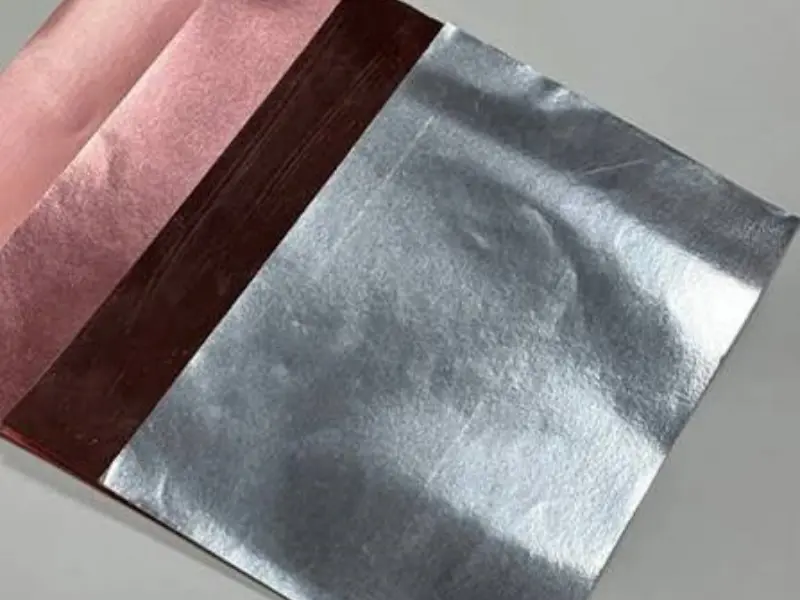
The most useful way to compare these two products is to look at their intended use and purchasing requirements.
| Comparison factor | Household aluminium foil | Industrial aluminium foil |
|---|---|---|
| Main purpose | Cooking, wrapping, and food storage | Manufacturing and technical applications |
| Typical thickness | Often around 8–25 μm, depending on product | Can range from a few micrometers to over 100 μm |
| Roll width | Usually designed for kitchen or catering use | Often customized for production equipment |
| Flexibility | Designed for easy handling by consumers | Depends on thickness, alloy, temper, and application |
| Surface requirements | Clean, usable surface for intended food contact | May require specific cleanliness, roughness, or coating compatibility |
| Alloy | Commonly selected from suitable commercially pure aluminum grades | Depends on processing, strength, barrier, and application needs |
| Temper | Often soft or annealed foil | May include soft or harder tempers, depending on the product |
| Processing | Cutting, wrapping, and covering | Slitting, lamination, coating, embossing, stamping, or other converting |
| Packaging | Retail boxes or catering rolls | Master coils, jumbo rolls, or slit coils |
| Quality control | Thickness, appearance, and intended-use requirements | May include tighter tolerances and application-specific tests |
The thickness ranges in this table are indicative, not fixed limits. Household and industrial foil can overlap in thickness. The intended application and production requirements are often more important than the product name alone.
Thickness Comparison: From Kitchen Foil to Heavy Industrial Foil
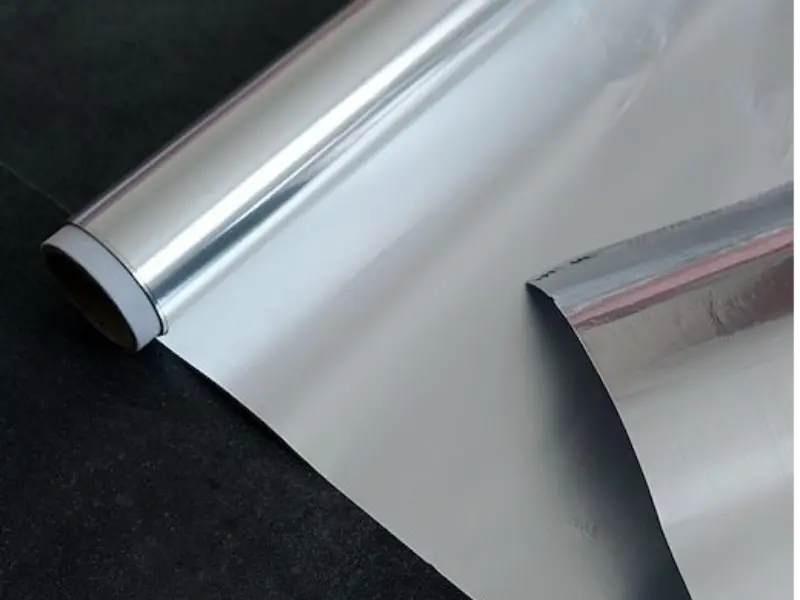
Thickness is one of the first specifications buyers compare. It affects flexibility, barrier performance, strength, weight, and processing behavior.
The following values are examples of common thickness ranges. Actual availability depends on the product, alloy, temper, and supplier.
| Foil thickness | Typical product category | Possible applications |
|---|---|---|
| 6–9 μm | Very thin foil | Selected laminated packaging structures |
| 10–12 μm | Thin foil | Flexible packaging and food wrapping |
| 13–16 μm | Medium-thin foil | Household, catering, and packaging uses |
| 17–25 μm | Heavy-duty household or commercial foil | Food service and demanding wrapping tasks |
| 25–40 μm | Industrial foil | Packaging, converting, and selected insulation products |
| 40–80 μm | Medium-gauge industrial foil | Building materials, technical laminates, and specialty products |
| 80–150 μm | Heavy-gauge foil or thin sheet, depending on specification | Industrial components and specialty fabrication |
These ranges are not universal product classifications. Different industries may define foil and sheet differently. Buyers should confirm the supplier’s product category and thickness tolerance.
How Thickness Changes Performance
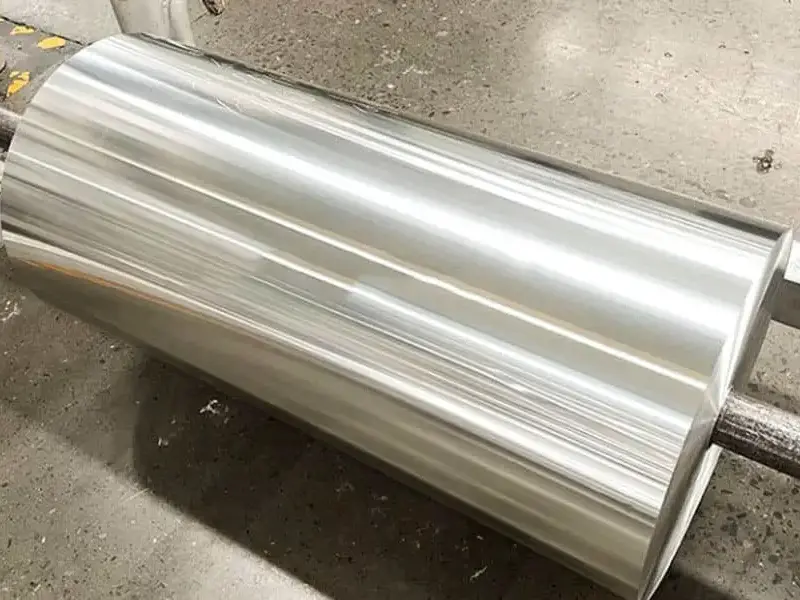
Thinner foil uses less aluminum and can offer good flexibility. However, it may be easier to tear or puncture during handling.
Thicker foil generally provides greater resistance to handling damage. It also uses more material and may need different forming or converting settings.
For laminated packaging, the final barrier performance depends on the entire structure, including the foil layer, polymers, adhesives, and sealing process. Thickness alone does not determine the performance of the finished package.
Different Types of Household Aluminium Foil
Household foil is available in several formats. The right option depends on the type of food, cooking method, handling needs, and roll size.
Standard Household Aluminium Foil
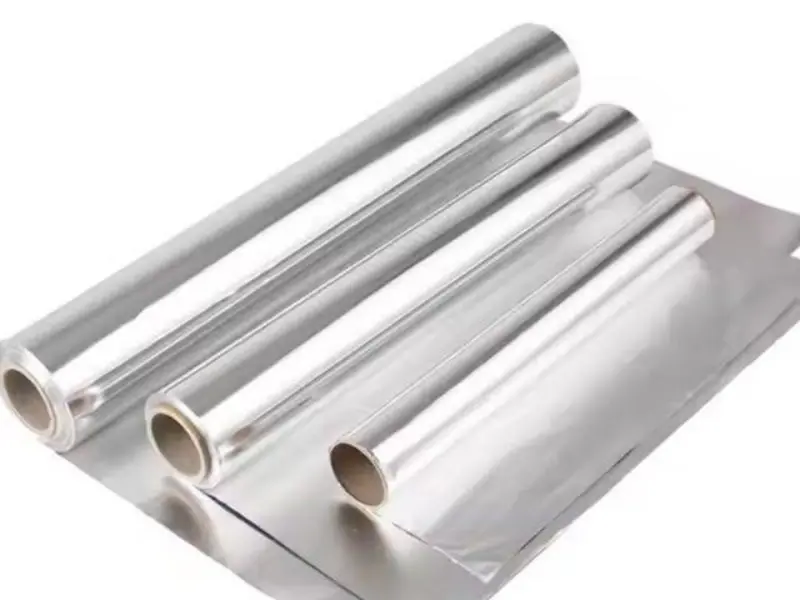
Standard household foil has designed for everyday kitchen tasks. It can wrap sandwiches, cover bowls, protect food during storage, and help keep moisture inside during cooking.
It has often supplied in convenient rolls for home use.
Heavy-Duty Aluminium Foil
Heavy-duty foil is thicker than many standard household products. It can be useful for wrapping larger items and handling tasks that require greater resistance to tearing.
Common uses include:
- Wrapping large portions of meat or vegetables.
- Covering roasting trays.
- Preparing food for outdoor cooking.
- Protecting food during refrigeration.
- Supporting selected catering tasks.
The term “heavy-duty” is not a universal thickness standard. Buyers should compare the stated micrometer value rather than relying on the label alone.
Extra-Wide Catering Foil
Catering foil has designed for restaurants, hotels, kitchens, and food service companies. Wider rolls can cover large trays and containers with fewer overlapping pieces.
Its main advantages are convenient handling and improved coverage for large food containers.
Pop-Up Aluminium Foil Sheets
Pop-up foil sheets have cut to a fixed size and packed for quick dispensing. They are useful in busy kitchens where staff need to wrap food quickly.
They have supplied in different sheet dimensions and thicknesses, depending on the supplier.
Embossed Household Foil

Embossed foil has a patterned surface. The texture may improve its appearance or handling characteristics, depending on the product design.
Buyers should confirm whether the embossed finish is suitable for their intended food-contact application.
Types of Industrial Aluminium Foil by Application
Industrial aluminium foil covers a broad range of products. Each type has developed for a particular manufacturing process or end use.
Aluminium Foil for Flexible Packaging
Flexible packaging foil has applications in multilayer structures for food, pharmaceutical, personal care, and other products. It has laminated with plastic films or paper to create a package with specific barrier and mechanical properties.
Typical applications include:
- Food pouches and sachets.
- Coffee and beverage packaging.
- Confectionery wrappers.
- Retortable packaging structures when the complete material system has designed for that process.
- Pharmaceutical blister packaging.
- Cosmetic and personal care packaging.
The foil grade must match the lamination, printing, forming, and sealing requirements of the finished package.
Aluminium Foil for Thermal Insulation
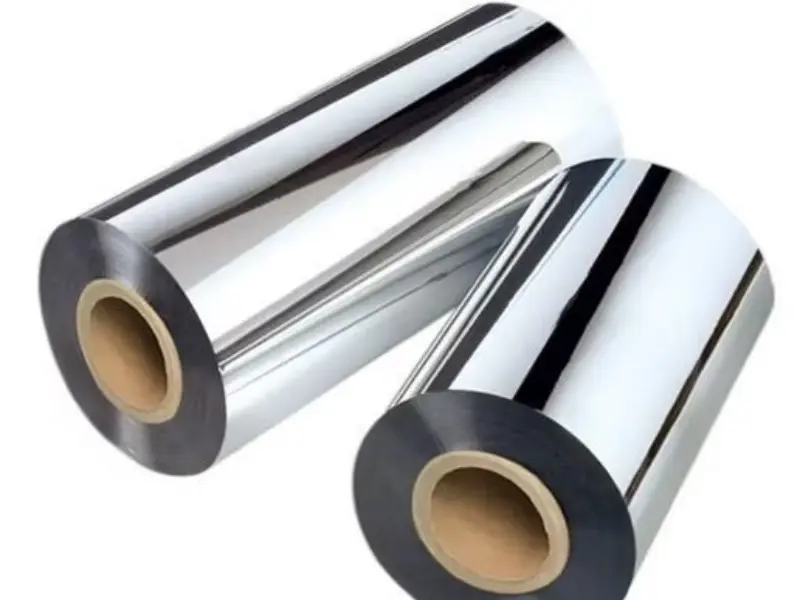
Insulation foil has uses as a facing or reflective layer in selected building and industrial insulation systems. It can help reduce radiant heat transfer when installed as part of a suitable system.
Common applications include:
- Roof insulation systems.
- Wall insulation assemblies.
- HVAC duct insulation.
- Pipe insulation.
- Industrial equipment insulation.
- Reflective insulation products.
Reflective performance depends on surface condition, installation, air spaces, and the complete assembly. A foil layer alone does not replace the need for suitable bulk insulation where conductive heat transfer must be controlled.
Aluminium Foil for Electrical Applications
Some aluminium foils have applications in electrical and electronic products. These applications may require careful control of thickness, surface quality, and mechanical properties.
Potential uses include selected capacitor products, electrical shielding, and conductive layers in specialized assemblies.
Not every aluminium foil grade is suitable for electrical use. Buyers should specify the required electrical properties and manufacturing standards.
Aluminium Foil for Automotive Applications
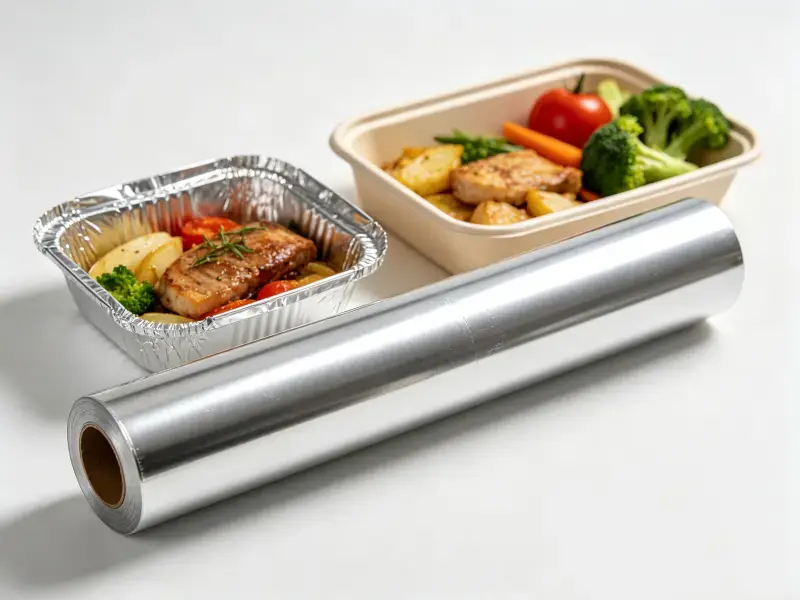
Automotive manufacturers use aluminium foil in selected thermal, acoustic, and protective components. Foil may form part of a multilayer material rather than being used alone.
Typical applications include:
- Heat shields.
- Thermal insulation laminates.
- Selected battery-related components.
- Acoustic and vibration-control materials.
- Protective layers for automotive systems.
The required alloy, temper, thickness, and surface treatment depend on the component design and its operating environment.
Aluminium Foil for Building Materials
Industrial foil has incorporated into roofing, wall, insulation, and vapor-control products. In these applications, it has laminated with paper, polymer films, foam, or other materials.
Typical uses include:
- Insulation facings.
- Reflective building products.
- Foil-faced boards.
- Selected vapor-control layers.
- Composite construction materials.
The finished product has designed for its intended installation. Joint sealing, puncture resistance, moisture exposure, and fire requirements may all matter.
Aluminium Foil for Heat Exchangers and Technical Products
Specialized aluminium foil and thin strip have applications in heat-transfer components, depending on the design and manufacturing method.

Possible applications include selected fin materials, thermal management products, and engineered components that require controlled dimensions and forming performance.
The correct product specification depends on the required heat transfer, corrosion resistance, forming process, and operating conditions.
Household Foil and Industrial Foil: Alloy Differences
Aluminium foil is manufactured from different alloys according to its intended use. Alloy selection affects formability, strength, corrosion resistance, and compatibility with the production process.
1xxx Series Aluminium Foil
The 1xxx series contains high levels of aluminum. Grades such as 1050, 1060, and 1235 are used in selected foil products.
These materials can offer good formability and corrosion resistance. Some are widely used in packaging and other applications where high strength is not the main requirement.
The exact grade should be selected according to the final application and supplier capability.
3xxx Series Aluminium Foil
The 3xxx series contains manganese as a principal alloying element. Certain grades may be used in applications that require a balance of formability and strength.
For foil products, the suitability of a 3xxx alloy depends on the required thickness, temper, rolling process, and end use.
8xxx Series Aluminium Foil

Some 8xxx series alloys are used for specialized foil applications. For example, 8011 is used in various packaging and household foil products, while other grades may be selected for specific industrial requirements.
The alloy should not be chosen by series alone. The buyer must confirm the applicable material standard and mechanical properties.
Alloy Comparison Table
| Alloy or series | General characteristics | Potential applications |
|---|---|---|
| 1050 | High aluminum content, good formability | Selected general-purpose foil products |
| 1060 | High purity and good corrosion resistance | Selected foil and electrical-related uses |
| 1235 | Commonly used in thin foil applications | Flexible packaging and converting |
| 3003 | Manganese alloy, useful formability | Selected technical and formed products |
| 8011 | Widely used in various foil applications | Household foil, packaging, and selected industrial products |
This table is a general guide. Not every grade is available for every thickness or end use. Confirm the exact specification with the manufacturer.


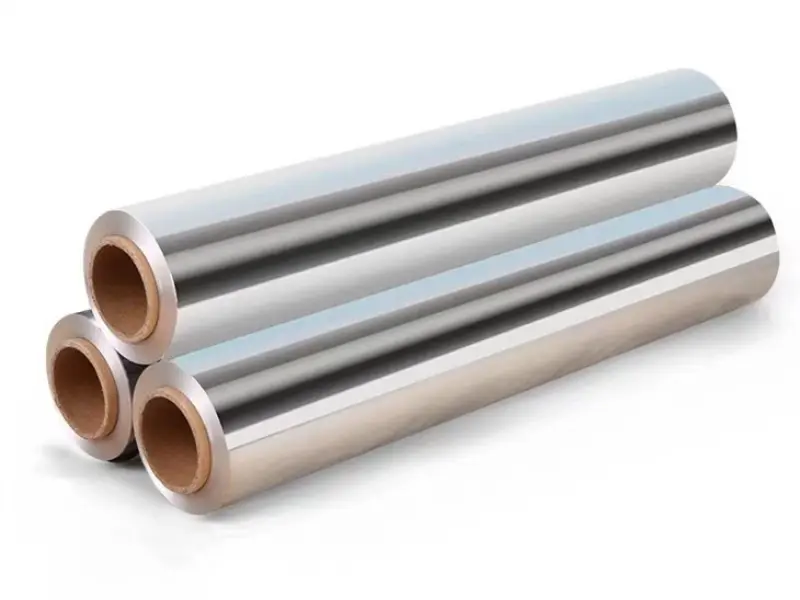
Aluminium Foil Temper: O, H18, and Other Conditions
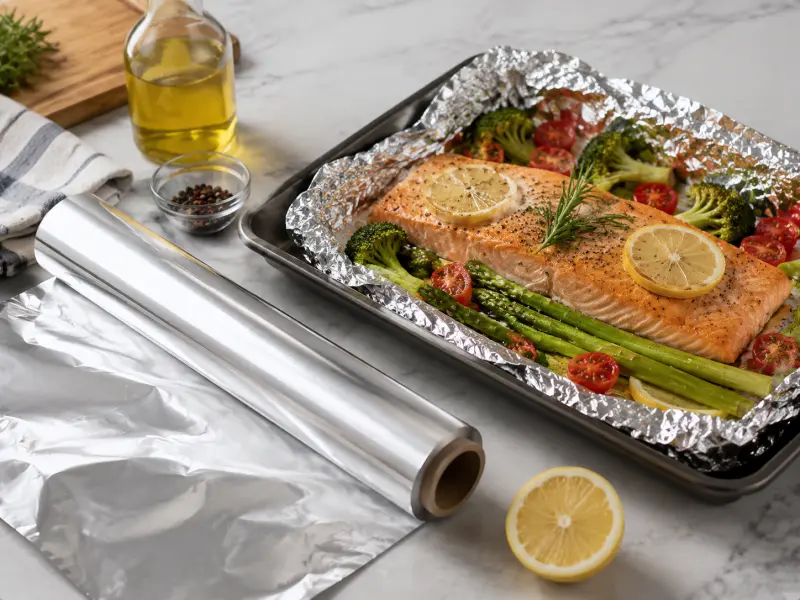
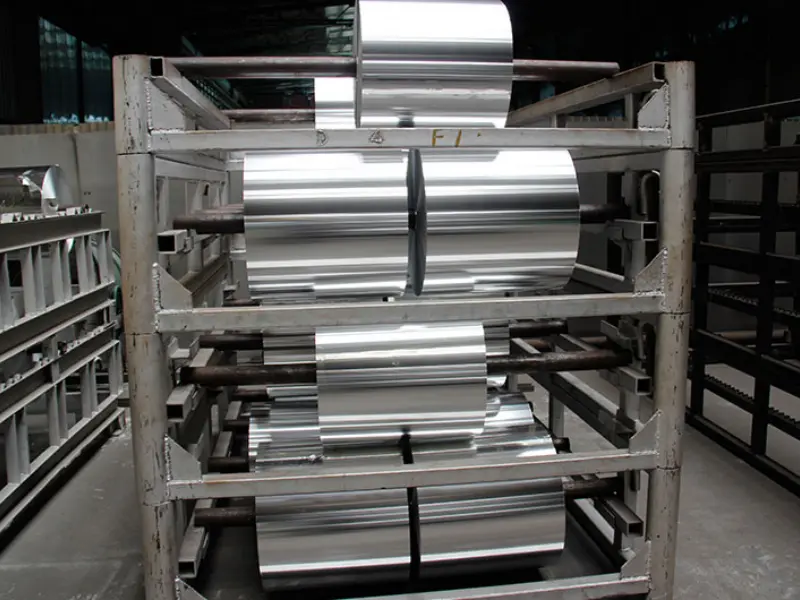
Temper describes the material condition after processing. It affects hardness, strength, and flexibility.
O Temper Aluminium Foil
O temper refers to the annealed condition. It is generally soft and flexible.
It has applications where the foil needs to fold, wrap, or conform to a shape. Many flexible foil products require a soft material condition.
H18 Temper Aluminium Foil
H18 is a hard temper produced by strain hardening. It provides greater strength and hardness than an annealed condition, but it has less formability.
It may be suitable for applications that require a firmer foil. The correct temper depends on the alloy and the forming requirements.
Other Hard and Soft Conditions
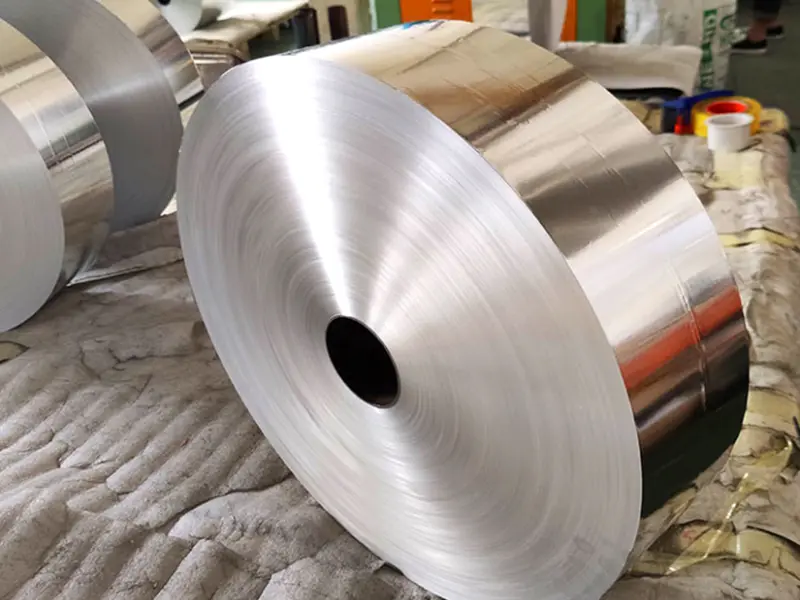
Industrial foil has supplied in other temper conditions, depending on the alloy and product specification.
Some applications require soft foil for folding, while others need harder foil for dimensional stability or further processing.
| Temper condition | General behavior | Selection notes |
|---|---|---|
| O | Soft and flexible | Consider for wrapping and forming |
| H18 | Harder and stronger | Consider where higher hardness is needed |
| Other H tempers | Vary by strain-hardening condition | Confirm mechanical properties and process suitability |
Temper designations are alloy-specific. Buyers should request the exact alloy-temper combination rather than specifying temper alone.
Household Foil vs. Industrial Aluminium Foil in Food Packaging
Both household foil and industrial foil have applications in food-related applications, but they serve different roles.
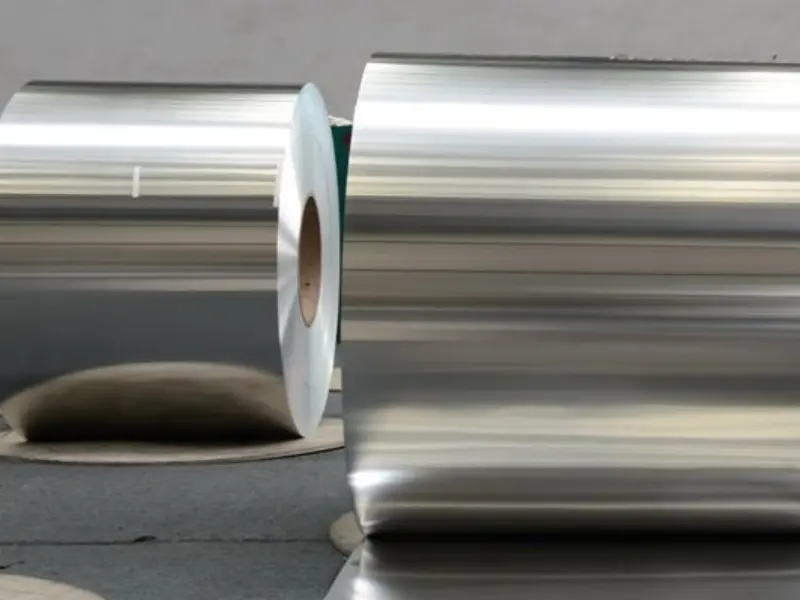
Household foil is ready for direct use by consumers. Industrial foil has often supplied to converters that turn it into wrappers, containers, lids, laminates, or other packaging products.
Household Food Wrapping
Household foil can help cover food and reduce exposure to air and moisture. It is suitable for many wrapping and storage tasks when used as directed.
However, aluminum foil is not appropriate for every food or cooking condition. Acidic or highly salty foods can react with aluminum under certain conditions. Follow the product instructions and applicable food-safety guidance.
Industrial Food Packaging
Industrial foil has laminated, printed, coated, or converted into a finished package. The final structure has designed to meet requirements for barrier performance, sealing, strength, and product protection.
The manufacturer should confirm that the material is suitable for the intended food-contact use and complies with the applicable regulations in the target market.
Industrial Aluminium Foil vs. Aluminium Foil Laminates
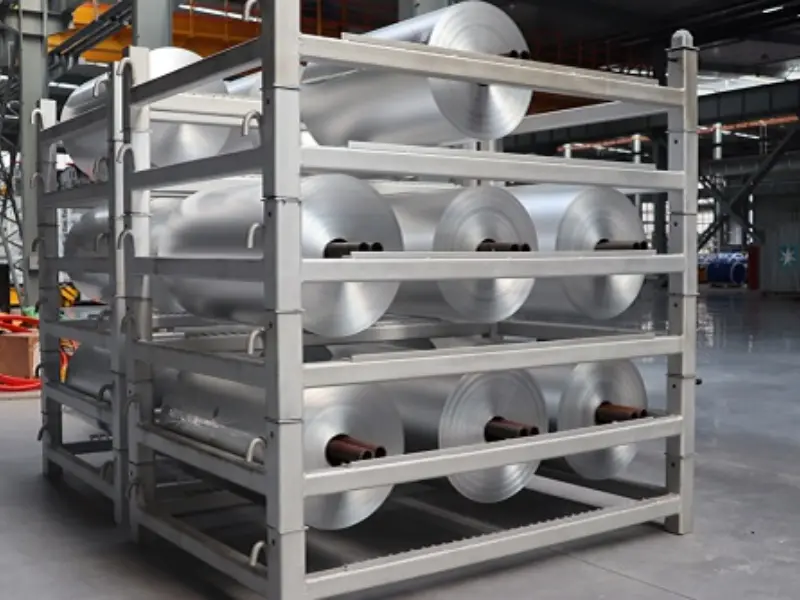
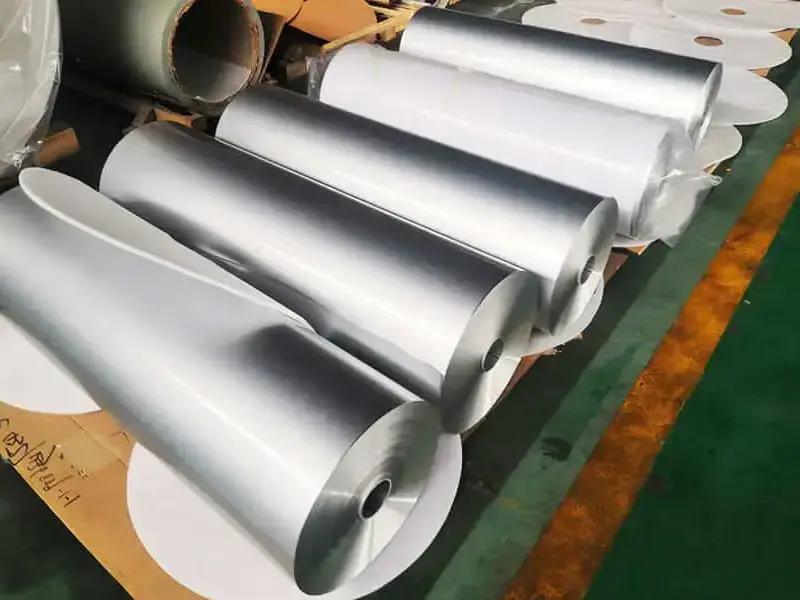
The industrial aluminium foil and foil laminates are related but different products.
Industrial foil has supplied as a single metal layer. A foil laminate combines aluminum with other materials, such as plastic film, paper, or adhesive layers.
| Feature | Aluminium foil | Aluminium foil laminate |
|---|---|---|
| Structure | Single aluminum layer | Aluminum combined with other layers |
| Flexibility | Depends on thickness and temper | Depends on the complete structure |
| Barrier properties | Depends on foil integrity and thickness | Depends on the foil, polymers, joints, and overall design |
| Printing | May need a suitable surface treatment | Often printed on a selected layer |
| Sealing | Requires a suitable sealing method or additional material | May include heat-sealable polymer layers |
| Typical applications | Foil rolls, technical foil, selected components | Pouches, wrappers, insulation facings, and composite packaging |
For packaging buyers, the laminate structure may be just as important as the foil itself. The full material specification should include the layer structure, adhesive system, sealing requirements, and intended use.
Household Foil vs. Industrial Aluminium Foil: Cost Factors
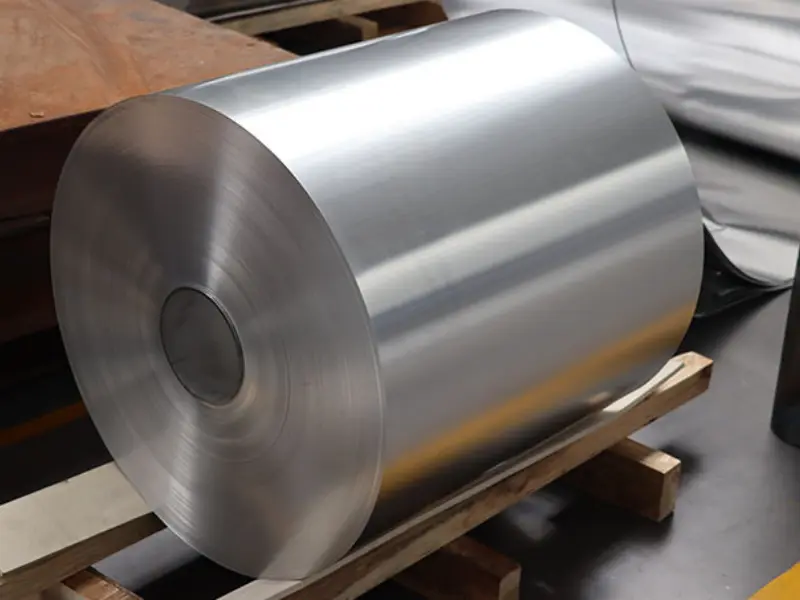
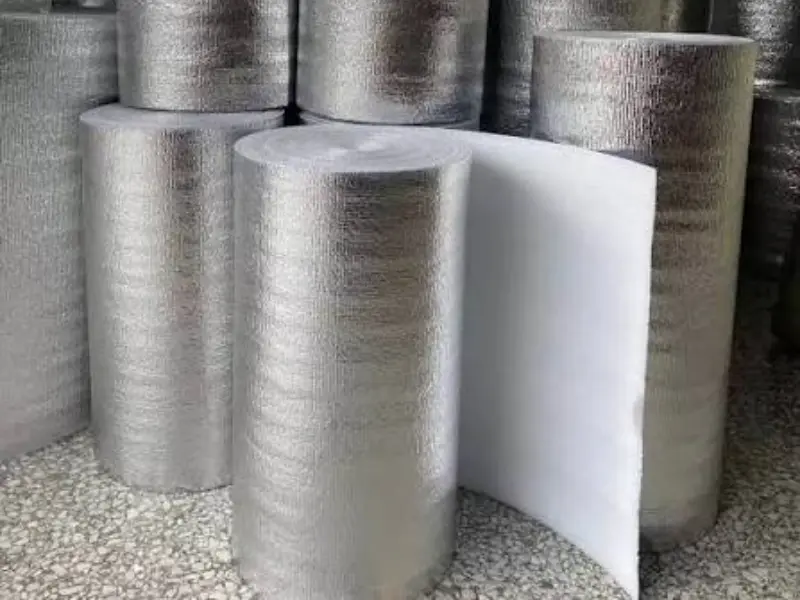
Price depends on more than thickness. The alloy, temper, width, roll size, surface requirements, processing, and order quantity can all affect the quotation.
| Cost factor | Impact on purchasing |
|---|---|
| Thickness | Changes material weight per square meter |
| Alloy | Different grades may have different production requirements |
| Temper | May require different processing conditions |
| Roll width | Affects slitting, handling, and material yield |
| Roll diameter | Influences winding and packaging requirements |
| Surface quality | May require additional control or inspection |
| Coating or lamination | Adds material and processing costs |
| Order quantity | Influences production planning and setup costs |
| Packaging | Depends on transport and protection requirements |
| Quality documents | Additional inspection or testing may affect the final cost |
When comparing industrial aluminium foil suppliers, buyers should use the same technical specifications. A lower price may reflect a different thickness, tolerance, roll size, or surface requirement.
How to Select the Right Aluminium Foil
The best foil depends on what happens after the material is purchased. A kitchen user needs convenience. A packaging manufacturer needs reliable processing. An insulation producer may need a surface that performs well in a composite structure.
For Household and Catering Use
Consider the following factors:
- Standard or heavy-duty thickness.
- Roll width and length.
- Ease of cutting and handling.
- Intended cooking or storage method.
- Food-contact suitability.
- Packaging format and order quantity.
For Industrial Buyers
Industrial purchasing usually requires a more detailed specification.
Confirm the following information:
- Alloy and temper.
- Nominal thickness and tolerance.
- Roll width and width tolerance.
- Inner core diameter.
- Outer roll diameter and maximum roll weight.
- Surface condition and oil requirements, if applicable.
- Mechanical properties, where needed.
- Coating, lamination, or converting requirements.
- Inspection and documentation requirements.
- Packaging and delivery terms.
A Simple Industrial Purchasing Process
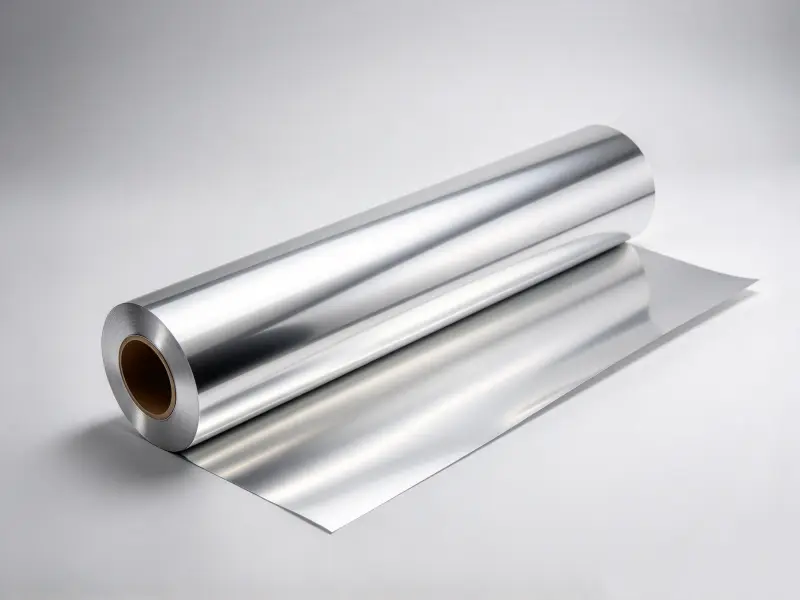
Application requirements → Material specification → Supplier review → Sample or trial run, if needed → Production → Quality inspection → Packing → Shipment
A sample or trial run can help confirm that the foil performs correctly on the buyer’s equipment before a larger order is placed.
Quality Control for Industrial Aluminium Foil
Quality control helps ensure that foil meets the buyer’s production requirements. The inspection plan should match the intended use.
Common checks may include:
- Thickness and dimensional tolerances.
- Width and roll dimensions.
- Surface appearance and visible defects.
- Pinholes, where relevant to the product specification.
- Mechanical properties, if required.
- Surface cleanliness and coating compatibility.
- Winding quality and edge condition.
- Packaging and traceability.
Pinholes can be important in thin foil used for barrier applications. Their acceptable level depends on the thickness, product design, and applicable standard. Buyers should define the inspection requirements before production.
For sensitive applications, the purchase order should state the relevant standard, test method, and acceptance criteria.
Packaging and Storage
Proper packaging helps protect aluminium foil from moisture, dirt, physical damage, and handling problems.
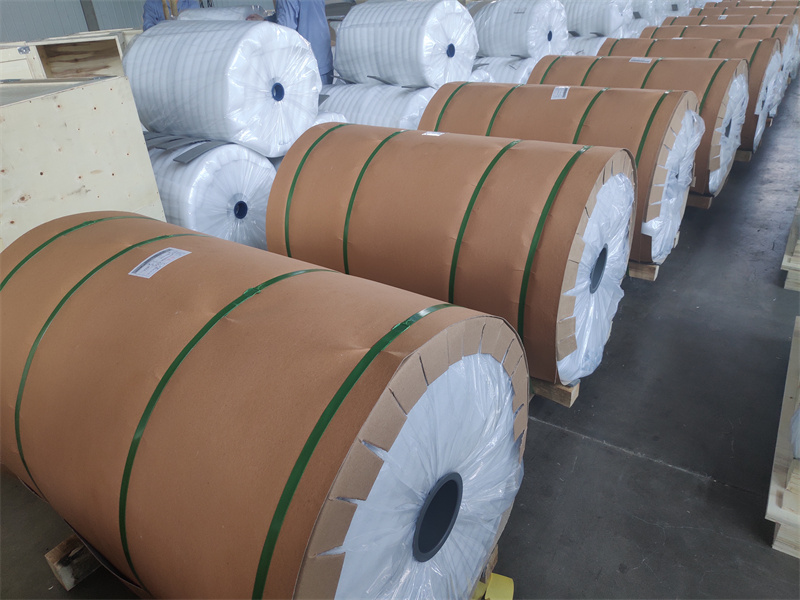
Household foil has commonly supplied in retail boxes or catering rolls. Industrial foil has packed in jumbo rolls, master coils, or slit rolls with protective wrapping.
For industrial orders, buyers should confirm:
- Roll dimensions and weight.
- Core diameter and core material.
- Edge protection.
- Moisture-resistant packaging.
- Pallet or wooden support requirements.
- Labels and batch identification.
- Storage and handling instructions.
Aluminium foil has stored in a clean, dry environment. Moisture trapped between layers can cause surface staining or other quality problems. Follow the supplier’s storage instructions, especially for long-term inventory.
Frequently Asked Questions
What is the main difference between household foil and industrial aluminium foil?
Household foil has designed for direct everyday use, such as food wrapping and cooking. Industrial aluminium foil has manufactured for production processes and technical applications.
It may require customized thickness, width, alloy, temper, surface condition, and roll dimensions.
Is industrial aluminium foil always thicker than household foil?
No. Industrial foil can be thinner or thicker than household foil. Some industrial packaging applications use very thin foil, while some household products use heavy-duty material. The final application determines the required specification.
Which aluminium alloy is commonly used for household foil?
Certain 1xxx and 8xxx series alloys have used in household foil products. The exact alloy depends on the manufacturer and product requirements. Buyers should check the material specification rather than assuming that all household foil uses the same alloy.
What thickness is suitable for industrial aluminium foil?
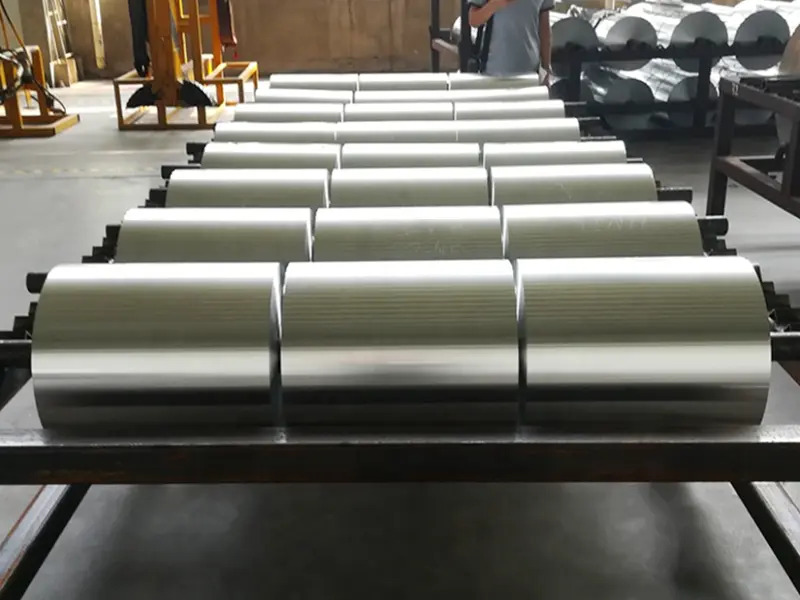
The required thickness depends on the application. Flexible packaging may use thin foil, while insulation and technical products may require thicker material.
Buyers should define the barrier, forming, strength, and processing requirements before choosing a thickness.
Can industrial aluminium foil be used for food packaging?
Yes, if the foil and any coatings, adhesives, or laminate layers have designed and approved for the intended food-contact application. The supplier should provide the necessary compliance information for the destination market.
What is the difference between O temper and H18 aluminium foil?
O temper has annealed and generally soft and flexible. H18 is a hard temper with greater hardness and strength but less formability. The suitable condition depends on the application and the alloy.
Is aluminium foil suitable for insulation?
Aluminium foil has used as a reflective facing or part of an insulation system. Its performance depends on the surface, installation, air spaces, and complete assembly. It should not be assumed to replace all other insulation materials.
Can industrial aluminium foil be customized?
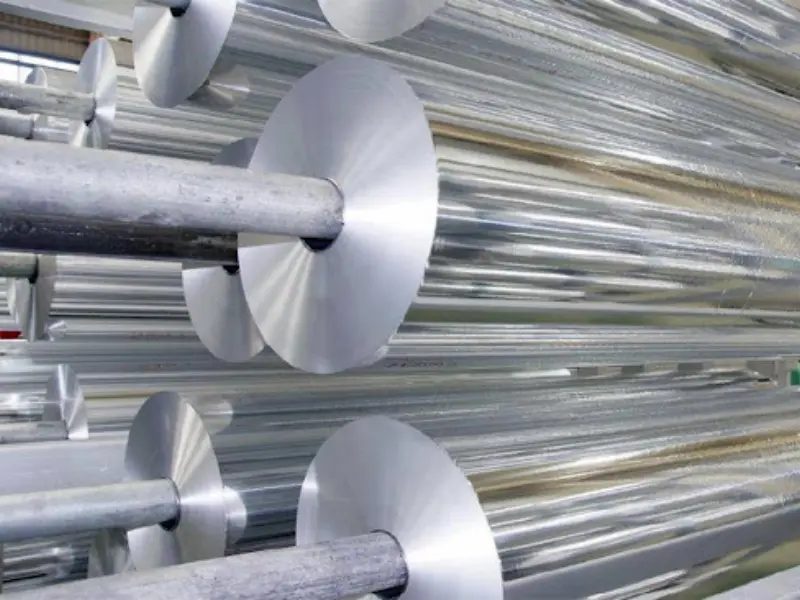
Many industrial foil products can be specified by thickness, width, alloy, temper, roll diameter, and packaging.
Availability depends on the manufacturer’s equipment and product range. Confirm technical tolerances before placing a bulk order.
Why do industrial foil buyers check pinholes?
Pinholes may affect the barrier performance of thin foil in certain applications. The acceptable level depends on the product specification and its intended use. Buyers should agree on the inspection method and acceptance criteria with the supplier.
What information is needed to request an industrial aluminium foil quotation?
Provide the application, alloy, temper, thickness, width, roll dimensions, quantity, surface requirements, packaging, destination, and required documents. If the foil has laminated or processed on a production line, share the relevant process requirements as well.
Find the Right Aluminium Foil for Your Application
Household foil and industrial aluminium foil share the same basic metal, but they have designed for different needs. Household products focus on convenient daily use. Industrial products focus on consistent specifications and performance in a manufacturing process.
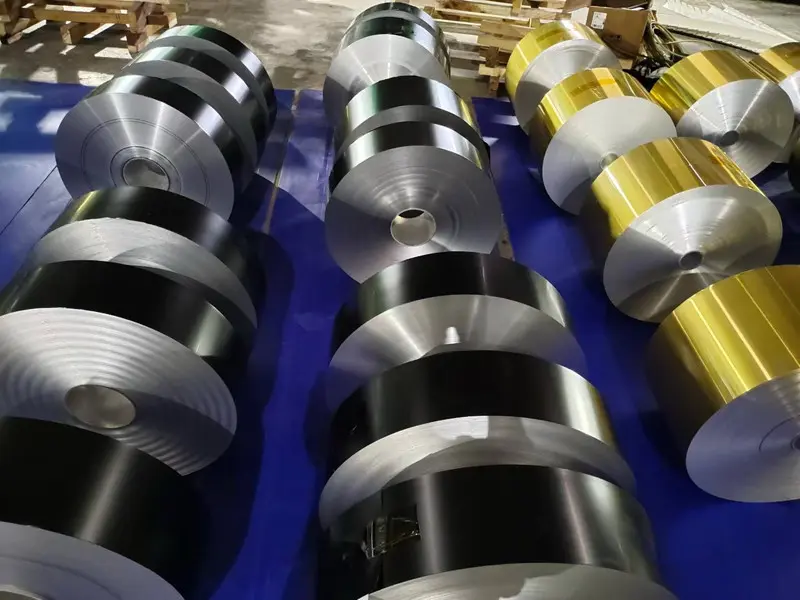
Before buying, compare thickness, alloy, temper, roll dimensions, surface requirements, and the intended application. For industrial orders, a clear specification can reduce production problems and make supplier quotations easier to compare.
If you are sourcing aluminium foil for packaging, insulation, electrical products, automotive components, or other industrial uses, prepare the technical requirements first. A suitable foil grade should match the final product, the processing equipment, and the required quality standards.
Error: Contact form not found.