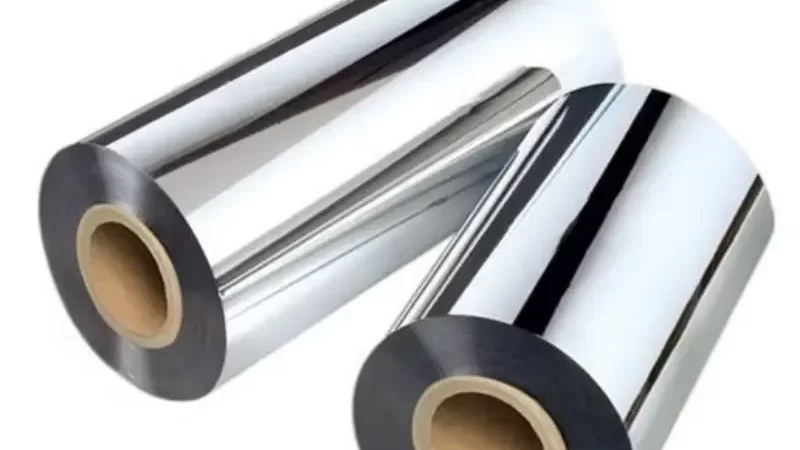
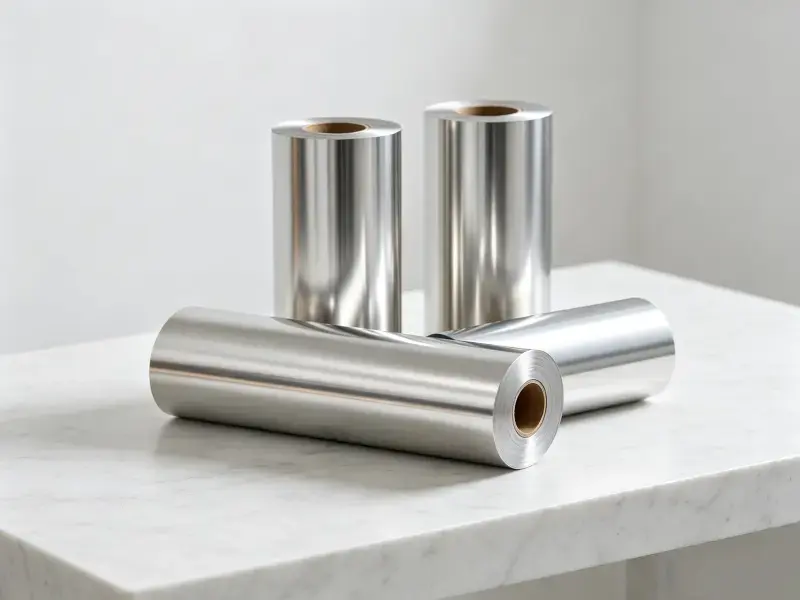
The aluminium foil price per kg depends on several factors. These include alloy, thickness, width, surface finish, order quantity, and the intended application. Household foil, food packaging foil, industrial foil, and insulation foil may have very different prices.
Aluminium foil is widely used because it is lightweight, flexible, and easy to process. It can help protect products from moisture, light, odors, and external contamination when used in a suitable packaging system.
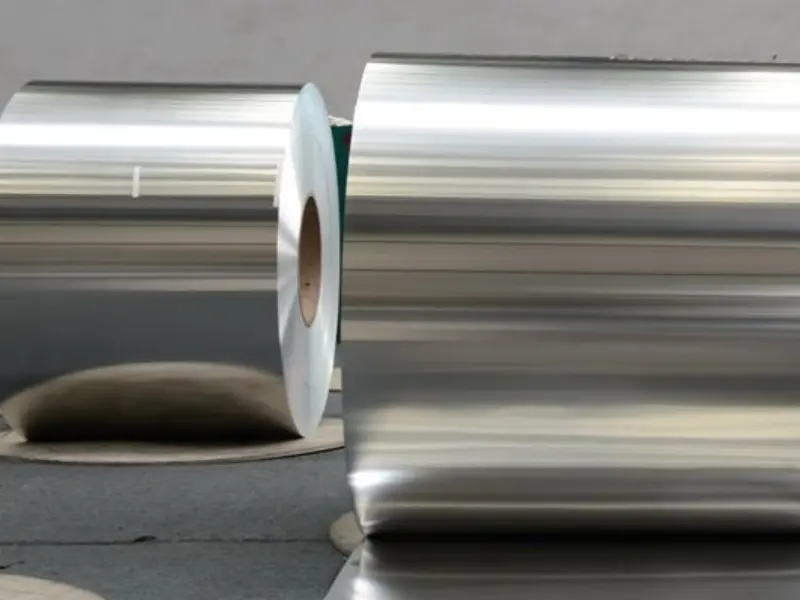
It is also used in insulation, pharmaceutical packaging, cable wrapping, and industrial manufacturing.
For wholesalers, converters, packaging companies, and manufacturers, the price per kilogram is an important buying factor. However, a low price does not always mean a lower total cost. Foil thickness, roll length, material quality, and production performance also affect the value of an order.
What Is the Current Aluminium Foil Price Per Kg?
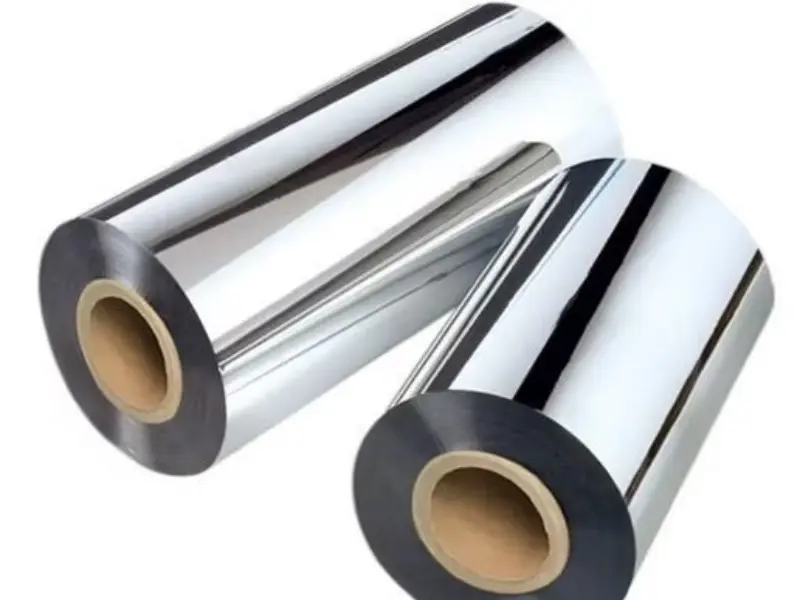
There is no single price for all aluminium foil products. The price changes with the aluminium market, conversion costs, product specifications, order size, and delivery terms.
A standard industrial foil roll may have a different price from a printed packaging foil or a laminated foil used for pharmaceutical products.
Very thin foil can also require more careful production and quality control.
When requesting a quotation, buyers should specify the product rather than ask only for a general price per kilogram.
| Price factor | Why it matters |
|---|---|
| Aluminium market price | Affects the cost of the raw material |
| Alloy and temper | Influence material properties and processing |
| Foil thickness | Affects weight per square meter and production requirements |
| Roll width | Influences slitting and packing costs |
| Surface treatment | Printing, coating, and lamination add processing steps |
| Order quantity | Can affect setup cost per kilogram |
| Packaging | Heavy-duty export packing may increase costs |
| Delivery terms | Freight, insurance, duties, and taxes affect the landed cost |
A useful quotation should state the alloy, temper, thickness, width, roll length or weight, core size, packaging, quantity, and delivery terms.
How Much Does Aluminium Foil Cost Per Kilogram?
The most accurate way to find the aluminium foil price per kg is to request a quotation based on a defined specification and delivery destination.
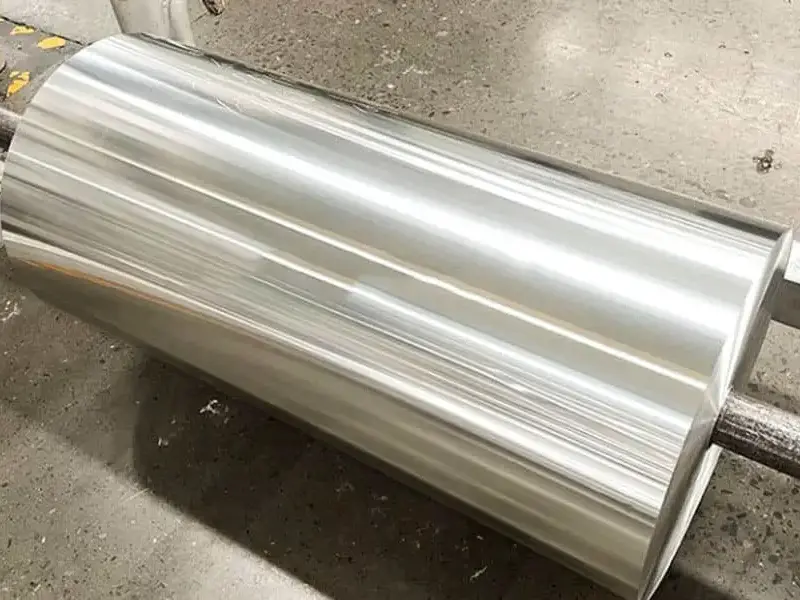
For a fair comparison, make sure all suppliers quote the same thickness, alloy, width, surface condition, and order quantity. A lower price may refer to a different product or exclude some processing costs.
Factory Price vs. Delivered Price
The factory price covers the product under the supplier’s stated sales terms. The delivered price may also include transport, insurance, import duties, and other charges.
For imported aluminium foil, buyers should check whether the quotation uses EXW, FOB, CIF, DAP, or another agreed Incoterm. These terms define different responsibilities and costs.
| Cost component | Included in every quotation? |
|---|---|
| Aluminium foil material | Normally included |
| Slitting and rewinding | Depends on the specification |
| Printing or coating | Only when requested or specified |
| Export packaging | Depends on the offer |
| Inland transport | Depends on delivery terms |
| Ocean or air freight | Depends on delivery terms |
| Import duty and local taxes | Usually depend on the destination and agreed terms |
The best comparison uses the same delivery basis. For example, comparing one supplier’s FOB price with another supplier’s delivered price can lead to an incorrect decision.
Common Aluminium Foil Types and Their Price Factors
Different applications require different foil properties. Some buyers need thin foil for flexible packaging. Others need thicker material for industrial use or insulation.
Household Aluminium Foil
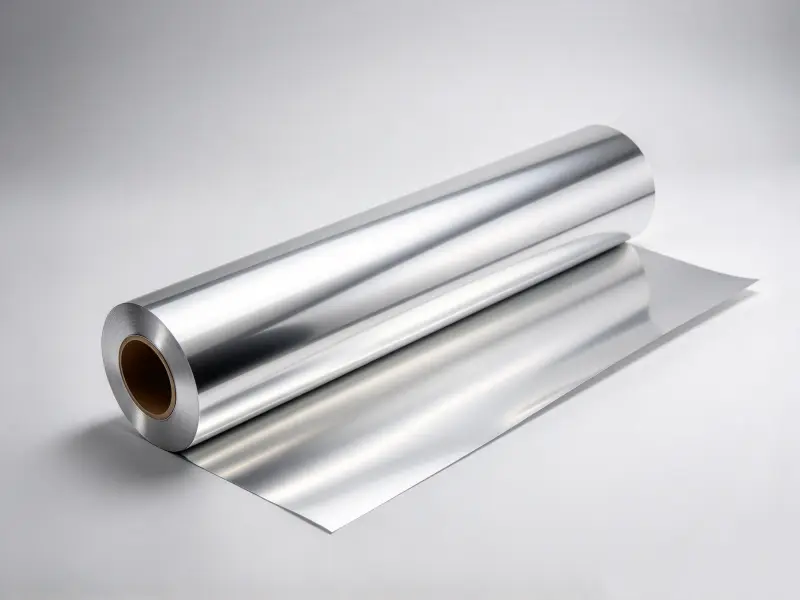
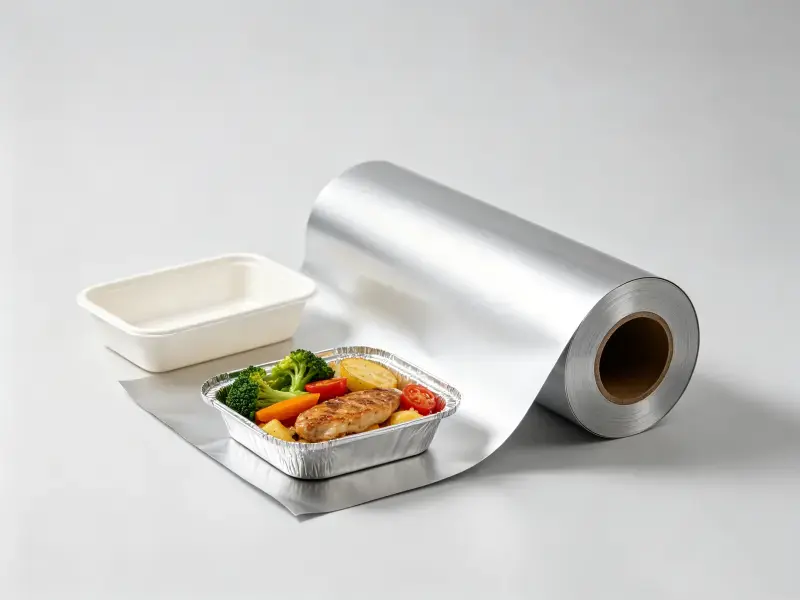
Household aluminium foil is used for food preparation, wrapping, storage, and other domestic tasks. It is usually supplied in consumer rolls with a specified width and length.
The price per kilogram depends on foil thickness, roll size, packaging, and order volume. Retail-ready packaging may cost more per kilogram than bulk industrial rolls because it requires additional converting and packaging.
Common specifications include:
| Parameter | Typical examples |
|---|---|
| Thickness | 10, 12, 15, 16, 18, 20, or 25 microns |
| Width | 250, 300, 450, or 600 mm |
| Roll length | 5, 10, 20, 30, or 50 m |
| Form | Consumer roll or bulk roll |
| Application | Food wrapping and kitchen use |
These are illustrative market formats. Actual availability varies by supplier and market.
Food Packaging Aluminium Foil
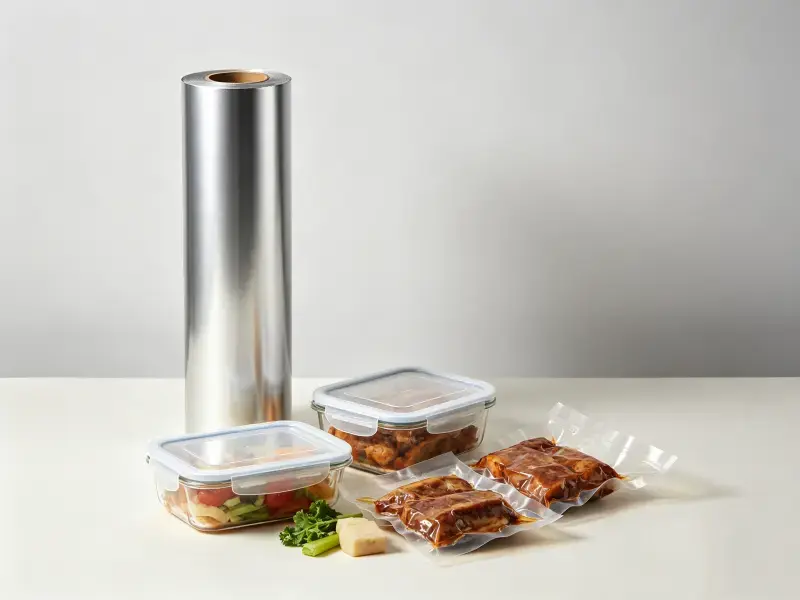
Food packaging foil is used in trays, containers, lids, flexible packaging, and other food-related products.
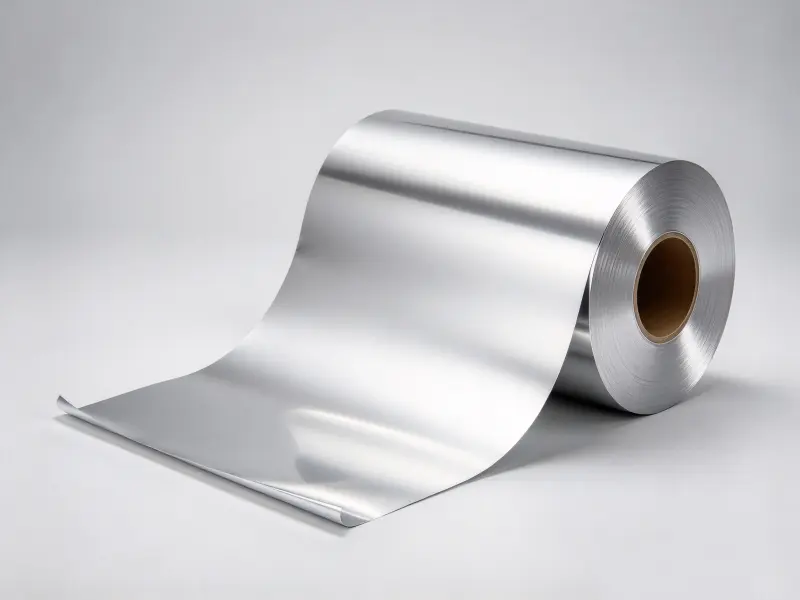
The required thickness depends on whether the foil has folded, formed, laminated, coated, or sealed to another material. Some packaging applications need strong barrier performance. Others need good formability or compatibility with a coating.
Common applications include:
- Ready-meal trays and food containers.
- Dairy product lids.
- Chocolate and confectionery wrapping.
- Coffee and beverage packaging structures.
- Flexible pouches and laminated packaging.
- Bakery and catering packaging.
For food-contact products, buyers should confirm the applicable regulations and documentation for the intended market. A statement about the aluminium alloy alone does not establish compliance for a finished packaging product.
Pharmaceutical Aluminium Foil
Pharmaceutical packaging may use aluminium foil in blister packs, lidding structures, and laminated packaging.

These products can require strict controls over thickness, pinholes, surface quality, printing, coating, and sealing performance. Some structures use aluminium foil combined with polymers or other materials.
Pharmaceutical foil may cost more than basic household foil because of the additional quality requirements and converting processes.
When requesting a quote, provide the intended packaging structure, foil thickness, coating requirements, and applicable product standards.
Industrial Aluminium Foil
Industrial foil is supplied for manufacturing and converting processes. It has uses in electrical components, heat exchangers, technical laminates, and other products.
The price depends on the alloy, temper, thickness tolerance, mechanical properties, and surface requirements. Large industrial rolls may have different cost structures from narrow slit coils.
Typical requirements include consistent thickness, stable roll edges, controlled tension, and suitable surface quality.
Aluminium Foil for Thermal Insulation
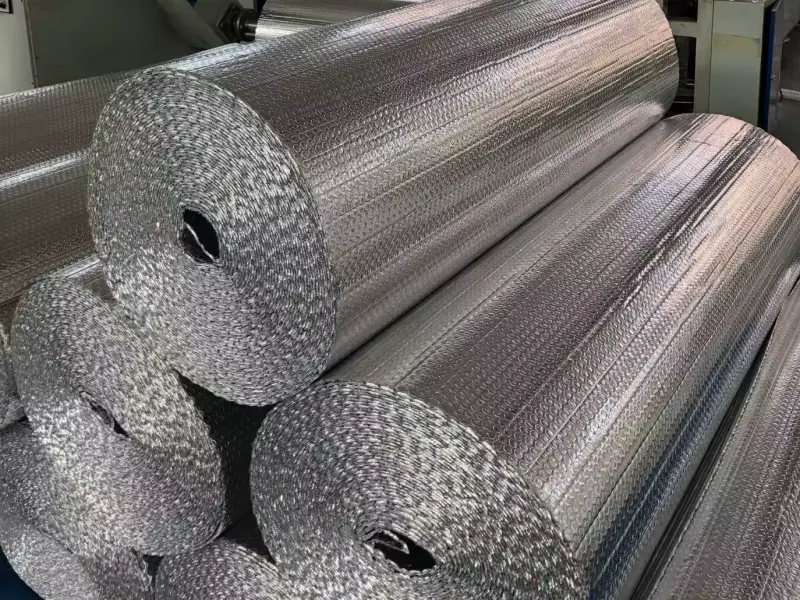
Insulation foil has in selected building, HVAC, ducting, and industrial insulation systems. It may act as a reflective facing or as one layer of a composite material.
Plain aluminium foil and reinforced foil laminate are not the same product. Reinforced products may include paper, woven fabric, or polymer film. These extra layers change the product weight and the price per kilogram.
Applications include:
- HVAC duct insulation.
- Pipe and equipment insulation systems.
- Roof and wall insulation facings.
- Reflective insulation assemblies.
- Industrial thermal insulation products.
Reflective performance depends on the complete assembly, surface condition, air space, and installation. Aluminium foil does not replace every form of thermal insulation.
Aluminium Foil Thickness and Weight per Square Meter
Thickness is one of the main factors affecting the amount of aluminium in a roll. At the same width and length, thicker foil weighs more and normally uses more raw material.
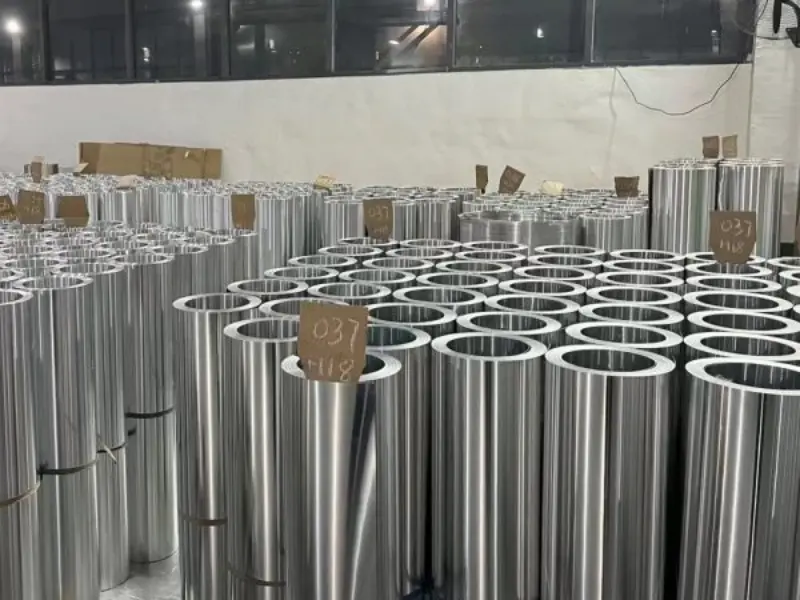
For pure aluminium, an approximate density of 2,700 kg/m³ can be used for preliminary calculations. The actual weight can vary slightly with alloy and manufacturing tolerances.
Common Aluminium Foil Thicknesses
| Thickness | Typical product category | Possible applications |
|---|---|---|
| 6–9 microns | Very thin foil | Selected flexible packaging structures |
| 10–12 microns | Thin packaging foil | Laminated packaging and wrapping |
| 15–20 microns | General packaging foil | Food wrapping and converting |
| 25–40 microns | Medium-thickness foil | Selected containers, lids, and industrial products |
| 50–80 microns | Heavy foil | Industrial applications and formed products |
| 100–200 microns | Thick foil or thin-gauge sheet, depending on industry terminology | Technical and industrial uses |
Product terminology can vary. At higher thicknesses, some buyers may refer to the material as thin aluminium sheet or strip rather than foil.
Estimated Aluminium Weight per Square Meter
The following values use a density of 2,700 kg/m³ and show approximate aluminium weight only. They do not include a paper core, packaging, coatings, laminates, or other materials.
| Foil thickness | Approximate weight per m² |
|---|---|
| 8 microns | 21.6 g |
| 10 microns | 27.0 g |
| 12 microns | 32.4 g |
| 15 microns | 40.5 g |
| 20 microns | 54.0 g |
| 25 microns | 67.5 g |
| 30 microns | 81.0 g |
| 50 microns | 135.0 g |
| 100 microns | 270.0 g |
This calculation helps buyers estimate the material used in a roll. It does not provide the market price by itself. The price per kilogram has obtained from a current supplier quotation.
Aluminium Foil Alloys: 1050, 1060, 1100 and 8011
The alloy affects mechanical properties, formability, and suitability for different production processes. Aluminium foil suppliers may offer different grades depending on the intended use.
1050 Aluminium Foil
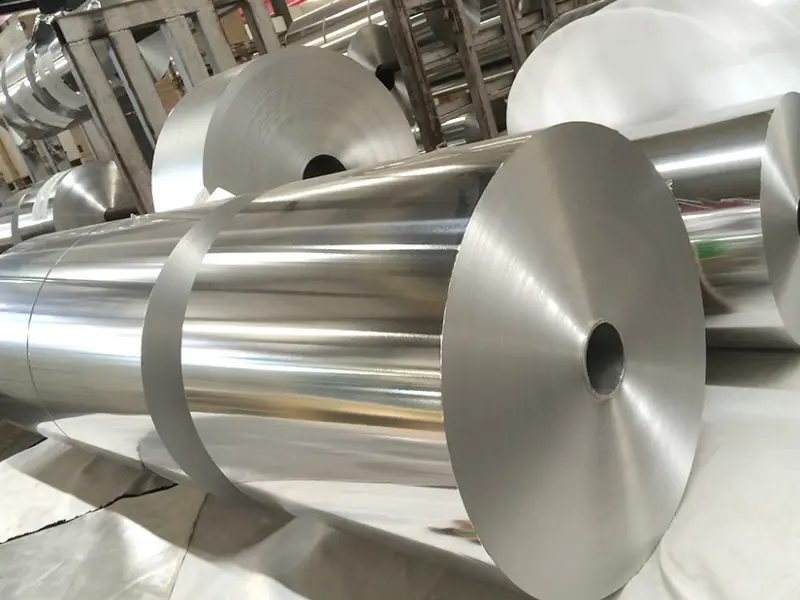
Alloy 1050 contains at least 99.5% aluminium under its standard composition limits. It offers good conductivity and formability.
It may be suitable for selected electrical, industrial, and technical foil applications. The exact choice depends on the required strength, temper, and converting process.
1060 Aluminium Foil
Alloy 1060 has a minimum aluminium content of 99.6%. It has uses in applications that value high purity and good conductivity.
It has considered for selected electrical and industrial applications. Buyers should confirm whether the grade is suitable for the intended foil thickness and processing conditions.
1100 Aluminium Foil
Alloy 1100 is a commercially pure aluminium grade with good workability and corrosion resistance. It has uses in various industrial and packaging-related applications, depending on the product specification.
8011 Aluminium Foil
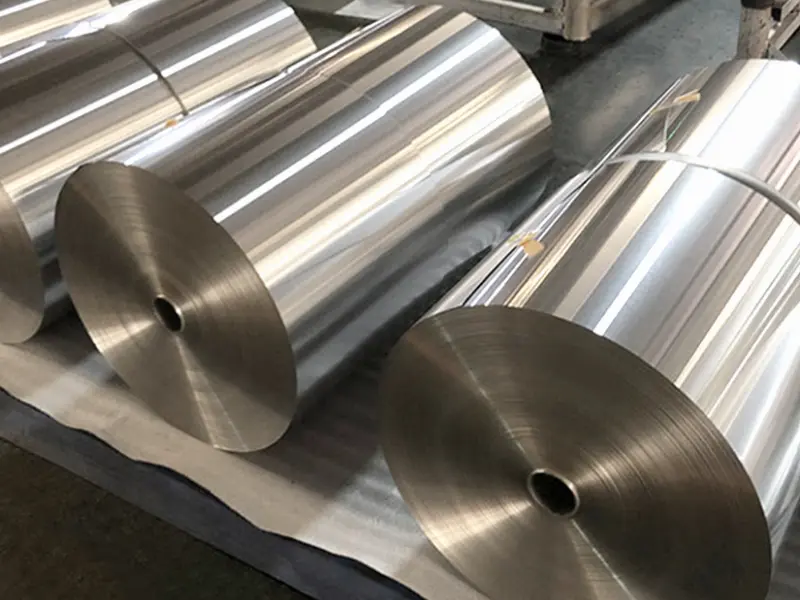
Alloy 8011 is widely used in several foil applications, including packaging and household foil. It offers a useful balance of formability and strength for many converting processes.
Its suitability depends on the final product, temper, thickness, and production requirements.
| Alloy | General characteristics | Possible applications |
|---|---|---|
| 1050 | High purity and good conductivity | Selected electrical and industrial foil |
| 1060 | High purity and good conductivity | Technical and electrical applications |
| 1100 | Good workability and corrosion resistance | Selected industrial foil products |
| 8011 | Common foil alloy with useful forming properties | Household and packaging foil |
These alloys are not automatically interchangeable. For commercial production, the buyer should confirm the chemical composition, mechanical properties, and relevant product standard.
Aluminium Foil Tempers and Their Uses
Temper describes the material condition after processing. It affects hardness, strength, and forming behavior.
O Temper
O temper is an annealed condition. It generally offers high flexibility and good formability.
It may be suitable for foil products that need bending, folding, or forming. The actual performance depends on alloy, thickness, and process design.
H18 Temper
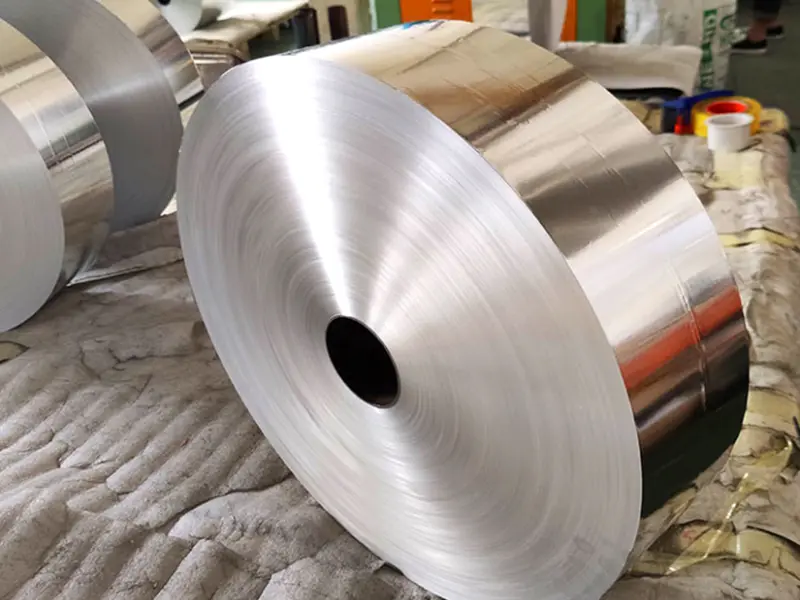
H18 is a hard temper used for certain foil and strip products. It offers higher strength and hardness than soft annealed foil, but less formability.
It may be suitable for products where stiffness or resistance to deformation is important.
H19 Temper
H19 is a very hard temper used in certain aluminium foil and strip applications. Availability depends on alloy and thickness.
For buyers, the important point is to specify the exact temper required by the production process rather than assuming that all foil behaves the same way.
| Temper | General condition | Buying consideration |
|---|---|---|
| O | Annealed and soft | Useful when high formability is needed |
| H18 | Hard | Suitable for selected products requiring greater stiffness |
| H19 | Very hard | Requires confirmation of application and availability |
Temper designations and available combinations depend on the alloy and product standard. Ask the supplier for the relevant mechanical properties when they are important to production.
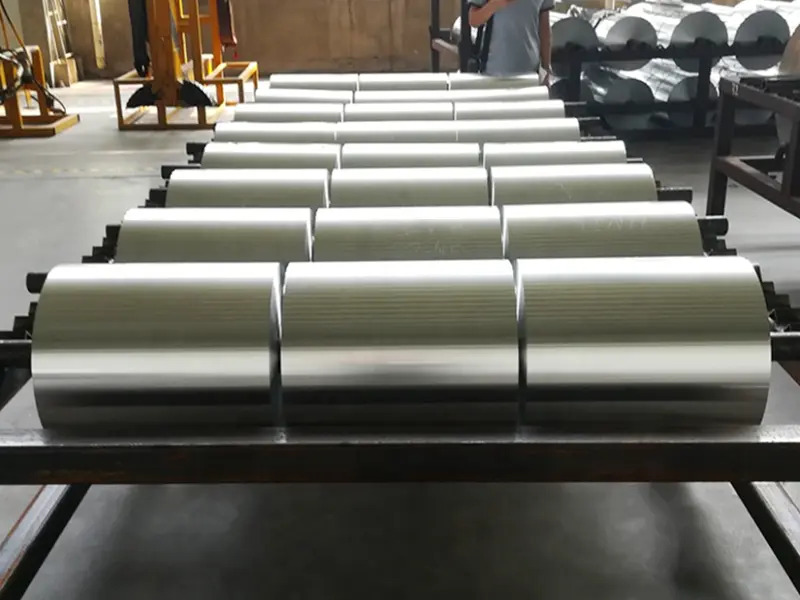
Aluminium Foil vs. Aluminium Sheet and Strip
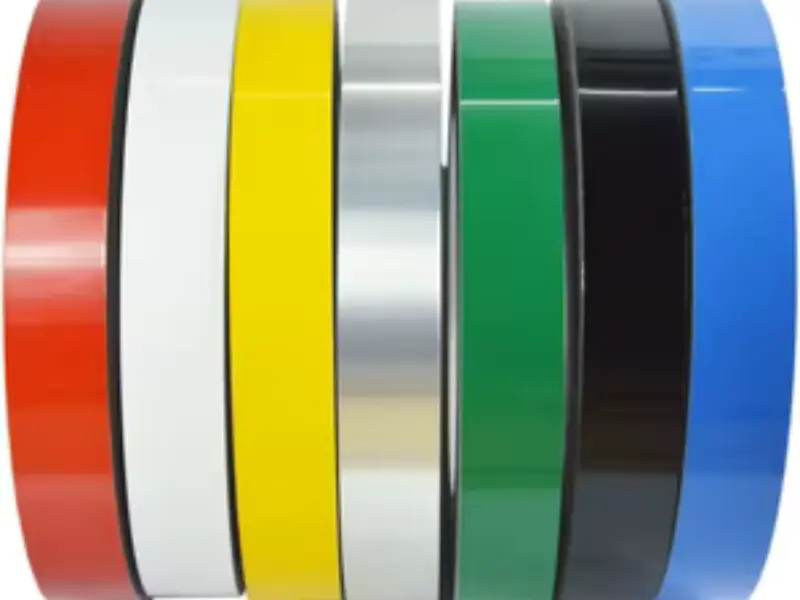
Aluminium foil, sheet, and strip differ mainly in thickness, form, and common processing methods. Industry definitions may vary by standard and market.
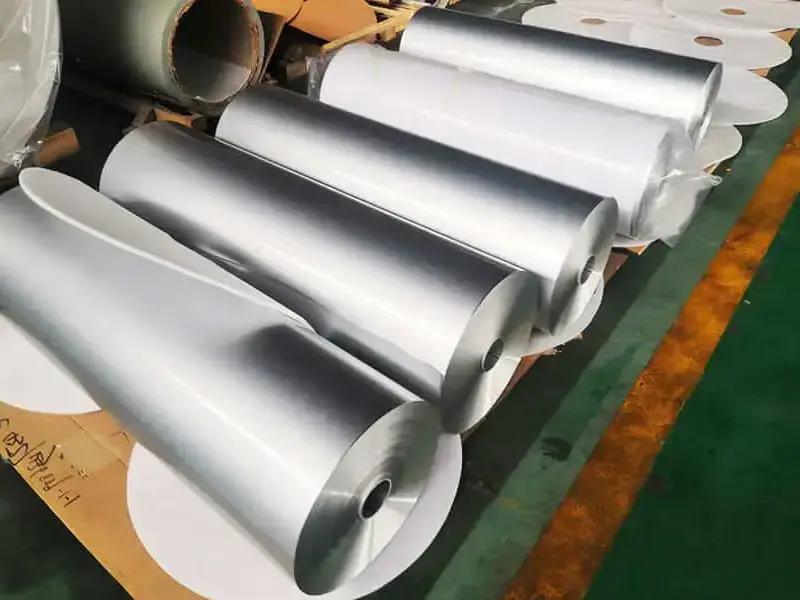
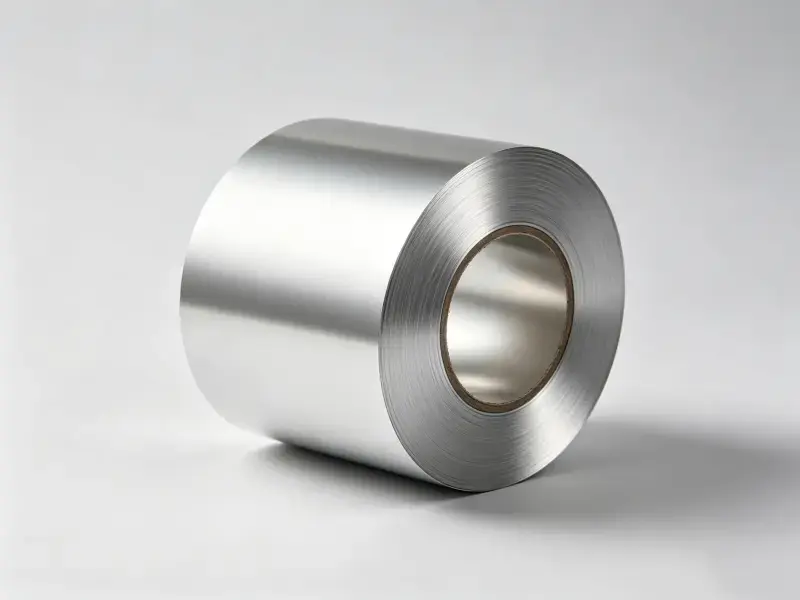
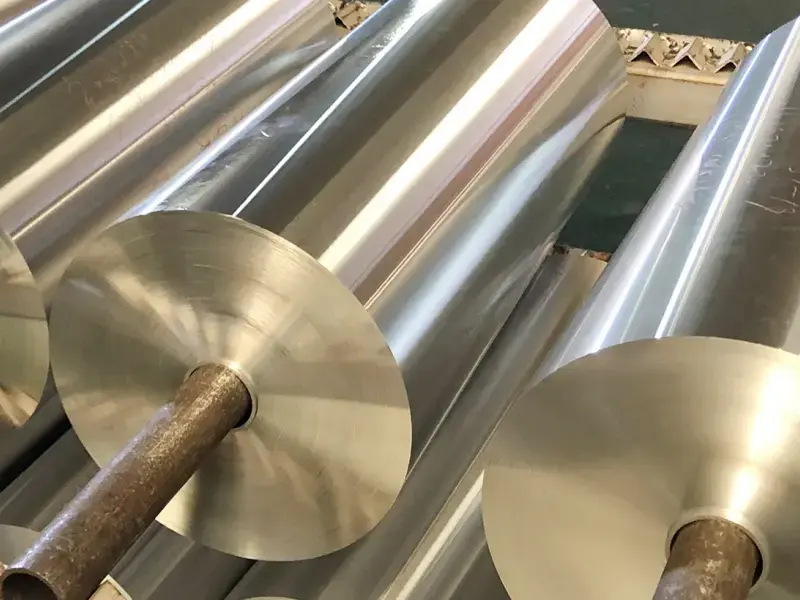
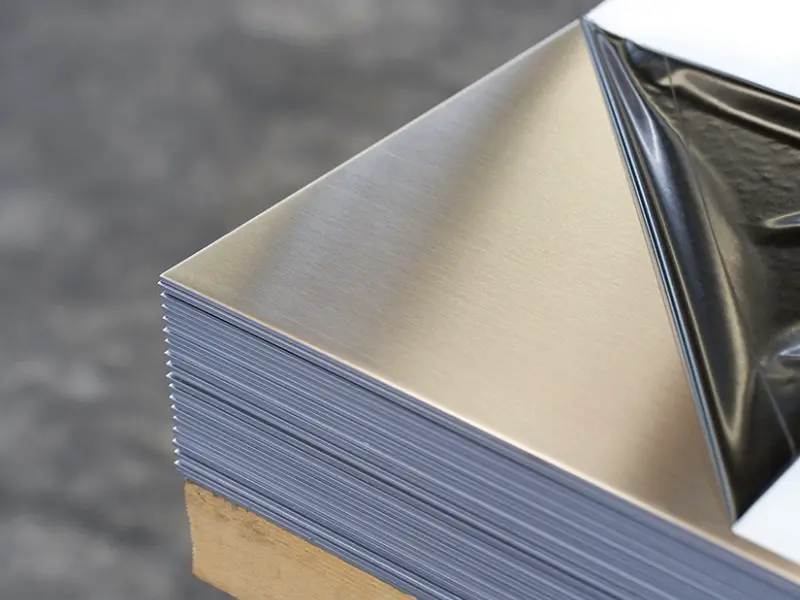
Foil has usually associated with very thin material supplied in rolls. Sheet is thicker and may be supplied in flat pieces. Strip often refers to narrow-width material used in continuous production.
| Product | Typical form | Common applications |
|---|---|---|
| Aluminium foil | Thin material in rolls | Packaging, insulation facings, technical laminates |
| Aluminium sheet | Flat sheets or plates | Panels, fabrication, containers, and components |
| Aluminium strip | Narrow coil or slit roll | Electrical parts, industrial components, and manufacturing |
| Aluminium foil laminate | Composite roll material | Flexible packaging and insulation systems |
The price per kilogram can differ because the products require different processing, tolerances, finishing, and quality control.
Plain, Coated, Printed and Laminated Aluminium Foil
Surface treatment and additional layers can significantly affect the price of aluminium foil.
Plain Aluminium Foil
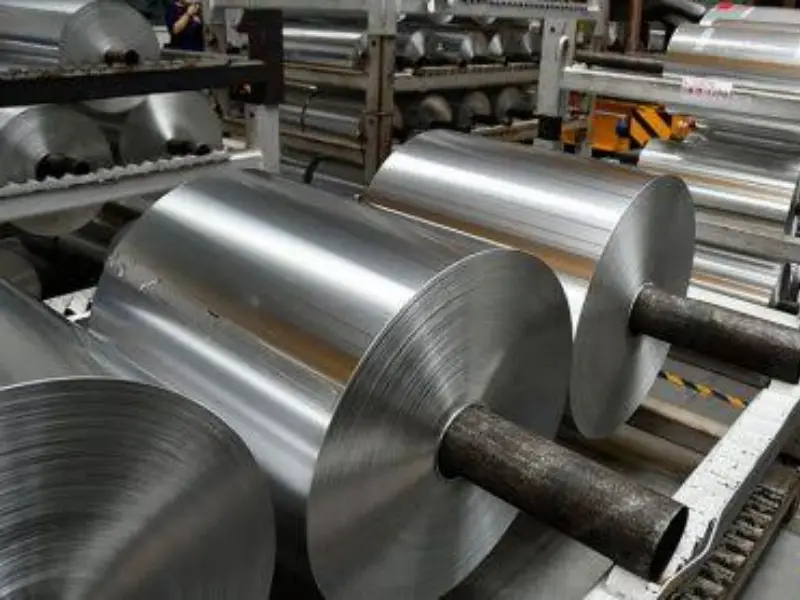
Plain foil has no additional decorative print or functional coating beyond the specified surface condition. It is often used as a raw material for converting.
Coated Aluminium Foil
Coated foil may have a lacquer or other coating designed for sealing, protection, or a specific application. The coating must be compatible with the intended process and use.
Printed Aluminium Foil

Printed foil has wide applications for branding, product information, and decorative packaging. The cost can depend on the number of colors, printing method, design complexity, and order quantity.
Laminated Aluminium Foil
Laminated foil combines aluminium with materials such as plastic film or paper. It has uses in flexible packaging and insulation products.
A laminated roll may contain less aluminium per kilogram of total product than plain foil. Buyers should confirm whether the quotation is based on the aluminium layer or the complete composite material.
Household Foil vs. Industrial Aluminium Foil
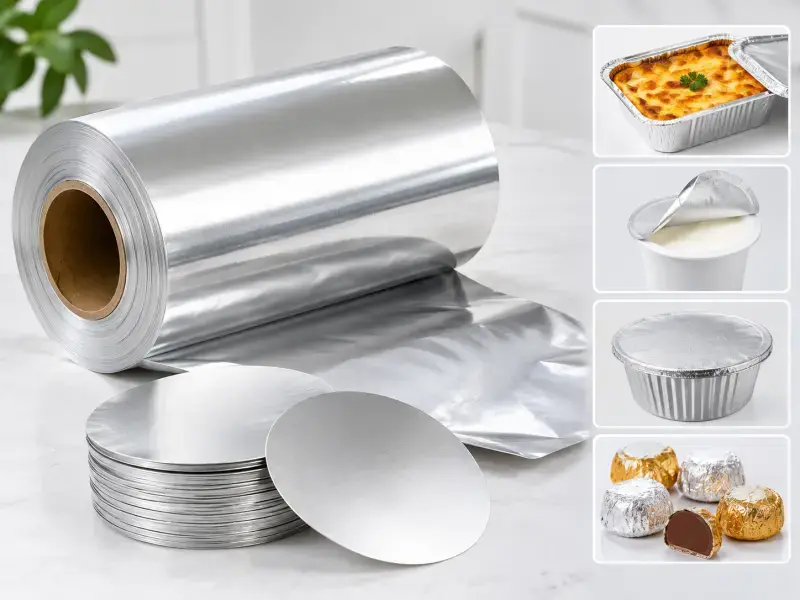
Household and industrial foil serve different markets. Their prices should not be compared without checking the full specification.
| Comparison point | Household foil | Industrial foil |
|---|---|---|
| Packaging | Consumer-ready rolls | Bulk rolls or slit coils |
| Width | Common retail widths | Application-specific widths |
| Length | Set consumer roll length | Based on weight or length |
| Processing | Rewinding and retail packing | May require slitting or special winding |
| Quality needs | Suitable for domestic use | May require tighter technical controls |
| Buying volume | Retail or wholesale packs | Industrial or bulk orders |
Industrial buyers should focus on stable quality, roll performance, yield, and production efficiency. A slightly higher price per kilogram may be justified if it reduces breakage, waste, or machine downtime.
How to Calculate Aluminium Foil Roll Weight
The approximate weight of a plain aluminium foil roll can be estimated from its thickness, width, and length.
Weight (kg) = thickness (m) × width (m) × length (m) × density (kg/m³)
For aluminium, a density of approximately 2,700 kg/m³ is commonly used for this estimate.
For example, a plain foil roll with a thickness of 15 microns, a width of 0.3 meters, and a length of 100 meters has an approximate aluminium weight of:
0.000015 × 0.3 × 100 × 2700 = 1.215 kg
This is a theoretical estimate. Actual roll weight may differ because of thickness tolerance, winding conditions, core weight, coatings, and packaging.
How to Compare Cost per Roll and Cost per Kilogram
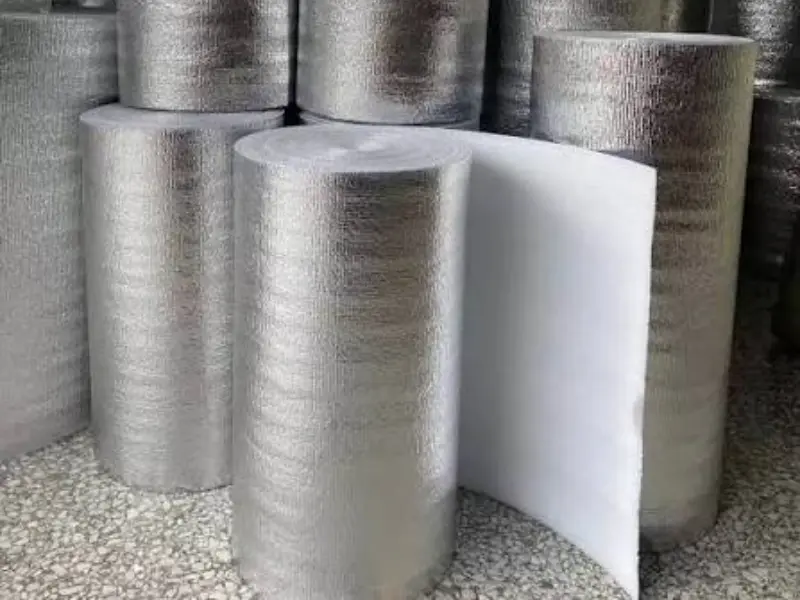
A consumer roll may be sold by roll, while an industrial roll is often quoted by weight. Buyers can compare products by converting both quotations to a common unit.
Price per kg = product price ÷ net aluminium weight in kg
Use net material weight when comparing plain foil. If the product is laminated, coated, or packaged with other materials, make sure the weight basis is clearly defined.
How to Choose the Right Aluminium Foil Supplier
A suitable supplier should be able to provide consistent material, clear specifications, and reliable delivery information.
Check the Technical Specification
Confirm alloy, temper, thickness, width, roll weight, core diameter, surface condition, and tolerances. If the foil will be printed, coated, laminated, or formed, describe the process before ordering.
Ask About Quality Control
Depending on the application, relevant checks may include thickness measurement, width tolerance, surface inspection, pinhole control, roll hardness, and winding quality.
For food or pharmaceutical packaging, request the documentation required for the intended market and product structure.
Compare MOQ and Lead Time
Minimum order quantity and production lead time vary by thickness, alloy, width, and processing requirements. Standard specifications may be easier to source than unusual dimensions or special finishes.
Ask the supplier to confirm whether the quotation is for available stock or made-to-order production.
Confirm Export Packaging and Delivery
For international orders, confirm roll protection, pallet requirements, container loading, delivery terms, and destination details.
The total cost should reflect the product and the delivery basis. This is especially important when comparing offers from suppliers in different countries.
Frequently Asked Questions About Aluminium Foil Price Per Kg
Why does the aluminium foil price per kg change?
The price changes with the raw aluminium market, alloy, thickness, processing, surface treatment, order quantity, and delivery costs. Different foil applications also have different quality requirements.
How can I get an accurate aluminium foil quotation?
Provide the alloy, temper, thickness, width, roll length or weight, surface finish, order quantity, and destination. Include printing, coating, lamination, or packaging requirements if applicable.
Is thicker aluminium foil more expensive per kilogram?
Not always. Thicker foil uses more material per square meter, but the price per kilogram also depends on production, alloy, finishing, and order size. Thickness alone does not determine the price per kilogram.
Which alloy is commonly used for household aluminium foil?
Alloy 8011 is commonly used in household and packaging foil applications. Other alloys may be suitable for specific products. Confirm the alloy and temper with the manufacturer.
What is the difference between 8011 and 1050 aluminium foil?
8011 has applications in packaging and household foil because of its useful balance of properties for converting. 1050 has higher aluminium purity and good conductivity. The best choice depends on the intended application and processing requirements.
What thickness is suitable for food packaging foil?
The suitable thickness depends on the package design, forming method, barrier needs, and sealing structure. Thin foil has in flexible packaging, while thicker foil may be required for trays, lids, or other formed products.
Is aluminium foil suitable for insulation?
Aluminium foil is used as a facing or reflective layer in selected insulation systems. Its performance depends on the complete assembly and installation. Foil alone does not replace all forms of thermal insulation.
How do I calculate the weight of an aluminium foil roll?
Multiply thickness in meters by width in meters, length in meters, and the approximate aluminium density of 2,700 kg/m³. This estimates the net aluminium weight, excluding the core and packaging.
Does laminated aluminium foil cost more than plain foil?
Laminated foil can cost more because it requires additional materials and processing. The price depends on the laminate structure, adhesive, printing, barrier requirements, and order quantity.
What is the difference between FOB and CIF aluminium foil prices?
FOB and CIF are different international trade terms. FOB generally covers the seller’s responsibilities up to loading at the agreed port, while CIF includes cost, insurance, and freight to the named destination port under the applicable rules. Confirm the exact Incoterm version and named location in the quotation.
Can I order aluminium foil in custom widths?
Many suppliers offer slitting and rewinding to custom widths, subject to their equipment and minimum order requirements. Provide the target width, roll diameter, core size, and quantity when requesting a quote.
What documents should I request from an aluminium foil supplier?
Depending on the application, you may request a material specification, certificate of analysis or inspection certificate, technical data sheet, packing list, and commercial invoice. Food and pharmaceutical packaging may require additional compliance documents.
Request an Aluminium Foil Price Per Kg Quotation
The right aluminium foil depends on the intended use, required thickness, alloy, temper, roll size, and surface treatment. Household foil, packaging foil, insulation foil, and industrial foil have compared using the same technical specification.
For a quotation, provide the following information:
Application → Alloy → Temper → Thickness → Width → Roll Weight or Length → Quantity → Destination
A complete inquiry helps the supplier select a suitable product and calculate the quotation more accurately. It also makes it easier to compare offers from different manufacturers.
Error: Contact form not found.