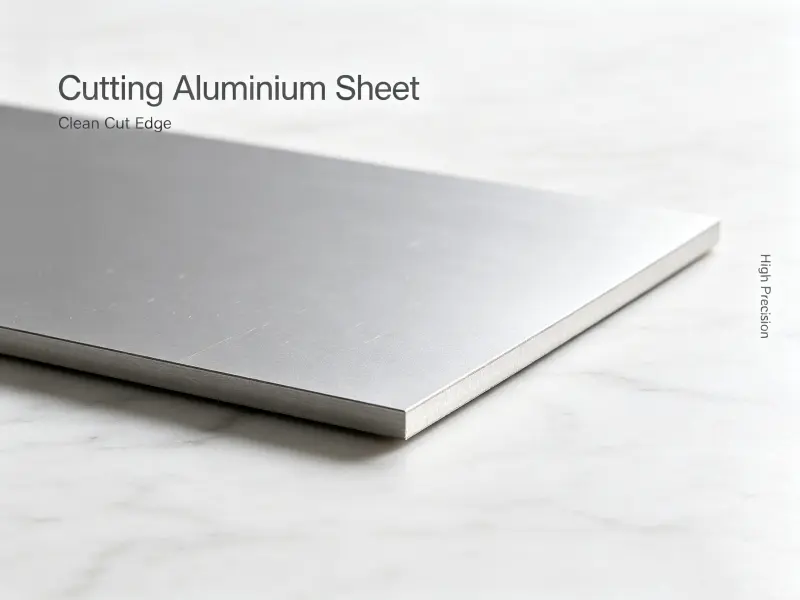
Cutting aluminium sheet is an important step when standard aluminum sheets need to be made into specific sizes or shapes.
A buyer may need a simple rectangle, a narrow strip, a round plate, or a complex custom shape. The cutting method should match the aluminum alloy, thickness, size, shape, and final application.
A professional cutting service can supply aluminum sheets in ready-to-use dimensions. This can reduce material waste and save time during fabrication.
The basic process is:
Aluminium Sheet → Specification → Cutting Method → Cutting → Edge Inspection → Dimension Check → Packing
Different projects require different cutting methods. Thin aluminum sheet may be easy to cut with standard equipment. Thick aluminum plate may need stronger cutting equipment.
What Does Cutting Aluminium Sheet Mean?
Cutting aluminium sheet means processing a larger aluminum sheet into a required size or shape.
The starting material can be a standard sheet, such as 4 × 8 ft, or a larger custom sheet.
The finished product can be supplied as individual pieces or as a batch of cut sheets.
Common cutting requirements include:
- Fixed length
- Fixed width
- Narrow strips
- Square pieces
- Rectangular pieces
- Round pieces
- Custom shapes
- CNC-cut parts
- Small production parts
- Large industrial panels
The cutting method depends on the material and drawing.
Why Buy Cut-to-Size Aluminium Sheet?
Standard aluminum sheets are not always the best choice for a fabrication project.
A customer may need 500 × 800 mm instead of a full sheet. Cutting the material before shipment can make handling easier.
Main advantages include:
- Ready-to-use dimensions
- Less cutting work at the customer’s factory
- Lower material waste
- Easier transportation
- Consistent dimensions
- Custom shapes
- Batch production
- Suitable for CNC fabrication
- Faster downstream processing
For large projects, pre-cut aluminum can also simplify production planning.
Common Aluminium Sheet Cutting Sizes
Different industries use different dimensions.
| Finished Size | Typical Use |
|---|---|
| 100 × 200 mm | Small parts |
| 200 × 300 mm | Fabrication |
| 300 × 500 mm | Equipment panels |
| 500 × 500 mm | Industrial parts |
| 500 × 1000 mm | General fabrication |
| 600 × 1200 mm | Panels |
| 1000 × 2000 mm | Large components |
| 1220 × 2440 mm | Standard 4 × 8 ft |
| 1500 × 3000 mm | Large industrial panels |
Custom dimensions can be produced according to the required application and available equipment.
4 × 8 Aluminium Sheet Cutting
4 × 8 ft aluminum sheet is one of the common starting sizes.
It is approximately:
48 × 96 inches
or around:
1220 × 2440 mm
A full sheet can be cut into many smaller parts.
For example:
4 × 8 Sheet → 2 × 4 Panels → Smaller Components
The actual cutting layout should be planned according to the finished dimensions.
4 × 10 Aluminium Sheet Cutting
For larger applications, 4 × 10 ft sheets can provide a larger working area.
They may be used for:
- Wall panels
- Trailer components
- Industrial equipment
- Transportation parts
- Architectural panels
- Large fabricated structures
Larger sheets can reduce the number of joints in some projects.
Cutting Aluminium Sheet by Thickness
Thickness has a direct effect on the cutting process.
0.032 Inch Aluminium Sheet
0.032 inch is approximately 0.81 mm.
It is a relatively thin aluminum sheet and can be used for lightweight panels, signs, covers, and fabrication.
0.040 Inch Aluminium Sheet
0.040 inch is approximately 1.02 mm.
It provides more rigidity while remaining relatively easy to process.
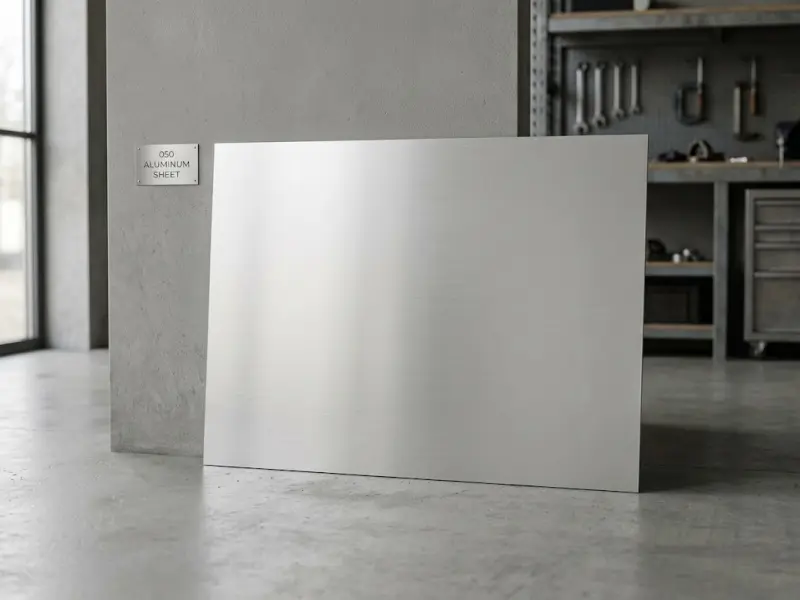
0.050 Inch Aluminium Sheet
0.050 inch is approximately 1.27 mm.
This specification is suitable when a stronger panel is required.
0.063 Inch Aluminium Sheet
0.063 inch is approximately 1.60 mm.
It is commonly considered for stronger fabrication components and industrial panels.
0.080 Inch Aluminium Sheet
0.080 inch is approximately 2.03 mm.
This thickness offers increased rigidity and is suitable for heavier fabricated parts.
1/8 Inch Aluminium Sheet
1/8 inch is approximately 3.18 mm.
It is closer to aluminum plate thickness and may require more powerful cutting equipment.
1/4 Inch Aluminium Plate
1/4 inch is approximately 6.35 mm.
This material is normally selected when the project requires a much stronger aluminum component.
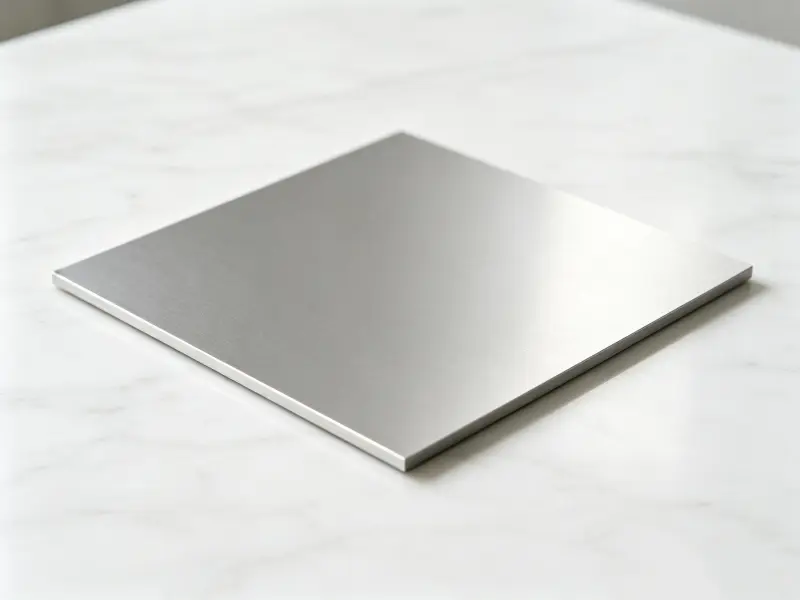
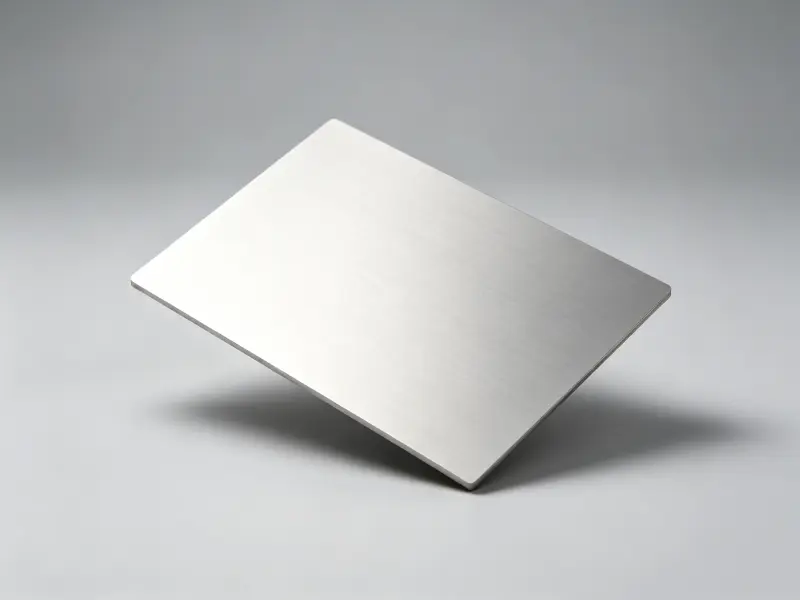
Thickness Comparison for Cut Aluminium
| Thickness | Approx. Metric | General Application |
|---|---|---|
| 0.025 in | 0.64 mm | Lightweight parts |
| 0.032 in | 0.81 mm | Signs / panels |
| 0.040 in | 1.02 mm | General fabrication |
| 0.050 in | 1.27 mm | Medium panels |
| 0.063 in | 1.60 mm | Industrial parts |
| 0.080 in | 2.03 mm | Stronger panels |
| 1/8 in | 3.18 mm | Heavy fabrication |
| 1/4 in | 6.35 mm | Structural components |
The best thickness should be selected according to load, size, forming, installation, and weight requirements.
Cutting Methods for Aluminium Sheet
There is no single cutting method for every aluminum sheet.
Different equipment is suitable for different jobs.
Common methods include:
- Shearing
- Laser cutting
- CNC routing
- Waterjet cutting
- Saw cutting
- Plasma cutting
The main factors are thickness, shape, tolerance, quantity, and edge requirements.
Shearing Aluminium Sheet
Shearing is useful for straight cuts.
It is often used when rectangular pieces are required.
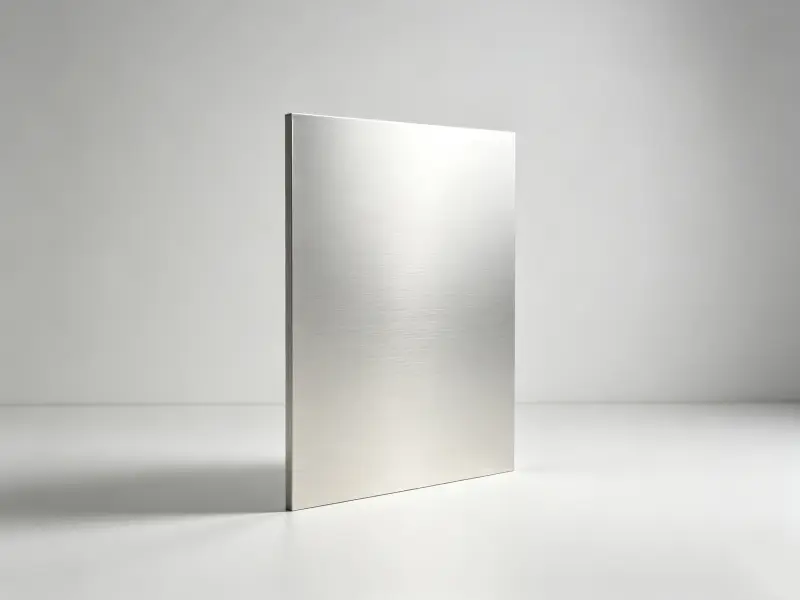
The process is fast and suitable for production batches.
Typical products include:
- Flat panels
- Rectangular sheets
- Strips
- Covers
- Simple blanks
Shearing is less suitable for complex internal shapes.
Laser Cutting Aluminium Sheet
Laser cutting is useful for detailed shapes and precision parts.
It can produce straight lines, curves, holes, slots, and other designs.
Typical applications include:
- Machine parts
- Decorative panels
- Equipment covers
- Sign components
- Electrical enclosures
- Custom brackets
For laser cutting, the alloy and thickness should be confirmed before production.
CNC Cutting Aluminium Sheet
CNC equipment can follow digital drawings.
This makes it suitable for repeat production.
The customer can provide a CAD or vector drawing.
The basic workflow is:
Drawing → Programming → Material Setup → CNC Cutting → Inspection
CNC cutting is useful when many parts need the same shape.
Waterjet Cutting Aluminium
Waterjet cutting uses a high-pressure water stream with abrasive material when required.
It is suitable for different shapes and thicker aluminum materials.
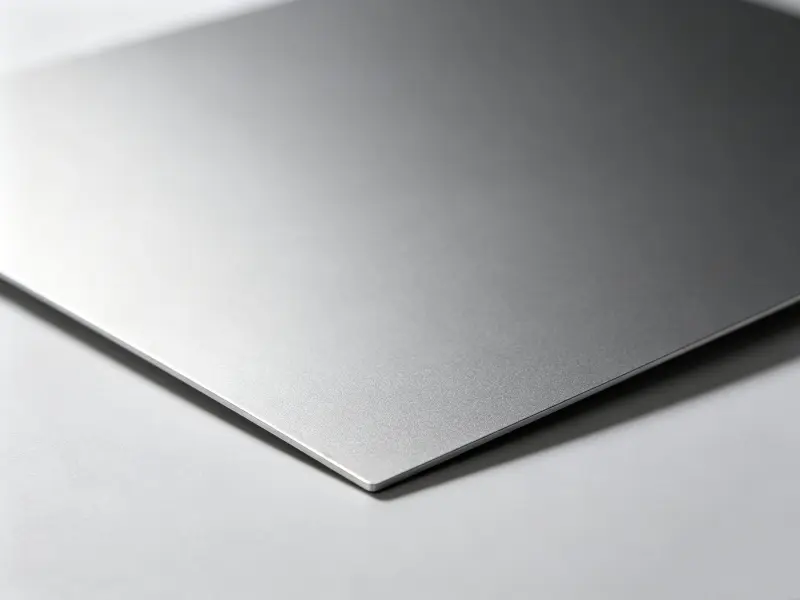
One advantage is that it does not rely on the same heat input as thermal cutting methods.
Potential applications include:
- Thick aluminum parts
- Industrial panels
- Machine components
- Custom shapes
- Architectural components
The best method depends on the thickness and required tolerance.
Saw Cutting Aluminium Sheet
Saw cutting is useful for straight cuts and some thicker aluminum materials.
It can be used for:
- Plates
- Bars
- Thick sheets
- Rectangular parts
- Industrial components
The blade and cutting parameters should match aluminum material.
Plasma Cutting Aluminium
Plasma cutting can be used for certain aluminum sheet and plate applications.
It is generally considered for projects where cutting speed and material thickness are important.
For high-precision parts, another cutting method may be more appropriate.
Cutting Method Comparison
| Cutting Method | Best For | Shape | Precision | Typical Position |
|---|---|---|---|---|
| Shearing | Straight cuts | Simple | Good | Fast production |
| Laser | Detailed parts | Complex | High | Precision work |
| CNC Router | Panels / shapes | Complex | High | General fabrication |
| Waterjet | Thick / complex parts | Complex | High | Industrial work |
| Saw | Straight cuts | Simple | Good | Thick material |
| Plasma | Larger parts | Medium | Medium | Heavy fabrication |
The correct method should be selected after checking the complete drawing and material specification.
Cutting Aluminium Sheet by Alloy
Different aluminum alloys have different mechanical properties.
The alloy should be confirmed before cutting.
1050 Aluminium Sheet
1050 is a high-aluminum-content alloy.
It is soft and offers good forming performance.
It can be suitable for:
- General panels
- Reflective products
- Electrical applications
- Decorative parts
- Lightweight fabrication
1060 Aluminium Sheet
1060 also has high aluminum content.
It offers good ductility and conductivity.
It has cut into custom panels, strips, and other shapes.
3003 Aluminium Sheet
3003 contains manganese and generally offers higher strength than 1050 and 1060.
It is commonly selected for:
- Equipment panels
- Roofing products
- Heat-related applications
- General fabrication
- Industrial components
5052 Aluminium Sheet
5052 provides higher strength and good corrosion resistance.
It has often selected for fabricated parts where strength is more important.
Potential uses include:
- Marine components
- Vehicle parts
- Equipment covers
- Tanks
- Enclosures
- Industrial panels
5083 Aluminium Sheet
5083 is a stronger aluminum alloy often used in demanding applications.
It may be selected for:
- Marine fabrication
- Heavy equipment
- Transportation
- Structural components
6061 Aluminium
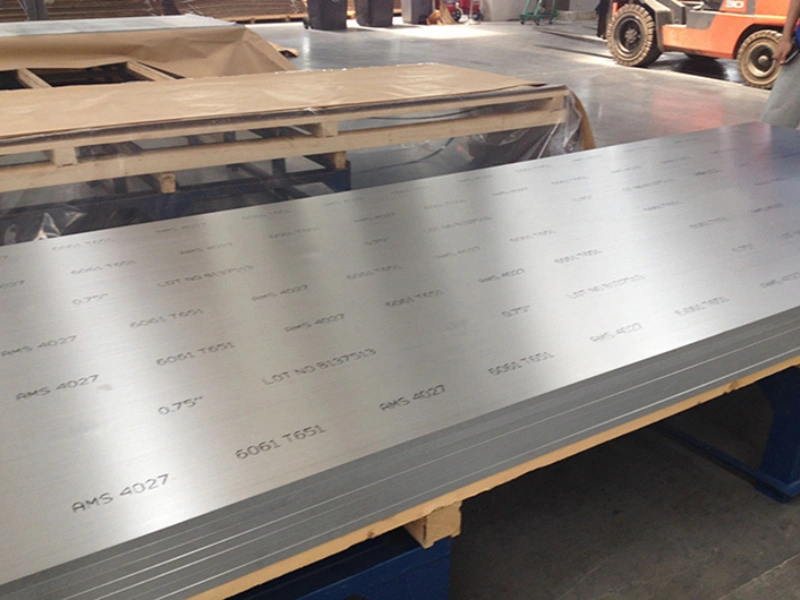
6061 has uses for structural and machined components.
It offers a useful combination of strength and machinability.
Aluminium Alloy Comparison
| Alloy | General Character | Typical Cutting Application |
|---|---|---|
| 1050 | Soft, high aluminum content | Lightweight panels |
| 1060 | High purity, ductile | General sheet parts |
| 3003 | Higher strength | Equipment / fabrication |
| 5052 | Strong and corrosion resistant | Marine / vehicle |
| 5083 | High strength | Marine / heavy parts |
| 6061 | Structural / machinable | Machine components |
The final choice should be based on mechanical requirements, forming, welding, corrosion exposure, and fabrication method.
Aluminium Temper and Cutting
Temper also affects how aluminum behaves during fabrication.
Common conditions include:
| Temper | General Condition |
|---|---|
| O | Soft / annealed |
| H12 | Partially hardened |
| H14 | Medium hard |
| H16 | Harder condition |
| H18 | Hard condition |
| H32 | Stabilized half-hard |
| H34 | Stabilized harder condition |
| T6 | Heat-treated condition |
Not every alloy is available in every temper.
The supplier should confirm the available combination of alloy and temper.
Soft Aluminium vs Hard Aluminium for Cutting


Soft aluminum can behave differently during cutting than harder material.
| Factor | Soft Aluminium | Harder Aluminium |
|---|---|---|
| Forming | Easier | More difficult |
| Cutting behavior | Can be more flexible | More stable |
| Edge deformation | Possible | Usually lower |
| Typical use | Formed products | Structural parts |
| Main selection | Formability | Strength |
The cutting process should match the material condition.
Flat Aluminium Sheet Cutting
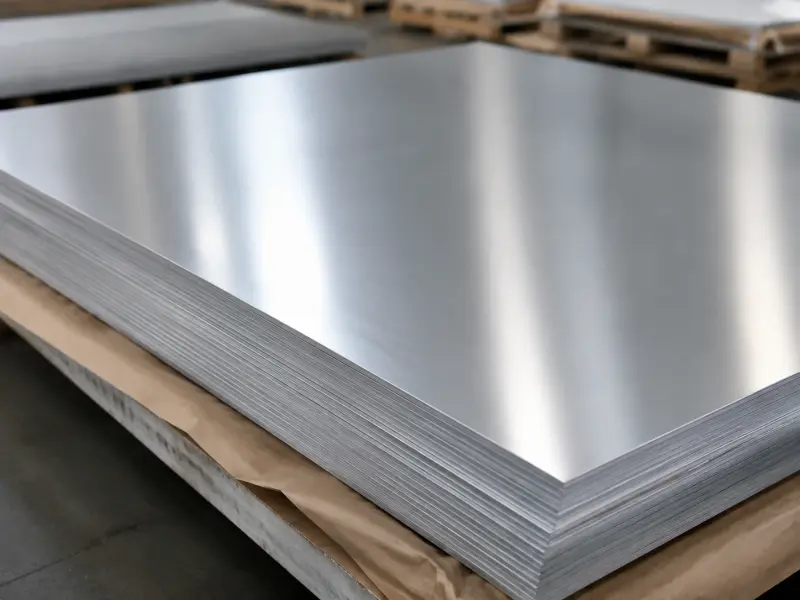
Flat aluminum sheet is one of the most common products for cut-to-size services.
Typical applications include:
- Equipment covers
- Machine panels
- Wall panels
- Signs
- Electrical boxes
- Decorative panels
- Vehicle components
The customer can specify length, width, thickness, alloy, and temper.
Cutting Aluminium Checker Plate
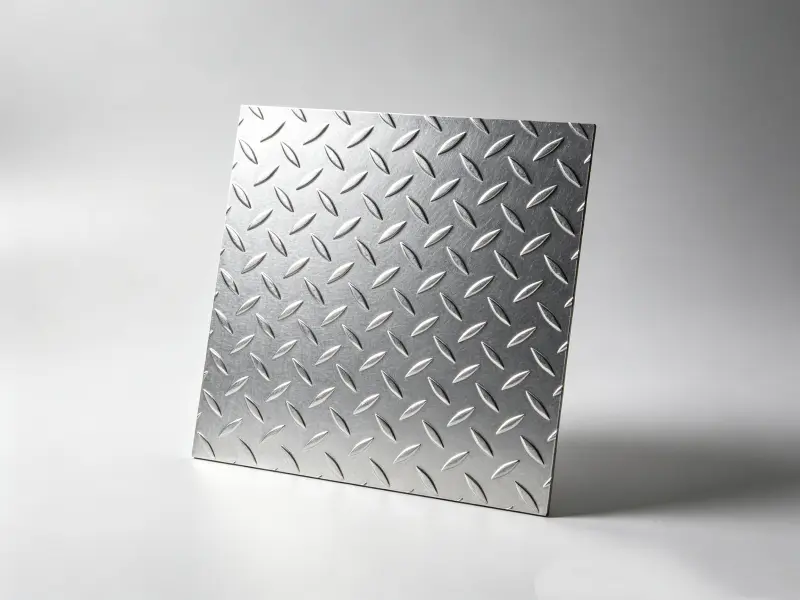
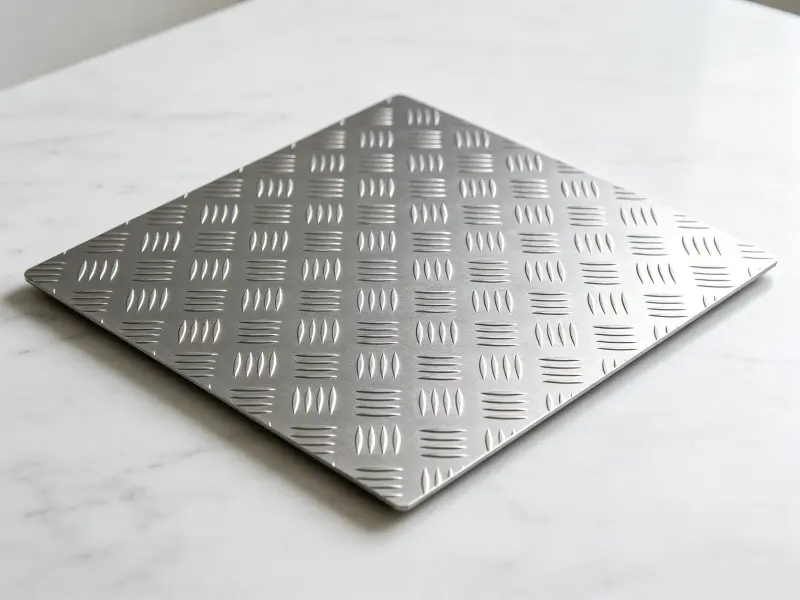
Aluminum checker plate has a raised pattern on the surface.
It requires special attention during cutting because the raised surface can affect positioning and measurements.
Common applications include:
- Truck floors
- Trailer floors
- Stairs
- Platforms
- Walkways
- Toolboxes
- Industrial flooring
The customer should specify whether dimensions are measured from the base thickness or overall patterned thickness when relevant.
Cutting Stucco Embossed Aluminium Sheet
Stucco embossed aluminum has a textured surface.
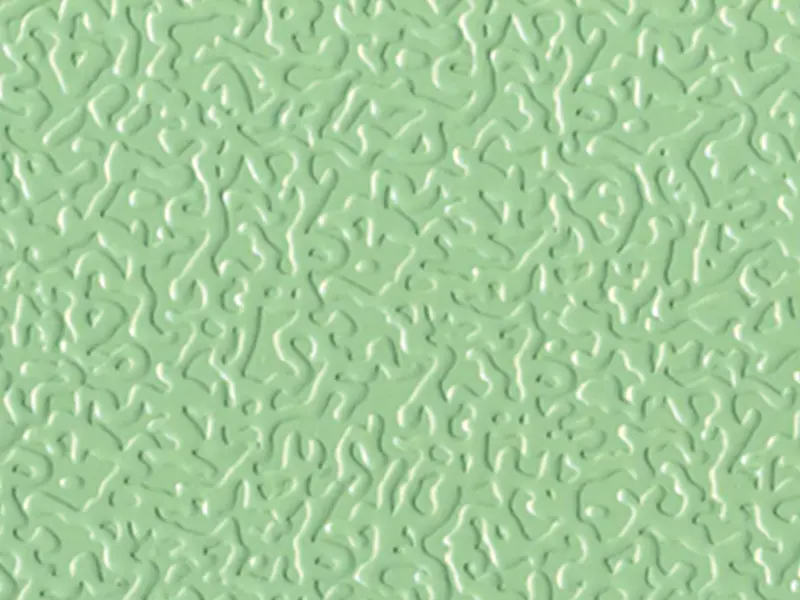
It is commonly used for:
- Insulation
- HVAC
- Wall panels
- Roofing
- Decorative applications
- Equipment cladding
The cutting method should protect the finished surface and maintain accurate dimensions.
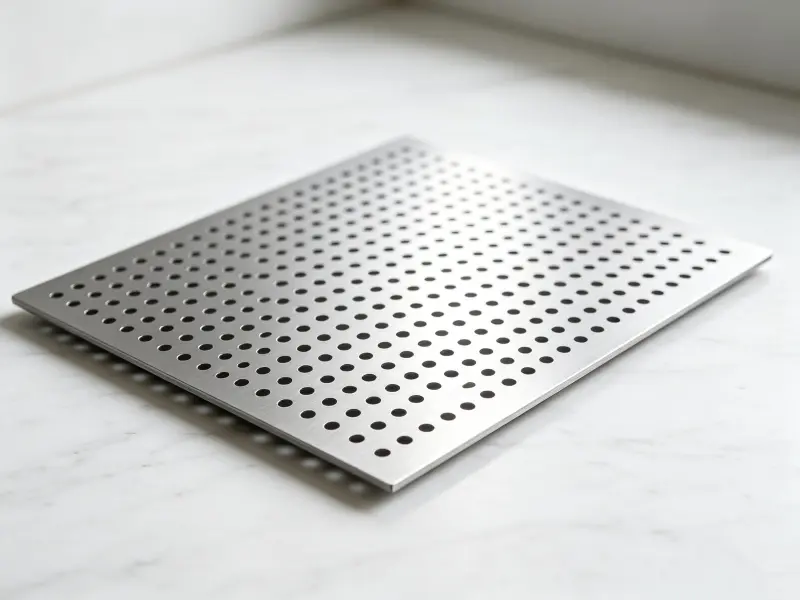
Cutting Perforated Aluminium Sheet
Perforated aluminum sheet contains repeated holes.
Cutting must maintain the relationship between the outer edge and the perforation pattern.
Applications include:
- Ventilation panels
- Architectural screens
- Machine guards
- Acoustic products
- Decorative panels
- Airflow systems
Custom outer dimensions hvae produced around an existing hole pattern.
Cutting Coated Aluminium Sheet
Coated aluminum requires additional surface protection during processing.
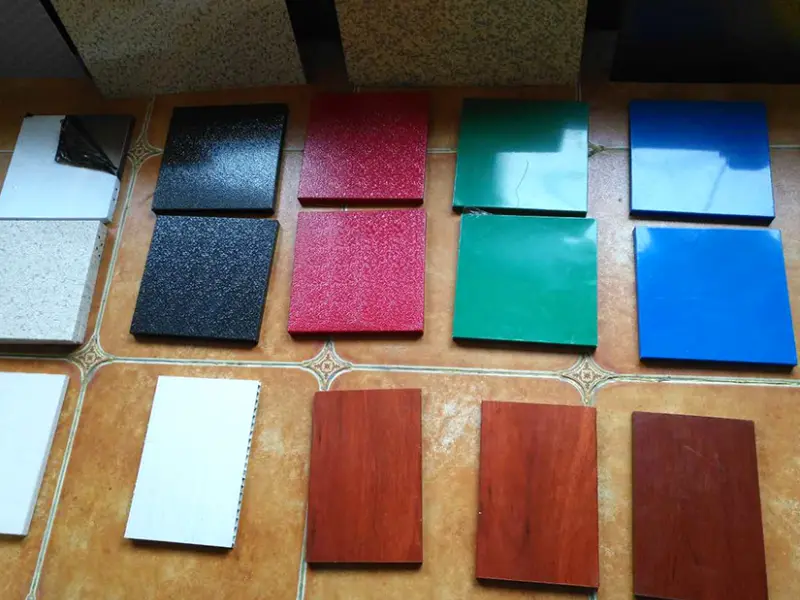
Common coated products include:
- PE coated aluminum
- PVDF coated aluminum
- Powder-coated aluminum
- Painted aluminum
- Color coated aluminum
During cutting, the coating and protective film should be considered.
For visible architectural panels, clean edges are especially important.
Cutting Aluminium Sheet for Different Applications
The same cutting service can support many industries.

Construction
Cut aluminum sheets can be used for:
- Wall cladding
- Roofing components
- Ceiling panels
- Flashing
- Interior decoration
- Architectural panels
Transportation
Applications include:
- Trailer panels
- Vehicle components
- Truck parts
- Interior panels
- Floor panels
- Equipment covers
Industrial Equipment
Cut aluminum parts can be used for:
- Machine covers
- Equipment panels
- Enclosures
- Guards
- Heat-related equipment
- Fabricated components
Electrical Applications
Aluminum sheet can be cut into:
- Electrical enclosures
- Control panels
- Covers
- Busbar components
- Equipment housings
The alloy and temper have selected according to the electrical design.
Marine Applications
Higher-strength aluminum grades can be cut for:
- Boat components
- Marine panels
- Deck parts
- Equipment structures
- Storage components
Sign and Advertising Products
Custom-cut aluminum is suitable for:
- Business signs
- Lettering
- Direction signs
- Decorative panels
- Advertising boards
- Display components
Round Aluminium Sheet Cutting
Round aluminum pieces are commonly used for discs, covers, panels, and fabricated components.
Common diameters include:
| Diameter | Typical Use |
|---|---|
| 100 mm | Small components |
| 150 mm | Covers |
| 200 mm | Discs |
| 300 mm | Industrial parts |
| 500 mm | Large panels |
| 600 mm | Equipment components |
| 1000 mm | Large fabricated parts |
The final tolerance depends on the cutting method.
Custom Shape Aluminium Cutting
Custom shapes are useful when standard rectangles are not enough.
Possible designs include:
- Circles
- Ovals
- Triangles
- Arches
- Rings
- Brackets
- Letters
- Logos
- Machine components
- Customer-designed profiles
For complex shapes, a CAD drawing is recommended.
Cutting Aluminium Sheet for Trailers
Trailer manufacturers often need aluminum panels cut to specific dimensions.
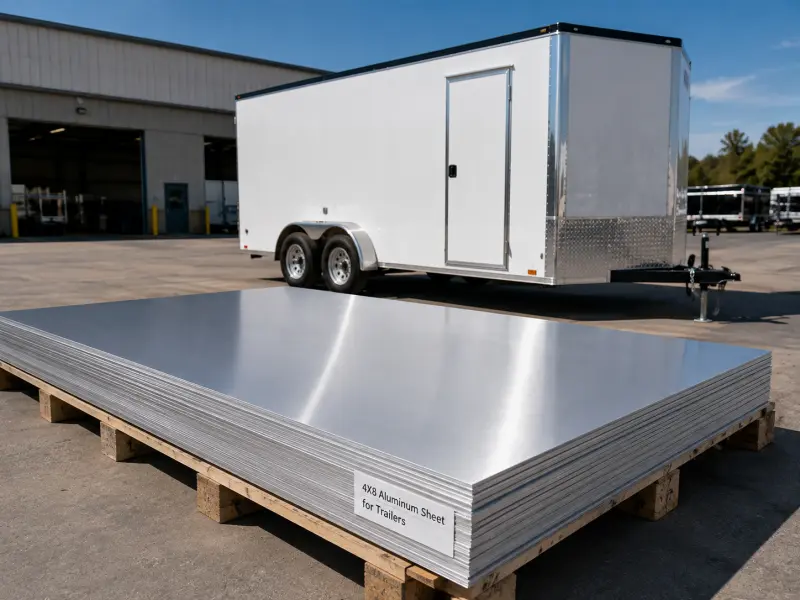
The material can be supplied as:
4 × 8 Sheet → Cut Panel → Edge Check → Protective Packing
Common requirements include:
- Accurate length
- Accurate width
- Consistent thickness
- Clean edges
- Low surface damage
- Repeatable dimensions
The alloy and temper should match the trailer design.
Cutting Aluminium for Wall Panels
Architectural projects may require many panels with different dimensions.
A typical order may include:
| Panel | Size |
|---|---|
| A | 500 × 1000 mm |
| B | 600 × 1200 mm |
| C | 800 × 1500 mm |
| D | 1000 × 2000 mm |
A clear cutting list can make production easier.
Edge Quality After Cutting
The edge is an important part of a cut aluminum sheet.
Buyers should check:
- Burrs
- Sharp edges
- Cracks
- Deformation
- Rough areas
- Dimensional accuracy
If the finished part will be handled directly, edge treatment may be required.
Possible options include:
- Deburring
- Edge smoothing
- Chamfering
- Additional machining
Cutting Tolerance


Not every project requires the same tolerance.
A general construction panel may have wider dimensional requirements than a precision machine component.
| Project Type | Tolerance Priority |
|---|---|
| General fabrication | Standard |
| Construction | Medium |
| Sign making | Medium |
| Machine parts | High |
| CNC components | High |
| Precision assembly | Very high |
The required tolerance has stated before production.
How to Reduce Aluminium Cutting Waste
Material utilization is an important part of cost control.
A cutting layout has planned before production.
For example:
Sheet Size → Part Size → Quantity → Nesting Layout → Material Utilization
Better nesting can reduce unused material.
For large orders, this can make a meaningful difference to total material cost.
Custom Cutting vs Buying Full Aluminium Sheets


| Factor | Cut-to-Size Sheet | Full Sheet |
|---|---|---|
| Ready to use | Yes | No |
| Cutting work | Supplier | Customer |
| Waste control | Can be planned | Customer responsibility |
| Custom shape | Available | Requires equipment |
| Handling | Easier | More difficult |
| Unit price | May be higher | Lower material processing cost |
| Labor saving | Higher | Lower |
Cut-to-size material can be useful when the customer does not want to invest in cutting equipment.
How Does Cutting Affect Aluminium Sheet Price?
The final price includes more than the aluminum material.
Main factors include:
- Alloy
- Temper
- Thickness
- Sheet size
- Finished dimensions
- Cutting method
- Cutting complexity
- Tolerance
- Quantity
- Edge treatment
- Surface protection
- Packaging
- Shipping
Simple straight cuts are usually easier to process than complex CNC shapes.
A detailed drawing helps the supplier calculate the processing cost.
Small Quantity vs Bulk Cutting
Different order volumes may use different production methods.
| Quantity | Typical Approach |
|---|---|
| 1–10 pcs | Sample / small batch |
| 10–100 pcs | Small production |
| 100–1,000 pcs | Batch cutting |
| 1,000+ pcs | Production order |
| Regular volume | Scheduled supply |
For repeat orders, saving the cutting drawing and specification can make future orders easier.
What Information Should Be Sent to the Supplier?
A supplier needs enough information to understand the job.
Send:
- Aluminum alloy
- Temper
- Thickness
- Original sheet size
- Finished length
- Finished width
- Shape
- Quantity
- Cutting tolerance
- Edge requirement
- Surface requirement
- Drawing
- Packing requirement
- Delivery destination
A good inquiry can follow this format:
Alloy → Temper → Thickness → Sheet Size → Finished Size → Shape → Quantity → Tolerance → Edge → Packing
Example Cutting Specification
| Item | Example |
|---|---|
| Alloy | 5052 |
| Temper | H32 |
| Thickness | 2.0 mm |
| Original Sheet | 1220 × 2440 mm |
| Finished Size | 500 × 800 mm |
| Shape | Rectangle |
| Quantity | 1,000 pcs |
| Tolerance | Customer requirement |
| Edge | Deburred |
| Surface | Mill finish |
| Packing | Export carton / pallet |
This type of specification makes quotation and production communication easier.
Quality Control for Cut Aluminium Sheet
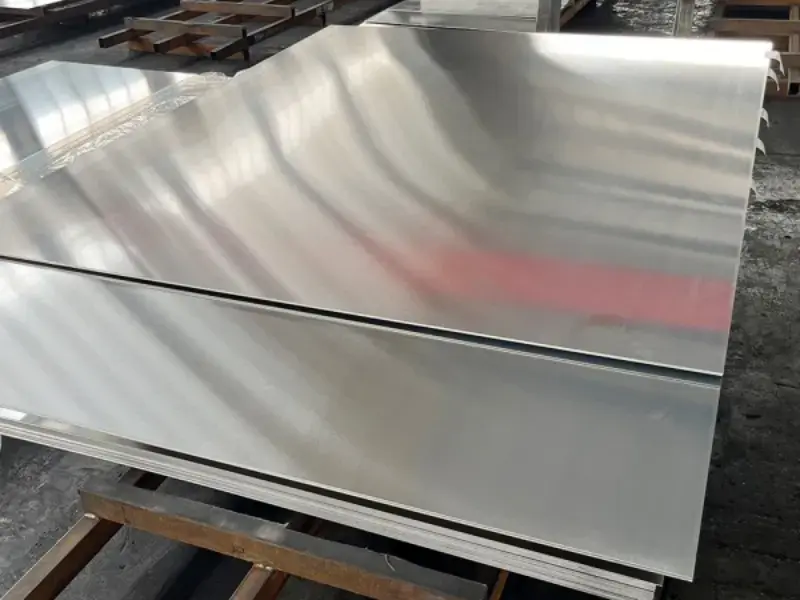
A complete inspection can include several stages.
Raw Material → Thickness Check → Cutting → Dimension Check → Edge Inspection → Surface Inspection → Quantity Check → Packing
Important inspection points include:
| Inspection | Main Check |
|---|---|
| Alloy | Correct material |
| Thickness | Actual gauge |
| Length | Finished dimension |
| Width | Finished dimension |
| Shape | Drawing compliance |
| Edge | Burrs / deformation |
| Surface | Scratches / dents |
| Flatness | Panel condition |
| Quantity | Correct pieces |
| Packing | Protection |
For precision parts, additional inspection may be required.
Packaging Cut Aluminium Sheets
Cut pieces have protected during storage and transportation.
Common packaging methods include:
- Kraft paper
- Waterproof paper
- Plastic film
- Foam protection
- Cartons
- Wooden pallets
- Wooden cases
- Corner protection
Thin sheets need particular attention because they can bend or scratch more easily.
A Practical Buying Flow
A simple buying process is:

Application
↓
Aluminium Alloy
↓
Temper
↓
Thickness
↓
Original Sheet Size
↓
Finished Size
↓
Cutting Shape
↓
Tolerance
↓
Edge Requirement
↓
Quantity
↓
Packing
↓
Shipping
This gives the supplier a clear production target.
Which Cutting Method Should You Choose?
The choice can be simplified as follows:
| Requirement | Possible Choice |
|---|---|
| Straight rectangular cuts | Shearing |
| Detailed 2D shape | Laser |
| Repeated custom panels | CNC |
| Thick complex parts | Waterjet |
| Thick straight cuts | Saw |
| Large heavy parts | Plasma |
The final recommendation should be based on the actual material and drawing.
FAQ About Cutting Aluminium Sheet


Can aluminium sheet be cut to custom sizes?
Yes. Aluminum sheet has cut into standard rectangles, narrow strips, round pieces, and many custom shapes.
What is the best way to cut aluminium sheet?
There is no single best method. Shearing works well for straight cuts, while laser, CNC, waterjet, saw, and plasma cutting has selected for different shapes and thicknesses.
Can 4 × 8 aluminum sheets be cut into smaller pieces?
Yes. A 4 × 8 ft sheet has cut into multiple smaller panels or components according to a cutting layout.
Can thick aluminium plate be cut?
.
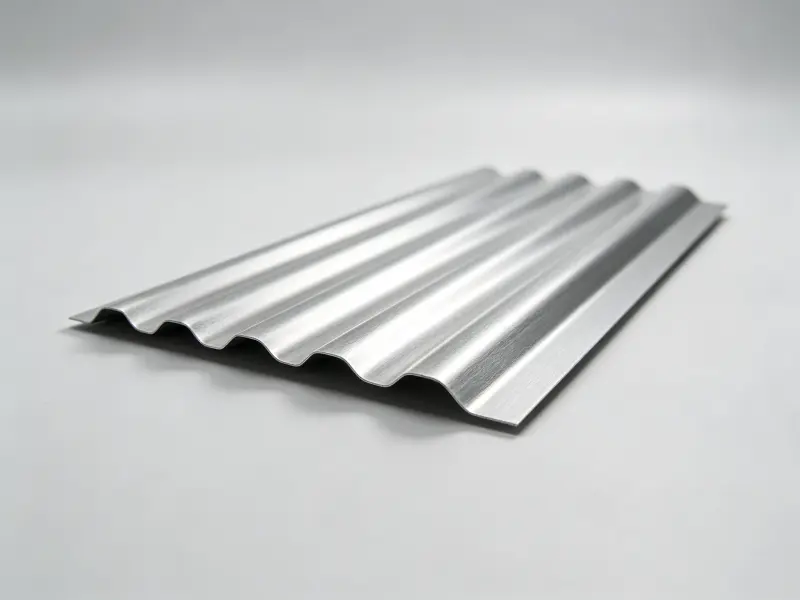
Yes. Thicker aluminum plate has processed with suitable equipment such as waterjet, saw, laser, or other industrial cutting systems
Can I order 0.032 inch aluminum sheet cut to size?
Yes. 0.032 inch aluminum sheet can be supplied as standard sheets or cut into customer-specified dimensions.
Can 5052 aluminum sheet be cut?
Yes. 5052 aluminum sheet has cut into different sizes and shapes. The cutting method depends on thickness, tolerance, and shape.
Can aluminum checker plate be cut?
Yes. Aluminum checker plate has cut into panels and custom shapes. The patterned surface should be considered during measurement and processing.
Can coated aluminum sheet be cut?
Yes. Coated aluminum can be cut, but the coating and visible surface should be protected during processing.
Can I send a CAD drawing?
Yes. A CAD or vector drawing is useful for complex shapes and repeat production.
What tolerance can be achieved?
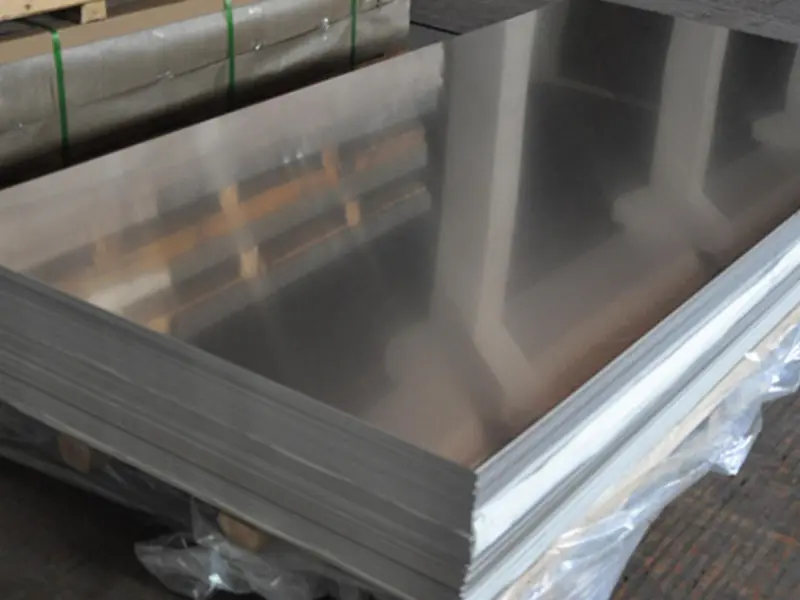
The achievable tolerance depends on the cutting method, material thickness, equipment, and part geometry. The required tolerance should be specified before production.
Will cut aluminum sheet have sharp edges?
The cutting method can leave different edge conditions. Deburring or edge smoothing have added when required.
Can round aluminum discs be cut?
Yes. Aluminum sheets have processed into round discs with customized diameters.
Can aluminum sheets be cut into logos or letters?
Yes. CNC or laser cutting has uses for many custom shapes, including letters, logos, and decorative patterns.
Is cut-to-size aluminum more expensive than a full sheet?
The material cost is similar, but cutting adds processing costs. For small quantities, the convenience and labor savings may make cut-to-size material more practical.
Can I order a small quantity?
Small orders may be possible depending on the material, cutting method, and supplier’s production schedule.
Can cut aluminum sheets be packed for export?
Yes. Cut pieces have packed with protective paper, plastic, cartons, pallets, or wooden cases according to the transportation requirements.
Get a Cutting Aluminium Sheet Quote
If you need aluminum sheets cut to size, send the complete specification.
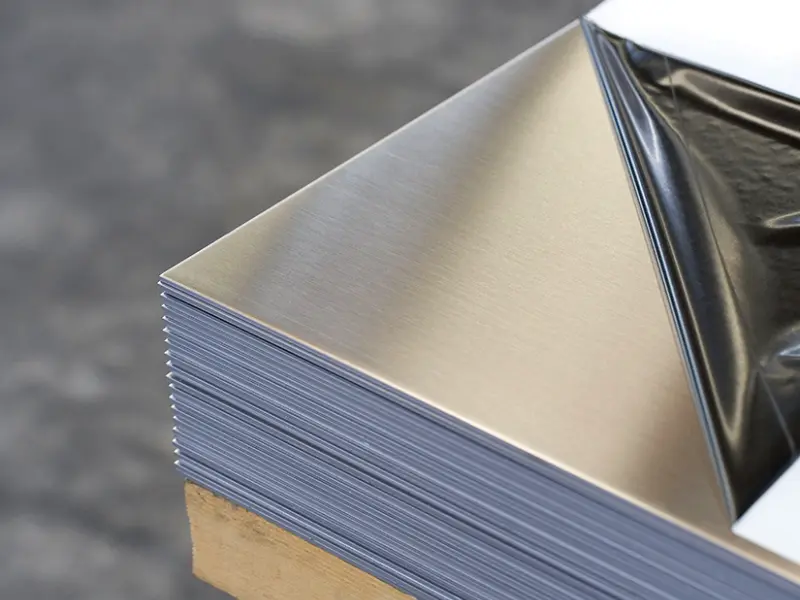
A useful inquiry can be written as:
Alloy → Temper → Thickness → Sheet Size → Finished Size → Shape → Quantity → Tolerance → Edge → Surface → Packing
For example:
5052 → H32 → 2.0 mm → 1220 × 2440 mm → 500 × 800 mm → Rectangle → 1,000 pcs → Custom Tolerance → Deburred → Mill Finish
For more complex parts, a CAD drawing has included with the inquiry.
The right cutting method can help reduce waste, improve dimensional consistency, and make the aluminum easier to use in the next production stage.
Whether you need simple straight-cut panels, 4 × 8 aluminum sheet cutting, round aluminum discs, CNC-cut parts, or custom aluminum components, the final specification should always match the application.