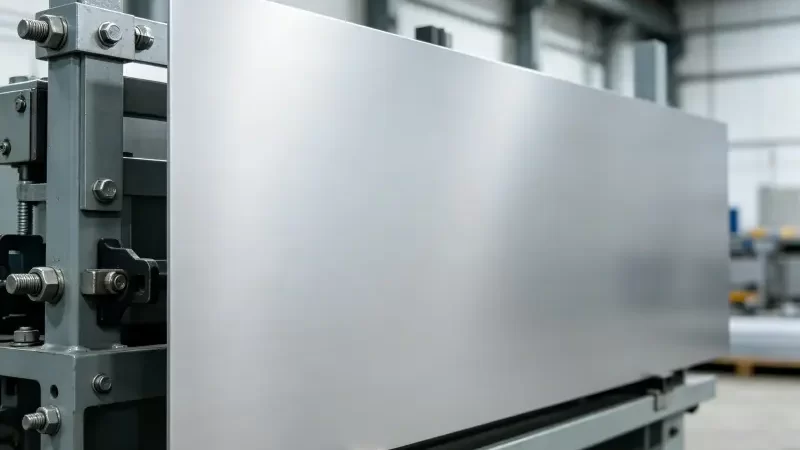
12 gauge aluminum sheet is a popular thickness choice for fabrication, construction, transportation, HVAC, signage, and industrial products. It provides a useful balance between strength, weight, forming, and cost.
For aluminum, gauge numbers can be confusing because different gauge charts may show slightly different values. In many common aluminum gauge charts, 12 gauge aluminum is around 0.0808 inch, or about 2.05 mm.
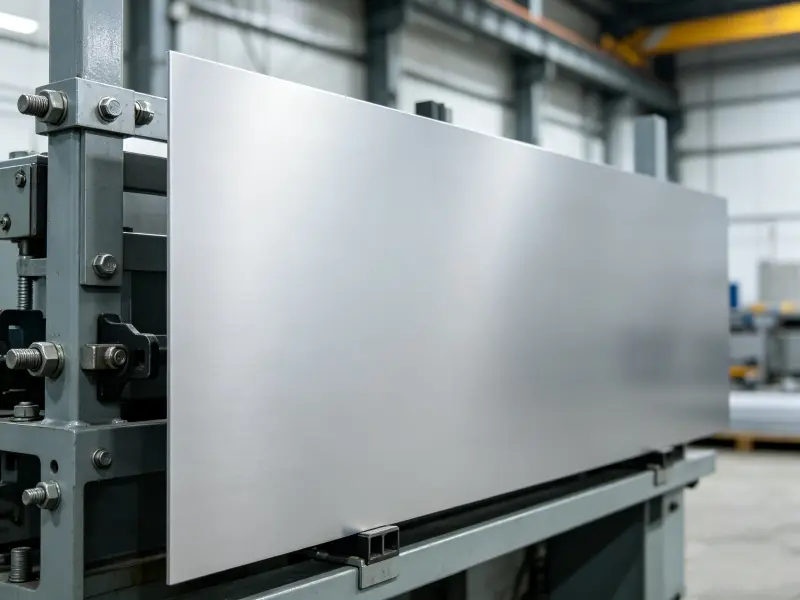
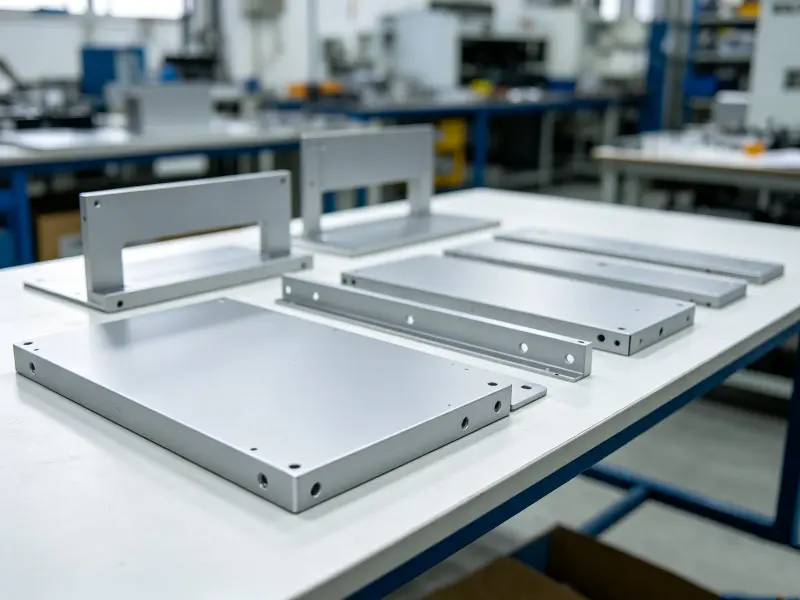
The exact thickness should always be confirmed with the supplier before ordering.
Aluminum gauge is only one part of the specification. The alloy and temper also affect how the sheet performs.
A 12 gauge sheet made from 5052 is different from one made from 1050 or 3003.
What Is 12 Gauge Aluminum Sheet?
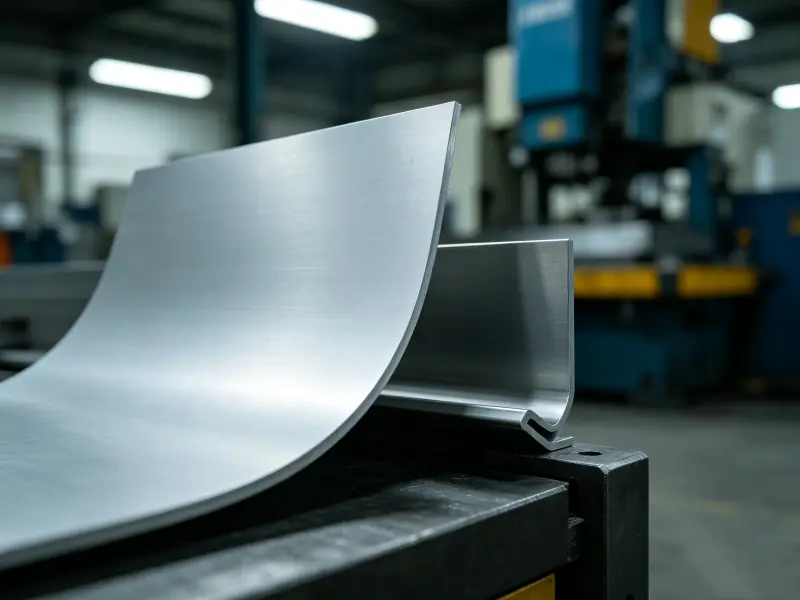
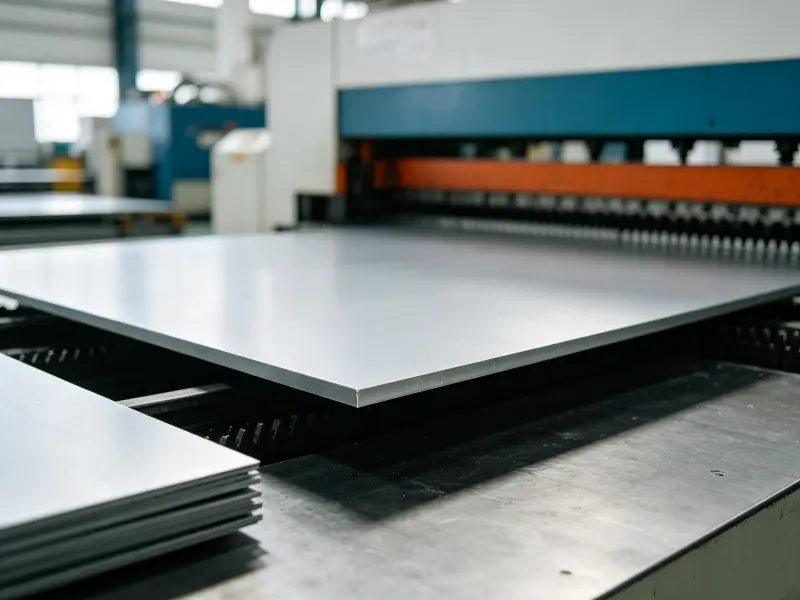
12 gauge aluminum sheet refers to aluminum sheet identified by a gauge thickness system.
A commonly used reference is:
| Gauge | Approx. thickness |
|---|---|
| 16 gauge | 0.0635 in / 1.61 mm |
| 14 gauge | 0.0641–0.0747 in depending on chart |
| 12 gauge | About 0.0808 in / 2.05 mm |
| 11 gauge | About 0.0907 in / 2.30 mm |
| 10 gauge | About 0.1019 in / 2.59 mm |
| 8 gauge | About 0.1285 in / 3.26 mm |
Gauge references can vary by material and standard.
For accurate purchasing, it is better to specify the thickness in inches or millimeters rather than relying only on the gauge number.
For example:
12 Gauge Aluminum Sheet
Approximately 2.05 mm
→ confirm actual required thickness
→ select alloy
select temper
→ select surface
→ confirm sheet size
12 Gauge Aluminum Thickness in Millimeters
The millimeter value is especially useful for international purchasing.
For a project that requires approximately 12 gauge aluminum, buyers may specify around 2.0–2.1 mm depending on the required standard and tolerance.
| Thickness | Approx. gauge direction | Typical use |
|---|---|---|
| 1.5 mm | Thinner than 12 gauge | Light panels |
| 1.8 mm | Near medium sheet | General fabrication |
| 2.0 mm | Close to 12 gauge | General industrial use |
| 2.05 mm | Common 12 gauge reference | Heavy sheet applications |
| 2.5 mm | Thicker | Equipment and transport |
| 3.0 mm | Much thicker | Structural panels |
The final specification should state the exact nominal thickness.
Why 12 Gauge Is Used So Often
A sheet around 2 mm thick is thick enough for many fabrication jobs.
At the same time, aluminum remains much lighter than steel at the same volume.
This makes the thickness useful for applications that need a stronger sheet without adding unnecessary weight.
Main Advantages
- Lightweight
- Good strength-to-weight ratio
- Good corrosion resistance
- Easy to cut
- Easy to drill
- Easy to machine
- Good forming performance with suitable alloys
- Suitable for welding with suitable grades
- Available in many alloys
- Available in different tempers
- Suitable for indoor applications
- Suitable for outdoor applications
- Easy to finish or coat
The actual performance depends on alloy, temper, surface, and design.
Common Aluminum Alloys for 12 Gauge Sheet
There is no single alloy for every application.
Different aluminum grades provide different properties.
| Alloy | Main feature | Possible applications |
|---|---|---|
| 1050 | High ductility | Decorative and electrical |
| 1060 | Very good formability | General sheet work |
| 1100 | Easy forming | General fabrication |
| 3003 | Good balance | Construction and equipment |
| 3105 | Good corrosion resistance | Building products |
| 5052 | Higher strength | Marine and industrial |
| 5083 | High strength | Marine and heavy fabrication |
| 5754 | Good corrosion resistance | Transport and industry |
| 6061 | High strength | Machined and structural parts |
1050 Aluminum Sheet
1050 is a soft and highly workable aluminum grade.
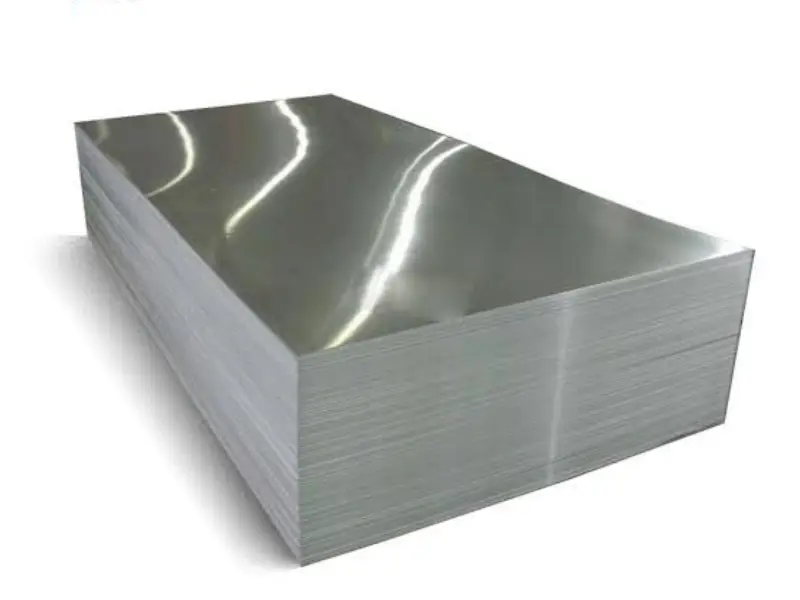
It is useful when forming is more important than high mechanical strength.
Possible applications include:
Interior panels
Decorative panels
Electrical products
Reflectors
General fabrication
1100 Aluminum Sheet
1100 provides good formability and corrosion resistance.
It is often used for general fabrication and equipment parts.
It can be cut and formed relatively easily.
3003 Aluminum Sheet
3003 is one of the common choices for general-purpose aluminum sheet.
It provides a useful balance between strength and formability.
It can be used for:
- Equipment panels
- Roofing components
- HVAC systems
- Wall panels
- Toolboxes
- Industrial parts
3105 Aluminum Sheet
3105 is commonly associated with coated and building applications.
It offers good corrosion resistance and formability.
It can be considered for exterior panels and building products.
5052 Aluminum Sheet
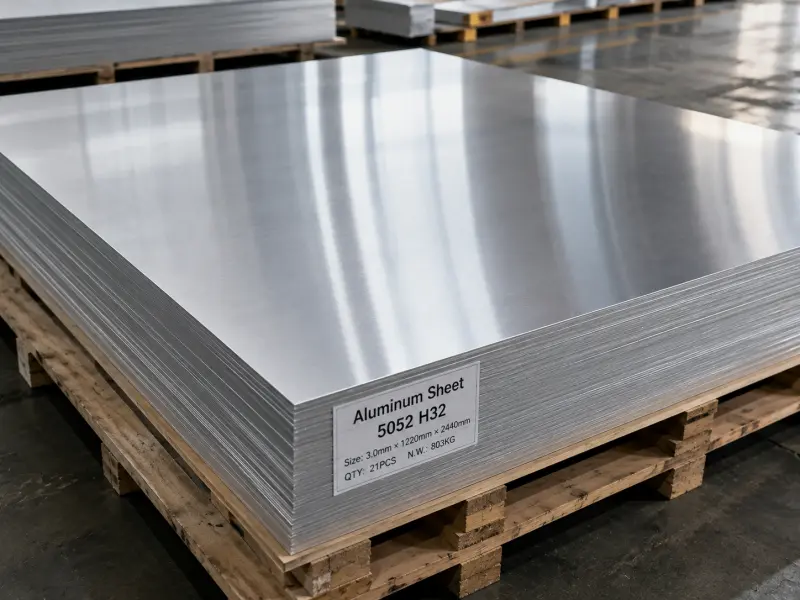
5052 offers higher strength than many 1xxx and 3xxx series grades.
It is a strong option for applications where the sheet will face more mechanical load or demanding environments.
Typical uses include:
Enclosures
Marine components
Truck bodies
Equipment
Fuel tanks
Industrial panels
5083 Aluminum Sheet
5083 is known for high strength and good corrosion resistance.
It is commonly used in marine and heavy-duty fabrication.
For welding-intensive applications, alloy selection should be based on the complete design.
6061 Aluminum Sheet
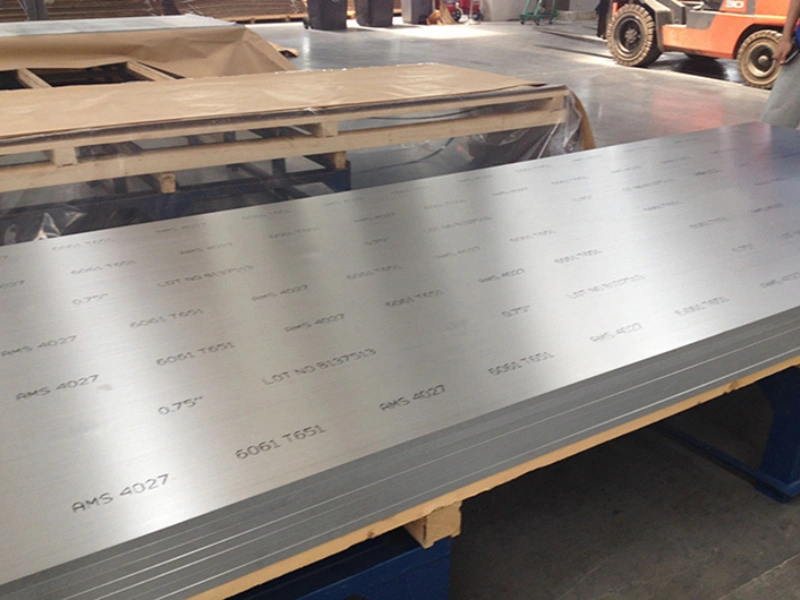
6061 provides high strength and good machinability.
It can be useful for fabricated or machined components.
It is different from softer sheet alloys such as 1050 and 1100.
Aluminum Temper Options
Temper changes the mechanical properties of aluminum.
For a 12 gauge aluminum sheet, the same alloy can have different performance depending on temper.
| Temper | General feature | Possible use |
|---|---|---|
| O | Soft | Forming |
| H12 | Low hardness | Bending |
| H14 | Medium strength | General fabrication |
| H16 | Higher strength | Panels |
| H18 | Hard | Flat components |
| H24 | Medium strength | Industrial use |
| H26 | Higher strength | Exterior products |
| T6 | Heat treated | Higher-strength applications |
Not every alloy is available in every temper.
For example, 6061 commonly uses T6 or T651 conditions, while many sheet products use H tempers.
12 Gauge Aluminum Sheet Sizes
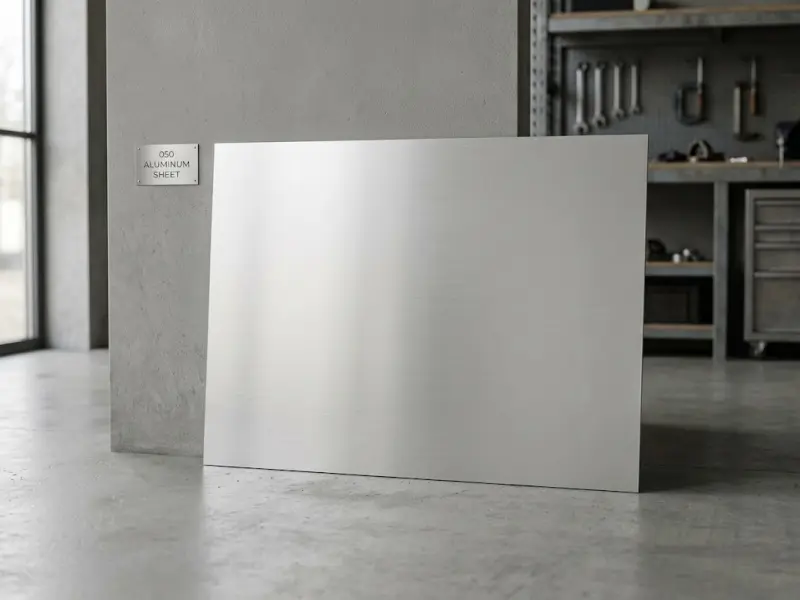
Sheet dimensions depend on the project.
Some common sizes include:
| Width | Length | Typical direction |
|---|---|---|
| 1000 mm | 2000 mm | General fabrication |
| 1220 mm | 2440 mm | 4 × 8 ft applications |
| 1250 mm | 2500 mm | Construction |
| 1500 mm | 3000 mm | Large panels |
| 1500 mm | 4000 mm | Large fabrication |
| 2000 mm | 4000 mm | Special projects |
| Custom | Custom | Project orders |
The familiar 4 × 8 aluminum sheet is approximately 1219 × 2438 mm.
Many suppliers use 1220 × 2440 mm as a practical metric equivalent.
Flat 12 Gauge Aluminum Sheet
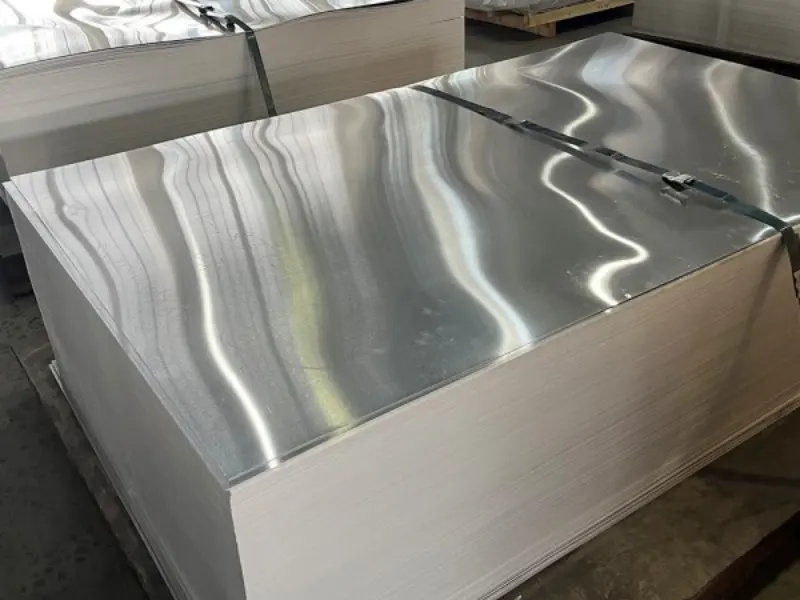
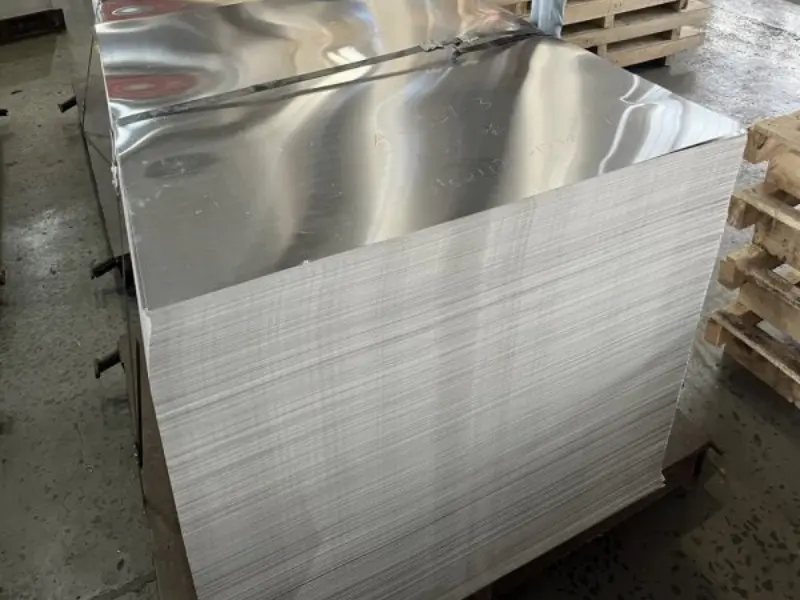
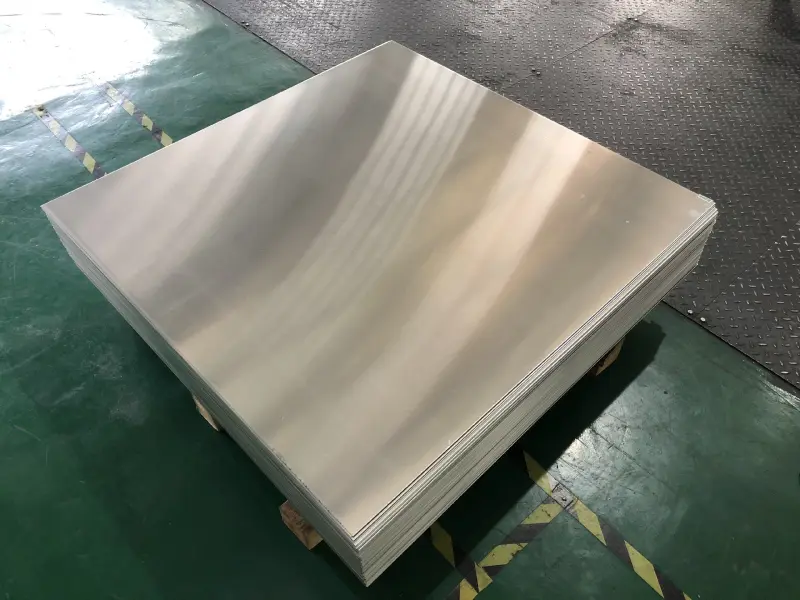
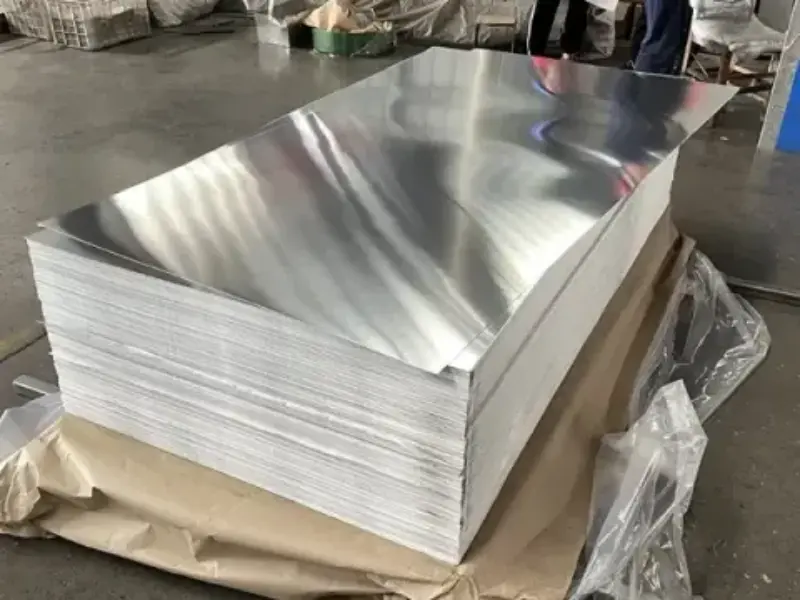
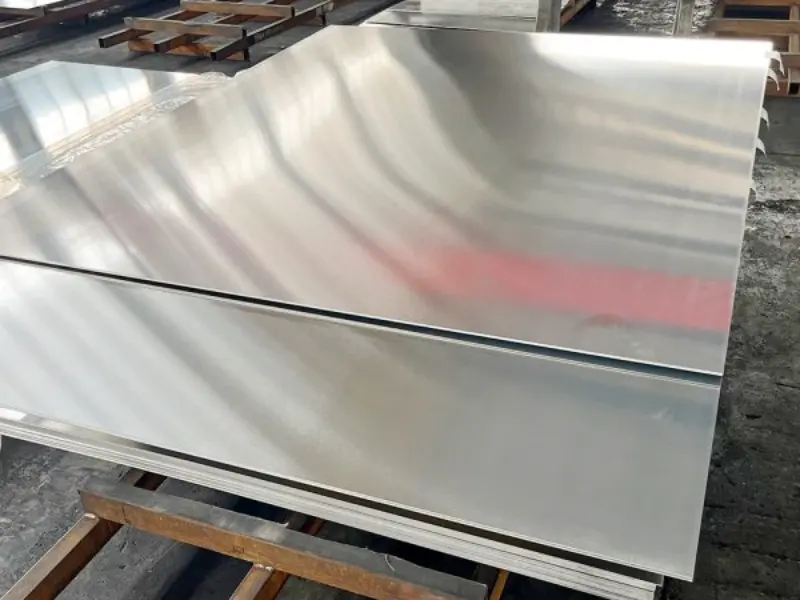
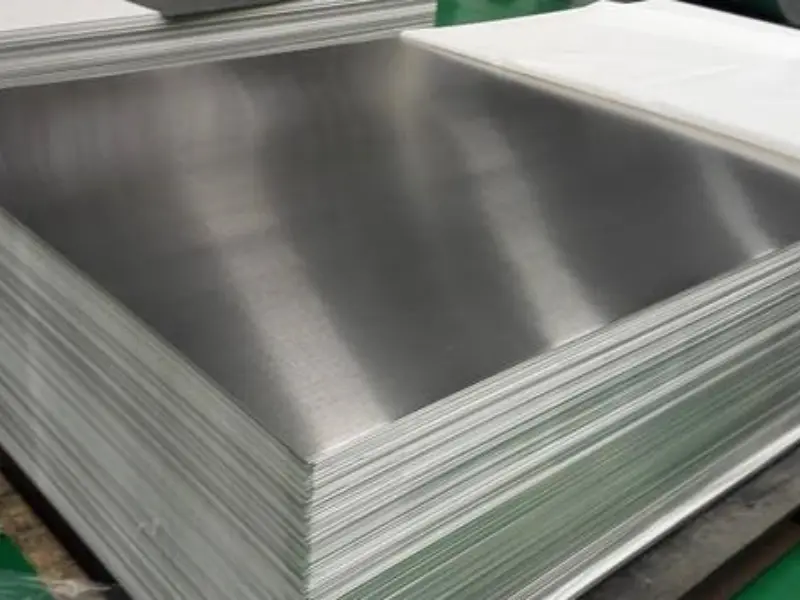
A flat sheet has a smooth or mill-finish surface.
It is a basic choice for fabrication.
It can be:
- Cut
- Bent
- Drilled
- Punched
- Welded
- CNC machined
- Painted
- Anodized
This format is suitable for general industrial work.
12 Gauge Aluminum Plate
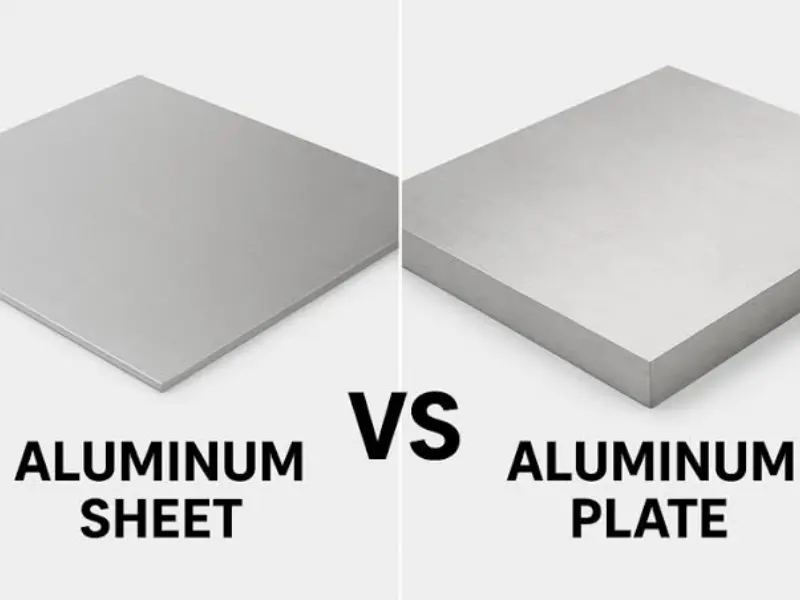
At around 2 mm, the material is often still described as sheet rather than heavy plate.
However, terminology can vary between suppliers and markets.

For purchasing, always specify the actual thickness.
For example:
2.05 mm aluminum sheet
is clearer than simply saying:
12 gauge aluminum plate
This reduces the risk of receiving a different thickness.
12 Gauge Diamond Plate
A textured surface can be added for applications that need a more functional or decorative finish.
Diamond plate has raised patterns.
It is often used where improved walking or standing grip is useful.
Common Applications
- Truck floors
- Trailer floors
- Workshop floors
- Stair treads
- Platforms
- Toolboxes
- Equipment covers
- Vehicle interiors
- Industrial walkways
The base thickness and pattern height should be specified separately.
12 Gauge Stucco Embossed Aluminum
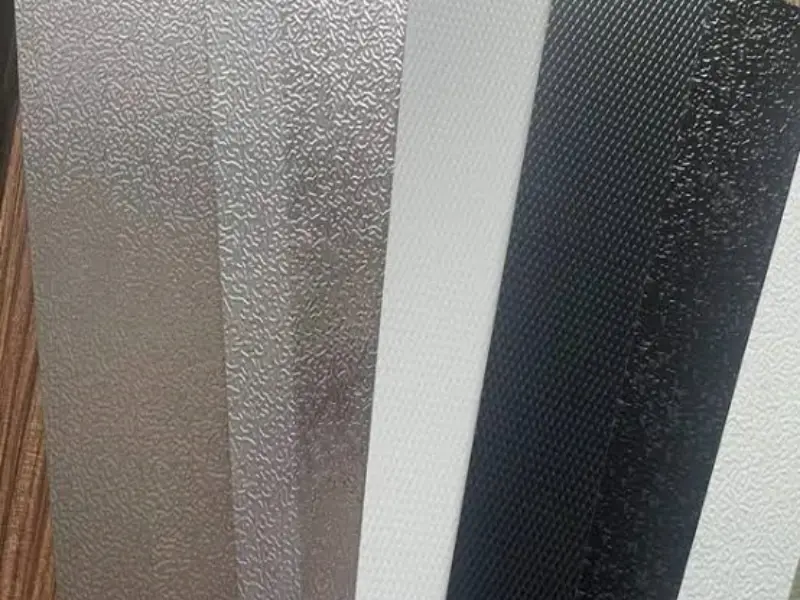
Stucco embossed aluminum has a textured surface.
The texture can help reduce the visual impact of small marks.
It is commonly associated with insulation jacketing, wall panels, roofing, and decorative applications.
A textured sheet may also provide a different visual effect from a flat mill-finish product.
12 Gauge Anodized Aluminum
Anodizing creates a controlled oxide layer on the aluminum surface.
It can improve surface appearance and provide additional surface protection.
Common finishes include:
- Clear anodized
- Silver anodized
- Bronze
- Black
- Brushed anodized
Anodized sheet is useful for architectural and decorative projects.
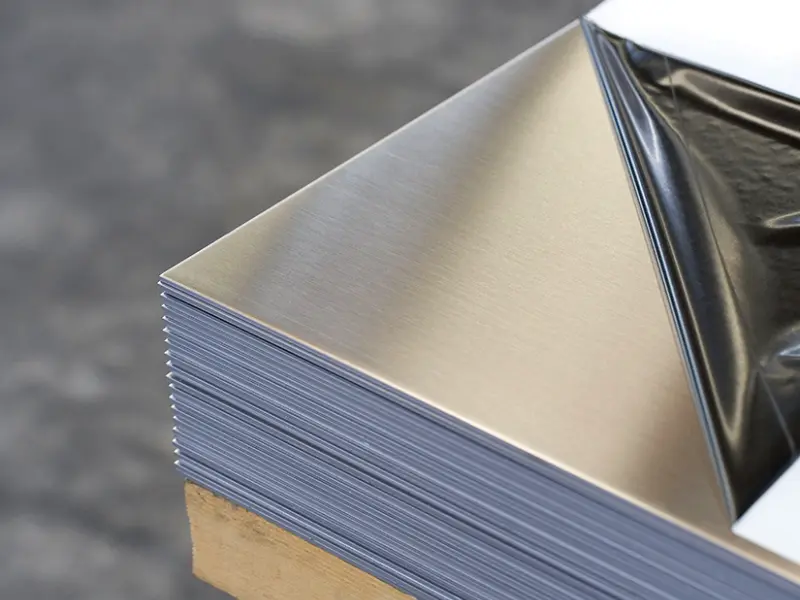
12 Gauge Brushed Aluminum Sheet
Brushed aluminum has directional surface lines.

It creates a modern appearance.
Applications include:
- Interior walls
- Elevator panels
- Furniture
- Kitchen equipment
- Decorative panels
- Signage
- Retail displays
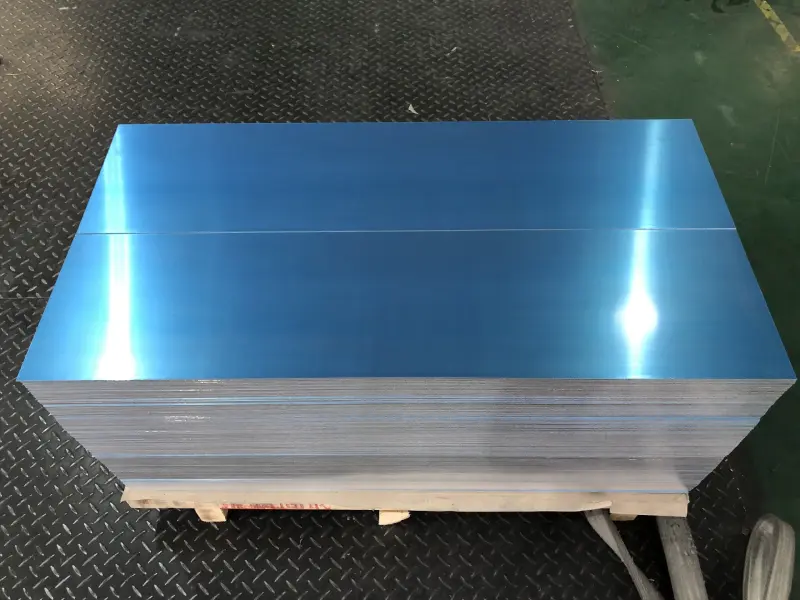
Protective film can be added to help protect the finish during processing.
12 Gauge Polished Aluminum Sheet
Polished aluminum has a brighter surface.
It can be used when appearance and light reflection are important.
Possible uses include:
- Reflectors
- Decorative panels
- Lighting equipment
- Interior decoration
- Display products
- Automotive trim
The required surface brightness should be confirmed before production.
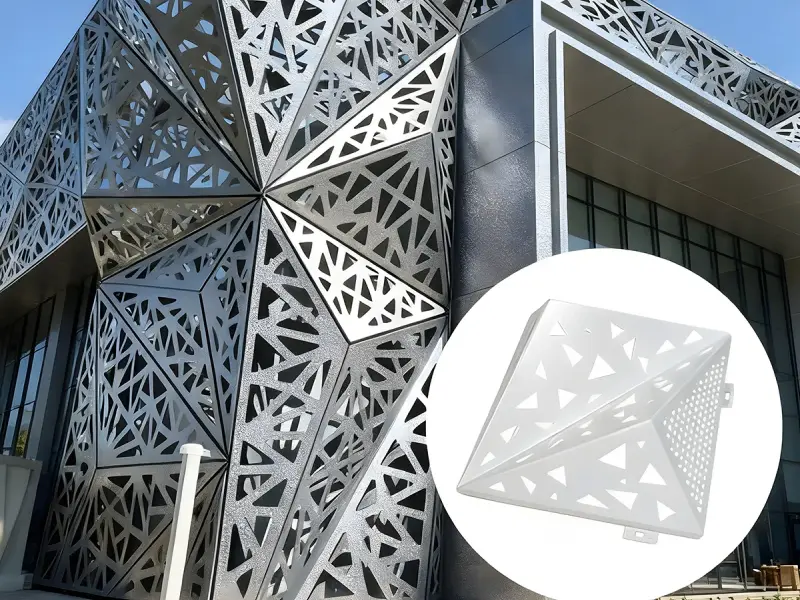
12 Gauge Perforated Aluminum Sheet
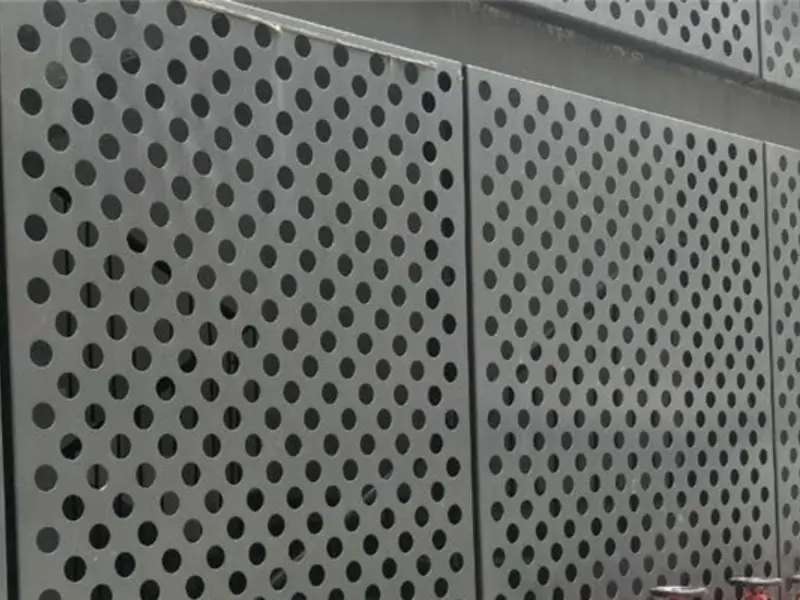
Perforation creates a regular pattern of holes.
Hole size, spacing, and open area can be customized.
| Feature | Example |
|---|---|
| Thickness | Around 2.0–2.1 mm |
| Hole shape | Round / square / slot |
| Hole size | Custom |
| Pitch | Custom |
| Open area | Project based |
| Edge | Custom |
Applications include:
- Ventilation
- Acoustic panels
- Sun screens
- Machine guards
- Decorative walls
- Ceiling panels
- Equipment covers
12 Gauge Expanded Aluminum Sheet
Expanded aluminum is made by cutting and stretching the sheet.
This creates a mesh-like structure.
It can be used for:
- Guards
- Screens
- Ventilation panels
- Decorative walls
- Safety barriers
- Equipment protection
The opening size and strand dimensions affect the final strength and appearance.
12 Gauge Painted Aluminum Sheet
Painted aluminum provides additional color options.
Common systems include:
- PE coating
- PVDF coating
- Powder coating
Wood grain colors are also available for selected applications.
This makes the material useful for architectural projects.
12 Gauge Wood Grain Aluminum
Wood-look aluminum combines an aluminum substrate with a decorative wood pattern.
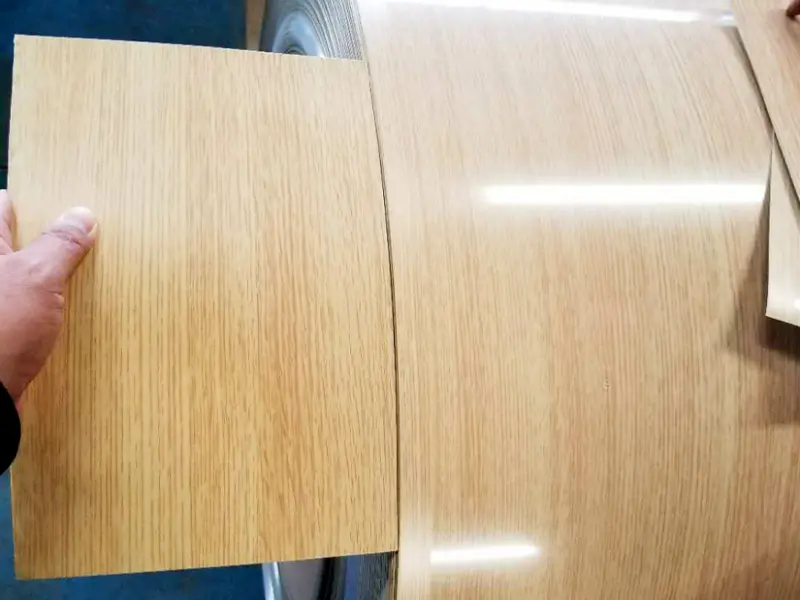
Common patterns include:
- Oak
- Walnut
- Teak
- Cedar
- Pine
- Mahogany
- Grey wood
- Dark wood
It can be used for:
- Facades
- Wall panels
- Doors
- Windows
- Louvers
- Fences
- Interior decoration
The coating system should match the indoor or outdoor environment.
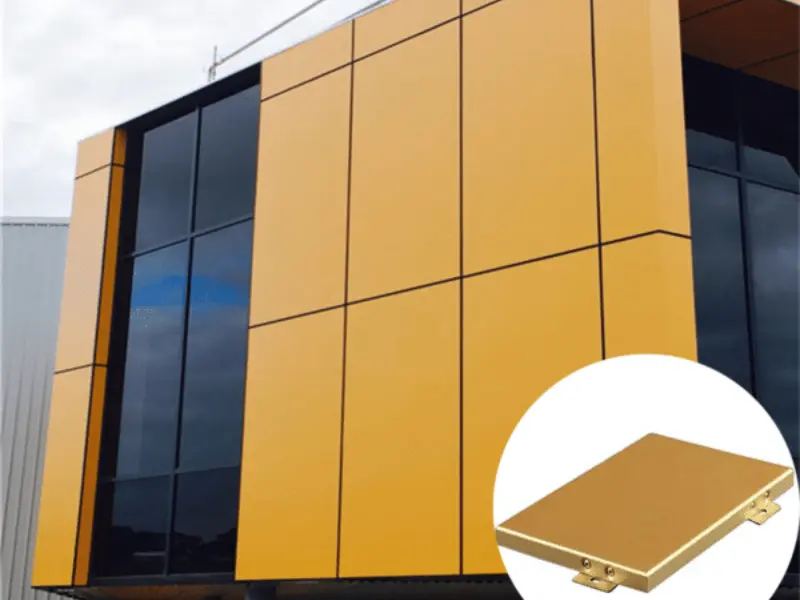
Construction Applications
A 12 gauge aluminum sheet can be used in many building products.
Common Uses
- Wall panels
- Roof components
- Ceiling panels
- Facade decoration
- Flashing
- Trim
- Door panels
- Window components
- Ventilation covers
- Decorative screens
For exterior applications, wind load and fixing design should be considered.
HVAC Applications
Aluminum is useful in HVAC because it is lightweight and corrosion resistant.
A sheet around 2 mm can be used for selected components that require more rigidity.

Applications include:
- Duct components
- Equipment panels
- Covers
- HVAC enclosures
- Ventilation systems
- Air-handling equipment
The final thickness should be based on the system design.
Transportation Applications
Weight reduction is important in transportation.
Aluminum can provide lower weight than steel while maintaining useful strength.
Possible Applications
- Trailer components
- Truck bodies
- Vehicle panels
- Bus components
- Marine equipment
- Floor panels
- Toolboxes
- Storage compartments
5052, 5083, 5754, and 6061 may be considered for different transportation requirements.
Marine Applications
Marine environments require careful material selection.
Aluminum alloys such as 5052 and 5083 are commonly considered for marine fabrication.
Possible applications include:
- Boat components
- Deck panels
- Marine enclosures
- Tank components
- Walkways
- Covers
- Equipment supports
Welding method and alloy compatibility should be considered together.
Industrial Applications
A 12 gauge aluminum sheet can provide a useful balance for equipment and fabrication.
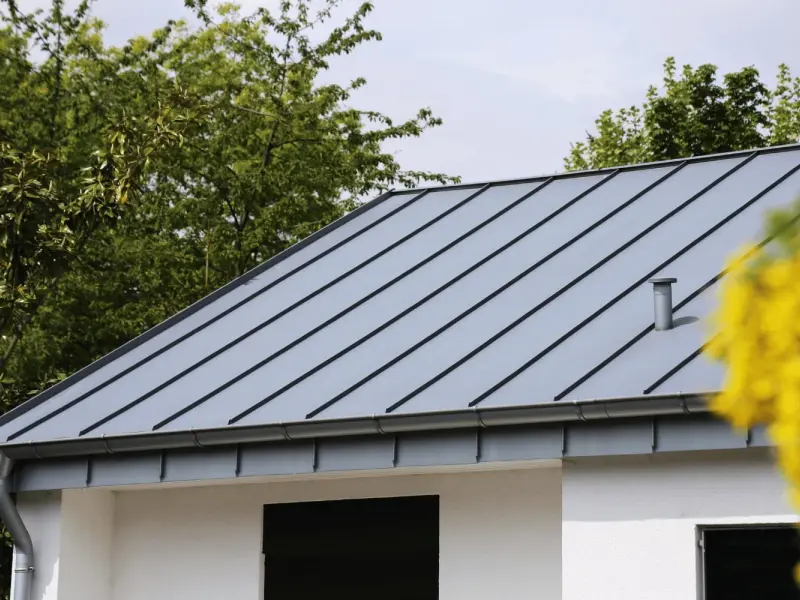
Applications include:
- Machine covers
- Electrical enclosures
- Equipment panels
- Storage boxes
- Industrial cabinets
- Guard panels
- Fabricated components
- Processing equipment
Different alloys has selected according to strength and forming requirements.
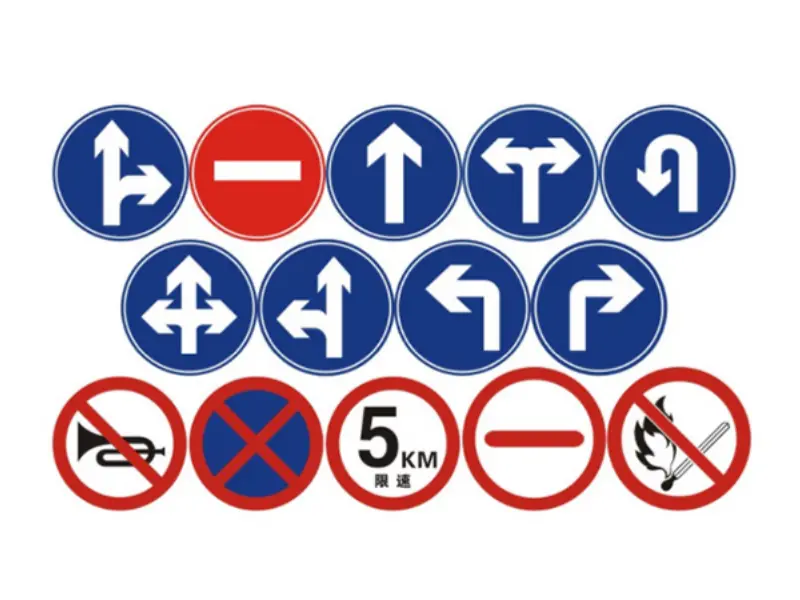
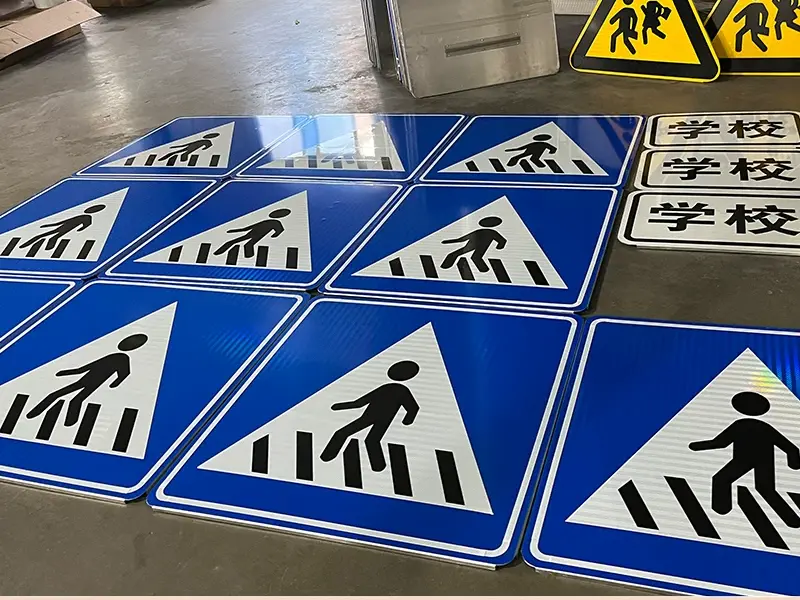
Signage Applications
Aluminum is widely used for signs because it is lightweight and corrosion resistant.
A 2 mm sheet provides more rigidity than very thin signage material.
It can be used for:
- Traffic signs
- Commercial signs
- Building signs
- Directional signs
- Safety signs
- Parking signs
- Advertising panels
Surface coating or protective film can be selected according to the printing method.
12 Gauge Aluminum vs 14 Gauge Aluminum
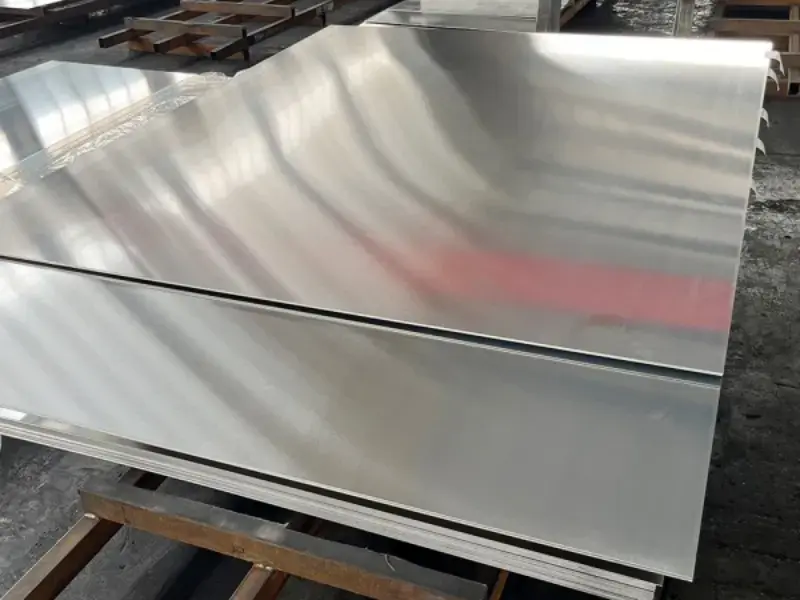

Thickness affects rigidity, weight, and fabrication.
| Feature | 14 gauge | 12 gauge |
|---|---|---|
| Thickness | Thinner | Around 2.05 mm |
| Weight | Lower | Higher |
| Rigidity | Lower | Higher |
| Forming | Easier | Still practical |
| Impact resistance | Lower | Higher |
| Material cost | Lower | Higher |
| Large panels | More flexible | More rigid |
If a panel needs more rigidity, the thicker option may be considered.
12 Gauge vs 10 Gauge Aluminum
| Feature | 12 gauge | 10 gauge |
|---|---|---|
| Approx. thickness | 2.05 mm | 2.59 mm |
| Weight | Lower | Higher |
| Rigidity | Medium | Higher |
| Material use | Moderate | Higher |
| Forming | Easier | More difficult |
| Heavy-duty use | Good | Better suited |
The thicker material has selected only when the additional strength or rigidity is useful.
2 mm vs 2.5 mm Aluminum Sheet


Many international buyers compare these metric thicknesses.
| Feature | 2.0 mm | 2.5 mm |
|---|---|---|
| Weight | Lower | Higher |
| Rigidity | Good | Higher |
| Cutting | Easy | Easy |
| Bending | Easier | More force |
| Cost | Lower | Higher |
| General fabrication | Excellent | Good |
| Heavy-duty use | Selected | Better |
If a drawing specifies 2.0 mm, it is better to order by the metric thickness instead of converting it to gauge.
Aluminum vs Steel at Similar Thickness
Aluminum and steel have very different densities.
The aluminum is much lighter.
| Feature | Aluminum | Steel |
|---|---|---|
| Weight | Lower | Higher |
| Corrosion resistance | Good | Usually needs protection |
| Strength | Alloy dependent | Generally high |
| Forming | Good | Good |
| Welding | Alloy dependent | Common |
| Surface treatment | Many options | Many options |
| Recycling | Highly recyclable | Highly recyclable |
The choice depends on the design and required properties.
3003 vs 5052 for 12 Gauge Sheet


| Feature | 3003 | 5052 |
|---|---|---|
| Strength | Medium | Higher |
| Formability | Very good | Good |
| Corrosion resistance | Good | Very good |
| Marine use | Selected | Common |
| General fabrication | Excellent | Excellent |
| Cost | Often lower | Often higher |
3003 can be useful for general fabrication.
5052 has considered when higher strength or demanding environments are involved.
1050 vs 3003
| Feature | 1050 | 3003 |
|---|---|---|
| Formability | Excellent | Very good |
| Strength | Lower | Higher |
| Corrosion resistance | Good | Good |
| Decorative use | Good | Good |
| Equipment panels | Selected | Common |
| Heavy fabrication | Limited | Better |
This comparison shows why alloy selection should be based on application rather than thickness alone.
Fabrication of 12 Gauge Aluminum
A sheet around 2 mm can be processed using common fabrication methods.
Cutting
Possible methods include:
- Shearing
- Laser cutting
- Waterjet cutting
- CNC cutting
- Saw cutting
Bending
Bending depends on alloy and temper.
Softer material generally bends more easily.
Harder tempers may require a larger bending radius.
Drilling and Punching
Aluminum can be drilled and punched using suitable tooling.
The tool condition affects edge quality.
Welding
Many aluminum alloys can be welded.
However, welding performance varies by alloy.
5052 and 5083 are commonly considered for welded structures.
6061 can also be welded, but heat treatment and strength changes should be considered.
Surface Finish Options
A 12 gauge aluminum sheet does not have to be plain.
| Surface | Visual effect | Typical use |
|---|---|---|
| Mill finish | Natural aluminum | Industrial |
| Anodized | Controlled finish | Architecture |
| Brushed | Linear texture | Interior |
| Polished | Bright surface | Decoration |
| Painted | Custom color | Building |
| Wood grain | Timber appearance | Architecture |
| Diamond | Raised pattern | Flooring |
| Stucco | Textured surface | Insulation |
How to Select the Right Product
Start with the application.
General fabrication
→ 3003
→ around 2.0–2.1 mm
H14/H24
Easy forming
→ 1050/1060/1100
→ O/H12
Higher strength
→ 5052
→ H32/H34 or required temper
Marine application
→ 5052/5083
→ confirm welding and corrosion requirements
Decorative project
→ Select surface first
→ then alloy and thickness
What Affects the Price?
The price of 12 gauge aluminum sheet depends on several factors.
| Factor | Effect |
|---|---|
| Alloy | Changes material cost |
| Temper | Processing requirement |
| Thickness | Main material factor |
| Sheet size | Cutting and handling |
| Surface | Adds processing |
| Coating | Adds finishing cost |
| Quantity | Bulk pricing |
| Tolerance | Production requirement |
| Packaging | Export cost |
| Freight | Delivery cost |
Large orders may allow better production efficiency.
Custom sizes can also reduce cutting waste for a project.
Quality Control
Before shipment, buyers should check the main specifications.
Important Checks
- Alloy
- Temper
- Thickness
- Thickness tolerance
- Width
- Length
- Flatness
- Surface quality
- Edge condition
- Coating adhesion
- Color consistency
- Packaging
For coated or decorative products, surface inspection is especially important.
Packaging and Storage
Aluminum sheets should be protected during transport.
Typical packaging can include:
- Wooden pallets
- Wooden cases
- Waterproof paper
- Plastic wrapping
- Protective film
- Corner protection
- Steel or plastic strapping
Storage Tips
Keep sheets in a dry environment.
Avoid direct contact with water.
Do not place the sheets directly on a wet floor.
Protect finished surfaces from scratches.
Allow the material to remain in suitable packaging until fabrication.
Buying 12 Gauge Aluminum Sheet in Bulk
For wholesale orders, the gauge number should not be the only specification.
A clear purchase description could include:
Alloy + Temper + Thickness + Width + Length + Surface + Quantity
For example:
3003-H14 + 2.05 mm + 1220 × 2440 mm + Mill Finish
This gives the supplier a much clearer production target.
For coated material, also add:
Coating + Color + Gloss + Protective Film
Custom 12 Gauge Aluminum Sheet
Custom production can be arranged for many applications.
Possible options include:
| Parameter | Options |
|---|---|
| Alloy | 1050 / 1060 / 1100 / 3003 / 3105 / 5052 / 5083 / 6061 |
| Temper | O / H12 / H14 / H16 / H24 / H26 / T6 |
| Thickness | Around 2.0–2.1 mm or specified |
| Width | Custom |
| Length | Custom |
| Surface | Mill / anodized / brushed / polished |
| Pattern | Diamond / stucco / perforated |
| Coating | PE / PVDF / powder |
| Color | Custom |
| Film | Optional |
Custom sizes can be useful when the final product has fixed dimensions.
Quick Selection Table
| Requirement | Suggested option |
|---|---|
| General fabrication | 3003-H14 |
| Easy forming | 1050-O / 1100-O |
| Exterior panel | 3003 / 3105 |
| Higher strength | 5052 |
| Marine | 5052 / 5083 |
| Machined parts | 6061 |
| Decorative wall | Anodized / wood grain |
| Industrial floor | Diamond plate |
| Insulation | Stucco embossed |
| Ventilation | Perforated |
| Modern interior | Brushed |
| Reflective surface | Polished |
Frequently Asked Questions
What thickness is 12 gauge aluminum sheet?
A common reference for 12 gauge aluminum is about 0.0808 inch, or approximately 2.05 mm. Gauge charts can vary, so the exact millimeter thickness has confirmed when ordering.
Is 12 gauge aluminum the same as 2 mm aluminum?
They are very close, but they are not necessarily identical. If a project requires exactly 2.0 mm, specify 2.0 mm rather than using the gauge number.
Is 12 gauge aluminum sheet strong?
A sheet around 2 mm can provide good rigidity for many applications. The actual strength depends heavily on the alloy and temper.
Which alloy is best for 12 gauge aluminum?
There is no single alloy for every application. 3003 is useful for general fabrication, 5052 for higher strength, and 1050 or 1100 for easier forming.
Can 12 gauge aluminum be bent?
Yes. Bending is possible. The bending radius has selected according to the alloy, temper, thickness, and forming method.
Can 12 gauge aluminum be welded?
Many aluminum alloys can be welded. The welding method should match the selected alloy and project requirements.
Is 12 gauge aluminum suitable for outdoor use?
Yes. Aluminum has good corrosion resistance. For outdoor applications, the alloy, surface finish, coating, and installation environment have considered.
What is the common size of a 12 gauge aluminum sheet?
Common sizes include 1220 × 2440 mm, 1250 × 2500 mm, and 1500 × 3000 mm. Custom sizes can also be produced.
Can 12 gauge aluminum be used for a truck trailer?
It has uses for selected trailer components. Alloy and temper has selected according to the structural and forming requirements.
Can 12 gauge aluminum be used for marine applications?
Yes. Alloys such as 5052 and 5083 have considered for different marine applications.
What is the difference between 12 gauge and 14 gauge aluminum?
12 gauge is generally thicker than 14 gauge in common aluminum gauge references. It therefore provides more rigidity but also has more weight and material cost.
What is the difference between 12 gauge and 10 gauge aluminum?
10 gauge is thicker. It normally provides more rigidity and impact resistance but weighs more and can require more forming force.
Can 12 gauge aluminum have a wood grain finish?
Yes. Wood grain coatings have applied to suitable aluminum sheets for facades, doors, walls, louvers, and decorative products.
Is diamond plate available in 12 gauge aluminum?
Yes. A textured diamond or tread surface has produced, but the base thickness and raised pattern height should be specified separately.
Can 12 gauge aluminum be perforated?
Yes. Hole size, shape, spacing, open area, and sheet dimensions can be customized for many applications.
How should I order 12 gauge aluminum from a supplier?
Provide the alloy, temper, exact thickness, width, length, surface finish, quantity, and application. If the project uses gauge, also state the required millimeter thickness.
Final Thoughts
12 gauge aluminum sheet is a useful thickness for many fabrication and industrial applications.
Its approximate thickness is around 2.05 mm in a commonly used aluminum gauge reference. However, gauge charts can differ.
For accurate purchasing, the best approach is to specify the exact thickness in millimeters or inches.
Then select the alloy and temper according to the application.
Need easy forming?
→ 1050 / 1060 / 1100
Need balanced performance?
→ 3003 / 3105
Need higher strength?
→ 5052 / 5083 / 6061
Need a decorative surface?
→ Anodized / brushed / polished / wood grain
Need a functional texture?
→ Diamond / stucco embossed / perforated
This approach makes the product easier to specify and helps suppliers provide a more accurate quotation.