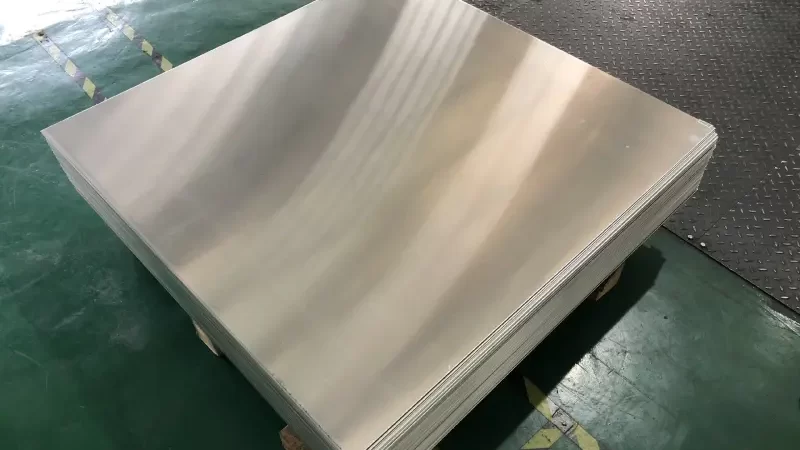
Aluminium Sheet Suppliers represent one of the most versatile materials in modern manufacturing. When you work with aluminium sheet suppliers, you’re accessing materials that serve countless industries. These suppliers provide different grades, thicknesses, and finishes to meet specific project requirements.
The lightweight nature of aluminium makes it ideal for applications where weight reduction matters. Its corrosion resistance means products last longer without constant maintenance.
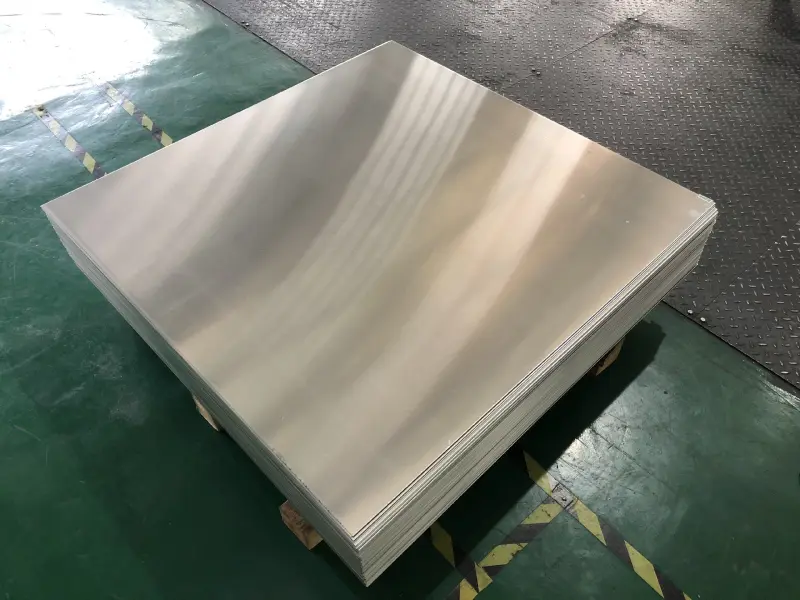
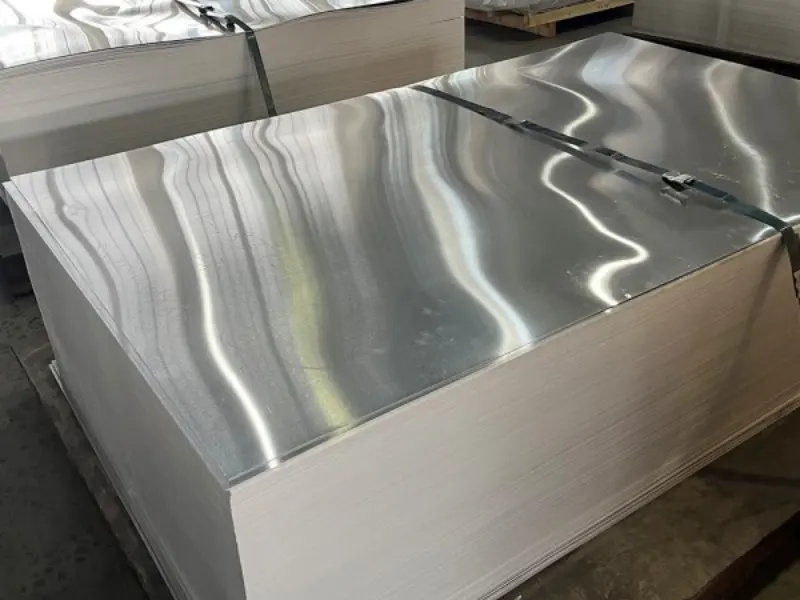
Many businesses choose aluminium sheets because they offer excellent strength-to-weight ratios compared to traditional materials.
Aluminium sheet suppliers typically stock various alloy types. The most common include 1050, 1100, 3003, 5005, 5052, and 6061 grades. Each alloy has unique properties suited for different uses. Some offer better formability, while others provide superior strength or corrosion resistance.
Common Alloy Types Available
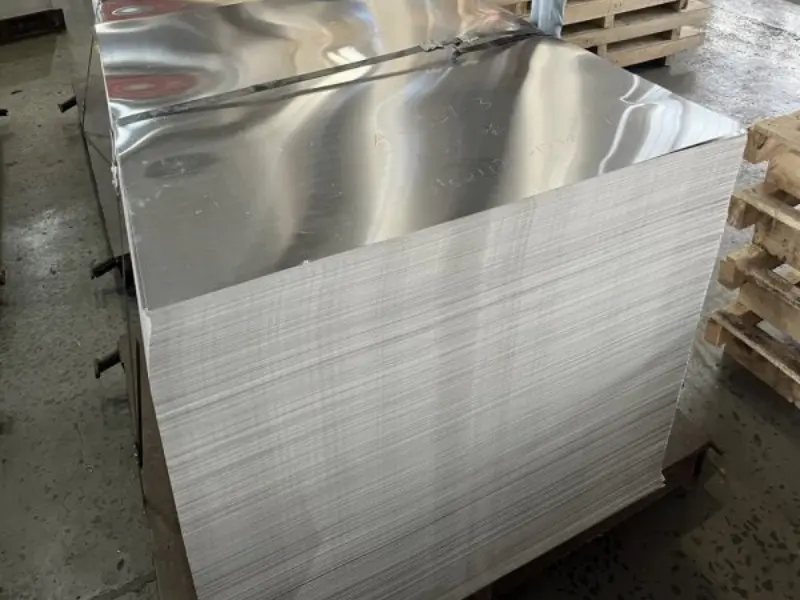
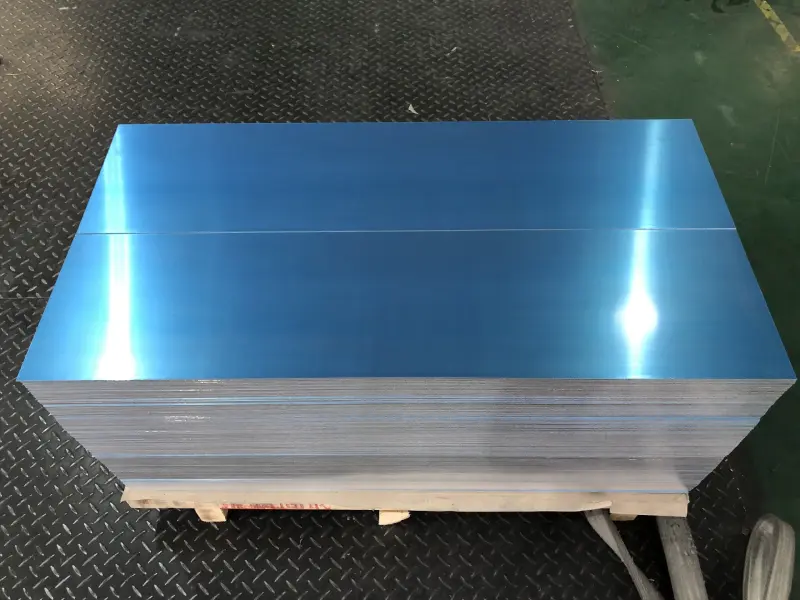
3003 Alloy Properties and Applications
The 3003 alloy ranks among the most popular choices from aluminium sheet suppliers worldwide. This alloy contains manganese as its primary alloying element, offering moderate strength and excellent corrosion resistance.
| Property | Rating | Benefit |
|---|---|---|
| Corrosion Resistance | Excellent | Long-lasting performance |
| Formability | Very Good | Easy to shape |
| Strength | Moderate | Suitable for most uses |
| Cost | Economical | Budget-friendly option |
| Weldability | Good | Easy to join |
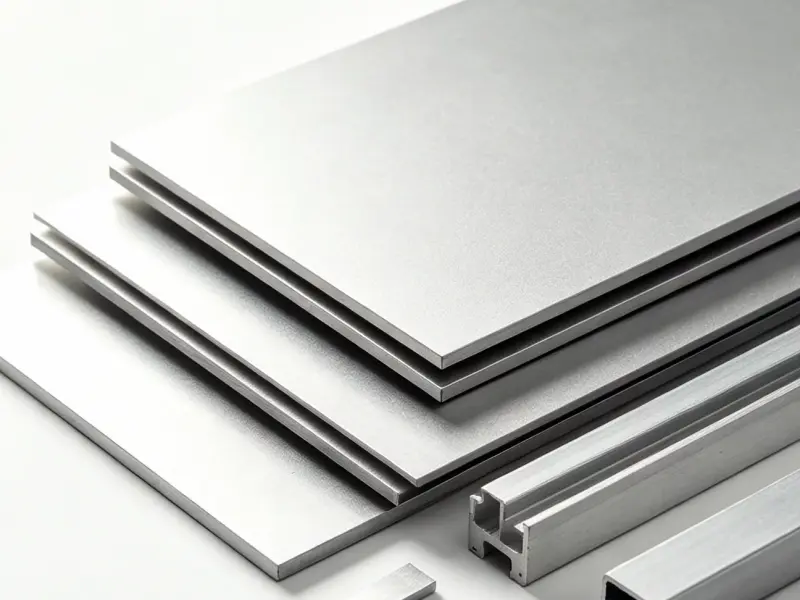
The 3003 aluminium sheet works well for general-purpose applications. Manufacturers appreciate its balance between performance and affordability. This grade doesn’t require heat treatment, simplifying the production process.
5052 Alloy for Marine Applications
Marine environments demand superior corrosion resistance. The 5052 alloy serves this purpose exceptionally well.
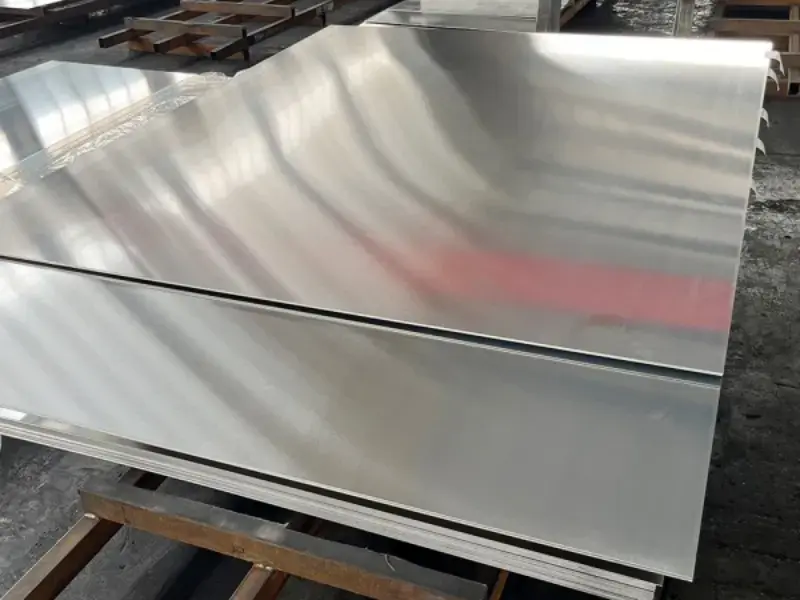
Aluminium sheet suppliers recommend this grade for coastal installations and saltwater exposure scenarios.
Key characteristics of 5052:
- Higher magnesium content improves corrosion resistance
- Excellent saltwater performance
- Good fatigue strength
- Moderate formability
- Non-heat-treatable alloy
Boat builders, offshore equipment manufacturers, and coastal construction firms regularly purchase 5052 sheets. The alloy maintains structural integrity even in harsh maritime conditions.
6061 Alloy for Structural Use
When structural strength becomes critical, 6061 alloy takes priority. Aluminium sheet suppliers stock this heat-treatable alloy for demanding applications.
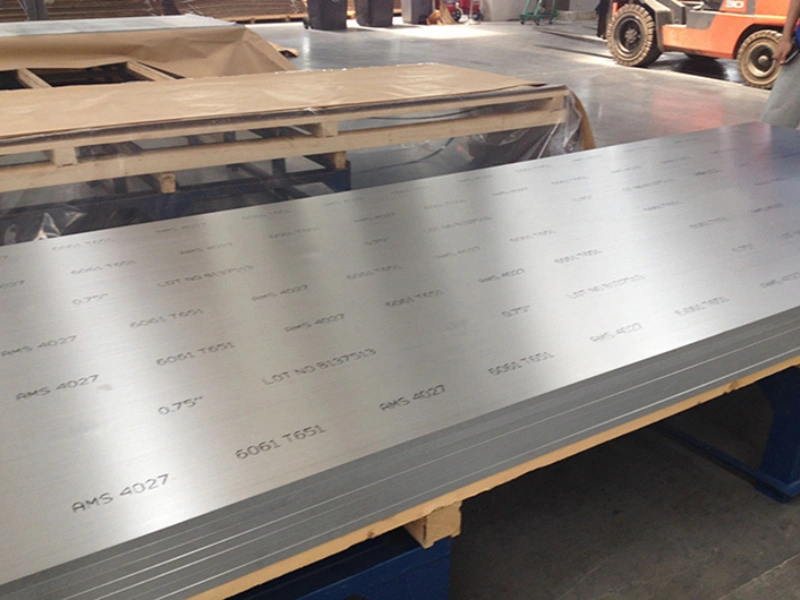
It contains magnesium and silicon, creating excellent strength characteristics.
6061 advantages:
- High strength-to-weight ratio
- Good machinability
- Excellent corrosion resistance
- Heat-treatable for enhanced properties
- Versatile for many industries
Aerospace components, automotive parts, and architectural elements frequently use 6061 sheets. The alloy responds well to heat treatment, allowing engineers to customize strength levels.
Thickness Standards and Specifications
Aluminium sheet suppliers offer sheets in various thicknesses ranging from thin foils to thick plates. Selecting the right thickness depends on your specific application requirements.
| Thickness Range | Typical Use | Industries |
|---|---|---|
| 0.5mm – 1.0mm | Light decorative applications | Electronics, signage |
| 1.0mm – 2.0mm | General fabrication | HVAC, appliances |
| 2.0mm – 3.0mm | Structural components | Construction, roofing |
| 3.0mm – 5.0mm | Heavy-duty applications | Marine, transportation |
| 5.0mm+ | Maximum strength | Industrial equipment |
Thinner sheets provide flexibility and easy handling. Thicker varieties deliver superior structural performance. Most aluminium sheet suppliers can source custom thicknesses within reasonable limits.
Material States and Finishes
Aluminium sheets come in different temper conditions. Understanding these states helps you select the right material for your needs.
Annealed State (O Temper)
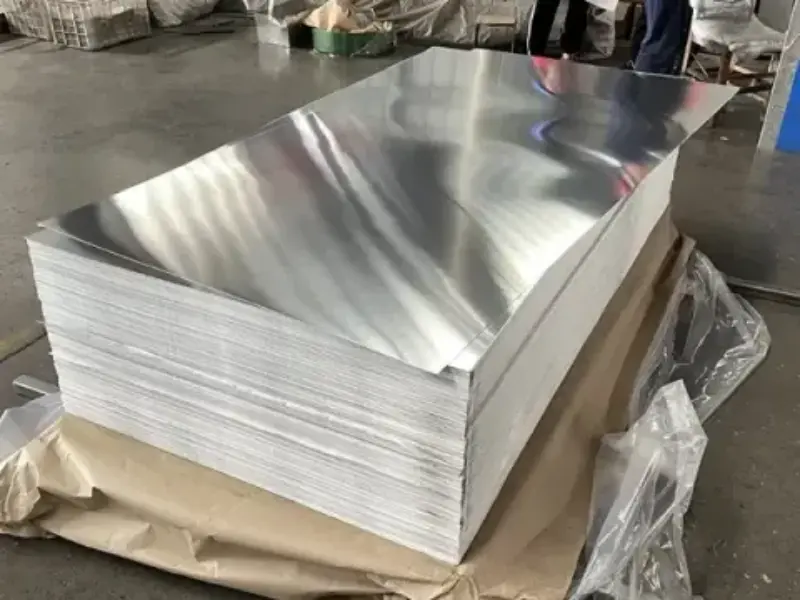
Fully annealed sheets offer maximum formability. This state provides the softest condition available. Manufacturers choose annealed sheets when extensive bending, rolling, or pressing is required.
Benefits of annealed condition:
Most economical for high-volume production
Easiest to work with
Best for complex shapes
Lower tool stress during forming
Less likely to crack during processing
Half-Hard State (H24)
Half-hard sheets balance formability with strength. This intermediate state suits applications requiring both workability and structural performance. Many industries prefer this condition as a practical compromise.
Full-Hard State (H38)
Hard temper sheets provide maximum strength. These materials resist deformation effectively. Choose full-hard sheets when your application demands strong, rigid performance with minimal flex.
| Temper | Hardness | Formability | Best For |
|---|---|---|---|
| O (Annealed) | Soft | Excellent | Complex shapes, pressing |
| H24 (Half-Hard) | Medium | Good | General fabrication |
| H38 (Full-Hard) | Hard | Fair | Structural components |
Applications Across Industries
Aluminium sheets serve diverse sectors. Understanding where these materials excel helps identify suitable applications for your projects.
Construction and Roofing Solutions
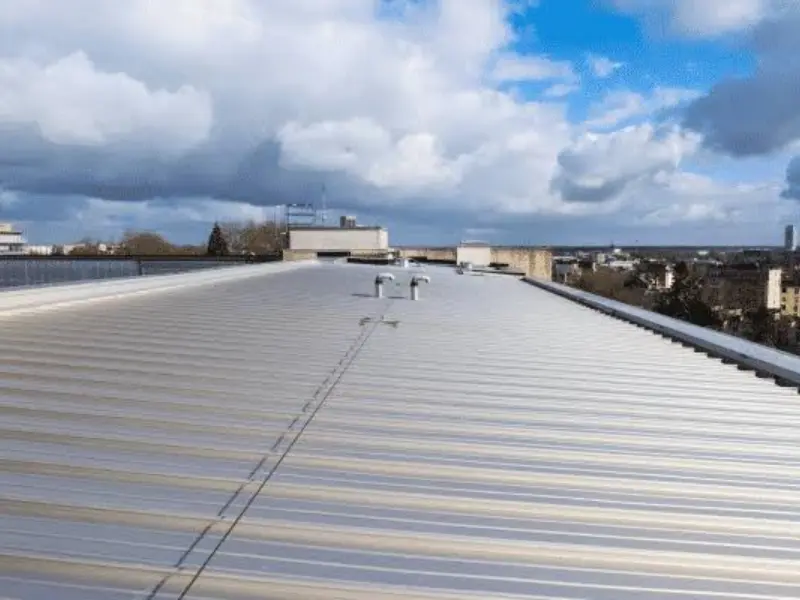
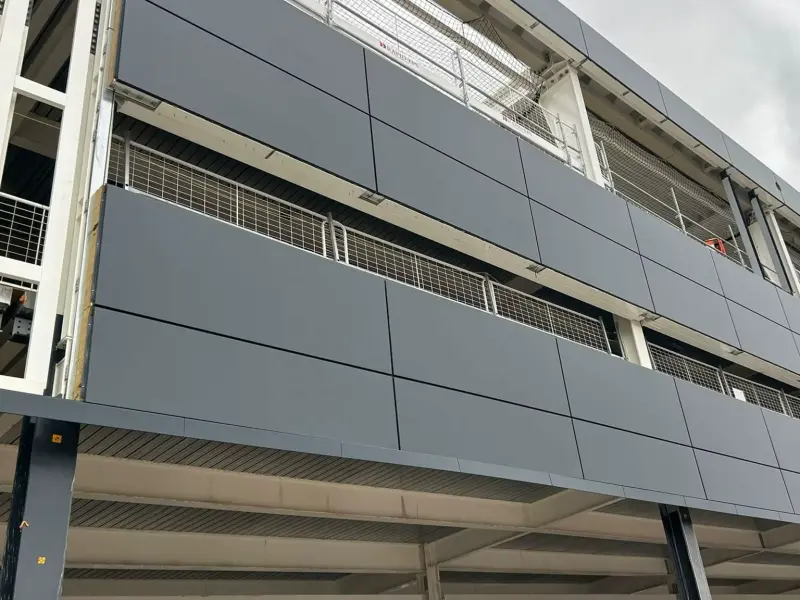
Building projects frequently incorporate aluminium sheets for roofing, wall cladding, and trim components. The material’s lightweight nature reduces structural load requirements. Its corrosion resistance ensures decades of performance without rust issues.
Common construction uses:
Interior partition walls
Roof panels and waterproofing
Wall cladding systems
Exterior trim and gutters
Window frames and flashings
Automotive and Transportation
Vehicle manufacturers depend on aluminium sheets to reduce weight and improve fuel efficiency. Modern automobiles use aluminium extensively in body panels, doors, hoods, and structural frames.
Automotive applications include:
- Body panels and doors
- Hood and trunk lids
- Fuel tanks
- Heat shields
- Chassis components
HVAC and Refrigeration Equipment
Heating, ventilation, and air conditioning systems benefit from aluminium’s thermal conductivity. The material transfers heat effectively while resisting corrosion from moisture exposure.
HVAC uses:
Refrigeration cabinet construction
Evaporator and condenser coils
Ductwork and piping
Heat exchangers
Air handler components
Electrical and Electronics
Electronics manufacturers choose aluminium for heat dissipation and electromagnetic shielding. The material conducts electricity efficiently while offering protective barrier properties.
Electronics applications:
- Heat sinks for processors
- Electronic chassis and enclosures
- Electromagnetic shielding
- Circuit board support structures
- Cable trays and conduits
Food and Beverage Packaging
Aluminium sheets create durable, food-safe packaging materials. The material provides excellent barrier properties against moisture, light, and oxygen.
Packaging uses:
Seal materials
Beverage can bodies
Flexible packaging and wrapping
Foil containers
Protective barriers
Decorative and Architectural Elements
Interior and exterior design applications showcase aluminium’s aesthetic possibilities. The material accepts various finishes and colors, enabling creative architectural solutions.
Decorative applications:
- Curtain walls and facades
- Interior ceiling panels
- Decorative screens and dividers
- Signage and display panels
- Art installations
Comparing Different Aluminium Sheet Options
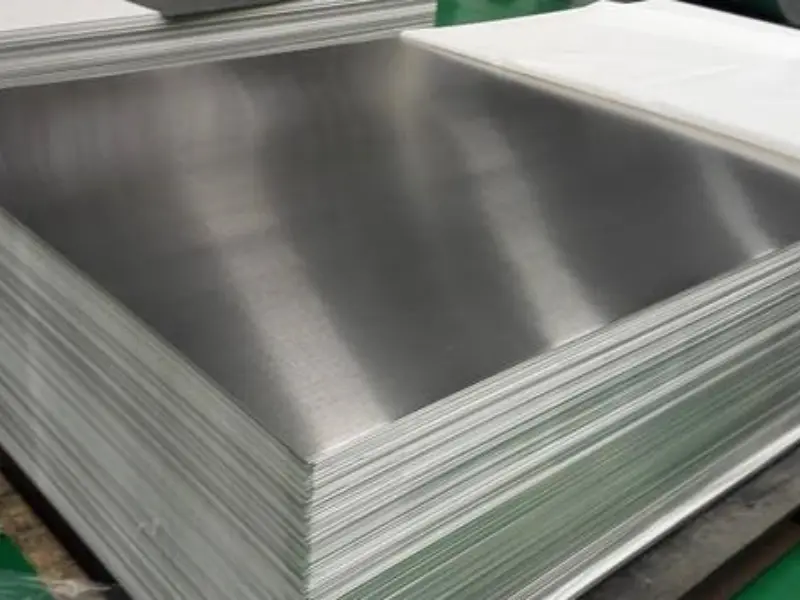
Selecting between various aluminium sheet suppliers requires understanding key differences. This comparison helps identify which material suits your specific needs.
Alloy Performance Comparison
| Alloy | Strength | Cost | Corrosion | Formability | Best Use |
|---|---|---|---|---|---|
| 1100 | Low | Very Low | Excellent | Excellent | General, decorative |
| 3003 | Low-Mod | Low | Very Good | Excellent | General fabrication |
| 5052 | Mod-High | Medium | Excellent | Good | Marine, structural |
| 6061 | High | Medium | Very Good | Good | Aerospace, structural |
Temper State Comparison
Different temper conditions serve distinct purposes. Understanding these differences guides your material selection process.
| Aspect | Annealed (O) | Half-Hard (H24) | Hard (H38) |
|---|---|---|---|
| Formability | Best | Good | Limited |
| Strength | Lower | Medium | Highest |
| Cost | Similar | Similar | Similar |
| Production Speed | Slower | Medium | Fastest |
| Durability | Good | Excellent | Excellent |
Thickness Selection Guide
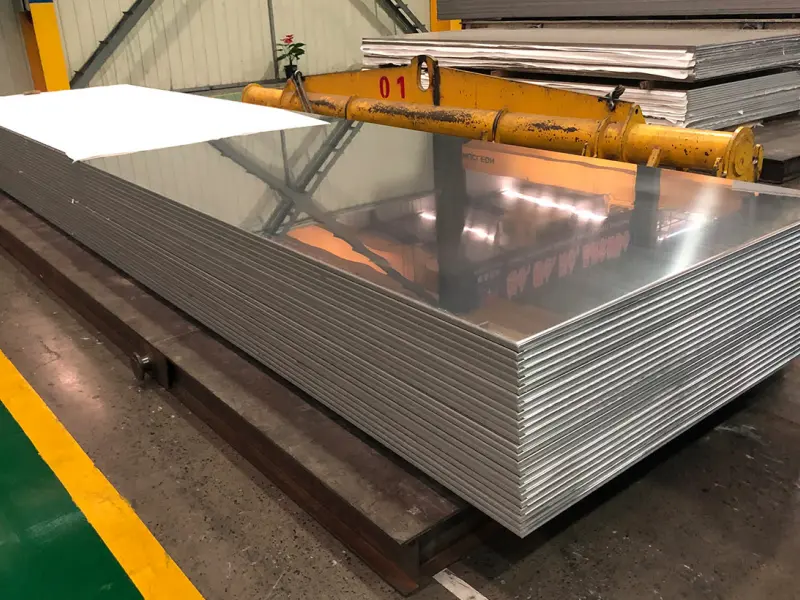
Choosing appropriate thickness impacts both cost and performance. Thinner materials reduce weight but may sacrifice strength, while thicker options increase durability and structural capacity.
| Application Type | Recommended Thickness | Weight Impact | Cost Level |
|---|---|---|---|
| Decorative panels | 0.5-1.0mm | Very light | Low |
| General fabrication | 1.5-2.5mm | Light | Medium |
| Structural components | 3.0-5.0mm | Moderate | Medium-High |
| Heavy industrial | 5.0mm+ | Heavy | High |
Surface Finishes and Treatments
Aluminium sheet suppliers offer various surface finishes beyond basic mill finish. These treatments enhance appearance, durability, and functionality.
Mill Finish
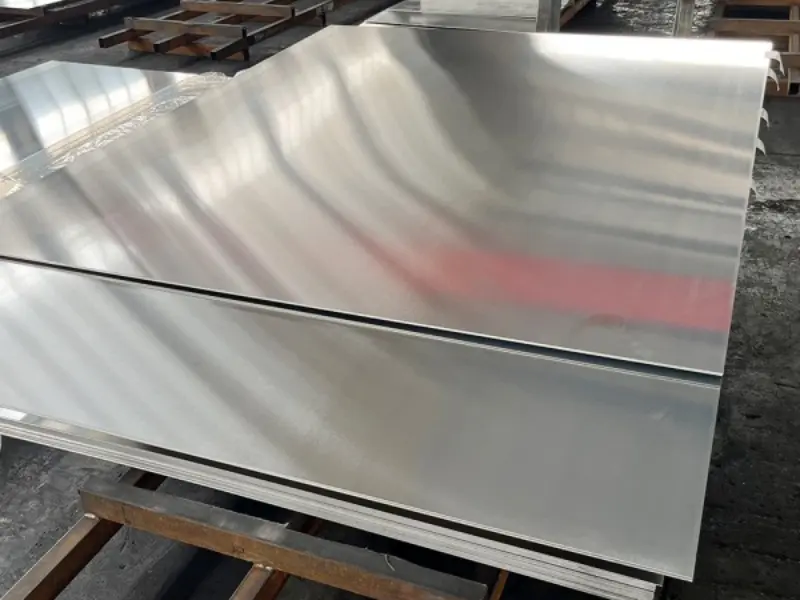
Mill finish represents the standard surface as it leaves production facilities. This basic finish shows natural colour variations and minor surface marks. It works well for applications where appearance matters less than functionality.
Anodized Finish
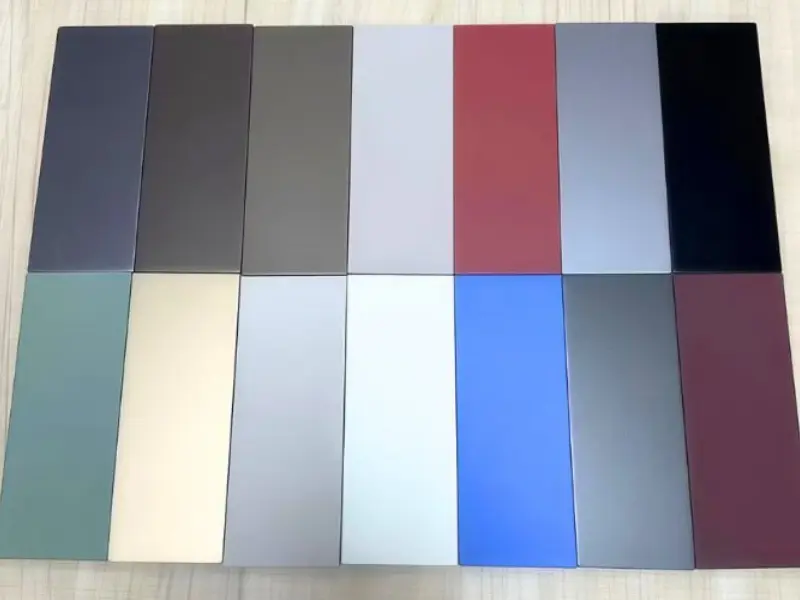
Anodizing creates a protective oxide layer through electrochemical processing. This finish dramatically improves corrosion resistance and allows for color options. Anodized sheets resist weathering effectively, making them ideal for outdoor applications.
Anodizing benefits:
- Enhanced corrosion protection
- Wide color selection available
- Improved wear resistance
- Professional appearance
- Extended service life
Polished and Brushed Finishes
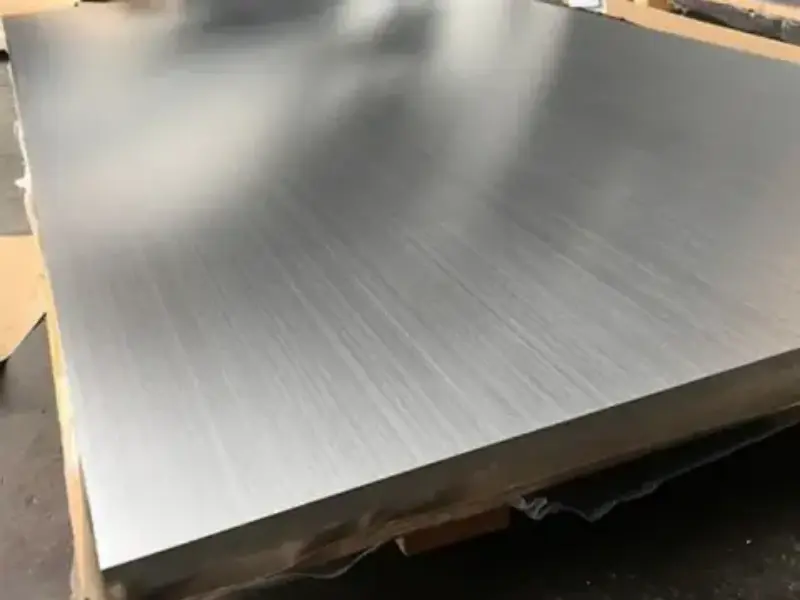
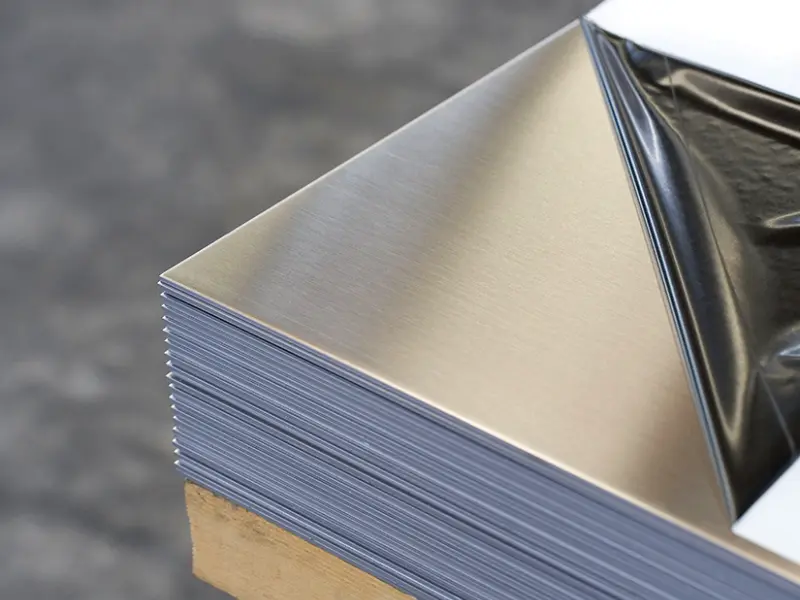
Polished sheets display mirror-like surfaces reflecting light brightly. Brushed finishes show fine linear patterns, offering aesthetic appeal with practical durability. Both finishes suit decorative and architectural applications.
| Finish Type | Appearance | Protection | Cost | Best For |
|---|---|---|---|---|
| Mill | Natural grey | Basic | Low | Industrial use |
| Anodized | Multiple colors | Excellent | Medium | Outdoor, decorative |
| Polished | Mirror-like | Good | High | Interior design |
| Brushed | Linear pattern | Good | Medium | Modern aesthetics |
Pre-painted and Coated Options
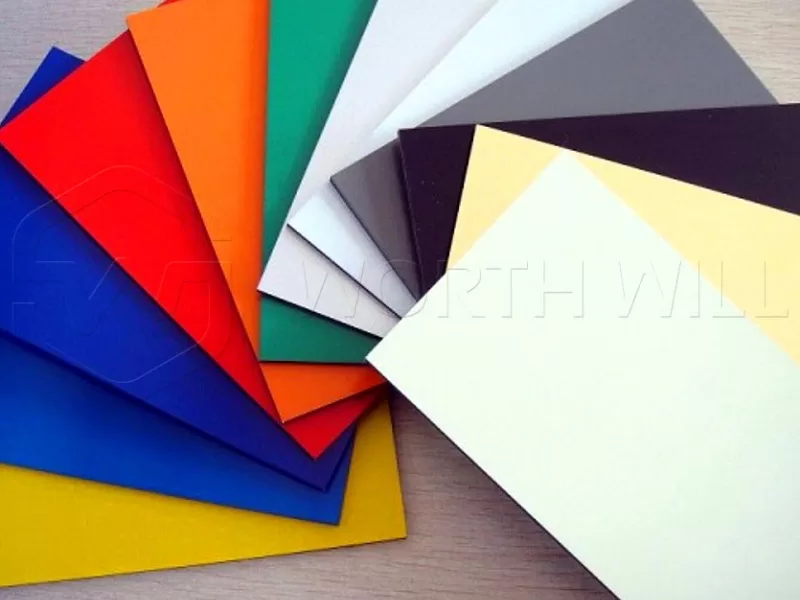
Some suppliers provide pre-painted sheets in various colours. Polyester and polyurethane coatings offer additional protection and aesthetic choices. These pre-finished options reduce production time for manufacturers.
Sourcing from Reliable Aluminium Sheet Suppliers
Finding trustworthy aluminium sheet suppliers involves evaluating several key factors. Quality, consistency, and service capabilities matter significantly.
Quality Standards and Certifications
Reputable suppliers maintain certifications from international standards organizations. Look for certifications like ISO 9001, which indicates consistent quality control processes. These certifications provide assurance that materials meet specified requirements.
Quality indicators:
- ISO certifications
- Third-party testing documentation
- Consistent material specifications
- Regular audits and inspections
- Documented quality procedures
Stock Availability and Lead Times
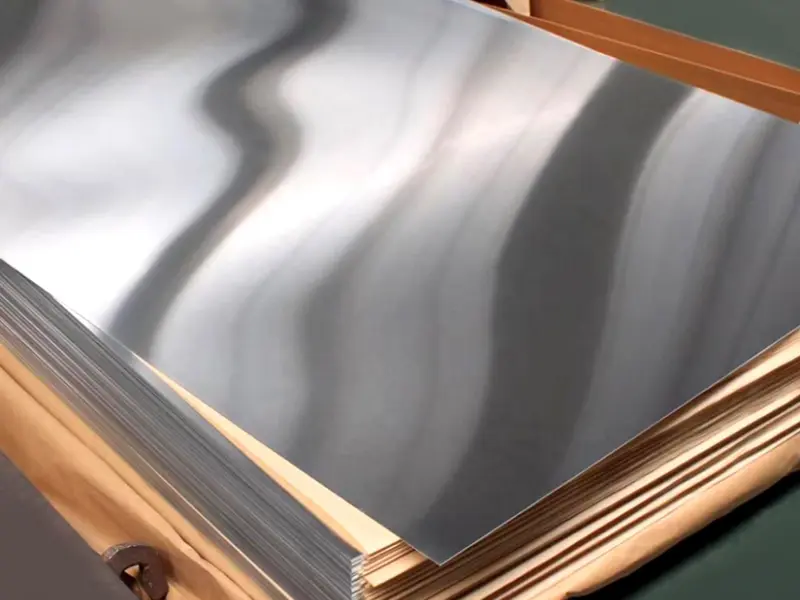
Established suppliers maintain adequate inventory of popular sizes and specifications.
Quick availability reduces project delays. Some suppliers offer expedited delivery for rush requirements, though typically at premium rates.
Customization Capabilities
Beyond standard offerings, quality suppliers accommodate custom requirements. They can provide specific alloys, unusual thicknesses, special finishes, or particular temper conditions. This flexibility proves valuable for specialized applications.
Customization services:
- Non-standard thickness cutting
- Custom alloy sourcing
- Specialized surface treatments
- Precision finishing
- Protective wrapping options
Technical Support and Expertise
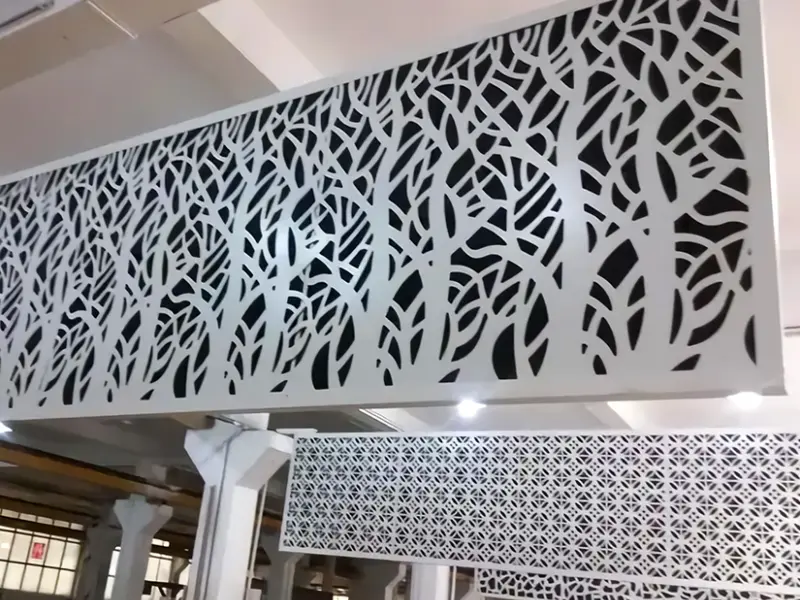
Knowledgeable suppliers offer guidance on material selection. Their engineers help match specific needs with appropriate solutions. This technical support prevents costly mistakes in material selection.
Price Competitiveness
While cost shouldn’t be the only factor, competitive pricing remains important. Compare prices from multiple suppliers while considering quality and service. Volume discounts often apply for larger orders.
Working with 3003 Checkered Plate Specifically
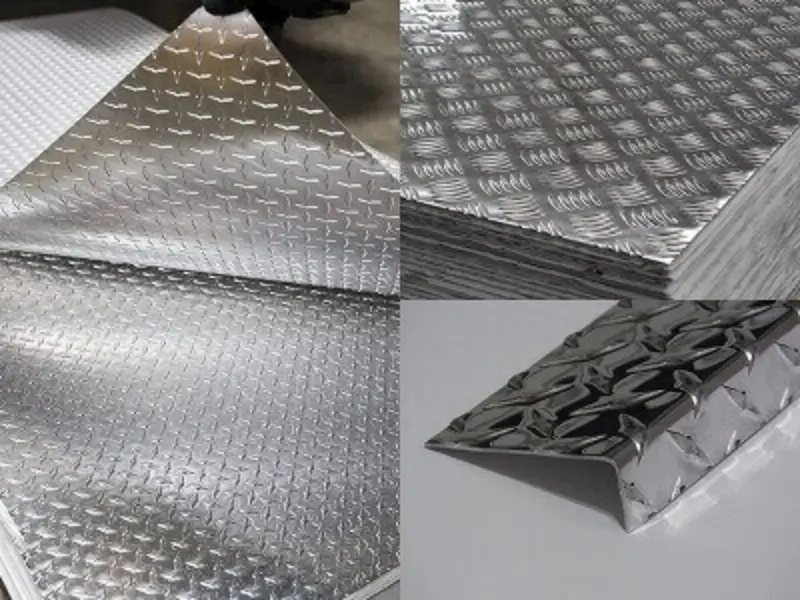
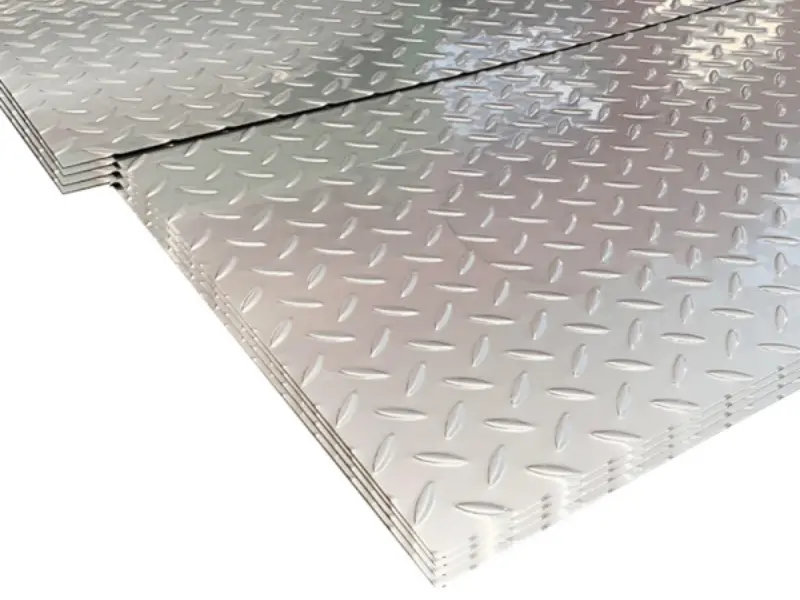
The 3003 checkered plate represents a specialized product combining practical functionality with visual appeal. This embossed surface pattern provides excellent grip properties while maintaining the lightweight benefits of aluminium.
Pattern and Design
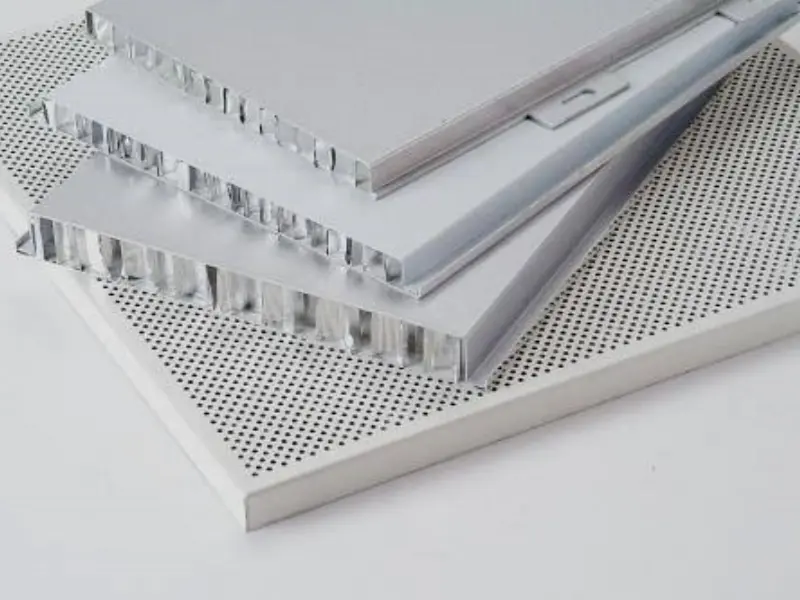
Checkered patterns feature raised diamond or pyramid-shaped protrusions across the surface. These patterns improve grip and traction on walking surfaces. The design also adds visual interest and professional appearance.
Checkered plate benefits:
- Enhanced slip resistance
- Attractive appearance
- Easy cleaning and maintenance
- Durable surface protection
- Professional look
Thickness and Weight Considerations
| Thickness | Weight per m² | Common Uses |
|---|---|---|
| 1.0mm | 2.7 kg | Light-duty platforms |
| 1.5mm | 4.1 kg | Standard flooring |
| 2.0mm | 5.4 kg | Heavy traffic areas |
| 2.5mm | 6.8 kg | Industrial applications |
| 3.0mm | 8.1 kg | Maximum durability |
Industrial Applications
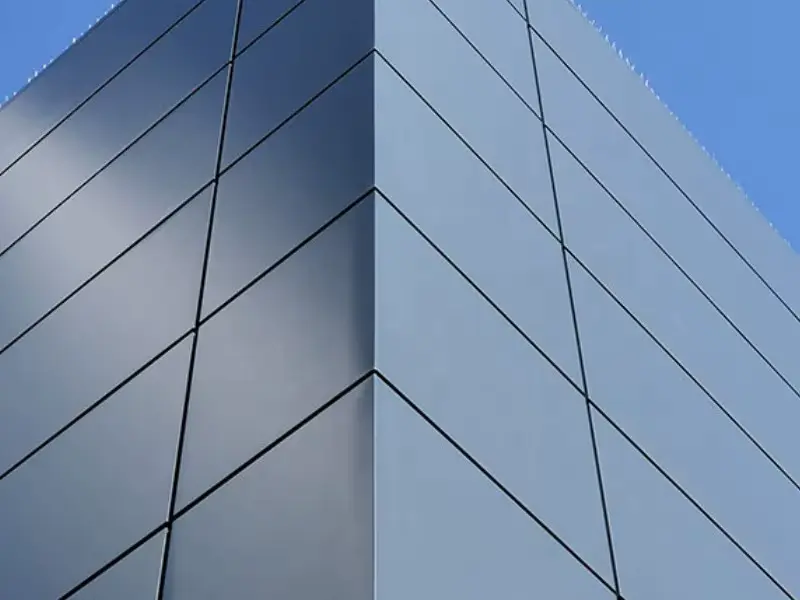
Checkered plates find extensive use in industrial environments. Factories, warehouses, and processing facilities benefit from the improved safety features.
Industrial uses:
- Factory floor platforms
- Stair treads and landings
- Truck beds and trailers
- Industrial step ladders
- Equipment access platforms
- Walkway surfaces
Why Choose Quality Aluminium Sheet Suppliers Today
Selecting the right aluminium sheet supplier impacts project success significantly. Quality materials ensure reliable performance and durability. Knowledgeable suppliers provide guidance matching specific needs with appropriate solutions.
The variety of available alloys, tempers, and finishes means a perfect option exists for virtually any application. Whether your project demands lightweight construction, superior corrosion resistance, structural strength, or decorative appeal, aluminium sheets deliver results.
Modern manufacturing increasingly turns to aluminium for its combination of performance, sustainability, and cost-effectiveness. Industries from aerospace to food packaging rely on consistent quality from trusted aluminium sheet suppliers.
Invest time evaluating potential suppliers before committing to orders. Compare quality, pricing, and service capabilities. Request samples if possible before placing large orders. Building relationships with reliable suppliers ensures ongoing success for current and future projects.
The decision to work with quality aluminium sheet suppliers provides lasting benefits through material reliability, technical support, and business relationships. Start your search today with confidence that excellent materials and expert guidance await.
Commercial and Residential Uses
Beyond industrial settings, checkered plates serve commercial and residential purposes effectively.
Other applications:
Anti-slip flooring in commercial spaces
Decorative wall panels
Vehicle running boards
Trailer flooring
Decorative architectural elements
How to Place Orders with Aluminium Sheet Suppliers
Understanding the ordering process ensures smooth transactions and correct delivery.
Specifying Your Requirements
Clearly define your needs before contacting suppliers. Include alloy type, temper condition, thickness, dimensions, and quantity. Specify surface finish preferences and any special requirements.
Essential information:
- Quantity needed
- Exact dimensions required
- Alloy specification (3003, 5052, 6061, etc.)
- Temper condition preference
- Surface finish requirements
- Delivery timeline
- Budget constraints
Getting Quotations
Request detailed quotations from multiple suppliers. Compare pricing, but also evaluate delivery times and service offerings. Quotes should itemize costs clearly, including any cutting, finishing, or special handling charges.
Quality Assurance Before Delivery
Reputable suppliers conduct testing before shipment. Request certificates of conformity or material test reports. These documents verify that materials meet specified standards and requirements.
Logistics and Delivery
Discuss delivery options, including standard shipping or expedited service. Confirm packaging methods ensure materials arrive undamaged. For large orders, coordinate delivery timing to avoid storage issues.
Cost Factors Influencing Aluminium Sheet Pricing
Understanding price variables helps budget accurately for projects. Several factors significantly impact material costs.
Raw Material Costs
Aluminium commodity prices fluctuate based on global market conditions. Suppliers adjust pricing accordingly. Prices typically reflect current market conditions when you place orders.
Alloy Selection Impact
Higher-grade alloys cost more than basic options. The 6061 alloy typically costs more than 3003 due to superior strength properties. 5052 falls between these options in price.
Volume Discounts
Larger orders typically receive better pricing. Suppliers reward bulk purchases with reduced per-unit costs. Negotiate volume discounts for significant quantities.
Surface Finish Premiums
Basic mill finish costs least. Anodizing, polishing, and pre-painting add expense. Custom finishes command higher prices than standard options.
| Factor | Impact on Price |
|---|---|
| High alloy strength | Increases cost |
| Large order volume | Decreases cost |
| Custom finishes | Increases cost |
| Rush delivery | Increases cost |
| Standard sizes | Decreases cost |
Delivery and Logistics
Shipping costs depend on distance, weight, and delivery method. Local suppliers may offer cheaper delivery than distant sources. Rush delivery options cost more than standard shipping.
Frequently Asked Questions
What thickness should I choose for my application?
Selecting thickness depends on your specific needs and load requirements. Light-duty decorative applications typically use 0.5-1.0mm sheets.
General fabrication projects commonly employ 1.5-2.5mm materials. Heavy structural work demands thicker stock, usually 3.0mm or greater. Consider both the strength requirements and weight constraints. Consult with your supplier’s technical team if unsure about optimal thickness.
How does aluminium compare to steel for my project?
Aluminium offers significant advantages over steel in many applications. It weighs roughly one-third as much as steel while providing adequate strength for most uses. Aluminium resists corrosion naturally without additional coatings.
Steel requires protective finishes to prevent rust in many environments. However, steel provides superior strength for applications demanding maximum load capacity. Choose aluminium for weight-sensitive applications and projects requiring excellent corrosion resistance. Select steel only when strength absolutely demands it and weight isn’t a constraint.
Can I weld aluminium sheets together?
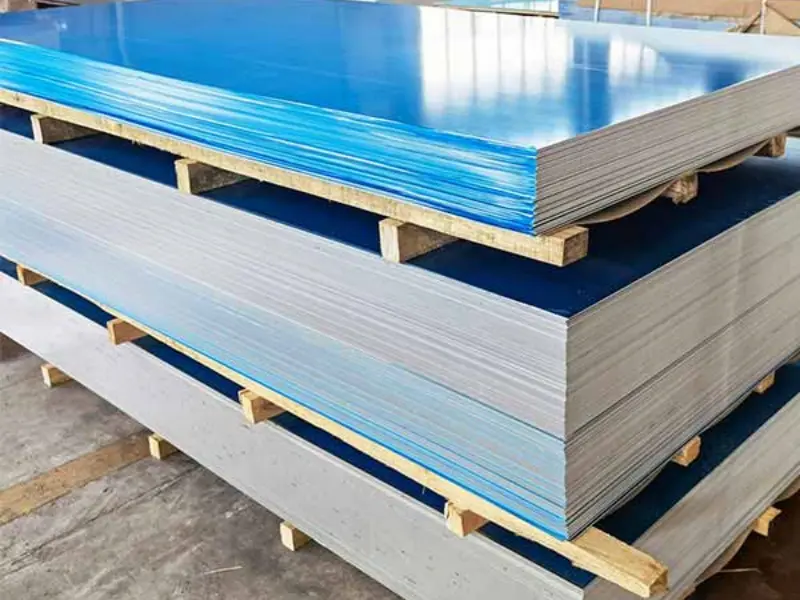
Yes, most aluminium alloys weld effectively using appropriate techniques and equipment. MIG welding and TIG welding both work well with aluminium. Ensure your welder has experience with aluminium, as it behaves differently from steel during welding.
Some alloys like 6061 weld more readily than others. Annealed conditions weld easier than hardened tempers. Always check specific weldability requirements for your chosen alloy before proceeding.
What finish should I select for outdoor exposure?
Anodized finishes provide excellent outdoor performance. The anodizing process creates a corrosion-resistant oxide layer protecting the underlying metal. This finish withstands UV exposure, salt spray, and moisture effectively. Pre-painted options with polyester or polyurethane coatings also perform well outdoors. Avoid basic mill finish for long-term outdoor applications, as it develops oxidation over time. For coastal environments, select anodized finishes specifically rated for marine conditions.
How do I know if a supplier is reliable?
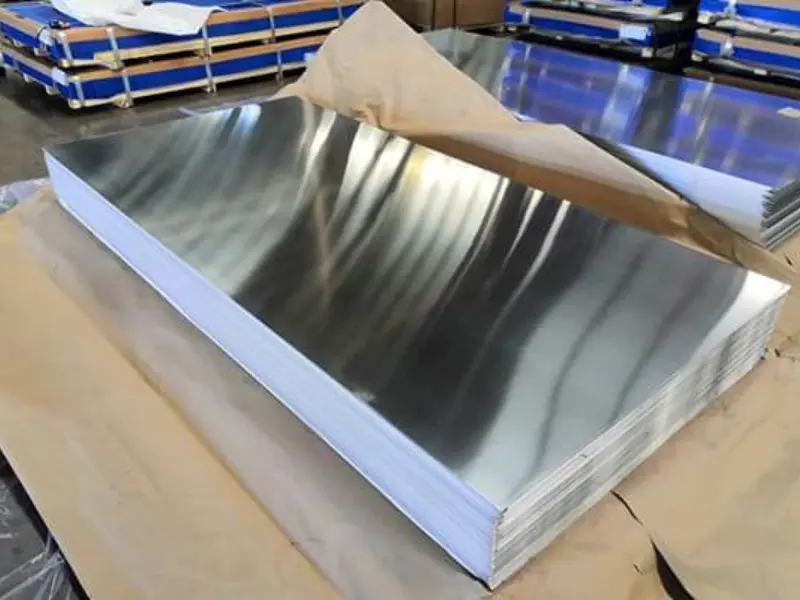
Look for certifications like ISO 9001 indicating quality management systems. Check customer reviews and testimonials from previous clients.
Request references and speak with current customers about their experiences. Reliable suppliers provide detailed material certifications and test reports. They offer technical support and stand behind their products. Established companies with years in business typically demonstrate greater reliability than newer operations.
What’s the difference between H24 and H38 temper conditions?
H24 (half-hard) represents an intermediate strength state offering good balance between formability and strength. H38 (full-hard) provides maximum hardness and strength but sacrifices formability. Choose H24 when you need to shape the material while maintaining reasonable strength. Select H38 when maximum rigidity matters and you won’t be extensively bending or forming the material. Half-hard conditions suit most general manufacturing, while full-hard works best for pre-finished components.
Can I get custom colours for anodized sheets?
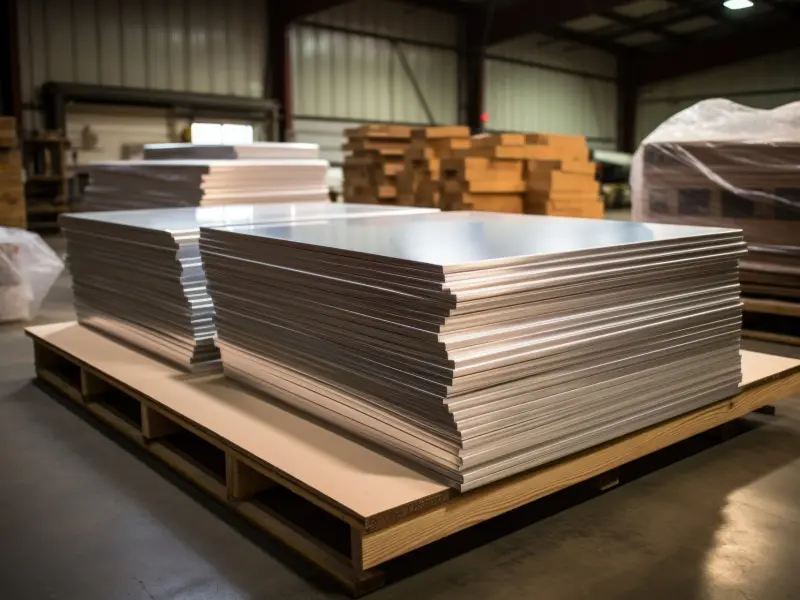
Yes, anodizing permits a wide range of colours through dye addition during the process. Common options include bronze, black, gold, and red tones.
Custom colours require larger minimum orders than standard anodizing. Consult with your supplier about available colour options and required order quantities. Some colours cost slightly more than standard options.
How long do anodized aluminium sheets last?
Properly anodized aluminium typically lasts 20-30 years or longer in normal conditions. Coastal and harsh environments may reduce service life. Anodizing thickness affects durability, with thicker coatings lasting longer. Maintenance through regular cleaning extends service life. Avoid harsh chemicals that can damage the anodic coating.
Are aluminium sheets recyclable?
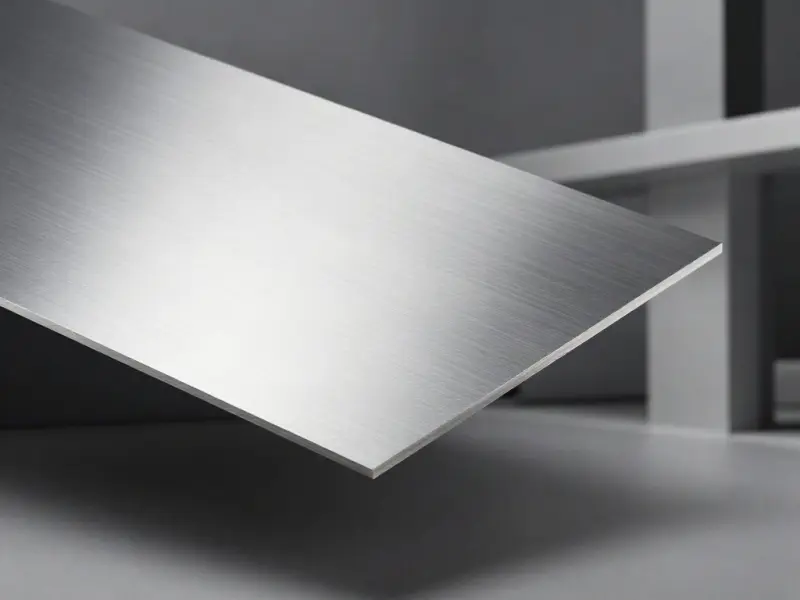
Aluminium recycles infinitely without losing properties. Recycled aluminium requires 95% less energy than virgin production. Most scrap from fabrication processes gets recycled.
This environmental benefit makes aluminium an attractive sustainable choice. Discuss recycling options with your supplier if sustainability concerns matter for your project.
What certifications should I request from suppliers?
Ask for certificates of conformity confirming material specifications. Material test reports verifying alloy composition help ensure quality. ISO certifications indicate quality management practices. RoHS compliance certification proves materials meet environmental standards. Some industries require additional certifications specific to their applications.