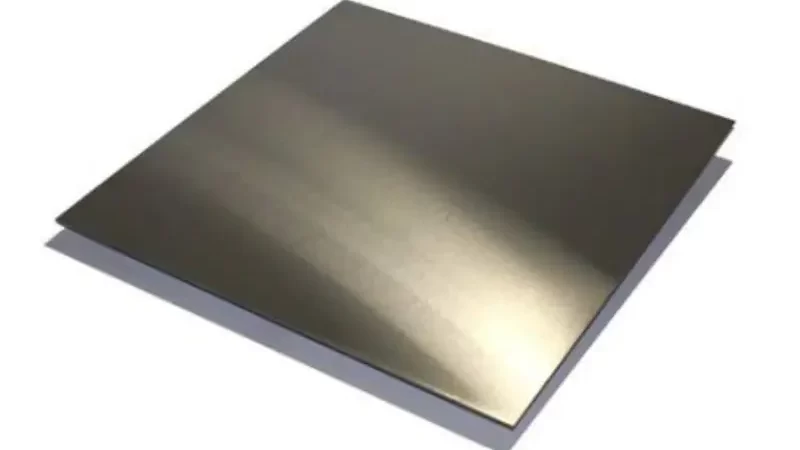
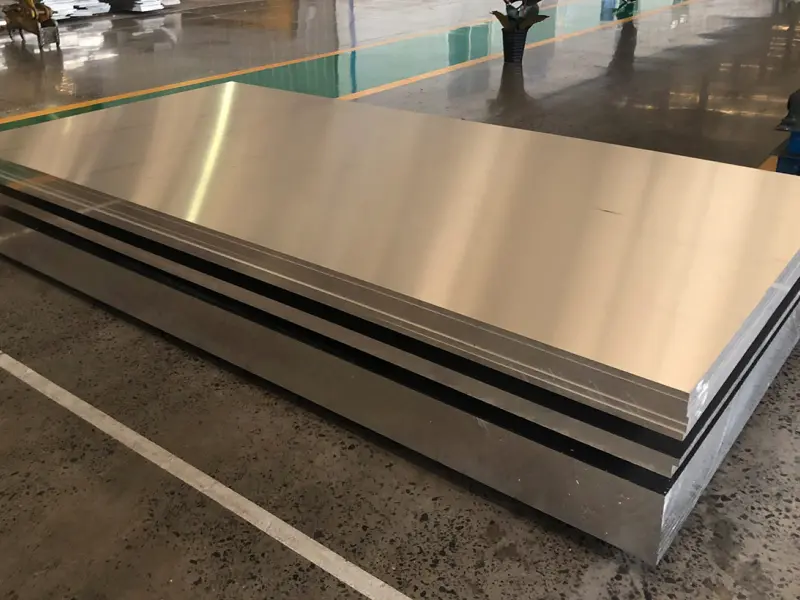
A 5×10 aluminum sheet measures 5 feet wide by 10 feet long. In metric, that is 1,524 mm × 3,048 mm. The total area is 50 square feet — roughly 56% more coverage than a standard 4×8 sheet.
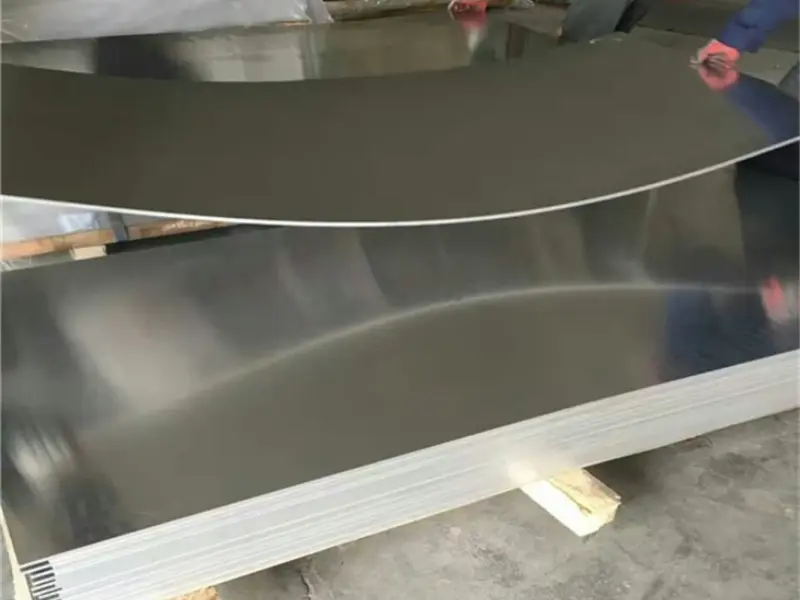
This size exists because some jobs need fewer seams and wider single panels. Curtain walls, large trailer skins, and oversized signage all benefit from the extra width and length. The 5×10 format cuts down on welding, reduces material waste from edge trimming, and speeds up installation.
| Dimension | Imperial | Metric |
|---|---|---|
| Width | 5 ft | 1,524 mm |
| Length | 10 ft | 3,048 mm |
| Area | 50 sq ft | 4.64 m² |
| Thickness range | 0.016″ – 0.5″ | 0.4 mm – 12.7 mm |
Why Fabricators Choose 5×10 Over 4×8
- Fewer joints in large wall panels
- Less cutting time on CNC routers with 5-foot bed capacity
- Better nesting efficiency for oversized parts
- Reduced welding labor on structural assemblies
The trade-off is handling. A 5×10 sheet of 3 mm aluminum weighs about 37.5 kg. The same thickness in steel would exceed 110 kg. Even so, two workers or a forklift are needed to move these panels safely.
Alloy Breakdown: Which Grade Fits Your Job?
1050 / 1060 — Pure Aluminum
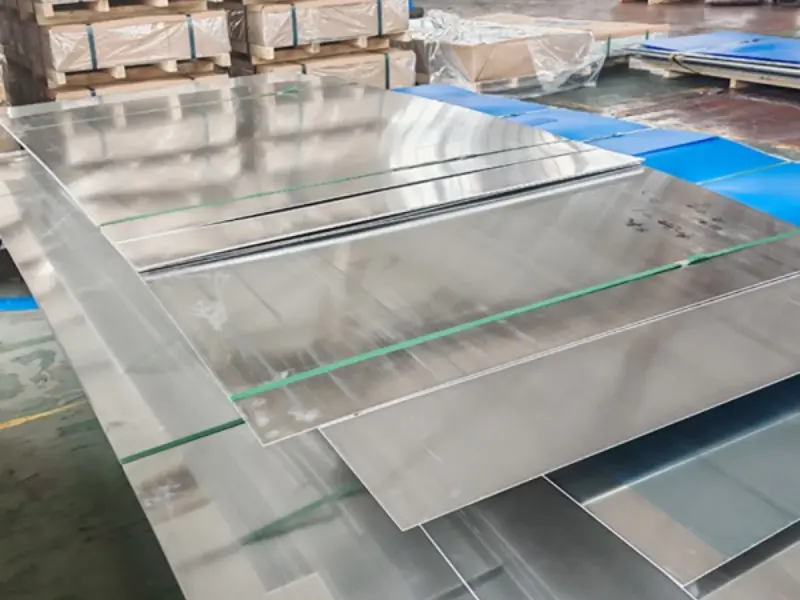
These grades contain 99.5% or more aluminum. They are soft, highly formable, and offer excellent corrosion resistance. Use them for decorative panels, electrical busbars, heat sinks, and chemical equipment where strength is not the priority.
| Property | 1050 | 1060 |
|---|---|---|
| Purity | 99.5% Al | 99.6% Al |
| Tensile strength | 65–95 MPa | 60–95 MPa |
| Formability | Excellent | Excellent |
| Conductivity | Very high | Very high |
| Cost | Lowest | Lowest |
3003 — The Workhorse
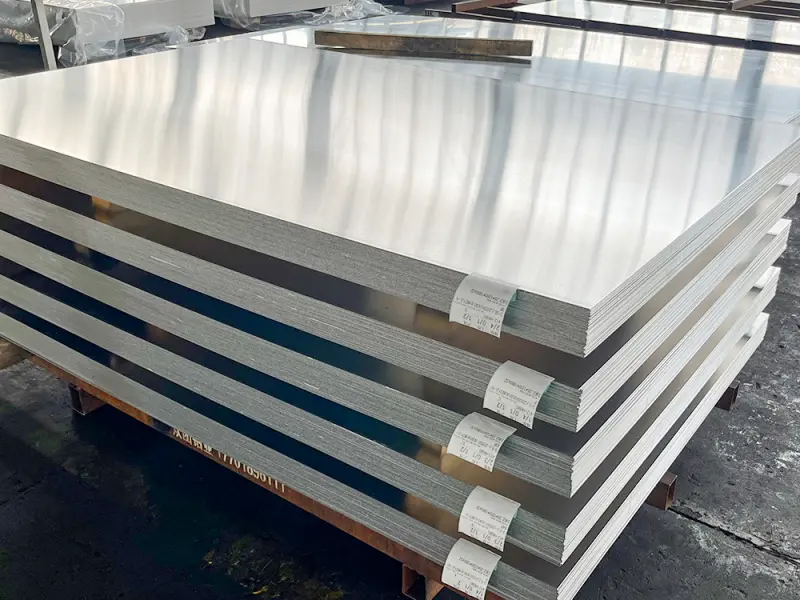
3003 is the most widely used aluminum alloy for general fabrication. Manganese adds about 20% more strength than pure aluminum without hurting formability. It welds well, resists atmospheric corrosion, and costs less than 5000 or 6000 series grades.
| Property | Value |
|---|---|
| Tensile strength | 140–180 MPa |
| Yield strength | ~115 MPa |
| Best temper | H14, H24 |
| Typical use | Roofing, signage, HVAC, cooking equipment |
5052 — Marine and Outdoor Grade
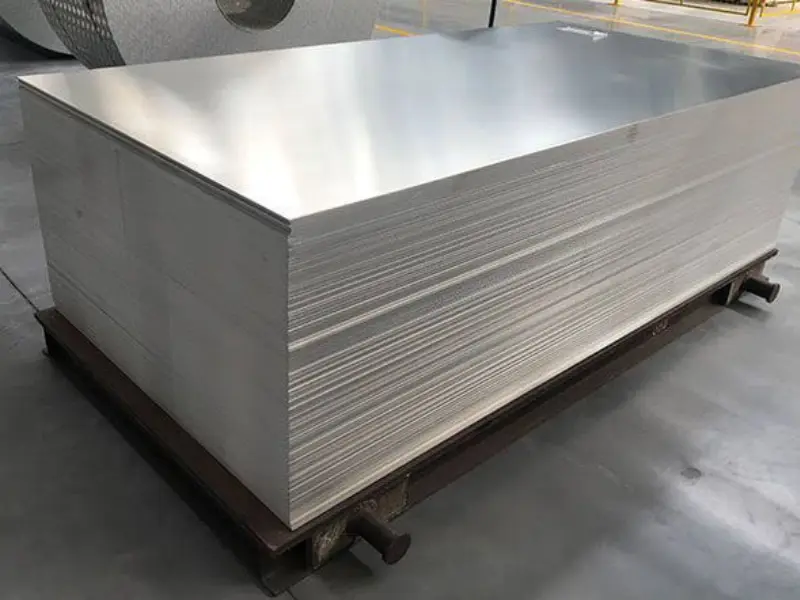
5052 contains magnesium and chromium. This mix delivers excellent resistance to saltwater, chemicals, and weathering. It is the standard for boat hulls, fuel tanks, and any part exposed to the elements.
| Property | Value |
|---|---|
| Tensile strength | 170–305 MPa |
| Yield strength | ~195 MPa (H32) |
| Best temper | H32, H34 |
| Salt spray resistance | Excellent |
5083 — Heavy-Duty Marine
5083 packs more magnesium than 5052. It handles the harshest marine environments and heavy structural loads. Shipbuilders use it for hulls and superstructures. The trade-off is higher cost and slightly lower formability.
| Property | Value |
|---|---|
| Tensile strength | 275–350 MPa |
| Best temper | H111, H112, H116 |
| Typical use | Ship hulls, offshore platforms, armor plate |
6061 — Structural Powerhouse
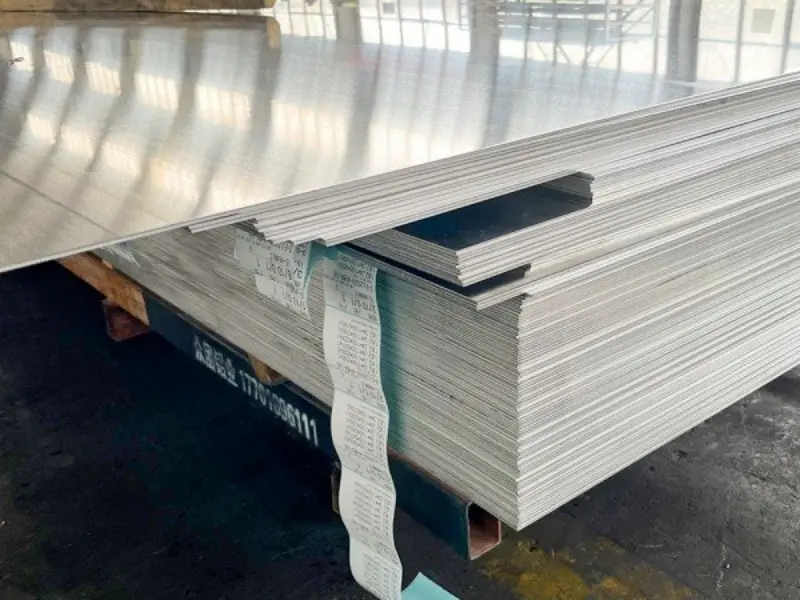
6061 is a heat-treatable alloy. In T6 temper, it reaches yield strength of 240 MPa — comparable to mild steel at one-third the weight. It machines cleanly and holds tight tolerances. Use it for machinery bases, automotive chassis, and structural frames.
| Property | Value |
|---|---|
| Tensile strength | 205–310 MPa |
| Yield strength (T6) | 240 MPa |
| Best temper | T6, T651 |
| Machinability | Excellent |
Quick Alloy Selector
| Your Need | Best Choice | Why |
|---|---|---|
| Lowest cost, indoor use | 1050 or 3003 | Cheap, formable, corrosion-resistant |
| Outdoor, marine, chemical | 5052 or 5083 | Saltwater proof, welds cleanly |
| Structural, machined parts | 6061-T6 | Maximum strength, precision machining |
| Food equipment, electrical | 1050 or 1060 | Pure, safe, conductive |
| Heavy marine, armor | 5083-H116 | Highest strength in 5000 series |
Temper Options and What They Mean
Temper tells you how hard the metal is and how it was treated after rolling.
| Temper | Hardness | Best For |
|---|---|---|
| O | Very soft | Deep drawing, spinning, complex forming |
| H12 / H22 | Quarter-hard | Light forming, moderate strength |
| H14 / H24 | Half-hard | General fabrication, most popular |
| H16 / H26 | Three-quarter-hard | Higher strength, less forming |
| H18 / H28 | Full-hard | Maximum strength, minimal forming |
| H32 / H34 | Strain-hardened, stabilized | Marine grades, good balance |
| T6 | Heat-treated, very hard | Structural parts, machining |
| T651 | Stress-relieved T6 | Precision machined components |
H14 vs. H24: Both are half-hard. H14 is strain-hardened only. H24 is strain-hardened and partially annealed. H24 forms slightly easier with similar strength. Most buyers use them interchangeably.
Thickness Guide and Weight Chart
Standard Thickness Options
| Thickness | Gauge | Typical Use |
|---|---|---|
| 0.5 mm | 24 ga | Decorative panels, light covers, craft work |
| 1.0 mm | 20 ga | Signage, ceiling tiles, small enclosures |
| 1.5 mm | 16 ga | Trailer skins, wall cladding, ductwork |
| 2.0 mm | 14 ga | General fabrication, machinery guards |
| 3.0 mm | 11 ga | Structural brackets, marine panels, floors |
| 4.0 mm | 8 ga | Heavy machinery, platforms, ramps |
| 6.0 mm | 1/4″ | Base plates, mold tooling, armor |
| 8.0 mm+ | 5/16″+ | Heavy structural, industrial platforms |
Weight Calculation
Aluminum density is 2.7 g/cm³. The formula for a 5×10 sheet:
Weight (kg) = 3.048 × 1.524 × Thickness (mm) × 2.7 = 12.53 × Thickness (mm)
| Thickness | Weight per Sheet | Handling |
|---|---|---|
| 1.0 mm | ~12.5 kg | Two workers, easy |
| 2.0 mm | ~25.1 kg | Two workers or hand truck |
| 3.0 mm | ~37.6 kg | Forklift recommended |
| 4.0 mm | ~50.1 kg | Forklift required |
| 6.0 mm | ~75.2 kg | Crane or forklift |
Why weight matters for 5×10 sheets
Surface Finishes Compared
| Finish | Look | Durability | Cost | Best For |
|---|---|---|---|---|
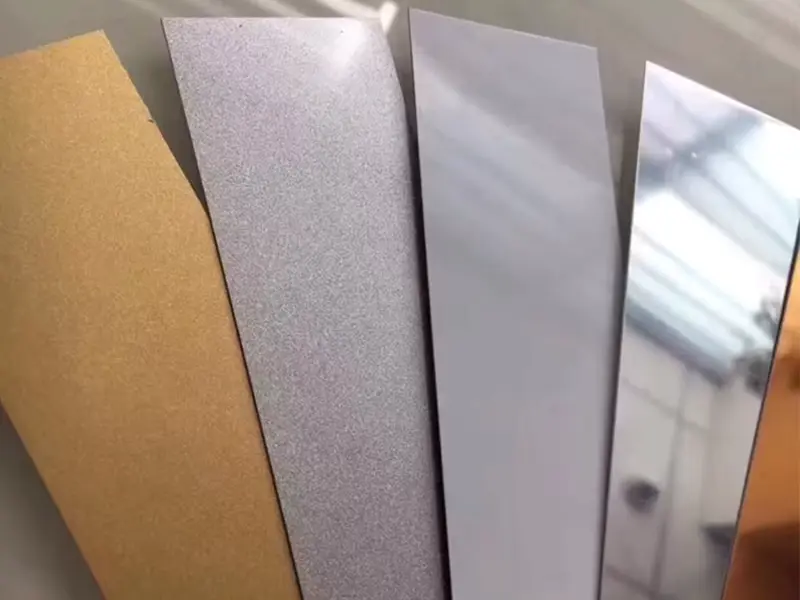
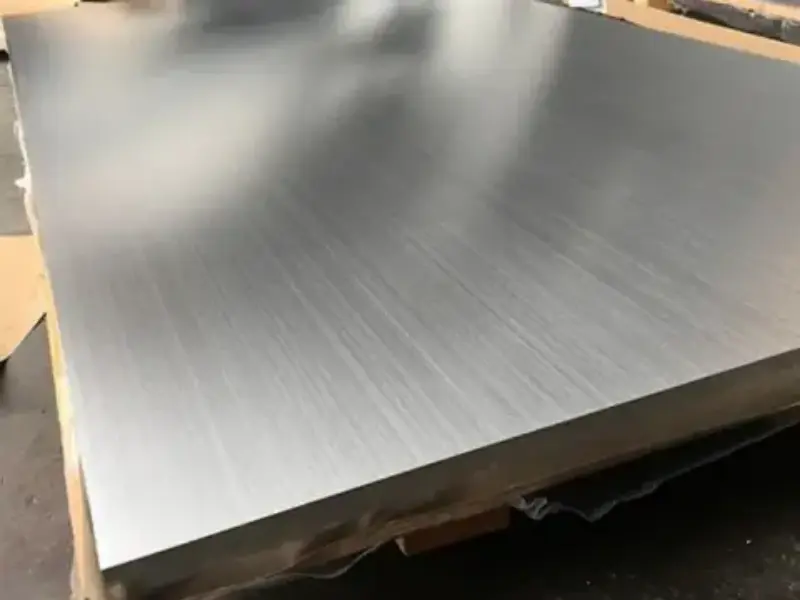
| Mill finish | Natural silver, slight roller marks | Basic | $ | Hidden parts, painting prep |
| Brushed | Satin directional lines | Moderate | $$ | Appliances, trim, interiors |
| Anodized | Hard colored layer | Excellent (20+ years) | $$$ | Exterior architectural, marine |
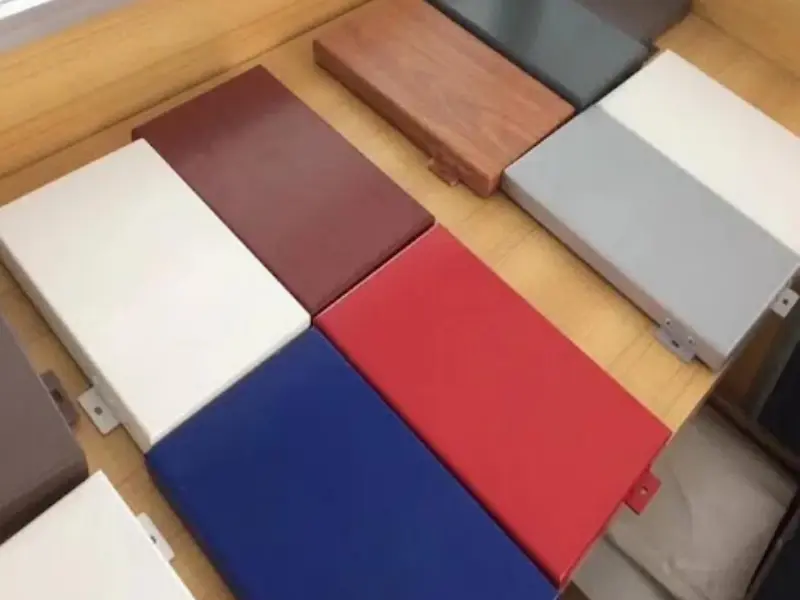
| Painted PE | Gloss or matte color | 10–15 years outdoors | $$ | Budget exterior, signage |
| Painted PVDF | Gloss or matte color | 20–25 years outdoors | $$$ | Roofing, facades, premium jobs |
| Mirror polished | Highly reflective | Moderate | $$$$ | Decorative, lighting, displays |
5×10 vs. 4×8: Which Size Wins?
| Feature | 5×10 Sheet | 4×8 Sheet |
|---|---|---|
| Dimensions | 1,524 × 3,048 mm | 1,219 × 2,438 mm |
| Area | 4.64 m² | 2.97 m² |
| Coverage advantage | +56% more area | Baseline |
| Seam reduction | Fewer joints in large panels | More joints needed |
| CNC compatibility | Needs 5-foot bed or larger | Fits standard 4-foot CNC |
| Shipping efficiency | Fewer sheets per container | More sheets per container |
| Price per m² | Often lower for large jobs | Higher per-unit area |
| Availability | Less common, may need ordering | Universally stocked |
When 5×10 makes sense
- Large curtain walls or facade panels
- Trailer and truck body manufacturing
- Oversized signage and billboards
- Marine deck panels over 4 feet wide
- Any job where welding seams add labor cost
When 4×8 is the smarter choice
- Standard CNC routers with 4-foot beds
- Small shop handling without forklifts
- Tighter budgets where availability drives price
- Jobs requiring fast turnaround from stock
Where 5×10 Aluminum Sheets Get Used
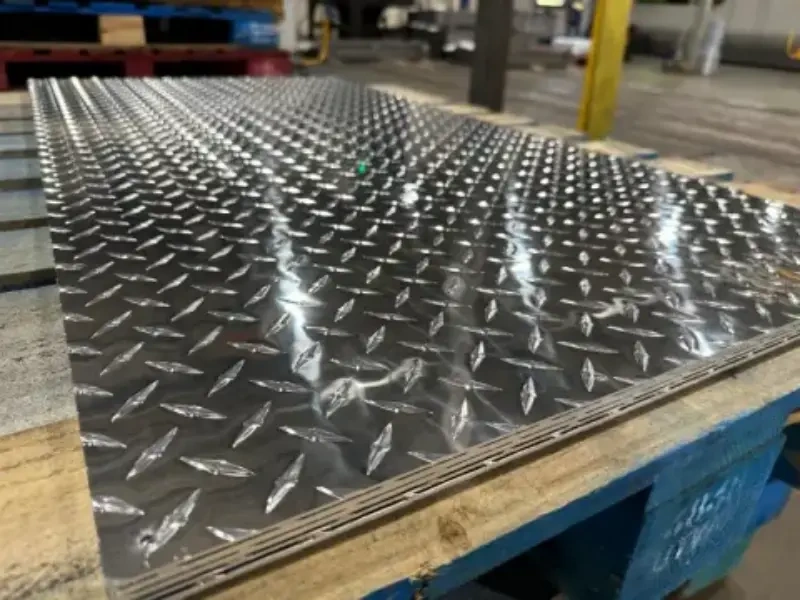
Construction and Architecture
- Curtain wall panels
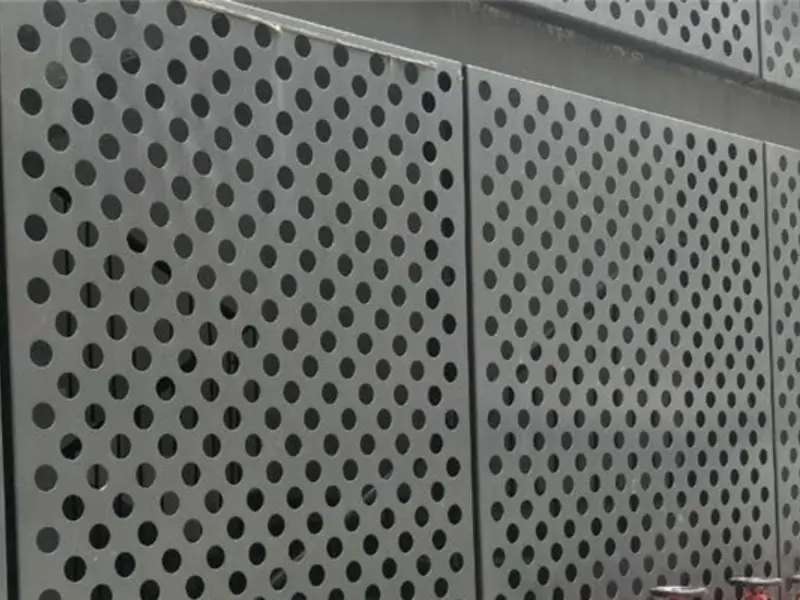
- Building facade cladding
- Roofing systems
- Decorative interior panels
- Column covers and soffits
Transportation
- Truck body panels and trailer skins
- Bus and RV exterior walls
- Railway car interiors
- Shipping container repairs
- Flatbed trailer flooring
Marine
- Boat hull sections
- Deck plating
- Cabin walls and partitions
- Fuel tank enclosures
- Dock and pier structures
Industrial Fabrication
- Machine guards and enclosures
- Platform decking
- Conveyor system panels
- Tank and vessel walls
- Tooling plates and fixtures
Advertising and Signage
- Large-format billboards
- Building-mounted signs
- Exhibition display walls
- Channel letter backing panels
- Digital screen enclosures
DIY and Custom Projects
- Workbench tops
- Garage wall panels
- Custom trailer builds
- Protective floor plates
- Decorative wall art
Price Guide: What to Expect in 2026
Price by Alloy (FOB China, per metric ton)
| Alloy | Price Range (USD/ton) | Price per kg | Notes |
|---|---|---|---|
| 1050 / 1060 | $1,900 – $2,300 | ~$2.10–$2.50 | Lowest cost, high purity |
| 3003 | $2,100 – $2,700 | ~$2.30–$2.90 | Most popular, best value |
| 5052 | $2,350 – $2,800 | ~$2.50–$3.10 | Marine grade, premium alloy |
| 5083 | $2,600 – $3,100 | ~$2.80–$3.20 | Heavy marine, highest 5000 series cost |
| 6061-T6 | $2,800 – $3,400 | ~$3.00–$3.50 | Structural, heat-treated |
Cost per Sheet Example
A 5×10 sheet of 5052-H32, 3 mm thick weighs about 37.6 kg. At $2.80/kg, the material cost is roughly $105 per sheet before shipping, cutting, or finishing.
What Moves the Price
| Factor | Impact |
|---|---|
| LME aluminum ingot price | Base metal = 60–70% of final cost |
| Alloy type | Magnesium and copper alloys cost more |
| Thickness | Thinner gauges need more rolling passes |
| Surface finish | PVDF adds 20–30%, anodizing adds 15–25% |
| Order volume | FCL orders (20+ tons) get best pricing |
| Size premium | 5×10 may carry small surcharge vs. 4×8 |
Factory Price vs. Retail Price
Factory-direct from China runs 30–50% below US or European distributor pricing. The gap widens for large orders. A US distributor might charge $180 for a 3 mm 5052 sheet that costs $105 ex-factory in China. The savings must cover sea freight (typically $150–$400 per ton), customs duties, and inland transport.
Manufacturing Process at a Glance
From Ingot to 5×10 Sheet
| Stage | Temperature | Result |
|---|---|---|
| Melting | ~660°C | Liquid aluminum from ingots or scrap |
| Casting | 650–700°C | Solid slabs 200–600 mm thick |
| Hot rolling | 400–500°C | Strip reduced to 2–6 mm |
| Cold rolling | Room temp | Final thickness, work hardening |
| Annealing | 300–400°C | Softens or tempers the metal |
| Cutting | Room temp | Sheared to 5×10 or custom sizes |
| Finishing | Varies | Surface treatment, protective film |
Quality Standards to Demand
| Standard | Region | Covers |
|---|---|---|
| ASTM B209 | USA | Sheet and plate alloy, temper, mechanical properties |
| EN 485 | Europe | Dimensions, tolerances, mechanical properties |
| GB/T 3880 | China | National standard for aluminum sheet |
| AMS 4025 / 4026 | Aerospace | 6061 sheet and plate specifications |
| ABS | Marine | Shipbuilding material certification |
What to Check on Delivery
- Thickness tolerance: ±0.05 mm for thin sheets, ±0.1 mm for plates
- Flatness: No waves or edge curl beyond 5 mm per meter
- Surface: No scratches deeper than 0.05 mm, no oil stains
- Edges: Clean shear, no burrs or tearing
- Certificate: Mill test report with chemical and mechanical data
Buying from China: What Importers Should Know
Why Chinese Mills Dominate
- Largest primary aluminum production globally
- Full vertical integration from smelting to finishing
- Competitive labor and energy costs
- Established export infrastructure to all major ports
The Import Steps
- Send inquiry with exact specs — alloy, temper, thickness, finish, quantity
- Receive quotation with FOB price, lead time, payment terms
- Request samples for quality verification
- Place order with 30% deposit, 70% against B/L copy
- Arrange pre-shipment inspection (SGS, Bureau Veritas, or in-house)
- Supplier ships, documents sent by courier
- Clear customs, inspect goods, release final payment
Lead Times
| Product | Production Time | Sea Freight | Total |
|---|---|---|---|
| Mill finish, standard alloy | 2–3 weeks | 3–5 weeks | 5–8 weeks |
| Painted or anodized | 3–5 weeks | 3–5 weeks | 6–10 weeks |
| Custom alloy or temper | 4–6 weeks | 3–5 weeks | 7–11 weeks |
Packaging and Shipping
Standard Export Packaging
| Layer | Purpose |
|---|---|
| Protective PE or PVC film | Prevents scratches during handling |
| Interleaving paper | Stops sheets from rubbing together |
| Wooden pallet | Stable stacking, forklift access |
| Steel strapping | Secures stack during transit |
| Moisture barrier | VCI film or kraft paper for sea voyage |
Container Loading
A 20-foot container fits roughly 400–500 sheets of 1–2 mm thickness. A 40-foot high-cube holds 600–800 sheets. 5×10 sheets need careful loading orientation to maximize space. Some mills cut 5×10 from larger master sheets to order, which reduces waste but adds lead time.
Common Problems and How to Avoid Them
| Problem | Cause | Fix |
|---|---|---|
| Wrong alloy delivered | Supplier error or mislabeling | Verify MTC chemical composition on arrival |
| Thickness out of spec | Worn mill rolls or poor QC | Specify ASTM tolerance, measure random samples |
| Surface scratches | Missing or thin protective film | Insist on double-sided film, inspect before signing B/L |
| Flatness issues | Improper tension leveling | Require flatness spec in PO, reject wavy sheets |
| Color mismatch (coated) | Batch variation | Order full quantity from single batch, approve color sample |
| Packaging damage | Rough handling or poor palletizing | Specify fumigated hardwood pallets, proper blocking |
Frequently Asked Questions
What are the exact dimensions of a 5×10 aluminum sheet?
5 feet wide by 10 feet long. In metric, that is 1,524 mm × 3,048 mm. Total area is 50 square feet or 4.64 square meters.
How thick can a 5×10 aluminum sheet be?
Standard production covers 0.4 mm up to 12.7 mm (0.016″ to 0.5″). Thicker plates up to 25 mm can be cut to 5×10 from larger stock. For gauges above 6 mm, verify that your supplier has shearing equipment wide enough to handle 5-foot width.
How much does a 5×10 aluminum sheet weigh?
Use the formula: Weight (kg) = 12.53 × Thickness (mm). A 2 mm sheet weighs about 25 kg. A 6 mm sheet weighs about 75 kg.
Is 5052 aluminum good for outdoor use?
Yes. 5052 is a marine-grade alloy with excellent resistance to saltwater, rain, and atmospheric corrosion. It is the standard choice for boat hulls, outdoor signage, and building facades in coastal areas.
Can 5×10 aluminum sheets be customized?
Yes. Mills can cut master coils or plates to 5×10 from larger stock. Custom alloys, tempers, thicknesses, and surface finishes are all available. Minimum order quantities typically start at 2–5 tons for custom sizes.
Where can I buy wholesale 5×10 aluminum sheets?
China is the largest global producer. Factory-direct suppliers offer the best pricing for bulk orders. Look for mills with ISO 9001 certification, export experience, and the ability to provide mill test certificates. US and European distributors stock 5×10 sheets for faster delivery at higher prices.
What is the difference between 5052-H32 and 6061-T6?
5052-H32 is strain-hardened and stabilized. It forms and welds easily. It resists corrosion better than 6061. 6061-T6 is heat-treated to much higher strength. It machines better but does not form as easily. Welding 6061 reduces strength in the heat-affected zone.
Can I weld a 5×10 aluminum sheet?
Yes. 3003 and 5052 weld with standard MIG or TIG equipment using 4043 or 5356 filler rod. 6061 also welds but may need post-weld heat treatment to restore T6 properties. Clean the joint area thoroughly before welding to avoid porosity.
How long does aluminum last outdoors?
Mill finish aluminum lasts 15–20 years in normal atmospheres. Anodized or PVDF-coated aluminum lasts 20–25 years. In marine environments, 5052 or 5083 alloy extends life by resisting saltwater corrosion.
5×10 aluminum sheet 3003-H14 from China
The 5×10 aluminum sheet fills a gap between standard sizes and custom panels. Its extra width and length cut installation time, reduce seams, and improve the finished look of large projects. The key is matching the right alloy and temper to the job.
For most work, 3003-H14 handles general fabrication at the lowest cost. 5052-H32 steps up for outdoor and marine exposure. 6061-T6 takes over where structural strength and machining precision matter. Surface finishes from mill to PVDF extend both appearance and service life.
Buyers sourcing from China should verify certifications, request samples, and plan for 6–10 week total lead times. The savings on material cost often justify the wait, especially for orders above 10 tons. For urgent jobs, local distributors stock 5×10 sheets in common alloys and thicknesses at a premium.