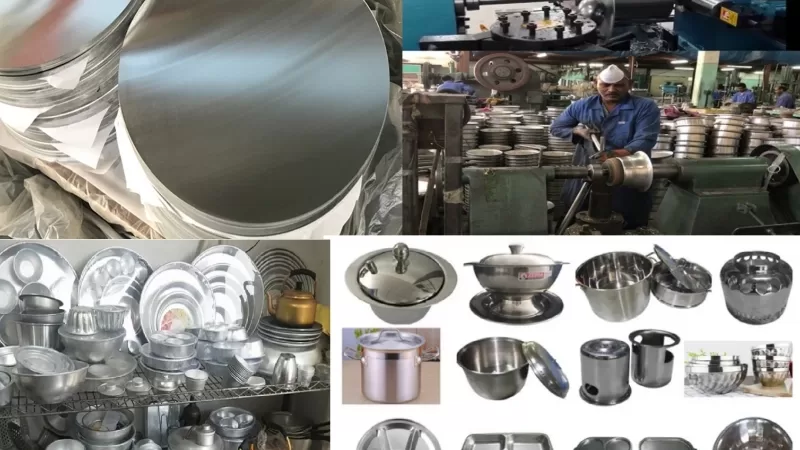
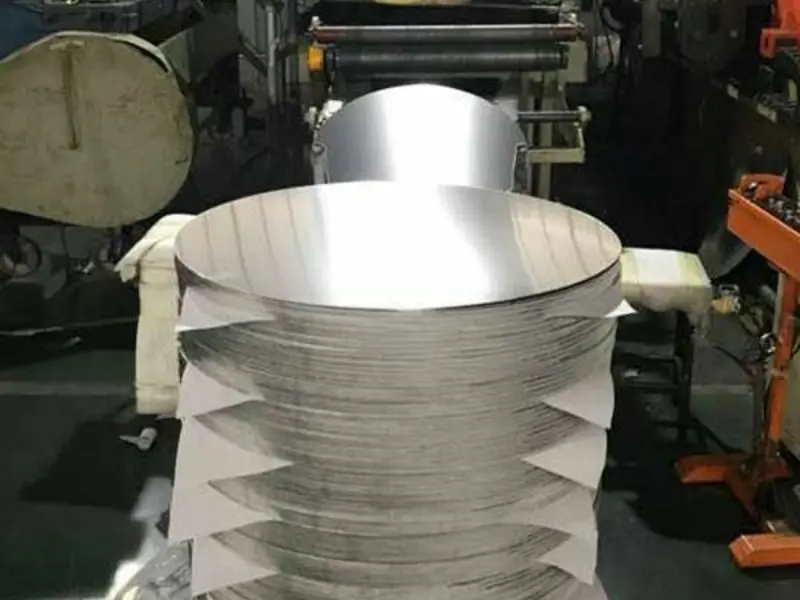
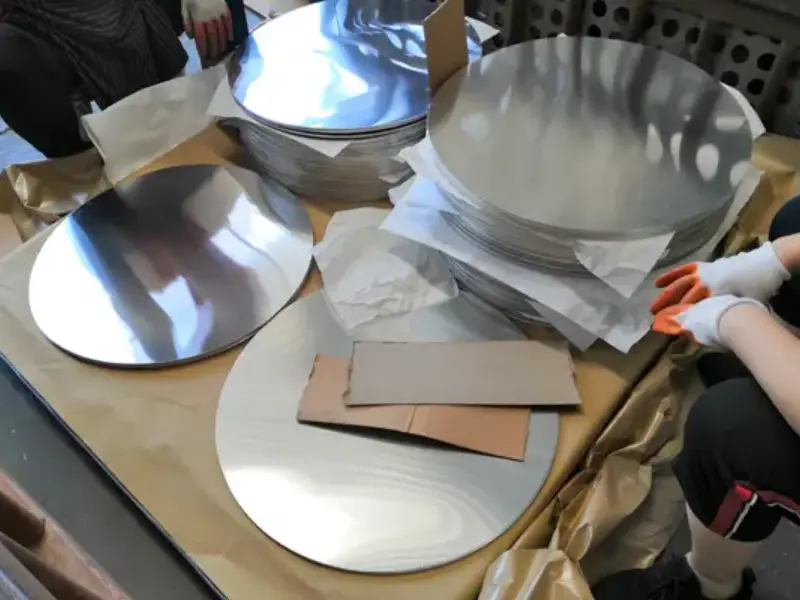
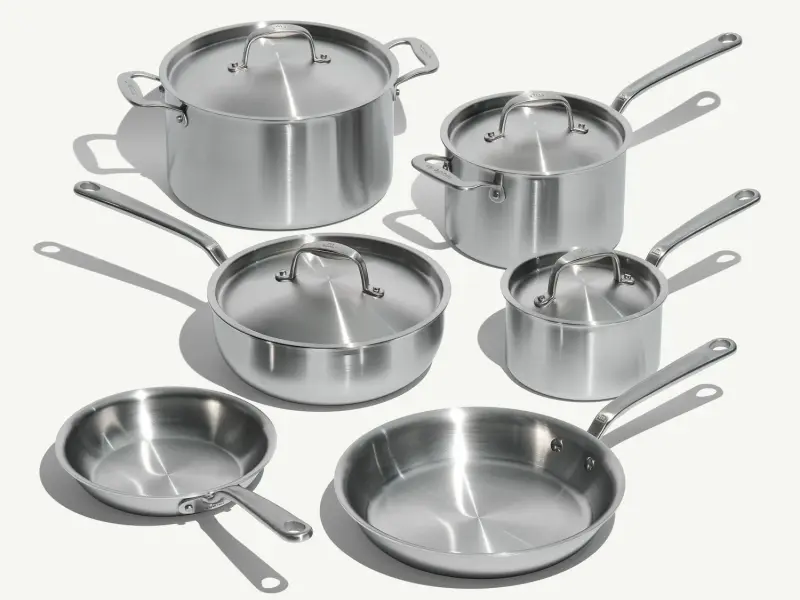
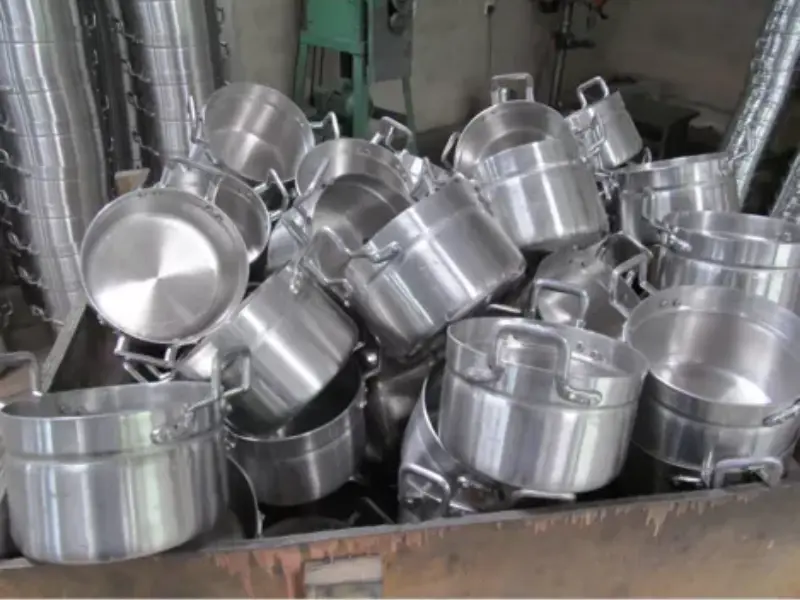
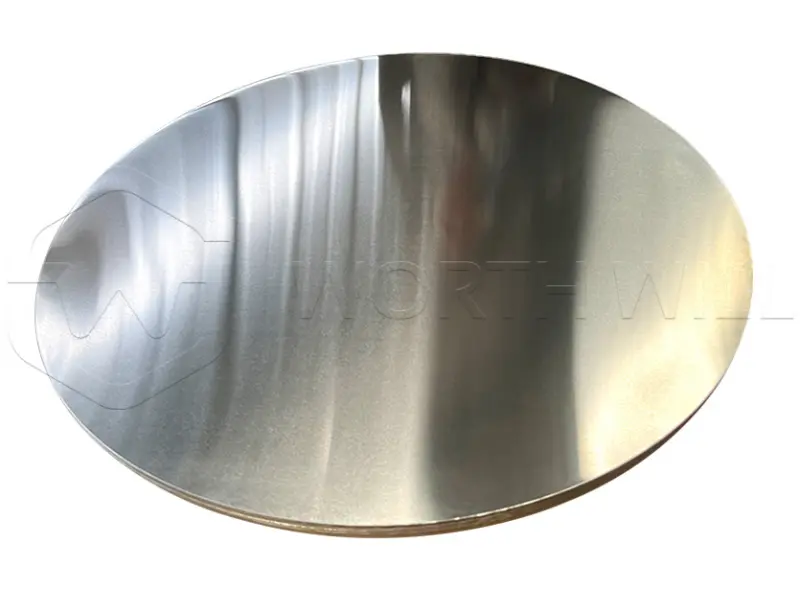
Food grade aluminum circles are essential materials for manufacturing cookware. These round aluminum blanks come in various alloys and tempers. They serve as raw materials for making pans, pots, and cooking utensils. If you need reliable aluminum discs for cookware production, understanding the different types helps you choose the right option.
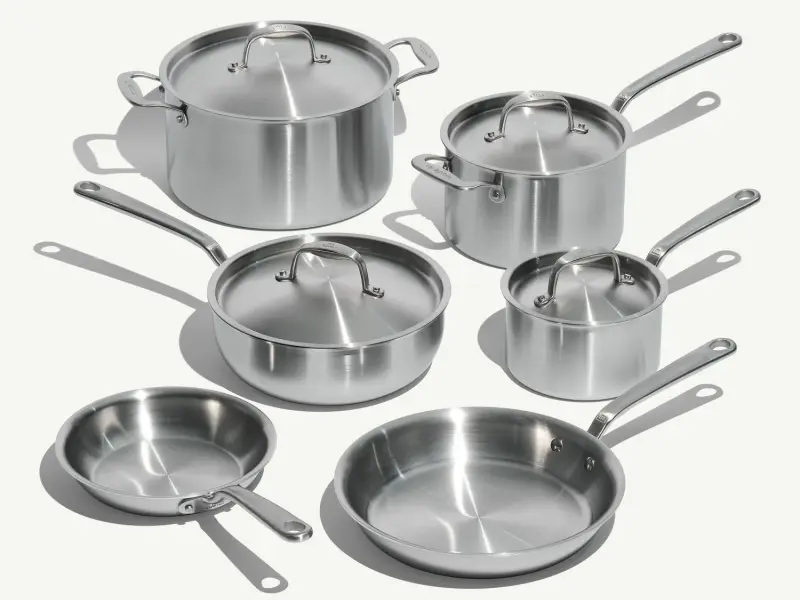
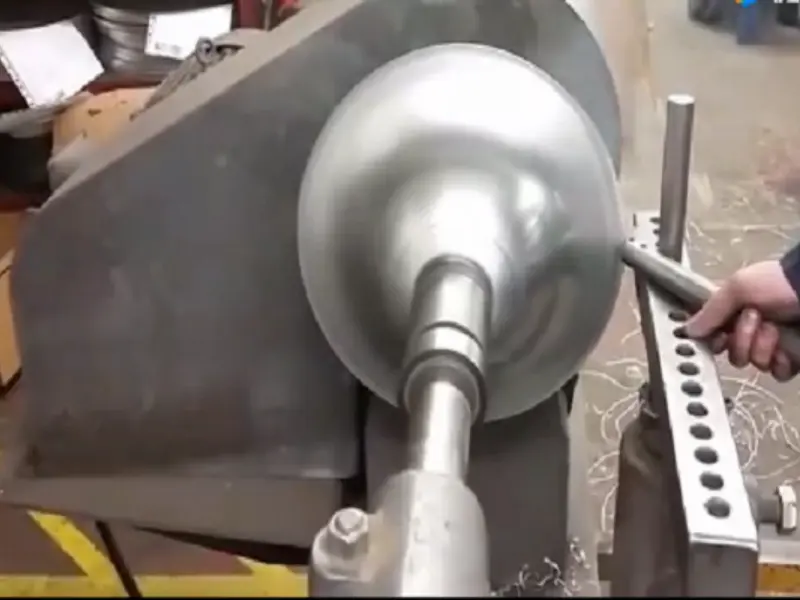
Aluminum Alloy Types for Cookware
Series 1000: Pure Aluminum
1050 Alloy Aluminum Circle
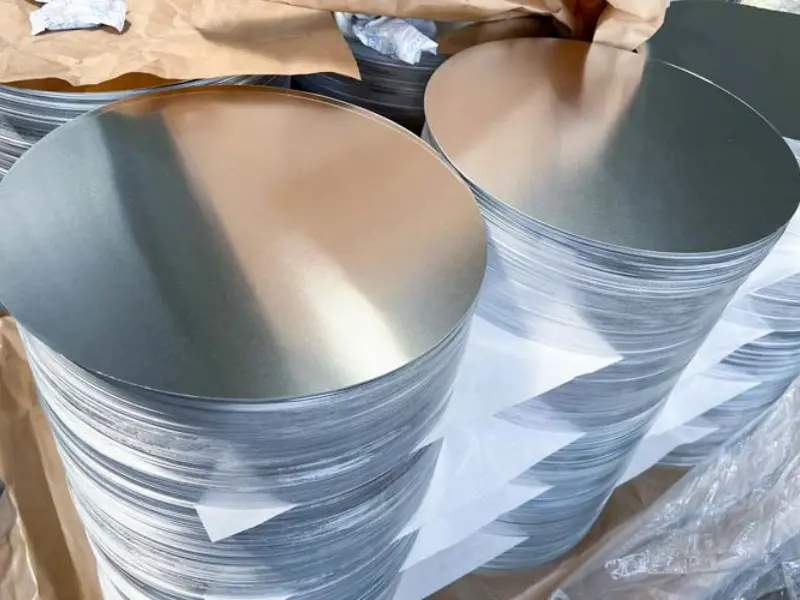
The 1050 alloy contains 99.5% pure aluminum. This material offers excellent formability. It’s ideal for deep drawing operations in cookware manufacturing.
| Property | Details |
|---|---|
| Purity Level | 99.5% Aluminum |
| Main Application | Pan bottoms, cookware bases |
| Strength Level | Low to medium |
| Formability | Excellent |
| Cost | Very competitive |
Key benefits of 1050:
1060 Alloy Aluminum Circle
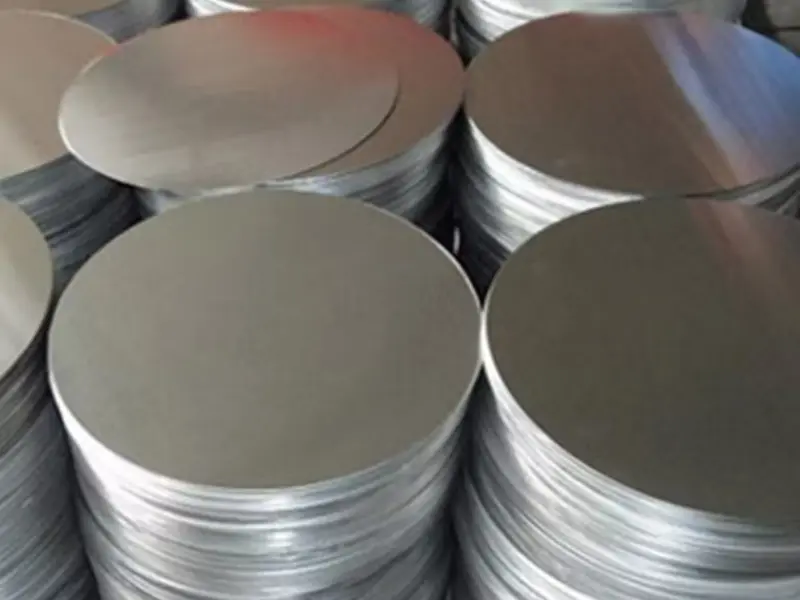
The 1060 alloy is 99.6% pure aluminum. It provides higher purity than 1050. This series suits applications requiring maximum corrosion resistance.
| Property | Details |
|---|---|
| Purity Level | 99.6% Aluminum |
| Tensile Strength | 110-130 MPa |
| Elongation | 40-50% |
| Main Use | Cookware bodies, handles |
| Food Safety | Fully compliant |
Advantages of 1060:
Highest purity among common series

Excellent for food contact surfaces

Superior weather resistance

Ideal for polished finishes
Series 3000: Aluminum-Manganese Alloys
3003 Alloy Aluminum Circle
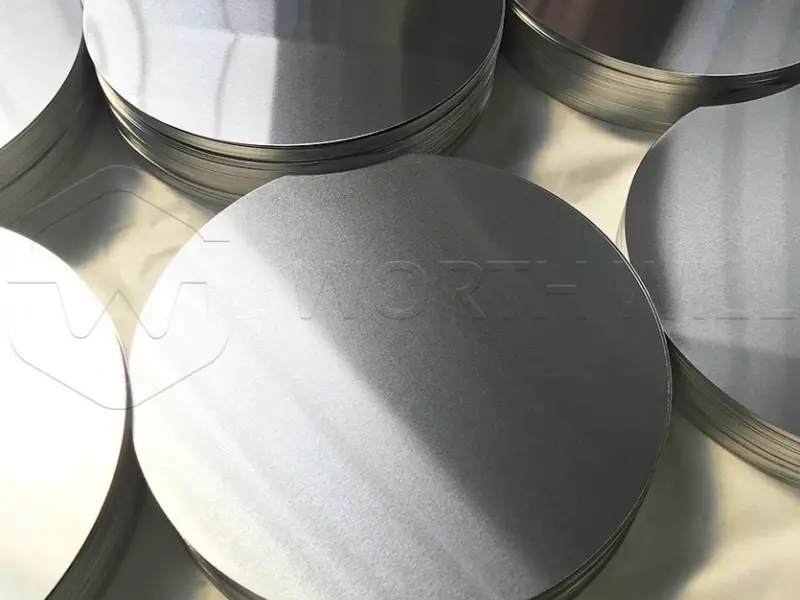
The 3003 alloy combines aluminum with manganese. Manganese adds strength without reducing workability. This alloy is popular for commercial cookware production.
| Property | Details |
|---|---|
| Main Elements | Aluminum + Manganese |
| Manganese Content | 1.0-1.5% |
| Tensile Strength | 160-190 MPa |
| Yield Strength | 70-110 MPa |
| Food Grade | Yes, fully approved |
Why choose 3003 for cookware:
Better strength than pure aluminum
Still maintains good formability
Cost-effective solution
Suitable for larger cookware items
Resists denting better than pure aluminum
Temper Specifications: O Temper Explained
What Is O Temper?
O temper means fully annealed aluminum. The material undergoes heat treatment to achieve soft condition. This provides maximum ductility. The aluminum circle becomes easily formable for manufacturing.
| Temper | Hardness | Formability | Strength | Best For |
|---|---|---|---|---|
| O (Annealed) | Softest | Maximum | Lowest | Deep drawing |
| H14 | Medium | Good | Medium | Standard use |
| H18 | Hardest | Limited | Highest | Rigid items |
O Temper Characteristics
O temper aluminum circles offer these properties:
- Maximum ductility: Easy to shape into complex forms
- Lowest strength: Softer material for bending operations
- Zero work hardening: Material remains workable
- Best for stamping: Ideal for pressing operations in cookware manufacturing
- Food safe: No change in food contact safety
Processing O Temper Material
When manufacturers receive O temper aluminum circles:
- Material arrives in fully soft condition
- Machines can form complex cookware shapes easily
- No cracking occurs during bending operations
- Material withstands multiple forming stages
- Final product maintains food safety standards
Product Specifications and Sizes
Standard Diameter Options
Aluminum circles for cookware come in various sizes. Different cookware products need different diameters.
| Diameter (mm) | Common Applications | Typical Thickness (mm) |
|---|---|---|
| 80-150 | Small handles, decorative items | 1.0-2.0 |
| 150-250 | Pan lids, small pot bottoms | 1.5-3.0 |
| 250-400 | Standard cookware bases | 2.0-4.0 |
| 400-600 | Large pot bottoms, wok bases | 3.0-5.0 |
| Above 600 | Industrial cookware, special orders | 4.0-8.0 |
Thickness Variations
The thickness of aluminum circles affects final cookware performance.
| Thickness (mm) | Weight Category | Cookware Type | Heat Performance |
|---|---|---|---|
| 1.0-1.5 | Lightweight | Lid inserts, decorative rings | Quick heating |
| 1.5-2.5 | Light-medium | Small cookware, lids | Good heat distribution |
| 2.5-3.5 | Medium | Standard pans, pots | Excellent heat retention |
| 3.5-5.0 | Heavy-duty | Large cookware, commercial pans | Superior heat control |
| Above 5.0 | Extra heavy | Industrial equipment | Maximum durability |
Alloy and Temper Comparison Table
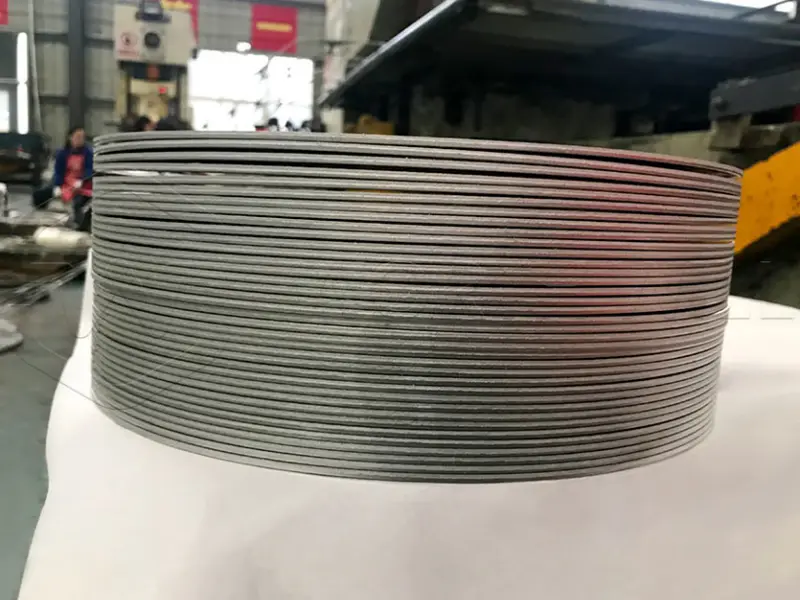
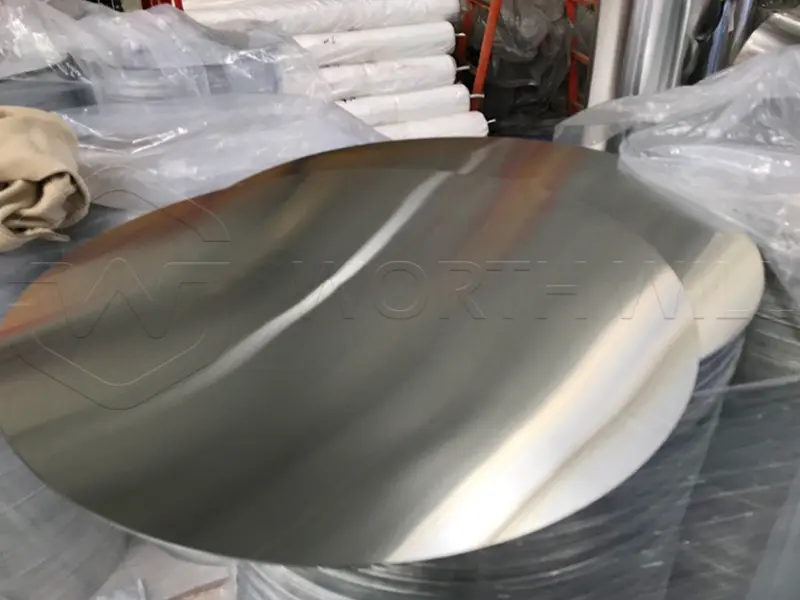
| Alloy | Purity | Strength | Formability | Food Grade | Best Use |
|---|---|---|---|---|---|
| 1050 O | 99.5% | Low | Excellent | Yes | Deep drawn cookware |
| 1060 O | 99.6% | Low | Excellent | Yes | Premium cookware |
| 3003 O | 98.6% | Medium | Very good | Yes | Commercial cookware |
Applications of Aluminum Circles in Cookware
Primary Cookware Products

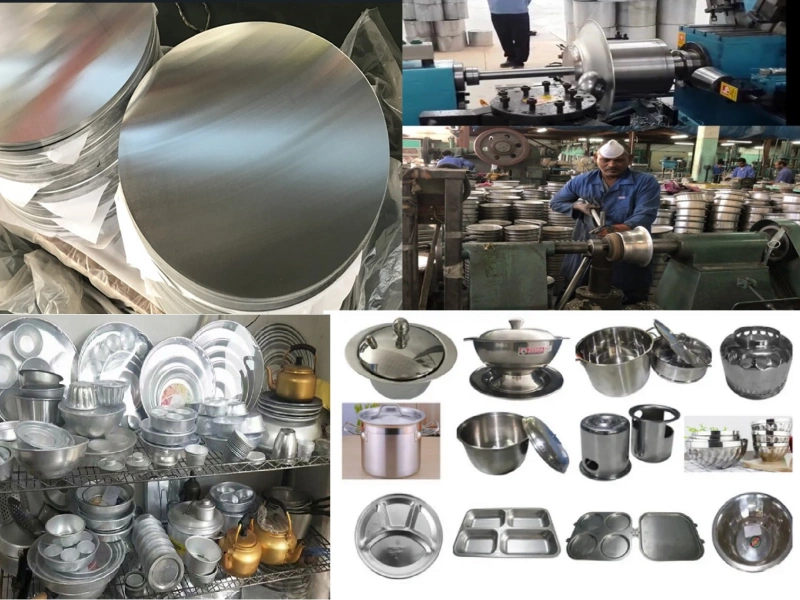
Aluminum circles serve as raw materials for numerous cookware items:
- Frying pans: Non-stick cookware bases
- Cooking pots: Large capacity vessels
- Saucepans: Medium-sized cooking equipment
- Woks: Deep cooking surfaces
- Pressure cooker bases: Heavy-duty applications
- Steamer bottoms: Direct heat contact parts
- Baking sheets: Oven cookware
- Roasting pans: Large cooking vessels
Secondary Components
Beyond main cooking surfaces, aluminum circles create:
- Pan handles and handles reinforcement
- Lid tops and lid edges
- Decorative rims and borders
- Bottom reinforcement layers
- Heat distribution layers
- Spacer materials
Different Product Types Made from Aluminum Circles
1. Basic Non-Stick Cookware
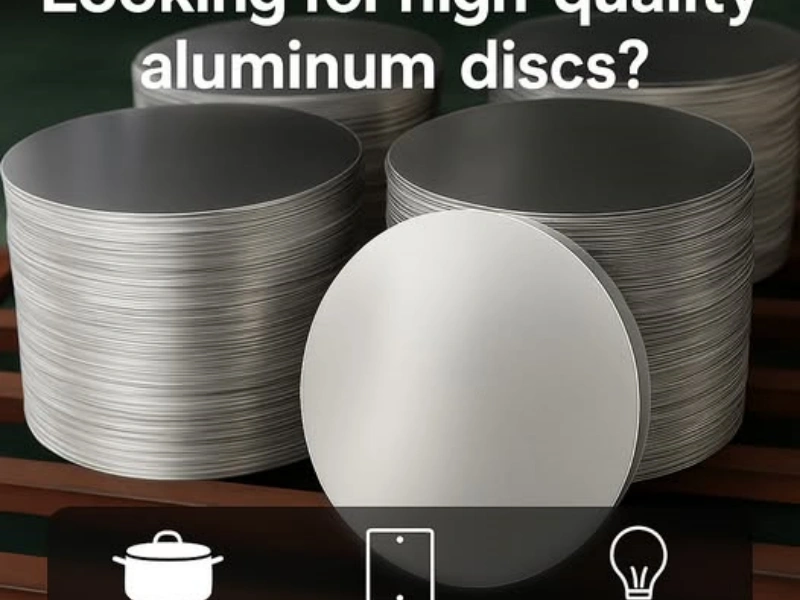
Standard non-stick pans begin with aluminum circles. The 1050 or 1060 alloys work well for this purpose. Manufacturers stamp the circles into pan shapes. Then they apply non-stick coating. Finally, handles attach to complete the product.
Specifications for basic cookware:
- Diameter: 200-320mm
- Thickness: 1.5-2.5mm
- Alloy: 1050 or 1060
- Temper: O
- Surface: Polished or brushed finish
2. Stainless Steel Sandwich Cookware
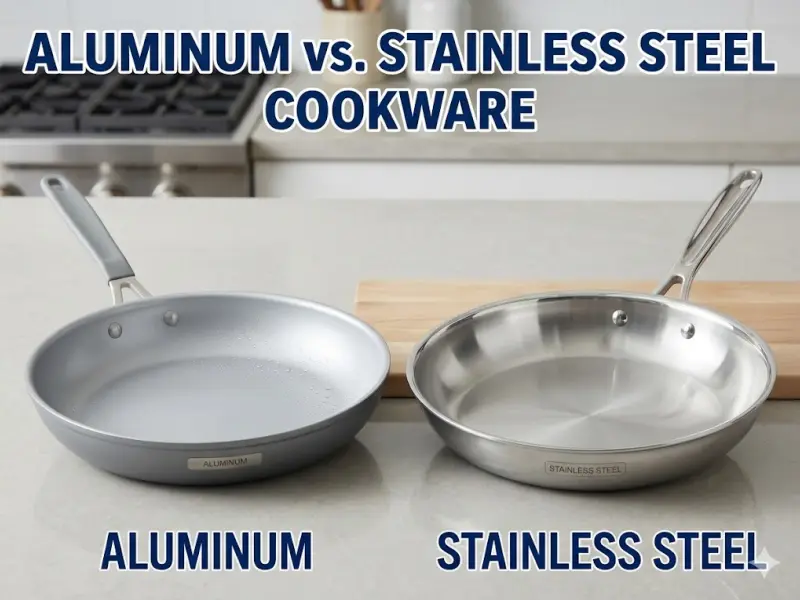
Premium cookware combines layers. The middle layer uses aluminum circles. Stainless steel surrounds the aluminum. This construction provides strength and heat distribution together.
Sandwich cookware structure:
- Top layer: Stainless steel
- Middle layer: Aluminum circle
- Bottom layer: Stainless steel
- Total thickness: 3.0-4.0mm
3. Cast Iron Cookware
Some manufacturers add aluminum circles to cast iron cookware. They insert aluminum discs between cast iron layers. This improves heat distribution in cast iron pans.
Hybrid cookware benefits:
- Better heat spread than pure cast iron
- Lighter weight than solid cast iron
- Combines durability with conductivity
4. Hard Anodized Cookware
Hard anodized cookware uses aluminum circles as bases. The anodizing process hardens the aluminum surface. This creates a strong, scratch-resistant finish.
Hard anodized process:
Maintains food safety
Start with aluminum circle
Apply electrical anodizing treatment
Create hard oxide coating
Resistant to scratching and wear
5. Ceramic Coated Cookware
Modern ceramic cookware starts with aluminum circles. After shaping, manufacturers apply ceramic coating. This provides a natural, toxin-free cooking surface.
Ceramic cookware characteristics:
- Non-toxic surface coating
- Chemical-free cooking
- Easy cleanup
- Long-lasting durability
6. Commercial Kitchen Equipment
Restaurants and professional kitchens use aluminum circles in heavy-duty cookware. These products need stronger alloys and thicker materials.
Commercial cookware specs:
- Alloy: Usually 3003
- Thickness: 4.0-5.0mm or higher
- Temper: O for forming, sometimes H-temper for finished goods
- Diameter: Larger sizes, 350-500mm
- Batch production: Large quantities
7. Specialty Cookware Items
Beyond basic pans and pots, aluminum circles create specialty items:
Specialty products include:
Griddle surfaces
Pressure cooker bases
Multicooker bottoms
Wok cooking surfaces
Paella pan bases
Dutch oven bottoms
Steamer inserts
Advantages of Using O Temper Aluminum Circles
Manufacturing Benefits
O temper material simplifies production processes:
- Easy forming: Machines shape material without strain
- Multiple operations: Material tolerates several bending steps
- No annealing needed: Arrives ready to use
- Cost savings: Reduces production steps
- Faster production: Less processing time required
- Fewer defects: Lower rejection rates during manufacturing
Material Performance Benefits
O temper aluminum circles deliver good performance:
- Excellent heat conduction: Distributes heat evenly during cooking
- Thermal stability: Maintains performance over many cooking cycles
- Chemical resistance: Resists corrosion from food acids
- Non-reactive: Safe for all food types
- Long service life: Endures years of regular use
Cost Advantages
Choosing O temper aluminum circles makes economic sense:
- Lower raw material costs compared to hardened tempers
- Reduced manufacturing labor
- Fewer production complications
- Excellent price-to-performance ratio
- Higher profit margins for manufacturers
Comparison: 1050 vs 1060 vs 3003 for Cookware
Purity and Food Safety
All three alloys meet food safety standards. However, purity levels differ:
| Alloy | Aluminum Content | Iron & Silicon | Manganese | Other Elements |
|---|---|---|---|---|
| 1050 | 99.5% | 0.3-0.4% | None | Trace amounts |
| 1060 | 99.6% | 0.15-0.25% | None | Trace amounts |
| 3003 | 98.6-99.0% | 0.15-0.3% | 1.0-1.5% | Slight amounts |
Strength Comparison
Strength levels affect cookware durability:
| Property | 1050 | 1060 | 3003 |
|---|---|---|---|
| Tensile Strength | 95-110 MPa | 110-130 MPa | 160-190 MPa |
| Hardness (O Temper) | 28-32 HB | 28-32 HB | 35-42 HB |
| Yield Strength | 35-50 MPa | 40-60 MPa | 70-110 MPa |
Workability in O Temper
All three work well in O temper for cookware manufacturing:
1050 O Temper:
- Superior ductility for complex shapes
- Best for deep drawing operations
- Ideal for thin cookware
1060 O Temper:
- Excellent formability similar to 1050
- Slightly better strength retention
- Good for precision cookware
3003 O Temper:
- Good formability with added strength
- Better for thicker cookware items
- Resists denting better during use
Cost-Benefit Analysis
| Factor | 1050 | 1060 | 3003 |
|---|---|---|---|
| Material Cost | Lowest | Low | Medium |
| Production Difficulty | Easy | Easy | Easy |
| Final Product Cost | Low | Low-Medium | Medium |
| Durability | Good | Good | Very Good |
| Best For | Budget cookware | Standard cookware | Premium/Commercial |
How to Choose the Right Aluminum Circle
Step 1: Identify Cookware Type
First, decide what cookware you’ll manufacture:
- Small non-stick pans (1050 or 1060)
- Standard cookware sets (1050 or 1060)
- Heavy-duty commercial cookware (3003)
- Specialty items (depends on product)
Step 2: Determine Diameter Requirements
Measure the finished cookware dimensions:
- Match the circle diameter to your product size
- Add allowance for trimming after forming
- Consider material flow during stamping
- Select size that minimizes waste
Step 3: Calculate Thickness Needs
Thickness affects heat performance:
- Thinner material: Faster heating, lower cost
- Medium thickness: Best all-around performance
- Thicker material: Better heat retention, heavier feel
Step 4: Select Appropriate Alloy
Choose based on durability needs:
- 1050: Budget-friendly, excellent formability
- 1060: Premium appearance, highest purity
- 3003: Strength and durability priority
Step 5: Confirm O Temper Requirement
O temper suits most cookware manufacturing. Verify it matches your:
- Forming equipment capabilities
- Production timeline
- Cost targets
- Product specifications
Quality Standards and Certifications
Food Safety Certifications
Reputable aluminum circles meet these standards:
- FDA Compliance: U.S. food contact approval
- EU Food Regulations: European food safety standards
- ISO 8407: Standard for food-grade aluminum
- LFGB: German food contact material law
- BIS: Indian Bureau of Standards
Material Testing Requirements
Suppliers test aluminum circles for:
- Chemical composition: Confirms alloy specification
- Mechanical properties: Verifies strength and ductility
- Surface quality: Checks for defects and contamination
- Dimensional accuracy: Ensures correct size and thickness
- Food safety: Confirms absence of harmful substances
Supplier Certification
Reliable suppliers hold certifications such as:
- ISO 9001: Quality management systems
- ISO 14001: Environmental responsibility
- ISO 45001: Safety standards
- Custom certifications: Industry-specific approvals
Ordering and Specifications Guide
Information to Provide Your Supplier
When ordering aluminum circles for cookware:
- Alloy type: Specify 1050, 1060, or 3003
- Temper: Confirm O temper requirement
- Diameter: Exact size needed (mm)
- Thickness: Required thickness (mm)
- Quantity: Total circles needed
- Surface finish: Polished, brushed, or natural
- Packaging: How you need them packaged
- Delivery timeline: When you need delivery
- Special requirements: Any additional specifications
Typical Order Quantities
| Order Volume | Typical Use | Lead Time |
|---|---|---|
| 100-500 pieces | Small trials | 2-3 weeks |
| 500-2,000 pieces | Medium production runs | 2-3 weeks |
| 2,000-10,000 pieces | Regular production | 2-4 weeks |
| 10,000+ pieces | Mass production | 3-4 weeks |
Quality Assurance During Order
Before accepting delivery:
- Verify alloy composition matches specifications
- Check dimensions against order requirements
- Inspect for surface defects or contamination
- Test sample pieces in your forming equipment
- Review all certification documents
- Confirm quantity matches order
Storage and Handling Tips
Proper Storage Conditions
To maintain aluminum circle quality:
- Climate control: Store in dry environment
- Temperature: Maintain stable temperature
- Humidity: Keep below 60% relative humidity
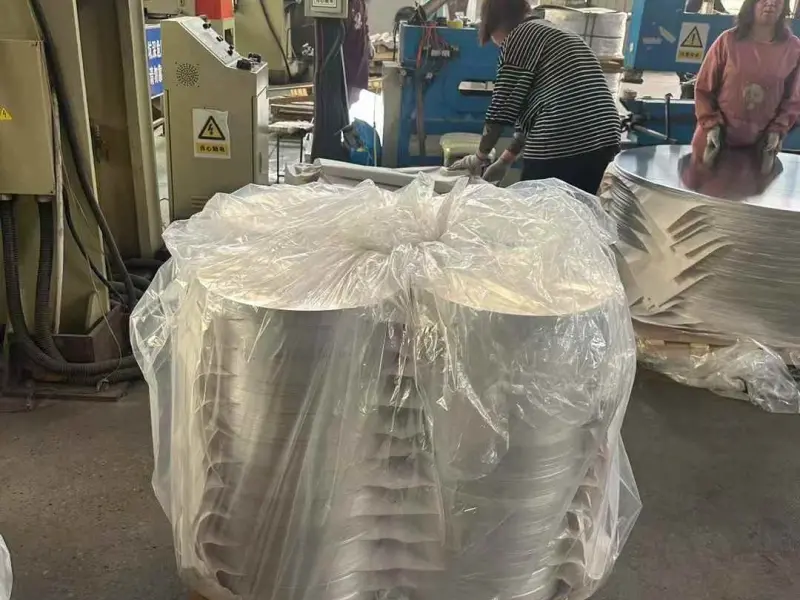
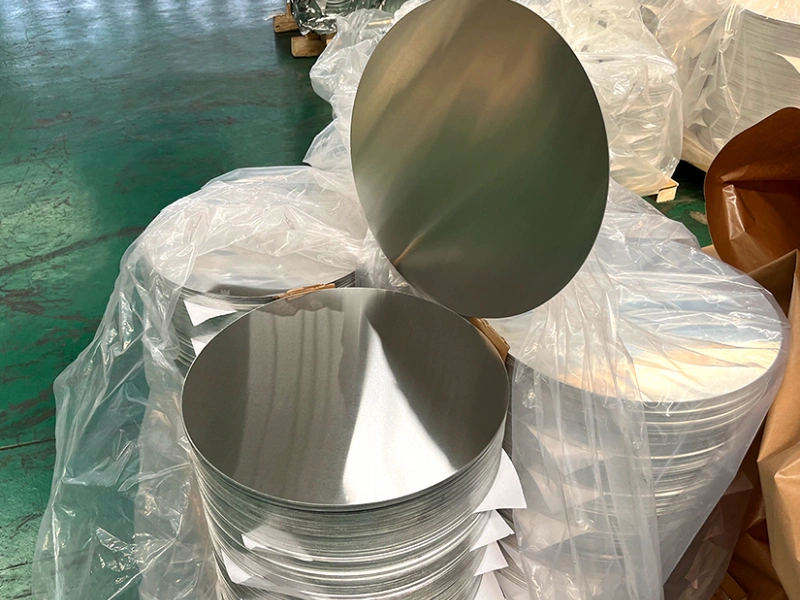
- Protection: Cover stacks with plastic sheeting
- Organization: Keep different alloys separate
Handling Best Practices
When working with aluminum circles:
- Use clean handling equipment to avoid contamination
- Handle gently to prevent surface scratches
- Wear appropriate gloves when handling
- Avoid moisture and wet conditions
- Keep away from reactive chemicals
- Store vertically or on flat pallets
- Never stack excessively high
Shelf Life
Aluminum circles maintain quality for:
- General storage: 2-3 years under proper conditions
- Optimal performance: Use within first year
- Check before use: Inspect for any deterioration
- Temperature stability: Prevents oxidation issues
What Is Food Grade Aluminum Circle?
Definition and Purpose
A food grade aluminum circle is a flat, round piece of pure or alloy aluminum. Manufacturers use these blanks to produce cookware items. The material meets food safety standards. It doesn’t contain harmful substances that could transfer to food.
Food grade aluminum circles start as raw materials. They undergo processing into finished cookware products. Quality and purity matter for food contact applications.
Why Aluminum for Cookware?
Aluminum offers several advantages for cooking equipment:
- Heat conductivity: Aluminum spreads heat evenly across cooking surfaces
- Lightweight: Easier to handle and use compared to heavy metals
- Cost-effective: More affordable than many alternatives
- Non-toxic: Food safe when properly treated
- Durability: Resists corrosion and maintains quality over time
Food Grade Aluminum Circle for Cookware | 1050 1060 3003 O Temper
Food grade aluminum circles represent essential materials for cookware manufacturing. Whether you choose 1050, 1060, or 3003 alloys, O temper provides excellent workability for your production needs.
1050 and 1060 Alloys
The 1050 and 1060 alloys offer maximum formability and purity. They suit standard and premium cookware production. The 3003 alloy combines strength with workability, making it ideal for heavy-duty and commercial cookware applications.
O Temper
O temper aluminum circles arrive production-ready. Manufacturers appreciate the cost savings, reduced processing steps, and fewer defects. The material performs excellently in finished cookware, providing even heat distribution and long-lasting durability.
Aluminum Circles for Cookware Projects
When selecting aluminum circles for your cookware projects, consider your specific requirements. Evaluate alloy strength needs, formability requirements, and cost targets. Partner with reliable suppliers who provide proper certifications and quality assurance.
The right aluminum circle choice leads to better finished products. Your customers will appreciate improved cookware quality and performance. Reliable suppliers ensure consistent material that meets specifications.
Choose food grade aluminum circles that match your manufacturing capabilities and product goals. Whether producing budget cookware or premium items, the right material makes a significant difference in final product quality and customer satisfaction.
1. Alloy Comparison: Which Grade Fits Your Factory?
Choosing an alloy is the first big decision. Each grade has a different chemical makeup that changes how the metal behaves under a press.
Comparison Table: Chemical and Mechanical Properties
| Feature | 1050 Aluminum | 1060 Aluminum | 3003 Aluminum |
| Aluminum Purity | $99.5\%$ | $99.6\%$ | Mixed with Manganese |
| Strength | Soft / Standard | Very Soft | High ($20\%$ stronger) |
| Corrosion Resistance | Excellent | Excellent | Superior |
| Best Manufacturing | Spinning / Manual | Spinning | Deep Drawing / CNC |
| Price Point | Economical | Mid-range | Premium |
2. Why “O Temper” is Critical for Cookware Manufacturing
The O Temper means the aluminum has been fully annealed (heated and cooled slowly). This makes the Food Grade Aluminum Circle for Cookware soft and flexible.
- No Cracking: It stretches easily during deep drawing.
- Smooth Surface: It prevents the “orange peel” effect on the sides of pots.
- Lower Machine Wear: Your molds and presses last longer because the metal is not “springy.”
3. Product Types and Diverse Applications
Aluminum disks are used for more than just simple frying pans. Here is a look at the different types of products you can create with our materials.
Professional Kitchenware
- Frying Pans: Usually made from 3003 alloy for better scratch resistance.
- Stock Pots: Deep pots that require high-purity 1050 O temper for extreme stretching.
- Pressure Cookers: Thick 3003 disks are used to handle high internal pressure.
Specialized Baking Tools
- Pizza Trays: Thin disks with high thermal conductivity for a crispy crust.
- Cake Molds: Highly flexible alloys that can be shaped into complex designs.
Industrial Food Service
- Canteen Kettles: Large-scale water heaters that need thick, corrosion-resistant walls.
- Commercial Steamers: Durable aluminum that stays bright even with constant steam exposure.
4. Thickness vs. Application: Finding the Right Spec
The thickness of your Food Grade Aluminum Circle for Cookware determines the market value of your final product.
Specs by Product Category
| Product Type | Recommended Thickness | Suggested Alloy |
| Lightweight Pans | $0.8mm – 1.5mm$ | 1050 / 1060 |
| Standard Home Pots | $2.0mm – 3.0mm$ | 1050 / 3003 |
| Professional Cookware | $3.5mm – 5.0mm$ | 3003 |
| Heavy Duty Fryers | $5.0mm – 8.0mm$ | 3003 / 5052 |
5. Technical Data for Digital Purchasing
Precision is key for automated production lines. We provide strict tolerances to ensure every disk fits your mold perfectly.
Dimension and Tolerance Guide
- Diameter Range: $100mm$ to $1500mm$.
- Thickness Tolerance: $\pm 0.02mm$ (Precision grade).
- Surface Finish: Mill finish, oil-free, and brushed options available.
- Edge Quality: Clean cut, no burrs, and no “earing” during pressing.
6. Manufacturing Methods: Spinning vs. Deep Drawing
Depending on your factory setup, you will need different characteristics from your Food Grade Aluminum Circle for Cookware.
Deep Drawing (Pressing)
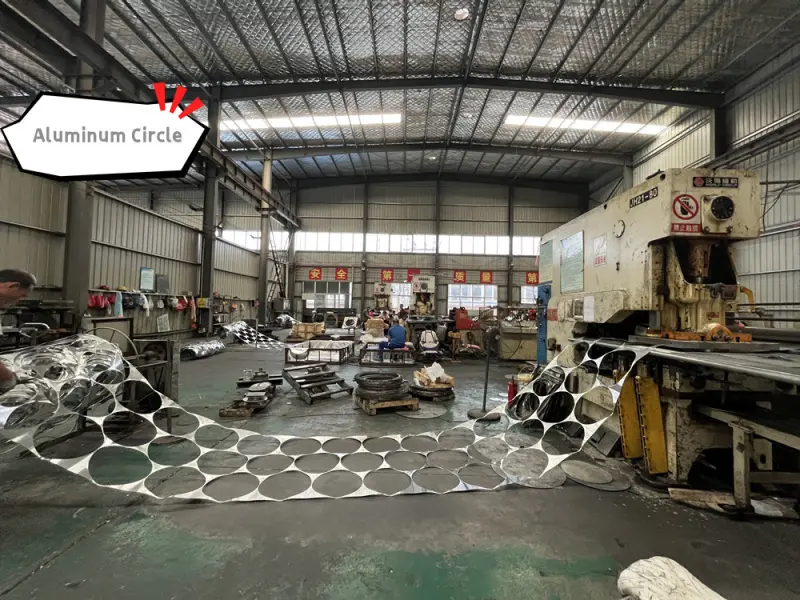
This uses a hydraulic press to turn a disk into a cup shape in one second.
- Best Alloy: 3003-O or 1050-O.
- Key Need: High elongation (stretchability).
Metal Spinning (Lathing)
A disk is rotated on a lathe and shaped by a tool.
- Best Alloy: 1050-O or 1100-O.
- Key Need: Maximum softness for manual or CNC control.
Frequently Asked Questions (FAQ)
Is 1050 aluminum safe for food?
Yes. Our 1050 1060 3003 alloys are certified food-grade. They do not contain harmful heavy metals and are safe for direct contact with food.
Can I apply a non-stick coating to these circles?
Absolutely. Our circles are cleaned to remove all industrial oils. This allows Teflon, ceramic, or granite coatings to bond perfectly to the surface.
How do you prevent scratches during shipping?
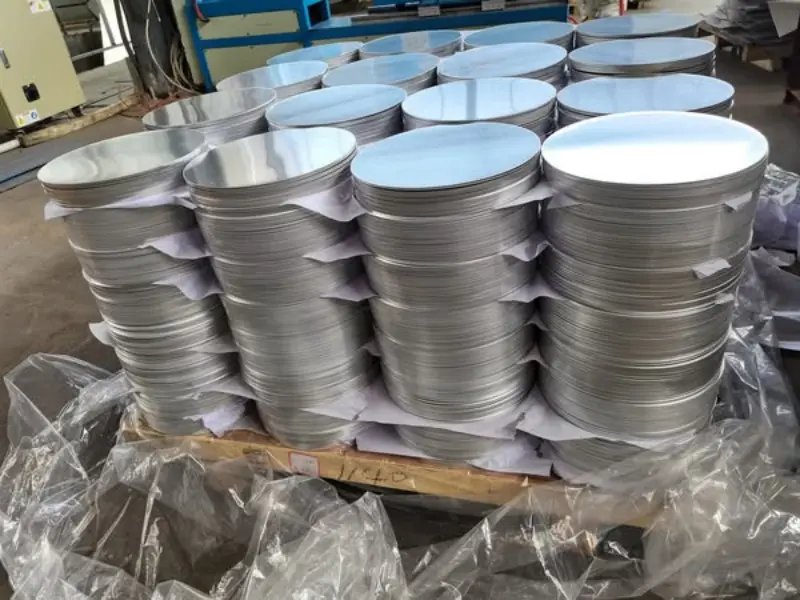
We use inter-layer paper or plastic film between each circle. Then, the stacks are secured on strong wooden pallets for international sea freight.