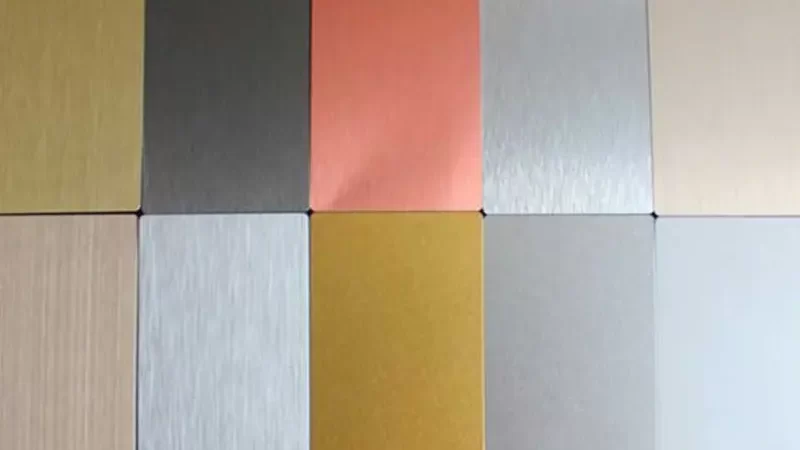
If you are searching for aluminum anodizing near me, you likely need a durable, high-quality finish for your metal parts. Aluminum anodizing is a popular electrochemical process. It converts the metal surface into a decorative, durable, and corrosion-resistant finish.
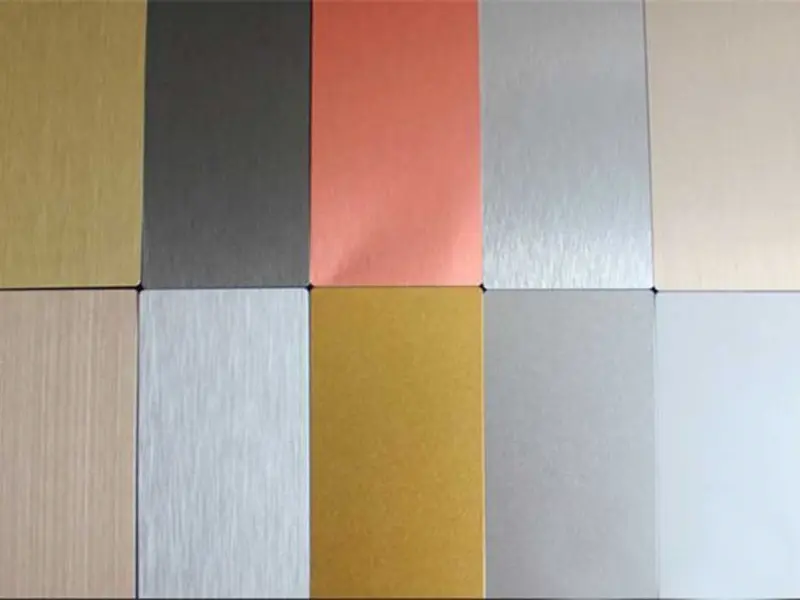
Common Types of Aluminum Anodizing
There are three primary types of anodizing defined by military and industrial standards. Each serves a different purpose, from decoration to heavy industrial use.
Table 1: Overview of Anodizing Types
| Type | Name | Process | Main Feature |
|---|---|---|---|
| Type I | Chromic Acid Anodizing | Chromic Acid | Thinnest layer, good for tight tolerances |
| Type II | Sulfuric Acid Anodizing | Sulfuric Acid | Great for colors and decoration |
| Type III | Hard Coat Anodizing | Low Temp / High Current | Extreme hardness and wear resistance |
Technical Specifications and Measurements
When choosing aluminum anodizing near me, you need to know the thickness required for your parts. Thickness is usually measured in microns (μm) or inches (in).
Table 2: Technical Specs by Type
| Specification | Type II (Decorative) | Type III (Hard Coat) |
|---|---|---|
| Thickness (microns) | 5μm to 25μm | 25μm to 100μm |
| Thickness (inches) | 0.0002″ to 0.001″ | 0.001″ to 0.004″ |
| Hardness (Rockwell C) | N/A | 50 to 70 |
| Surface Finish | Smooth / Shiny | Matte / Textured |
Key Benefits of Using Aluminum Anodizing
Why do so many industries look for aluminum anodizing near me? Here are the top reasons:
- Durability: The surface is much harder than the raw aluminum. It does not peel or flake.
- Corrosion Resistance: It protects the metal from moisture, salt, and chemicals.
- Color Stability: Anodized colors are UV resistant and do not fade easily in the sun.
- Aesthetics: It provides a premium, metallic look that painting cannot match.
- Electrical Insulation: The oxide layer is a non-conductive insulator.
Application Areas for Anodized Aluminum
Anodizing is used across almost every modern industry. Because it is versatile, you will see it in everything from your kitchen to outer space.
- Aerospace: Landing gear, hydraulic blocks, and structural frames.
- Automotive: Trim, wheels, engine components, and shift knobs.
- Consumer Electronics: Laptop cases (like MacBooks), smartphone frames, and heat sinks.
- Architecture: Window frames, roofing, and building facades.
- Medical Devices: Surgical instruments and orthopedic equipment (often color-coded).
- Sporting Goods: Flashlights, camping gear, and bicycle frames.
Why Choose a Local “Aluminum Anodizing Near Me” Provider?
Searching for a local shop is about more than just convenience. It impacts your bottom line and project quality.
1. Lower Shipping Costs
Aluminum parts can be heavy or bulky. Choosing a provider in your area reduces freight costs significantly.
2. Faster Turnaround Time
When you work with a local shop, you eliminate the days spent in transit. This is vital for “Just-In-Time” (JIT) manufacturing schedules.
3. Better Communication
If a part has a complex geometry, it is easier to visit the shop and discuss the masking requirements in person.
4. Supporting Local Economy
Working with a nearby business strengthens your local industrial community.
What is Aluminum Anodizing?
Anodizing is not like painting. It does not just sit on top of the metal. Instead, it integrates with the underlying aluminum. This process involves dipping the aluminum into an acid electrolyte bath and passing an electric current through it.
The result is a layer of aluminum oxide that is extremely hard. This layer protects the part from wear and tear. If you are looking for anodized aluminum services, understanding the different types is essential.
The Anodizing Process Step-by-Step
Understanding the workflow helps you prepare your parts before sending them to a shop.
- Cleaning: The part is degreased to remove oils and dirt.
- Etching: A light chemical bath removes a tiny layer of aluminum to create a uniform surface.
- Anodizing: The part is placed in the acid bath with electrical current.
- Coloring (Optional): The porous oxide layer absorbs dyes.
- Sealing: The pores are closed using hot water or chemicals to “lock in” the finish and color.
Understanding MIL-A-8625 Standards
If you are in the military or aerospace sector, you will often see the code MIL-A-8625. This is the gold standard for anodizing.
Table 3: MIL-A-8625 Classes
| Class | Description | Purpose |
|---|---|---|
| Class 1 | Non-Dyed | Natural metallic look |
| Class 2 | Dyed | Aesthetic colors (Black, Blue, Red, etc.) |
If your blueprint says “Type II, Class 2 Black,” it means you need a sulfuric acid anodize that is dyed black.
How to Prepare Your Parts for Anodizing
To get the best results from your aluminum anodizing near me search, follow these tips:
- Material Choice: Use 6061 or 7075 series aluminum for the best results.
- Remove Sharp Edges: Anodizing builds up on edges. Deburr your parts to prevent “chipping” on sharp corners.
- Specify Holes: Tell the shop if certain holes need to remain conductive. They will “mask” those areas.
- Clean Surfaces: While shops clean parts, avoiding heavy greases or permanent markers helps speed up the process.
Frequently Asked Questions (FAQ)
Q: Can all aluminum be anodized?
A: Most alloys can, but results vary. High-silicon alloys (like some die-casts) may turn gray or smutty.
Q: How much does aluminum anodizing cost?
A: Prices usually depend on the surface area, the type of anodizing, and the quantity. Many shops have a “minimum lot charge” for small orders.
Q: Does anodizing change the size of the part?
A: Yes. Roughly 50% of the layer grows into the surface and 50% grows outward. For Type III Hard Coat, this can be up to 0.002″ per side.
Aluminum anodizing near me
Finding the right aluminum anodizing near me is the key to a successful manufacturing project. Whether you need the decorative beauty of Type II or the industrial strength of Type III hard coat, local experts can provide the precision your parts deserve.
When you reach out to a provider, be sure to specify your alloy, the desired thickness in μm, and whether you need a specific color class. With the right partnership, your aluminum components will be protected for years to come.