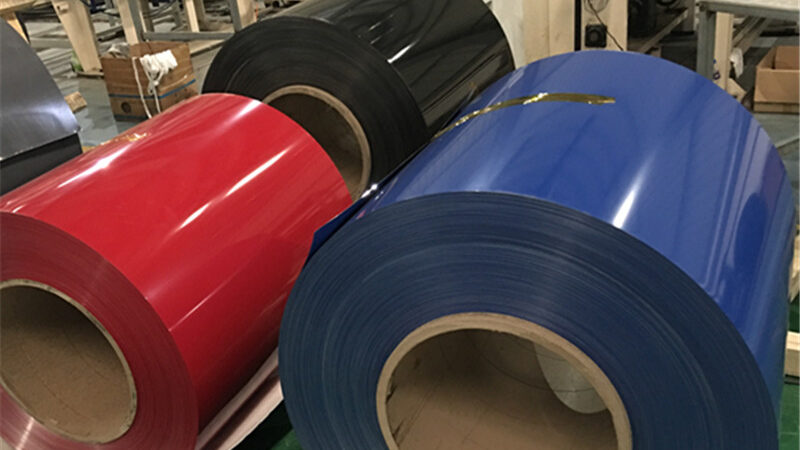
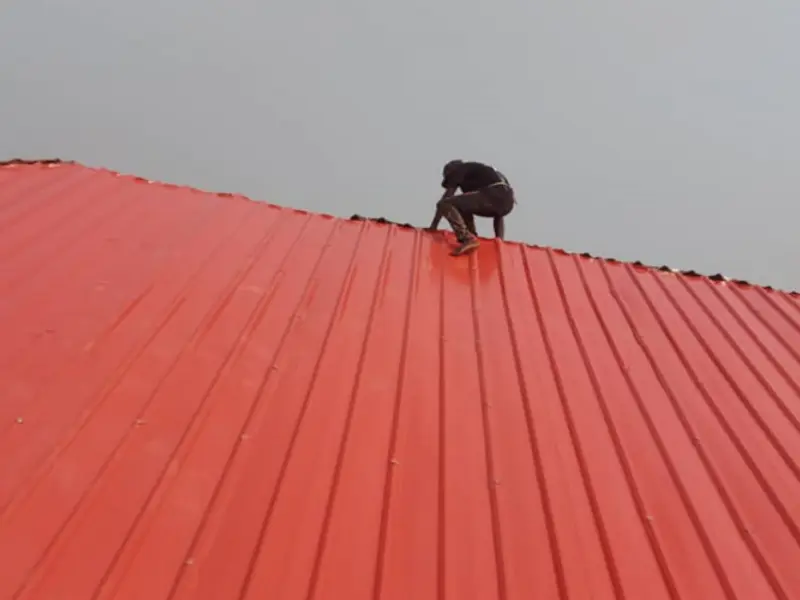
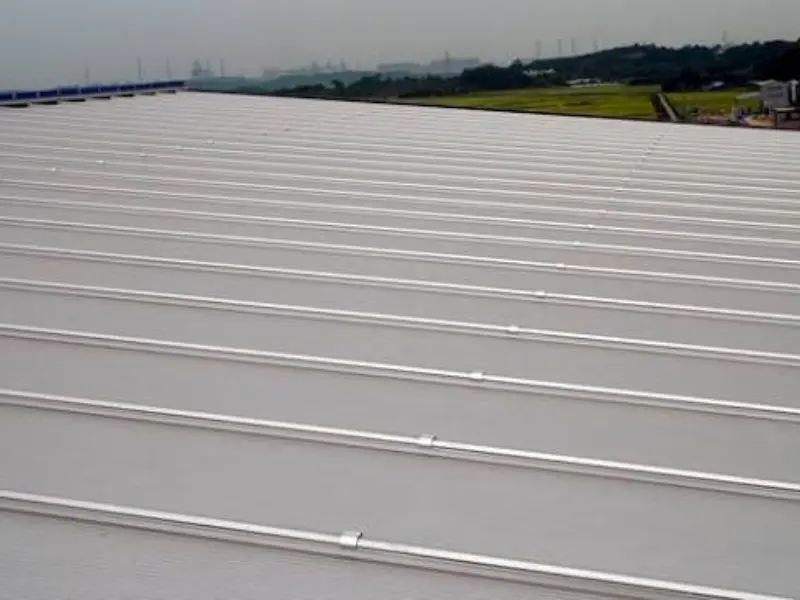
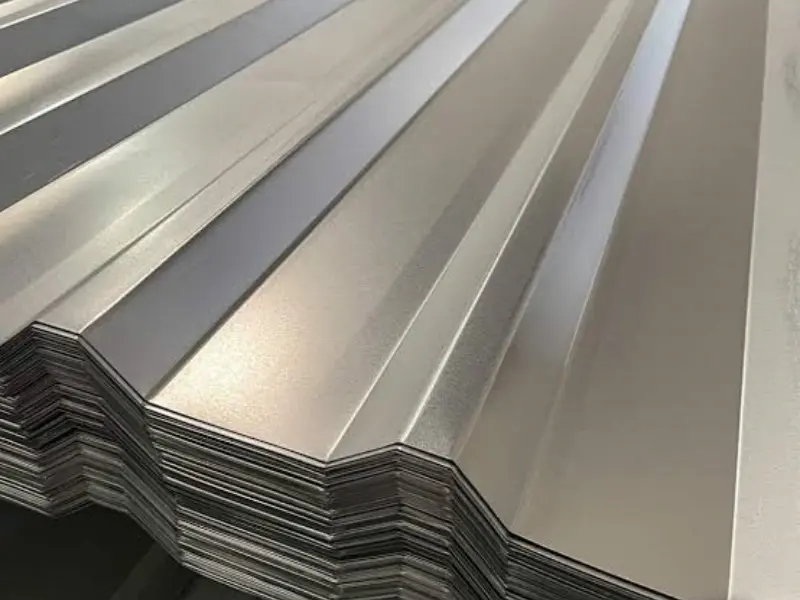
Aluminum coil for long span aluminum roofing has been used as a roofing material in the construction industry for over a hundred years. And it’s widely used in the construction industry.
Why Choose Aluminum Roofing Sheet?
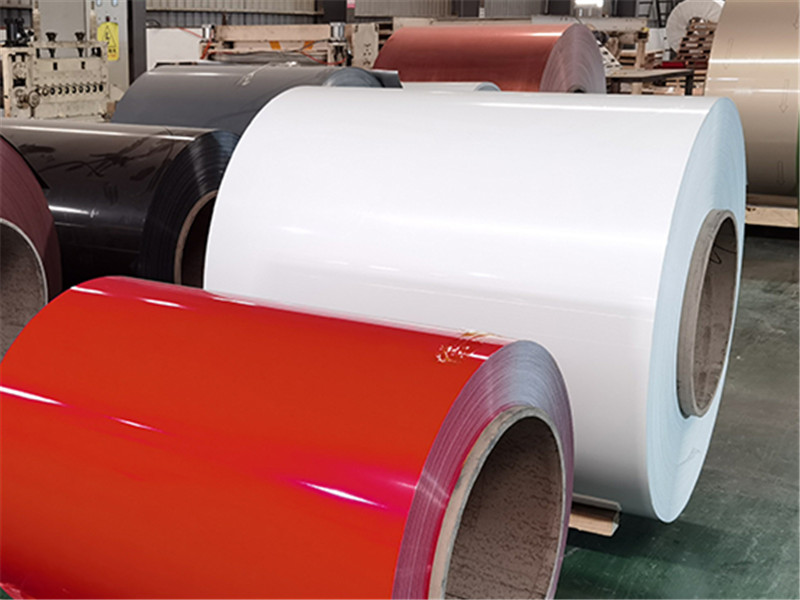
Al-Mg-Mn board is a very cost-effective roofing exterior wall material. It has many advantages such as corrosion resistance, beautiful appearance, light weight, high strength and easy processing. Therefore it’s very suitable for the processing of roof hemming and rolling equipment.
The surface of the aluminum plate in the air will produce an aluminum oxide film, which can protect the inner aluminum plate from further corrosion, so the Al-Mg-Mn metal plate material has excellent durability and chemical resistance.
With the development of individual needs of building facades, Al-Mg-Mn metal sheets combined with different coating processes present extraordinary vision.
Aluminum Roofing Sheet Characteristic
Excellent characteristics of aluminum magnesium manganese metal sheet
1. Light weight.
2. High strength.
3. Corrosion resistance.
4. Various surface techniques.
5. Good plasticity and easy processing.
6. Electrical conductivity.
7. Easy to install.
8. Environmentally friendly.
Why Aluminum Coil Works for Long Span Roofing
Long span aluminum roofing needs a material that is light, strong, and rust-free. Aluminum coil meets all three needs. It is about one-third the weight of steel. This makes it easy to lift and install over wide areas. It also puts less stress on the building frame.
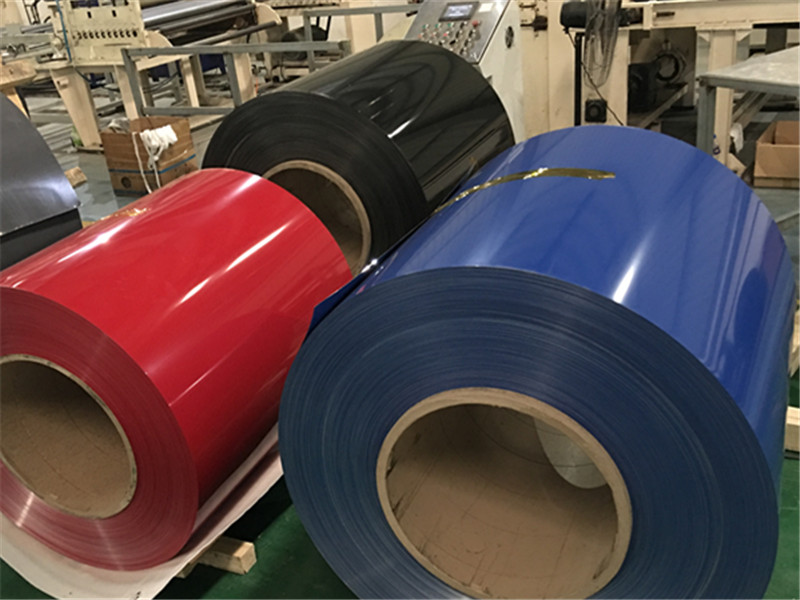
Aluminum forms a natural oxide layer. This layer stops rust and keeps the roof looking clean for decades. In coastal areas or places with heavy rain, this feature is a big advantage. The material also reflects heat. This helps keep indoor spaces cooler and lowers energy bills.
For long span projects, the coil format is ideal. Contractors can roll out long sheets with fewer joints. Fewer joints mean fewer leaks. The roof looks smoother and lasts longer.
Aluminum Coil Types for Roofing
3003 Aluminum Coil
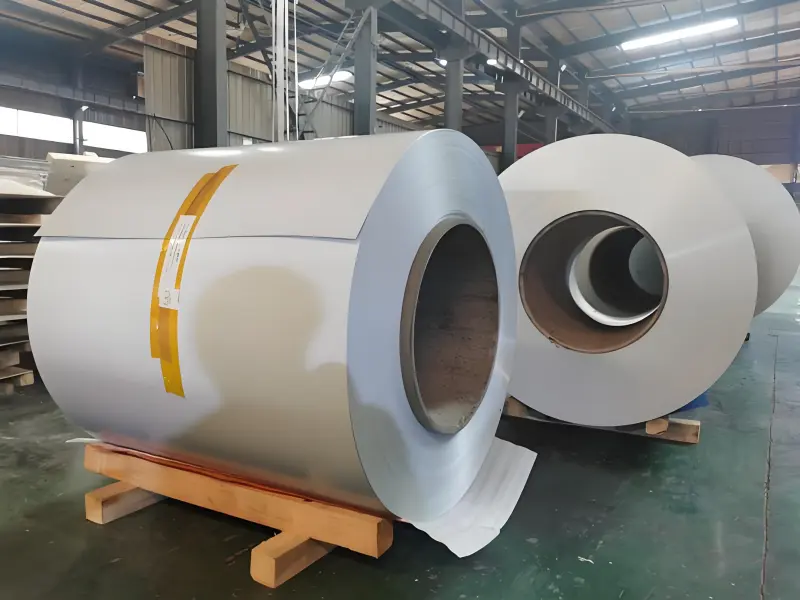
3003 is a popular choice for roofing. It contains manganese. This gives it good rust resistance and easy forming. The coil bends well into corrugated or standing seam profiles. It is also one of the more budget-friendly options.
Typical specs for 3003 roofing coil:
| Property | Value |
|---|---|
| Alloy | 3003 |
| Temper | H14, H24, H26 |
| Thickness | 0.4 mm – 1.2 mm |
| Tensile Strength | 140 – 205 MPa |
| Elongation | Up to 35% |
| Common Width | 1000 mm, 1200 mm, 1250 mm |
This alloy works well for residential and light commercial roofs. It is easy to weld and shape. If the project does not need extreme strength, 3003 is a solid pick.
3004 Aluminum Coil
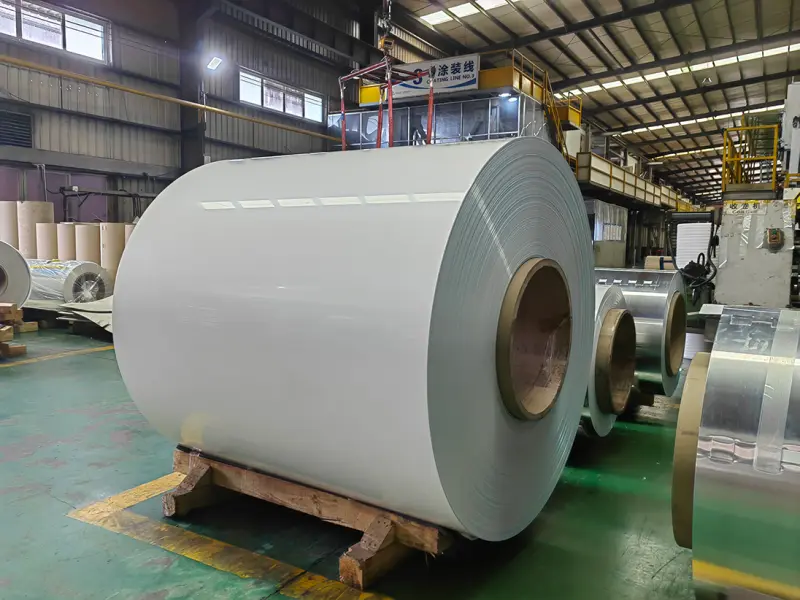
3004 is stronger than 3003. It has magnesium added. This makes it better for long spans and harsher weather. Many builders prefer 3004 for industrial or large commercial roofs.
Typical specs for 3004 roofing coil:
| Property | Value |
|---|---|
| Alloy | 3004 |
| Temper | H24, H26 |
| Thickness | 0.8 mm – 1.3 mm |
| Tensile Strength | 220 – 285 MPa |
| Elongation | Over 10% |
| Common Width | 1000 mm, 1200 mm |
The tensile strength of 3004 is about 45% to 57% higher than 3003. This means it can cover wider gaps without sagging. It also handles snow and wind loads better. The price is slightly higher, but the extra strength is worth it for big projects.
3105 Aluminum Coil
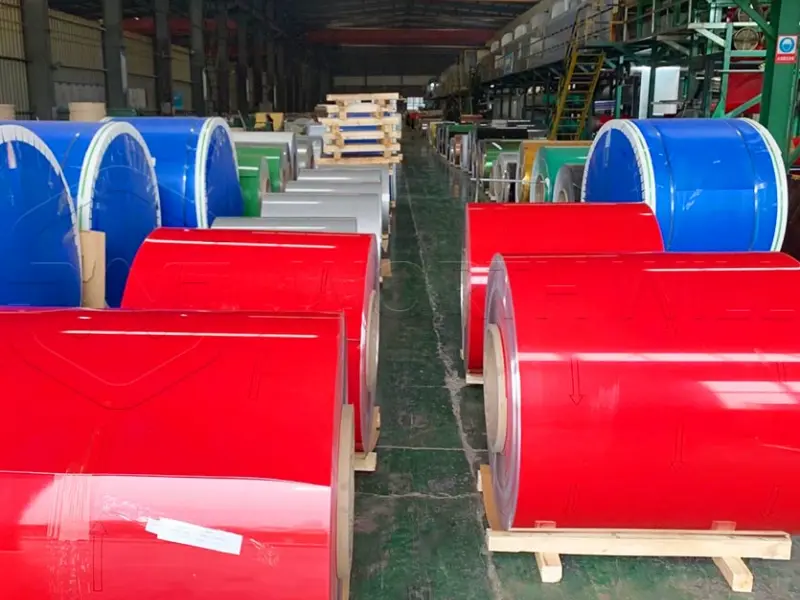
3105 is another option in the 3000 series. It has better strength than 3003 but is still easy to form. It takes paint well, so it is often used for pre-coated roofing coils.
Typical specs for 3105 roofing coil:
| Property | Value |
|---|---|
| Alloy | 3105 |
| Temper | H24, H26 |
| Thickness | 0.3 mm – 1.5 mm |
| Common Width | 600 mm – 1600 mm |
| Finish | Painted, Anodized, Mill |
This alloy is a middle ground. It is stronger than 3003 but costs less than 3004. For projects that need color-matched panels, 3105 is a good fit.
5052 Aluminum Coil
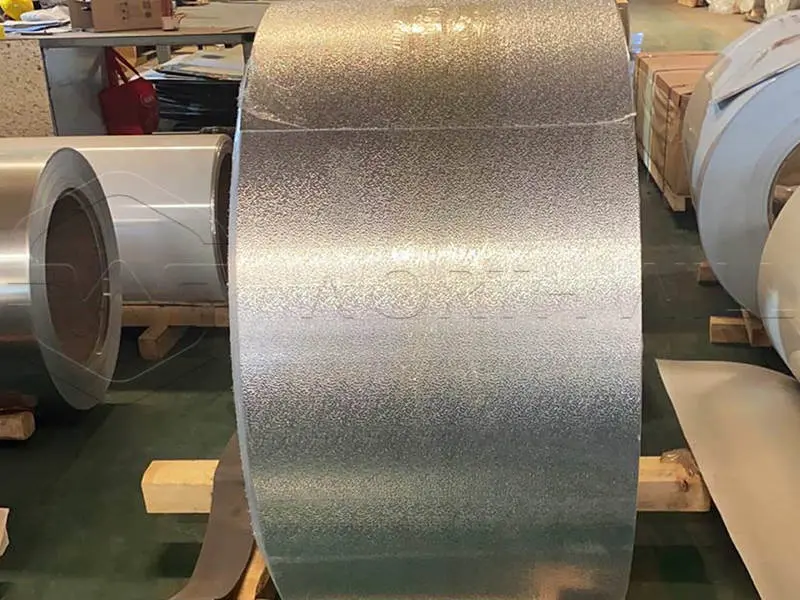
5052 is a 5000 series alloy. It has high magnesium content. This gives it excellent rust resistance, even in saltwater areas. It is stronger than 3003 but not as easy to bend.
Typical specs for 5052 roofing coil:
| Property | Value |
|---|---|
| Alloy | 5052 |
| Temper | H32, H34 |
| Thickness | 0.3 mm – 3.0 mm |
| Tensile Strength | 230 – 280 MPa |
| Yield Strength | 165 – 220 MPa |
| Common Width | 1000 mm – 2200 mm |
5052 is ideal for coastal roofs, chemical plants, or any place with harsh air. It costs more than 3003, but it lasts longer in tough conditions.
6061 Aluminum Coil
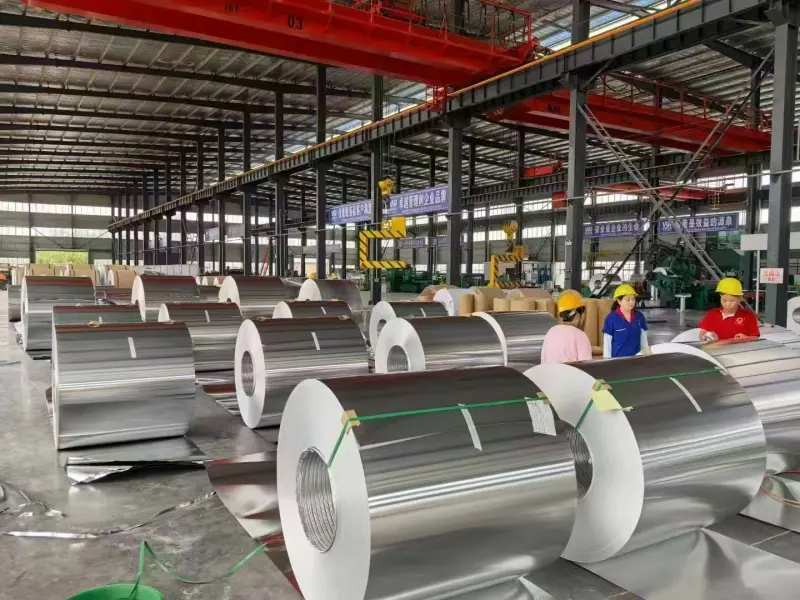
6061 is a 6000 series alloy. It is heat-treatable and very strong. It is not as common for roofing, but it is used for structural parts or frames that support the roof.
Typical specs for 6061 roofing support coil:
| Property | Value |
|---|---|
| Alloy | 6061 |
| Temper | T6 |
| Thickness | 0.5 mm – 7.0 mm |
| Tensile Strength | 310 MPa |
| Yield Strength | 276 MPa |
| Common Width | 20 mm – 2200 mm |
This alloy is overkill for simple roofing panels. But for long span trusses or frames, it is a top choice.
8011 Aluminum Coil
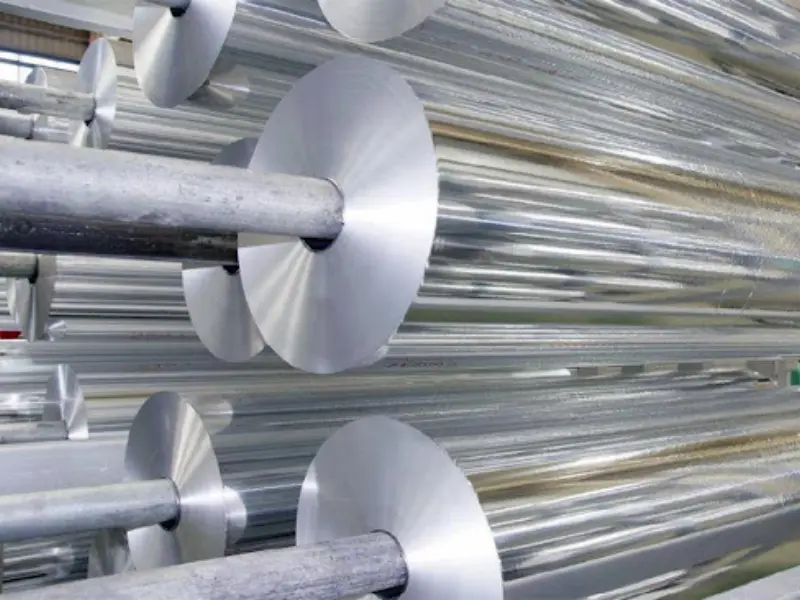
8011 is an 8000 series alloy. It is soft and easy to process. It is often used for ceiling panels or light siding. For roofing, it is less common unless the project needs very thin, decorative sheets.
Typical specs for 8011 roofing coil:
| Property | Value |
|---|---|
| Alloy | 8011 |
| Temper | O, H14, H24 |
| Thickness | 0.08 mm – 0.5 mm |
| Common Width | 1000 mm – 1600 mm |
| Typical Use | Ceiling, light cladding |
Coil Thickness and Gauge Guide
Thickness matters for long span roofing. Thicker coils handle more weight and wind. Thinner coils save money but may need more support.
| Thickness (mm) | Gauge (approx.) | Best For |
|---|---|---|
| 0.3 – 0.4 | 28 – 30 | Light duty, decorative, soffits |
| 0.5 – 0.6 | 26 – 28 | Standard residential roofing |
| 0.7 – 0.8 | 24 – 26 | Commercial roofing, moderate spans |
| 0.9 – 1.0 | 22 – 24 | Industrial roofing, heavy snow areas |
| 1.1 – 1.5 | 20 – 22 | Long span, high wind, structural use |
For standing seam aluminum roofs, the minimum thickness is often 0.032 inch (about 0.8 mm). For corrugated long span sheets, 0.5 mm to 0.7 mm is common.
Width and Coverage Options
Coil width affects how many seams the roof will have. Wider coils mean fewer seams and faster installation.
| Coil Width (mm) | Typical Cover Width (mm) | Profile Type |
|---|---|---|
| 1000 | 850 – 950 | Corrugated, trapezoidal |
| 1200 | 1000 – 1100 | Deep corrugated, long span |
| 1250 | 1050 – 1150 | Standing seam, concealed fix |
| 1500 | 1300 – 1400 | Wide span industrial |
Deep corrugated profiles need extra width for the wave shape. Always check the profile drawing before ordering coil width.
Surface Finishes for Roofing Coil
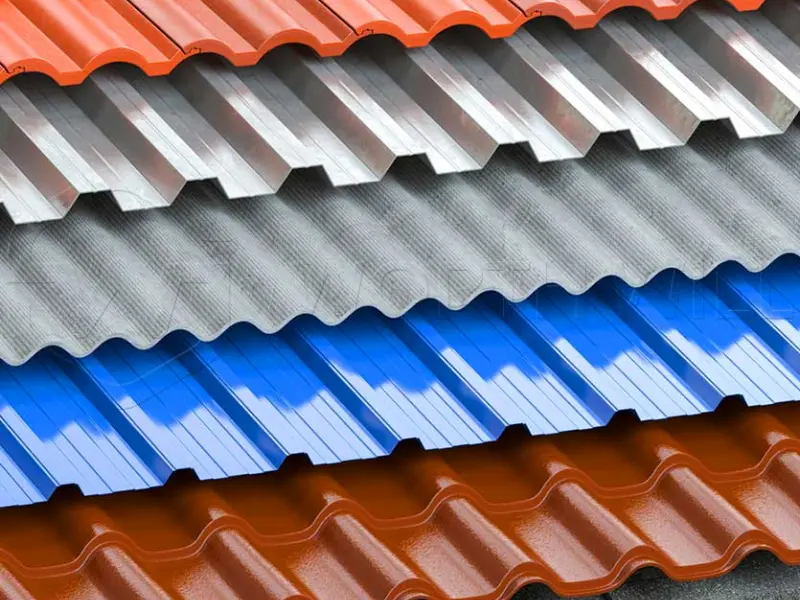
Mill Finish
Mill finish is the raw metal surface. It is plain silver-gray. It has no coating and is the cheapest option but may oxidize over time.
Anodized Finish
Anodizing adds a hard oxide layer. This layer is thicker than the natural one. It resists scratches and fading. Anodized coil is good for modern buildings that want a metallic look.
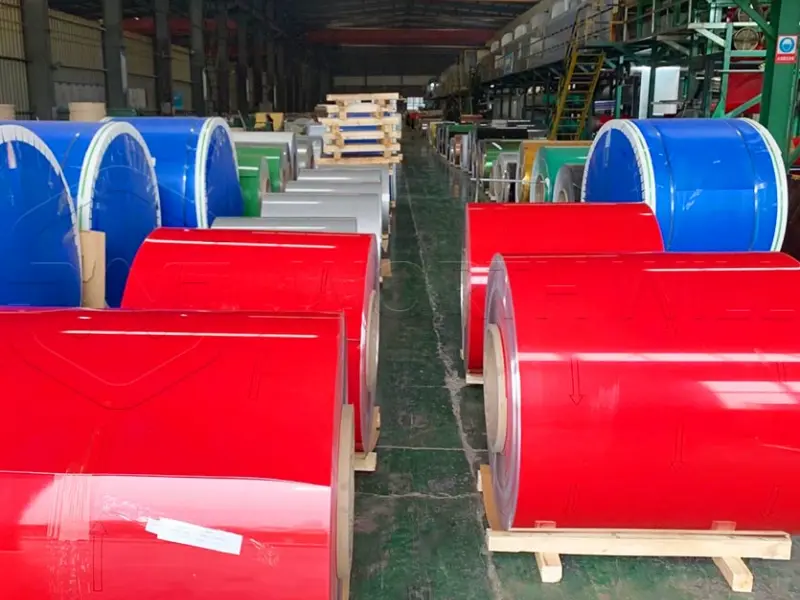
Pre-Painted Coil (PE Coating)
PE stands for polyester. This is a basic paint coating. It comes in many colors. It is budget-friendly and works for mild climates. Warranty is usually around 10 years.
PVDF Coating
PVDF is a high-grade fluorocarbon paint. It resists UV rays, chalking, and fading. It is the best choice for tropical or high-sun areas. Warranty can reach 15 to 25 years.
| Coating Type | Thickness (microns) | Warranty | Best Climate |
|---|---|---|---|
| PE (Polyester) | 18 – 25 | 5 – 10 years | Mild, dry |
| SMP (Silicone Modified Polyester) | 20 – 30 | 10 – 15 years | Moderate |
| PVDF (Fluorocarbon) | 22 – 30 | 15 – 25 years | Harsh sun, coastal |
| HDP (High Durable Polyester) | 25 – 35 | 20 – 40 years | Extreme weather |
Alloy Comparison for Roofing Projects
Choosing the right alloy depends on the job site and budget.
| Feature | 3003 | 3004 | 3105 | 5052 | 6061 |
|---|---|---|---|---|---|
| Strength | Low | Medium | Medium | High | Very High |
| Formability | Excellent | Good | Good | Moderate | Poor |
| Rust Resistance | Very Good | Very Good | Very Good | Excellent | Good |
| Weldability | Excellent | Good | Good | Excellent | Good |
| Cost | Low | Medium | Low-Medium | Medium-High | High |
| Best Use | Residential, budget | Commercial, long span | Painted panels | Coastal, marine | Structural frames |
For most long span roofing, 3004 offers the best balance. It is strong enough for wide gaps and still easy to form. If the budget is tight, 3003 is a safe backup. For coastal or chemical zones, 5052 is the safer bet.
Applications of Long Span Aluminum Roofing Coil
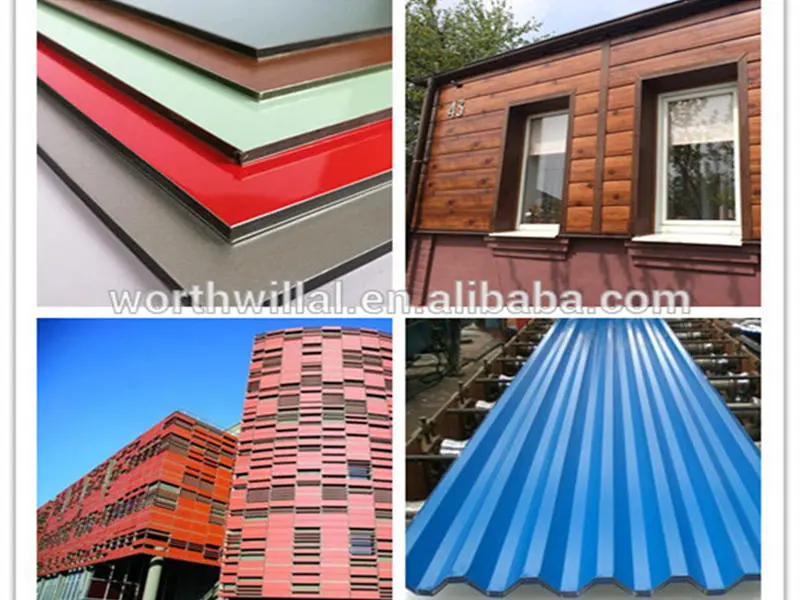
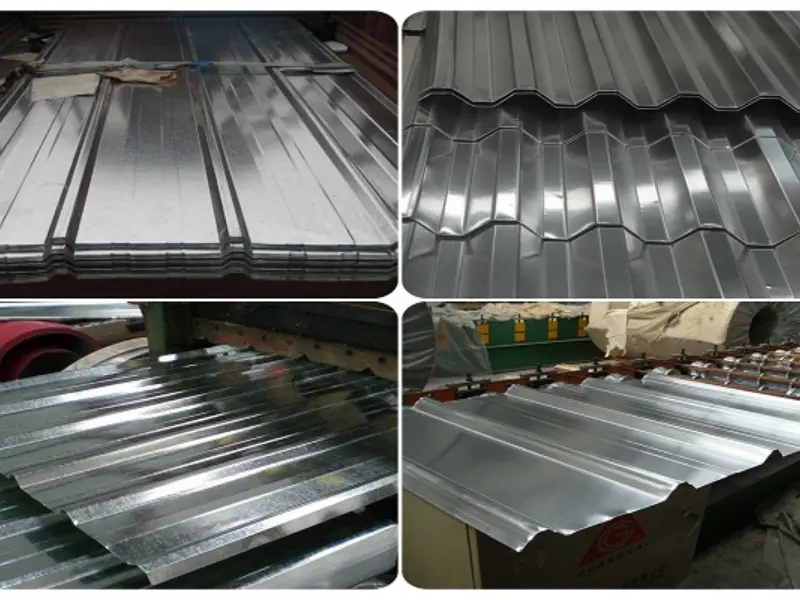
- Airport hangars – Wide, open spans with no internal columns
- Factory warehouses – Large floor areas needing clear roof space
- Sports arenas – Long roofs that cover wide seating areas
- Shopping malls – Flat or low-slope roofs with drainage needs
- Agricultural barns – Rust-free storage for grain or livestock
- Residential villas – Modern standing seam or tile profiles
- Coastal resorts – Salt air resistance for beachfront buildings
- Prefab modular homes – Lightweight panels for fast assembly
- Gutters and fascia – Matching coil for consistent trim
- Curtain wall systems – Non-structural cladding for high-rise facades
Long Span vs Standard Span Roofing
| Factor | Long Span Aluminum Roofing | Standard Span Roofing |
|---|---|---|
| Sheet length | 6 m to 12 m or more | 2 m to 4 m |
| Support spacing | 1.5 m to 3 m | 0.6 m to 1.2 m |
| Joint count | Very low | Higher |
| Labor time | Faster install | More seams to seal |
| Wind uplift risk | Lower (fewer gaps) | Higher (more fasteners) |
| Best alloy | 3004, 5052 | 3003, 3105 |
| Typical thickness | 0.7 mm – 1.2 mm | 0.4 mm – 0.7 mm |
Long span roofing saves labor. It also reduces leak points. The upfront material cost may be higher, but the total project cost often drops due to faster install and less maintenance.
How to Choose the Right Coil
Step 1: Check the Climate
Wet or coastal areas need 5052 or anodized 3004. Dry inland areas can use 3003 or 3105 with PE paint.
Step 2: Measure the Span
Wide gaps between supports need thicker, stronger coil. Use 3004 H26 or 5052 H32 for spans over 2 meters.
Step 3: Pick the Coating
High-sun areas need PVDF. Mild areas can use PE or SMP. Always match the coating warranty to the building lifespan.
Step 4: Set the Budget
3003 is the cheapest. 3004 is mid-range. 5052 and 6061 cost more but last longer in harsh sites.
Step 5: Order the Right Size
Check the roll forming machine specs. Order coil width that matches the profile tool. Order inner diameter (405 mm or 505 mm) that fits your decoiler.
Common Temper Designations
Temper tells you how hard the metal is and how it was treated.
| Temper | Meaning | Use Case |
|---|---|---|
| O | Soft, annealed | Deep drawing, complex shapes |
| H14 | Strain hardened, half hard | General forming, bending |
| H24 | Strain hardened, then partially annealed | Better formability than H14 |
| H26 | Strain hardened, quarter hard | Higher strength, still formable |
| H32 | Strain hardened, then stabilized | 5000 series, good balance |
| T6 | Solution heat treated, artificially aged | 6000 series, maximum strength |
For roofing, H24 and H26 are the most common. They offer enough strength for wind and snow but still bend into profiles without cracking.
FAQ
What is the best alloy for long span aluminum roofing?
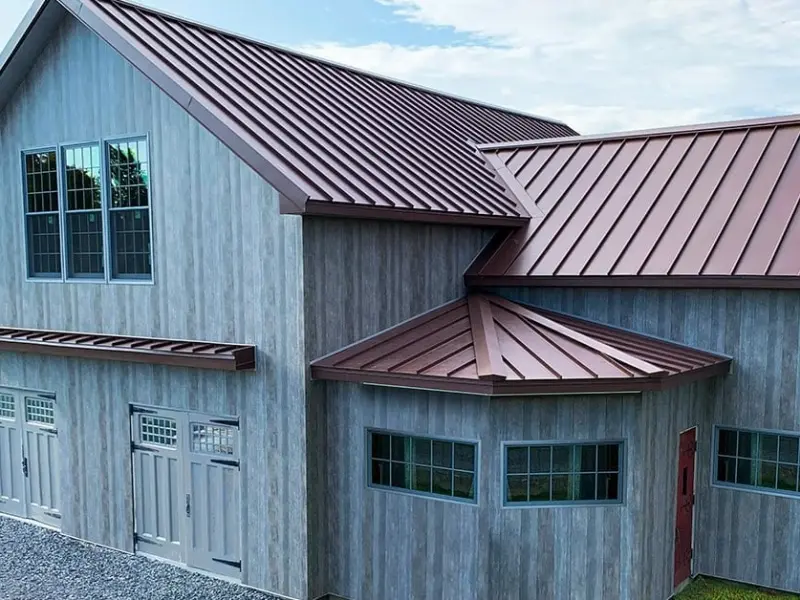
3004 is the top choice for most projects. It has higher strength than 3003 and handles wide spans well. For coastal areas, 5052 is better due to its salt resistance.
How thick should aluminum roofing coil be?
For long spans, 0.7 mm to 1.2 mm is typical. Standing seam roofs need at least 0.8 mm. Corrugated roofs can use 0.5 mm to 0.7 mm for shorter spans.
Can aluminum roofing coil be painted?
Yes. Pre-painted coils are common. PE paint is budget-friendly. PVDF paint lasts longer and resists fading. Both are applied at the factory before shipping.
Is aluminum coil more expensive than steel coil?
Yes, the upfront cost is higher. But aluminum lasts 30 to 50 years with little maintenance. Steel may need recoating or replacement sooner. Over time, aluminum often costs less.
Does aluminum roofing rust?
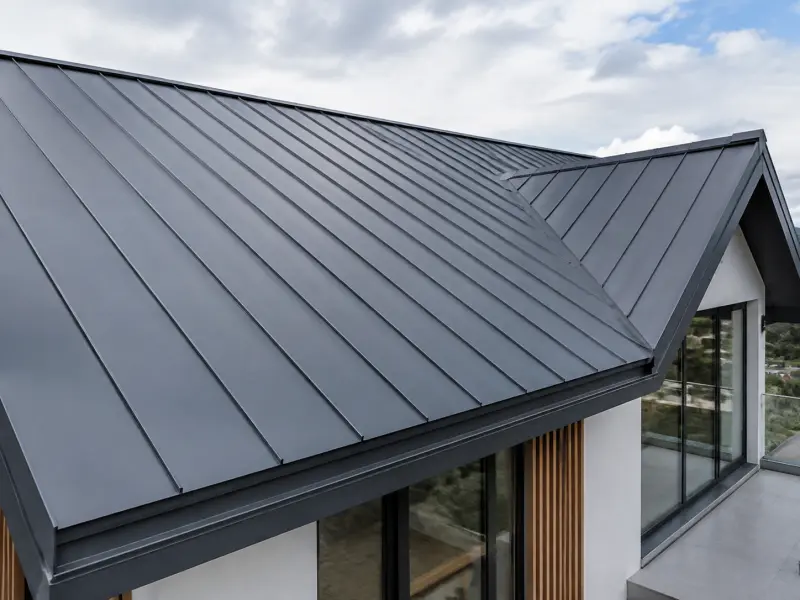
No. Aluminum does not rust like steel. It forms a white oxide layer that protects the metal. In very salty air, some pitting may occur, but 5052 or anodized finishes resist this well.
What coil width do I need?
It depends on the roof profile. A deep corrugated sheet with 850 mm cover width may need a 1000 mm to 1100 mm coil. Always add wave development and overlap to the cover width.
Can I use 3003 instead of 3004?
Yes, but only if the span is short and the loads are light. 3003 is softer. For long spans or heavy snow, 3004 is safer. The price gap is small compared to the strength gain.
What is the lifespan of aluminum roofing?
With proper coating, 30 to 50 years is normal. PVDF-coated 3004 or 5052 can reach 50 years in moderate climates. Mill finish may last 20 to 30 years before it looks dull.
Is aluminum coil recyclable?
Yes. Aluminum is 100% recyclable. Old roofing can be melted and reused. This makes it a green choice for builders who care about sustainability.
What standards should roofing aluminum coil meet?
Common standards include ASTM B209, EN 573, and GB/T 3880. Always ask for a mill test certificate to confirm alloy, temper, and mechanical properties.