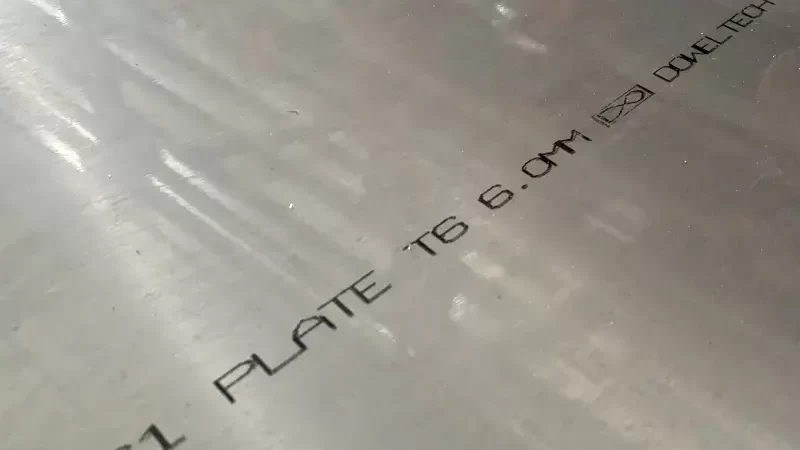
What Determines 6061 Aluminum Plate Price?
6061 aluminum plate price changes based on several factors working together. Raw aluminum cost on global metal markets is the biggest driver, but thickness, temper, surface finish, and order size all push the final number up or down. Buyers comparing quotes from different suppliers should look at the full picture, not just one number per pound.
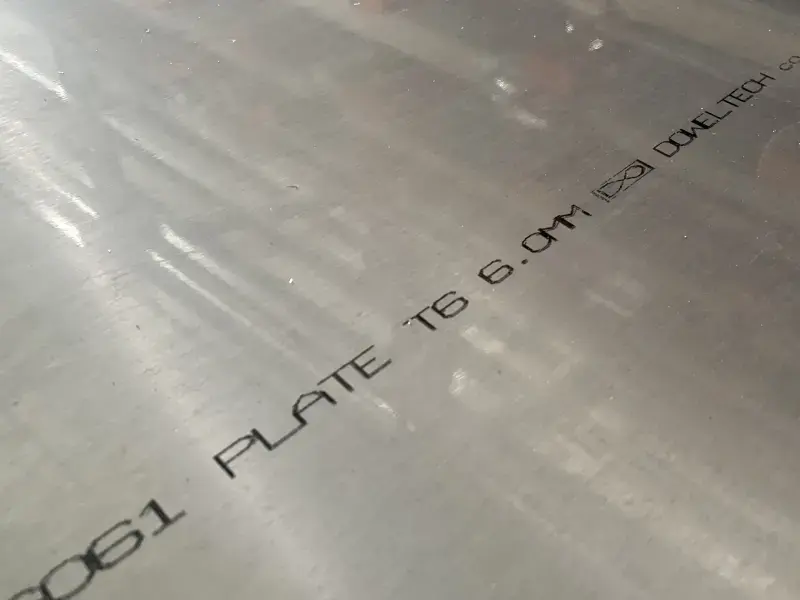
Current Price Range for 6061 Aluminum Plate
Pricing varies by region, order volume, and supplier type. The table below shows typical price bands for standard commercial-grade 6061 plate.
| Buyer Type | Typical Price Range (per lb) | Notes |
|---|---|---|
| US mill direct (5,000+ lbs) | $1.90–$3.20 | Best rate, large minimums required |
| National distributor | $2.40–$3.50 | Lower minimums, faster delivery |
| Retail / small quantity | $3.50–$6.00 | Highest per-pound cost, no minimums |
| Clean 6061 scrap | $0.65–$0.85 | Reprocessing needed, not mill-spec |
Mill direct purchases in the US average around $2.40 per pound, with prices ranging from $1.90 to $3.20 depending on region and supplier. Retail suppliers typically charge $3.50 to $6.00 per pound for small quantities.
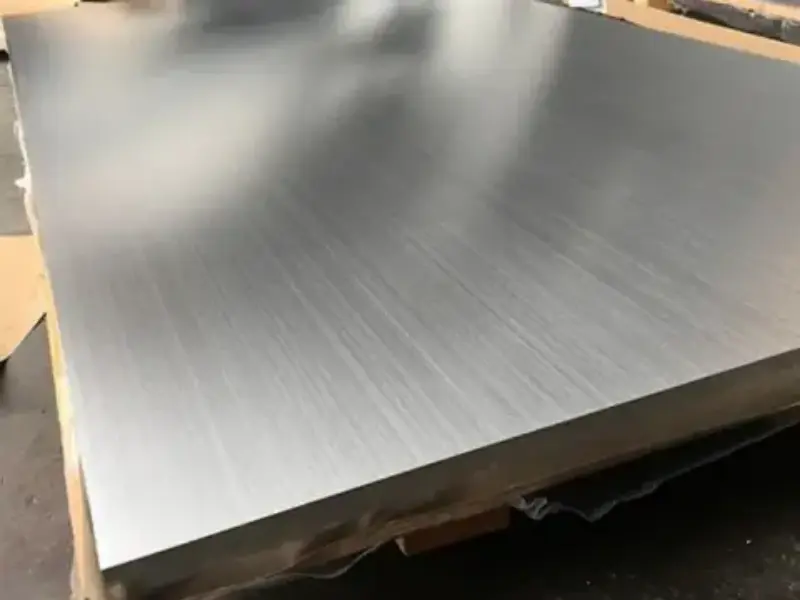
For buyers working in tons or kilograms, the typical price range for 6061 aluminum sits around $2 to $3 per pound as a general industry reference point.
Thickness and How It Changes the Price
Plate thickness is one of the strongest price factors. Thicker plate needs more processing time, more rolling passes, and extra handling.
| Thickness | Price Behavior |
|---|---|
| 1/4 inch (6.35 mm) | Baseline pricing, most common stock size |
| 1/2–1 inch | Moderate premium over thin plate |
| 1–2 inch | Noticeable premium for stress-relief processing |
| 2 inch and above | 40–50% higher per-pound cost than thin plate |
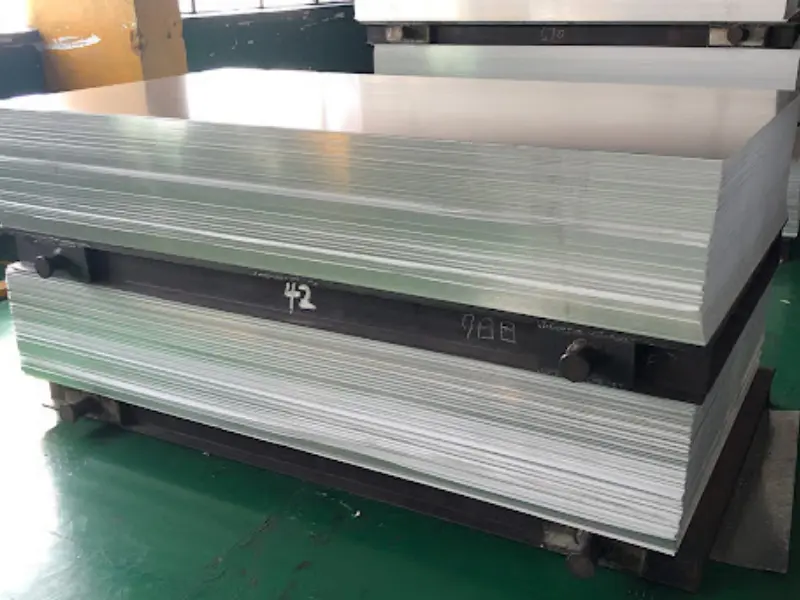
A quarter-inch thick 12-by-12-inch plate costs approximately $130 at current rates, while two-inch thick plate commands 40 to 50 percent higher per-pound costs due to processing complexity. Plates over one inch thick typically cost 20 to 40 percent more per pound because of specialized rolling equipment, longer processing times, and additional stress-relief treatments needed for dimensional stability.
Temper Options and Price Differences
T6 vs T651 Pricing
Both tempers start from the same base alloy, but the extra stretching step in T651 adds a small cost.
| Temper | Process | Price Impact |
|---|---|---|
| T6 | Solution heat treated, artificially aged | Standard base price |
| T651 | T6 + stress relieved by stretching | Small premium, better flatness |
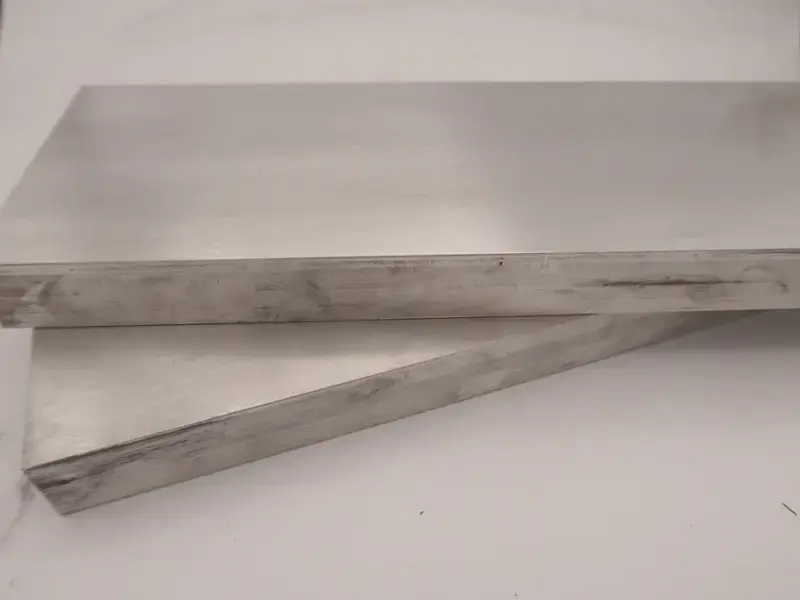
For most industrial buyers, the uplift for T651 over T6 sits somewhere in the band of 5 to 15 cents per pound, depending on mill and thickness. This small premium often pays off, since the stress-relief step reduces the risk of warping when the plate is later machined.
6061 vs Other Alloys: Price Comparison
| Alloy | Relative Price vs 6061 | Why |
|---|---|---|
| 3003 | 10–15% lower | Lower strength, fewer alloying elements |
| 5083 | Slightly higher | Marine-grade, magnesium content |
| 6061 | Baseline | Most common, all-purpose alloy |
| 7075 | 20–30% higher | Higher strength, zinc alloyed |
Standard alloys like 3003 cost 10 to 15 percent less than 6061, while high-strength 7075 costs 20 to 30 percent more. The choice between alloys often comes down to whether the project needs 6061’s balance of strength and weldability, or whether a cheaper or stronger alloy fits the budget and load requirements better.
Regional Price Differences
Where the plate is produced and purchased changes the final cost.
| Region | Price Position | Reason |
|---|---|---|
| China | Lowest base cost | Lower labor and energy cost, high production volume |
| United States | Higher than China | Labor, energy, and compliance cost |
| Europe | Mid-to-high | Energy cost and regulatory standards |
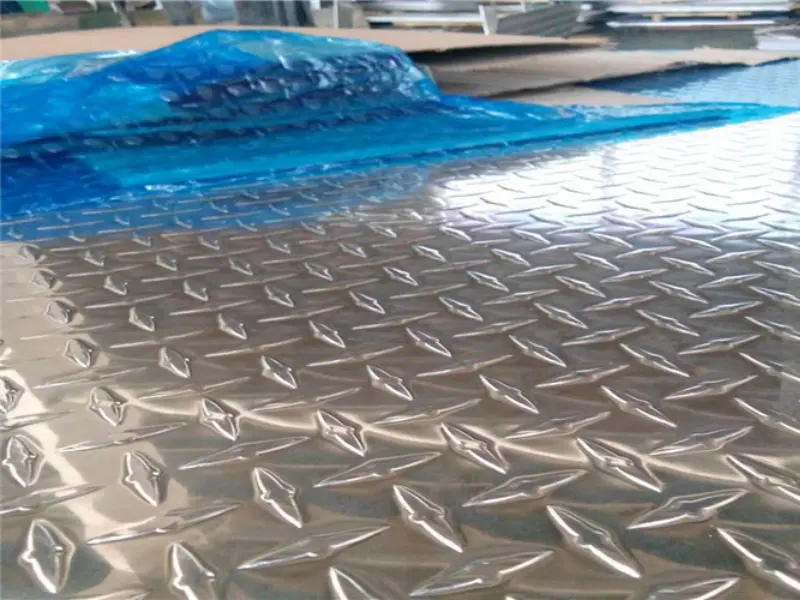
US pricing reflects higher labor costs, environmental compliance, and energy expenses, and current tariffs of 10 to 25 percent on Chinese aluminum also protect domestic pricing. Buyers sourcing from overseas mills need to factor in ocean freight, customs duties, and lead time on top of the quoted base price.

Product Types and Their Price Behavior
Standard Mill Plate
This is plate cut from standard mill sheet sizes, like 48.5 × 144.5 inches or 60.5 × 144.5 inches. Buying at these stock dimensions usually costs less per pound than custom-cut sizes, since the mill avoids extra cutting and scrap loss.
Custom Cut-to-Size Plate
Plate cut to a buyer’s exact dimensions costs more per pound. The supplier adds a cutting charge and accounts for material waste from the cut lines. This is common for machine shops ordering finished blanks rather than raw stock.
Tooling Plate
Tooling plate is processed for very tight flatness and low internal stress. It is used for tooling plate, architectural applications, transportation equipment, bridge railing components, and welded structural applications. Because of the extra flatness processing, tooling-grade plate typically costs more than standard structural plate of the same thickness.
Anodized 6061 Plate
Adding an anodized finish increases price because of the extra processing step. Different surface treatments and cutting methods will affect the final price, with processing fees covering cutting, surface treatment, and other steps. Anodizing adds both material handling time and chemical processing cost on top of the base plate price.
Machined or Drilled Plate
Plate that arrives pre-drilled, tapped, or partially machined costs more than raw flat stock. This saves the buyer in-house machining time but adds a labor charge to the per-pound price.
What Affects 6061 Aluminum Plate Price Over Time
- Raw aluminum ingot cost — tracks global commodity markets and shifts daily
- Energy prices — smelting and rolling are energy-intensive processes
- Trade policy and tariffs — import duties can shift regional pricing significantly
- Order volume — bulk orders unlock lower per-pound rates
- Processing complexity — thickness, temper, and finish all add cost layers
- Freight and logistics — distance from mill to buyer affects delivered cost
Bulk vs Small Order Pricing
| Order Size | Typical Pricing Behavior |
|---|---|
| Small (under 100 lbs) | Highest per-pound cost, retail pricing |
| Medium (100–5,000 lbs) | Distributor pricing, moderate discounts |
| Large (5,000+ lbs) | Mill direct pricing, best rate available |
Mill direct offers the best per-pound pricing but requires large minimums of 5,000 pounds or more and longer lead times, while medium-volume buyers do better targeting national distributors for competitive pricing with greater flexibility.
Where Price Quotes Come From
Mill Direct Pricing
Buying straight from the rolling mill gives the lowest base price, but minimum order quantities are high. This route suits manufacturers with steady, predictable volume needs.
Distributor Pricing
Metal distributors buy in bulk from mills and resell in smaller lots. Prices sit between mill direct and retail, with much lower minimums and faster turnaround for most standard sizes.
Retail and Online Pricing
Retail metal suppliers and online stores serve small buyers — hobbyists, small shops, and one-off projects. Prices are highest here, but no minimum order is required.
Scrap Pricing
Scrap yards in the US report 6061 aluminum scrap trading around $0.30 per pound at recent checks, far below virgin material cost. The Scrap is useful for melting and recycling but does not meet certification requirements for structural parts.
Application Areas Where Price Sensitivity Matters Most
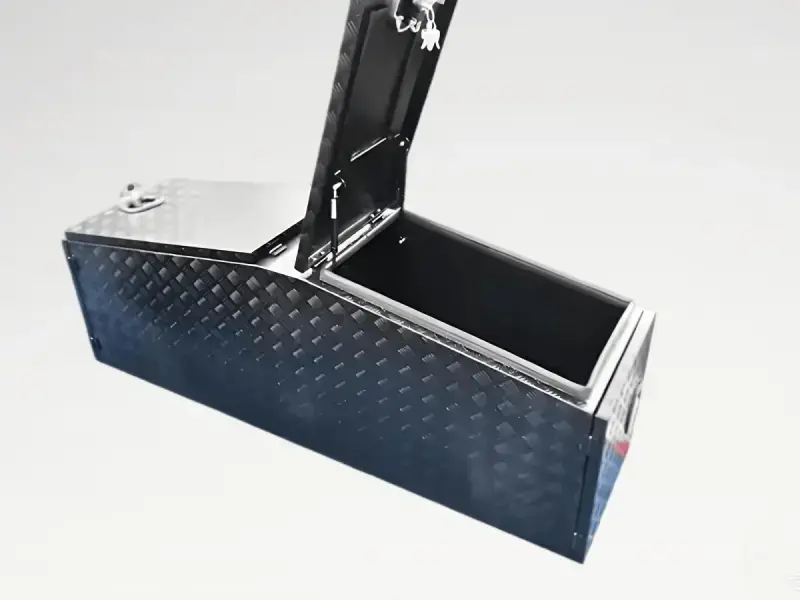
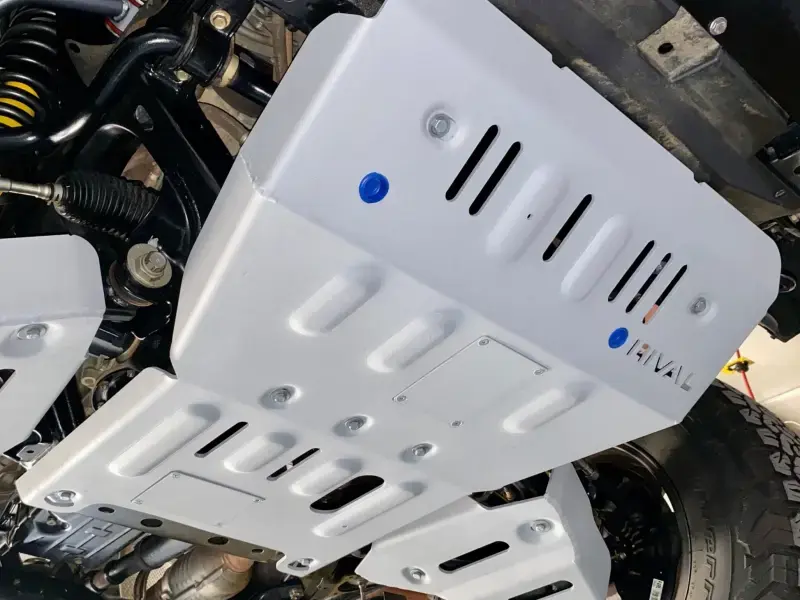
Aerospace & Transportation
- Aircraft structural components
- Truck and trailer frames
- Rail car parts
- Marine vessel components
Industrial & Tooling
- Machine base plates
- Jig and fixture plates
- Mold tooling
- Wear surfaces
Construction & Architecture
- Bridge railing components
- Architectural panels
- Structural framing
- Facade systems
General Fabrication
- Welded assemblies
- Custom machined parts
- Equipment frames
- Prototype builds
In high-volume industries like transportation and construction, a shift of just 20 cents per pound can flip a project’s margin from acceptable to unviable once volumes reach hundreds of tons, which is why buyers in these sectors track pricing closely and negotiate long-term supply agreements.
Frequently Asked Questions
What Is the Average Price of 6061 Aluminum Plate Per Pound?
The average mill direct price in the US runs around $2.40 per pound for orders over 1,000 pounds, though the broader market range typically falls between $2 and $3 per pound depending on supplier and region.
Why Does Thicker 6061 Plate Cost More Per Pound?
Thicker plate requires more rolling passes, longer processing time, and often extra stress-relief treatment to keep it flat. Plates over one inch thick generally cost 20 to 40 percent more per pound than thinner stock.
Is 6061 Cheaper Than 7075 Aluminum?
Yes. 7075 costs roughly twice as much per pound compared to 6061 in many cases, though the more commonly cited range puts the premium at 20 to 30 percent depending on supplier and form. 6061 remains the default choice for general fabrication unless extra strength justifies the higher cost of 7075.
Does Buying in Bulk Lower the Price of 6061 Plate?
Yes. Larger orders unlock better per-pound pricing, especially when buying mill direct. Bulk purchases usually enjoy price discounts, with the specific discount negotiated and determined with the supplier.
Why Are US Prices Higher Than Chinese Suppliers?
US pricing reflects higher labor costs, environmental compliance, and energy expenses, and current tariffs of 10 to 25 percent on Chinese aluminum also help protect domestic pricing. Many buyers still choose US mills for faster delivery and more consistent quality control.
What Is the Difference Between T6 and T651 Pricing?
T651 plate costs slightly more than T6 because of the added stretching step used to relieve internal stress. This premium typically falls between 5 and 15 cents per pound, but it often saves money overall by reducing distortion during machining.
How Much Does Scrap 6061 Aluminum Sell For?
Recent scrap yard data shows 6061 aluminum scrap trading around $0.30 per pound in the US, though other sources report a wider band of $0.65 to $0.85 per pound for clean, sorted scrap. Scrap value depends heavily on condition, sorting, and local market demand.
Does Surface Finish Affect the Price of 6061 Plate?
Yes. Processing fees cover cutting, surface treatment, and other steps, with different processes like anodizing and sandblasting adding extra cost. A mill-finish plate will always cost less than the same plate with anodizing or another surface treatment applied.
Are Quoted Prices the Same Everywhere?
No. Different procurement channels, production processes, and inventory levels mean suppliers can quote prices within a 5 to 10 percent floating range for what is otherwise the same material and specification. Comparing multiple quotes before ordering is a normal part of sourcing this material.