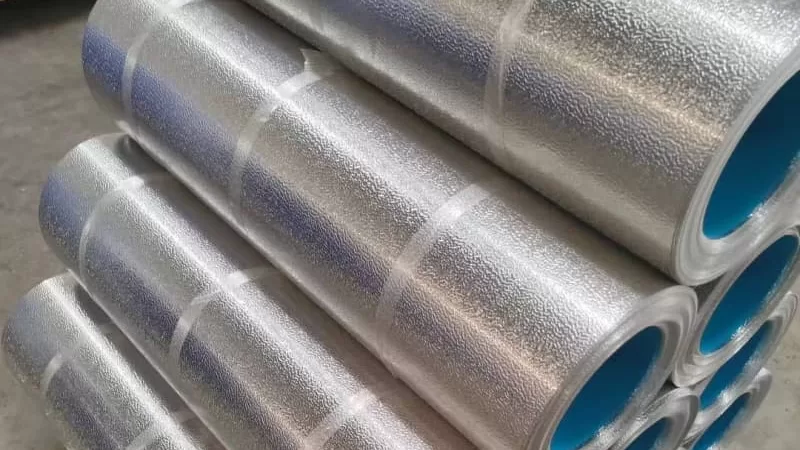
The stucco embossed aluminum jacketing is the top choice for most outdoor industrial jobs. The smooth aluminum jacketing works better where appearance and water runoff are the main concerns.
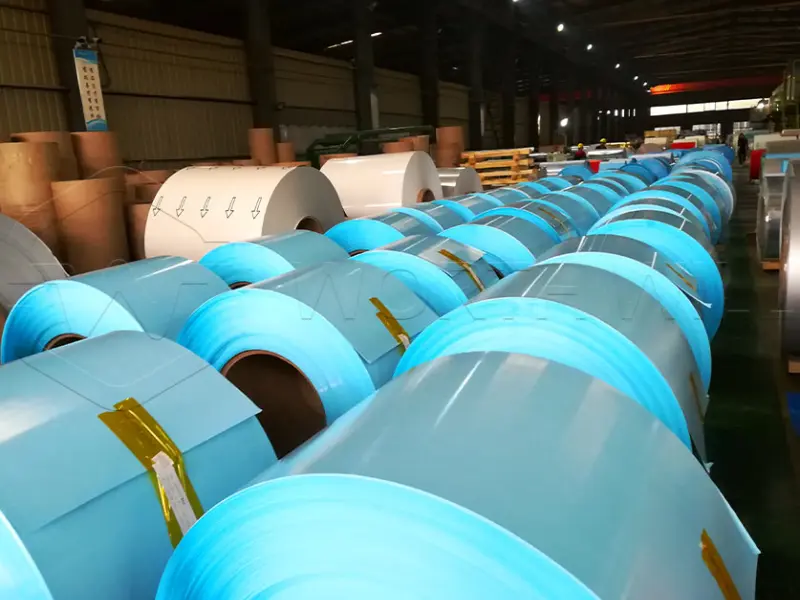
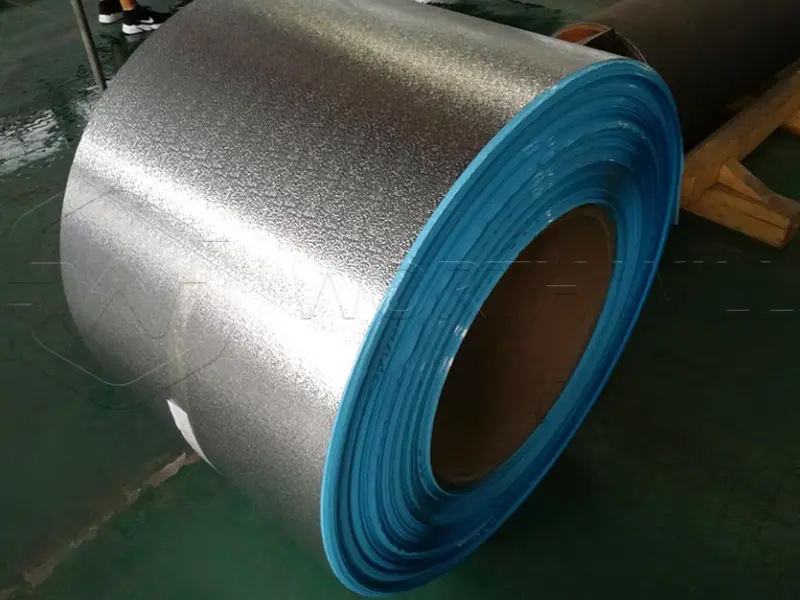
Stucco Embossed vs Smooth: Key Differences at a Glance
| Feature | Stucco Embossed Aluminum Jacketing | Smooth Aluminum Jacketing |
|---|---|---|
| Surface look | Dimpled, matte texture | Flat, reflective, mirror-like |
| Light reflection | Low, reduces glare | High, very reflective |
| Scratch hiding | Excellent, hides small damage | Poor, shows every mark |
| Rigidity | Higher, resists oil canning | Lower, can show waviness |
| Water shedding | Good | Excellent |
| Cost | Slightly higher | Lower |
| Aesthetic preference | Industrial, practical | Clean, modern |
| Best environment | High traffic, outdoor sun | Indoor, protected areas |
What Is Aluminum Jacketing?
Aluminum jacketing is a thin metal cover that protects insulation on pipes, tanks, and equipment. It shields the insulation from water, UV rays, and physical damage. The metal is light, strong, and does not rust. It is widely used in power plants, refineries, chemical plants, and commercial buildings.

Two main surface types exist: stucco embossed aluminum jacketing and smooth aluminum jacketing. Each has its own strengths. The right choice depends on your project needs, budget, and environment.
How the Stucco Pattern Is Made
The stucco embossing process presses a dimpled pattern into the metal surface. This pattern looks like orange peel or stucco plaster. The embossing adds strength without adding weight. It also breaks up light reflection, which reduces glare for workers.
Common Aluminum Alloys for Jacketing
The alloy affects strength, corrosion resistance, and price. Here is a comparison of alloys used in both stucco embossed aluminum jacketing and smooth aluminum jacketing.
| Alloy | Main Element | Strength Level | Corrosion Resistance | Best Use |
|---|---|---|---|---|
| 1060 | Pure aluminum | Low | Very good | Indoor ducts, low-stress pipes |
| 1100 | Pure aluminum | Low | Very good | General purpose, decorative |
| 3003 | Manganese | Medium | Excellent | Standard industrial pipes, tanks |
| 3004 | Manganese + Magnesium | Medium-High | Excellent | Harsh chemical environments |
| 3105 | Manganese | Medium | Excellent | Roofing, siding, outdoor use |
| 5005 | Magnesium | Medium-High | Excellent | Marine, coastal areas |
| 5052 | Magnesium | High | Superior | Heavy-duty, high-impact zones |
Temper and Hardness States
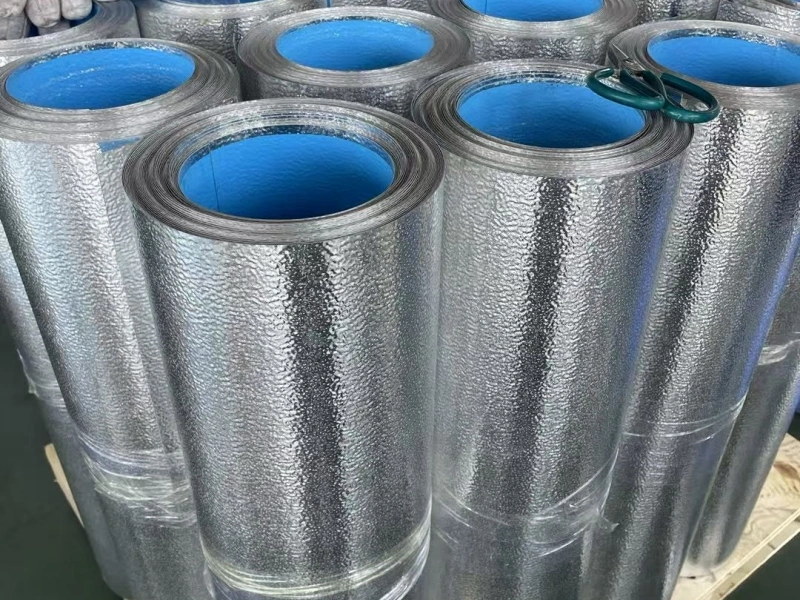
The temper code tells you how the metal was treated after rolling. This affects how easy the jacketing is to bend and shape around pipes and equipment.
| Temper Code | Description | Typical Use |
|---|---|---|
| H14 | Half hard, easy to form | Standard pipe wrapping, small tanks |
| H16 | Three-quarters hard, stiffer | Larger pipes, vertical tanks |
| H24 | Half hard, stable after forming | Outdoor systems, expansion areas |
| H26 | Three-quarters hard, very stable | High wind zones, seismic areas |
Most jacketing orders use H14 temper. It is soft enough to bend by hand or with simple tools but stiff enough to hold shape. For stucco embossed aluminum jacketing, H14 is the standard temper because the embossing itself adds extra rigidity.
Thickness Comparison Guide
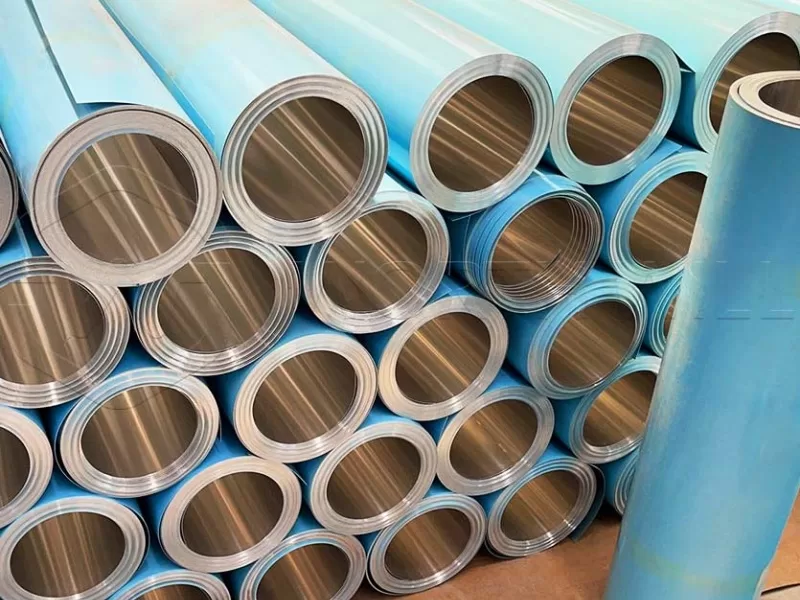
Thickness changes the protection level, weight, and cost. Here is a full range for both stucco embossed aluminum jacketing and smooth aluminum jacketing.
| Thickness | Weight per m² | Pipe Diameter Range | Best Application |
|---|---|---|---|
| 0.4 mm | ~1.1 kg | Below 914 mm (36″) | Small pipes, indoor ducts |
| 0.5 mm | ~1.4 kg | Below 914 mm (36″) | Standard pipes, light equipment |
| 0.6 mm | ~1.6 kg | 914 mm to 2.4 m | Medium pipes, vessels, tanks |
| 0.8 mm | ~2.2 kg | Above 2.4 m or special | Tank heads, heavy fabrication |
| 1.0 mm | ~2.7 kg | Above 2.4 m or special | High wind areas, mechanical abuse |
| 1.2 mm | ~3.2 kg | Flat surfaces, precipitators | Extreme conditions, flat ducts |
The 0.5 mm and 0.6 mm options are the most popular for standard pipe insulation. For stucco embossed aluminum jacketing, 0.6 mm is often preferred because the embossing adds strength to the thinner metal. For smooth aluminum jacketing on large tanks, 0.8 mm or 1.0 mm prevents waviness.
Standard Widths and Roll Lengths
Jacketing comes in coils or cut sheets. Standard sizes help reduce waste and speed up installation.
| Width | Common Use | Roll Length |
|---|---|---|
| 914 mm (36″) | Standard pipe, US market | 30 m, 60 m, or custom |
| 1000 mm (39.4″) | European projects, general use | 30 m, 60 m, or custom |
| 1219 mm (48″) | Large tanks, wide equipment | 30 m, 60 m, or custom |
| Custom up to 1600 mm | Special fabrications | Per order |
Most suppliers stock 914 mm and 1219 mm widths. The 914 mm width matches common pipe circumferences and reduces cutting. For smooth aluminum jacketing on flat surfaces, wider rolls mean fewer seams.
Moisture Barrier Options
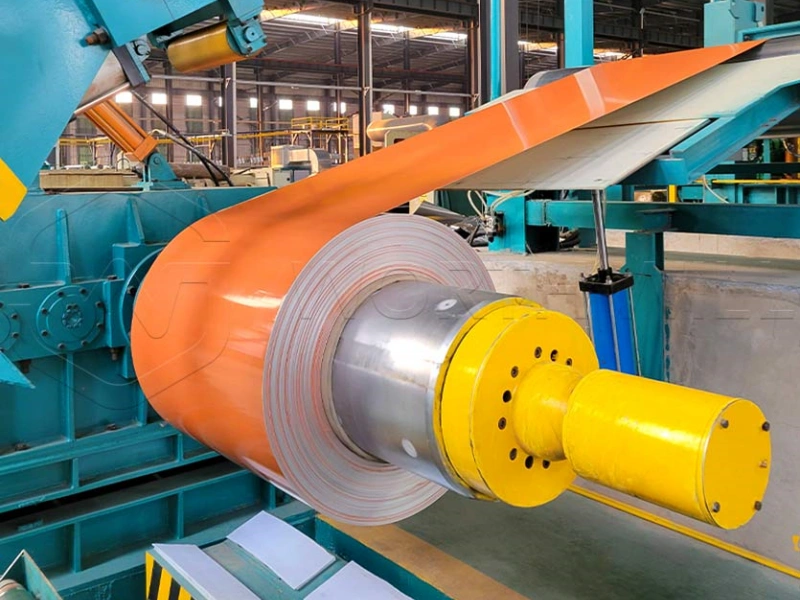
A moisture barrier is a thin layer bonded to the inside of the jacketing. It stops water from reaching the insulation and the pipe surface. This prevents corrosion under insulation (CUI).
| Barrier Type | Thickness | Material | Best For |
|---|---|---|---|
| Polysurlyn (PSMB) | 3 mil (76 micron) | Polyethylene + Surlyn | High moisture, chemical plants |
| Polyfilm (PFMB) | 3 mil (76 micron) | Polyethylene film | General industrial use |
| Polykraft | 4-6 mil | Polyethylene + kraft paper | Budget projects, low moisture |
| Plain (no barrier) | None | None | Indoor dry areas, temporary |
Polysurlyn is the premium choice. It resists tears, punctures, and chemical attack. It does not decompose until 210°C. For stucco embossed aluminum jacketing with PSMB, the factory heat-laminates the barrier to the metal. This ensures no gaps or bubbles.
Product Type Showcase
Standard Stucco Embossed Aluminum Jacketing Coil

This is the most ordered product. It comes in 3003 H14 alloy with 0.5 mm or 0.6 mm thickness. The stucco pattern hides scratches from tools and foot traffic. It is ideal for outdoor pipe racks, refinery units, and power plant piping. The low glare reduces eye strain for workers in sunny conditions.
Smooth Aluminum Jacketing Coil
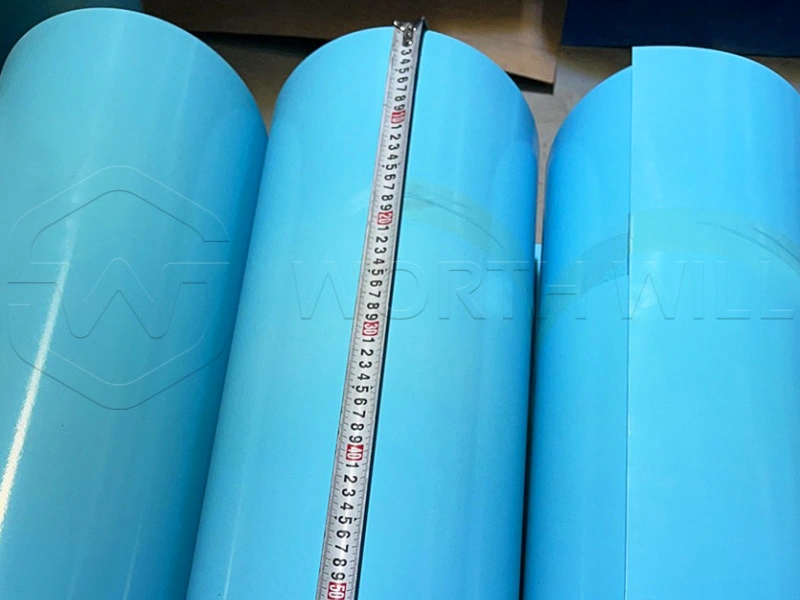
The smooth aluminum jacketing gives a clean, bright appearance. It is often used in food plants, pharmaceutical facilities, and clean rooms where hygiene and looks matter. The smooth surface is easier to wipe down. However, it shows every dent and requires careful handling during install.
Corrugated Aluminum Jacketing
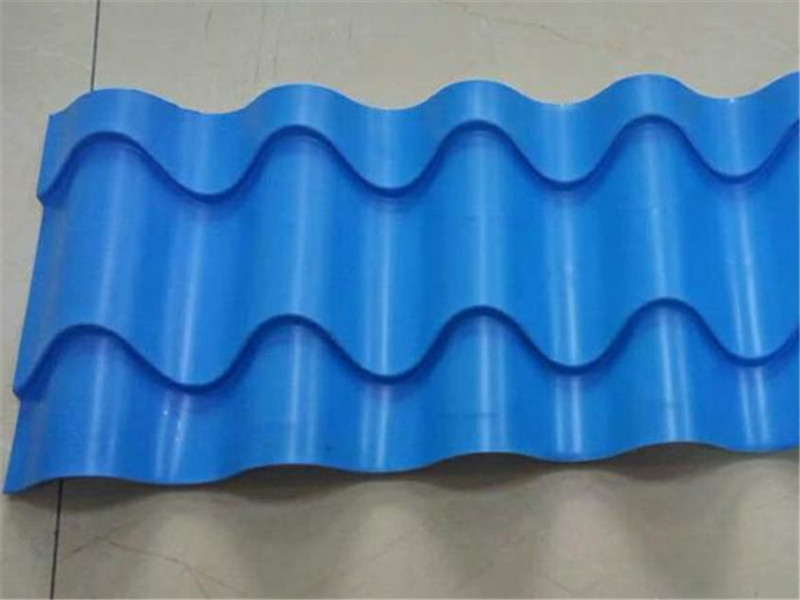
This finish has parallel grooves running lengthwise. The 3/16″ corrugation adds strength and allows the metal to expand and contract with temperature changes. It is used on long straight pipes and large tanks. The corrugated pattern also hides damage better than smooth but less than stucco.
Deep Corrugated Sheet
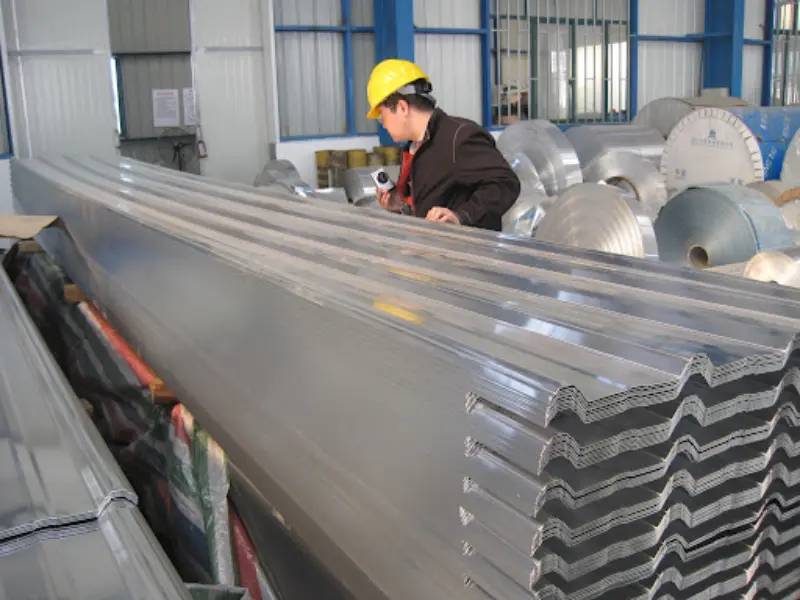
For very large tanks and vessels, deep corrugated sheets span farther between supports. They are rigid and handle wind loads well. These are not coils but prefabricated sheets. Both stucco embossed aluminum jacketing and smooth aluminum jacketing can be ordered in deep corrugated form.
Box-Rib Aluminum Jacketing
This has a series of raised ribs across the sheet. It is very rigid and used for flat surfaces like tank roofs and duct sides. The ribs stop oil canning completely. It is available in smooth finish only.
Stucco Embossed with Polysurlyn Moisture Barrier
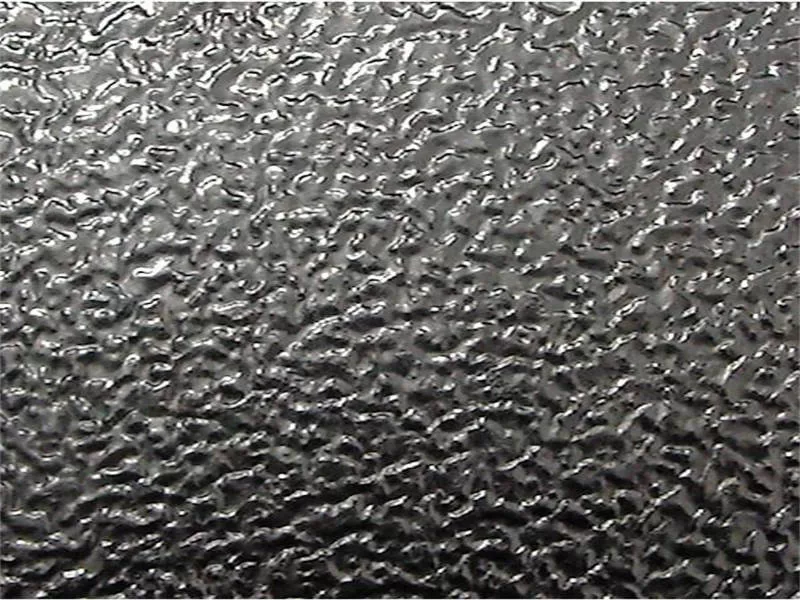
This combines the scratch-hiding stucco pattern with the best moisture barrier. It is the standard for offshore platforms, chemical plants, and coastal refineries. The PSMB stops galvanic corrosion between the aluminum and steel pipe.
Smooth with Polykraft Moisture Barrier
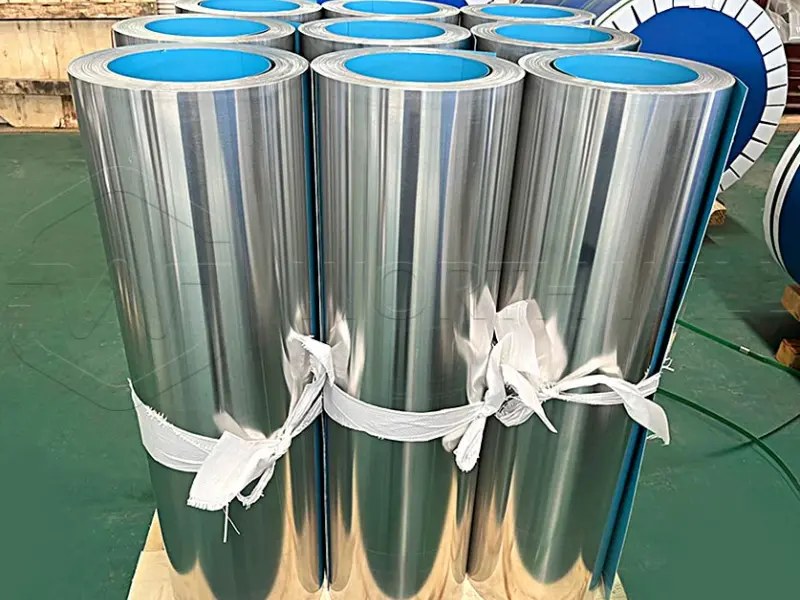
A budget option for indoor use. The polykraft barrier is cheaper than polysurlyn. It works where moisture exposure is low. The smooth aluminum jacketing with polykraft is common in HVAC ductwork and chilled water pipes.
Pre-Cut Stucco Embossed Sheets
Some suppliers cut jacketing to exact lengths before shipping. This saves time on site. Sheets are cut for standard pipe sizes, tank heads, and valve covers. The stucco embossed aluminum jacketing is easier to pre-cut because the pattern hides minor edge imperfections.
Fabricated Fittings and Elbows
Custom shapes for pipe bends, tees, and flanges. These are spun or stamped from flat sheets. Both stucco embossed aluminum jacketing and smooth aluminum jacketing can be fabricated into fittings.
Application Areas for Aluminum Jacketing

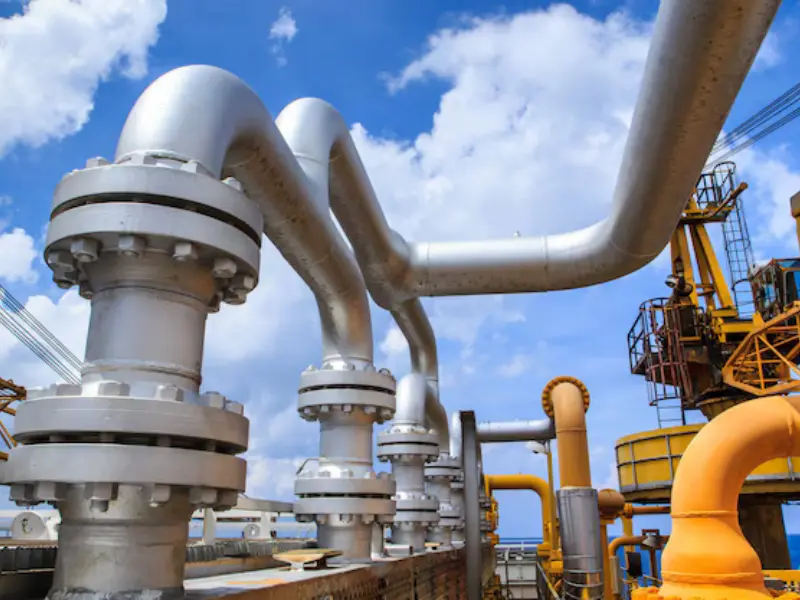
Both types of jacketing serve many industries. Here are the main uses:
- Oil and gas refineries: Pipe racks, distillation towers, storage tanks
- Power plants: Steam pipes, boiler insulation, turbine exhaust
- Chemical plants: Process piping, reactor vessels, heat exchangers
- Petrochemical: Ethylene crackers, LNG terminals, loading lines
- HVAC systems: Chilled water pipes, ductwork, air handlers
- Food processing: Clean pipe lines, tank insulation, hygiene zones
- Pharmaceutical: Sterile piping, clean room equipment, tank farms
- Pulp and paper: Digester insulation, liquor lines, recovery boilers
- Marine and offshore: Platform piping, ship hull insulation, loading arms
- Commercial buildings: Roof insulation, facade cladding, mechanical rooms
Comparison: Stucco Embossed vs Smooth in Real Conditions
| Condition | Stucco Embossed Aluminum Jacketing | Smooth Aluminum Jacketing |
|---|---|---|
| Direct sunlight | Low glare, worker-friendly | High glare, requires shading |
| Tool drops and impacts | Hides small dents easily | Shows every dent and scratch |
| Rain and snow runoff | Good, texture breaks surface tension | Excellent, flat surface sheds fast |
| Walking on pipes | Better grip, safer | Slippery when wet |
| Coastal salt air | Same alloy performance | Same alloy performance |
| Chemical splashes | Texture may trap residue | Easier to rinse clean |
| Long-term appearance | Consistent, aged look | Can look worn if damaged |
| Installation speed | Slightly slower, needs alignment | Faster, no pattern to match |
| Cost per square meter | $2–$4 higher | Lower base price |
For outdoor industrial sites, stucco embossed aluminum jacketing is the practical choice. For indoor clean environments, smooth aluminum jacketing gives a better look.
Comparison: Alloy Performance in Harsh Environments
Different alloys handle tough conditions differently.
| Test Condition | 3003 Alloy | 5005 Alloy | 5052 Alloy |
|---|---|---|---|
| Salt spray (ASTM B117) | 1000+ hours | 2000+ hours | 3000+ hours |
| Acid rain resistance | Good | Very good | Excellent |
| UV stability | Very good | Excellent | Excellent |
| Formability | Excellent | Good | Moderate |
| Weldability | Good | Good | Moderate |
| Price per kg | Low | Medium | Higher |
For standard inland plants, 3003 alloy is sufficient. For coastal or offshore projects, 5005 or 5052 alloy is the safer long-term choice.
Packaging and Shipping
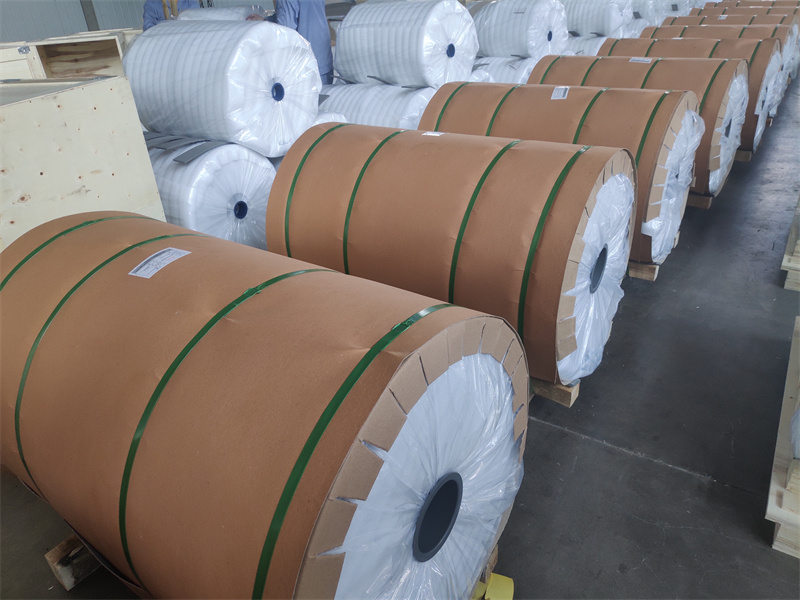
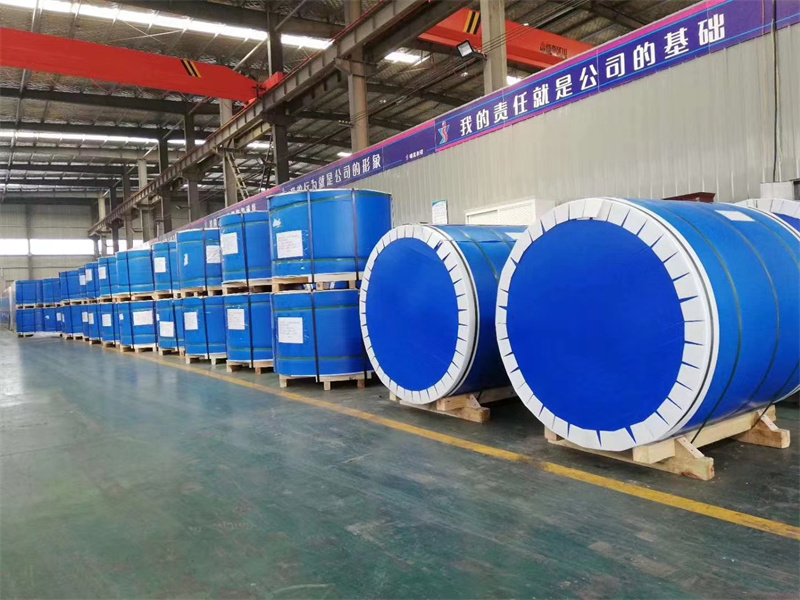
Proper packing protects jacketing during transport.
| Packing Item | Purpose |
|---|---|
| Eye-to-sky coil orientation | Easy forklift handling |
| Wooden pallet | Structural support |
| Steel banding | Secures coil on pallet |
| Plastic wrap | Protects from moisture and dust |
| VCI paper (optional) | Prevents corrosion during shipping |
| Moisture barrier bag | Extra protection for long transit |
Standard export packing uses wooden pallets with steel bands. For stucco embossed aluminum jacketing, the plastic wrap prevents the texture from picking up dirt.
How to Choose Between Stucco Embossed and Smooth
Use this simple checklist:
- Will the jacketing face direct sunlight? If yes, stucco embossed aluminum jacketing reduces glare.
- Will workers walk on or near the pipes? If yes, stucco hides foot traffic damage.
- Is the location indoors with clean room requirements? If yes, smooth aluminum jacketing is better.
- Is budget the main driver? If yes, smooth aluminum jacketing costs less.
- Is the pipe diameter small (under 300 mm)? If yes, stucco is easier to form.
- Is the tank flat and large? If yes, smooth or corrugated works best.
FAQ
What is the main advantage of stucco embossed aluminum jacketing
The stucco pattern hides small dents and scratches. It also reduces sunlight glare. This makes it ideal for outdoor industrial sites where appearance and worker safety matter.
What is the main advantage of smooth aluminum jacketing
The smooth surface sheds water very well. It also looks clean and professional. It is best for indoor use where hygiene and appearance are important.
Which alloy should I choose for standard pipe insulation
The 3003 H14 alloy is the standard choice. It offers good strength, excellent corrosion resistance, and easy forming. It works for both stucco embossed aluminum jacketing and smooth aluminum jacketing.
Do I need a moisture barrier
Yes, for most applications. The polysurlyn moisture barrier (PSMB) prevents corrosion under insulation. It is factory-bonded to the inside of the jacketing. Without it, water can cause pipe corrosion.
What thickness is best for outdoor pipes
For pipes under 914 mm diameter, 0.5 mm or 0.6 mm is standard. The For larger pipes and tanks, 0.8 mm or 1.0 mm adds extra protection. For flat ducts in high wind, 1.2 mm is recommended.
Can stucco embossed aluminum jacketing be used on tanks
Yes. It works on both curved and flat surfaces. For very large flat tank walls, corrugated or box-rib styles may be better to prevent waviness.
Is smooth aluminum jacketing harder to install
No. It is actually slightly easier because there is no texture to align. However, it requires more care during handling to avoid scratches.
How long does aluminum jacketing last
With proper alloy and coating, aluminum jacketing lasts 20 years or more. The polysurlyn barrier extends life by preventing internal corrosion. PVDF-coated jacketing can last 30+ years in harsh environments.
Can I get custom widths and lengths
Yes. Most suppliers offer widths from 200 mm to 1600 mm. Roll lengths can be 30 m, 60 m, 90 m, or custom cut. Pre-cut sheets are also available.
What is oil canning and how do I prevent it
Oil canning is a wavy appearance on flat metal. Stucco embossed aluminum jacketing resists oil canning better than smooth aluminum jacketing because the texture adds stiffness. Using thicker metal or adding ribs also helps.