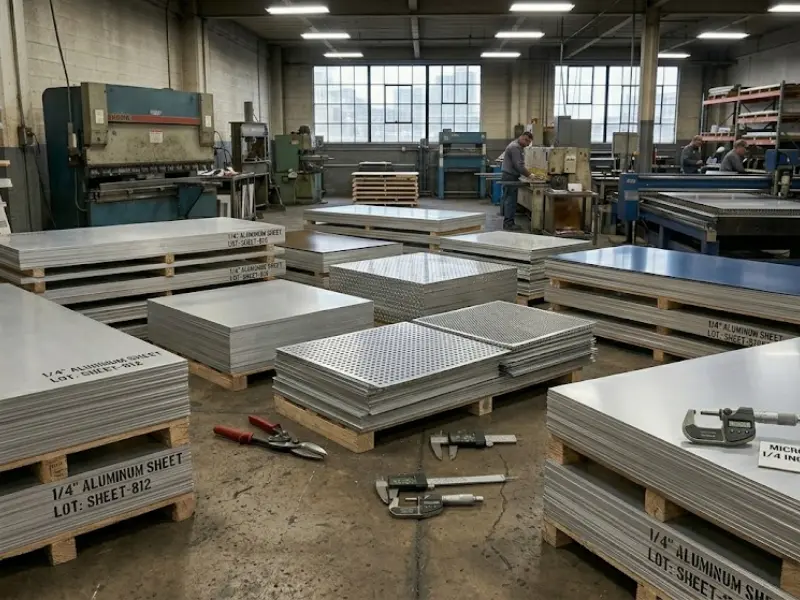
A 1/4 aluminum sheet is a versatile metal material. It is 0.25 inches thick. This thickness works well for many projects. The most popular sizes are 4×8 and 4×4. This guide covers everything you need to know about 1/4 inch aluminum sheets, including weight, price, cutting methods, and applications.
What Is 1/4 Aluminum Sheet?
A 1/4 aluminum sheet means the thickness is 1/4 inch (0.25 inches or 6.35 mm). It is a standard thickness in the aluminum industry. This thickness is thick enough for structural use. It is still light enough to handle and cut.
1/4 aluminum sheet comes in many alloys. Common alloys are 1100, 3003, 5052, and 6061. Each alloy has different strength and corrosion resistance.
Standard Sheet Sizes & Dimensions
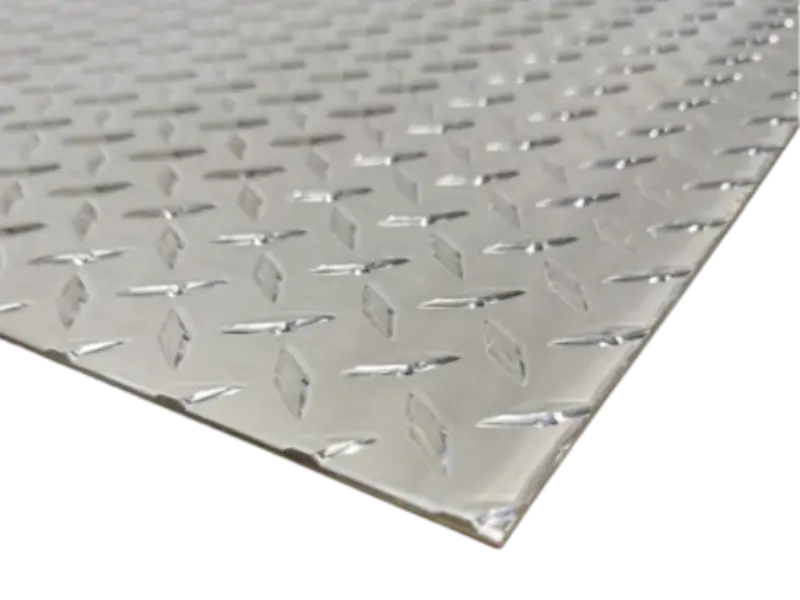
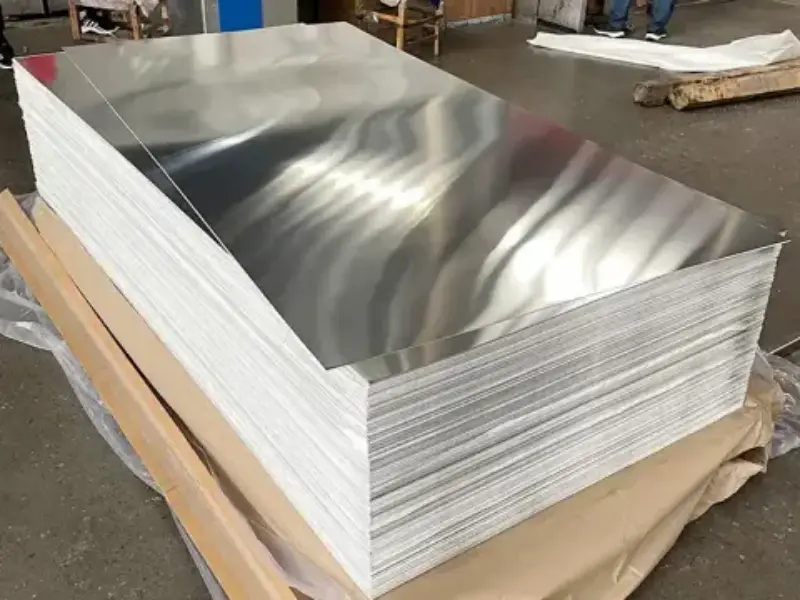
| Size | Width | Length | Area |
|---|---|---|---|
| 4×8 Sheet | 4 feet | 8 feet | 32 sq ft |
| 4×4 Sheet | 4 feet | 4 feet | 16 sq ft |
| 5×10 Sheet | 5 feet | 10 feet | 50 sq ft |
| 12×4 Sheet | 12 feet | 4 feet | 48 sq ft |
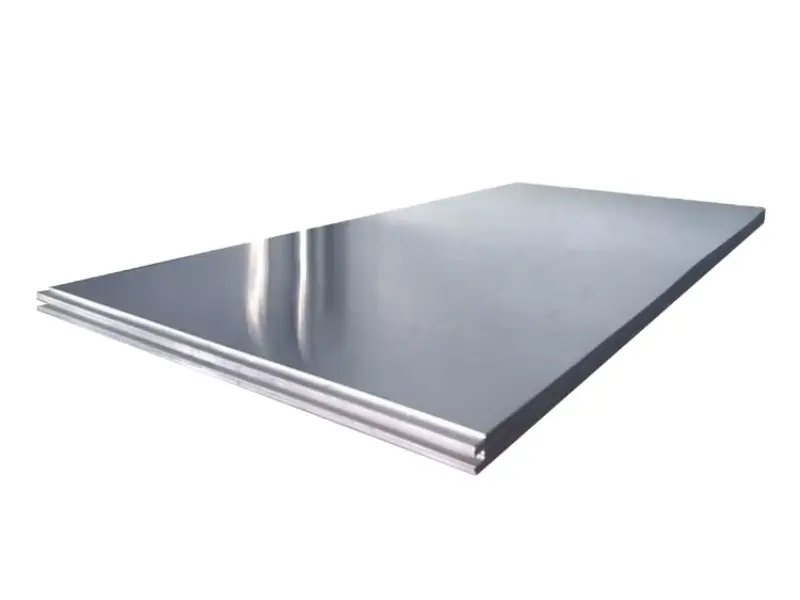
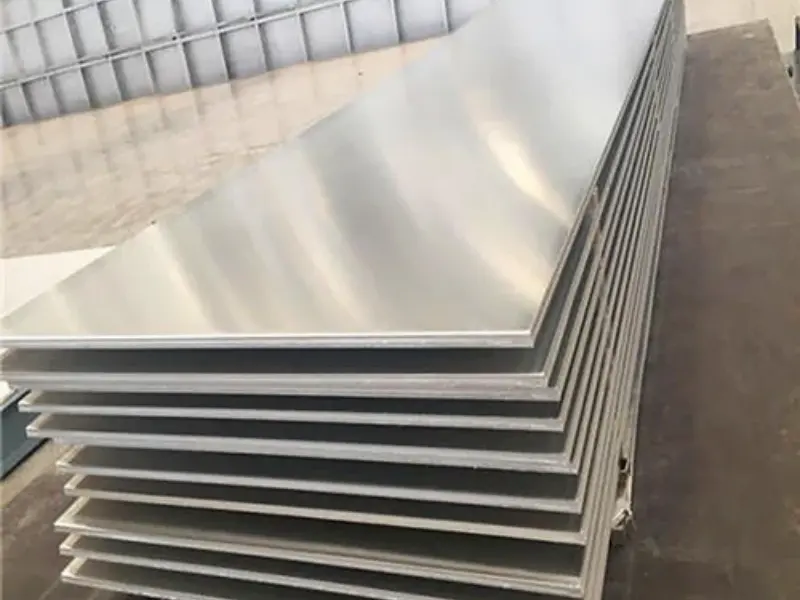
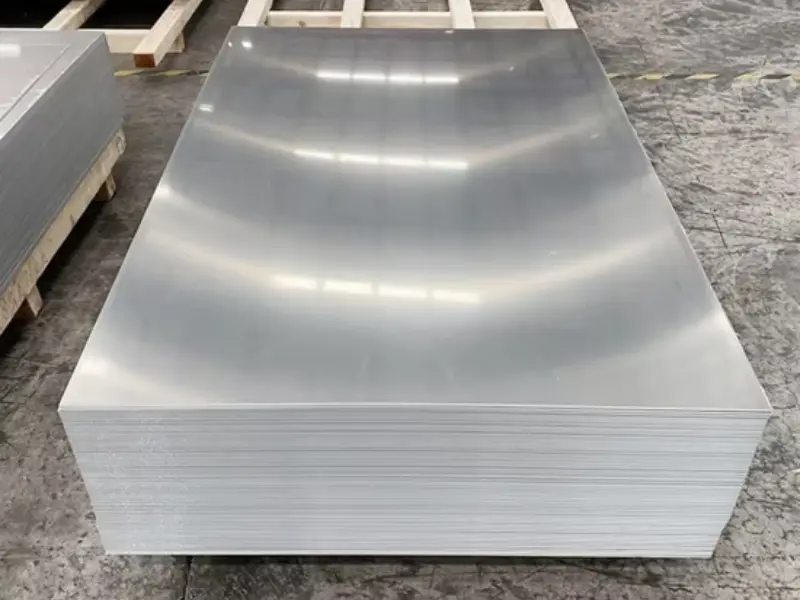
The 4×8 1/4 aluminum sheet is the industry standard. It fits most workshops and is easy to transport. A 4×4 sheet is a half-size option for smaller projects.
1/4 Aluminum Sheet Weight
Weight matters for handling, shipping, and project planning. Aluminum weighs less than steel but still has good strength.
| Size | Alloy | Weight (lbs) |
|---|---|---|
| 4×8 (1/4″) | 1100 | 35 lbs |
| 4×8 (1/4″) | 3003 | 36 lbs |
| 4×8 (1/4″) | 5052 | 39 lbs |
| 4×8 (1/4″) | 6061 | 37 lbs |
| 4×4 (1/4″) | 1100 | 17.5 lbs |
| 4×4 (1/4″) | 5052 | 19.5 lbs |
| 5×10 (1/4″) | 6061 | 58 lbs |
Weight per square foot: A 1/4 aluminum sheet weighs about 1.1 to 1.2 lbs per square foot. This varies by alloy.
For a 4×8 1/4 aluminum sheet weight calculation:
- 32 square feet × 1.1 lbs/sq ft = 35 lbs (approximate)
Alloy Types & Properties
Different alloys have different strengths. Choose the right alloy for your project.
Alloy 1100 Aluminum Sheet
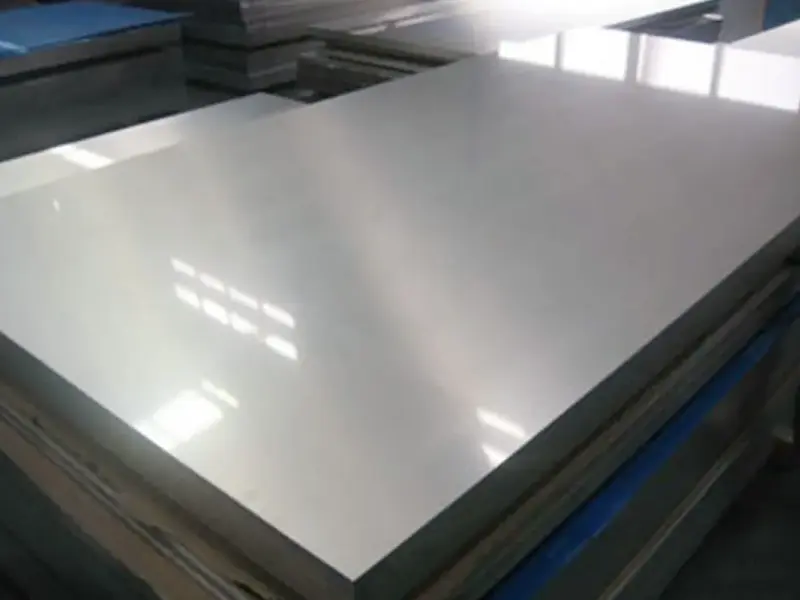
Alloy 1100 is pure aluminum. It is soft and easy to work with.
| Property | Value |
|---|---|
| Tensile Strength | 13,000 PSI |
| Yield Strength | 5,000 PSI |
| Corrosion Resistance | Excellent |
| Machinability | Very Good |
| Weldability | Excellent |
| Best For | Decorative, corrosive environments |
Alloy 3003 Aluminum Sheet
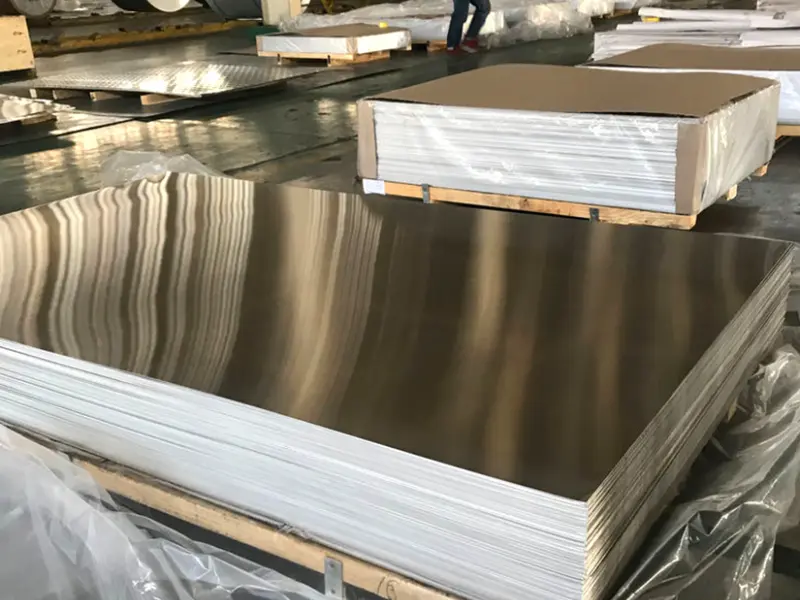
Alloy 3003 adds manganese to aluminum. It is stronger than 1100 but still easy to work with.
| Property | Value |
|---|---|
| Tensile Strength | 16,000 PSI |
| Yield Strength | 6,000 PSI |
| Corrosion Resistance | Excellent |
| Machinability | Good |
| Weldability | Excellent |
| Best For | General purpose, cookware |
Alloy 5052 Aluminum Sheet
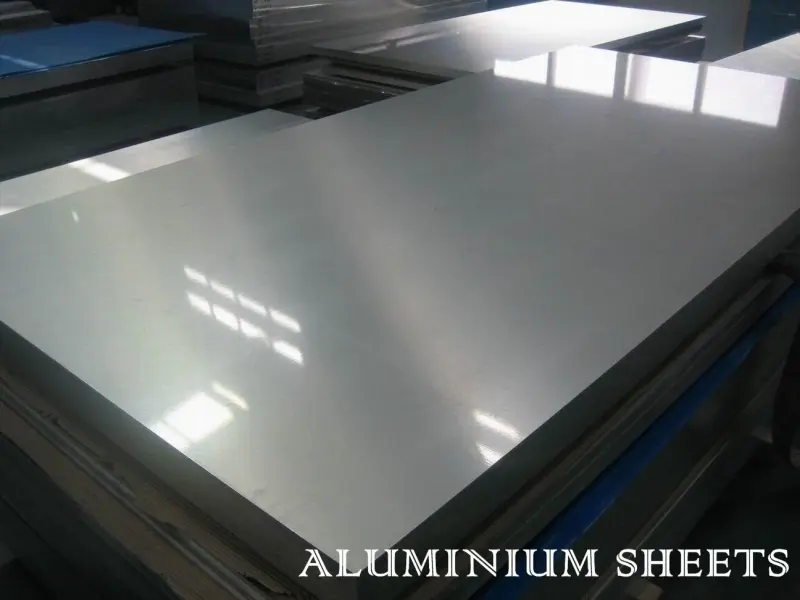
Alloy 5052 is a marine-grade alloy. It resists saltwater corrosion very well.
| Property | Value |
|---|---|
| Tensile Strength | 33,000 PSI |
| Yield Strength | 17,000 PSI |
| Corrosion Resistance | Very High |
| Machinability | Fair |
| Weldability | Excellent |
| Best For | Marine, tanks, pressure vessels |
Alloy 6061 Aluminum Sheet
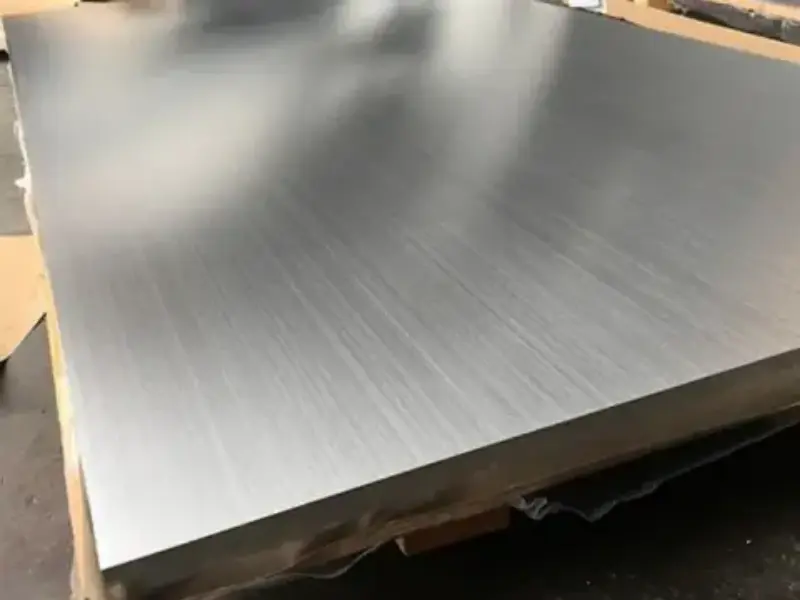
Alloy 6061 contains magnesium and silicon. It is strong and still easy to work with.
| Property | Value |
|---|---|
| Tensile Strength | 45,000 PSI |
| Yield Strength | 40,000 PSI |
| Corrosion Resistance | Good |
| Machinability | Good |
| Weldability | Good |
| Best For | Structural use, frames, brackets |
Temper Conditions
Temper describes how the aluminum has been treated. Different tempers have different hardness and workability.
| Temper | Hardness | Workability | Use |
|---|---|---|---|
| O | Soft | Very Easy | Bending, forming |
| H12 | Medium | Easy | General purpose |
| H14 | Hard | Moderate | Structural |
| H16 | Very Hard | Difficult | High strength |
| T6 | Hard | Moderate | Structural, heat-treated |
Most 1/4 aluminum sheets come in H12 or T6 temper. H12 is easier to cut and bend. T6 is stronger for structural projects.
Available Sizes & Thickness
Standard Sheet Sizes
| Format | Thickness | Width | Length |
|---|---|---|---|
| 4×8 Sheet | 1/4″ | 4 ft | 8 ft |
| 4×4 Sheet | 1/4″ | 4 ft | 4 ft |
| 5×10 Sheet | 1/4″ | 5 ft | 10 ft |
| 12×4 Sheet | 1/4″ | 12 ft | 4 ft |
Cut-to-Size Options
Many suppliers offer custom cuts. You can order smaller pieces.
| Custom Size | Use |
|---|---|
| 12×12 inches | Small projects, samples |
| 24×24 inches | Medium brackets, covers |
| 36×48 inches | Panels, backing plates |
| Any custom size | Call for quotes |
Surface Finish Options
Different finishes affect appearance and corrosion resistance.
| Finish | Appearance | Protection | Price |
|---|---|---|---|
| Mill Finish | Natural silver | Minimal | Low |
| Brushed | Directional texture | Minimal | Low |
| Polished | Shiny, smooth | Minimal | Medium |
| Anodized | Various colors | High | Medium |
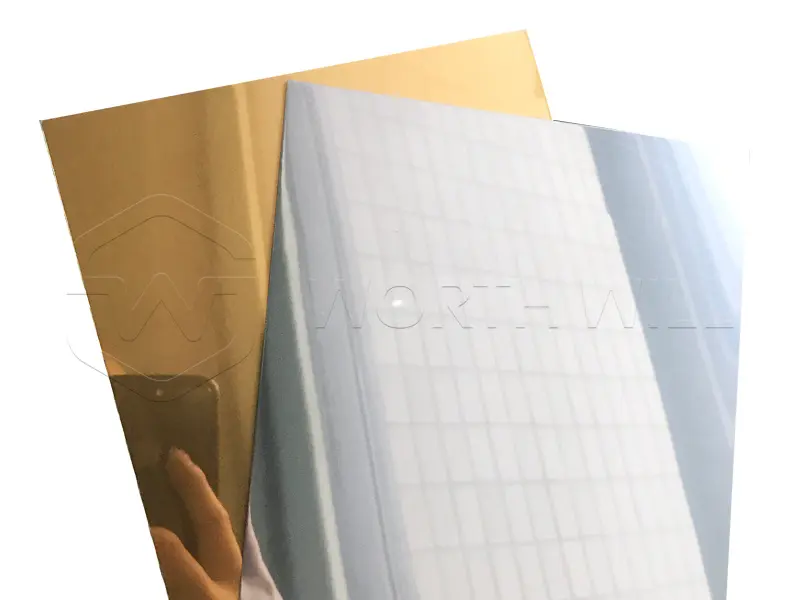
| Powder Coated | Uniform color | Very High | High |
Mill finish is the most common and lowest cost. Anodized finish adds color and protection.
Comparison: 1/4 Aluminum vs. Other Materials
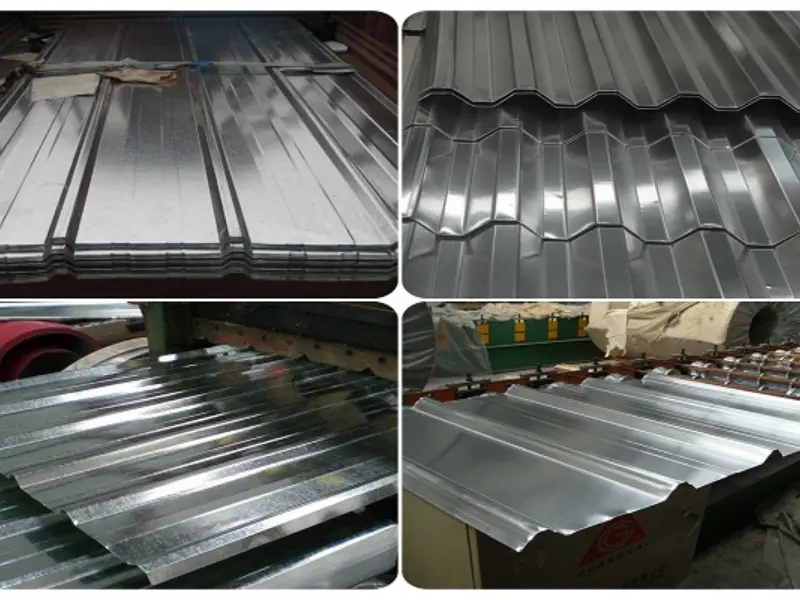
| Material | Weight | Strength | Cost | Corrosion | Machinability |
|---|---|---|---|---|---|
| 1/4 Aluminum | Light | Medium | Medium | Excellent | Very Good |
| Steel Plate | Heavy | High | Medium | Poor | Good |
| Stainless Steel | Heavy | High | High | Excellent | Fair |
| Copper Sheet | Heavy | Low | High | Fair | Good |
| Plastic Sheet | Very Light | Low | Low | Excellent | Excellent |
Aluminum offers the best balance of weight, strength, and cost. Steel is stronger but heavier. Stainless is better for corrosion but costs more.
1/4 Aluminum Sheet Price
Price depends on size, alloy, and market conditions. Below are typical price ranges.
| Item | Price Range |
|---|---|
| 4×8 Sheet (Alloy 3003) | $120–$180 |
| 4×8 Sheet (Alloy 5052) | $140–$200 |
| 4×8 Sheet (Alloy 6061) | $130–$190 |
| 4×4 Sheet (Alloy 3003) | $65–$95 |
| 5×10 Sheet (Alloy 6061) | $180–$260 |
Note: Prices vary based on supplier, quantity, and current aluminum prices. Call for exact quotes.
Buying in bulk (5+ sheets) usually gives a discount. Local suppliers may have different prices than online stores.
Where to Buy 1/4 Aluminum Sheet
Online Suppliers
Many online shops sell 1/4 aluminum sheets. Shipping is available nationwide.
- Large online metal retailers
- Specialty aluminum distributors
- Industrial supply companies
- Marketplaces with metal vendors
Local Options
Find 1/4 aluminum sheet near me by visiting local metal shops.
| Source | Pros | Cons |
|---|---|---|
| Metal Supply Store | See it first, no shipping | May cost more |
| Home Improvement Store | Quick pickup | Limited sizes, higher price |
| Industrial Distributor | Good prices, variety | Bulk minimum may apply |
| Scrap Yards | Lowest prices | Quality varies |
Searching “1/4 aluminum sheet near me” or “1/4 aluminum plate near me” helps find local suppliers.
Applications & Uses
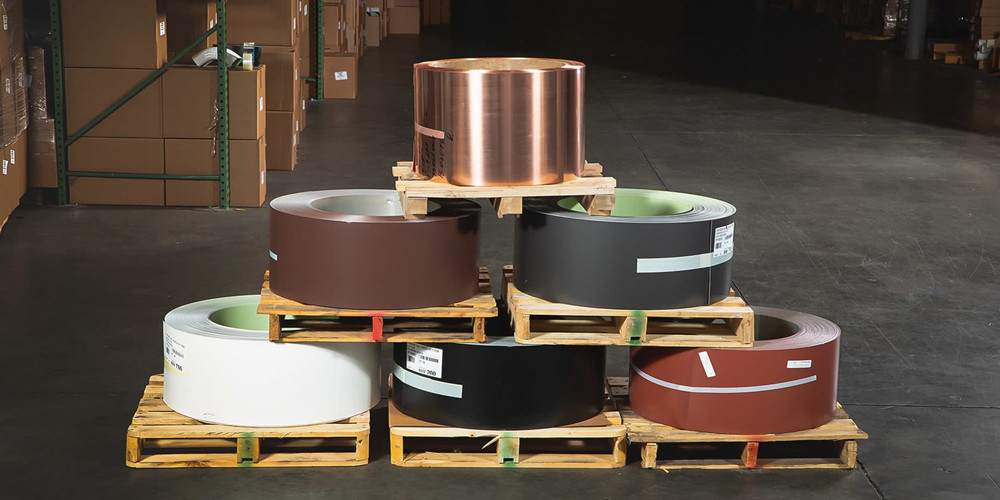
Aerospace & Aviation
- Aircraft panels
- Fuselage sections
- Interior cabin components
- Landing gear supports
Marine & Boating
- Hull plating
- Deck frames
- Tank walls
- Corrosion-resistant brackets
Industrial & Manufacturing
- Machine frames
- Tooling plates
- Structural supports
- Assembly fixtures
- Control panel backing
Automotive & Transportation
- Custom body panels
- Underbody shields
- Cargo boxes
- Aluminum trailers
Architecture & Construction
- Building panels
- Roof decking
- Wall cladding
- Architectural trim
Art & Sculpture
- Large metal sculptures
- Architectural art installations
- Custom wall art
- Design projects
DIY & Hobby Projects
- Custom boxes and cases
- Workbench tops
- Tool storage
- Hobby fabrication
How to Cut 1/4 Aluminum Sheet
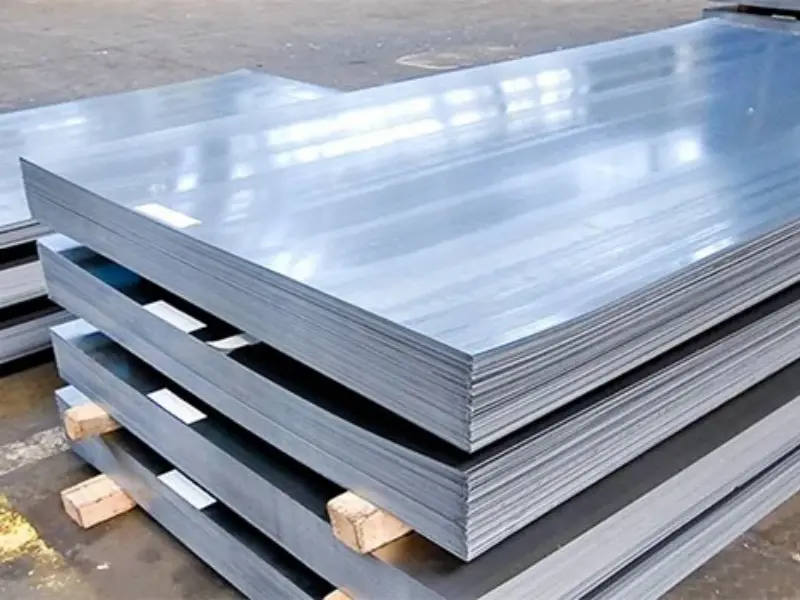
Cutting thick aluminum requires the right tools and technique. Here are the best ways to cut 1/4 aluminum sheet.
Method 1 — Circular Saw
A circular saw works well for straight cuts on flat surfaces.
Pros:
- Fast and portable
- Good for straight cuts
- Budget-friendly
Cons:
- Rough edges
- Requires skill for accuracy
- Produces metal chips
Tip: Use a fine-tooth blade (80+ teeth). Go slowly. Wear safety glasses.
Method 2 — Band Saw
A band saw cuts cleanly and handles curves.
Pros:
- Clean cuts
- Can cut curves
- Good for detailed work
Cons:
- Slower than circular saw
- Requires equipment
- Smaller sheets only
Tip: Use a slow speed (800–1200 RPM). Use a bimetal blade.
Method 3 — Jigsaw
A jigsaw works for small pieces and irregular shapes.
Pros:
- Cuts curves and shapes
- Good for small projects
- Easy to control
Cons:
- Slow
- Not for long straight cuts
- Requires clamps
Tip: Clamp the sheet firmly. Use a metal-cutting blade.
Method 4 — Laser Cutter
A laser cutter makes precise cuts quickly.
Pros:
- Very precise
- Fast
- Can cut complex shapes
- No tool marks
Cons:
- Expensive equipment
- Requires skilled operator
- Limited sheet size
Tip: Professional shops offer laser cutting services.
Method 5 — Waterjet Cutting
Waterjet cuts with high-pressure water and abrasive.
Pros:
- Very precise
- Any shape
- No heat damage
- Clean edges
Cons:
- Expensive
- Requires professional service
Tip: Use for complex parts or multiple cuts.
Method 6 — Table Saw
A table saw cuts straight edges safely.
Pros:
- Straight, clean cuts
- Safe with proper setup
- Good for ripping
Cons:
- Requires power tools
- Fixed angle cuts
- Not for curves
Tip: Use a fine-tooth blade. Take multiple light passes.
How to Bend 1/4 Aluminum Sheet
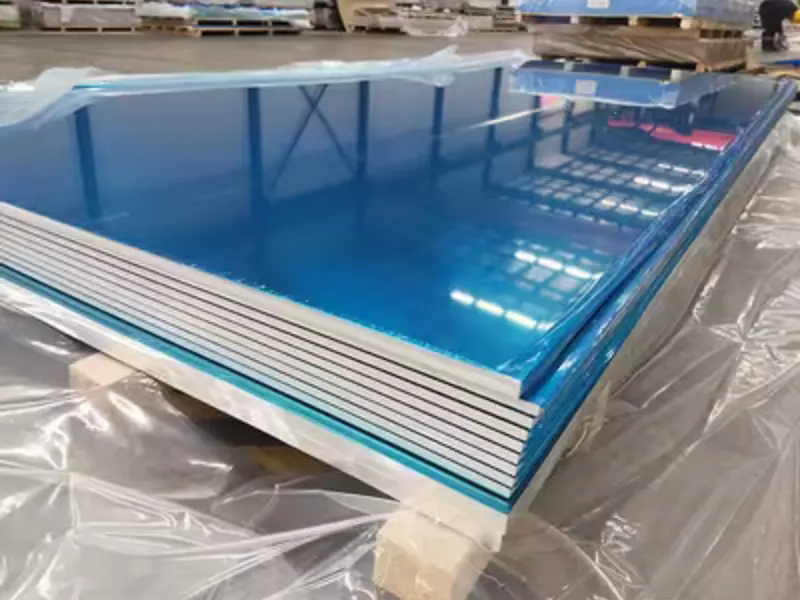
Bending thick aluminum requires force or heat. Here are the best ways to bend 1/4 aluminum sheet.
Cold Bending
Cold bending works for gentle curves on softer alloys (1100, 3003, O-temper).
Tools:
- Hydraulic press
- Metal brake
- Roller
- Bending block
Process:
- Mark the bend line
- Clamp the sheet
- Apply slow, even pressure
- Check the angle frequently
- Release and test the bend
Tip: Soft alloys (O-temper) bend easier than hard alloys (H16, T6).
Heat Bending
Heat bending works for thick sheets and hard alloys.
Tools:
- Torch or oven
- Metal brake
- Heat source
- Temperature gauge
Process:
- Heat the bend area to 600–700°F
- Clamp the sheet firmly
- Bend slowly while hot
- Let it cool in position
- Release and check
Tip: 6061-T6 bends better when heated. Do not overheat or the alloy weakens.
Professional Bending
Metal fabrication shops have large presses and brakes. They can bend thick sheets accurately.
Advantages:
- Professional results
- Complex bends
- Large sheets
- Custom angles
What Gauge Is 1/4 Aluminum Sheet?
Gauge and thickness are different measures. Here is the conversion.
| Thickness | Gauge (Decimal) | Gauge (Fraction) | MM |
|---|---|---|---|
| 1/4″ | 0.250″ | Not standard | 6.35 mm |
1/4 inch does not have a standard gauge number. It is usually called “1/4 inch” or “6mm.” Some shops use aluminum gauge charts, but they vary by material.
Note: Steel gauge is different from aluminum gauge. Always specify thickness in inches or millimeters to avoid confusion.
Aluminum Sheet vs. Aluminum Plate vs. Aluminum Bar
These terms are sometimes confused. Here are the differences.
| Product | Thickness | Use | Shape |
|---|---|---|---|
| Sheet | 0.006″–0.250″ | General purpose | Flat rectangle |
| Plate | 0.250″+ | Structural, heavy duty | Flat rectangle |
| Bar | Various | Structural, solid | Round, square, hex |
A 1/4 aluminum sheet is at the boundary between sheet and plate. Technically, 1/4″ and thicker is plate, but the term “sheet” is often used.
A 1/4 aluminum bar is a solid rod or block, not a flat sheet.
Common 1/4 Aluminum Sheet Projects



Home & Workshop
- Work bench tops
- Cabinet backs
- Tool organizers
- Storage boxes
Custom Fabrication
- Equipment frames
- Machine guards
- Protective shields
- Custom brackets
Decorative Projects
- Wall art
- Signs and plaques
- Trim and molding
- Decorative panels
Automotive
- Custom body parts
- Engine covers
- Floor pans
- Toolboxes
Marine
- Boat transom plates
- Fuel tank tops
- Deck reinforcement
- Hardware backing
Safety Tips When Working with 1/4 Aluminum Sheet
- Wear safety glasses. Aluminum chips are sharp.
- Use work gloves. Edges are very sharp after cutting.
- Clamp the sheet firmly before cutting or bending.
- Let hot sheets cool before touching.
- Use proper ventilation when welding or heating.
- Keep hands away from cutting blades.
- Use two people when moving heavy sheets.
- Get help lifting sheets over 50 lbs.
Storage & Handling
Store 1/4 aluminum sheets flat on a clean, dry surface. Protect from moisture to prevent oxidation.
| Tip | Reason |
|---|---|
| Store flat | Prevents warping |
| Keep dry | Prevents oxidation |
| Separate with paper | Prevents scratching |
| Support evenly | Prevents bending |
| Use pallets | Allows air flow |
FAQ — 1/4 Aluminum Sheet
What is the best alloy for 1/4 aluminum sheet?
For general use, 6061 is best. For marine use, 5052. With easy working, 3003. For pure aluminum, 1100.
Can I weld a 1/4 aluminum sheet?
Yes. Use TIG welding with 4043 or 5356 filler rod. Most alloys weld well.
How thick is 1/4 inch in millimeters?
1/4 inch equals 6.35 millimeters.
Where can I find 1/4 aluminum sheet near me?
Search online for “metal supplier near me” or “aluminum distributor.” Check local industrial supply stores.
What is the 4×8 1/4 aluminum sheet weight?
A 4×8 sheet weighs about 35–39 lbs depending on alloy.
How do I cut 1/4 aluminum sheet at home?
Use a band saw, circular saw with fine teeth, or a jigsaw. A table saw also works well.
Can I bend 1/4 aluminum sheet by hand?
No. You need a metal brake, press, or heat. Thick aluminum is too hard to bend by hand.
Is 1/4 aluminum sheet food safe?
Yes, if it is food-grade. Check with the supplier. Most 1100 and 3003 are food safe.
1/4 Aluminum Sheet Supplier 3003 5052 Alloy for Sale
A 1/4 aluminum sheet is a practical choice for many projects. The 4×8 size is most common. Weight is about 35 lbs. Price ranges from $120 to $200 depending on alloy. Common alloys are 3003, 5052, and 6061. Cutting requires proper tools. Bending requires a press or heat. Choose the right alloy for your project. Buy locally or online. Many projects benefit from this durable, lightweight material.