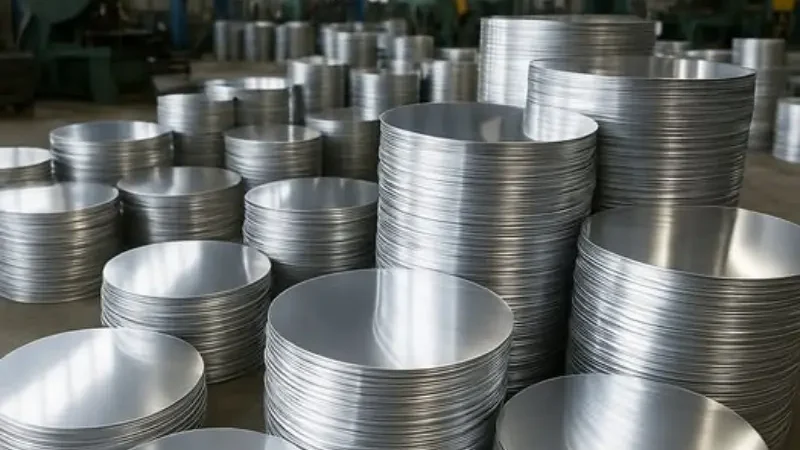
Aluminum Circle Discs
– WORTHWILL Aluminum
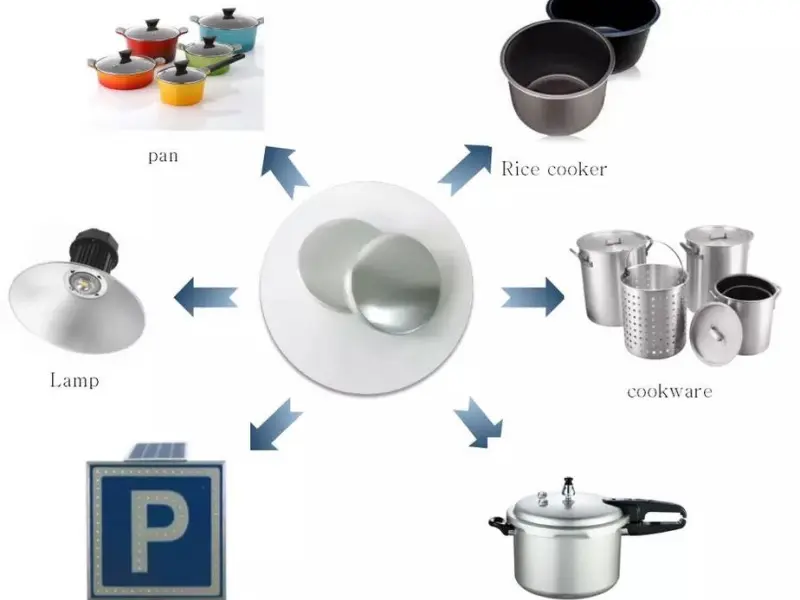
In the world of metal manufacturing, the aluminum circle disc is a fundamental component. These flat, circular sheets are the starting point for thousands of everyday products. From the pots in your kitchen to the reflectors in high-end lighting, these discs play a vital role.
When ordering Aluminum Circle Discs, the numbers matter. You need to know the thickness and the diameter.
If you are looking for high-quality aluminum circle discs, understanding their specifications is key.
– WORTHWILL ALUMINUM
Technical Specifications and Measurements
Standard Size Range Table
| Feature | Common Range | Units |
|---|---|---|
| Thickness | 0.3 to 8.0 | mm |
| Diameter | 20 to 1200 | mm |
| Alloy | 1000, 3000, 5000, 8000 | Series |
| Temper | O, H12, H14, H18, H24 | State |
Comparison of Popular Alloy Characteristics
| Alloy Grade | Strength | Formability | Best For |
|---|---|---|---|
| 1050 | Low | Excellent | Basic Kitchenware |
| 1100 | Low | Excellent | Giftware |
| 3003 | Medium | Good | Non-stick Pans |
| 5052 | High | Fair | Industrial Parts |
Different States of Hardness: The Temper
Soft Annealed (O Temper)
The O state means the metal was heated and cooled slowly. This makes the disc very soft. If you want to make a deep pot, you must use O temper. It will not crack when the machine stretches it.
Half-Hard (H14 and H24)
These are middle-ground tempers. They are stronger than O but can still be bent slightly. These are great for flat lids or shallow trays.
Full-Hard (H18)
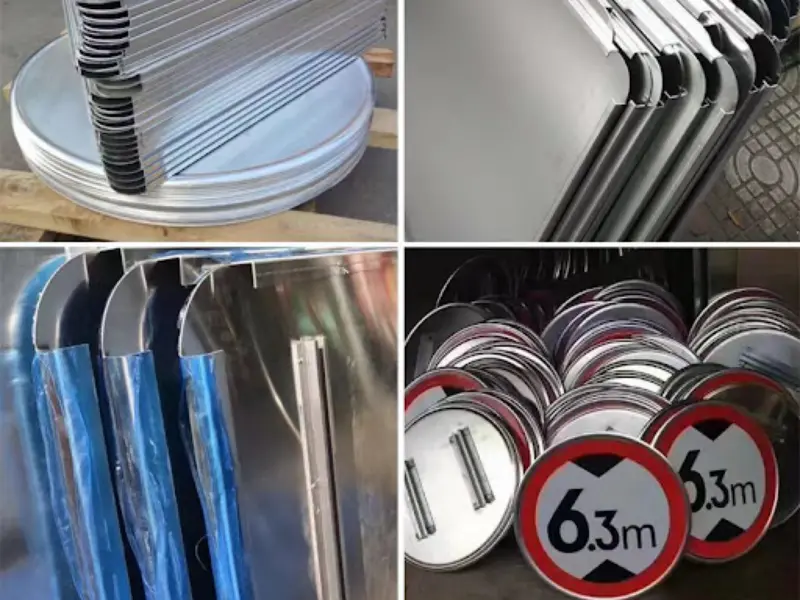
This state is very stiff. It is used for items that must remain flat and never bend, like road signs or heavy plates.
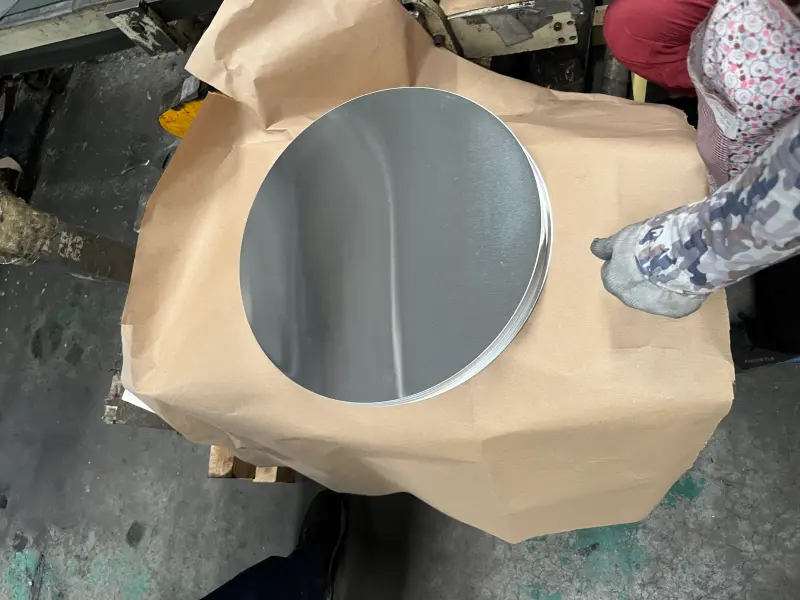
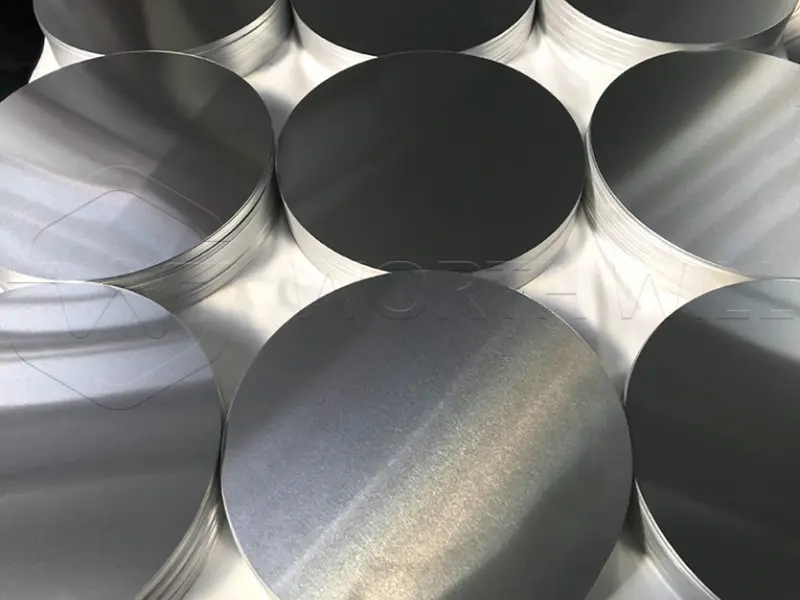
The “Temper” tells you how the metal was treated. This is a vital part of choosing Aluminum Circle Discs.
What are Aluminum Circle Discs?
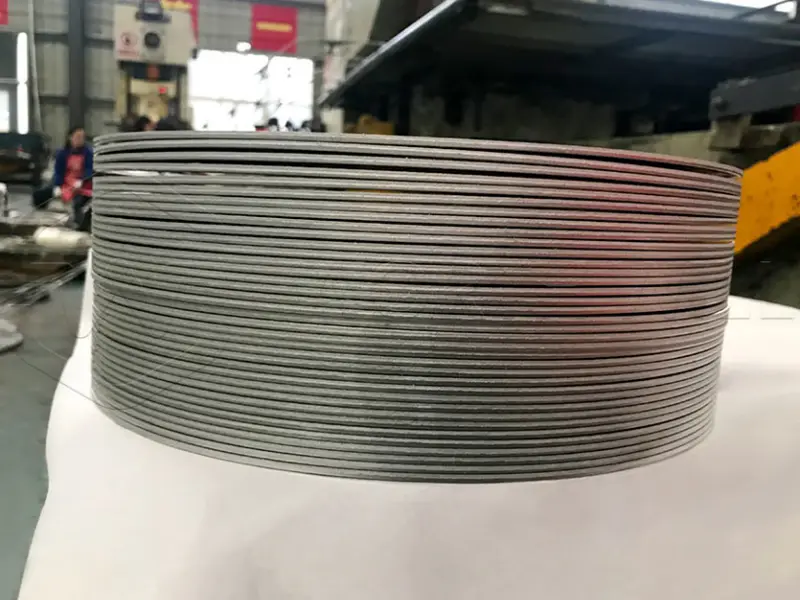
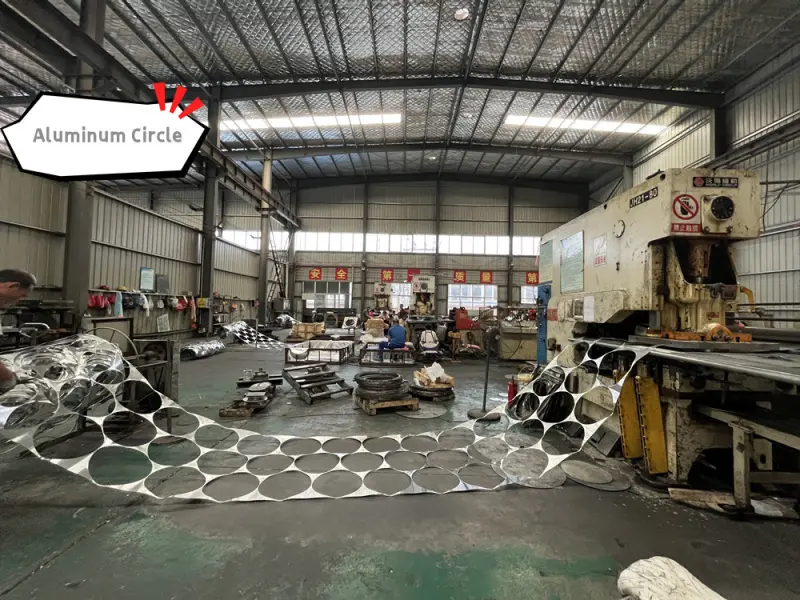
An aluminum circle disc is a circular piece of metal cut from an aluminum coil or sheet. Manufacturers use a process called “blanking” or “punching” to create these shapes.
This means you can turn a flat disc into a deep pot or a curved lamp shade without breaking the metal.
Technical Specifications: Alloy and Temper
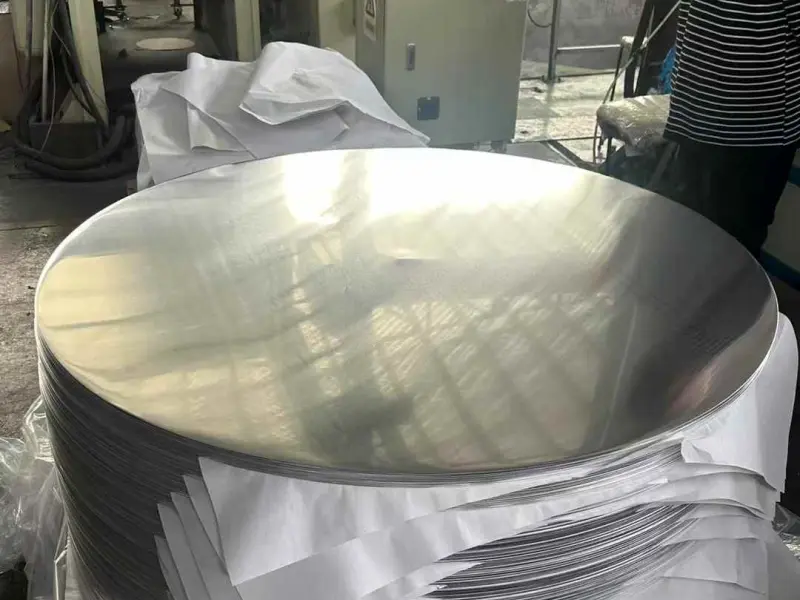
The performance of an aluminum circle disc depends on its chemical makeup. We use different alloys based on how the final product will be used.
Common Alloy Series
Each alloy series has unique strengths. Choosing the right one ensures your product lasts longer and performs better.
| Alloy Series | Main Characteristic | Common Uses |
|---|---|---|
| 1000 Series | 99% Pure Aluminum | Spinning, lighting, and soft containers. |
| 3000 Series | Manganese added for strength | Professional cookware, non-stick pans. |
| 5000 Series | Magnesium added for corrosion resistance | Pressure cookers, marine parts. |
| 8000 Series | Special alloys | High-strength industrial applications. |
Understanding the Temper (Status)
The “temper” tells you how hard or soft the metal is. This is crucial for manufacturing.
- O (Annealed): This is the softest state. It is perfect for deep drawing where the metal needs to stretch a lot.
- H12 / H14: These are “half-hard” states. They are good for simple bending or flat signs.
- H18: This is fully hard.
Size and Dimensional Range
Precision is everything in manufacturing. We provide aluminum circle discs in a wide variety of sizes to fit any machine or mold.
Standard Dimensions Table
| Specification | Minimum Range | Maximum Range |
|---|---|---|
| Thickness | 0.3 mm | 6.5 mm |
| Diameter | 20 mm | 1300mm |
| Surface Finish | Mill Finish | Bright / Polished |
| Tolerance | +/- 0.1 mm | +/- 0.5 mm |
Major Application Areas
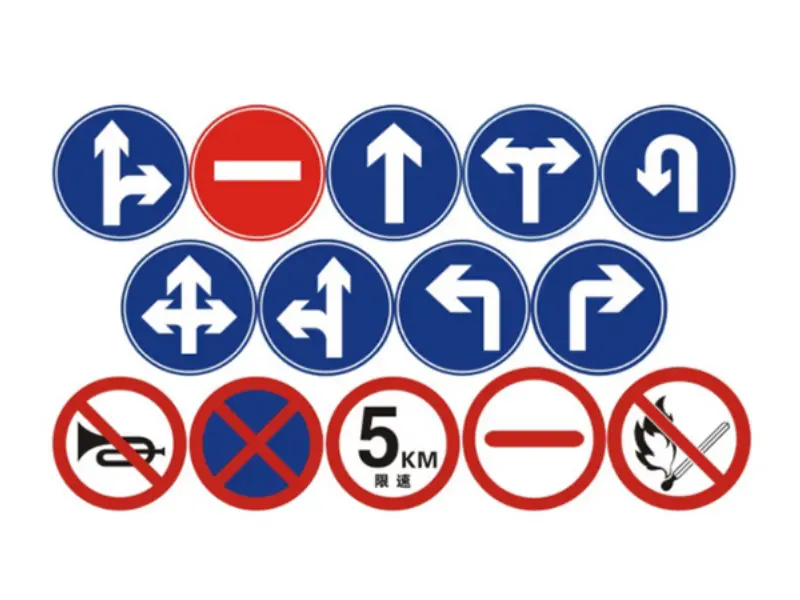
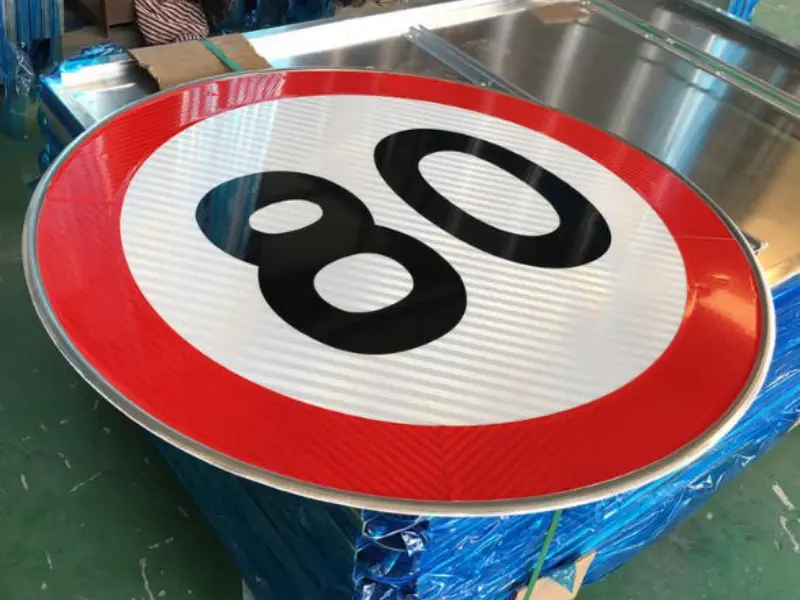

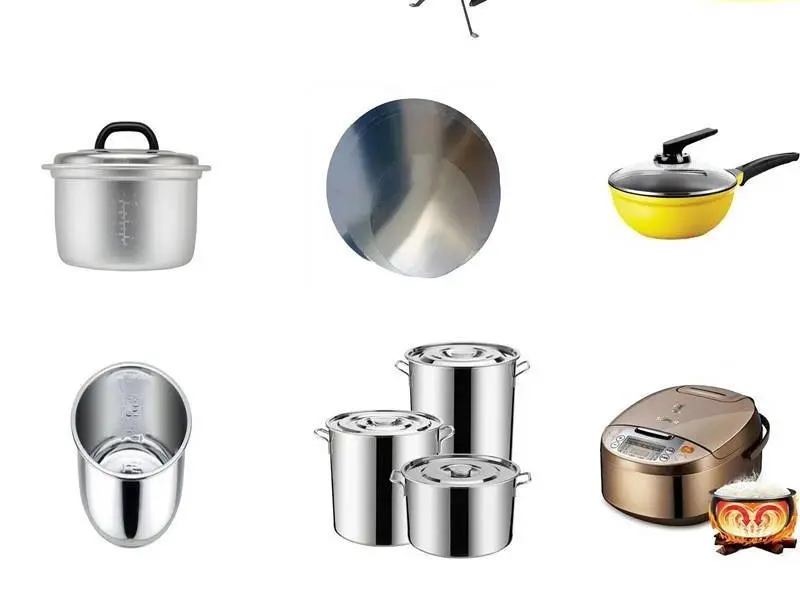

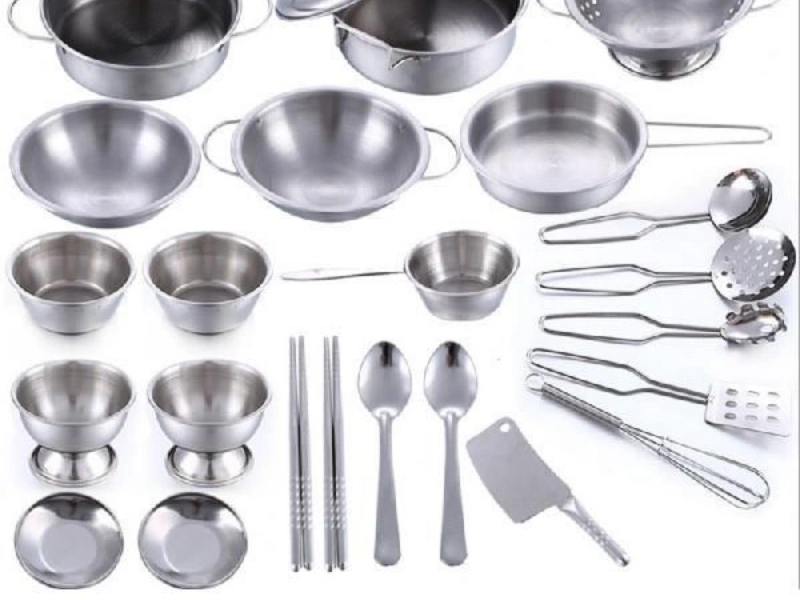
The aluminum circle disc is used in almost every industry. Here are the most common fields where these discs are essential:
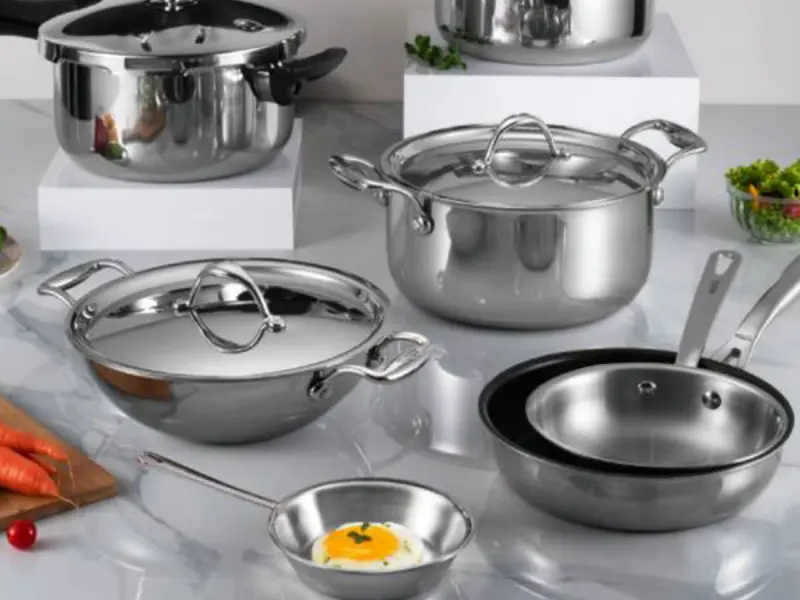
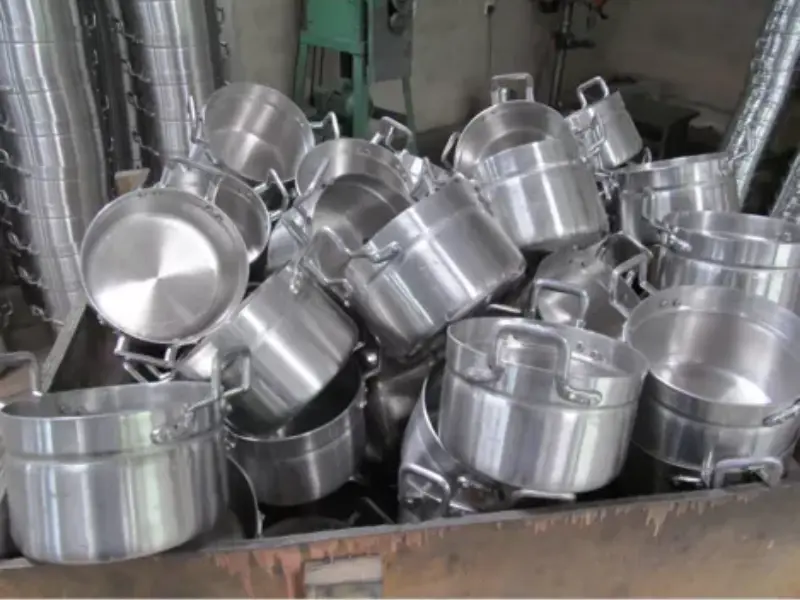
- Cookware Industry: Used to make frying pans, soup pots, pizza trays, and pressure cookers.
- Lighting Industry: Ideal for making recessed lighting, high-bay lamps, and street light reflectors.
- Construction: Used for decorative wall panels and circular architectural elements.
- Signage: Creating round road signs, company logos, and information plaques.
- Transportation: Fuel tank caps and circular covers for trucks and trailers.
- Electronics: Heat sinks and protective covers for circular electronic components.
Different Types of Aluminum Discs
To attract the right customers, we offer specialized types of aluminum circle discs.
1. Deep Drawing Quality (DDQ) Discs

Deep drawing is a process where the metal is pushed into a mold to create a deep shape. Our DDQ discs have a fine grain size. This prevents the “orange peel” effect on the surface of the metal after it is stretched.
2. Spinning Quality Discs
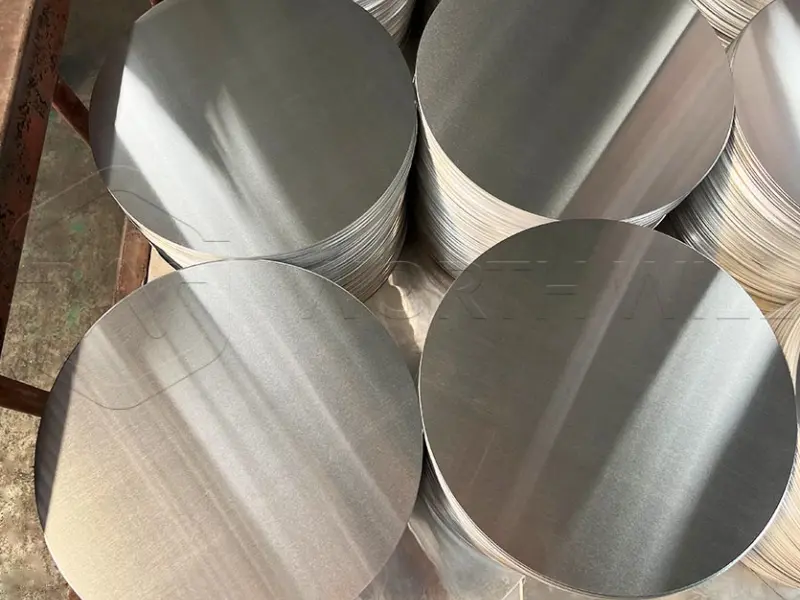
Spinning involves rotating the disc at high speeds while a tool shapes it. These aluminum circle discs are very soft. They allow the craftsman to create elegant curves for vases, lamps, and bowls.
3. Anodizing Quality Discs
If you want to color your aluminum, you need anodizing quality metal. These discs have a very clean surface. Once anodized, the color looks uniform and the metal becomes even more resistant to scratches.
4. Non-Stick Base Discs
These are usually made from the 3003 alloy. They are designed to bond perfectly with non-stick coatings like PTFE or ceramic. They distribute heat evenly, which is why they are the standard for modern frying pans.
Manufacturing Quality: CC vs. DC Material
There are two ways to make the aluminum before it is cut into Aluminum Circle Discs. This choice affects the price and the quality.
CC (Continuous Casting) Discs
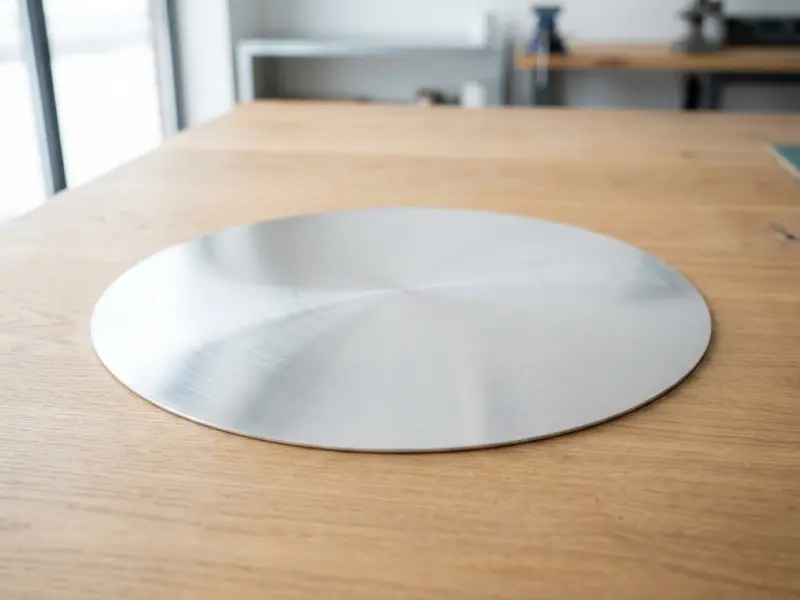
CC material is made quickly. It is affordable and works well for many things.
Cheaper than DC material.
Surface is good for painting.
Best for lighting and simple pans.
DC (Direct Casting) Discs
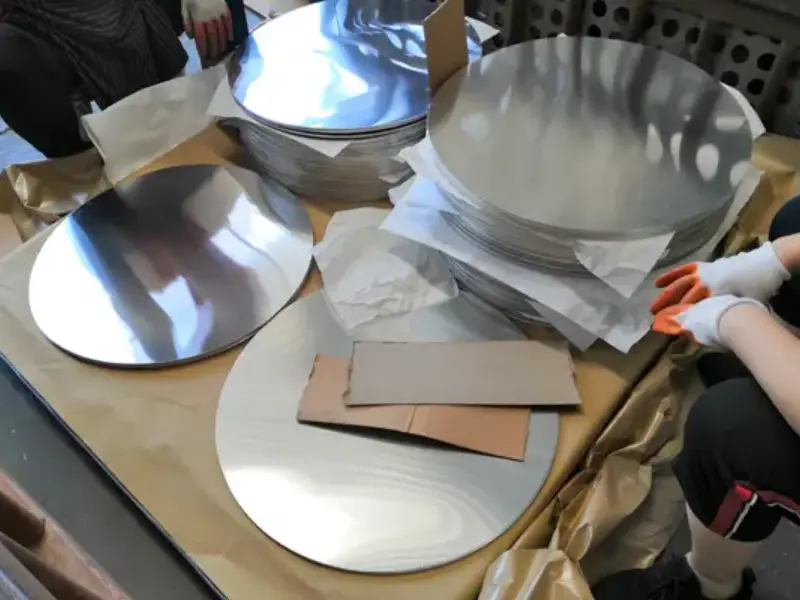
DC material is made from an ingot. It has a better internal structure.
It does not break easily when stretched into deep shapes.
Perfect for “Deep Drawing.”
The surface can be polished to a mirror finish.
Comparison Table: CC Quality vs. DC Quality
| Feature | CC Material | DC Material |
|---|---|---|
| Production Speed | Fast | Slower |
| Cost | Lower | Higher |
| Surface for Polishing | Average | High Quality |
| Elongation (Stretch) | Low | High |
Surface Finishes and Product Variations
Mill Finish Discs
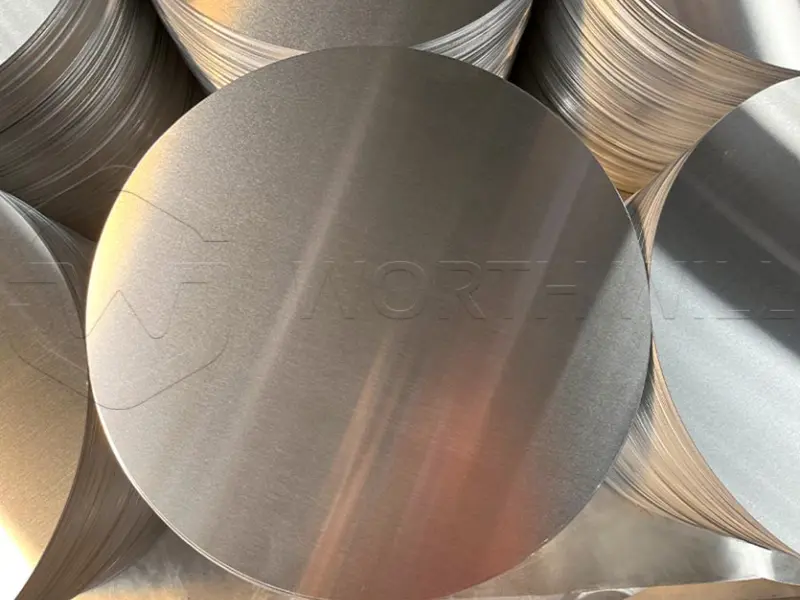
This is the raw metal. It has a natural silver color.
Brushed Aluminum Discs
The surface has fine lines. This gives the metal a textured look. It is very popular for modern interior design and high-end lamps.
Anodized Discs
These discs have a protective layer added through an electric process. They can be colored (like gold or red) and are very resistant to scratches.
Non-Stick Coated Discs
Some Aluminum Circle Discs come with a coating already applied. This is common for factories that make frying pans. One side is the metal, and the other side is the black or grey non-stick layer.
Uses in the Kitchen and Home
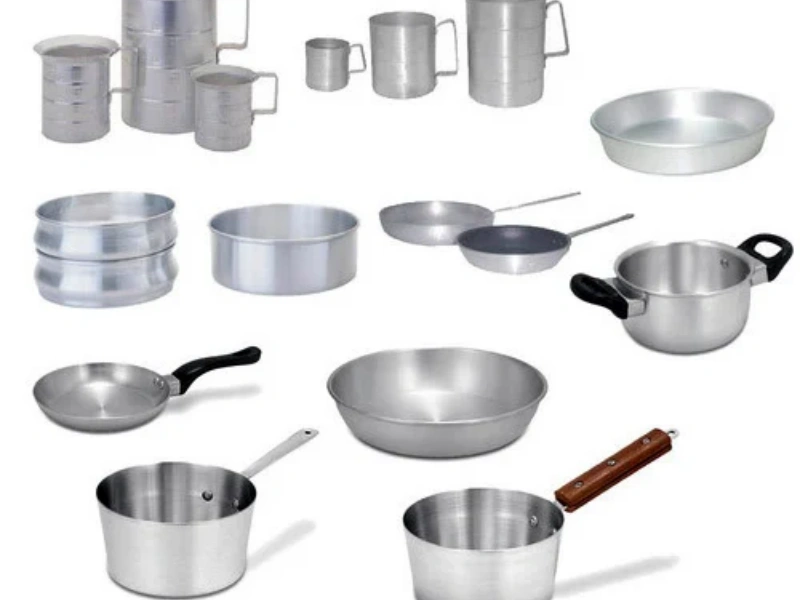
The most common place to find products made from Aluminum Circle Discs is the kitchen.
Baking Sheets: Round discs used for cake tins.
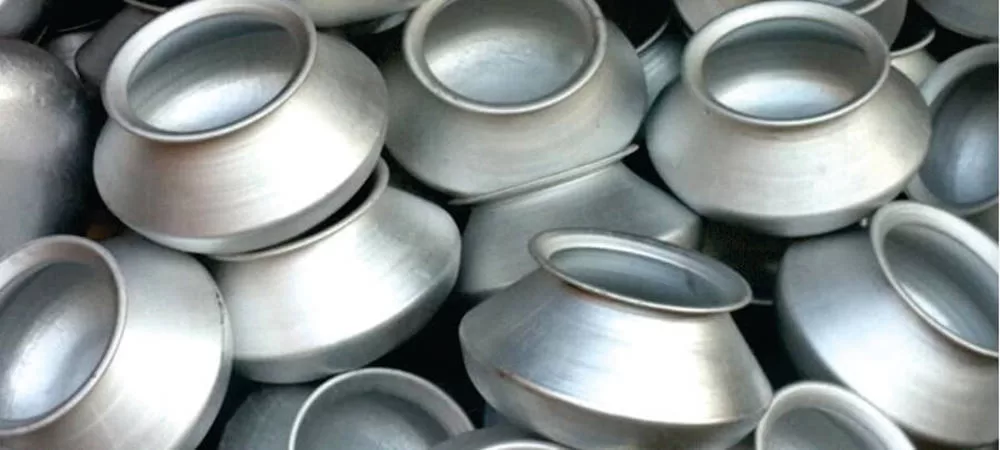
Pots and Pans: Large discs are pressed into saucepans.
Pizza Trays: Flat discs with holes or smooth surfaces.
Pressure Cookers: Thick 3000 series discs for safety.
Kettles: Spun aluminum discs that create a hollow body.
Uses in Lighting and Decoration
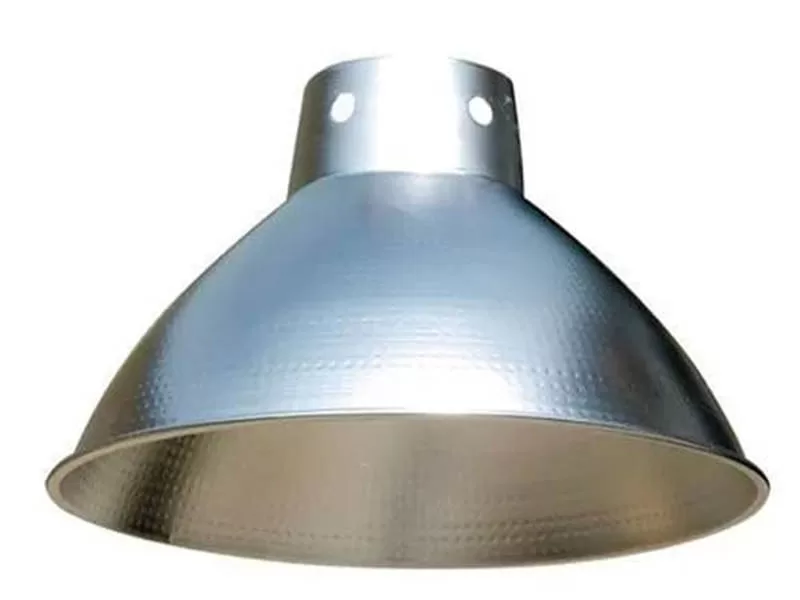
- Lampshades: Discs are spun on a lathe to create bell shapes.
- Reflectors: Used in street lights to push light downward.
- Recessed Lighting: The small rings inside ceiling lights.
- Wall Art: Anodized discs used for modern decorations.
Uses in Industry and Safety
Beyond the home, these discs perform heavy-duty tasks.
- Traffic Signs: Round “No Entry” or speed limit signs.
- Gas Cylinders: The base of some small metal tanks.
- Automotive Parts: Small heat shields inside car engines.
- Construction: Spacers and covers for pipes.
Thickness Selection Guide
Choosing the right thickness for Aluminum Circle Discs ensures the product lasts a long time.
| Product Category | Recommended Thickness (mm) | Popular Alloy |
|---|---|---|
| Decorative Trim | 0.4 – 0.8 | 1050 |
| Standard Pot | 1.2 – 2.5 | 3003 |
| Heavy Frying Pan | 3.0 – 5.0 | 3003 |
| Commercial Cookware | 5.0 – 8.0 | 3004 |
| Road Signs | 1.5 – 3.0 | 5052 |
Processing Methods: Pressing vs. Spinning
There are two main ways factories turn Aluminum Circle Discs into shapes.
The Pressing Method (Deep Drawing)
A giant machine pushes a mold into the disc. This happens very fast. It is used for making thousands of identical cans or pots. For this, you need DC material in O temper.
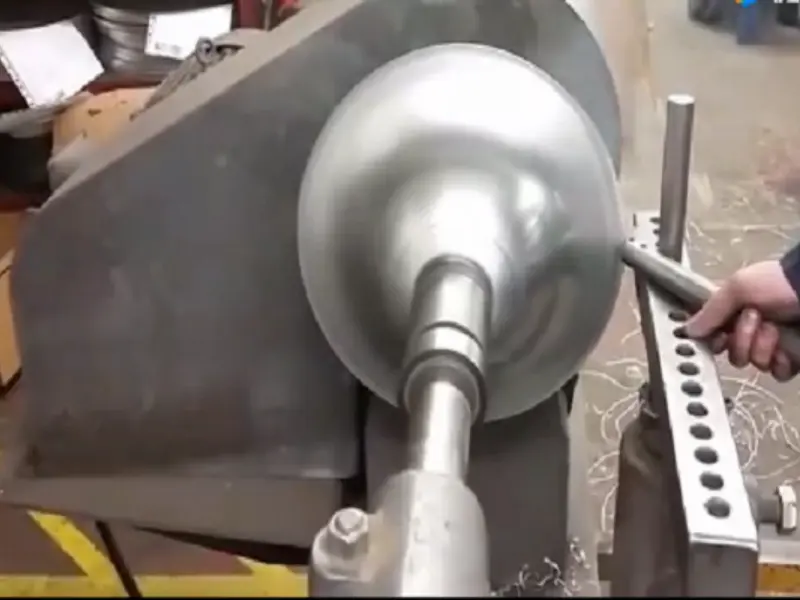
The Spinning Method
The disc is placed on a spinning machine. A tool presses against the metal while it turns. This is like making pottery but with metal. It is better for making shapes with curves, like a vase or a round lamp.
Why Industries Prefer Aluminum Discs Over Other Metals
There are several reasons why Aluminum Circle Discs are the standard choice for manufacturing.
Heat Distribution
Aluminum moves heat quickly. In a pan, this means the food cooks evenly. Steel does not do this as well.
Weight Savings
Aluminum is very light. This makes it easier to transport the finished products. It also makes kitchen tools easier to handle for the user.
Natural Protection
Aluminum creates its own “skin” (an oxide layer) that prevents rust. Even without paint, the discs stay in good condition for years.
Easy to Recycle
When a factory cuts shapes, they have leftover metal scraps. These scraps are 100% recyclable. This makes the Aluminum Circle Discs a very “green” and sustainable choice.
How to Check the Quality of a Disc
If you are a buyer, you should check these points to ensure you have the best Aluminum Circle Discs.
- The Edge: It should be smooth. A rough edge can break the machine or hurt workers.
- The Surface: There should be no scratches or oil marks.
- The Grain: After bending, the metal should stay smooth.
- The Roundness: The disc must be a perfect circle so it fits into the machine correctly.
Surface Quality and Finishing
The surface of an aluminum circle disc must be perfect. Any scratch on the disc will show up on the finished product.
Mill Finish
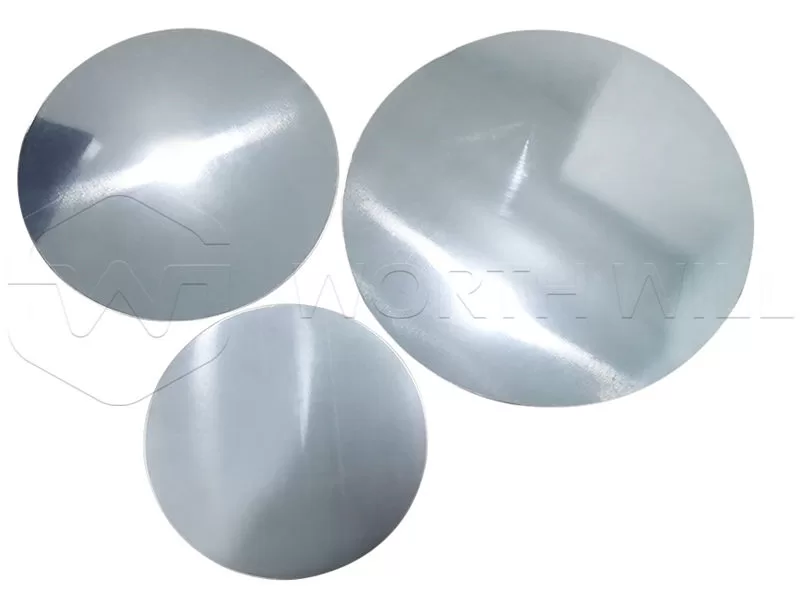
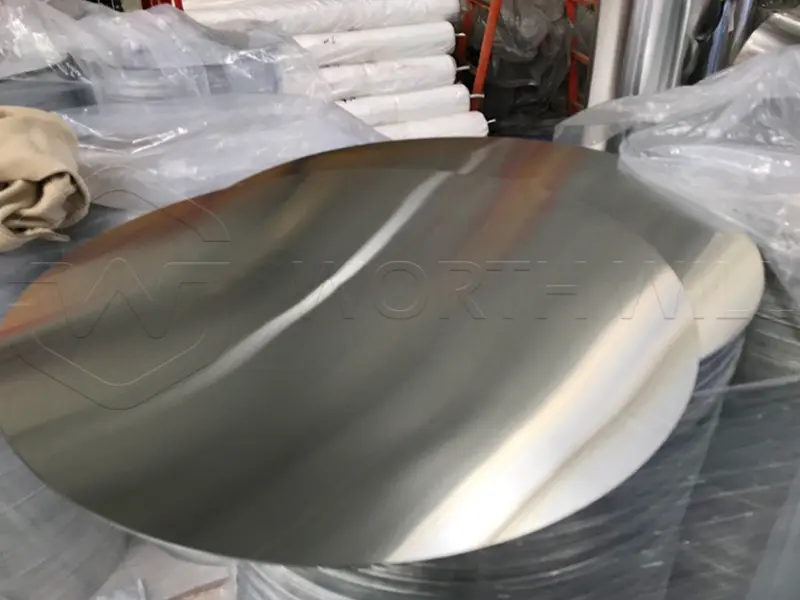
This is the standard finish from the rolling mill. It is smooth and clean, ready for most industrial uses.
Bright / Mirror Finish
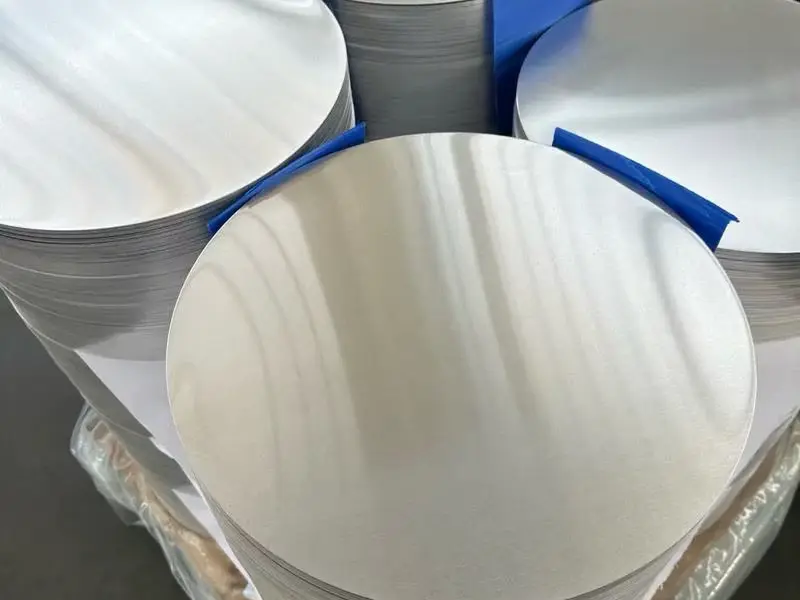
For high-end lighting, the disc is polished until it reflects like a mirror. This helps the light travel further and look brighter.
Protection with PE Film
To keep the surface safe during transport, we can apply a thin plastic film.
Why Our Aluminum Circle Discs Stand Out
Selecting the right supplier for your aluminum circle disc needs is a big decision. We focus on three main pillars of quality:
Consistent Grain Size
We control the heating and cooling process (annealing) carefully. This ensures the grain of the metal is consistent. Consistent grain means the metal will not crack during deep drawing.
Bur-Free Edges
Our punching machines are high-precision. This means the edges of our discs are smooth and free of sharp “burs.” This makes them safer to handle and easier to put into your machines.
Perfect Flatness
A warped disc can jam a production line. We ensure every aluminum circle disc is perfectly flat. This saves you time and reduces waste in your factory.
Why the Aluminum Circle Blank is the Industry Standard
There are many metals available, but aluminum remains the king for round shapes.
Thermal Conductivity
Aluminum conducts heat much faster than stainless steel. This makes the Aluminum Circle Blank the best choice for cooking. It heats up quickly and cools down fast.
Lightweight Nature
Aluminum is about one-third the weight of steel. This makes it cheaper to ship and easier for consumers to use in their homes.
Recycling and Environment
Aluminum is infinitely recyclable. Scraps from the circle-cutting process are melted down and turned back into new sheets. This makes the production of an Aluminum Circle Blank very efficient.
Low Maintenance
Unlike iron, aluminum does not rust. This longevity is why it is used for outdoor signs and marine equipment.
Choosing a Reliable Supplier
When looking for an Aluminum Circle Blank, you should partner with a factory that understands your specific needs. You should ask:
- Can they provide both CC and DC materials?
- Do they offer a wide range of diameters (from 100 mm up to 1500 mm)?
- Do they have a strict “no scratches” policy for their surfaces?
- Are they able to provide specific tempers like O or H14?
The right Aluminum Circle Blank will save you money by reducing waste and improving the speed of your production line. Whether you are a small workshop or a large factory, quality aluminum circles are the foundation of great manufacturing.
Packaging and Delivery
Aluminum is a soft metal. It can dent easily if it is not packed correctly. We take extra care with every order.
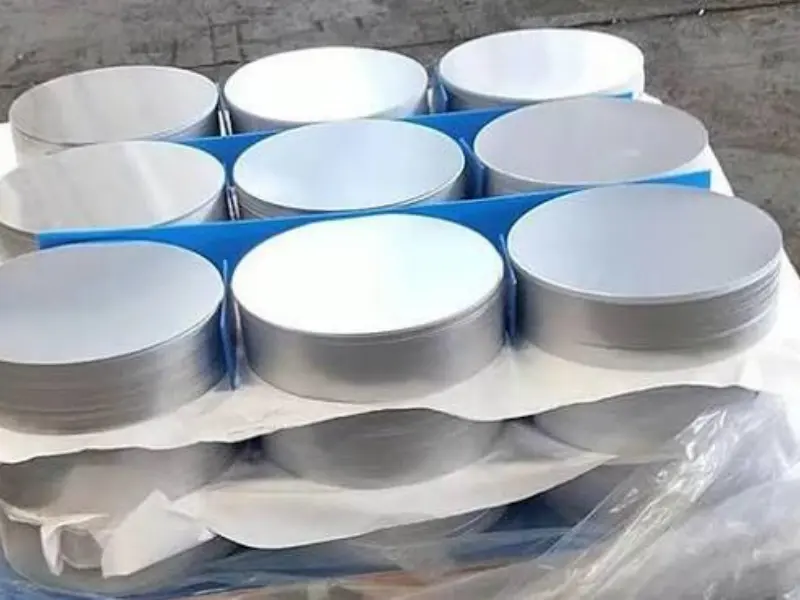
Steel Strapping: We use steel bands to ensure the load does not shift during sea or truck transport.
Plastic Interleaving: We can place paper or plastic between each disc to prevent rubbing.
Silica Gel: We add desiccant bags to the boxes to prevent moisture and “white rust.”
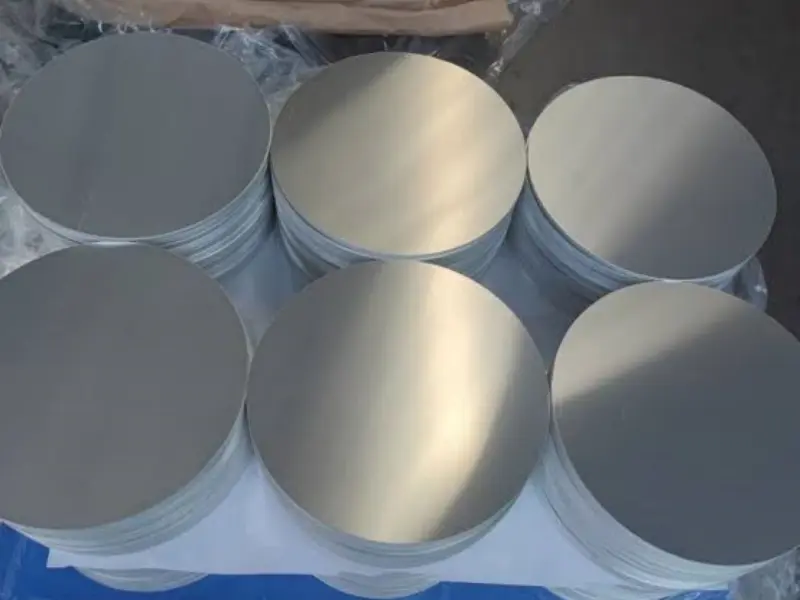
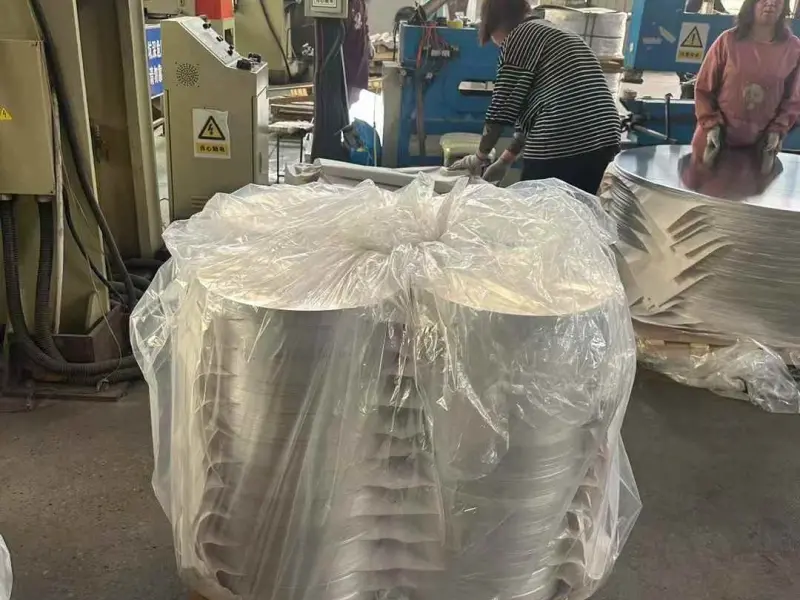
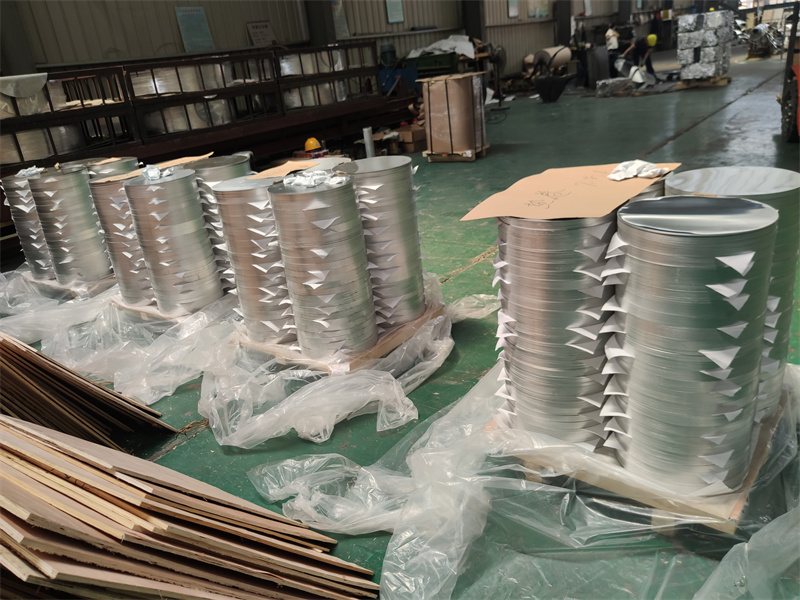
Strong Pallets: The discs are stacked on reinforced wooden pallets and wrapped in heavy-duty plastic.
Aluminum circle disc Supplier
The aluminum circle disc is a versatile and cost-effective material for many industries. Whether you need soft discs for artistic spinning or strong discs for industrial pressure cookers, we have the right specifications for you.
By focusing on the right alloy, temper, and size, you can improve your production speed and the quality of your final goods. Contact us today for a quote or to request samples of our premium aluminum circles!
Frequently Asked Questions (FAQ)
Can I get a custom diameter?
Yes. We have hundreds of molds in stock. If we don’t have your exact size, we can create a custom tool for your project.
What is the Minimum Order Quantity (MOQ)?
For standard sizes like 300 mm or 400 mm, the MOQ is low, usually around 500 kg. For very specialized alloys, it might be higher.
How do I know which alloy to choose?
If you are making simple pans, 1050 is great. If you are making high-end professional cookware, 3003 is much better because it is stronger.