Roller color coated parts are rollers with a colored coating on their working surface. These rollers serve many industries. They give grip, protection, chemical resistance, and visual identity.
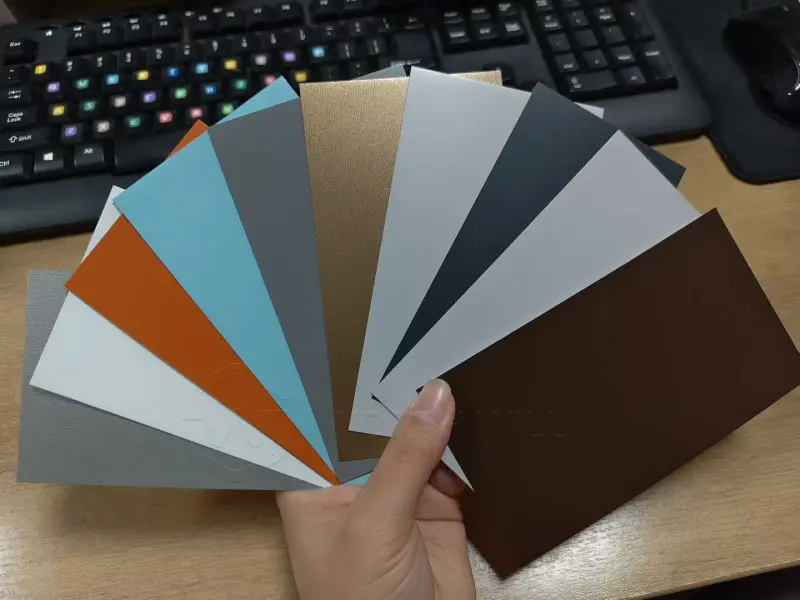
Main product types
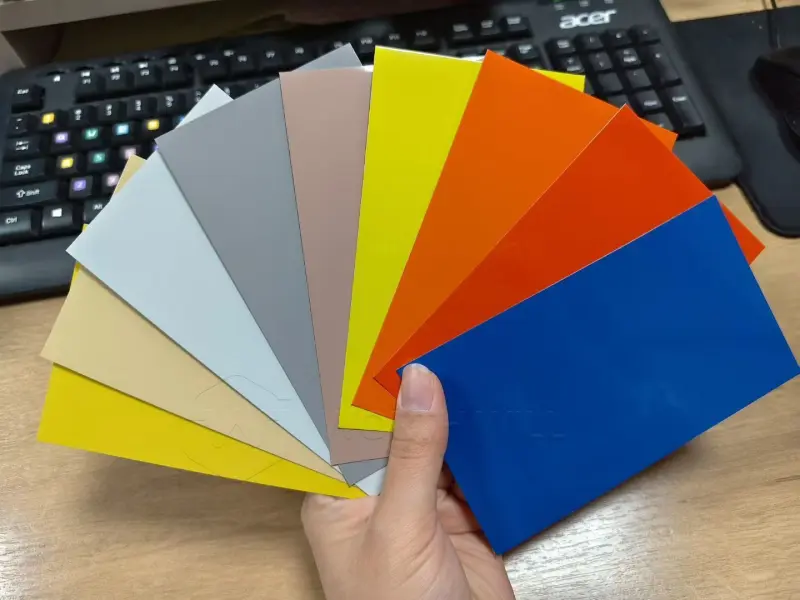
Here are common roller types. Each type works in different machines.
- Polyurethane coated rollers
- Rubber coated rollers (NBR, EPDM, Silicone)
- Epoxy coated rollers
- Chrome plated rollers (hard chrome)
- Ceramic coated rollers
- Teflon/PTFE coated rollers
- Powder coated metal rollers
Polyurethane coated rollers
Polyurethane (PU) is durable. It resists abrasion and oil. PU offers good load support. Color options are wide.
| Property | Typical range |
|---|---|
| Hardness (Shore A/D) | 60A – 95A / 60D – 75D |
| Coating thickness | 0.5 – 6 mm |
| Temperature range | -40 °C to 120 °C |
| Common color | Custom (many) |
Rubber coated rollers
Rubber types give different chemical and heat resistance.
| Rubber type | Best for | Max temp |
|---|---|---|
| NBR (Nitrile) | Oil resistance | 100 °C |
| EPDM | Weather, heat, chemicals | 150 °C |
| Silicone | High temp, food contact | 250 °C |
Epoxy coated rollers
Epoxy gives hard, chemical-resistant surfaces. It is good for corrosive conditions. Color is easy to add.
| Property | Value |
|---|---|
| Hardness | 60–85 D |
| Coating thickness | 50–500 µm |
| Chemical resistance | High |
Chrome plated rollers
Hard chrome delivers a smooth, wear-resistant finish. Color comes from base or topcoat only.
| Chrome layer | Typical thickness |
|---|---|
| Hard chrome | 5–50 µm |
Ceramic and PTFE coatings
Ceramic coatings resist wear and heat. PTFE gives low friction. Both can be colored by topcoat.
| Coating | Feature |
|---|---|
| Ceramic | High wear and heat resistance |
| PTFE / Teflon | Low friction, non-stick |
Core alloys and materials
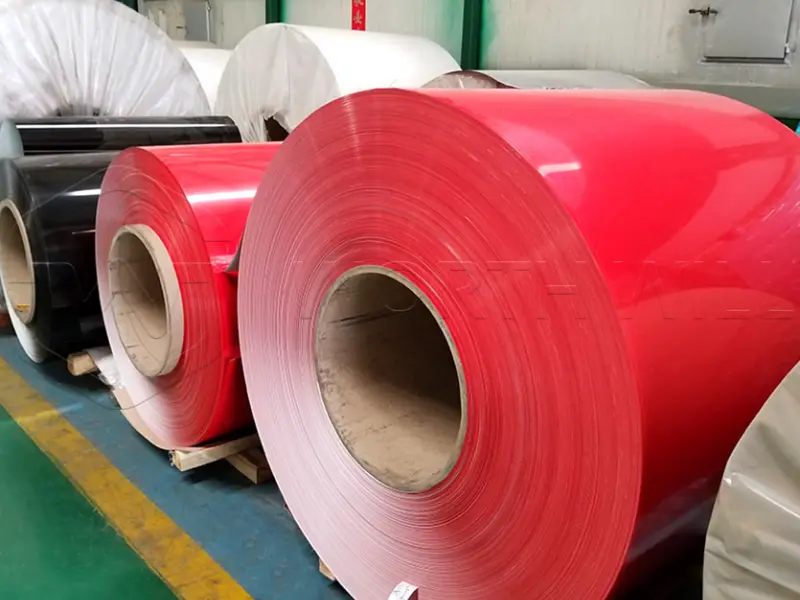
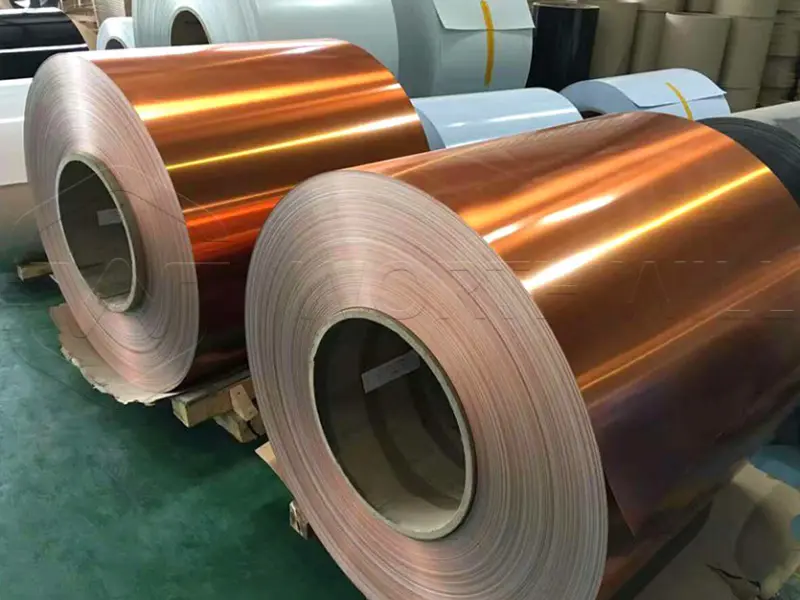
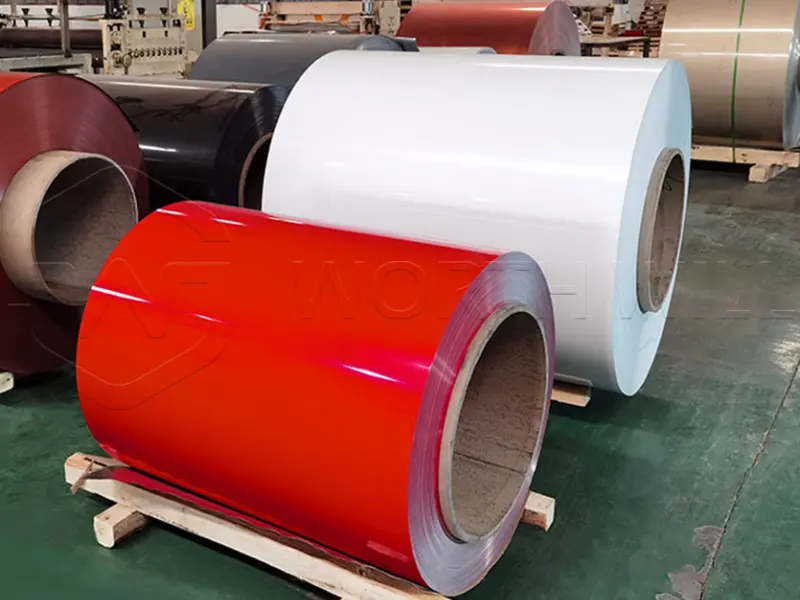
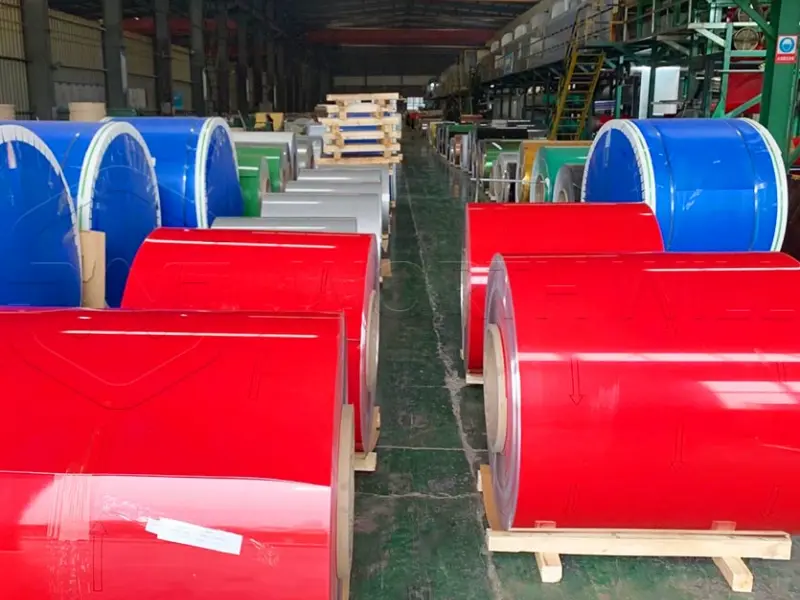
Roller cores use metals and composites. Core choice affects strength, balance, and cost.
Small core table
| Core material | Typical use | Note |
|---|---|---|
| Carbon steel | General purpose | Can be chrome plated |
| Stainless steel (304/316) | Food, chemical | Corrosion resistant |
| Aluminum | Light-weight rollers | Good for fast speeds |
| Cast iron | Heavy duty | Dampens vibration |
| Composite (fiberglass) | Low weight, non-magnetic | Corrosion resistant |
Alloy grades often used:
- Steel: AISI 1045, AISI 1050 for cores.
- Stainless: 304 for general, 316 for salt or strong chemicals.
- Aluminum: 6061 or 7075 for higher strength.
Coating states and curing
Coating state describes how the surface is prepared or finished.
- Green state: newly applied, not cured. Do not load.
- Cured state: crosslinked and ready for use. Curing can be heat, UV, or room-temperature chemical.
- Ground / machined: the cured coat is ground for surface finish and tolerance.
- Textured: patterned by embossing, grinding, or laser.
- Overcoated: a top layer added for color or protection.
Small table — curing methods
| Method | Typical cure time | Use |
|---|---|---|
| Heat cure | 30 min to several hours | Epoxy, PU thermoset |
| UV cure | Seconds to minutes | Fast production, thin coats |
| Room cure | Hours to days | Some rubbers and adhesives |
Numeric specs and dimensions
Rollers come in many sizes. Here are typical ranges for industrial rollers.
| Spec | Typical range |
|---|---|
| Outer diameter (OD) | 10 mm – 1000 mm |
| Length (L) | 50 mm – 3000 mm |
| Coating thickness | 0.2 mm – 10 mm |
| Tolerance (OD) | ±0.01 mm to ±0.5 mm |
| Runout (TIR) | 0.01 mm – 0.2 mm |
| Surface finish Ra | 0.05 – 1.6 µm |
Use these numbers to match rollers to machines and speeds.
Surface hardness and durometer
Hardness affects grip, wear, and material handling. Use simple rules:
- Soft rollers (40–60 Shore A): more grip. Good for fragile items.
- Medium rollers (60–80 Shore A): general use. Balance of wear and grip.
- Hard rollers (80–95 Shore A / Shore D): high wear resistance. Good for web handling.
Small hardness table
| Use | Shore range |
|---|---|
| Soft handling | 40–60A |
| General purpose | 60–80A |
| Heavy duty | 80–95A / 60–75D |
Color, branding, and marking
Color is both functional and visual. It can help with line identification and safety. Common options:
- Solid color coats in RAL or pantone.
- Two-tone rollers for wear monitoring.
- Printed logos on ends or body.
- Fluorescent or safety colors.
Small color table
| Color choice | Benefit |
|---|---|
| Dark colors | Hide dirt and stains |
| Bright colors | Easy to see on the line |
| Two-layer colors | Show wear when top layer is gone |
Typical application areas
Roller color coated parts are used in many sectors. Short bullet lists help readers.
- Printing and converting
- Packaging machines
- Textile and nonwoven production
- Paper mills and web handling
- Food processing equipment
- Conveyor systems and material handling
- Bottle and can production
- Laminating and coating lines
- Offset and flexo presses
- Rubber and plastic extrusion
Applications table by industry
| Industry | Roller role |
|---|---|
| Printing | Ink transfer, impression, blanket rollers |
| Packaging | Folding, sealing, embossing |
| Textile | Calendaring, dyeing, drying |
| Food | Conveying, non-stick rollers (food-safe coatings) |
| Manufacturing | Guide rollers, tension control |
Performance and environmental limits
Understand temperature, chemical, and load limits for safe operation.
| Coating type | Temp limit | Chemical notes |
|---|---|---|
| PU | -40 to 120 °C | Good oil and abrasion resistance |
| Silicone | -60 to 250 °C | Good chemical and heat resistance |
| NBR | -30 to 120 °C | Good oil resistance; not for ozone |
| EPDM | -50 to 150 °C | Good weather and chemical resistance |
| PTFE | -200 to 260 °C | Low friction, chemical inert |
Selection guide — how to choose the right roller
Follow a short checklist to pick a roller.
- Define the function: grip, transfer, support, or finish.
- Check machine speed and line tension.
- Choose core material for strength and corrosion needs.
- Select coating for wear, chemical, and temperature resistance.
- Pick hardness for product handling.
- Choose color for identification and brand.
- Confirm tolerances and runout limits.
- Ask for test samples before full order.
Quick decision table
| Requirement | Suggested coating | Core |
|---|---|---|
| High speed web handling | Hard PU or chrome | Precision steel |
| Food contact, non-stick | Silicone or PTFE | Stainless steel 304 |
| Oil resistance | NBR or polyurethane | Steel or aluminum |
| High temp | Ceramic or silicone | Stainless or steel |
Installation and maintenance tips
Simple tips keep rollers long-lived.
- Inspect rollers before installation.
- Use correct shaft alignment and bearings.
- Avoid sharp objects on coated surfaces.
- Clean with recommended solvents only.
- Replace rollers when top layer shows wear or color change.
- Keep spare rollers in stock for quick swap.
Maintenance table
| Task | Frequency |
|---|---|
| Visual inspection | Daily or per shift |
| Surface cleaning | Weekly or per run |
| Bearing check | Monthly |
| Hardness test | Annually or if wear noted |
Custom options and finishes
Many manufacturers offer custom features.
- Dual-layer coatings (hard base, soft top).
- Patterned surfaces (grooves, knurls, diamond).
- Magnetic cores for specific drives.
- Balanced assemblies for high rpm.
- Food-grade certifications (FDA, EU) for coatings.
Small custom table
| Option | Benefit |
|---|---|
| Patterned surface | Better grip or drainage |
| Food-grade coat | Safe contact with food |
| Thermal-resistant coat | For drying ovens |
| Color match | Brand consistency |
Quality standards and testing
Common checks help ensure performance.
- Hardness measurement (Shore durometer).
- Coating thickness gauge (micrometer or ultrasonic).
- Runout and concentricity tests.
- Adhesion test (cross-cut or tape).
- Balance testing for rotors.
- Chemical resistance tests per spec.
Testing table
| Test | Typical spec |
|---|---|
| Coating adhesion | ≥ 3B (cross cut) or per standard |
| Runout (TIR) | ≤ 0.05 mm for precision rollers |
| Thickness tolerance | ±10% or ±0.1 mm |
Cost factors
Price depends on many elements. Simple list:
- Core material and size
- Coating type and thickness
- Hardness and processing needed
- Color and custom matching
- Quantity and lead time
- Post-finishing like balancing and machining
What is a color coated roller?
A color coated roller is a roller core covered with a colored layer.
The coating can be rubber, polyurethane, epoxy, or chrome.
Coatings can be sprayed, cast, or applied by roll-to-roll processes.
Color is often used for identification or brand matching.
Coatings also change surface properties like hardness and slip.
FAQ
Q: Can color coated rollers be food-safe?
A: Yes. Choose FDA or EU approved coatings and stainless cores.
Q: How long does a coated roller last?
A: Life depends on load, speed, and chemicals. Typical life ranges from months to years.
Q: Can I recoat a roller?
A: In many cases yes. Remove old coat or build a new layer if adhesion is good.
Q: Do color coatings affect recycling?
A: Coatings can complicate recycling. Ask your supplier about eco options.
Q: How to test color wear?
A: Use a two-layer color system or measure coating thickness over time.