In industrial and commercial construction, protecting your thermal insulation is just as important as the insulation itself. An Aluminum jacket for pipe insulation serves as the primary shield against mechanical damage, UV radiation, and harsh weather conditions.
Aluminum Jacketing
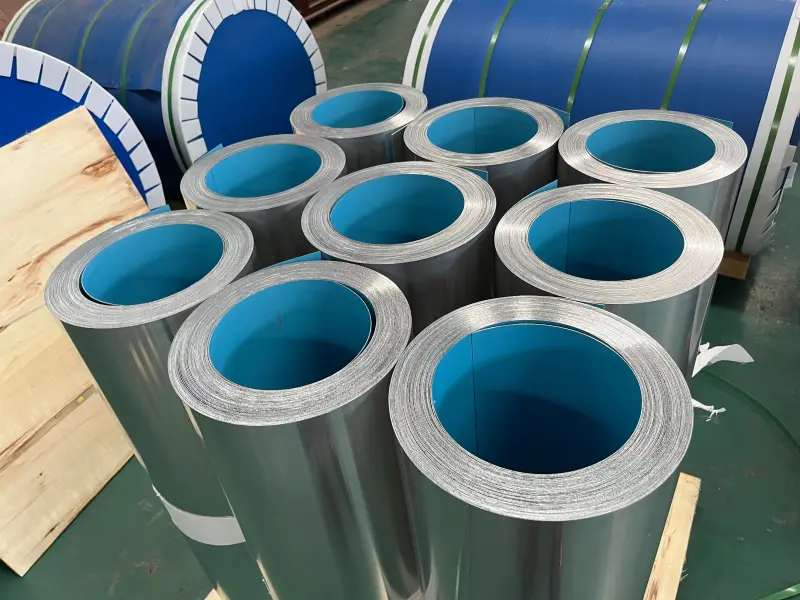
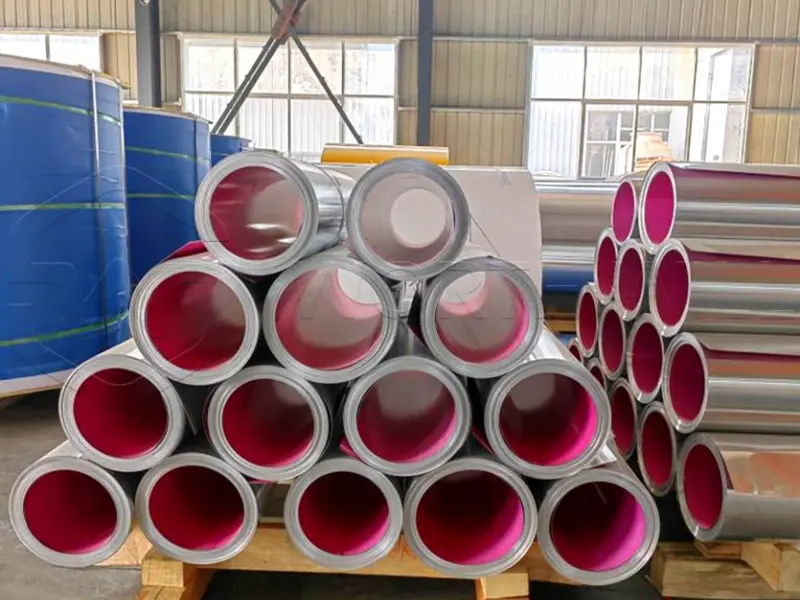
Without proper Pipe Insulation jacketing, even the best thermal materials will fail prematurely.
Our company is a leading manufacturer of high-performance Aluminum jacket Insulation systems. Whether you are working on a chemical plant, an HVAC system, or a power station, we provide the durable solutions you need.
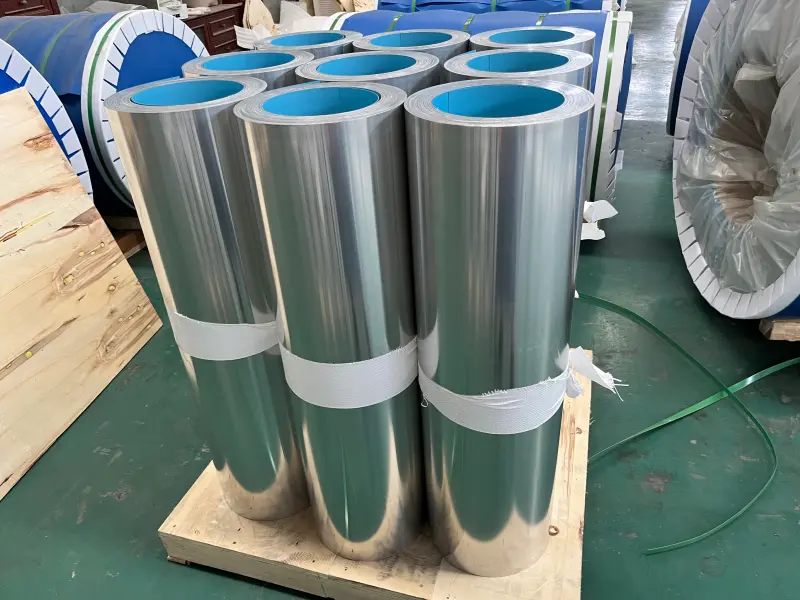
Using a Metal jacketing for Pipe Insulation offers several advantages over other materials. While PVC jacket for pipe insulation is common for indoor, light-duty applications, aluminum is the gold standard for industrial environments.
Aluminum Jacketing vs. PVC Jacketing
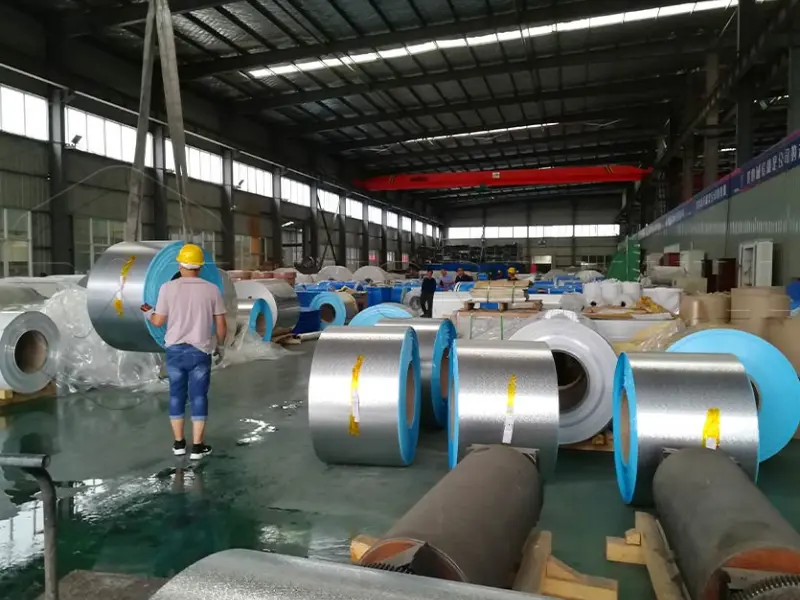
When deciding between an Aluminum jacket for pipe insulation and a PVC jacket for pipe insulation, consider the environment.
| Feature | Aluminum Jacketing | PVC Jacketing |
|---|---|---|
| Durability | High (Metal) | Moderate (Plastic) |
| UV Resistance | Excellent | Varies (Can turn brittle) |
| Max Temperature | Up to 600∘C | Up to 65∘C |
| Installation | Requires tools/bands | Easy snap-on/adhesive |
| Best For | Outdoor/Industrial | Indoor/Commercial |
Understanding the Materials: Alloy Grades and States
The quality of an aluminum jacket for pipe insulation starts with the alloy. Manufacturers use specific types of aluminum to handle different environments.
Alloy 1060 and 1100
Alloy 3003
Alloy 5052
Table: Comparison of Aluminum Alloys for Jacketing
| Alloy Type | Main Ingredient | Strength Level | Corrosion Resistance |
|---|---|---|---|
| 1060 | Pure Aluminum | Low | Very High |
| 3003 | Al-Manganese | Medium | High |
| 5052 | Al-Magnesium | High | Excellent (Marine) |
Aluminum Jacketing Size Chart
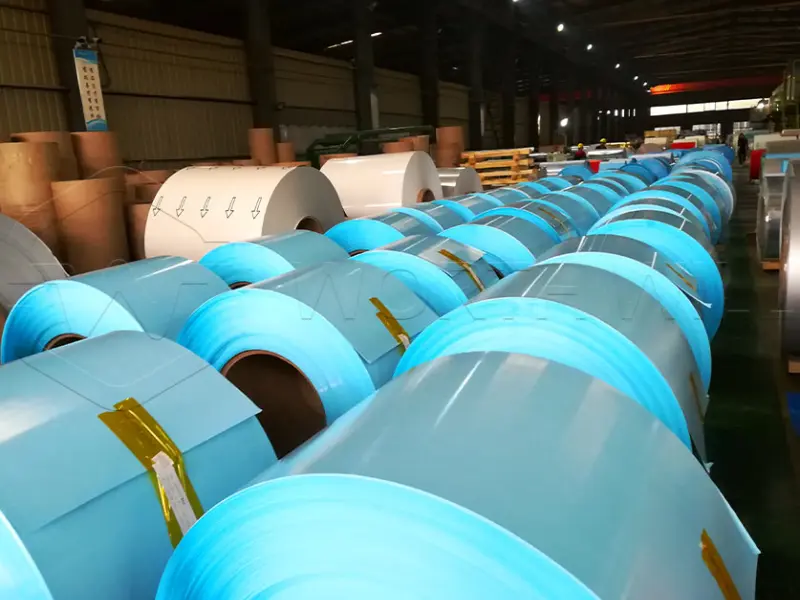
Choosing the correct size is essential for a tight fit. Below is a standard Aluminum jacketing size Chart used in the industry. Note that the jacket size must account for the thickness of the insulation material underneath.
| Pipe Size (NPS) | Insulation Thickness | Recommended Jacket ID | Jacket Thickness Options |
|---|---|---|---|
| 1/2″ | 1″ | 2.625″ | 0.4mm,0.5mm,0.6mm |
| 1″ | 1.5″ | 4.125″ | 0.5mm,0.6mm,0.8mm |
| 2″ | 2″ | 6.375″ | 0.5mm,0.8mm,1.0mm |
| 4″ | 2″ | 8.625″ | 0.6mm,0.8mm,1.0mm |
| 8″ | 3″ | 14.75″ | 0.8mm,1.0mm |
Note: Custom sizes are available upon request to fit non-standard configurations.
Types of Metal Jacketing for Pipe Insulation
We provide various surface finishes and alloys to suit specific project requirements. The most common alloy used is the 3003 or 3105 series for its excellent formability and corrosion resistance.
1. Smooth Finish
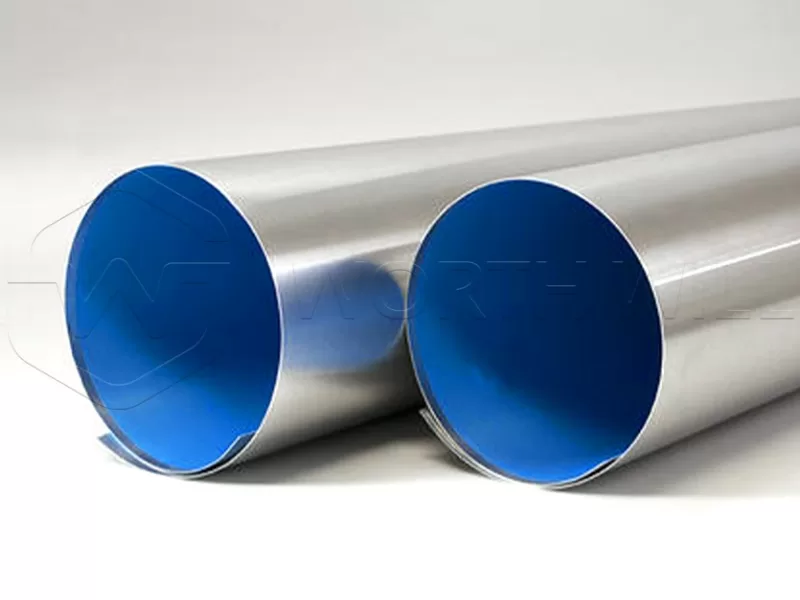
The most traditional look. It is easy to clean but can show scratches or dents more easily than textured versions.
2. Stucco Embossed Finish
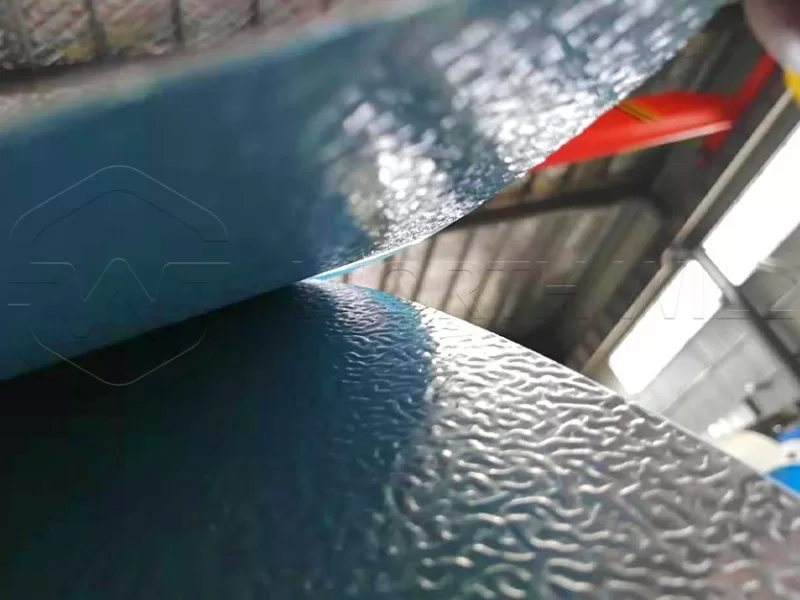
This texture hides small imperfections and reduces glare. It is very popular for Aluminum jacketing for ductwork.
3. Corrugated Sheets
Used for large-diameter pipes or tanks. The corrugation provides extra structural strength.
| Specification | Metric Value | Imperial Value |
|---|---|---|
| Standard Thickness | 0.4mm to 1.2mm | 0.016″ to 0.048″ |
| Standard Width | 914mm,1000mm,1220mm | 36″,39.4″,48″ |
| Roll Length | 15m,30m,50m | 50ft,100ft,150ft |
Specialized Solution: Fiberglass Pipe Insulation with Aluminum Jacket
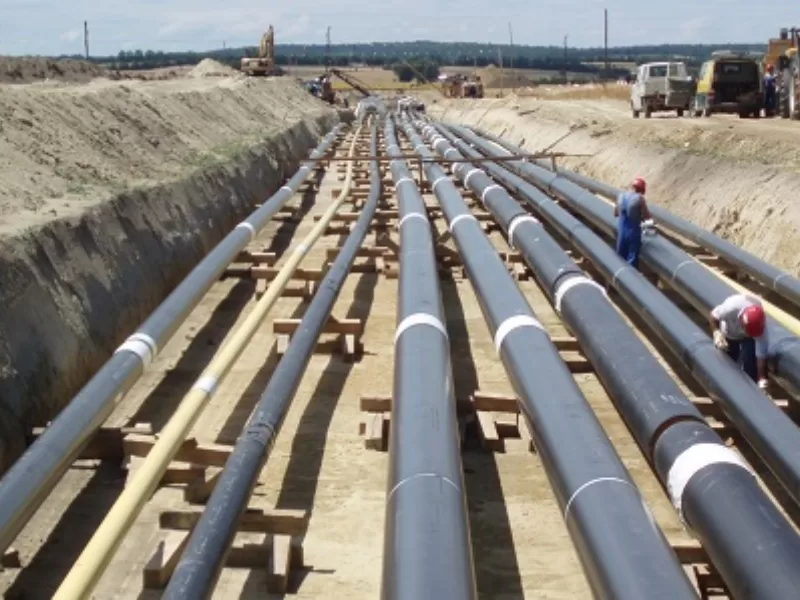
For many contractors, the most efficient way to install insulation is to use a pre-engineered system. Fiberglass pipe insulation with aluminum jacket is a “two-in-one” solution.
- The Core: High-density fiberglass provides excellent thermal resistance (R-value).
- The Shield: The factory-applied aluminum jacket protects the fiberglass from moisture and mechanical crushing.
This combination is widely used in steam piping and high-temperature industrial lines where thermal efficiency is critical.
Aluminum Jacketing for Ductwork
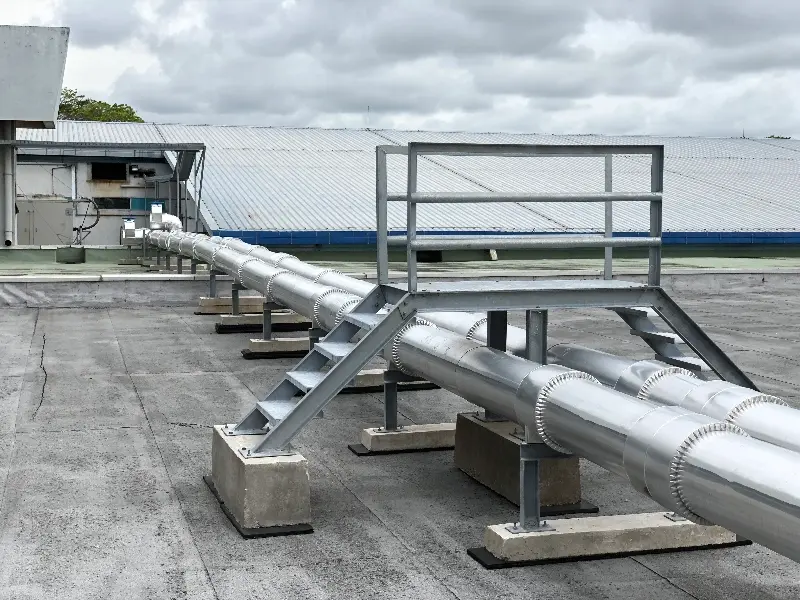
Large rectangular or round ducts in HVAC systems require protection too. Aluminum jacketing for ductwork is typically applied in larger sheets or rolls. It prevents the soft insulation (like rockwool or fiberglass blankets) from being damaged by birds, weather, or maintenance foot traffic.
Applications for Duct Jacketing:
- Rooftop air handling units.
- External exhaust ducts.
- Cold storage ventilation systems.
Aluminum Jacketing Installation Guide
Proper Aluminum jacketing installation is key to preventing water ingress. Follow these simple steps for a professional finish:
- Measurement: Measure the outer circumference of the insulated pipe. Add at least 2″ (50mm) for the overlap.
- Cutting: Use industrial shears to cut the aluminum roll to the required length.
- Positioning: Wrap the jacket around the insulation. Ensure the longitudinal seam faces downward (at the 4 o’clock or 8 o’clock position) to shed water effectively.
- Securing: Use stainless steel or aluminum bands (strapping). Space the bands every 8 to 12 inches (200−300mm).
- Sealing: For outdoor use, apply a high-quality silicone sealant to the joints to ensure a watertight seal.
Metal Jacketing for Pipe Insulation Size Chart (Metric)
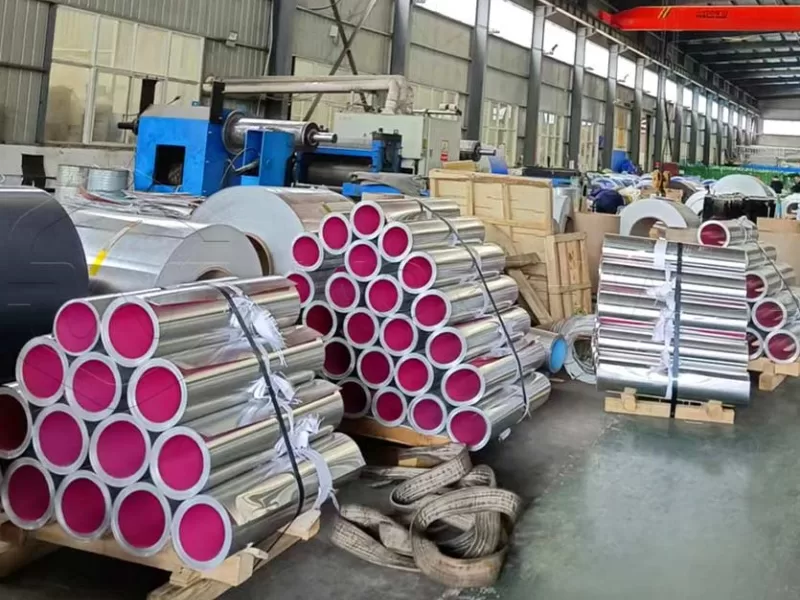
For international projects, we provide a Metal jacketing for Pipe Insulation size Chart in metric units.
| Pipe OD (mm) | Insulation Thick (mm) | Total OD (mm) | Recommended Alloy |
|---|---|---|---|
| 21.3 | 25 | 71.3 | 1060/3003 |
| 60.3 | 40 | 140.3 | 3003/3105 |
| 114.3 | 50 | 214.3 | 3003−H14 |
| 273.1 | 75 | 423.1 | 5052 (Marine) |
The Importance of the Moisture Barrier
A high-quality aluminum jacket for pipe insulation must have a lining on the inside. This is called a moisture barrier. It prevents water from touching the metal and causing “pitting” or corrosion.
Polysurlyn Moisture Barrier (PSMB)
This is a three-layer plastic film. It is heat-laminated to the inside of the aluminum. It is very tough and waterproof and the gold standard for industrial pipe cladding.
Kraft Paper Moisture Barrier
This is a layer of paper glued to the aluminum. It is a traditional method. While it is cheaper, it is not as durable as Polysurlyn. It can break down over time if the environment is very wet.
Table: Moisture Barrier Performance
| Barrier Type | Material | Lifetime | Waterproof Quality |
|---|---|---|---|
| Polysurlyn | Poly Film | Long | Excellent |
| Kraft Paper | Paper/Bitumen | Short | Moderate |
| Bare | None | N/A | Poor |
Technical Specifications for Buyers
When you order an aluminum jacket for pipe insulation, you need to provide specific numbers. Here are the standard measurements used in the industry.
Standard Product Dimensions Table
| Feature | Standard Value | Units |
|---|---|---|
| Thickness | 0.4,0.5,0.6,0.8,1.0 | mm |
| Width | 914,1000,1219 | mm |
| Roll Length | 30,50,100 | meters |
| Temper | H14,H16,H24 | Hardness State |
| Coating | Polysurlyn or Kraft | Interior |
Choosing the Correct Thickness
| Pipe Outer Diameter | Recommended Thickness (mm) | Alloy Recommendation |
|---|---|---|
| Up to 150 mm | 0.4 – 0.5 | 1060 |
| 150 mm to 600 mm | 0.5 – 0.6 | 3003 |
| 600 mm to 1200 mm | 0.8 | 3003 |
| Large Vessels/Tanks | 1.0 – 1.2 | 3003 (Embossed) |
Industries Where This Product Is Essential
The aluminum jacket for pipe insulation is used wherever pipes need to be protected. Here are the most common areas.
- Chemical Plants: Protecting pipes from acid rain and chemicals.
- Oil and Gas Refineries: Used on high-temperature steam lines.
- Food and Beverage: Providing a clean, silver surface that meets hygiene rules.
- HVAC Systems: Covering insulation on chilled water pipes in large buildings.
- Power Plants: Keeping insulation dry on boiler pipes.
- Pharmaceuticals: Ensuring a dust-free environment for pipe systems.
Comparing Aluminum to Other Materials
Is an aluminum jacket for pipe insulation better than stainless steel or plastic? Let’s look at the facts.
Aluminum vs. Stainless Steel
Aluminum is much lighter. It is also cheaper. Stainless steel is stronger and has a higher melting point, but for most factories, aluminum provides the best value for money.
Aluminum vs. PVC/Plastic
Plastic jackets can crack in the cold or melt in the heat. They also degrade under UV light from the sun. An aluminum jacket for pipe insulation will last for decades, even in direct sunlight.
Table: Metal vs. Plastic Jacketing
| Feature | Aluminum | Stainless Steel | PVC / Plastic |
|---|---|---|---|
| Weight | Light | Heavy | Very Light |
| Cost | Medium | High | Low |
| Durability | High | Very High | Low |
| Fire Safety | Good | Excellent | Poor |
Common Product Types and Shapes
Besides the flat rolls of metal, the aluminum jacket for pipe insulation comes in many pre-made shapes. This makes installation much faster.
Aluminum Jacketing Rolls
This is the most common form. It is a long strip of metal wound into a coil. Workers cut it to length on the job site.
Pre-formed Elbows
Pipes often turn at 45-degree or 90-degree angles. Pre-formed aluminum elbows fit perfectly over these turns. They save the worker from having to cut complex shapes by hand.
Tee Covers and End Caps
Tee covers are used where two pipes meet. End caps are used to seal the end of an insulated pipe. These parts ensure the entire system is waterproof.
Vital Features for Industrial Success
Why do professionals keep choosing the aluminum jacket for pipe insulation? It comes down to a few key properties.
Resistance to UV Rays
The sun can destroy many materials. Aluminum reflects UV rays. It does not become brittle or change color over time.
Fire Performance
Aluminum does not burn. In a factory fire, it helps contain the insulation and does not add fuel to the flames. This is a big safety advantage.
Easy Maintenance
You can wash an aluminum jacket for pipe insulation with water. It does not need to be painted. This saves companies a lot of money on maintenance over the years.
Tips for Proper Installation
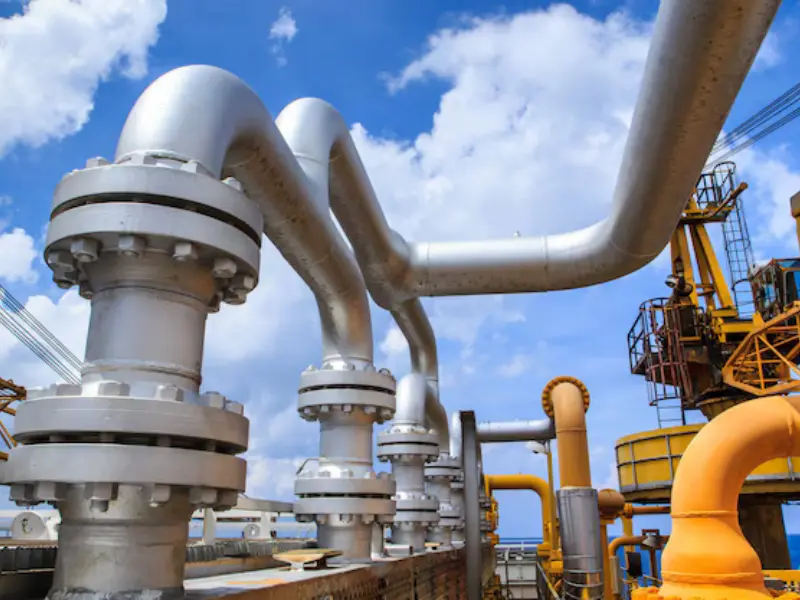
Even the best aluminum jacket for pipe insulation will fail if it is not installed correctly.
- The Overlap Rule: Always overlap the metal by at least 50 mm (2 inches). This prevents rain from getting inside.
- Screw and Band Spacing: Use stainless steel bands every 200 mm to 300 mm. This keeps the jacket tight.
- Downward Laps: When installing on horizontal pipes, make sure the seam faces down or to the side. Never put the seam on top where water can sit.
- Seal the Joints: Use a high-quality sealant on the joints if the pipes are outdoors in a rainy area.
Quality Standards and Certificates
When buying an aluminum jacket for pipe insulation, always check for quality standards.
- ASTM C1729: This is the standard specification for aluminum jacketing. It ensures the metal has the right strength and chemistry.
- Mill Test Certificate (MTC): A good supplier will provide a document showing the exact alloy and thickness of the metal.
- Surface Quality: Look for metal that is free of oil stains, scratches, or “white rust.”
Our Company: A Complete Aluminum Products Supplier
Beyond providing the best Aluminum jacket for pipe insulation, our company manufactures a wide range of aluminum materials for various industrial needs. We are a one-stop shop for high-quality aluminum.
Aluminum Coils and Sheets
We supply raw aluminum coils in various tempers (H14,H16,H24). These are not only for jacketing but also for automotive parts, roofing, and signage.
Aluminum Circles
Our precision-cut aluminum circles are ideal for the cookware industry. We offer thicknesses from 0.5mm to 5.0mm.
Aluminum Foil Products
We produce industrial-grade foil used in heat exchangers and flexible ducting. Our foil is popular for its high tensile strength and purity.
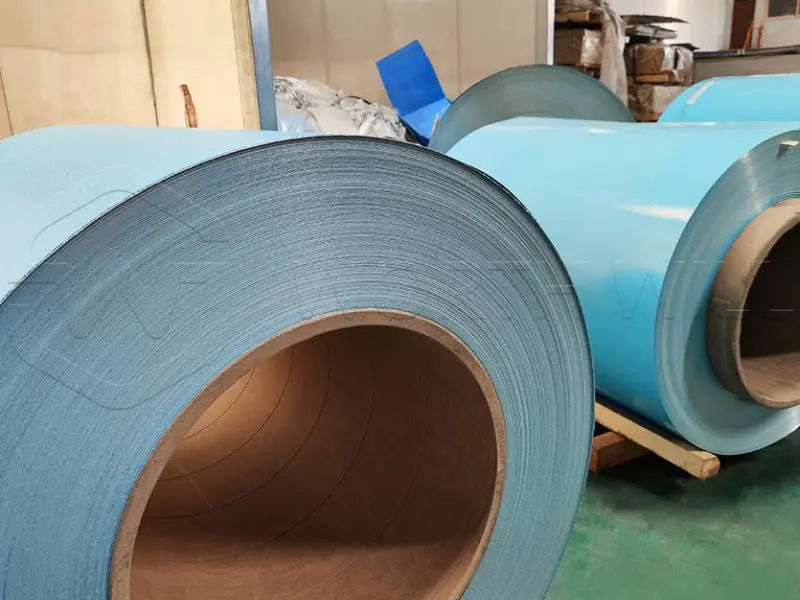
Color-Coated Aluminum
For architectural projects, we offer pre-painted aluminum in various colors. This has uses for decorative Pipe Insulation jacketing where color coding is required (e.g., blue for cold water, red for hot water).
Why Choose Aluminum Jacket Insulation?
Key Benefits:
- Corrosion Resistance: Our aluminum jackets are often treated with a moisture barrier to prevent “under-jacket corrosion.”
- Durability: It withstands physical impact much better than plastic alternatives.
- Fire Safety: Aluminum is non-combustible, making it ideal for high-risk industrial zones.
- Aesthetics: Provides a clean, professional silver finish to any piping system.
Frequently Asked Questions (FAQ)
Q: Does your aluminum jacketing come with a moisture barrier?
A: Yes. We can provide a Poly-Surlyn or Poly-Kraft moisture barrier heat-laminated to the interior surface to prevent galvanic corrosion.
Q: What is the standard thickness for outdoor pipe jacketing?
A: The most common thickness is 0.4mm (0.016″) or 0.5mm (0.020″) for standard pipes.
Q: Can I use aluminum jacketing for underground pipes?
A: Aluminum is generally recommended for above-ground use. For underground pipes, specialized bitumen-coated jackets or cellular glass systems are often preferred.
Aluminum jacket for pipe insulation for sale
Investing in a high-quality Aluminum jacket for pipe insulation is the best way to ensure your insulation lasts for decades. From providing a detailed Aluminum jacketing size Chart to offering specialized Fiberglass pipe insulation with aluminum jacket combos, our company is dedicated to your project’s success.
Whether you need Aluminum jacketing for ductwork or a reliable Metal jacketing for Pipe Insulation size Chart, we have the expertise and the inventory to help.
Choosing the Right Jacket
To find the best aluminum jacket for pipe insulation, you must consider your environment. If you are near the ocean, choose alloy 5052. For a standard factory, alloy 3003 with a stucco embossed finish is usually the best choice. Always ensure there is a Polysurlyn moisture barrier on the inside to protect your pipes for the long term.
Investing in a high-quality aluminum jacket for pipe insulation is a smart move. It protects your expensive insulation, saves energy, and keeps your facility looking great.
Contact us today for a quote on wholesale aluminum jacketing and other premium aluminum products!