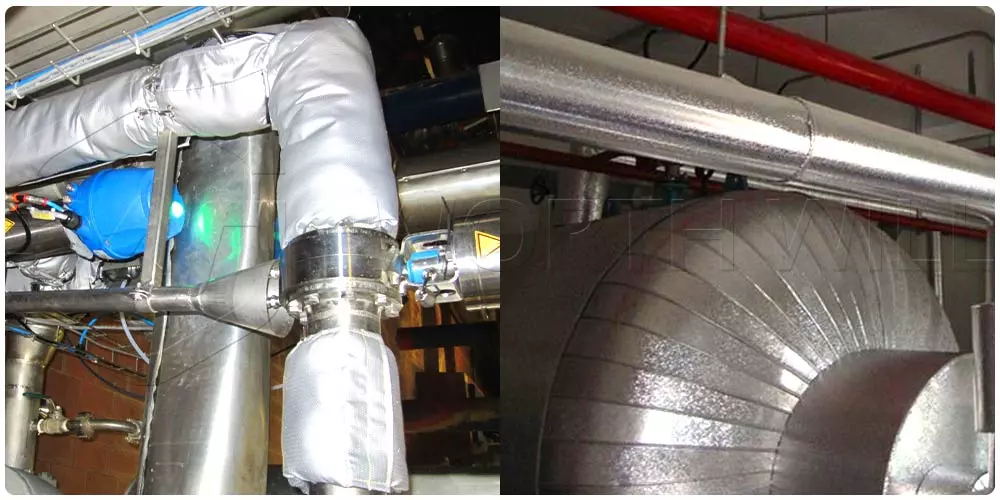
Aluminium cladding is a protective metal covering used to shield pipe insulation from environmental damage. This thin aluminum sheet wraps around insulated pipes to provide a durable, weather-resistant barrier. The cladding protects the underlying insulation material from moisture, physical damage, and UV radiation while maintaining the thermal efficiency of the system.

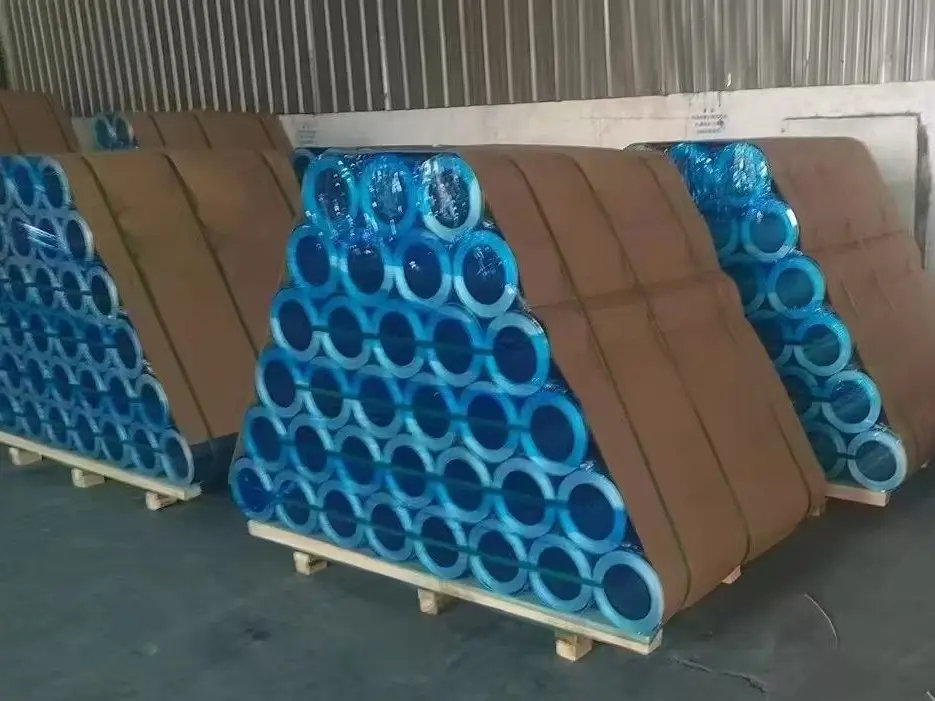

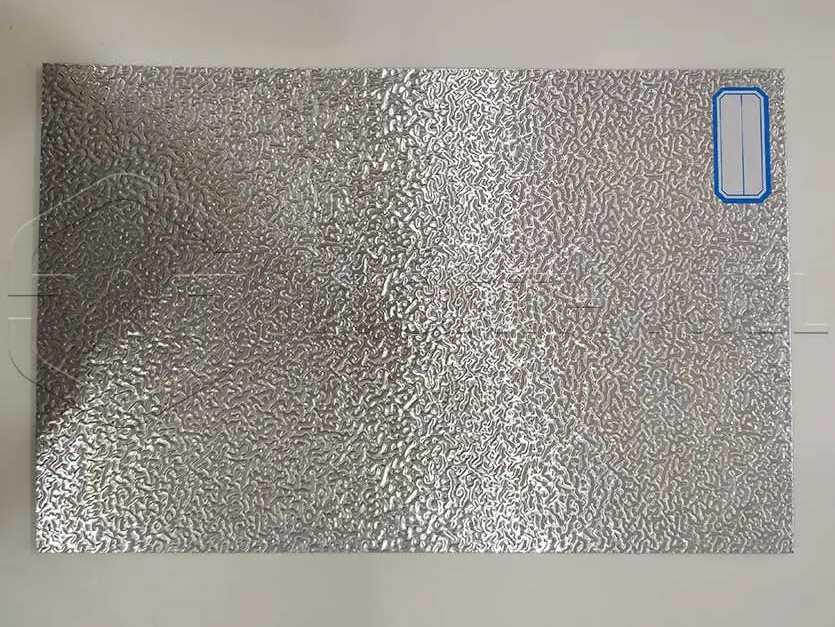
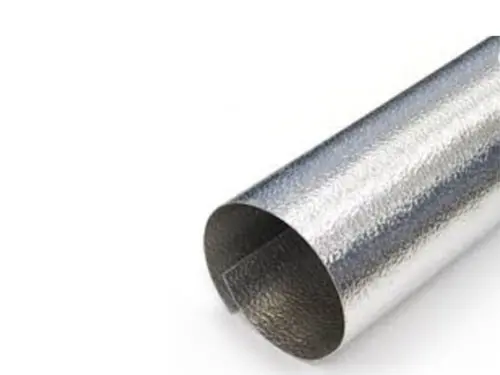
Metal clad pipe insulation has become the industry standard for both indoor and outdoor applications. The aluminum cladding sheet acts as a vapor barrier, preventing water infiltration that could reduce insulation performance. This protective layer ensures your pipe insulation system delivers optimal energy savings over its entire service life.
Does Cladding Provide Insulation?
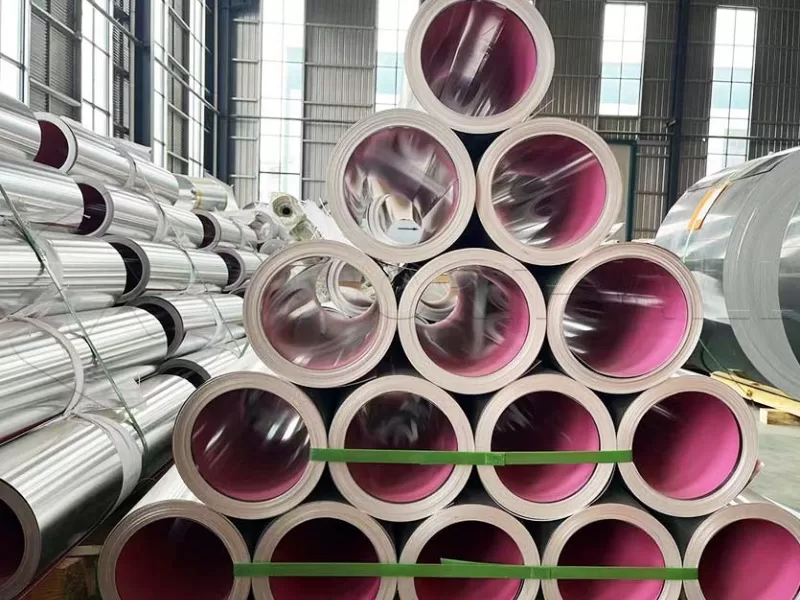
While aluminium cladding itself is not an insulator, it plays a critical role in the insulation system. The cladding for pipe insulation serves as a protective jacket that keeps the actual insulation material dry and intact. Without proper cladding, insulation can absorb moisture, compress, or deteriorate, losing its thermal resistance properties.
The aluminum clad pipe insulation system works by combining insulation materials like fiberglass, mineral wool, or foam with an outer aluminum protective layer. This combination delivers both thermal performance and long-term durability.
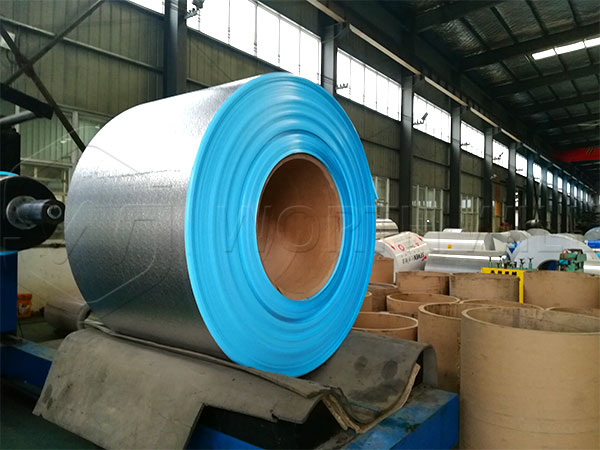
Aluminium Cladding Sheet Specification for Insulation
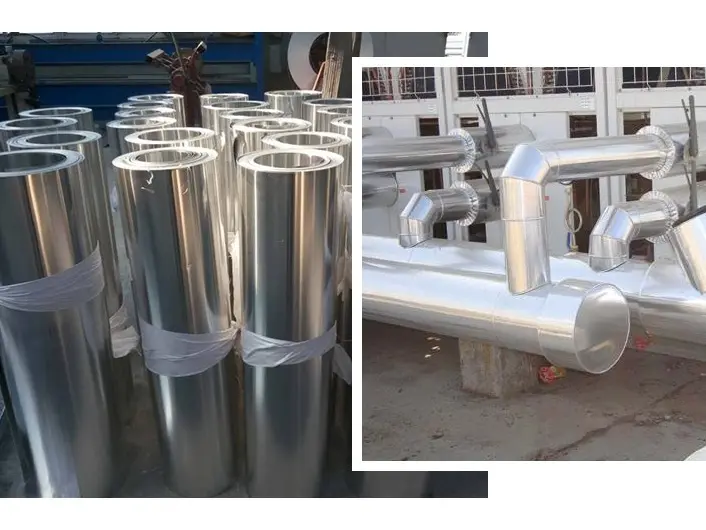
Understanding the specifications helps you select the right product for your project. Here are the key technical parameters:
| Specification | Standard Options | Description |
|---|---|---|
| Thickness | 0.4mm, 0.5mm, 0.6mm, 0.8mm, 1.0mm | Thicker sheets offer more durability |
| Width | 1000mm, 1200mm, 1250mm | Standard roll widths |
| Alloy Type | 1100, 3003, 3105, 5052 | Different alloys for various applications |
| Temper | H14, H16, H18, O | Affects flexibility and strength |
| Surface Finish | Smooth, Stucco, Corrugated | Different textures for grip and appearance |
| Color | Silver, White, Custom RAL | Coating options available |
Common Thickness Applications
| Thickness | Typical Use | Environment |
|---|---|---|
| 0.4mm | Indoor light-duty | Minimal physical contact |
| 0.5mm | Standard indoor | General commercial buildings |
| 0.6mm | Heavy-duty indoor | Industrial facilities |
| 0.8mm | Outdoor standard | Weather-exposed installations |
| 1.0mm | Extreme conditions | High-traffic or harsh environments |
The aluminium cladding sheet specification for insulation must match your project requirements. Indoor applications typically use thinner gauges (0.4-0.6mm), while outdoor installations require thicker materials (0.8-1.0mm) to withstand weather conditions.
Types of Aluminium Cladding Products
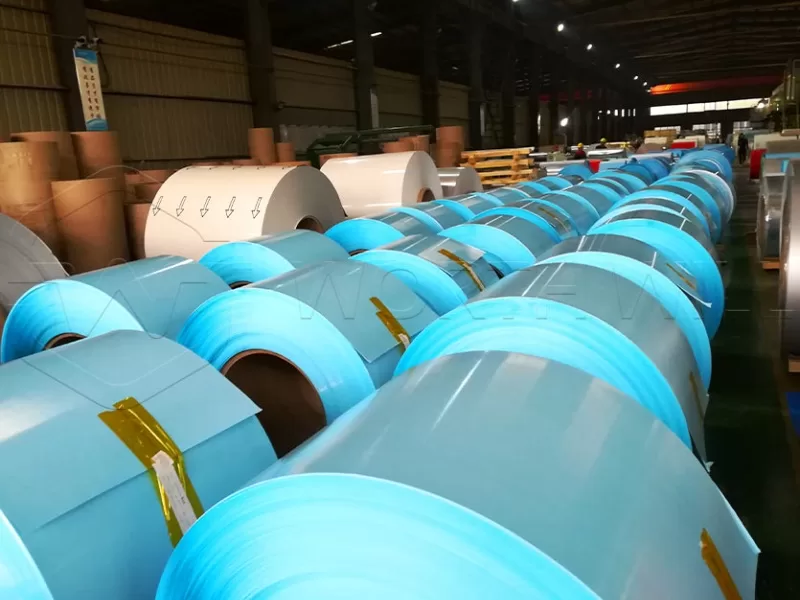
Smooth aluminum sheets provide a clean, professional appearance ideal for visible installations. These sheets are easy to clean and maintain, making them popular in commercial buildings, hospitals, and food processing facilities. The smooth surface reflects light well and creates a modern aesthetic.
Stucco Embossed Aluminium
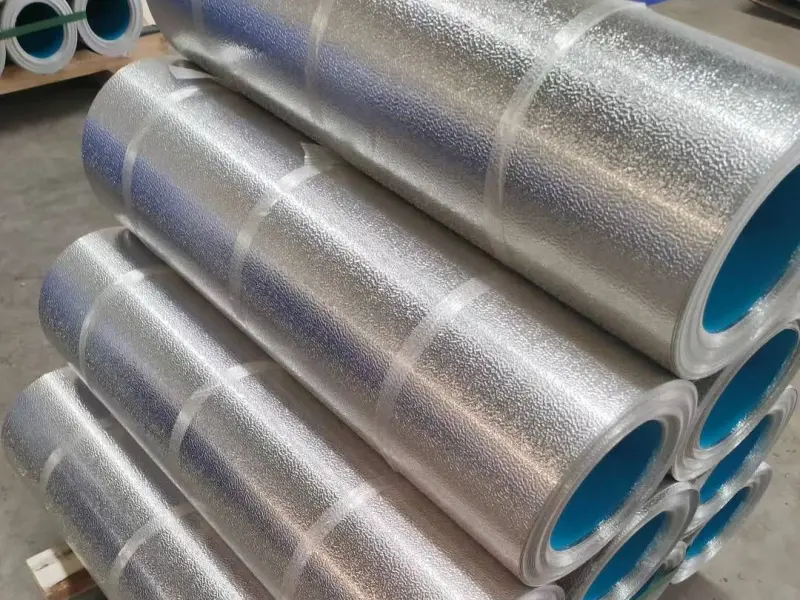
Stucco embossed cladding features a textured surface pattern that provides better grip during installation and hides minor surface imperfections. This type is commonly used in industrial settings where appearance is less critical than functionality. The embossed pattern also adds structural rigidity to thinner sheets.
Corrugated Aluminium Cladding
Corrugated aluminum offers enhanced strength and rigidity due to its wave-like profile. This design allows for thinner material while maintaining structural integrity. Corrugated cladding is excellent for large-diameter pipes and outdoor applications where wind loads are a concern.
Colored and Coated Cladding
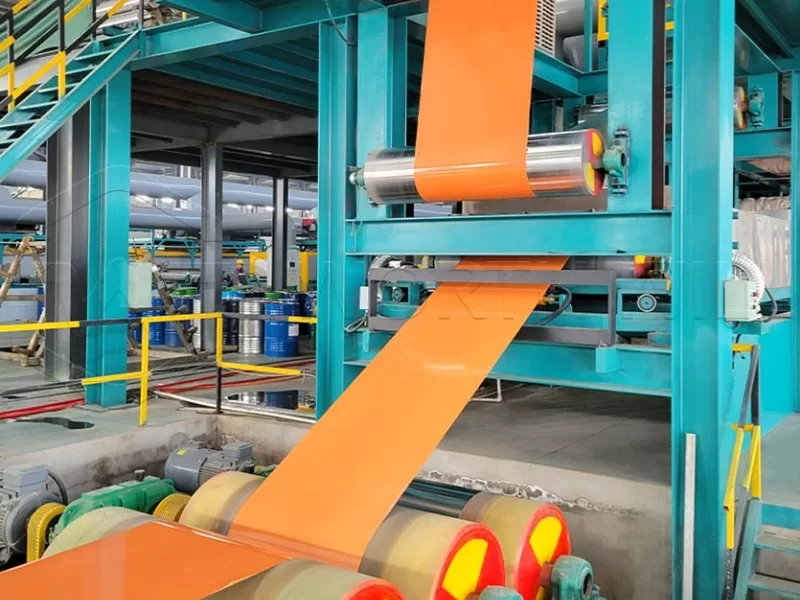
Pre-painted or coated aluminium cladding sheets come in various colors to match building aesthetics or color-coding requirements. The coating also provides additional corrosion resistance. Common coating types include polyester, PVDF, and epoxy finishes that extend the service life in corrosive environments.
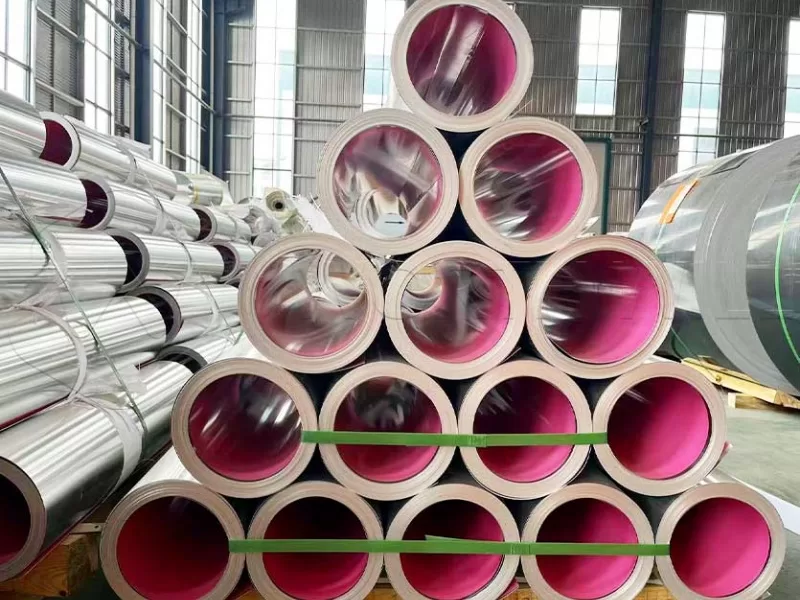
Moisture Barrier Cladding
Specialized moisture barrier cladding incorporates additional sealing features like integral moisture barriers or laminated kraft paper backing. These products are designed for applications where vapor transmission must be minimized, such as cold pipe systems where condensation is a concern.
Aluminium Cladding Sheet Price Factors
The aluminium cladding sheet price varies based on several factors:
| Price Factor | Impact on Cost | Typical Range |
|---|---|---|
| Material thickness | Thicker = Higher cost | +15-40% per 0.1mm |
| Alloy type | Premium alloys cost more | 3003 is 10-20% more than 1100 |
| Surface finish | Specialty finishes add cost | Stucco +5-10%, Corrugated +15-25% |
| Coating/Color | Coated products premium | +20-50% over plain |
| Order quantity | Bulk orders reduce unit price | 10-30% discount for large orders |
| Width and length | Custom sizes may cost more | Standard sizes most economical |
Current market prices for aluminium cladding for pipe insulation typically range from $3.50 to $12.00 per square meter for standard products, with specialty items commanding higher prices. Always request quotes from multiple suppliers to ensure competitive pricing.
Pipe Insulation Cladding Procedure
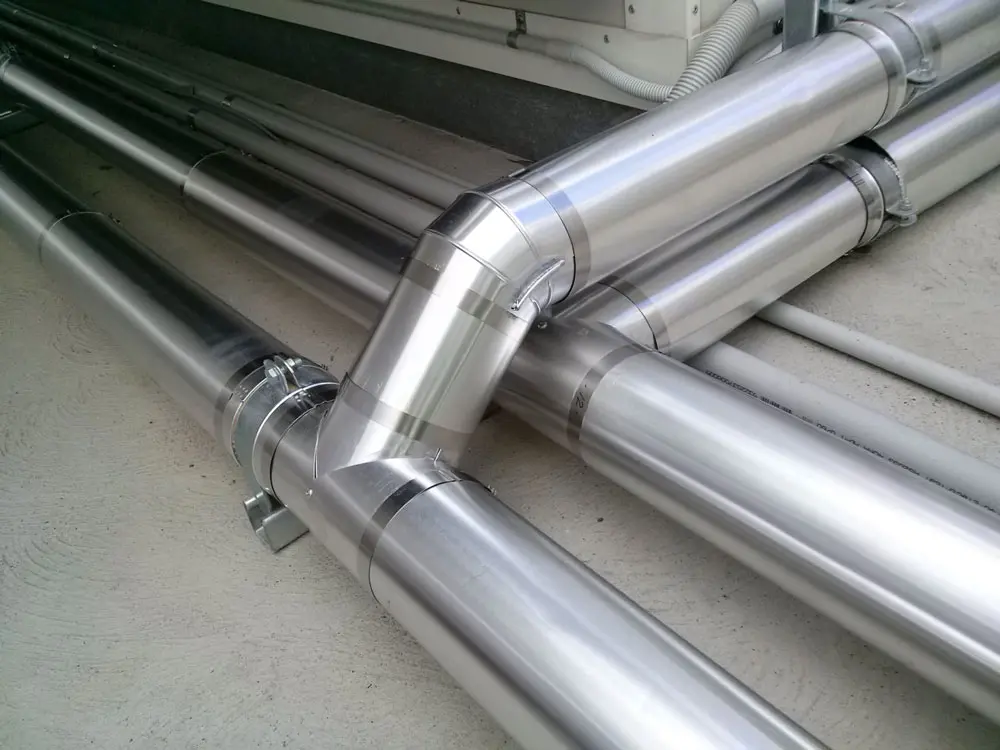
Proper installation ensures maximum performance and longevity. Follow this systematic approach:
Preparation Phase
Before beginning installation, ensure the insulation is properly installed, dry, and secured. Clean the work area and verify you have all necessary materials: cladding sheets, banding or screws, sealant, cutting tools, and safety equipment.
Measuring and Cutting
Measure the pipe circumference and add 50-75mm for overlap. Cut the aluminium cladding sheet to the required length using tin snips or a circular saw with a metal-cutting blade. Always wear safety gloves and eye protection during cutting operations.
Wrapping and Securing
Wrap the cladding around the insulated pipe, ensuring the overlap is on the bottom or side (never on top where water can enter). Secure the cladding using stainless steel banding, self-tapping screws, or pop rivets spaced 300-450mm apart. Ensure the cladding is snug but not compressed.
Sealing Joints
Apply weatherproof sealant to all longitudinal seams and end joints. For outdoor installations, use silicone or polyurethane sealant rated for temperature extremes. Proper sealing prevents water infiltration and maintains the integrity of the insulation system.
Finishing Touches
Install end caps, elbows, and valve covers to complete the system. Inspect all joints and fasteners to ensure secure attachment. Clean the surface to remove any installation debris or fingerprints.
How Long Does Aluminium Cladding Last?
The service life of aluminum cladding depends on environmental conditions and installation quality. Under normal conditions, properly installed aluminium cladding can last 20-30 years or more. Here’s what affects longevity:
| Environment Type | Expected Lifespan | Key Factors |
|---|---|---|
| Indoor controlled | 30+ years | Minimal corrosion, stable conditions |
| Indoor industrial | 20-25 years | Chemical exposure, temperature cycling |
| Outdoor temperate | 25-30 years | Moderate weather, proper maintenance |
| Outdoor coastal | 15-20 years | Salt air corrosion, requires coated products |
| Outdoor industrial | 15-25 years | Pollution, chemicals, requires premium alloys |
Regular maintenance extends cladding life significantly. Annual inspections to check for damage, loose fasteners, or sealant deterioration help identify issues before they compromise the insulation system.
Applications of Aluminium Cladding for Pipe Insulation
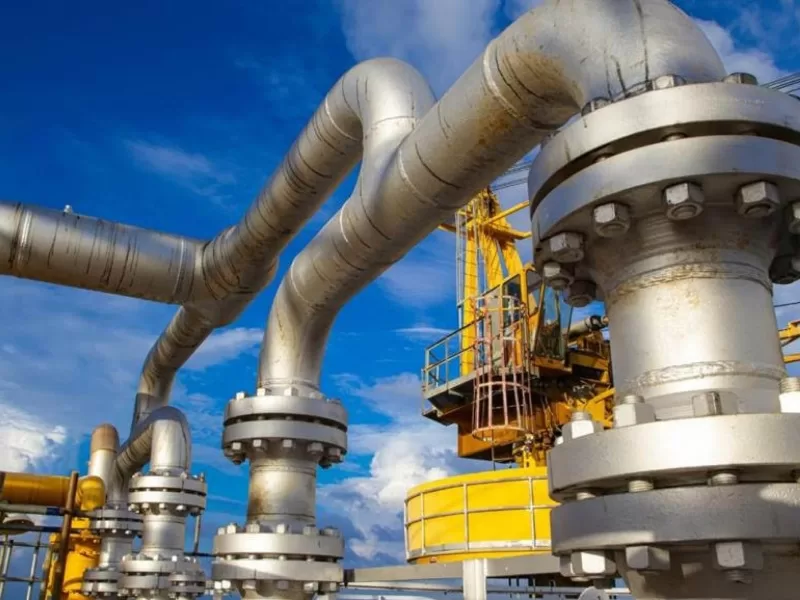
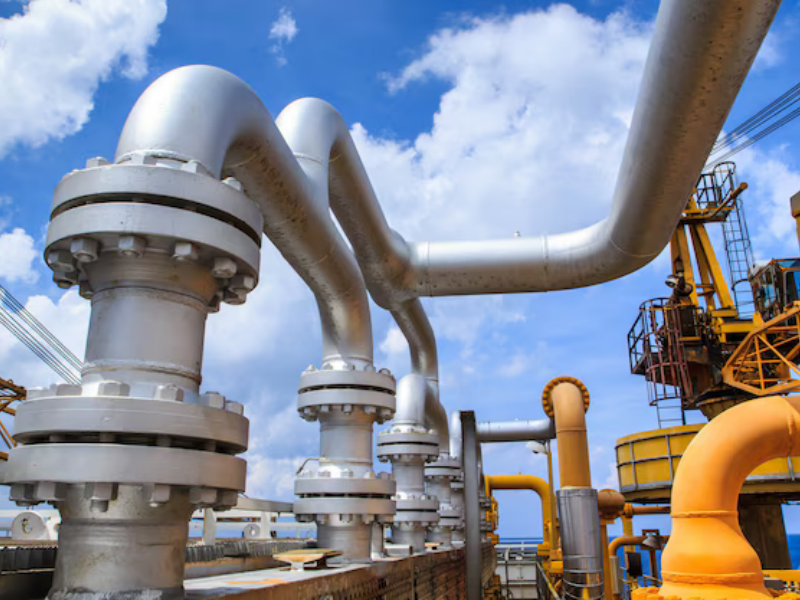
Metal clad pipe insulation serves diverse industries and applications:
Industrial Facilities
- Chemical processing plants
- Refineries and petrochemical facilities
- Power generation plants
- Manufacturing facilities
- Pulp and paper mills
Commercial Buildings
- HVAC systems
- Chilled water lines
- Hot water distribution
- Steam condensate return lines
- Rooftop mechanical equipment
Marine and Offshore
- Ship engine rooms
- Offshore platforms
- Desalination plants
- Marine terminals
Food and Pharmaceutical
- Process piping systems
- Clean room installations
- Temperature-controlled distribution
- Sanitary piping systems
District Energy Systems
- District heating networks
- District cooling systems
- Thermal energy storage
- Combined heat and power plants
Our Company’s Aluminium Product Range
We specialize in providing comprehensive aluminum solutions for pipe insulation and industrial applications. Our product portfolio includes multiple categories designed to meet diverse project requirements.
Standard Aluminium Cladding Sheets
Our standard line includes smooth aluminum sheets in thicknesses from 0.4mm to 1.0mm, available in alloys 1100 and 3003. These products suit most general-purpose applications and offer excellent value for budget-conscious projects. We stock standard widths of 1000mm and 1200mm for immediate delivery.
Premium Alloy Cladding Products
For demanding environments, we offer premium alloy options including 3105 and 5052 aluminum. These materials provide superior corrosion resistance and are ideal for coastal installations, chemical plants, and other corrosive environments. The enhanced durability justifies the modest price premium in harsh conditions.
Specialty Surface Finishes
Our specialty finish line includes stucco embossed, corrugated, and custom-textured surfaces. These products address specific installation challenges and aesthetic requirements. The stucco finish is particularly popular for industrial applications, while corrugated options excel in high-wind outdoor installations.
Pre-Finished and Coated Products
We supply factory-coated aluminium cladding in standard colors (white, silver, beige) and custom RAL colors upon request. Our coating options include polyester for general use, PVDF for maximum UV resistance, and epoxy for chemical resistance. All coated products carry manufacturer warranties for coating integrity.
Complete Accessory Systems
Beyond flat sheets, we provide a full range of accessories including pre-formed elbows, tees, end caps, and valve covers. Our fitting program eliminates field fabrication time and ensures professional-looking installations. We also stock compatible banding, fasteners, and sealants for one-stop shopping convenience.
Custom Fabrication Services
For complex projects, our fabrication team can pre-cut, form, and assemble custom cladding components to your specifications. This service reduces on-site labor costs and improves installation quality. We work from your drawings or can provide design assistance for challenging configurations.
Technical Support and Training
We don’t just sell products—we partner with our customers for project success. Our technical team provides installation guidance, specification assistance, and on-site training. We help you select the optimal product combination for your specific application and budget.
Choosing the Right Aluminium Cladding
Selecting appropriate cladding requires evaluating several factors. Consider the operating temperature range, as extreme temperatures may require specific alloys or thicker materials. Evaluate the environmental exposure, including weather, chemicals, and physical abuse potential.
Budget constraints must balance initial cost against long-term performance. While premium products cost more upfront, they often deliver lower total cost of ownership through extended service life and reduced maintenance. Aesthetic requirements also influence product selection, particularly in visible installations.
Consult with experienced suppliers who can recommend products based on your specific application. Provide details about pipe size, insulation type, location (indoor/outdoor), environmental conditions, and any special requirements. Quality suppliers will help you optimize product selection for performance and value.
Maintenance and Care
Proper maintenance preserves the protective function of aluminium cladding. Conduct annual visual inspections to identify damaged sections, loose fasteners, or failed sealant. Address issues promptly to prevent water infiltration and insulation damage.
Clean cladding surfaces periodically to remove dirt, debris, and corrosive deposits. Use mild detergent and water for routine cleaning. Avoid abrasive cleaners that could damage coatings or the aluminum surface. In coastal or industrial environments, increase cleaning frequency to prevent corrosion.
Replace damaged sections rather than attempting repairs. Aluminum cladding is relatively inexpensive compared to the insulation it protects. Prompt replacement of damaged areas prevents costly insulation failure and energy waste.
Aluminium Cladding For Pipe Insulation for sale
Aluminium cladding for pipe insulation provides essential protection that ensures long-term insulation performance and energy efficiency. Understanding the specifications, types, and proper installation procedures helps you make informed decisions for your projects.
Whether you need standard smooth sheets for indoor applications or heavy-duty corrugated cladding for outdoor industrial use, selecting quality products and following proper installation procedures delivers reliable, long-lasting results. The modest investment in proper cladding pays dividends through reduced energy costs, lower maintenance expenses, and extended system life.
Our company offers a complete range of aluminum cladding products backed by technical expertise and customer support. Contact us to discuss your specific requirements and receive personalized product recommendations that optimize performance and value for your application.
Comparison: Aluminium Cladding vs Stainless Steel Cladding
| Feature | Aluminium Cladding | Stainless Steel Cladding |
|---|---|---|
| Weight | Lightweight | Heavier |
| Cost | Lower | Higher |
| Corrosion Resistance | Excellent | Excellent |
| Installation | Easy | More Difficult |
| Thermal Efficiency | Excellent | Good |
| Maintenance | Low | Low |
| Service Life | 20-30 Years | 30+ Years |
| Common Applications | Pipe insulation, tanks, ducts | Offshore, chemical plants |
Which Is Better?
Aluminium cladding is the preferred choice for most pipe insulation projects because it offers an excellent balance of durability, corrosion resistance, and cost efficiency. Stainless steel cladding is usually selected for highly corrosive industrial environments.
Comparison: Stucco Embossed vs Smooth Aluminium Cladding
| Feature | Stucco Embossed | Smooth Finish |
|---|---|---|
| Appearance | Textured | Flat |
| Scratch Resistance | Better | Standard |
| Strength | Higher Rigidity | Lower |
| Weather Resistance | Excellent | Excellent |
| Industrial Use | Most Popular | Limited |
| Maintenance | Easy | Easy |
Why Choose Stucco Embossed Aluminum?
Stucco embossed aluminium cladding is widely used for pipe insulation because the textured surface improves strength and helps hide scratches during installation and transportation.
Comparison: 1060 vs 3003 Aluminium Cladding
| Property | 1060 Aluminum | 3003 Aluminum |
|---|---|---|
| Aluminum Content | 99.6% | Approx. 98% |
| Strength | Lower | Higher |
| Corrosion Resistance | Excellent | Excellent |
| Formability | Excellent | Excellent |
| Price | Lower | Higher |
| Pipe Insulation Use | Standard Projects | Heavy-Duty Projects |
Which Alloy Should You Choose?
- Choose 1060 Aluminium Cladding for standard insulation systems and budget-sensitive projects.
- Choose 3003 Aluminium Cladding when higher mechanical strength and longer service life are required.
Recommended Specifications for Pipe Insulation Cladding
| Thickness | Common Applications |
|---|---|
| 0.4 mm | HVAC systems |
| 0.5 mm | Building insulation |
| 0.6 mm | Industrial pipelines |
| 0.8 mm | Refineries |
| 1.0 mm | Petrochemical plants |
Popular Widths
- 914 mm
- 1000 mm
- 1200 mm
- 1250 mm
Popular Alloys
- 1060
- 1100
- 3003
- 3105
Frequently Asked Questions (FAQ)
What is aluminium cladding for pipe insulation?
Aluminium cladding is a protective outer layer installed over insulated pipes to shield insulation materials from moisture, UV exposure, corrosion, and mechanical damage.
Why is aluminium used for pipe insulation jacketing?
Aluminium offers:
- Lightweight construction
- Excellent corrosion resistance
- Long service life
- Easy installation
- Low maintenance requirements
- Cost-effective protection
Which aluminum alloy is best for pipe insulation?
The most commonly used alloys are:
- 1060 Aluminum
- 1100 Aluminum
- 3003 Aluminum
- 3105 Aluminum
For most industrial applications, 3003 aluminium cladding provides the best balance between strength and corrosion resistance.
What thickness is used for aluminium pipe cladding?
Typical thicknesses include:
- 0.4 mm
- 0.5 mm
- 0.6 mm
- 0.8 mm
- 1.0 mm
The required thickness depends on the pipe diameter and service environment.
How long does aluminium insulation cladding last?
Under normal outdoor conditions, properly installed aluminium cladding can last more than 20 years. In many industrial installations, service life can exceed 30 years with minimal maintenance.
Is stucco embossed aluminium better than smooth aluminum?
Yes. Stucco embossed aluminium is generally preferred because it provides:
- Better rigidity
- Improved scratch resistance
- Enhanced appearance
- Better handling during installation
Does aluminium cladding prevent corrosion under insulation (CUI)?
While aluminium cladding helps reduce moisture penetration, proper sealing and installation practices are also essential to minimize the risk of Corrosion Under Insulation (CUI).
Can aluminium cladding be used outdoors?
Yes. Aluminium cladding is widely used for outdoor pipe insulation systems because it provides excellent weather resistance and UV protection.
What industries use aluminium pipe insulation cladding?
Applications include:
- Oil & Gas
- Petrochemical Plants
- Refineries
- LNG Facilities
- Power Plants
- HVAC Systems
- Food Processing Plants
- Pharmaceutical Facilities
- Marine Engineering
- Commercial Buildings
How much does aluminium cladding for pipe insulation cost?
The price depends on:
- Alloy grade
- Thickness
- Width
- Surface finish
- Order quantity
- Aluminum market price
For accurate pricing, manufacturers typically provide quotations based on project specifications.