The automotive industry is always looking for ways to make cars better. Lighter, stronger, and more fuel-efficient vehicles are the goal. This is where aluminum strip for vehicles comes into play. It’s a key material that helps achieve these aims. From electric cars to traditional gasoline models, aluminum strips are used in many parts. They offer a great balance of strength, lightness, and resistance to rust.
Types and Specifications of Aluminum Strip for Vehicles
Aluminum strip for vehicles comes in various types, depending on the alloy and processing. These variations allow manufacturers to select the perfect material for specific car parts. Here, we’ll outline some common types and their specifications.
Common Aluminum Alloys Used in Vehicles
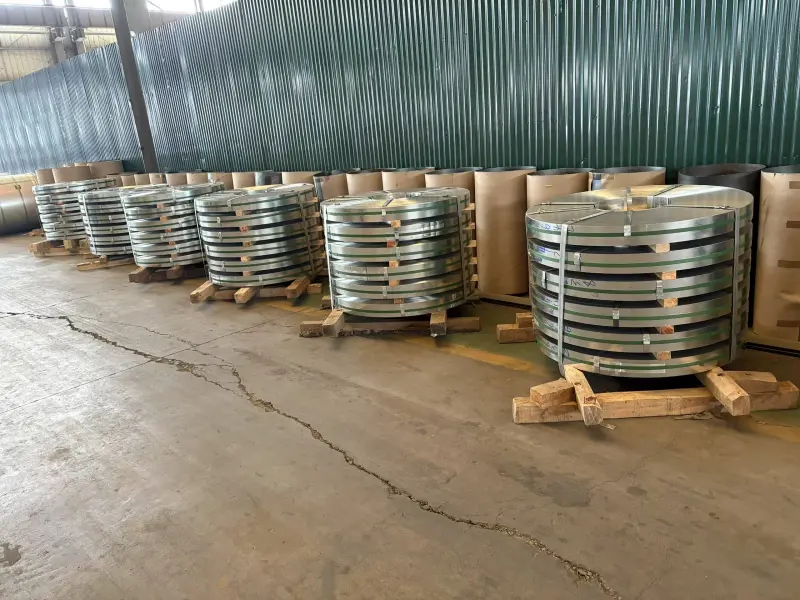
Different alloys offer different properties, making them suitable for various automotive applications.
| Alloy Type | Key Features | Typical Vehicle Application |
|---|---|---|
| 5XXX Series (e.g., 5182) | High strength, good formability, excellent corrosion resistance | Body panels, fuel tanks, structural parts |
| 6XXX Series (e.g., 6061, 6005) | Good strength, heat-treatable, weldable | Chassis components, frame structures, suspension |
| 3XXX Series (e.g., 3003) | Moderate strength, good workability | Heat exchangers, non-structural interior parts |
| 7XXX Series (e.g., 7075) | Very high strength, aerospace-grade | High-stress structural components (limited use) |
These alloys are selected to balance strength, weight, cost, and ease of manufacturing for each vehicle component.
Thickness and Width Specifications for Vehicle Strips
The dimensions of aluminum strip for vehicles vary widely based on the part’s function.
| Thickness (mm) | Width Range (mm) | Common Vehicle Part | Notes |
|---|---|---|---|
| 0.2 – 0.5 | 20 – 150 | Heat shields, trim | Thin for flexibility |
| 0.5 – 1.2 | 150 – 800 | Body panels (hood, trunk, doors) | Common for exterior |
| 1.2 – 3.0 | 300 – 1500 | Structural reinforcements, battery enclosures | Thicker for strength |
| 3.0 – 6.0 | 500 – 2000 | Chassis components, frame sections | Heavy-duty applications |
These ranges are typical, but custom dimensions are often available to meet specific design requirements.
Mechanical Properties for Automotive Aluminum Strip
Understanding mechanical properties is crucial for engineering vehicle parts to ensure safety and durability.
Aluminum Alloy Performance
Different aluminum alloys and tempers offer unique mechanical properties. These grades are commonly used in automotive parts, motor components, construction profiles, and general engineering. Below is a simple table followed by short descriptions for each alloy.
Performance
| Alloy & Temper | Tensile Strength (MPa) | Yield Strength (MPa) | Elongation (%) | Application Focus |
|---|---|---|---|---|
| 5182-O | 270–320 | 120–160 | 15–20 | Formability for complex shapes |
| 6061-T6 | 310–340 | 270–300 | 10–17 | Structural integrity |
| 3003-H14 | 160–180 | 140–160 | 3–8 | Moderate strength, cost-effective |
Alloy Descriptions
5182-O Aluminum
5182-O is a soft-tempered alloy known for excellent formability. Its high elongation (15–20%) allows the material to be bent or stretched into complex shapes without cracking. It is widely used for motor housings, automotive inner panels, brackets, and precision-formed parts.
6061-T6 Aluminum
6061-T6 is a heat-treated alloy with a strong balance of tensile strength and yield strength. Because of its high structural stability, it is commonly used for motor frames, mechanical parts, high-strength components, and industrial structures that require durability.
3003-H14 Aluminum
3003-H14 is a cost-effective alloy with moderate strength. It offers good corrosion resistance and easy workability, making it ideal for motor covers, heat exchangers, panels, and general fabrication where ultra-high strength is not required.
Applications of Aluminum Strip for Vehicles
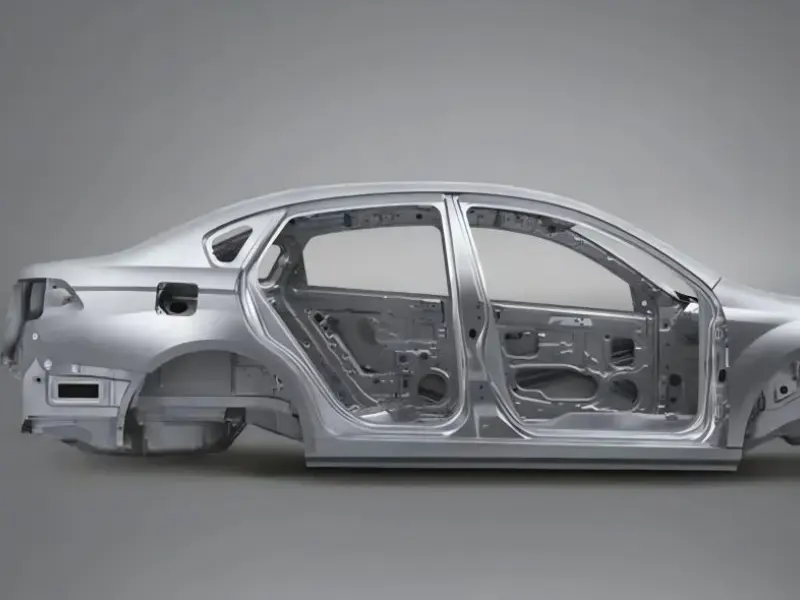
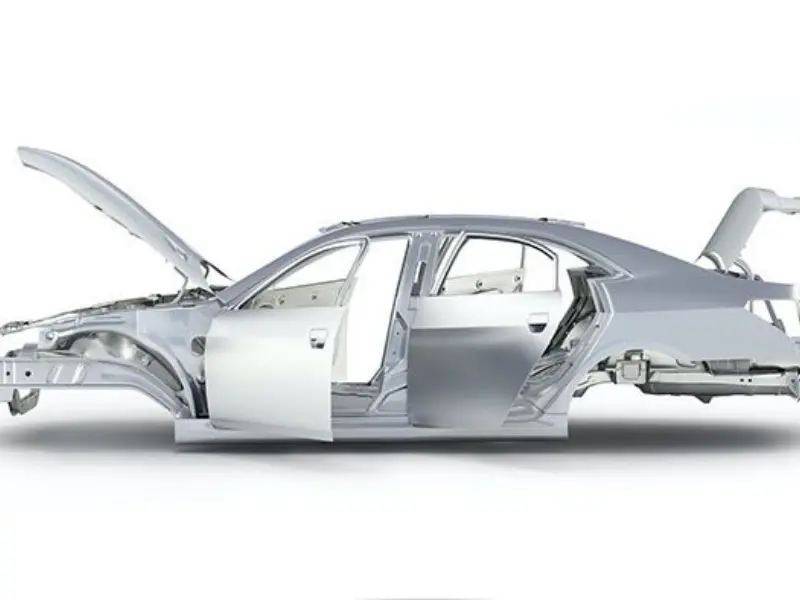
- Body Panels: Hoods, trunk lids, doors, and fenders are often made from aluminum strip for vehicles.
- Structural Components: Chassis frames, crumple zones, and subframes use high-strength aluminum to absorb impact and protect passengers.
- Battery Enclosures: In electric vehicles, aluminum strips are crucial for lightweight, protective casings around large battery packs, managing thermal performance.
- Heat Shields: Thin aluminum strips are used to protect sensitive components from engine heat.
- Interior Trim and Decorative Parts: Brushed or polished aluminum strips add a premium look to dashboards, door panels, and consoles.
- Cooling Systems: Radiators, condensers, and intercoolers often use aluminum strip and foil for efficient heat exchange.
- Brake Components: Calipers and some brake parts benefit from the lightweight nature of aluminum strip.
- Suspension Components: Control arms and other suspension parts utilize aluminum for reduced unsprung weight, improving handling.
These diverse applications highlight the importance of aluminum strip for vehicles in making modern cars efficient and safe.
What is Aluminum Strip for Vehicles?
Aluminum strip for vehicles refers to flat, thin sheets of aluminum metal specifically processed for automotive use.
Unlike bulky steel, aluminum strip for vehicles allows for complex shapes while keeping weight down. This makes it a preferred choice for parts ranging from exterior body panels to internal structural components.
Key Benefits of Using Aluminum Strip for Vehicles
Choosing aluminum strip for vehicles offers several significant advantages that drive its adoption in the automotive sector:
- Lightweighting: This is the primary benefit. Aluminum is about one-third the weight of steel. Using aluminum strip for vehicles drastically reduces the overall weight of the car. Lighter cars mean better fuel economy for gasoline vehicles and longer range for electric vehicles (EVs).
- Improved Fuel Efficiency: Directly linked to lightweighting, less weight requires less energy to move. This leads to lower fuel consumption and reduced carbon emissions, which is good for the environment.
- Enhanced Performance: Lighter vehicles also accelerate faster and handle better. The use of aluminum strip for vehicles contributes to a more dynamic driving experience.
- Corrosion Resistance: Aluminum naturally forms a protective oxide layer, making it highly resistant to rust. This extends the lifespan of vehicle components, especially in harsh weather conditions.
- High Strength-to-Weight Ratio: Despite being light, certain aluminum alloys are incredibly strong. This allows engineers to design safe vehicles without adding unnecessary bulk.
- Recyclability: Aluminum is 100% recyclable without loss of quality. This makes aluminum strip for vehicles an environmentally friendly choice, supporting a circular economy in car manufacturing.
These benefits make aluminum strip for vehicles an indispensable material in modern automotive design.
Why Choose Aluminum Strip for Vehicles Over Other Materials?
While steel has been the traditional material for car manufacturing, aluminum strip for vehicles offers a compelling alternative. Steel is strong and cheap, but it’s also heavy. Copper is a great conductor but too dense and costly for most structural vehicle parts.
Compared to steel, aluminum strip for vehicles can reduce the weight of a car significantly, leading to better performance and lower running costs. For example, replacing steel with aluminum in body panels can cut their weight by up to 50%. This impact is even greater in electric vehicles, where every kilogram saved extends battery range. The superior corrosion resistance also means less maintenance and a longer lifespan for the vehicle. While initial material costs might be higher, the long-term benefits in fuel efficiency, performance, and durability often outweigh them.
Manufacturing and Quality Standards
The production of aluminum strip for vehicles involves advanced rolling, heat treatment, and surface finishing processes. Strict quality control measures are in place to meet automotive industry standards, such as IATF 16949. This ensures consistent mechanical properties, precise dimensions, and a defect-free surface. Manufacturers often conduct extensive testing, including tensile tests, fatigue tests, and corrosion resistance checks, to guarantee the material’s reliability in a vehicle environment.
Future Trends in Aluminum Strip for Vehicles
The future of aluminum strip for vehicles looks very bright, especially with the global shift towards electric vehicles. As EV production scales up, the demand for lightweight materials like aluminum will only increase. Innovations are focusing on developing new, even stronger, and more formable aluminum alloys. Advances in joining technologies, such as advanced welding and bonding techniques, will also make it easier to integrate aluminum strip into complex vehicle structures. Recycled aluminum is also becoming more important, driving down the environmental footprint of car manufacturing.
By 2030, many experts predict that aluminum content in the average vehicle could increase by another 20-30%, further solidifying the role of aluminum strip for vehicles as a core material in automotive design.
Aluminum Strip for Vehicles
Aluminum strip for vehicles is a critical material shaping the future of the automotive industry. Its unique combination of lightweight properties, high strength, excellent corrosion resistance, and recyclability makes it ideal for modern car design. From enhancing fuel efficiency and electric vehicle range to improving safety and performance, aluminum strip plays a vital role. As the industry continues to evolve, this versatile material will undoubtedly remain at the forefront of innovation, helping to create the next generation of smarter, greener, and more efficient vehicles.