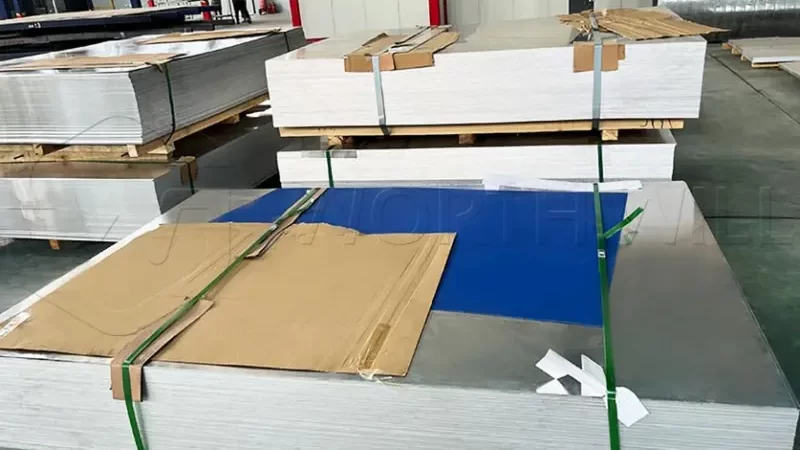
The aluminum sheet metal gauge system is commonly used to measure the thickness of aluminum sheets. In this system, a smaller gauge number means a thicker sheet, while a larger gauge number means a thinner sheet.
Many manufacturers and buyers refer to an aluminum sheet metal gauge chart to convert gauge numbers into thickness values in millimeters (mm) or inches. Understanding the correct aluminum sheet metal gauge thickness is important for construction, manufacturing, and industrial applications.
For example, 12 gauge aluminum thickness is much thicker than 18 gauge aluminum thickness, and each gauge size is used for different purposes.
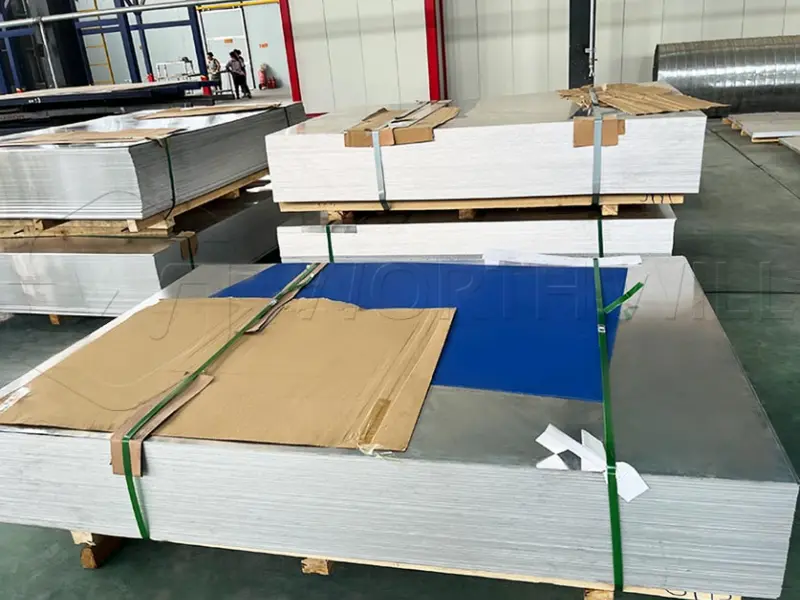
Aluminum Sheet Metal Gauge Chart
The following aluminum sheet metal gauge thickness chart shows common gauge numbers and their thickness in inches and millimeters.
| Gauge | Thickness (inches) | Thickness (mm) |
|---|---|---|
| 8 gauge | 0.1285 in | 3.26 mm |
| 10 gauge | 0.1019 in | 2.59 mm |
| 12 gauge | 0.0808 in | 2.05 mm |
| 14 gauge | 0.0641 in | 1.63 mm |
| 16 gauge | 0.0508 in | 1.29 mm |
| 18 gauge | 0.0403 in | 1.02 mm |
| 20 gauge | 0.0320 in | 0.81 mm |
| 22 gauge | 0.0253 in | 0.64 mm |
This aluminum sheet metal gauge thickness chart helps engineers and buyers quickly understand the exact thickness of aluminum materials.
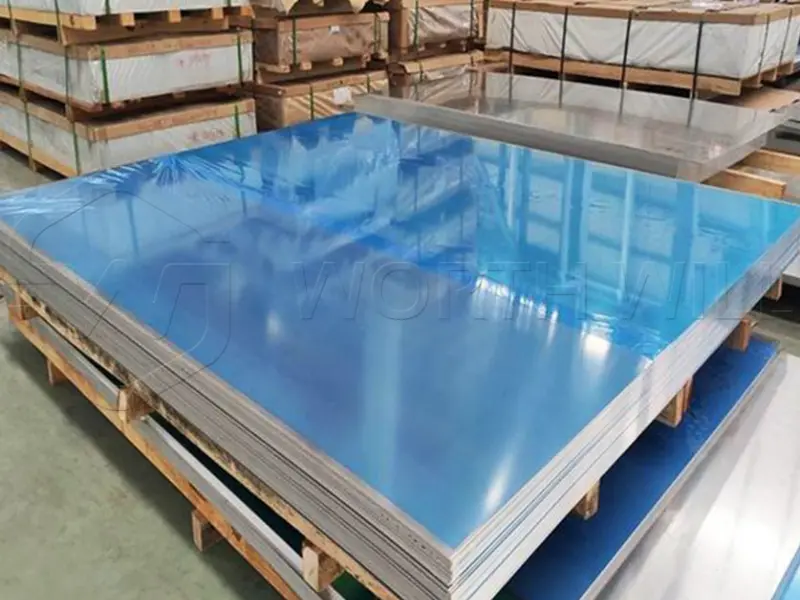
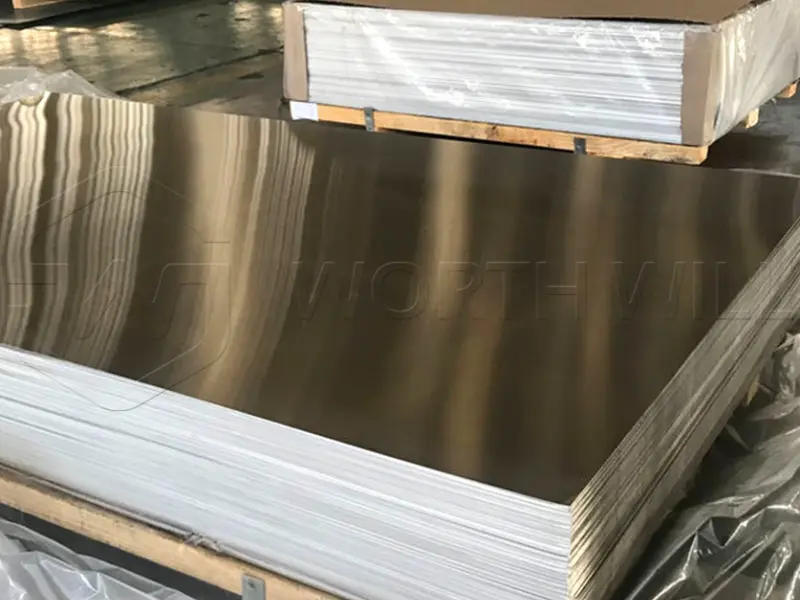
Aluminum Sheet Metal Gauge to mm Conversion
Many industries outside the United States prefer using millimeters instead of gauge numbers. Therefore, converting aluminium sheet metal gauge to mm is often necessary.
Quick Conversion Table
| Gauge | Thickness (mm) |
|---|---|
| 10 gauge aluminum thickness | 2.59 mm |
| 12 gauge aluminum thickness | 2.05 mm |
| 14 gauge aluminum thickness | 1.63 mm |
| 16 gauge aluminum thickness | 1.29 mm |
| 18 gauge aluminum thickness | 1.02 mm |
This conversion makes it easier for international projects and manufacturing standards.
Aluminum Gauge Thickness in Inches
In many engineering drawings, aluminum gauge thickness in inches is still widely used.
| Gauge | Thickness (inches) |
|---|---|
| 10 gauge Aluminum thickness | 0.1019 in |
| 12 gauge Aluminum thickness | 0.0808 in |
| 14 gauge Aluminum thickness | 0.0641 in |
| 16 gauge Aluminum thickness | 0.0508 in |
| 18 gauge Aluminum thickness | 0.0403 in |
Knowing the aluminium sheet metal gauge sizes helps ensure accurate fabrication and product quality.
Common Aluminum Sheet Metal Gauge Sizes
Different aluminum sheet metal gauges are used depending on the required strength and application.
Typical Gauge Sizes
| Gauge | Thickness | Typical Use |
|---|---|---|
| 10 gauge | Thick sheet | Structural panels |
| 12 gauge Aluminum Sheet | Heavy equipment | |
| 14 gauge | Industrial parts | |
| 16 gauge | Machine covers | |
| 18 gauge Aluminum thickness | Light fabrication |
Choosing the correct aluminium sheet metal gauge thickness ensures durability and proper performance.
6061 Aluminum Sheet Metal Gauge
6061 aluminium sheet metal gauge refers to aluminium sheets made from the 6061 alloy with different gauge thicknesses.
Features of 6061 Aluminum
- High strength
- Good corrosion resistance
- Excellent machinability
- Suitable for structural applications
Typical Gauge Options for 6061
| Gauge | Thickness (mm) |
|---|---|
| 10 gauge | 2.59 mm |
| 12 gauge | 2.05 mm |
| 14 gauge | 1.63 mm |
| 16 gauge | 1.29 mm |
6061 alloy is widely used in aerospace, machinery, and construction industries.
Aluminum 5052 Sheet Metal Gauge
Another popular material is aluminium 5052 sheet metal gauge, known for its excellent corrosion resistance.
Features of 5052 Aluminum
- Good formability
- Strong resistance to seawater corrosion
- Suitable for marine and chemical industries
Common Gauge Thickness
| Gauge | Thickness (mm) |
|---|---|
| 12 gauge | 2.05 mm |
| 14 gauge | 1.63 mm |
| 16 gauge | 1.29 mm |
| 18 gauge | 1.02 mm |
Aluminum Sheet Metal Gauge Thickness Tolerance
In manufacturing, aluminium sheet metal gauge thickness tolerance is an important factor. It refers to the acceptable variation in sheet thickness.
Typical Thickness Tolerance
| Thickness Range | Tolerance |
|---|---|
| 0.5 – 1.0 mm | ±0.05 mm |
| 1.0 – 2.0 mm | ±0.08 mm |
| 2.0 – 3.0 mm | ±0.10 mm |
These aluminium sheet metal gauge tolerances help maintain product consistency and meet industry standards.
Applications
Common Applications
- Construction panels
- Automotive parts
- Aircraft structures
- HVAC systems
- Industrial equipment
- Decorative panels
- Marine components
- Electrical enclosures
Choosing the correct aluminium sheet metal gauge thickness ensures that the material performs well in each application.
Choosing the Right Aluminum Gauge Thickness
Important Factors
- Required strength
- Weight requirements
- Corrosion resistance
- Fabrication method
- Application environment
For example:
- 10 gauge aluminum thickness is suitable for heavy structural applications.
- 18 gauge aluminum thickness is commonly used for light fabrication and decorative panels.
Aluminum sheet for sale
Understanding the aluminium sheet metal gauge system is essential when selecting aluminium sheets for industrial and construction projects. By using an aluminium sheet metal gauge chart, buyers and engineers can easily convert gauge numbers into exact thickness values.
Whether working with 6061 aluminium sheet metal gauge or aluminium 5052 sheet metal gauge, choosing the correct aluminium sheet metal gauge thickness ensures durability, performance, and manufacturing accuracy.
The use of aluminium sheet metal gauge sizes, proper thickness tolerance, and accurate conversions between gauge, inches, and millimeters helps ensure reliable results in modern aluminium applications.
