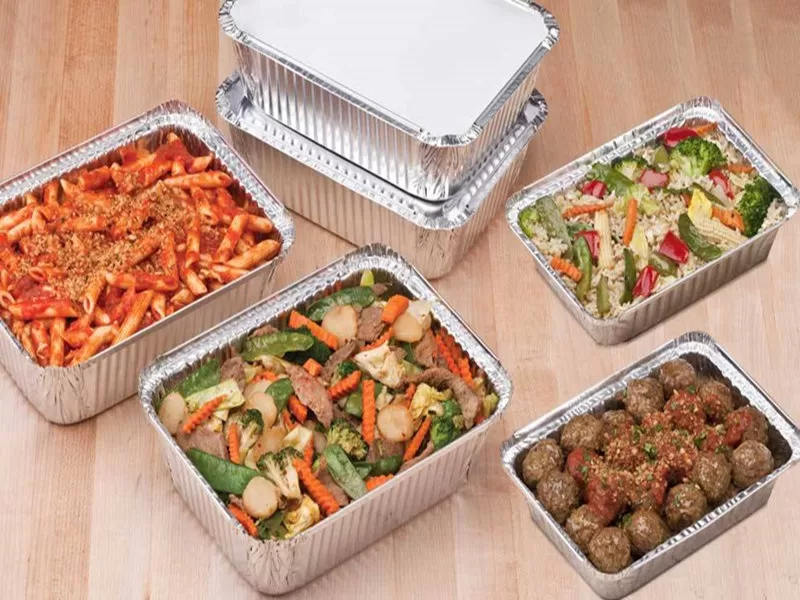
Food container foil is a thin, flexible material used to wrap and store food. It is made from aluminum or other metals, and is often coated with a thin layer of plastic or wax to make it more resistant to moisture and grease. Food container foils are an essential item in any kitchen, as it can be used to wrap sandwiches, leftovers, and other food items to keep them fresh and protected.
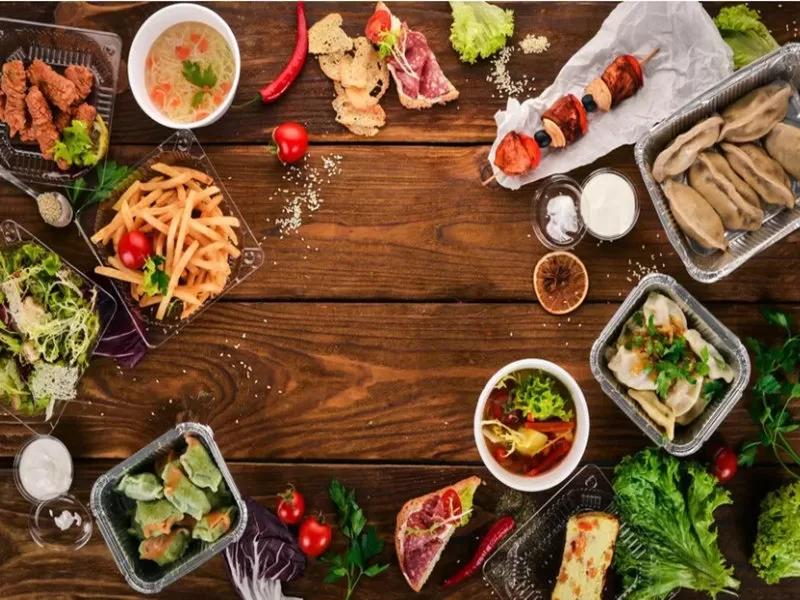
Benefits
- Protects food from moisture and air: Food container foils creates a barrier between food and the outside environment, protecting it from moisture and air. This helps to keep food fresh and prevent spoilage.
- Prevents contamination: Food container foils help to prevent contamination by keeping food away from bacteria and other contaminants.
- Retains heat: Used to wrap hot food to retain heat and keep it warm.
- Easy to use: Easy to use and can be shaped to fit any type of food item.
- Disposable: Disposable, making it easy to clean up after use.
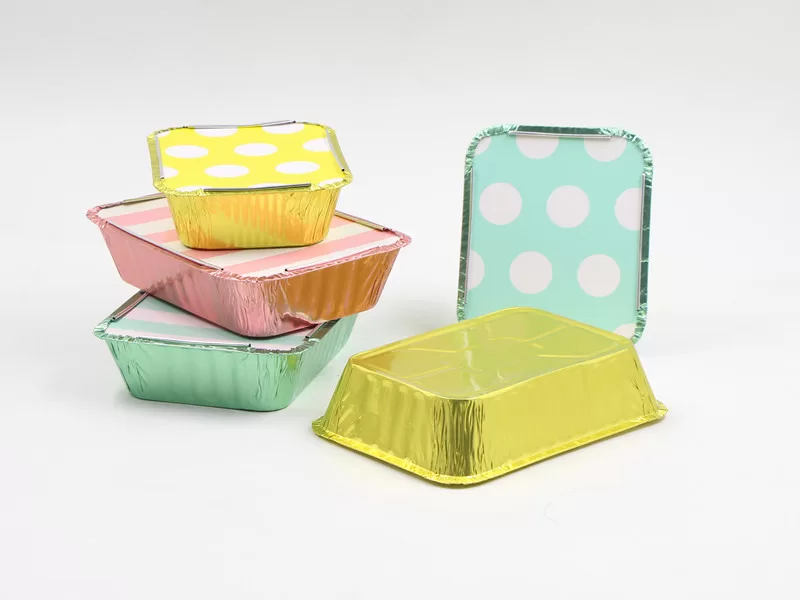
Types
There are several different types of food container foils available, including:
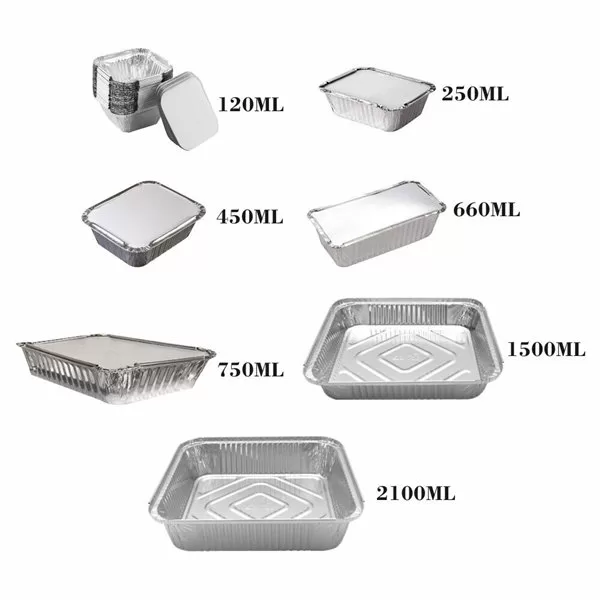
- Aluminum foil: The most common type of food container foils, made from aluminum.
- Heavy-duty aluminum foil: A thicker and more durable type of aluminum foil, ideal for wrapping large or heavy food items.
- Plastic-coated aluminum foil: Aluminum foil coated with a thin layer of plastic, making it more resistant to moisture and grease.
- Waxed paper: A type of food container foils made from paper that is coated with wax, making it moisture-resistant.
Classification
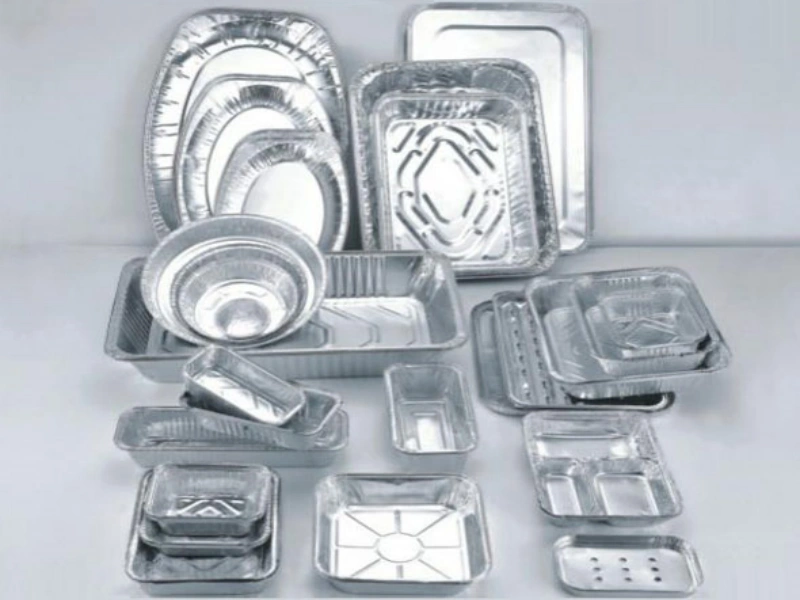
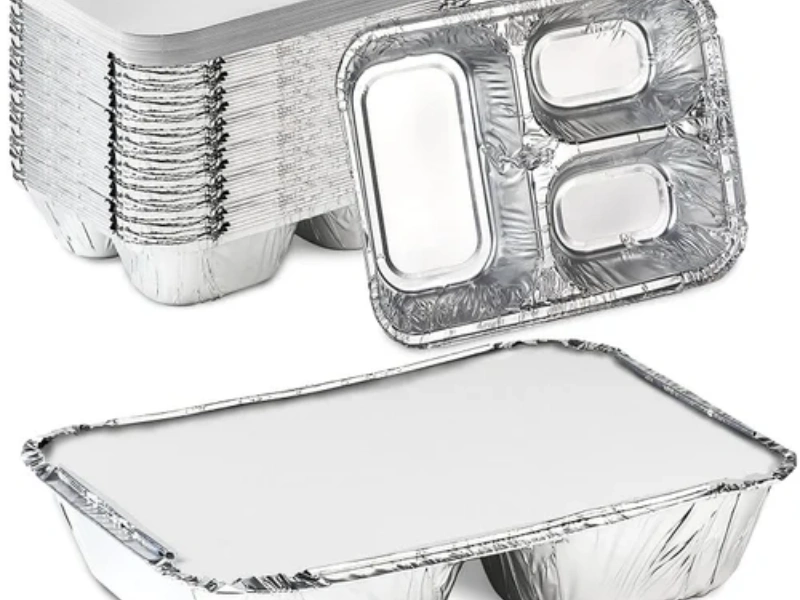
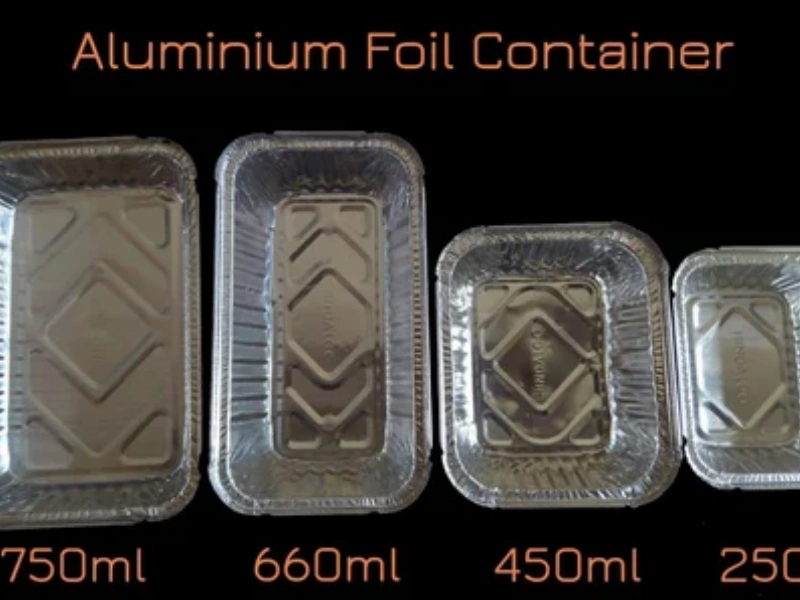
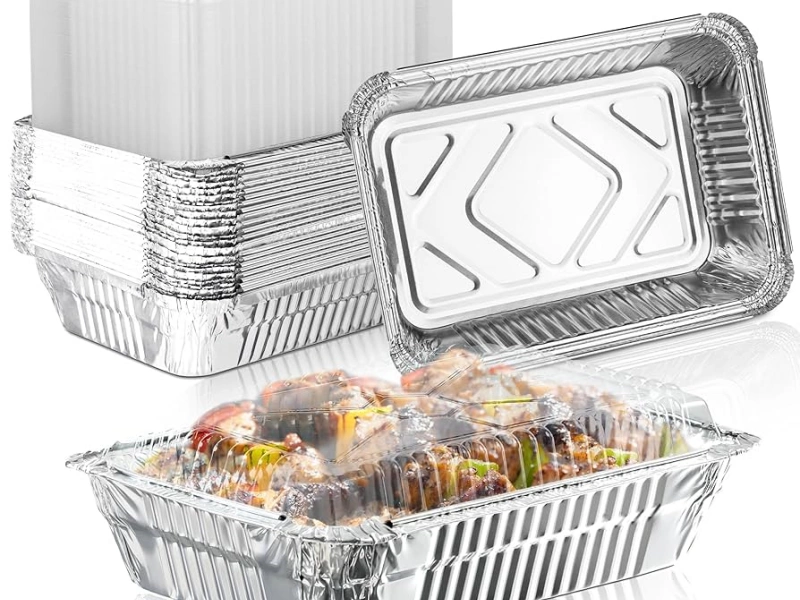
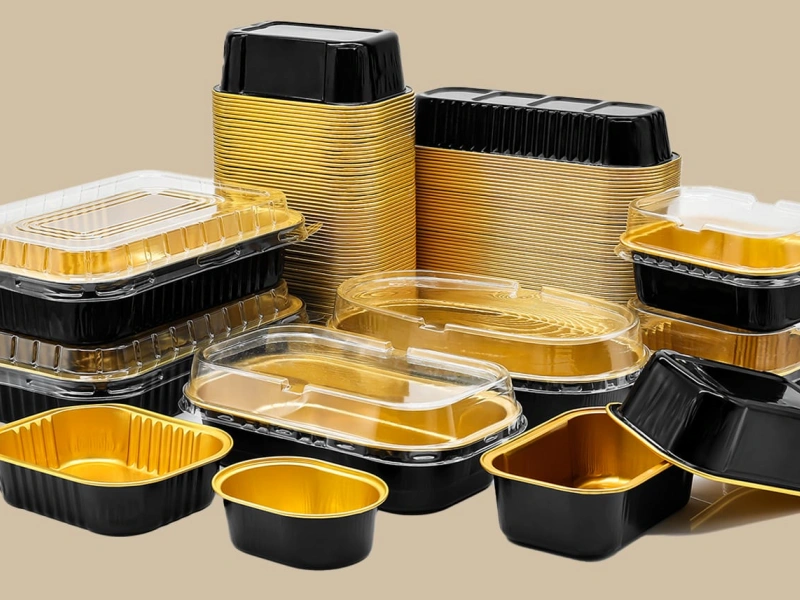
- Container Type:Food container foil is primarily classified by the type of container it forms. This includes:
- Smoothwall Containers: These have straight, smooth sides, providing an aesthetic look often preferred for premium ready meals and catering. They can be sealed with film lids.
- Wrinklewall Containers: These are the more traditional type, characterized by their crimped or wrinkled edges, often found with board lids. They are robust and cost-effective for a wide range of uses, from takeaways to frozen dinners.
- Foil Trays and Platters: Larger formats designed for baking, roasting, or serving multiple portions, such as for catering events.
- Cups and Muffin Cases: Smaller, individual portions, commonly used for desserts, tarts, or baking cupcakes.
- Coating/Lining: Some food container foil is coated on the inside.
- Uncoated: The most common form, pure aluminium.
- Coated (e.g., Lacquered): A protective layer, often a food-grade lacquer, is applied to prevent direct contact between acidic or salty foods and the aluminium, enhancing durability and preventing potential reactions or discoloration. This is particularly important for certain types of processed foods.
Thickness
The thickness of food container foil is critical as it directly impacts the container’s strength, rigidity, and overall performance. It is measured in microns (µm).
- Common Range: Typically, food container foil thickness ranges from around 50 microns to 200 microns (0.05mm to 0.2mm).
- Impact on Use:
- Thinner Foils (50-80µm): Used for lighter-duty containers, often for single servings, small desserts, or where cost-effectiveness is a primary concern. They are easier to form.
- Medium Foils (80-120µm): The most common range for general-purpose aluminium foil containers, offering a good balance of strength, rigidity, and material cost for various takeaway and ready-meal applications.
- Thicker Foils (120-200µm+): Employed for heavy-duty containers, large catering trays, or applications where maximum rigidity and heat retention are essential, such as for large roasts or industrial food processing.
Alloy
The specific aluminium alloy used for food container foil is carefully chosen to ensure food safety, formability, and desired performance characteristics.
- Common Alloys: The most common alloys include 8011 aluminium alloy and 3003 aluminium alloy.
- 8011 Alloy: This is a widely preferred alloy for food container foil due to its excellent formability and ductility, which allows it to be easily pressed into complex container shapes without tearing. It also offers good strength after forming.
- 3003 Alloy: While also used, 3003 alloy is known for slightly higher strength and corrosion resistance. It might be chosen for specific container types requiring enhanced rigidity or for certain food types.
- Food Grade Standards: Regardless of the alloy, all aluminium foil for food containers must meet strict food-grade standards and regulations to ensure it is safe for direct contact with food and does not leach harmful substances.
Choosing the Right Food Container Foil
When choosing food container foils, it is important to consider the following factors:
- Type of food: The type of food you are wrapping will determine the type of foil you need. For example, heavy-duty aluminum foil is ideal for wrapping large or heavy food items, while plastic-coated aluminum foil is better for wrapping food that is moist or greasy.
- Size: Food container foil comes in a variety of sizes, so it is important to choose a size that is appropriate for the amount of food you are wrapping.
- Cost: Food container foils are relatively inexpensive, but the price can vary depending on the type and size of foils you choose.
Why Choose Honeycomb Foil?
Choosing honeycomb foil can lead to significant benefits in terms of performance and cost savings. Its unique structure not only provides strength and durability but also contributes to energy efficiency and environmental sustainability.
How to Buy Honeycomb Foil
When purchasing honeycomb foil, consider the following:
- Material Type: Choose between aluminum, paper, or plastic honeycomb foils based on your specific needs.
- Size and Thickness: Ensure the dimensions meet your project requirements.
- Supplier Reputation: Buy from reputable suppliers to ensure quality and reliability.
Elevate Your Food Storage with Food Container Foil
Upgrade your food storage solutions with food container foil to ensure the longevity and quality of your meals. Contact us to discover how food container foil can revolutionize your food preservation practices and provide peace of mind for you and your customers.
Make the switch to food container foil and experience the convenience and reliability it brings to your food storage needs!
