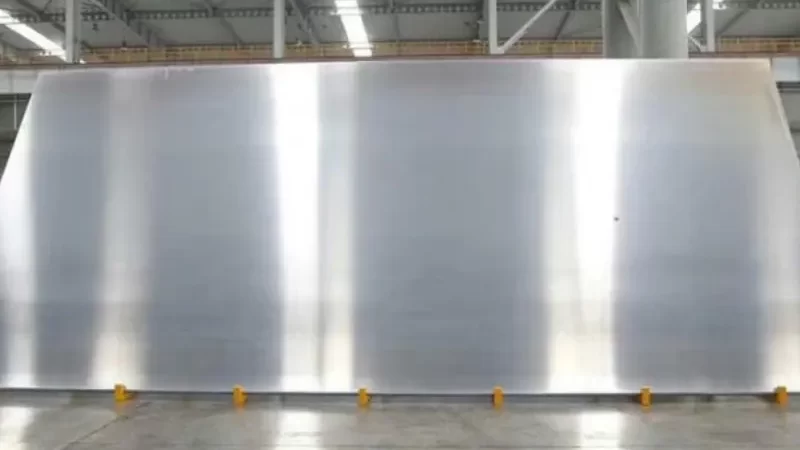
When choosing metal for a project, you often face a choice: anodized aluminum vs natural aluminum. Both have the same base metal, but they look and act very differently. Natural aluminum is the raw metal from the mill. Anodized aluminum has gone through an electrochemical process to make its surface harder and more durable.

Understanding Natural Aluminum
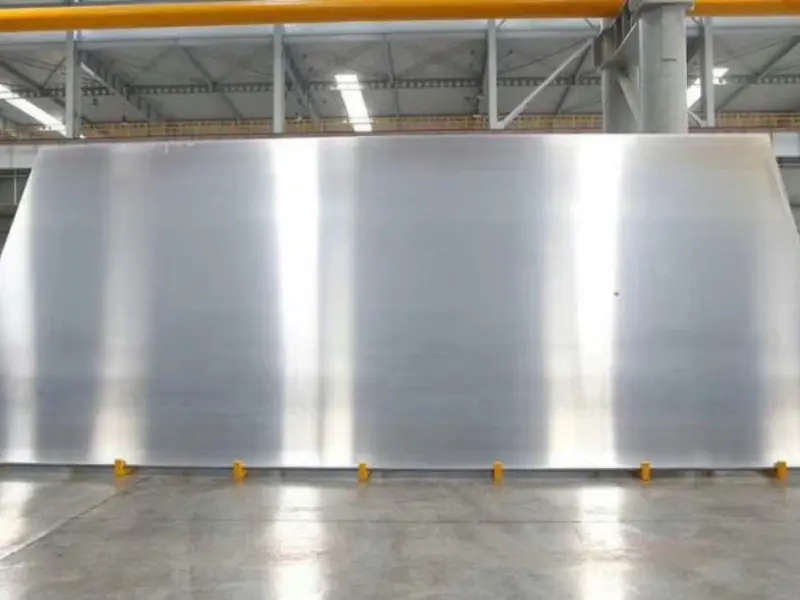
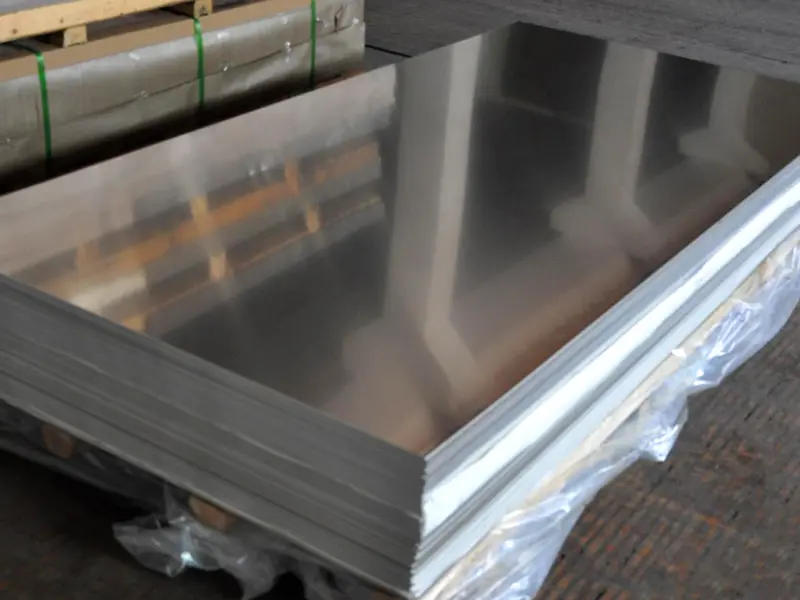
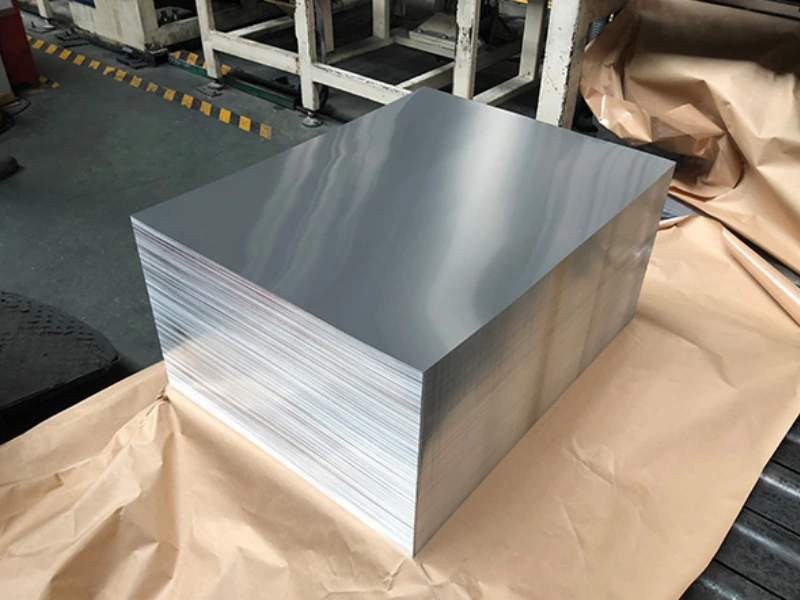
Natural aluminum, often called “mill finish,” is exactly how the metal looks when it comes out of the factory. It is shiny but can have light scratches or streaks from the rolling process.
Characteristics of Natural Aluminum
Natural aluminum is soft and easy to shape. It is a great conductor of heat and electricity. However, it reacts with oxygen. Over time, it forms a thin, natural oxide layer. This layer is helpful but not very pretty. It can look dull or chalky after being outside.
Table: Specifications for Natural Aluminum
| Property | Details |
|---|---|
| Surface Look | Semi-shiny, silver, may have mill marks |
| Corrosion Resistance | Moderate (forms a natural oxide layer) |
| Hardness | Low to Moderate (depends on alloy) |
| Conductivity | Very High |
| Cost | Most affordable option |
Understanding Anodized Aluminum
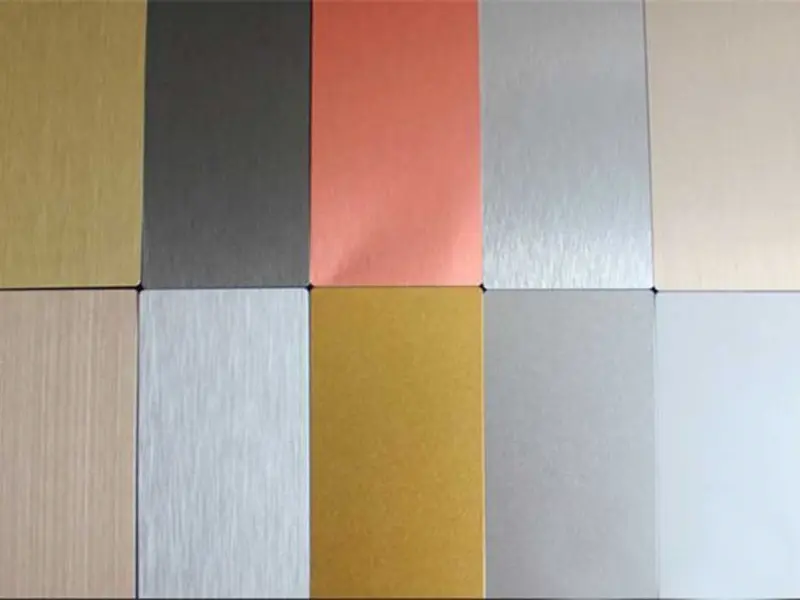
Anodized aluminum is created by dipping the metal into a chemical bath and passing an electric current through it. This grows a thick, protective layer of aluminum oxide on the surface.
Characteristics of Anodized Aluminum
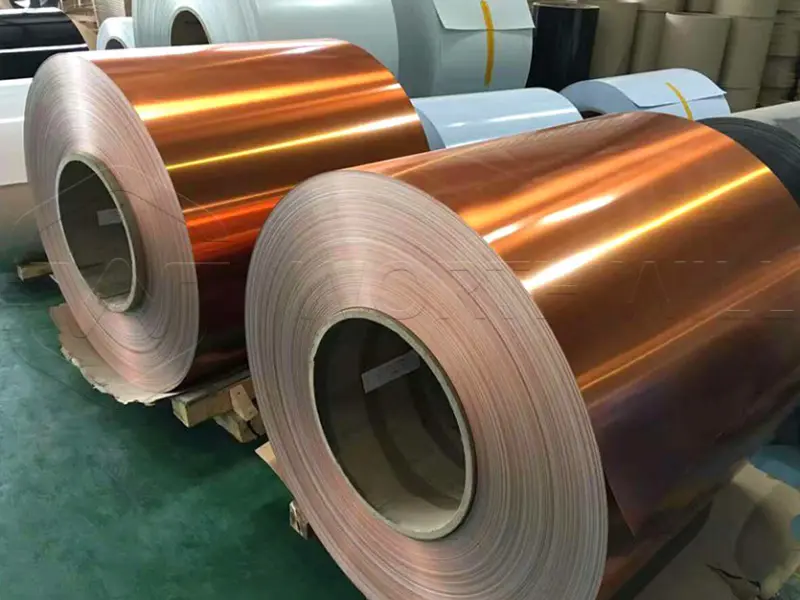
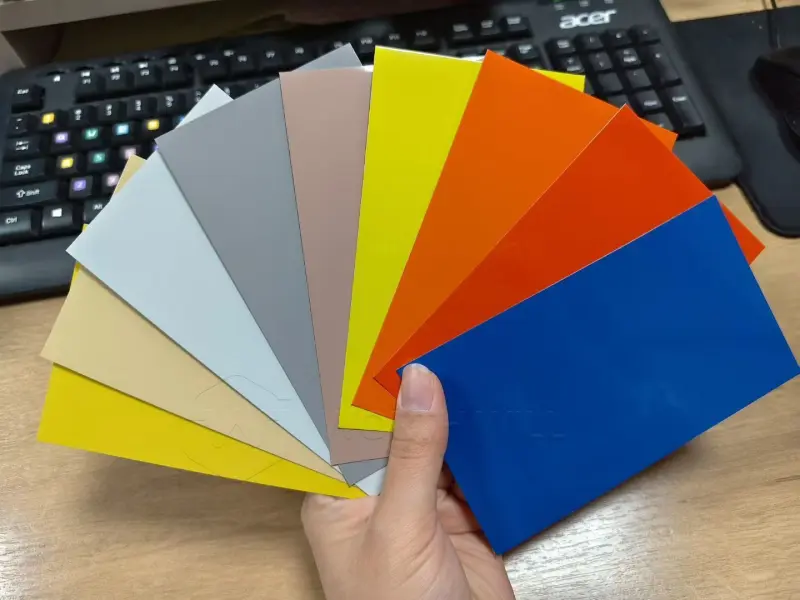
This process makes the metal much harder. The surface is porous at first, which means we can add colors like black, gold, or blue. These colors are not painted on; they are trapped inside the metal surface. This means they will never peel or flake off.
Table: Specifications for Anodized Aluminum
| Property | Details |
|---|---|
| Surface Look | Uniform, matte or glossy, available in colors |
| Corrosion Resistance | Excellent (even in salt water) |
| Hardness | Very High (scratch-resistant) |
| Conductivity | Lower (the coating acts as an insulator) |
| Cost | Higher due to extra processing |
Technical Comparison of Alloys and Tempers
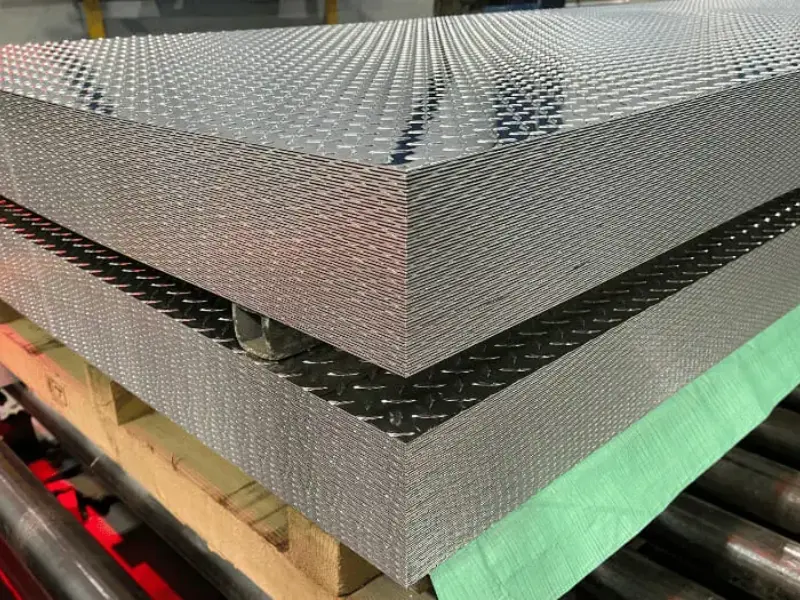
Different projects require different types of aluminum. The alloy you choose will change how the metal reacts to anodizing.
Table: Popular Alloys for Anodized and Natural Use
| Alloy Series | Type | Best For | Anodizing Quality |
|---|---|---|---|
| 1000 Series | Pure Aluminum | Electrical parts, foil | Good (stays very bright) |
| 3000 Series | Manganese Alloy | Cooking pots, siding | Moderate (can look grey) |
| 5000 Series | Magnesium Alloy | Boats, fuel tanks | Excellent (very strong) |
| 6000 Series | Silicon/Magnesium | Frames, structures | Best for architectural use |
Common Tempers (States)
The “state” of the metal tells you how hard or flexible it is.
- O (Annealed): Very soft and easy to bend.
- H14 / H24: Half-hard. Used for general sheet metal work.
- T6: Thermally treated. Very strong, used for structural frames.
Key Differences: Anodized Aluminum vs Natural Aluminum
Durability and Scratch Resistance
Natural aluminum scratches easily. If you rub it with a key, you will see a mark. Anodized aluminum is much tougher. The surface is almost as hard as a diamond. This makes it perfect for high-traffic areas.
Color and Aesthetics
If you want a specific color, anodized is the way to go. Natural aluminum only comes in silver. Anodized aluminum provides a consistent look across many sheets. Mill finish can vary from one batch to the next.
Maintenance
Natural aluminum needs regular cleaning to stay shiny. It can develop “white rust” if it stays wet. Anodized aluminum is very low maintenance. You usually only need a bit of soap and water to keep it looking new for decades.
Applications of Natural Aluminum
Natural aluminum is best when cost is the most important factor or when the metal will be hidden.
- Industrial Use:
- Heat exchangers and cooling fins.
- Internal parts for machinery.
- Electrical busbars and wiring.
- Construction:
- Roofing sheets (where looks don’t matter).
- Air ducts for HVAC systems.
- Flashing around windows.
- Transportation:
- Truck trailer floors.
- Engine components.
- Heat shields for exhaust systems.
Applications of Anodized Aluminum
Anodized aluminum is the premium choice for design and harsh environments.
- Architecture and Buildings:
- Window frames and door handles.
- Exterior wall cladding for skyscrapers.
- Decorative ceilings and elevator panels.
- Consumer Goods:
- Smart phone and laptop bodies.
- High-end kitchenware and appliances.
- Flashlights and sporting equipment.
- Marine and Outdoor:
- Boat fittings and railings.
- Outdoor signage and billboards.
- Solar panel frames.
- Aerospace:
- Aircraft skin and structural parts.
- Satellite components (for heat control).
Comparison of Different Product Types
To help you decide, let’s look at specific product formats.
Table: Product Specs by Type
| Product Type | Thickness Range | Best Finish | Typical Alloy |
|---|---|---|---|
| Thin Foil/Coil | 0.02 mm – 0.2 mm | Natural | 1050 / 1100 |
| Standard Sheet | 0.5 mm – 3.0 mm | Anodized | 3003 / 5052 |
| Heavy Plate | 6.0 mm – 50 mm | Natural | 6061-T6 |
| Extrusion (Profiles) | Various | Anodized | 6063 |
How to Choose the Best Material
Choosing between anodized aluminum vs natural aluminum depends on your budget and where the item will be used.
When to Choose Natural Aluminum
- Budget is tight: It is the cheapest form of aluminum.
- Painting later: If you plan to powder coat or paint the metal, you don’t need it anodized.
- Conductivity: If you need the metal to conduct electricity well, keep it natural.
When to Choose Anodized Aluminum
- Beauty matters: If the metal is visible, anodized looks much more professional.
- Outdoor use: It lasts much longer in rain, snow, and sun.
- Salt air: If you live near the ocean, natural aluminum will corrode quickly. Anodized will stay protected.
- No Fingerprints: Clear anodized finishes hide fingerprints much better than raw mill finishes.
Summary of Benefits
Benefits of Natural Aluminum:
- Low cost and high availability.
- Great for heat transfer.
- Easy to weld and recycle.
Benefits of Anodized Aluminum:
- Extreme resistance to corrosion.
- Hard, non-reactive surface.
- Beautiful colors and finishes.
- Environmentally friendly (no toxic paints used).
Anodized Aluminum vs Natural Aluminum For sale
The battle of anodized aluminum vs natural aluminum comes down to the environment. Natural aluminum is a workhorse—cheap, functional, and efficient. Anodized aluminum is the “armor” version—strong, beautiful, and built to last in the toughest conditions.
If you are building an internal part for a machine, save money and go with natural mill finish. If you are designing a product that people will touch or see every day, the investment in anodized aluminum is always worth it. Understanding the alloy and the temper helps you make the right choice for a high-quality result.