
Air fryers have become a popular kitchen appliance for those looking to enjoy crispy and delicious meals with less oil. While air fryers are versatile and efficient, many people wonder if they can use aluminum foil in them.

The Pros of Using Aluminum Foil in an Air Fryer
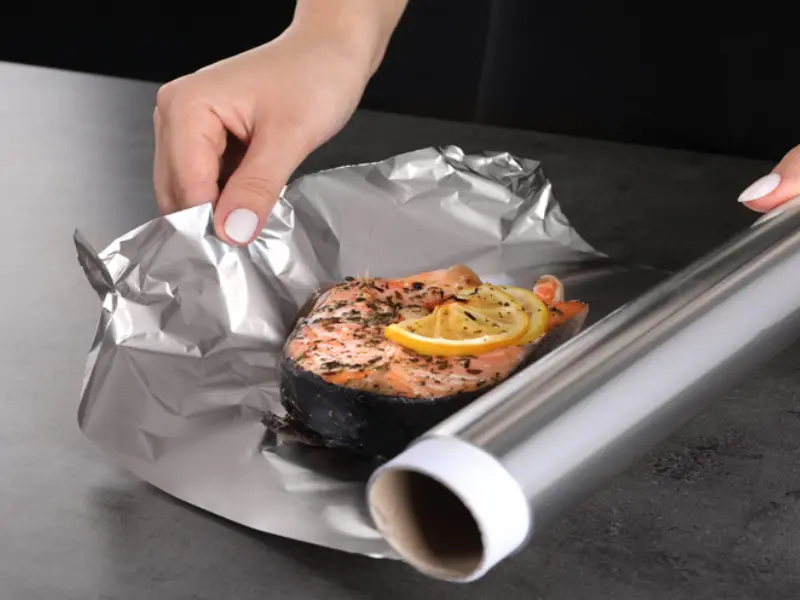
Even Cooking: Aluminum foil can help distribute heat evenly in your air fryer, preventing certain areas of your food. This can be particularly useful when cooking larger items like whole chickens or fish.
Easy Cleanup: Using aluminum foil can simplify the cleanup process. As it prevents food residue from sticking to the air fryer basket or tray. Simply remove the foil after cooking, and your air fryer will be easier to clean.
Reducing Cross-Contamination: Used to create a barrier between different foods in the air fryer. It reduces the risk of flavors mixing or cross-contamination.
The Cons of Using Aluminum Foil in an Air Fryer
Air Circulation: Air fryers rely on hot air circulating around the food to cook it evenly and create that desirable crispy texture. Placing aluminum foil at the bottom of the basket can obstruct this airflow. It results in uneven cooking and potentially longer cooking times.
Fire Hazard: If aluminum foil comes into contact with the heating element or touches the sides of the air fryer, it can create a fire hazard.
Energy Efficiency: Blocking the airflow with aluminum foil may reduce the air fryer’s energy efficiency. As it may require more time and energy to cook the food thoroughly.
Safety Tips for Using Aluminum Foil in an Air Fryer
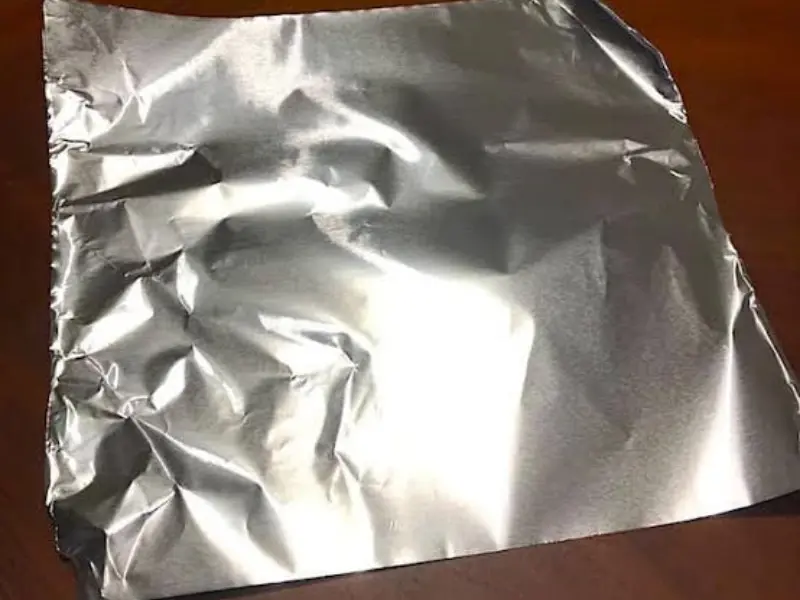
Use Parchment Paper Instead: To avoid obstructing air circulation, consider using parchment paper instead of aluminum foil. Parchment paper is heat-resistant and can help prevent sticking without interfering with the cooking process.
Keep It Loose: If you decide to use aluminum foil, make sure it is not tightly sealed around the food. Leave some space for air to circulate. Also, avoid covering the entire basket or tray with foil; instead, use it sparingly.
Monitor Closely: When using aluminum foil in an air fryer, be extra vigilant during the cooking process. Ensure that the foil doesn’t touch the heating element or the sides of the air fryer to prevent fire hazards.
Follow Manufacturer Guidelines: Always follow the manufacturer’s instructions and guidelines provided with your specific air fryer model. They may have specific recommendations for using aluminum foil.
What Is Aluminum Foil?
While using aluminum foil in an air fryer can have its advantages, it’s important to exercise caution and follow safety guidelines.
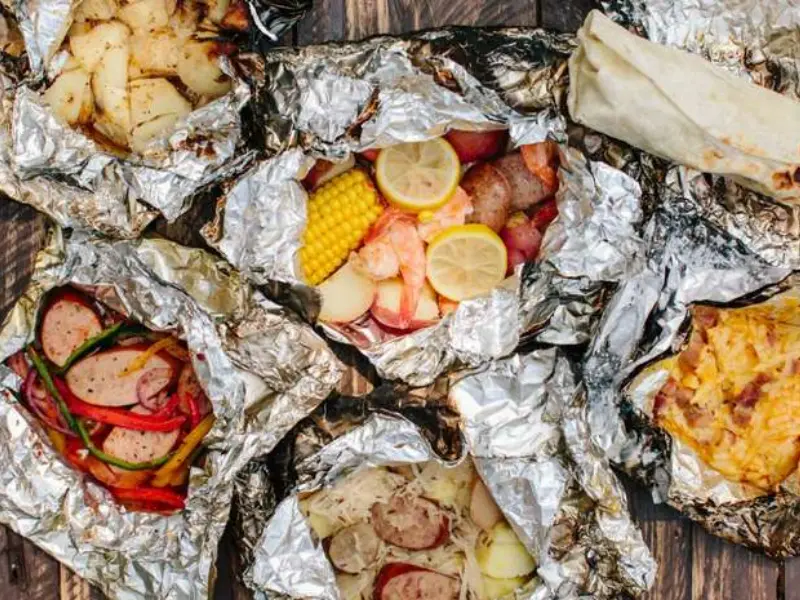
Aluminum foil can help with even cooking and easy cleanup but may also obstruct air circulation and pose fire hazards if used incorrectly.
Consider alternatives like parchment paper if you want to prevent sticking without compromising safety or cooking quality.
Always prioritize safety and consult your air fryer’s manual for specific guidance on using aluminum foil.
Can Aluminum Foil Be Used in an Air Fryer?
Yes, aluminum foil can be used in an air fryer when it is placed safely. It can help catch grease, reduce cleanup time, and protect the basket from sticky food.
However, foil should never block the air fryer’s main airflow. Air fryers cook food by moving hot air around the basket. If foil covers too much space, food may cook unevenly. It can also reduce crispness.
Use aluminum foil only in the basket area. Keep it secured by food. Do not let loose foil fly toward the heating element.
Safe use rule → Use a small piece of foil, place it under the food, and leave open space for hot air to move.
Why Aluminum Foil Works in an Air Fryer
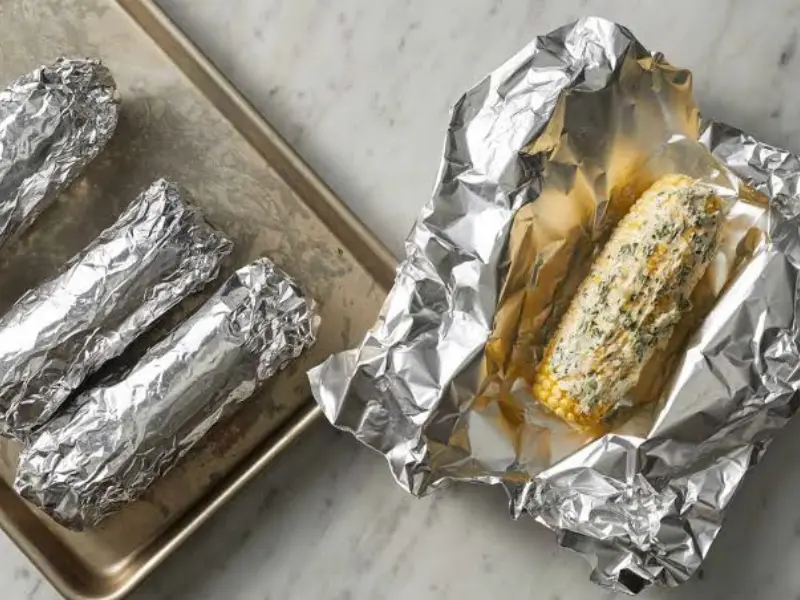
Aluminum foil can handle the heat used by most air fryers. Many air fryers operate between 300°F and 400°F. Standard household aluminum foil is suitable for this temperature range.
Foil reflects some heat and creates a simple barrier between food and the basket. It is useful for foods that release oil, sauce, cheese, or crumbs.
Main Reasons to Use Foil
- Helps catch grease and food residue
- Makes basket cleaning easier
- Helps contain sauces
- Can protect delicate food from direct contact
- Useful for small food portions
- Can support easy food removal
- Helps reduce baked-on residue
Foil is not necessary for every recipe. Foods that need strong air circulation, such as French fries or chicken wings, usually cook better directly in the basket.
How an Air Fryer Cooks Food
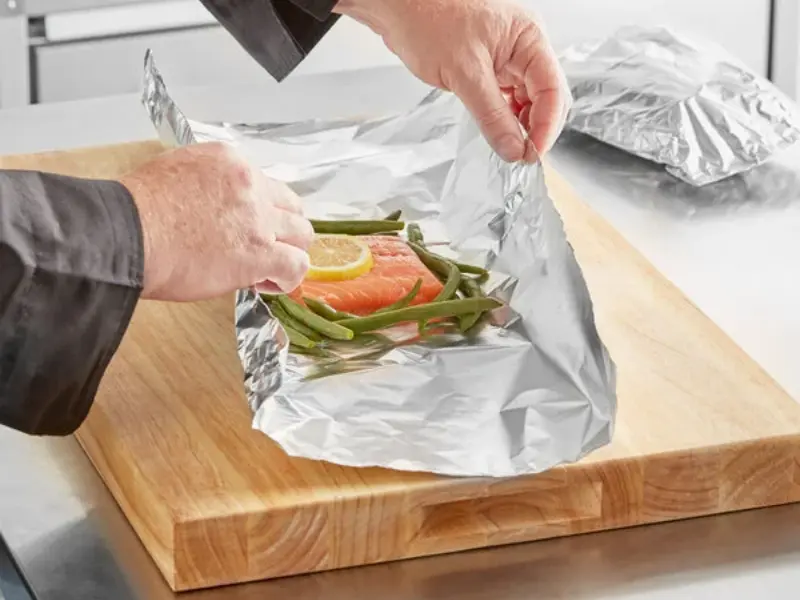
An air fryer uses a heating element and a strong fan. Hot air moves quickly around the food. This creates a crisp outer layer with less oil than deep frying.
The basket usually has holes or a mesh surface. These holes allow hot air to reach the bottom and sides of the food.
| Air Fryer Part | Main Function | Why Foil Placement Matters |
|---|---|---|
| Heating element | Produces heat | Foil must not touch it |
| Fan | Moves hot air | Loose foil can be lifted by airflow |
| Basket holes | Let air pass through | Too much foil can block airflow |
| Drip tray | Collects grease | Foil may reduce mess in this area |
| Food rack | Supports food | Foil must stay flat and secure |
When using aluminum foil in an air fryer, the goal is simple: protect the basket without stopping airflow.
When Aluminum Foil Is Helpful
Foil works best for food that is moist, saucy, oily, or fragile.
Good Foods for Aluminum Foil
- Marinated chicken
- Fish fillets
- Salmon
- Shrimp
- Meatballs
- Burgers
- Stuffed peppers
- Baked potatoes
- Roasted vegetables with sauce
- Garlic butter foods
- Small casseroles
- Reheated leftovers
- Cheese-filled snacks
Foods That Usually Do Not Need Foil
- French fries
- Potato wedges
- Chicken wings
- Breaded food
- Crispy snacks
- Frozen foods that need airflow
- Light vegetables
- Foods with dry coatings
These foods become crisp because hot air reaches every side. A large foil layer can make the bottom soft.
Safe Ways to Put Foil in an Air Fryer
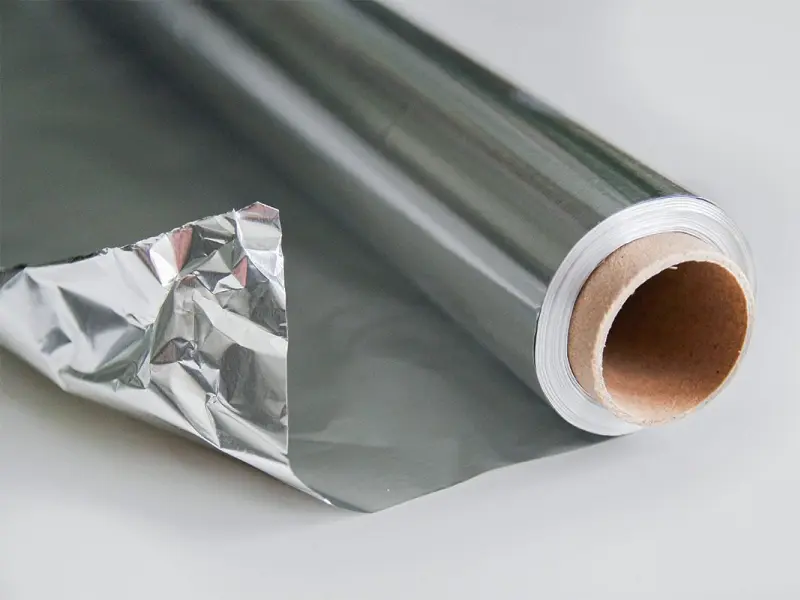
The safest method is to line only part of the basket. The foil should sit below the food and should not cover every opening.
Basic Placement Method
| Step | What to Do |
|---|---|
| Cut | Cut foil smaller than the basket base |
| Shape | Press it lightly into the lower area |
| Open space | Leave holes and edges uncovered |
| Add food | Place food on top to hold foil down |
| Check | Make sure foil cannot touch the heater |
| Cook | Follow the recipe temperature and time |
Do not place foil in an empty air fryer. The fan may lift it. Loose foil can move upward and contact the heating element.
Better Airflow Design
Use foil with small holes when possible. You can make holes with a fork before cooking.
This allows hot air to pass through the foil. It is helpful for fish, vegetables, and chicken pieces.
Better result → Small perforations can keep cleanup simple while allowing more air movement.
Where Aluminum Foil Should Not Go
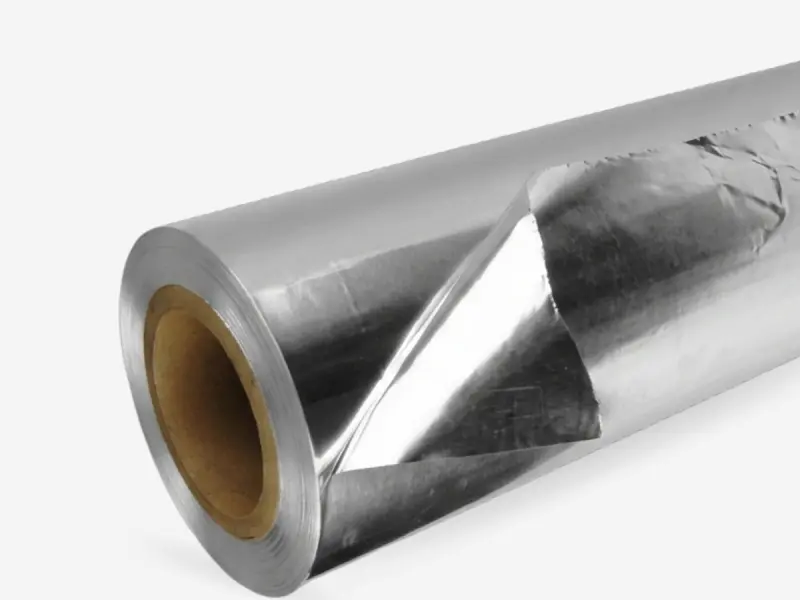
Foil placement depends on the air fryer design. Always check the appliance manual first.
Do Not Put Foil in These Areas
| Area | Why It Is Unsafe or Unhelpful |
|---|---|
| Directly on the heating element | Fire and damage risk |
| Loose in an empty basket | The fan may lift it |
| Over the entire basket | Blocks airflow |
| Over the air vents | Reduces cooking performance |
| Under the basket when airflow comes from below | May block air intake |
| On control parts | Can cause damage |
| Near electrical areas | Unsafe |
Some air fryers have airflow from the top only. Others also use airflow from the bottom. The manual is the best source for your specific model.
Aluminum Foil Types for Air Fryer Use
Not every foil product is made the same way. Household foil comes in several thicknesses and finishes.
Standard Household Foil
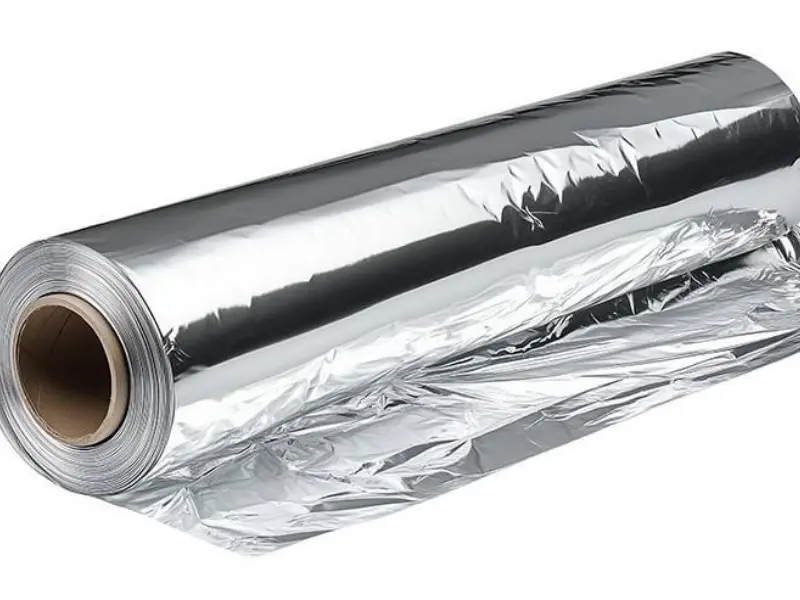
Standard aluminum foil is thin and flexible. It is suitable for light foods and simple lining.
| Feature | Standard Foil |
|---|---|
| Typical thickness | About 0.010 mm to 0.016 mm |
| Flexibility | High |
| Best for | Fish, vegetables, leftovers |
| Strength | Moderate |
| Easy to shape | Yes |
Heavy-Duty Aluminum Foil
Heavy-duty foil is thicker and stronger. It is useful for heavier foods and recipes with sauce.
| Feature | Heavy-Duty Foil |
|---|---|
| Typical thickness | About 0.016 mm to 0.024 mm |
| Flexibility | Medium |
| Best for | Meat, baked potatoes, saucy foods |
| Tear resistance | Higher |
| Reusable for light use | Sometimes |
Heavy-duty foil can hold its shape better. It is a good choice for forming a small tray or packet.
Non-Stick Aluminum Foil
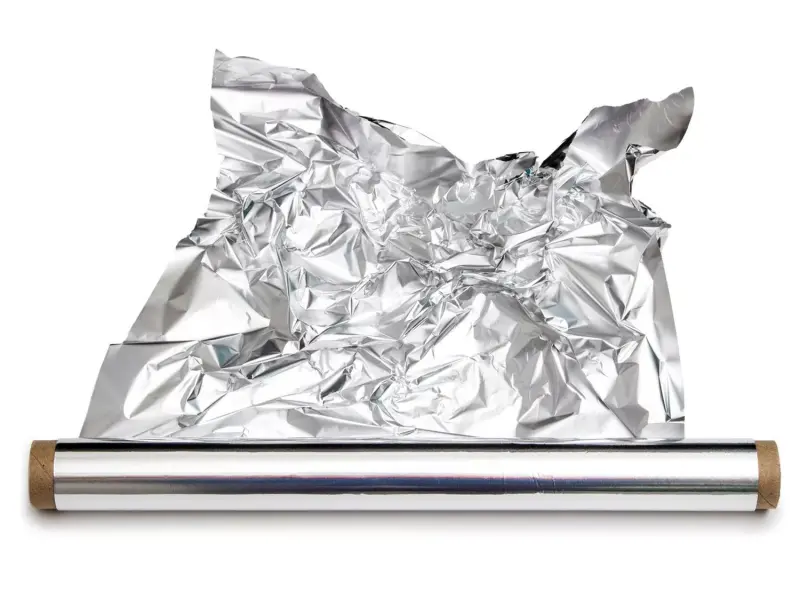
Non-stick foil has a coated side that helps reduce food sticking. It can be useful for cheese, fish, eggs, and sticky marinades.
| Feature | Non-Stick Foil |
|---|---|
| Surface | Coated on one side |
| Best for | Sticky food |
| Cleanup | Easy |
| Main caution | Use the food-contact side correctly |
| Air fryer use | Suitable when secured |
Check the package instructions before use. Place food on the non-stick side if the manufacturer gives a specific direction.
Perforated Foil Liners
Perforated foil liners have holes to support airflow. They are often made for air fryers, steamers, or food baskets.
| Feature | Perforated Foil Liner |
|---|---|
| Airflow | Better than solid foil |
| Cleanup | Good |
| Best for | Fish, chicken, vegetables |
| Crisping performance | Better than full foil coverage |
| Convenience | High |
These liners are useful for people who often cook greasy or sticky food in an air fryer.
Aluminum Foil Specifications for Food Use
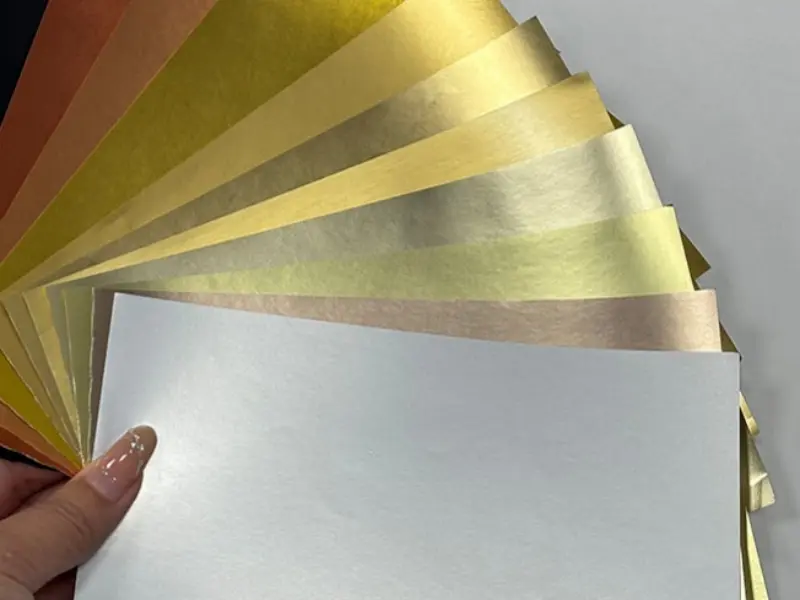
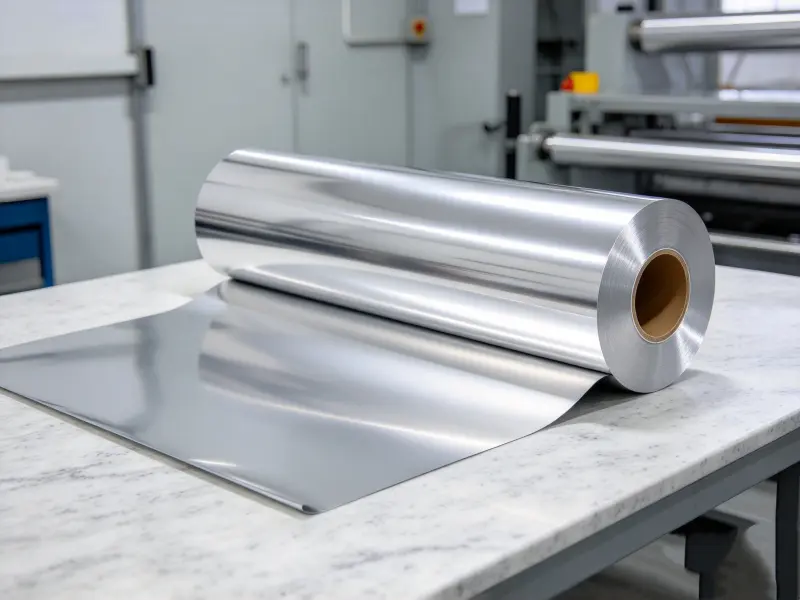
Food-grade aluminum foil is commonly produced in different alloys, tempers, thicknesses, and widths. For home air fryer use, buyers normally choose finished household foil rolls or pre-cut liners.
Common Aluminum Foil Alloys
| Alloy | General Feature | Common Foil Use |
|---|---|---|
| 1060 | High aluminum purity | General household foil |
| 1100 | Good formability | Food packaging foil |
| 1235 | Soft and easy to process | Flexible packaging |
| 3003 | Higher strength | Containers and thicker foil |
| 8011 | Common food-grade alloy | Household foil and containers |
Alloy 8011 is widely used for household aluminum foil. It has good strength, flexibility, and processing performance.
Common Temper Conditions
The temper shows the hardness condition of aluminum foil.
| Temper | Description | Typical Use |
|---|---|---|
| O | Soft annealed condition | Household foil |
| H14 | Half-hard condition | Selected packaging products |
| H18 | Hard condition | Special foil products |
For common cooking foil, the O temper is popular because it is easy to fold, wrap, and shape.
Typical Foil Thicknesses
| Foil Type | Thickness Range | Suitable Air Fryer Task |
|---|---|---|
| Light-duty foil | 0.009 mm to 0.012 mm | Light food and short cooking |
| Standard foil | 0.012 mm to 0.016 mm | Daily cooking |
| Heavy-duty foil | 0.016 mm to 0.024 mm | Meat and saucy food |
| Extra heavy foil | 0.024 mm and above | Trays and special food service use |
The exact thickness can vary by brand and market. For most home air fryer recipes, standard or heavy-duty foil is enough.
Shiny Side or Dull Side: Which Side Faces Food?
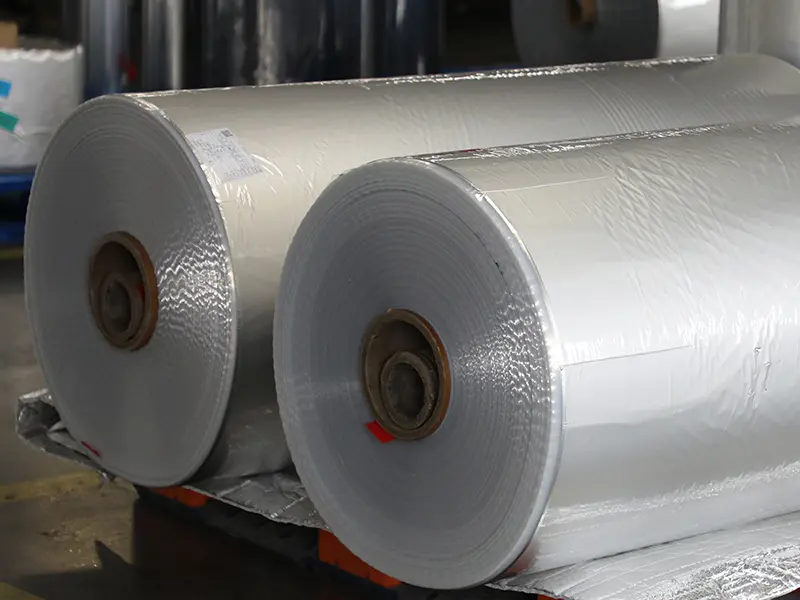
For normal aluminum foil, the shiny side and dull side perform almost the same during air fryer cooking. The difference comes from the manufacturing process.
You can place either side toward the food. The cooking result will usually not change in a noticeable way.
One Important Exception
Non-stick foil is different. It has a designated food-contact side. Follow the instructions on the package.
| Foil Type | Which Side Faces Food? |
|---|---|
| Standard foil | Either side |
| Heavy-duty foil | Either side |
| Non-stick foil | Follow package instructions |
| Printed foil liner | Follow product instructions |
Aluminum Foil vs Parchment Paper in an Air Fryer
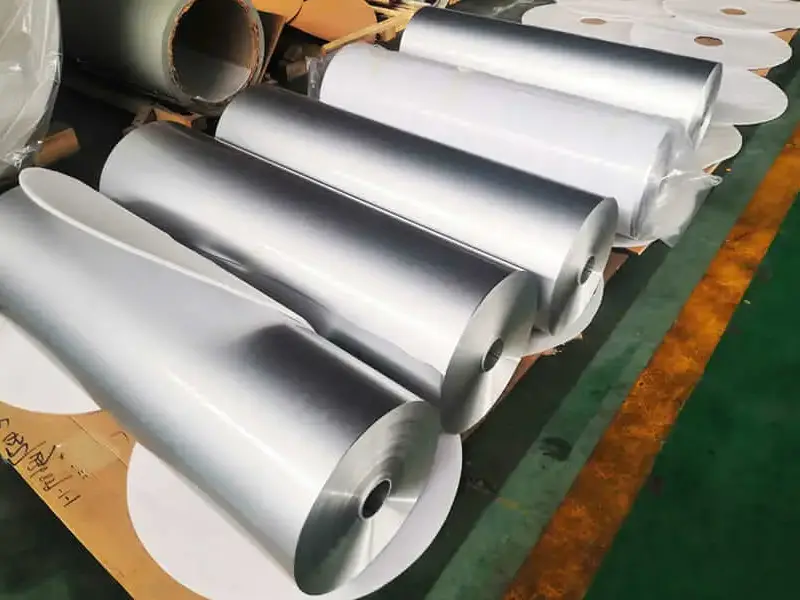
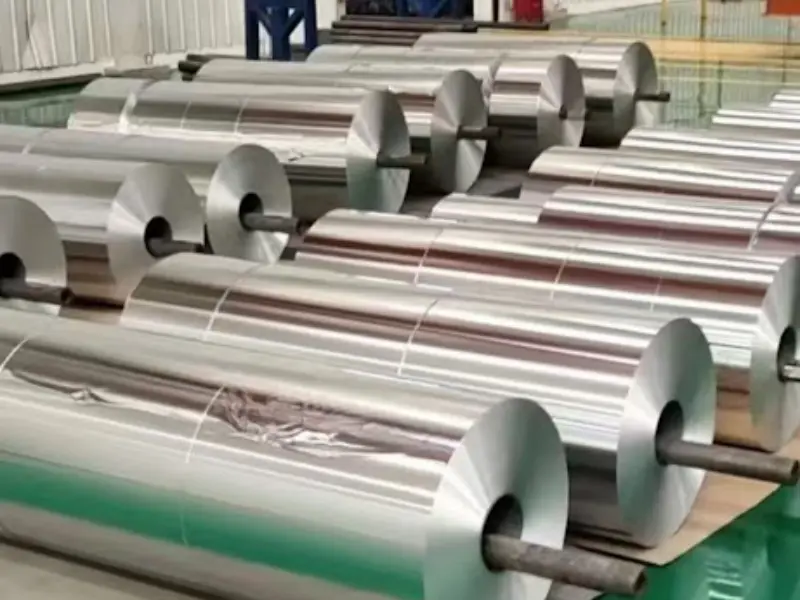
Both foil and parchment paper can help keep the basket clean. They work differently.
| Feature | Aluminum Foil | Parchment Paper |
|---|---|---|
| Heat resistance | High | High within product limit |
| Airflow | Limited unless perforated | Better when perforated |
| Grease barrier | Excellent | Good |
| Shape holding | Strong | Lower |
| Sticky food | Good with non-stick foil | Good with coated parchment |
| Crisping | Can reduce crisping | Often better with holes |
| Sauce containment | Better | Less suitable for liquid sauces |
| Reuse potential | Sometimes | Usually single use |
Choose foil for greasy meat, marinated food, and sauce. Choose perforated parchment paper for food that needs more airflow.
Aluminum Foil vs Silicone Air Fryer Liners
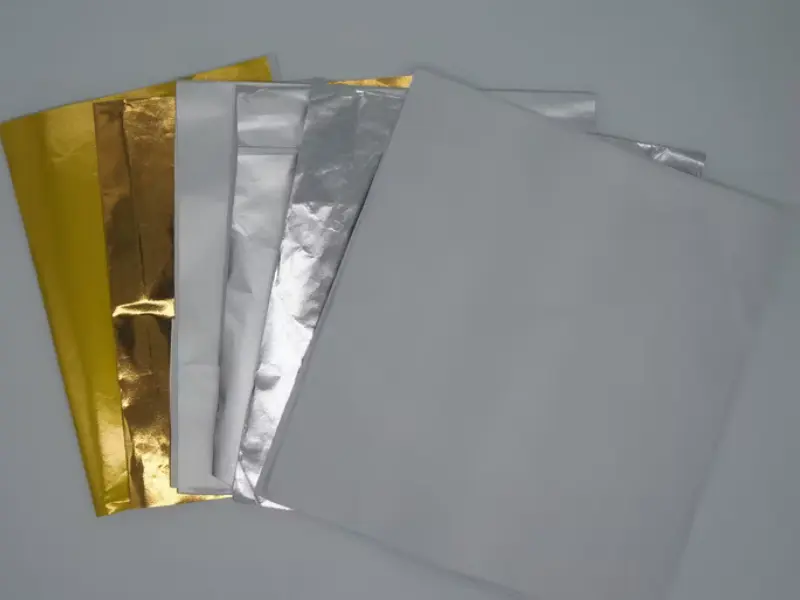
Silicone liners are reusable and can be a good option for regular use. They are usually thicker than foil and may have raised lines or grooves.
| Feature | Aluminum Foil | Silicone Liner |
|---|---|---|
| Cost per use | Low | Higher first cost |
| Reuse | Limited | Many uses |
| Cleanup | Easy disposal | Needs washing |
| Heat handling | High | Depends on product rating |
| Air circulation | Depends on design | Can be reduced |
| Sauce handling | Good | Good |
| Storage | Very easy | Takes more space |
Silicone liners are useful for buyers who want to reduce waste. Foil is more convenient for quick cleanup and irregular food shapes.
Aluminum Foil vs Air Fryer Paper Liners
| Feature | Aluminum Foil | Paper Liner |
|---|---|---|
| Moisture barrier | Strong | Moderate |
| Oil resistance | Strong | Good |
| Shape flexibility | High | Limited |
| Crisping support | Moderate | Better with perforations |
| Heavy food support | Good | Depends on paper quality |
| Recyclability | Depends on food contamination | Depends on coating and contamination |
Paper liners are popular for light snacks and baked food. Aluminum foil is often better for greasy food and recipes with sauces.
Air Fryer Cooking Guide with Aluminum Foil
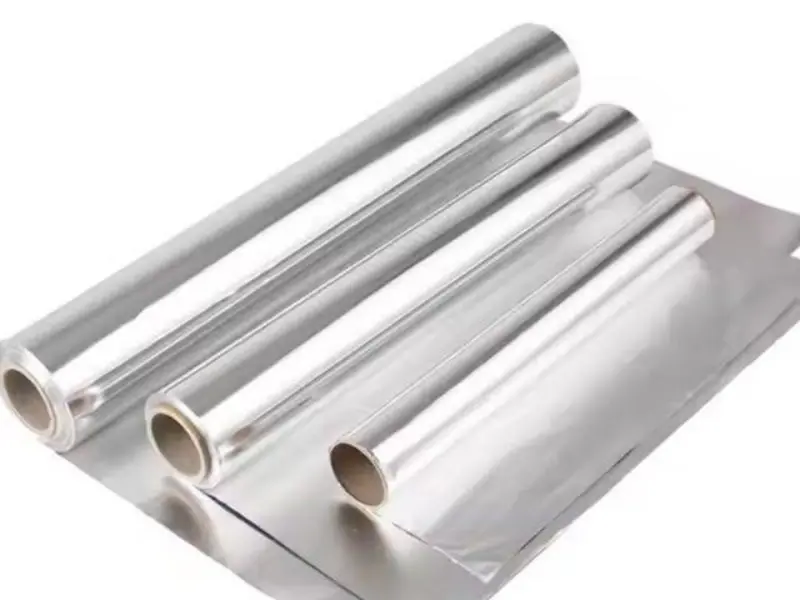
Cooking time depends on the food size, thickness, air fryer power, and basket design. The table below offers general guidance only.
Suggested Food and Temperature Guide
| Food | Temperature | Approximate Time | Foil Advice |
|---|---|---|---|
| Salmon fillet | 375°F | 8–12 minutes | Use a small foil tray |
| Chicken breast | 375°F | 16–22 minutes | Leave sides open |
| Shrimp | 380°F | 6–9 minutes | Use perforated foil |
| Meatballs | 380°F | 10–14 minutes | Use foil for easy cleanup |
| Vegetables | 375°F | 8–15 minutes | Add small holes |
| Baked potato | 400°F | 35–45 minutes | Wrap loosely if desired |
| Reheated pizza | 350°F | 3–5 minutes | Use a small foil base |
| Stuffed peppers | 360°F | 12–18 minutes | Make a foil tray |
Cooking times are estimates. Always check that meat reaches a safe internal temperature.
Food Safety When Using Foil
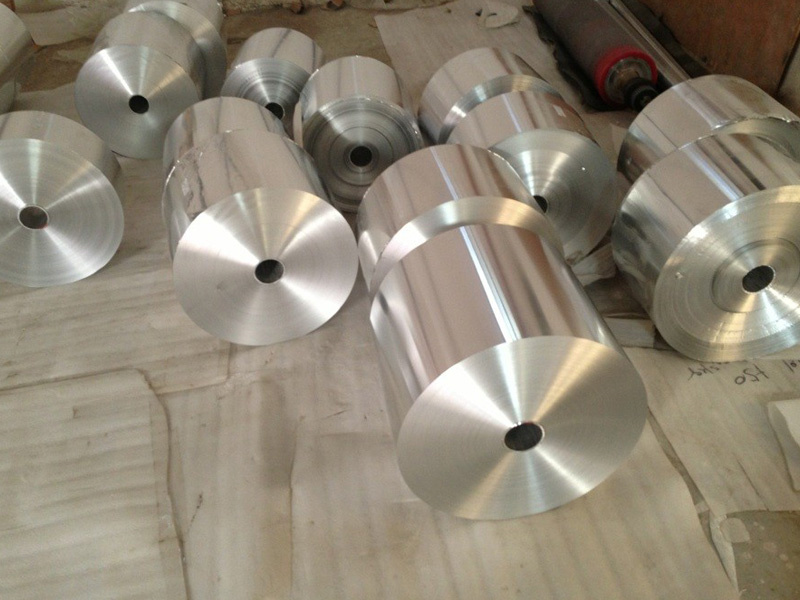
Aluminum foil is commonly used for food preparation and cooking. Still, a few simple steps can improve safety and food quality.
Keep Foil Secure
The food should weigh down the foil. Never preheat the air fryer with a loose piece of foil inside.
Avoid Blocking Airflow
Do not cover all basket holes. Leave gaps around the edges and make small holes when needed.
Be Careful with Acidic Foods
Highly acidic foods can react with aluminum during long cooking or storage. Examples include tomato sauce, lemon juice, vinegar, and some marinades.
| Food Type | Foil Use Advice |
|---|---|
| Plain chicken | Suitable |
| Fish with lemon | Use for short cooking; avoid long storage |
| Tomato-based food | Use a liner or container if possible |
| Vinegar marinade | Limit direct foil contact |
| Dry roasted vegetables | Suitable |
| Cheese dishes | Non-stick foil can help |
This does not mean foil can never be used with acidic food. It means long contact time may affect flavor or leave dark marks on the foil.
Do Not Store Food in Foil for Too Long
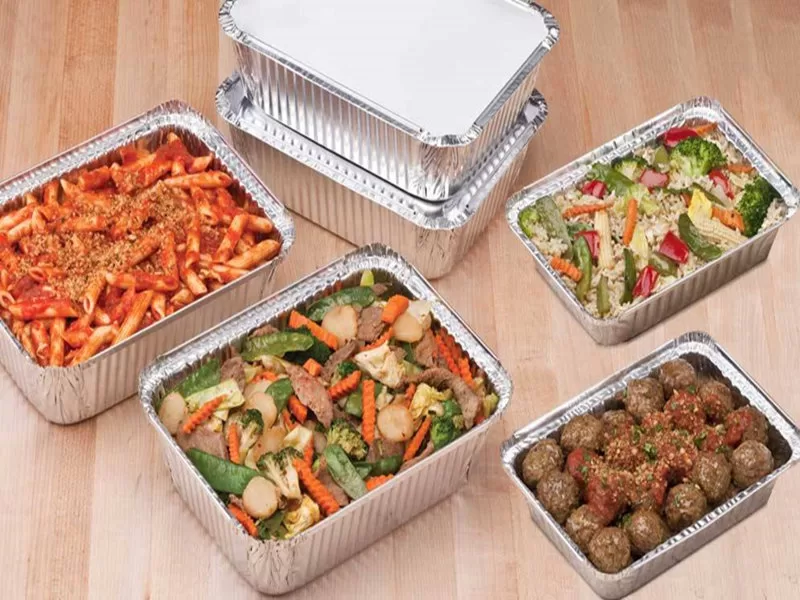
Foil is useful during cooking. For long food storage, use a sealed food container. This is especially important for acidic or salty food.
Common Mistakes to Avoid
Small mistakes can affect both safety and cooking quality.
Covering the Full Basket
A full foil layer blocks hot air. The food may cook slowly and remain soft on the bottom.
Using Foil Without Food on Top
Foil must be held down. Loose foil can move inside the air fryer.
Allowing Foil to Touch the Heating Element
Foil should stay in the basket or food tray area. It should never reach the top heating element.
Using Too Much Foil
Use only the amount needed. A small foil sheet is often enough.
Ignoring the Appliance Manual
Air fryers have different designs. Always follow the instructions for your air fryer model.
A Simple Decision Guide
Use this guide before placing foil in your air fryer.
| Question | If Yes | If No |
|---|---|---|
| Is the food greasy or saucy? | Foil may help | A bare basket may work better |
| Does the food need strong crisping? | Use perforated foil or no foil | Solid foil can work |
| Can food hold foil down? | Use foil safely | Do not use loose foil |
| Will airflow remain open? | Continue | Use a smaller piece |
| Is food highly acidic? | Use short contact time | Standard foil use is fine |
| Does the manual allow liners? | Follow guidance | Use another safe method |
Choosing Foil for Different Air Fryer Sizes
The foil size should match the basket. Do not use a large sheet that folds over the sides and blocks airflow.
Small Air Fryers
Small air fryers usually have baskets between 2 and 4 quarts. Use a small foil sheet or a pre-cut liner.
| Basket Size | Suggested Foil Shape |
|---|---|
| 2 qt | Small square or round liner |
| 3 qt | Small perforated foil base |
| 4 qt | Medium basket liner |
Medium Air Fryers
Medium air fryers often range from 5 to 7 quarts. They can handle larger foil liners, but side gaps are still important.
| Basket Size | Suggested Foil Shape |
|---|---|
| 5 qt | Medium round liner |
| 6 qt | Medium rectangular liner |
| 7 qt | Large liner with edge gaps |
Large Air Fryer Ovens
Air fryer ovens may have trays, racks, and multiple cooking levels. Foil can be placed on a tray, but it should not block oven vents.
| Air Fryer Type | Best Foil Method |
|---|---|
| Basket model | Small liner below food |
| Oven model | Foil on the drip tray when allowed |
| Rack model | Perforated foil under food |
| Dual-basket model | Separate liner for each basket |
Aluminum Foil for Food Packaging and Kitchen Supply
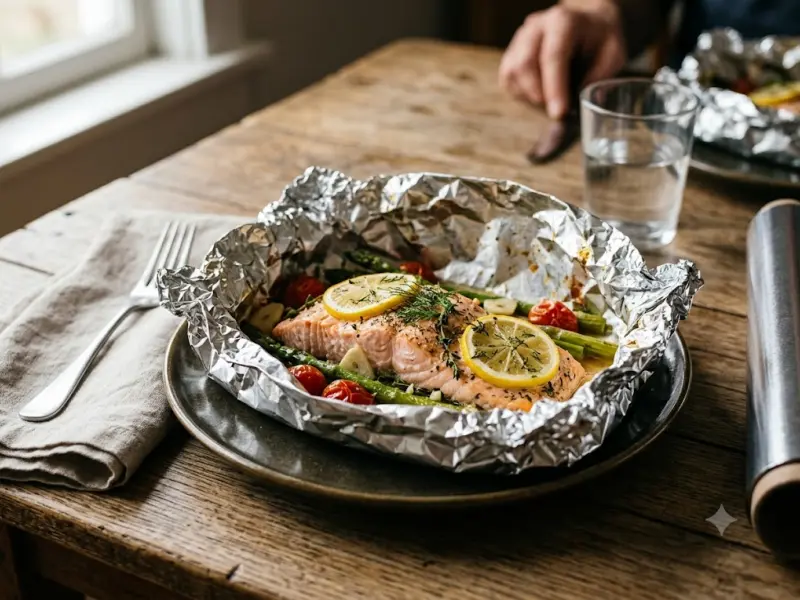
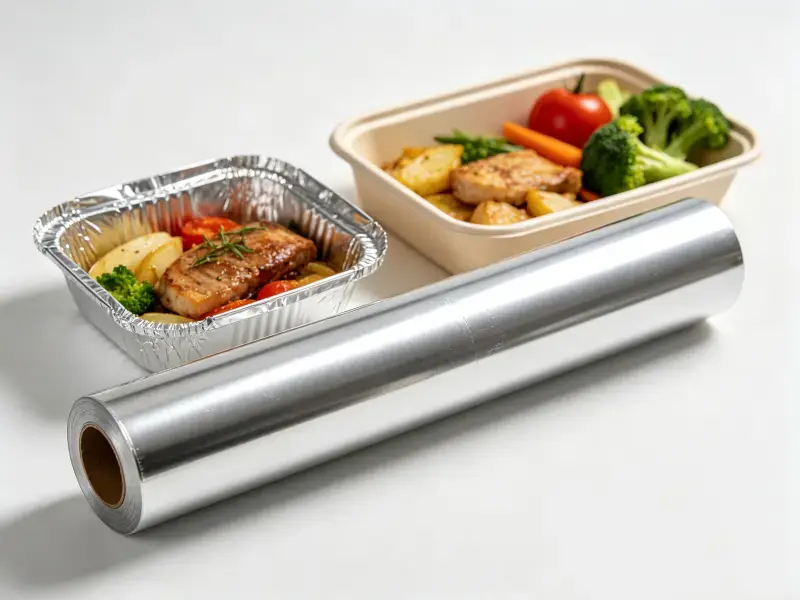
For retailers, wholesalers, and food service businesses, air fryer use is one part of the larger household foil market. Consumers often look for strong, safe, and easy-to-use foil products.
Popular Product Formats
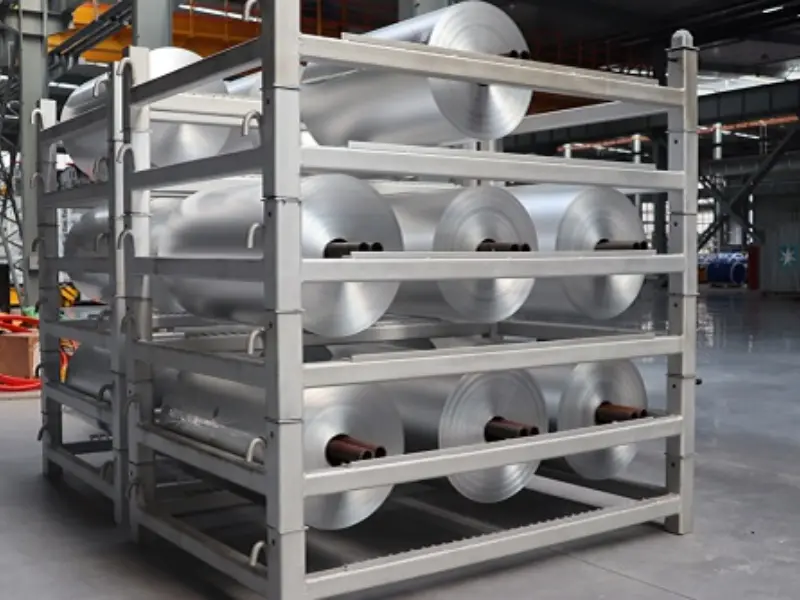
- Household foil rolls
- Heavy-duty foil rolls
- Non-stick foil rolls
- Pre-cut foil sheets
- Perforated air fryer liners
- Round foil liners
- Square foil liners
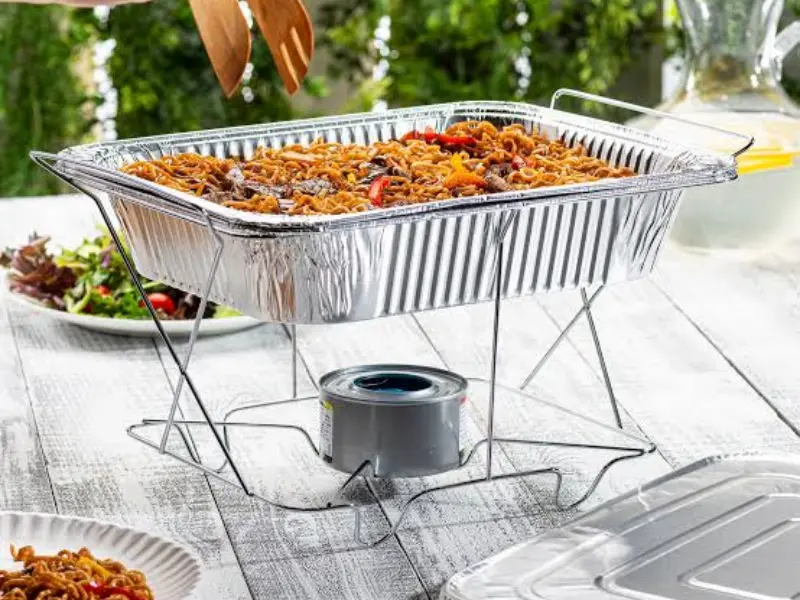
- Rectangular foil trays
- Aluminum food containers
- Foil lids
Common Retail Specifications
| Product Type | Typical Width | Typical Length | Typical Thickness |
|---|---|---|---|
| Household roll | 30 cm | 10 m to 30 m | 0.010 mm to 0.016 mm |
| Wide foil roll | 45 cm | 10 m to 50 m | 0.012 mm to 0.020 mm |
| Heavy-duty roll | 30 cm to 45 cm | 10 m to 30 m | 0.016 mm to 0.024 mm |
| Pre-cut sheet | Custom size | 100–500 sheets | 0.012 mm to 0.020 mm |
| Air fryer liner | Basket matched | Pack of 50–200 | Varies by design |
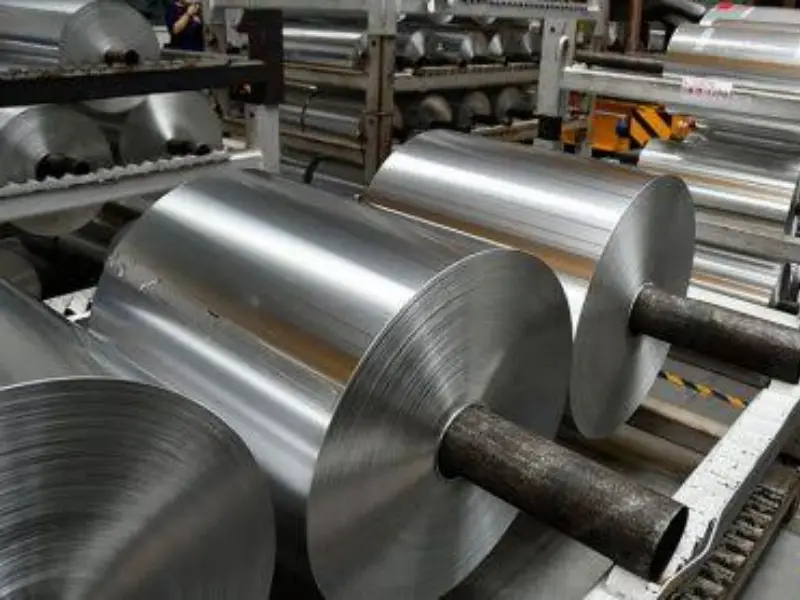
Manufacturers can offer custom roll length, width, embossing, printing, packaging, and carton design for different markets.
What to Look for When Buying Aluminum Foil
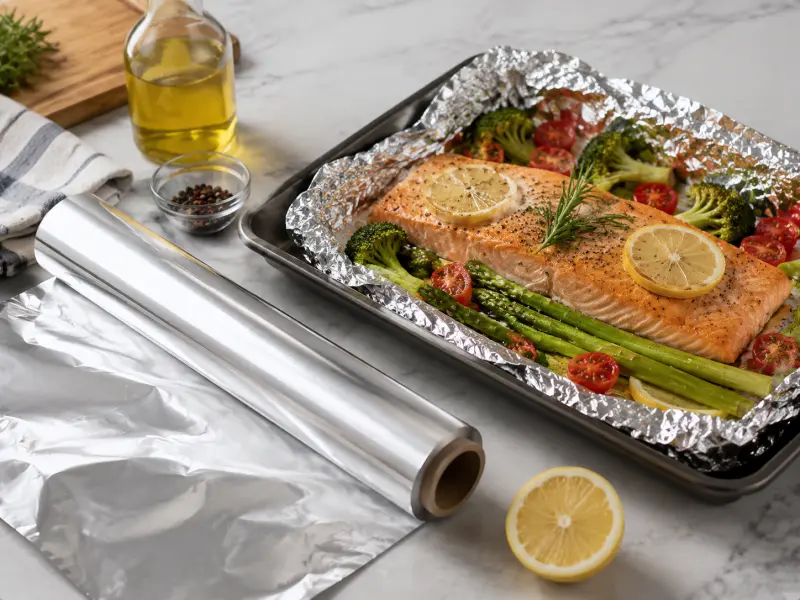
Not all foil rolls have the same quality. A good product should be easy to tear, easy to shape, and strong enough for daily cooking.
Buying Checklist
- Food-grade material
- Clear thickness information
- Good tear resistance
- Smooth roll dispensing
- Strong carton box
- Suitable width for the basket
- Correct length for home or food service use
- Non-stick coating if needed
- Perforated option for airflow
- Clear safety instructions
For air fryer use, standard foil is suitable for many tasks. Heavy-duty foil is better for larger food portions and stronger trays.
Frequently Asked Questions
Can aluminum foil be used in an air fryer?
Yes. Aluminum foil can be used in an air fryer if it is secured by food and does not block the main airflow.
Can aluminum foil touch the air fryer basket?
Yes. Foil can sit inside the basket, below the food. Do not cover the entire basket or all air holes.
Can aluminum foil touch food in an air fryer?
Yes, foil can touch many foods during cooking. For highly acidic food, such as tomato or lemon-heavy dishes, limit long contact time.
Can aluminum foil catch fire in an air fryer?
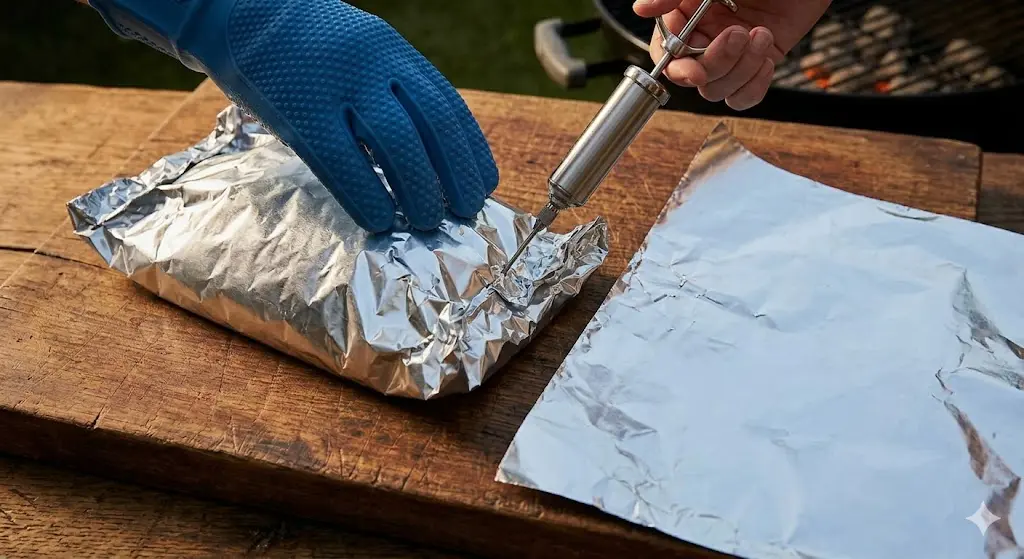
Foil itself does not normally catch fire under standard air fryer temperatures. The main risk is loose foil touching the heating element or blocking airflow.
Should I poke holes in foil for an air fryer?
Small holes can improve airflow. They are useful when cooking food that should become crisp.
Can I put foil under the air fryer basket?
Only if your appliance manual allows it. In some models, foil under the basket can block airflow or grease drainage.
Is heavy-duty foil better for an air fryer?
Heavy-duty foil is stronger and less likely to tear. It is useful for meat, sauce, and shaped foil trays. Standard foil is enough for many everyday recipes.
Does the shiny side of foil go up or down?
For standard foil, either side can face up. The difference is not important for normal air fryer cooking.
Can I use foil and parchment paper together?
It is usually unnecessary. Choose the material that best matches the recipe. Foil is better for grease and sauce. Perforated parchment is better for airflow.
Can I use aluminum foil in a dual-basket air fryer?
Yes. Use a separate piece in each basket. Make sure each piece is held down by food and does not block air circulation.
Can I preheat an air fryer with foil inside?
Do not preheat with loose foil inside. The moving air may lift the foil toward the heating element. Add food first to secure it.
Can I reuse foil from an air fryer?
Lightly used foil may be reused if it is clean, not torn, and has not touched raw food. Do not reuse foil that is heavily greasy, damaged, or contaminated.
Error: Contact form not found.